What Are the 2026 Top Aluminium Sliding Door Trends?

Time:2026-10-16 Author:Madeline
0%

As 2026 approaches, Aluminium Sliding Doors are becoming more than wide openings between rooms. They now combine slimmer sightlines, stronger thermal performance, quieter operation, and more adaptable design. Homeowners increasingly want daylight without sacrificing comfort, security, or usable floor space.

One visible trend is the growth of large insulated glass panels supported by thermally broken aluminium frames. These systems can create a cleaner connection between kitchens, gardens, balconies, and living areas. Low-threshold tracks may also improve accessibility, especially where smooth movement matters. Performance still matters. Reliable suppliers should provide verified U-values, air-tightness results, water-resistance data, and hardware specifications. These details reveal more than attractive showroom photographs.

Automation is also entering premium residential projects. Sensors, concealed locks, and app-based controls can improve convenience, but they introduce maintenance and privacy questions. Recycled aluminium is gaining attention, although environmental claims should be checked through credible documentation rather than marketing language alone. Powder-coated finishes, textured colours, and warmer metallic tones may replace the dominance of plain silver frames. Yet colour trends can date quickly.

The most practical 2026 choices will balance appearance, climate, structure, and daily use. A coastal home needs different protection from a city apartment. A sunny façade may require solar-control glass, while a shaded extension may prioritise heat retention. No single solution fits every project. That is worth remembering. Careful measurements, professional installation, and local building-code checks remain essential. Even advanced doors can underperform when drainage, seals, or alignment receive insufficient attention. This guide examines the leading trends with a realistic view of their benefits, limitations, and long-term value.
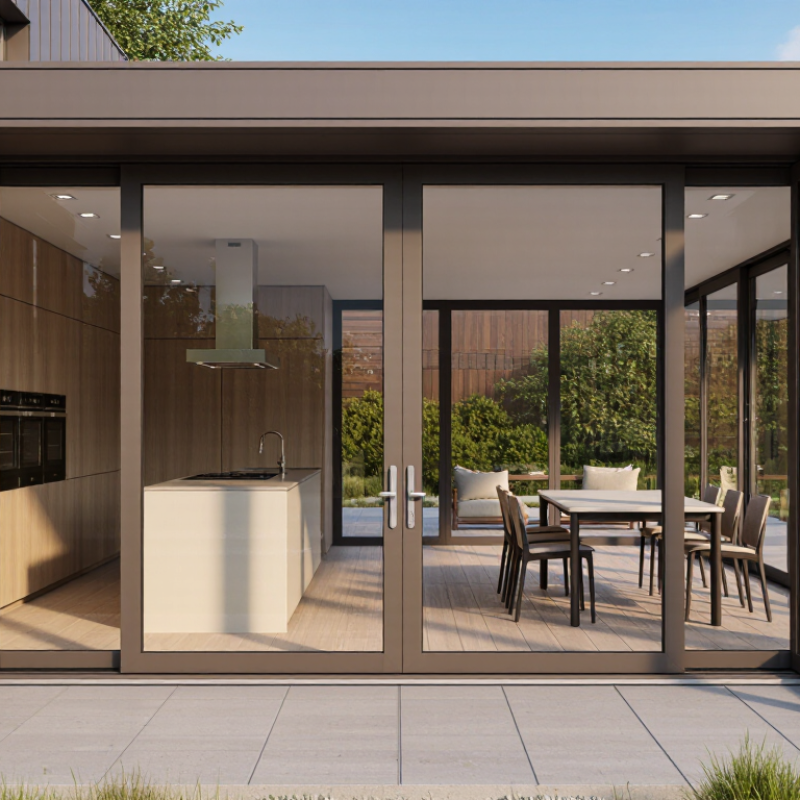
What Are the 2026 Top Aluminium Sliding Door Trends?

What Defines the Top Aluminium Sliding Door Trends in 2026?

What defines the leading aluminium sliding door trends in 2026? It is not simply a slimmer frame or a larger glass panel. Designers and installers now judge performance together: thermal comfort, smooth operation, weather resistance, and long-term repairability. A door should open quietly after thousands of cycles, not only look impressive on handover day. That matters.

Thermally broken aluminium frames are becoming more important in homes with large glazed openings. They reduce heat transfer and help limit cold interior edges during winter. Low-emissivity glass, improved seals, and carefully designed drainage work as one system. Some projects also specify recycled aluminium to reduce material impact. However, recycled content alone does not prove responsible construction. Documentation matters. Correct installation matters more than many product brochures suggest.

On site, the practical trend is better coordination between the frame, floor, insulation, and drainage layer. Flush thresholds can improve accessibility, but they require precise falls and reliable water management. Poor detailing may cause leaks months later. Automation is also growing, especially for wide panels and accessible homes. Yet sensors can fail, power can disappear, and manual overrides remain essential. A beautiful door that sticks, rattles, or traps water is not a successful trend. Even narrow profiles deserve careful testing, because less visible aluminium can sometimes mean less stiffness. That is the uncomfortable detail.

How Smart Technology Is Transforming Aluminium Sliding Doors

In 2026, aluminium sliding doors are becoming responsive parts of the home, not just large glass openings. Motorised panels can open through voice commands, wall switches, or smartphone schedules. Occupancy sensors may close doors after ventilation, while contact sensors report whether a panel is fully locked. The detail matters. A door that moves quietly at 7 a.m. feels useful; one that misreads a pet becomes frustrating.

Energy control is driving this change. The U.S. Department of Energy estimates that windows can cause 25–30% of residential heating and cooling energy use. Smart shading, temperature sensors, and insulated aluminium frames can reduce unnecessary solar heat and air leakage. Industry analysis from Grand View Research valued the global smart home market at approximately $121.59 billion in 2023, with projected growth of 10.67% annually from 2024 to 2030. This wider demand is pushing door systems toward automation.

Installation quality remains the weak point. Sensors need accurate alignment, stable Wi-Fi, and dependable manual access during power failures. Rain, dust, and frequent cleaning also test exposed hardware. Matter-based connectivity may improve compatibility, but setup is not always simple. Privacy deserves attention too. A connected entrance should collect only necessary data, with strong passwords and regular updates. Some smart features still feel experimental. That is worth admitting before specifying them for a real home.

What Are the 2026 Top Aluminium Sliding Door Trends? - How Smart Technology Is Transforming Aluminium Sliding Doors

A practical comparison of the key technology, energy-efficiency and user-experience trends shaping aluminium sliding doors in 2026.

Note: Performance figures are typical specification ranges or design targets. Actual results depend on the complete door system, glazing, installation quality, climate and applicable building regulations.
2026 Trend Smart Technology or Design Feature Practical User Benefit Relevant Data Point 2026 Market Position Main Specification Consideration
AI-assisted access control Mobile credentials, PIN entry, biometric verification and temporary visitor permissions. Keyless entry, easier access management and a digital record of door activity. Access permissions can be assigned by user, time period and door zone. Mainstreaming Use encrypted communication, local override access and a manual emergency release.
Sensor-controlled operation Presence, obstacle, position and motor-load sensors linked to an automatic drive system. Smoother opening, safer closing and reduced risk of impact or obstruction. Obstacle detection should be tested as part of the complete powered-door safety system. Mainstreaming Specify compliant safety sensors, controlled closing speed and backup manual operation.
Whole-home automation integration Connection with lighting, security, ventilation, blinds and home-automation systems. One-touch scenes such as “away,” “night” and “ventilation” modes. Common integration methods include wireless networks, wired building controls and gateway devices. Growing Confirm protocol compatibility, cybersecurity updates and operation during internet outages.
Higher thermal performance Thermally broken aluminium frames combined with insulated low-emissivity glazing. Lower heat transfer, improved interior comfort and reduced condensation risk. Typical low-emissivity double-glazing centre-pane U-values are approximately 1.0–1.4 W/m²K; triple glazing can be approximately 0.5–0.8 W/m²K. Mainstreaming Compare whole-door U-value rather than glass-only performance, and check local energy requirements.
Solar and daylight management Solar-control glass, automated blinds, daylight sensors and temperature-based shading. Better glare control, reduced overheating and more consistent indoor lighting. Solar heat gain is assessed using the glass or door solar factor, commonly expressed as g-value or SHGC. Mainstreaming Select the solar-control level according to orientation, climate, shading and daylight requirements.
Ultra-low-threshold accessibility Flush tracks, powered assistance, touchless activation and improved handle ergonomics. Easier passage for wheelchair users, children, older adults and users carrying objects. Level-access designs aim to minimise trip edges; final thresholds must meet local accessibility rules. Mainstreaming Coordinate drainage, weather sealing and track detailing so accessibility does not reduce water resistance.
Predictive maintenance Motor-current monitoring, cycle counters, temperature sensors and maintenance alerts. Earlier identification of track contamination, roller wear, alignment issues or motor overload. Maintenance intervals can be based on operating cycles and fault history instead of calendar time alone. Growing Retain manual inspection procedures; sensor data should support, not replace, safety checks.
Stronger weather and acoustic performance Multi-point locking, improved gaskets, enhanced drainage and acoustic laminated glazing. Better resistance to wind-driven rain, air leakage, outside noise and changing weather conditions. Air permeability, watertightness, wind resistance and sound reduction should be verified through system testing. Mainstreaming Review tested performance for the exact frame, glass, hardware and installation configuration.
Circular and low-carbon material choices Recycled aluminium content, mechanically replaceable components and design for future disassembly. Lower material impact, easier refurbishment and improved end-of-life recovery. Aluminium can be repeatedly recycled when it is properly collected and separated from other materials. Growing Request verified recycled-content and environmental product information, not unsupported sustainability claims.

Why Energy Efficiency Shapes Modern Sliding Door Design

What Are the 2026 Top Aluminium Sliding Door Trends?

Why Energy Efficiency Shapes Modern Sliding Door Design

In 2026, aluminium sliding doors are becoming slimmer, quieter, and more energy conscious. Energy efficiency now guides frame design, glass selection, and installation methods. Slim profiles still matter, but appearance cannot replace thermal performance. Thermal breaks reduce heat transfer through the aluminium frame. Small gaps matter.

Low-emissivity double glazing remains a practical choice for many homes. Triple glazing may suit colder regions or highly insulated buildings. Glass coatings can limit winter heat loss while controlling harsh summer sunlight. Designers also consider solar heat gain, U-values, and local climate exposure. A west-facing door needs different protection from a shaded northern opening.

Air leakage is another important concern. Multi-point locks, compression seals, and accurate frame alignment can improve comfort. Poor installation may undermine an excellent door system. The best specifications still fail when the opening is measured carelessly. That lesson is easy to overlook.

Modern projects increasingly combine large openings with deeper thresholds and improved drainage. These details help manage rain, wind, and indoor temperature changes. Yet more glass is not always better. Oversized panels can increase cooling demand and hardware strain. A balanced design may deliver more comfort than the largest possible opening. This balance deserves closer attention.

Which Materials, Colors, and Styles Will Lead in 2026?

In 2026, aluminium sliding doors will favor performance as much as appearance. Thermally broken frames can reduce heat transfer around large glass openings. Recycled aluminium will attract practical homeowners seeking lower-impact construction materials. Laminated or low-emissivity glass should improve comfort, security, and indoor temperature control. During site consultations, installers often notice weak rollers before frame problems. Smooth stainless-steel tracks and adjustable wheels will therefore matter more than decorative details. Small hardware choices matter.

Warm grey, soft black, and muted bronze are likely to lead residential projects. These colors suit stone, timber, concrete, and pale plaster finishes. Black remains striking, but it can absorb heat in intense sunlight. Coastal homes may benefit from durable powder coatings designed for salty air. Interior designers will also explore cream, clay, and olive-inspired tones. Custom colors may increase cost and extend production times. That trade-off deserves honest discussion.

Slim frames will continue shaping modern kitchens, terraces, and compact apartments. Three-panel systems can create wider openings without demanding a large swing area. Corner sliders may connect two glazed walls, although drainage and structural planning become more complex. Flush thresholds offer cleaner transitions for daily movement and accessible interiors. Weather seals must still perform during wind-driven rain. A beautiful door that leaks is a poor investment. I expect larger glass panels, but not everywhere; oversized units can be difficult to transport, repair, and replace. Careful measurements and qualified installation will remain essential as these trends develop.

How Security, Accessibility, and Sustainability Influence Door Choices

What Are the 2026 Top Aluminium Sliding Door Trends?

Security, accessibility, and sustainability are reshaping aluminium sliding doors in 2026. Homeowners now expect smooth movement and stronger protection. Multi-point locks, laminated glass, and anti-lift tracks can reduce common entry weaknesses. However, security hardware must support quick emergency exit. More locks do not automatically mean better design.

Accessibility is equally important. The World Health Organization estimates that 1.3 billion people experience significant disability worldwide. Wide openings, low thresholds, and lever-style handles can make daily movement easier. Large handles help users with limited grip strength. Designers should also consider wheelchair turning space, glare, and track cleaning. A beautiful door can still fail a user.

Sustainability is becoming measurable, not decorative. The International Energy Agency reports that buildings consume about 30% of global final energy. Thermally broken aluminium frames, low-emissivity glazing, and careful installation can reduce heat loss. Aluminium is also highly recyclable, but recycled content and local recovery systems vary. I still see projects choosing oversized glass without checking summer overheating. That is a costly oversight.

Tips: Ask for tested security performance, accessible threshold dimensions, U-values, and recycled-content evidence. Check drainage after heavy rain. Test the door with one hand before approving the final installation. Then question whether every feature serves a real household need.

The 2026 aluminium sliding-door market is being shaped by three measurable priorities: accessible passage widths, tested resistance against forced entry, and the energy advantage of recycled aluminium.

Reference benchmarks: 813 mm minimum clear opening under ADA accessibility guidance; 3 minutes of resistance for EN 1627 RC2 testing; approximately 95% energy savings when producing recycled aluminium compared with primary aluminium, according to International Aluminium Institute lifecycle data. These figures are benchmarks, not company or brand market-share data.

FAQS

How are smart aluminium sliding doors changing homes?

Motorised panels can respond to voice commands, wall switches, or smartphone schedules. A quiet opening at 7 a.m. feels practical. A misread pet feels irritating.

Can these doors reduce household energy use?

Smart shading and temperature sensors can limit unwanted solar heat. A well-installed insulated frame may reduce air leakage. Windows can represent 25–30% of household heating and cooling energy use.

What installation problems should homeowners expect?

Sensors need accurate alignment and stable wireless connections. Rain, dust, and repeated cleaning can affect exposed hardware. Manual operation remains essential during power failures. Installation is not always simple.

How can sliding doors improve home security?

Multi-point locks, laminated glass, and anti-lift tracks can reduce common weaknesses. The door should still allow a quick emergency exit. More locks do not automatically create better design.

What accessibility features are useful?

Wide openings and low thresholds can support wheelchair users and people with limited mobility. Large lever-style handles need less grip strength. Allow space for turning and check glare near the glass. A beautiful door can still fail someone.

How should privacy be handled with connected doors?

Collect only necessary information from sensors and connected controls. Use strong passwords and install regular security updates. Avoid unnecessary monitoring inside private rooms. Convenience can become intrusive.

Are aluminium sliding doors a sustainable choice?

Thermally broken frames and low-emissivity glazing can reduce heat loss. Aluminium is highly recyclable, but recovery systems differ by location. Ask for recycled-content evidence. Oversized glass may cause summer overheating.

What should buyers test before approving installation?

Check the threshold, stated thermal performance, drainage, and emergency manual access. Open the door with one hand. Test sensors around pets and furniture. Ask whether every feature serves a real household need.

Conclusion

In 2026, Aluminium Sliding Doors are defined by a balance of intelligent design, comfort, security, and environmental responsibility. Smart technology will make everyday use more convenient through automated opening, app-based controls, sensors, and systems that can connect with wider home management solutions. At the same time, energy efficiency will remain central, with improved insulation, thermally efficient frames, and high-performance glazing helping reduce heat loss while maintaining natural light and outdoor views.

Design trends will favor slim profiles, spacious glass panels, and flexible opening configurations that suit both contemporary and traditional architecture. Neutral tones, soft metallic finishes, and carefully selected bold colors will offer greater personalization. Safety features, smooth low-threshold access, and user-friendly controls will support households with different mobility needs. Sustainable materials, long-lasting construction, repairable components, and responsible manufacturing will also influence purchasing decisions, making the leading sliding door solutions more durable, adaptable, and environmentally conscious.

Madeline

Madeline

Madeline is a dedicated marketing professional with a wealth of expertise in our company's core offerings. With a keen understanding of the industry, she brings a unique perspective to her role, consistently delivering high-quality content that highlights the superior aspects of our products. As......