What Are the Best Aluminium Windows and Doors in 2026?

Time:2026-11-05 Author:Sienna
0%

Choosing the best aluminium windows and doors in 2026 starts with the building, not a product ranking. A coastal home, a noisy street apartment, and a sunlit extension place different demands on frames and glass. The right choice should balance slim sightlines with thermal performance, weather resistance, security, and smooth daily operation. Small details matter. Check thermal breaks, glazing specifications, drainage design, seals, and hardware warranties rather than relying on appearance alone. A narrow frame can bring more daylight, but it cannot compensate for poor installation or unsuitable glass. The product and the installer both count.

This guide compares Aluminium Windows & Doors using practical criteria, including frame design, energy performance, durability, maintenance, and available configurations. It also explains how to read manufacturer specifications and compare tested performance instead of relying on broad claims. Requirements vary by climate and location, so verify relevant building standards and installation guidance before choosing a system. There is no universal winner, which is less tidy than a simple top-five list. A suitable option depends on the opening size, exposure to wind and rain, ventilation needs, and budget. Ask suppliers about glass options, finish care, replacement parts, and installation responsibilities. A showroom sample can help, but it does not show how a frame will perform on your actual site. Careful comparison makes the decision clearer, even if it cannot remove every trade-off.
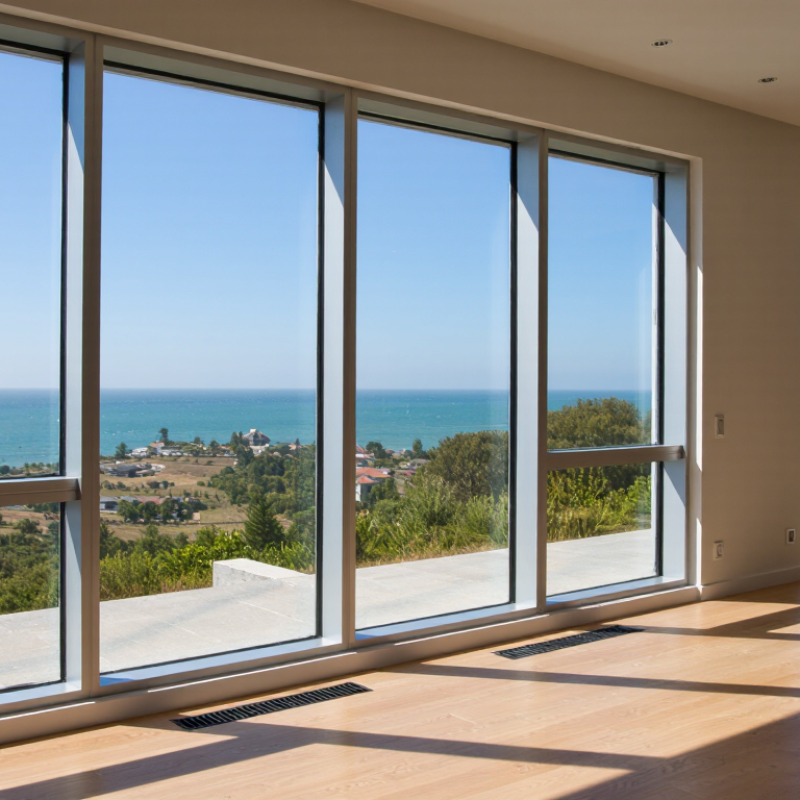
What Are the Best Aluminium Windows and Doors in 2026?

How Aluminium Windows and Doors Are Defined and Used

What Are the Best Aluminium Windows and Doors in 2026?

How Aluminium Windows and Doors Are Defined and Used

An aluminium window or door combines an extruded metal frame with glazing, seals, and operating hardware. Many frames include a thermal break: an insulating strip that separates the inner and outer metal sections. This limits heat transfer, though glass choice, weather seals, and installation also shape performance. Aluminium’s strength allows relatively slim frames and broad glazed openings, useful in homes, offices, and storefronts. Details matter.

The U.S. Department of Energy’s Energy Saver guidance estimates that heat gain and loss through windows account for 25–30% of residential heating and cooling energy use. That figure makes glazing and airtight installation as important as the frame material. The International Aluminium Institute reports that about 75% of all aluminium ever produced remains in use, reflecting the material’s recyclability. Still, recyclability alone does not make every product a good choice; durability and responsible sourcing deserve attention too.

Tips: Ask for the full window or door’s tested thermal-performance figures, not just the frame’s. Check that seals sit evenly and the frame opens smoothly. For a renovation, measure each opening carefully and review how water will drain. A narrow profile may look clean, but the best fit depends on climate, exposure, and everyday use.

Which Frame Designs and Opening Types Are Available?

Aluminium windows in 2026 come in several frame designs, from slim sightlines that maximize glass to deeper profiles built for larger panes. Thermal-break frames add an insulating layer between the inner and outer aluminium. Fixed windows offer broad, uninterrupted views, while flush frames create a cleaner look against the wall. The U.S. Department of Energy’s Energy Saver guidance estimates that heat gain and loss through windows account for 25–30% of residential heating and cooling energy use. Frame appearance matters, but so do glass performance and installation quality.

Opening styles shape how a room feels and works. Sliding windows save space beside patios or narrow walkways. Casement windows swing outward and can catch breezes; awning windows open from the bottom, helping shield a room from light rain. Tilt-and-turn designs offer inward tilting for ventilation and full inward opening for cleaning. Folding and lift-and-slide doors create wider indoor-outdoor openings, though their tracks need regular care. There is no perfect layout. A dramatic corner window may leave less wall space for furniture.

Tips: Check the opening direction against nearby furniture, curtains, and outdoor paths. Ask for frame-section samples, and compare visible sightlines—not just catalogue images. A beautiful slim frame can feel less convincing if the hardware is stiff or the installation is uneven.

How Performance, Durability, and Energy Efficiency Compare

In 2026, aluminium windows and doors should be compared by whole-unit performance, not frame appearance alone. Thermally broken frames use an insulating barrier to slow heat transfer, while good seals help limit drafts around the sash. The U.S. Department of Energy’s Energy Saver guidance estimates that windows account for about 25–30% of residential heating and cooling energy use. That makes glazing, frame design, and installation details worth checking together. Small details matter.

For a fair comparison, read the National Fenestration Rating Council (NFRC) label: its certified U-factor measures heat flow, while solar heat gain coefficient (SHGC) indicates how much solar heat enters. Lower U-factor can help in cold conditions, but the best SHGC depends on climate, orientation, and shading. A high-performance unit may still underperform if its perimeter seal or sill drainage is poorly installed; I would inspect those details twice. Durability also depends on coating quality, hardware, drainage paths, and maintenance—not aluminium alone. One caveat: ratings describe tested products, not every real-world installation. A slightly less impressive number may suit a shaded, mild-climate home better than a headline-grabbing specification.

What Are the Best Aluminium Windows and Doors in 2026?

How performance, durability, and energy efficiency compare

What the chart shows: Typical thermal conductivity of frame materials in W/m·K; lower conductivity means less heat passes through the material itself. Values are approximate and vary by grade and product. A thermally broken aluminium frame reduces heat transfer compared with unbroken aluminium, but whole-window or whole-door energy performance also depends on glazing, frame design, seals, and installation. For a fair product comparison, check certified whole-product U-factor and air-leakage ratings. Durability depends on finish, exposure, hardware, and maintenance.

Which Aluminium Systems Suit Different Buildings and Climates?

The best aluminium system depends on the building and its weather, not simply the frame’s appearance. In cold regions, choose thermally broken frames with insulated glazing to limit heat loss and reduce interior condensation. The U.S. Department of Energy estimates that windows account for 25–30% of residential heating and cooling energy use. That is a substantial share.

In hot, sunny climates, low solar-heat-gain glazing can help reduce indoor overheating, especially on west-facing façades. Coastal buildings need durable finishes, effective drainage, and hardware suited to salt-laden air. Ask for performance data on the complete window assembly, not just the glass. Small detail. Frame joints and installation quality can undermine an otherwise strong specification.

For high-rise or exposed sites, confirm that tested wind-load performance suits the project’s height and local exposure. The International Energy Agency’s 2022 Global Status Report for Buildings and Construction links buildings with about 30% of global final energy use and 26% of energy-related emissions. Better windows can contribute, but they cannot fix poor shading or ventilation. I would not treat one specification as universally best; actual site conditions matter, and early design assumptions sometimes miss them.

How to Assess the Best Aluminium Windows and Doors in 2026

To assess the best aluminium windows and doors in 2026, look beyond slim frames and showroom shine. Check whether the frame has a thermal break, which helps reduce heat transfer between indoors and outdoors. Ask for documented thermal and air-leakage performance, and compare like-for-like figures for the same size and glazing. Ask for evidence. A double-glazed unit may suit many homes, while triple glazing can help in colder climates, but added weight and cost matter. The right choice depends on your weather, orientation, and heating needs.

Test the details you will use every day. Handles should operate smoothly; sliding panels should move without a shove. Check drainage paths, corner joints, seals, and how the frame is fixed to the wall. Small details matter. If possible, inspect a full-size installed unit on a windy or rainy day, not just a sample corner. Installation quality can undermine even a well-made product, so ask who will fit it and how the opening will be sealed. Compare written warranty terms, maintenance guidance, and replacement-part availability. A quiet showroom can make any door seem solid. It is worth asking awkward questions, and admitting that one specification rarely tells the whole story.

What Are the Best Aluminium Windows and Doors in 2026? — How to Assess the Best Aluminium Windows and Doors in 2026

Assessment area What to compare How to identify a strong option Evidence to request
Thermal performance Whole-product U-factor, which measures heat transfer through the complete window or door assembly. Lower U-factor means less heat transfer. Compare products with the same operating style and glazing configuration, and select a value suited to the local climate and energy requirements. A current NFRC label or certified rating report. Check whether the figure is for the whole product rather than center-of-glass performance.
Solar heat control Solar Heat Gain Coefficient (SHGC), expressed from 0 to 1. A lower SHGC admits less solar heat; a higher value allows more solar heat gain. Choose according to climate, orientation, shading, and heating or cooling priorities. NFRC-rated SHGC for the exact glazing and frame configuration being quoted.
Daylight and views Visible Transmittance (VT), glazing area, frame sightlines, and any applied coatings. Higher VT generally allows more visible light through the glazing. Compare VT alongside SHGC and glare needs rather than treating it as a measure of overall energy performance. NFRC-rated VT and a dimensioned elevation drawing showing frame and glass proportions.
Thermal-bridge control Whether the aluminium frame incorporates a thermal break separating interior and exterior frame sections. A thermally broken frame reduces conductive heat flow through the metal compared with a frame without a thermal break. Performance still depends on the complete assembly and installation. Section drawings identifying the thermal break, plus whole-product thermal ratings for the proposed unit.
Air leakage Rated air leakage through the closed and latched unit, commonly reported in cubic feet per minute per square foot (cfm/ft²) in North American ratings. Lower leakage indicates a tighter tested unit. Compare like-for-like test results and check that the product’s operating style and size match the project. Independent test or certification documentation stating the test method, product configuration, and leakage result.
Water penetration Tested water resistance and the pressure rating appropriate to the site’s wind and rain exposure. Look for a tested rating suitable for the building height, exposure, local weather, and installation details. A rating alone does not guarantee a leak-free installation. Test reports or certification showing the water test pressure, specimen configuration, and applicable product classification.
Structural strength Design pressure, glass thickness, frame dimensions, and tested size limits. Confirm the proposed unit is engineered for the project’s wind loads and actual opening dimensions. Larger spans and exposed locations may require specific reinforcement or a different configuration. Project-specific calculations or approved drawings, including maximum tested sizes and design-pressure information.
Glazing safety and comfort Insulating-glass construction, safety-glazing locations, acoustic needs, and condensation performance. Specify glazing for the opening, climate, and use. Safety-glazing requirements depend on location and applicable codes; acoustic performance should be compared using a stated rating such as STC or OITC. Glass build-up schedule, safety-glazing compliance documentation where required, and sound or condensation ratings when relevant.
Finish durability Coating type, colour consistency, corrosion exposure, and maintenance requirements. Match the finish specification to the environment, especially coastal or industrial exposure. AAMA 2604 and AAMA 2605 are performance specifications for high-performance organic coatings on aluminium; confirm which specification applies to the offered finish. Written finish specification, applicable test or compliance documentation, care instructions, and finish warranty terms.
Operation and accessibility Opening style, hardware, clear opening, threshold, and ease of operation. Choose hardware suited to the panel weight and expected use. Where an accessible route is required under applicable U.S. standards, verify the required clear opening and threshold conditions for that specific doorway. Hardware schedule, product drawings with clear-opening dimensions, and project-specific accessibility review where applicable.
Installation and whole-life value Installation details, drainage paths, perimeter sealing, service access, warranty coverage, and expected maintenance. The best-performing product can underperform if installed incorrectly. Compare the complete installed specification and clarify who is responsible for flashing, sealing, adjustment, and after-sales service. Installation instructions, scope of work, written warranty, maintenance guidance, and a detailed quotation for the full assembly.

Comparison note: Ratings depend on product size, glazing, hardware, and test method. Compare certified data for the exact configurations being considered, and check local building codes and climate requirements before specifying a product.

FAQS

What frame designs are available for aluminium windows?

Options include slim sightlines, deeper profiles, thermal-break frames, and flush frames. Fixed designs provide broad, uninterrupted views. Slim frames look clean, but installation quality still matters.

Which opening style works best in a small space?

Sliding windows do not swing into nearby furniture or narrow walkways. Casement windows open outward and can catch breezes. Check the direction before choosing.

What are the benefits of tilt-and-turn windows?

They can tilt inward for ventilation or open fully inward for cleaning. Make sure curtains and furniture leave enough room for the sash.

How can I compare window energy performance?

Check the whole-unit ratings, including U-factor and solar heat gain coefficient. The first measures heat flow; the second indicates solar heat entering. Glass, frames, seals, and installation all affect results.

Do thermal-break frames help in cold climates?

They add an insulating layer between the inner and outer aluminium. Combined with insulated glazing, they can limit heat loss and interior condensation. Details matter.

What should I consider for a hot, sunny home?

Low solar-heat-gain glazing may reduce overheating, especially on west-facing windows. Exterior shading also helps. One specification will not suit every room.

What features matter in coastal or exposed locations?

Look for durable finishes, effective drainage, and hardware suited to salty air. For high-rise or exposed sites, confirm tested wind performance fits the project. I would check the installation details twice.

Do high-performance windows guarantee lower energy use?

No. Poor seals, uneven installation, or blocked drainage can weaken performance. Ratings describe tested products, not every installation. Real conditions can surprise you.

Conclusion

Aluminium Windows & Doors combine lightweight strength with clean, adaptable designs, making them suitable for homes and commercial buildings alike. Available in styles such as sliding, casement, tilt-and-turn, and folding, they can be tailored to different room layouts, opening preferences, and architectural requirements. Frame choices and glazing options also influence the amount of natural light, ventilation, and visual openness a system can provide.

Choosing the right option in 2026 means looking beyond appearance. Compare thermal performance, weather resistance, security features, maintenance needs, and expected durability, while considering the building’s location and climate. Well-designed frames and suitable glazing can help improve comfort and energy efficiency in both warm and cold conditions. The best system is ultimately one that balances performance, practical use, design, and long-term value for the specific building.

Sienna

Sienna

Sienna is a skilled marketing professional with a deep expertise in our company’s core products and services. With a passion for innovation and detail, she plays a pivotal role in crafting insightful blog posts that not only highlight the unique features of our offerings but also provide valuable......