7 Best Tips to Compare Aluminium Windows Prices

Time:2026-11-12 Author:Mason
0%

Aluminium Windows Prices can vary sharply, even when two quotes appear to cover the same opening. A slim black frame, double glazing, and standard hardware may look comparable on paper. Yet glass performance, frame depth, opening style, finish, and installation can change the final cost. Small details matter.

“Compare the complete specification, not just the price per window,” says Daniel Reed, an aluminium fenestration cost consultant. His advice captures a common buying mistake: focusing on the headline figure before checking what it includes. Does the quote cover measuring, delivery, fitting, trim, and removal of old frames? Are the glass type and hardware clearly listed? Ask for written answers.

This guide presents seven practical ways to compare quotes with more confidence. You’ll learn how to match specifications, check installation costs, assess warranties, and spot items that may be missing. A lower quote is not automatically better. Nor is the highest one proof of superior quality. Prices also shift with location, project size, and supplier capacity, so comparisons should use the same measurements and requirements. Keep each quote beside its specification. That simple step can reveal where costs differ—and where you may need to ask one more question. Some estimates will still be hard to compare. That is worth acknowledging. A clear, itemised quote gives you a stronger basis for deciding what suits your home and budget.
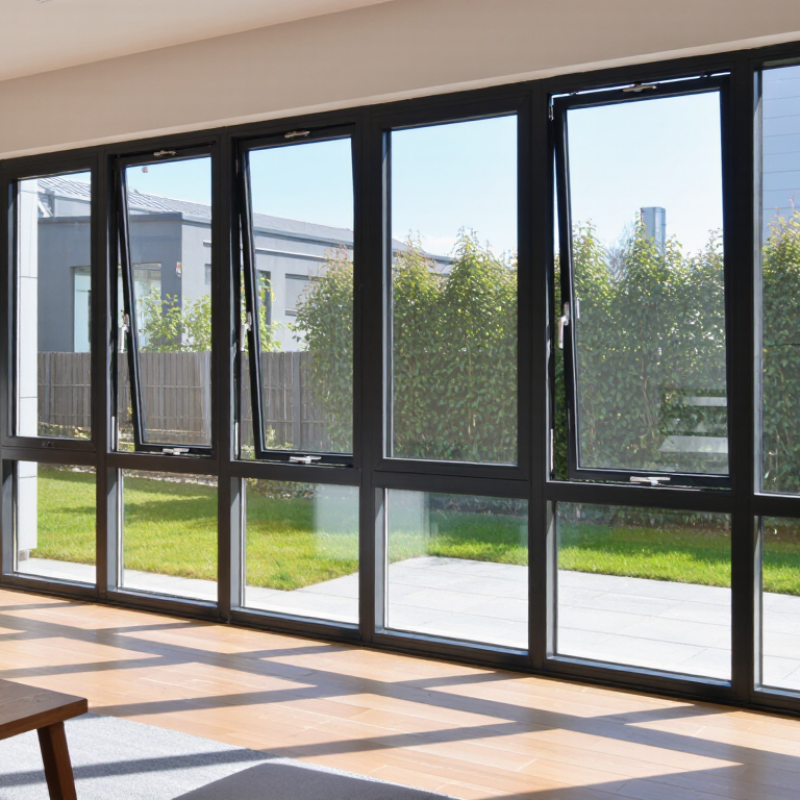
7 Best Tips to Compare Aluminium Windows Prices

Define the Window Type, Size, and Specifications You Need

Before comparing aluminium window prices, define exactly what you need. A fixed picture window usually costs differently from a sliding or casement window, partly because moving panels need extra hardware. Note the number of windows, their opening style, and whether each one is for a bedroom, kitchen, or living area. Small details matter.

Measure the width and height of each opening in several places, since older walls may not be perfectly square. Record the smallest measurements and ask the supplier whether they need the opening size or the finished frame size. Measure twice. Then list the glass type, frame colour, finish, locks, handles, and any thermal or sound-control requirements. These choices can change a quote significantly. If you are unsure about a specification, say so rather than guessing; a site check may prevent an expensive mismatch.

Ask every supplier to price the same configuration, including delivery, installation, removal of old frames, and finishing work. A low figure may cover the window only. Check how many glass panes are included, what installation materials are specified, and whether the quote allows for unusual opening conditions. I would also keep a simple schedule with each window’s room, dimensions, and options. It feels fussy, but it makes differences easier to spot. Measurements taken quickly can still be wrong, so confirm critical sizes before ordering.

Identify the Materials and Features That Affect Aluminium Window Prices

Aluminium window prices depend on more than frame size. Alloy quality, profile thickness, and thermal breaks all affect cost and performance. A slim frame may look elegant, but it can limit glazing options or feel less rigid on a wide opening. Ask for the profile depth and frame finish, not just the price per window. Powder-coated finishes can vary in durability and colour consistency. Check what preparation and warranty are included.

Tip: Compare the same specifications. Note the glass type, number of panes, opening style, hardware, and finish. A low quote may exclude handles, restrictors, or installation. Small omissions add up.

Thermal breaks separate the interior and exterior parts of an aluminium frame, reducing heat transfer. Their design and quality matter, especially in colder or hotter climates. Double or triple glazing also changes the total, while laminated or acoustic glass may cost more. Ask for the full window specification and an itemised quote. Measurements, drainage details, and installation quality influence real-world performance too. I once focused too much on frame colour; the glass specification mattered more for comfort. Prices can be difficult to compare when details differ, so check each line carefully.

Compare Itemised Quotes on an Equivalent Basis

When comparing aluminium window prices, ask each supplier for an itemised quote based on the same window schedule. List each opening by room, width, height, and style, such as a 1200 mm sliding window in the kitchen. Then match the frame depth, thermal-break specification, glazing build-up, colour, and hardware. Small details matter. A standard double-glazed unit is not equivalent to laminated acoustic glass, even if both quotes simply say “double glazed.” Ask for glass thickness and performance figures, not just broad labels. A standard powder-coated finish may also differ from a special colour or a finish specified for harsher conditions.

Check whether each price includes delivery, installation, trims, sealant, removal of old frames, and disposal. One quote may include making good around the opening; another may leave that work to you. That gap matters. Compare warranty coverage and any stated exclusions, too. If an item is unclear, ask for it to be listed or priced separately before comparing totals. No comparison is perfectly tidy: hidden site conditions can affect labour, and I would not treat an estimate as a final installed cost. Still, matching the specifications line by line makes unexplained price differences easier to question.

Assess Energy Efficiency, Durability, and Warranty Coverage

When comparing aluminium window prices, look beyond the quoted frame cost. Ask for the whole-window U-factor, not just a glass specification; lower values generally mean less heat transfer. Check whether the quote includes double or triple glazing, thermal breaks, and weather seals. Ask how performance was tested, and compare equivalent ratings. Small details matter.

Durability depends on more than aluminium’s reputation. Request information on the coating, corrosion resistance, drainage paths, and hardware testing. Near salt air or in a windy, rainy area? Ask for test results relevant to those conditions. Inspect corner joints and locks on a sample. A sleek finish is appealing, but it does not reveal everything about assembly.

Warranty terms can change the value of a low price. Check coverage for the frame finish, glass seals, hardware, labour, and air or water leaks. Note the coverage period, exclusions, and service process. Some warranties cover replacement parts but not removal or installation, which may add cost. Keep the written quote beside the warranty, and ask for clear wording when terms such as “normal wear” seem vague. I would not assume two similar-looking windows offer equal long-term value.

Calculate Installation Costs and Long-Term Value

7 Best Tips to Compare Aluminium Windows Prices
Calculate Installation Costs and Long-Term Value

A low quote can hide important costs. Ask whether it includes removal of old frames, disposal, flashing, interior trim, and finishing. Compare the same window size, glazing, opening style, and thermal-break specification across quotes. Tip: Request an itemised estimate, including labour and any access equipment. Details matter.

Check the installer’s scope, too. Poor sealing can cause drafts or water intrusion, even with a well-made frame. Ask who handles measurement, weatherproofing, and repairs if the opening is uneven. A small line item today may prevent a bigger repair later. Still, estimates are not guarantees.

For long-term value, compare expected maintenance, warranty terms, and energy performance—not just the purchase price. The U.S. Department of Energy’s Energy Saver guidance says windows can account for about 25%–30% of residential heating and cooling energy use. That figure covers homes generally, not a promised saving from aluminium replacements. Tip: Use local energy prices and your home’s current condition when estimating payback. A spreadsheet helps, but assumptions can be wrong; note them and revisit the calculation before signing.

FAQS

What should I decide before requesting aluminium window prices?

List each window’s room, opening style, size, glass type, frame colour, finish, locks, and handles. Note any thermal or sound-control needs. Small choices matter.

How should I measure a window opening?

Measure the width and height in several places; older walls may be uneven. Record the smallest measurements. Measure twice. Ask whether the supplier needs opening size or finished frame size.

Why do window types have different prices?

Fixed picture windows usually need less hardware than sliding or casement windows. Moving panels may require tracks, hinges, or other fittings.

What should an itemised quote include?

Ask suppliers to price the same configuration, including delivery, installation, old-frame removal, and finishing. Check the glass panes and installation materials. A low figure may cover only the window.

Which frame features affect price and performance?

Alloy quality, profile thickness, thermal breaks, and finish can affect cost. Ask for profile depth and finish details. Slim frames look neat, but wide openings may need more rigidity.

What does a thermal break do?

It separates the frame’s interior and exterior sections, reducing heat transfer. Its design matters in hot or cold climates.

How can glazing change the total price?

Double or triple glazing can increase the cost. Laminated or acoustic glass may cost more. Compare exact glass specifications.

What details are easy to overlook when comparing quotes?

One quote may exclude handles, restrictors, installation, or finishing work. Small omissions add up. Check each line carefully.

How can I keep track of several windows?

Make a schedule with each room, measurements, and options. I once focused too much on frame colour; glass mattered more for comfort. I still care about appearance, but I would check the glazing earlier.

Conclusion

Comparing Aluminium Windows Prices starts with defining exactly what you need. Consider the window style, dimensions, number of units, opening direction, and any custom specifications. Then review the materials and features that can affect the price, such as frame finish, glazing, hardware, and security options. Knowing which details matter to your project helps you compare offers more accurately and avoid paying for features you do not need.

Request itemised quotes and check that each includes equivalent products, quantities, and services. Look beyond the initial cost by assessing energy efficiency, expected durability, and the length and scope of warranty coverage. Include delivery, removal of old windows, and installation in your calculations, since these can significantly change the total. A careful comparison of upfront costs and long-term performance can help you choose windows that suit your budget and provide lasting value.

Mason

Mason

Mason is a seasoned marketing professional with a deep expertise in the company's offerings and a passion for driving brand awareness. With a strong background in digital marketing strategies, he has an innate ability to connect with diverse audiences and effectively communicate product benefits.......