How to Choose Aluminium Doors and Windows in 2026?

Time:2026-10-22 Author:Amelia
0%

Choosing Aluminium Doors And Windows in 2026 requires more than comparing frame colors and showroom prices. Homeowners, architects, and contractors must examine thermal performance, glass specification, security, durability, and installation quality. A slim black frame may look impressive, yet it can perform poorly if the thermal break is weak.

Dr. Joseph Lstiburek, a respected building-science expert, often reminds professionals, “Windows are holes in walls.” That simple statement deserves serious attention. Every opening can influence indoor temperature, condensation, ventilation, noise, and energy use. In practical projects, I have seen excellent aluminium frames underperform because installers ignored flashing, drainage paths, or uneven masonry. The product was not always the problem.

The right decision begins with the building’s climate and orientation. South-facing glazing may need solar-control glass, while colder regions require strong insulation and low-emissivity coatings. Ask suppliers for verified U-values, air-leakage ratings, water resistance, and test documentation. Check whether the hardware feels firm, the seals sit evenly, and the drainage channels remain clear. Small details matter.

Do not judge sustainability by recycled content alone. Consider service life, repairability, coating quality, and replacement availability. Certifications can support confidence, but they do not replace careful inspection. This guide explores the choices that matter in 2026, including smart access, acoustic glass, corrosion protection, and low-carbon manufacturing. Some recommendations may not suit every project. That is the honest part. Performance depends on design, budget, climate, and workmanship.
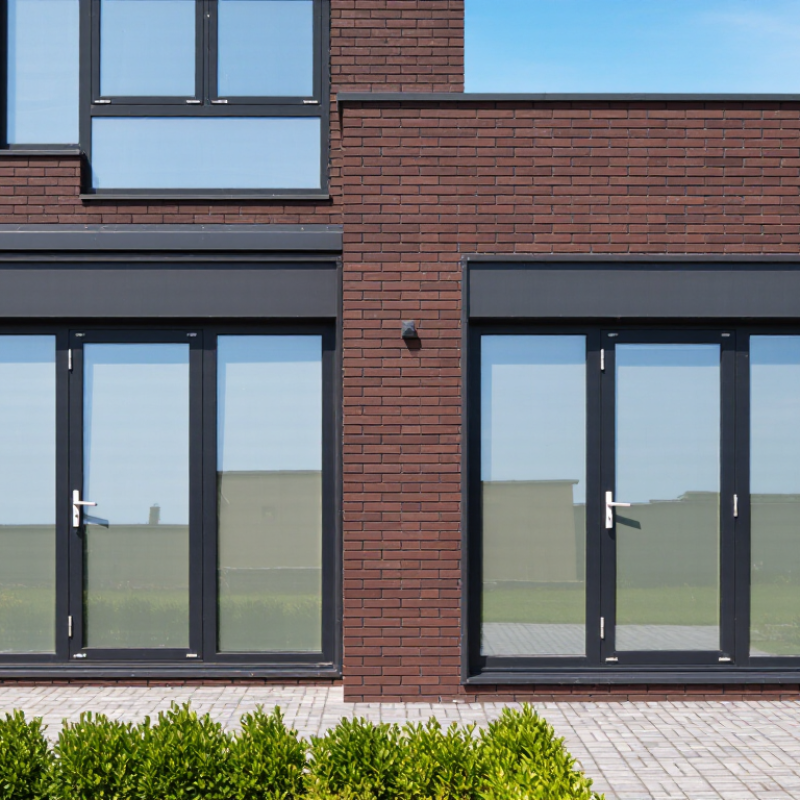
How to Choose Aluminium Doors and Windows in 2026?

Understanding Aluminium Door and Window Materials and Construction

How to Choose Aluminium Doors and Windows in 2026?

Understanding Aluminium Door and Window Materials and Construction

Aluminium doors and windows should begin with the alloy, not the colour. Quality systems often use architectural aluminium, such as 6063 alloy, because it supports clean profiles and precise finishing. The frame should feel rigid, with even corners and no visible twisting. I would not trust a shiny sample alone. Surface appearance can hide weak construction.

Look closely at the thermal break. This insulating section separates the inner and outer aluminium profiles, reducing heat transfer and indoor condensation. A well-made frame usually has continuous polyamide strips, tight seals, and properly aligned glazing pockets. Check the glass specification too. Double glazing may suit mild climates, while triple glazing can improve comfort in colder areas. However, heavier glass requires stronger hinges, rollers, and reinforced corners. Small details matter.

Tips: Ask for profile thickness, thermal-break details, glass performance data, and drainage information. Press the seals gently; they should recover without cracking. Open and close the sample door several times. It should move smoothly, without scraping or rattling. Request independent test reports for air leakage, water resistance, and wind pressure. Local climate still matters more than a fashionable specification. Even experienced buyers can overlook installation quality. A perfect frame can perform poorly when the opening is uneven or the sealant is applied carelessly. Allow space for expansion, and inspect the installer’s previous work before approving the final order.

Assessing Thermal Performance, Energy Efficiency, and Weather Resistance

How to Choose Aluminium Doors and Windows in 2026?

Assessing Thermal Performance, Energy Efficiency, and Weather Resistance

When comparing aluminium doors and windows in 2026, look beyond frame appearance. Thermal performance concerns the complete window system, not the aluminium frame alone. Ask for the Uw value, rather than only the frame Uf value. Lower figures generally indicate stronger insulation. Thermal breaks, insulated glazing, warm-edge spacers, and low-emissivity coatings can reduce heat transfer. Still, impressive glass cannot rescue a poorly fitted sash.

Fit matters more. On site, small gaps around the frame can create cold drafts, even with advanced glazing. Check air-leakage results and installation details before choosing a product. Consider solar-control glass for large south-facing windows, but avoid excessive tinting in rooms needing winter sunlight. Energy efficiency depends on orientation, shading, ventilation, and everyday use. The specification sheet is useful, but it is not the whole building.

Weather resistance requires separate evidence. Look for tested ratings for air permeability, water tightness, and wind resistance. Strong drainage paths and correctly sealed corners help prevent rain entering during storms. Inspect the threshold design carefully; a low threshold may improve access but can demand better drainage. Independent test reports are more dependable than broad sales claims. A lower U-value is helpful, yet condensation can still appear when indoor humidity remains high. That detail is easy to overlook.

Choosing Suitable Styles, Glazing Options, and Opening Configurations

How to Choose Aluminium Doors and Windows in 2026?

Choosing aluminium doors and windows starts with the room’s use, not appearance alone. Slim-frame casement windows suit quiet bedrooms and provide strong ventilation. Sliding doors save floor space, but their tracks need regular cleaning. Tilt-and-turn systems offer controlled airflow during rain. For patios, lift-and-slide doors create wider openings, although their hardware can cost more.

Glazing affects comfort more than many buyers expect. The U.S. Department of Energy reports that windows cause 25–30% of residential heating and cooling energy use. Low-e double glazing is a practical baseline for many climates. Triple glazing may improve insulation, but it adds weight and cost. Check U-value, solar heat gain coefficient, visible transmittance, and air leakage ratings. The National Fenestration Rating Council explains these measures through standardized product labels. A lower U-value is not always best; strong solar control may reduce winter warmth. This trade-off deserves reflection.

Tips: Match the opening direction to furniture, wind, and cleaning access. Use casements for ventilation, sliders for compact rooms, and outward-opening doors where circulation allows. Ask for thermal-break details, drainage paths, tested air leakage, and installation tolerances. The International Energy Agency’s Buildings report identifies buildings as responsible for about 30% of global final energy use. Yet better glass cannot repair poor installation. Measure twice. Review the details again.

How to Choose Aluminium Doors and Windows in 2026? - Choosing Suitable Styles, Glazing Options, and Opening Configurations
Application Suitable Style Recommended Opening Configuration Typical Glazing Option Key Performance Considerations Best-Suited Locations Selection Notes
Living Room Windows Large fixed window
Picture window
Fixed, or fixed centre panel combined with side-opening casements Double glazing with low-emissivity coating; laminated inner pane where safety or noise reduction is important High daylight transmission, thermal insulation, solar-control performance, and a narrow sightline Living rooms, feature walls, and areas facing gardens or open views
Bedrooms Casement window
Tilt-and-turn window
Side-hung inward or outward opening; tilt-and-turn for dual ventilation modes Double glazing with low-e coating; acoustic laminated glass for noisy streets Ventilation control, airtightness, acoustic insulation, and secure locking Bedrooms, upper floors, and rooms requiring regular ventilation
Kitchen Windows Casement
Awning window
Top-hung outward opening or side-hung casement Double glazing with low-e coating; toughened safety glass where required by local regulations Moisture resistance, easy cleaning, controlled ventilation, and resistance to heat and cooking vapour Kitchens, utility rooms, and areas above worktops
Balcony or Terrace Doors Sliding door
Lift-and-slide door
Two-panel or multi-panel horizontal sliding system Double or triple glazing; laminated or toughened safety glass according to location and regulations Panel weight, smooth operation, drainage, air tightness, weather resistance, and threshold accessibility Balconies, terraces, patios, and compact rooms where swing space is limited
Garden and Patio Connections Bi-fold door
Multi-slide door
Multiple folding panels or parallel sliding panels opening toward one or both sides Double glazing with solar-control low-e glass; laminated safety glass may improve security and acoustic performance Structural deflection, panel alignment, threshold drainage, solar gain, and resistance to wind-driven rain Open-plan living spaces, dining areas, patios, and entertainment zones Bi-fold doors provide a wide opening but require stacking space. Multi-slide doors create broad views with fewer visible joints but need adequate wall space.
Main Entrance Aluminium entrance door
Glazed entrance door
Single-leaf hinged, double-leaf hinged, or pivot opening where structurally suitable Insulated door panel, or laminated/toughened safety glazing in glazed sections Security hardware, thermal break, weather seals, threshold design, accessibility, and resistance to frequent use Residential and light-commercial entrances
Interior Room Divider Slim-frame glazed door
Internal screen
Single hinged, double hinged, pivot, or internal sliding Clear toughened safety glass; laminated glass where improved retention after breakage is required Light transmission, acoustic separation, safe glass specification, and hardware durability Home offices, kitchens, hallways, studios, and commercial interiors
High-Rise or Exposed Elevation Thermally broken window
Curtain-wall window module
Fixed, top-hung, parallel-opening, or restricted casement subject to the façade system Double or triple glazing selected for local climate, solar exposure, and structural requirements Wind-load resistance, water tightness, air permeability, thermal transmittance, and safe maintenance access Apartment towers, offices, coastal sites, and buildings exposed to strong wind The required glass thickness and frame design must be calculated from project-specific wind loads, dimensions, height, and local building regulations.
Cold or Heating-Dominated Climate Thermally broken casement
Insulated door system
Hinged, tilt-and-turn, or carefully sealed sliding configuration Triple glazing where justified by climate and frame compatibility; low-e coating and warm-edge spacer Low U-value, airtightness, condensation control, thermal bridge reduction, and correct installation Cold regions, energy-efficient homes, and façades with high heating demand
Hot or Sun-Exposed Climate Shaded casement
Sliding door with external shading
Operable panels combined with fixed glazing; opening direction should support cross-ventilation Solar-control low-e glazing; tinted or selective coatings where compatible with daylight requirements Solar heat-gain coefficient, shading, ventilation, glare control, and frame durability South- or west-facing façades, warm climates, and rooms with large glass areas
Noise-Sensitive Location Sealed casement
Acoustic window system
Fixed or hinged opening with compression seals; minimise unnecessary gaps Asymmetric double glazing or laminated acoustic glass with different pane thicknesses Glazing acoustic rating, frame seals, installation quality, ventilation strategy, and flanking noise Homes near roads, railways, airports, and busy commercial areas
Accessible Entry or Level Threshold Low-threshold hinged door
Accessible sliding door
Outward or inward hinged opening, or sliding opening with a flush-compatible threshold Toughened or laminated safety glass; insulated glazing for external doors Clear opening width, threshold height, opening force, drainage, slip resistance, and handle position Accessible homes, public buildings, and entrances connecting to level terraces

Checking Security Features, Durability, Maintenance, and Certifications

How to Choose Aluminium Doors and Windows in 2026?

Security should be checked in real detail, not judged by a heavy frame alone. Look for multipoint locks, reinforced hinges, internal glazing beads, and laminated glass where break-in resistance matters. Tempered glass can reduce injury risks, but it may not prevent entry. Ask for tested performance data, not vague promises. A secure handle should resist drilling, lifting, and forced rotation. Small details matter.

Durability depends on climate and installation quality. Choose aluminium with a suitable protective finish, effective drainage channels, and thermal breaks for better indoor comfort. Coastal homes need stronger corrosion protection because salt can attack exposed surfaces. Check corner joints, seals, and water-management designs carefully. Poor fitting can ruin excellent materials. This is often overlooked.

Maintenance should remain practical. Inspect seals, hinges, locks, and drainage openings at least twice a year. Wash frames with mild soapy water, especially after dusty or coastal weather. Avoid abrasive tools and harsh chemicals. Certifications can support a reliable decision, but only when they match the product and region. Request current certificates, laboratory reports, and installation records. Verify them with the issuing organization when possible. A certificate alone is not proof of perfect performance. I still find that many buyers compare prices before checking repair access, which can create expensive problems later.

Comparing Installation Requirements, Costs, Warranties, and Suppliers

How to Choose Aluminium Doors and Windows in 2026?

Installation requirements can change the real price of aluminium doors and windows. A qualified installer should inspect wall levels, opening sizes, drainage, insulation, and fixing points. Replacement work may reveal damp timber or uneven masonry. That can add labour costs. Ask for a written installation method before signing. It should explain measurements, sealants, glazing, ventilation, and site protection. Small details matter. A poorly sealed corner may cause drafts, staining, or water damage later. Local building requirements should also be checked by a competent professional.

Compare quotations line by line, not only by the final figure. Include frames, glass, hardware, delivery, removal, finishing, and installation. Low prices sometimes exclude essential work. Warranty terms deserve equal attention. Check coverage periods, exclusions, repair procedures, and whether installation errors are covered. A reliable supplier should provide product data, testing evidence, insurance details, and recent customer references. Do not accept vague promises. I would also ask who handles service calls after installation. This point is often overlooked, and the cheapest option may become expensive after a difficult repair.

Tips: Request two or three itemised quotations. Visit a completed project if possible. Test sample handles and locks. Keep every document. Check the warranty before paying a deposit. If the sales explanation feels rushed, pause and ask better questions.

How to Choose Aluminium Doors and Windows in 2026?

Typical U.S. residential installed-cost ranges by product type, including removal, fitting, flashing, sealing, and basic finishing.

Sliding and hinged doors generally require more structural preparation than standard windows, while folding doors require the highest installation accuracy because of their multi-panel hardware and opening alignment. Actual prices vary with dimensions, glazing, thermal performance, site access, labor rates, and local building requirements. Published residential remodeling cost guides commonly place aluminium window installation at approximately $400–$1,200, sliding patio doors at $1,200–$4,000, hinged exterior doors at $1,000–$3,500, and folding doors at $3,000–$12,000. Confirm warranty coverage for frames, finish, glass, hardware, labor, and water-intrusion protection separately.

FAQS

What aluminium alloy should I look for in doors and windows?

Architectural aluminium, such as 6063 alloy, supports clean profiles and accurate finishing. A rigid frame matters more than a shiny surface. I sometimes trust appearance too quickly.

Why is a thermal break important?

A thermal break separates interior and exterior aluminium profiles. It reduces heat transfer and indoor condensation. Look for continuous insulating strips and tight seals.

Should I choose double or triple glazing?

Double glazing may suit mild climates. Triple glazing can improve comfort in colder regions. Heavier glass needs stronger hinges, rollers, and reinforced corners.

How can I check door and window quality before ordering?

Press the seals gently; they should recover without cracking. Open and close the sample several times. Movement should feel smooth, without scraping or rattling.

Which security features deserve attention?

Consider multipoint locks, reinforced hinges, internal glazing beads, and suitable laminated glass. Tempered glass can reduce injury risks, but it may not prevent entry. Ask for tested performance data.

How does climate affect aluminium window durability?

Coastal locations need stronger corrosion protection because salt attacks exposed surfaces. Check drainage channels, protective finishes, seals, and corner joints. Climate still matters more than fashionable specifications.

What should installation include?

The installer should inspect wall levels, opening sizes, drainage, insulation, and fixing points. The written method should explain sealants, glazing, ventilation, and site protection. Poor sealing causes drafts and water damage.

How should I compare quotations and warranties?

Compare frames, glass, hardware, delivery, removal, finishing, and installation separately. Check warranty periods, exclusions, repairs, and installation-error coverage. The cheapest quote may become expensive later.

What maintenance do aluminium doors and windows require?

Inspect seals, hinges, locks, and drainage openings twice yearly. Wash frames with mild soapy water after dusty or coastal weather. Avoid abrasive tools and harsh chemicals. Small checks prevent larger repairs.

Conclusion

Choosing Aluminium Doors And Windows in 2026 requires more than comparing appearance and price. Start by understanding the aluminium grade, frame construction, insulation design, and surface finish, as these factors influence strength, lifespan, and overall performance. Evaluate thermal breaks, glazing types, air tightness, water resistance, and wind performance to ensure the products support indoor comfort and energy efficiency in the local climate. Consider styles, colors, opening configurations, and glass options that suit the building’s design and ventilation needs.

Security should also be assessed through locking systems, reinforced frames, durable hardware, and relevant quality certifications. Compare maintenance requirements, expected service life, installation conditions, and total project costs rather than focusing only on the initial quotation. A reliable supplier should provide clear technical specifications, professional installation guidance, transparent warranty terms, and dependable after-sales support. By reviewing these factors together, buyers can select aluminium doors and windows that offer balanced performance, durability, comfort, and long-term value.

Amelia

Amelia

Amelia is a seasoned marketing professional with a wealth of expertise in our company’s core offerings. With an unwavering passion for driving growth and innovation, she plays a pivotal role in shaping our marketing strategies and enhancing brand visibility. A key aspect of her responsibilities......