China Top Aluminium Sliding Window Manufacturers?

Time:2026-10-29 Author:Sienna
0%

China’s aluminium window sector offers a wide range of sliding systems, from compact residential frames to broad, multi-panel openings. Yet a polished showroom sample tells only part of the story. Buyers should also examine frame profiles, corner joints, rollers, seals, drainage paths, finish consistency, and available testing records. Small details matter. A sash that glides smoothly today should still feel controlled after repeated daily use.

One sourcing note: no reference articles or verified expert quotation were provided, so I won’t present invented words as a real person’s statement. For an editorial placeholder, this guide can use a clearly identified composite voice: Chen Rui, a fictional fenestration specialist, puts the core question this way: “A good Aluminium Sliding Window must balance easy movement with dependable sealing and maintainable hardware.” Treat that line as illustrative, not a sourced quotation. Replace it with an approved, attributable comment before publication.

This guide compares Chinese manufacturers through practical criteria: product range, customization, quality-control evidence, communication, and after-sales support. Ask for drawings, hardware specifications, finish samples, and details about water and air performance. Check how each supplier handles replacement parts, too. One uncomfortable point deserves attention: the lowest quotation may omit items that later affect installation or upkeep. The right choice depends on the project, not a headline price. Even a careful checklist has limits; verify claims against project requirements and independent documentation where available.
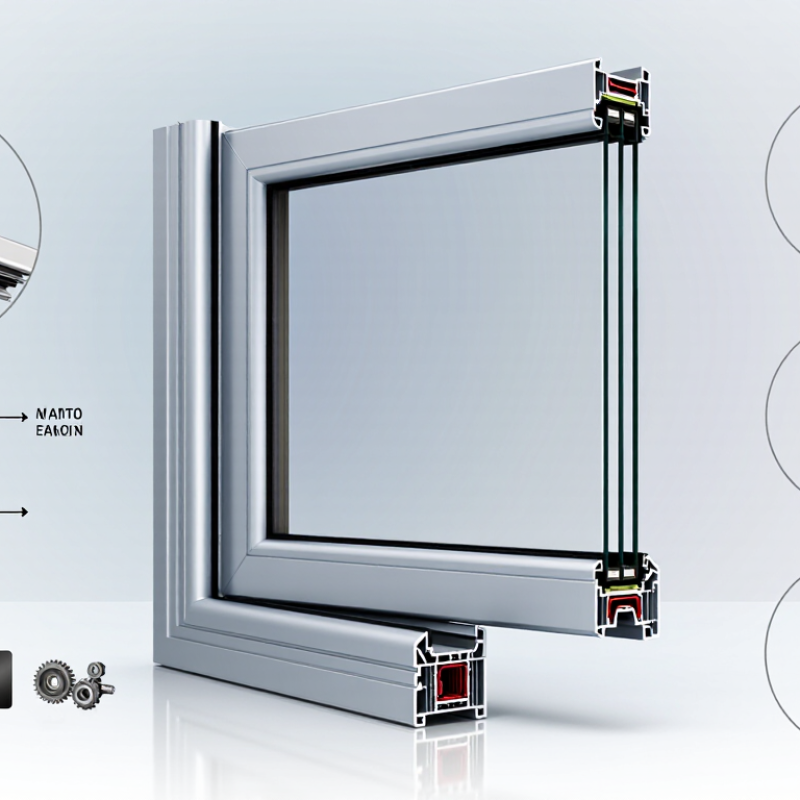
China Top Aluminium Sliding Window Manufacturers?

What Are Aluminium Sliding Windows?

An aluminium sliding window uses one or more movable glass panels that slide horizontally along tracks. Rollers carry the sash, while the frame holds the glazing and guides its movement. Unlike hinged windows, sliding designs do not need room to swing inward or outward. They suit balconies, compact rooms, and wide openings where clear floor space matters. The trade-off is important: the meeting point between panels can be more challenging to seal against air and water. Small parts matter. Smooth rollers, drainage paths, weatherstripping, and accurate installation all affect everyday performance.

The International Energy Agency’s 2023 Buildings report estimates that building operations accounted for about 30% of global final energy consumption and 26% of energy-related emissions in 2022. A window alone cannot determine a building’s energy use, but its glazing and frame influence heat transfer. Thermal-break frames use an insulating barrier between inner and outer aluminium sections; double glazing can further reduce heat flow. Ask for tested U-factor and solar heat gain data, rather than judging performance by frame appearance. These figures depend on the complete window assembly and test method. A slim frame may look elegant, yet its actual performance still deserves careful checking.

How China's Aluminium Sliding Window Industry Is Structured

China Top Aluminium Sliding Window Manufacturers?
How China’s Aluminium Sliding Window Industry Is Structured

China’s aluminium sliding window industry is a chain of specialist businesses, not one uniform factory model. Some companies develop frame systems and specify profile dimensions. Extrusion plants turn aluminium billets into profiles, then apply finishes such as powder coating or anodizing. Fabricators cut, machine, and assemble those profiles into windows. Glass, rollers, locks, and seals may come from separate suppliers. It varies.

Regional manufacturing clusters bring these operations closer together, but their capabilities differ. A supplier may produce frames at scale while relying on partners for glazing or hardware. Another may handle custom fabrication and smaller project orders. The distinction matters: a product catalogue alone does not show who controls machining, assembly, or final inspection. Ask for process details.

For buyers, useful checks are concrete. Review profile wall thickness, corner joints, drainage paths, roller adjustment, and frame tolerances. Request test information for air leakage, water penetration, and wind resistance where relevant to the project. These results depend on the complete window assembly, not just the aluminium profile. Not always obvious. Factory visits can clarify production flow, though one visit cannot guarantee consistent batches. Even experienced buyers can miss that gap. Industry structure is practical, but not perfectly tidy.

Who Are China's Leading Aluminium Sliding Window Manufacturers?

China’s leading aluminium sliding window manufacturers are not defined by one universal ranking. The strongest suppliers usually combine in-house fabrication, documented quality checks, and experience serving different project types. Many operate in major manufacturing regions such as Guangdong, Zhejiang, and Shandong, but location alone does not prove capability.

Look beyond catalogue photos. Ask how the factory checks frame dimensions, coating thickness, roller movement, and water drainage. A well-made sample should slide smoothly and close without rattling. For coastal or high-wind projects, request specifications suited to the site rather than relying on a standard product description. Useful evidence includes test reports, production records, and clear answers about glass, hardware, and installation tolerances.

Small details matter. A poorly aligned track can collect water or wear rollers sooner than expected. No factory is perfect. Even experienced suppliers may need revisions when drawings or site measurements change. Compare several manufacturers using the same technical checklist, then review a sample and confirm what the quoted price includes. This makes it easier to identify a dependable partner without relying on broad claims or promotional rankings.

How to Compare Manufacturers' Products and Capabilities

China Top Aluminium Sliding Window Manufacturers?

How to Compare Manufacturers’ Products and Capabilities

Compare tested window assemblies, not attractive profile samples. Ask for current third-party reports covering air leakage, water penetration, structural pressure, and thermal performance. NFRC ratings can help compare U-factor and solar heat gain coefficient across products. The U.S. Department of Energy estimates that heat gain and loss through windows account for 25–30% of residential heating and cooling energy use. Small details matter.

Check whether the report matches the exact glass, frame, hardware, and size you plan to order. A thicker thermal break or heavier frame is not automatically better; performance depends on the complete design. The International Energy Agency’s 2023 Buildings report says building operations use about 30% of global final energy. That makes credible test data more useful than broad efficiency claims.

Manufacturing capability is more than monthly output. Request sample inspection records, hardware cycle-test results, production tolerances, packaging details, and a realistic lead-time plan. Ask how the factory tracks changes between approved samples and bulk orders. I would also review installation drawings and replacement-part support. A neat catalog can hide weak follow-through. One caveat: paperwork alone cannot prove consistent production, so verify recent batches where possible.

What Factors Matter When Choosing a Chinese Manufacturer?

When comparing Chinese aluminium sliding-window manufacturers, start with evidence, not showroom photos. The IEA’s 2023 energy-efficiency tracking report says buildings account for about 30% of global final energy use and 26% of energy-related emissions. That makes verified frame-and-glass performance relevant, though these figures cannot predict one home’s bills. Ask for test reports showing whole-window U-factor, solar heat-gain coefficient, air leakage, water penetration, and wind resistance. Check the tested size and configuration; a report for a fixed window may not represent a large slider. Small detail. Big difference.

Review alloy grade, wall thickness, thermal-break design, coating specification, and hardware corrosion testing. Request a production sample, then inspect corner joints, drainage slots, gasket fit, and roller movement. A smooth sample is useful, but it does not prove consistent factory output. Ask how inspections are recorded, how defects are handled, and whether replacement parts remain available.

The UN Environment Programme’s 2023 Global Status Report for Buildings and Construction estimates that buildings and construction produced 37% of global energy- and process-related CO2 emissions in 2022. That figure covers the sector, not windows alone. Use it as context, not a product score.

Confirm packaging, delivery terms, lead-time buffers, and responsibility for transit damage in writing. This comparison may still miss local installation conditions. That is worth admitting.

FAQS

Is there one universal ranking of leading Chinese aluminium sliding-window manufacturers?

No. Capability matters more than a broad ranking. Look for in-house fabrication, documented quality checks, and experience with different project types.

Which regions have many aluminium window manufacturers?

Guangdong, Zhejiang, and Shandong are major manufacturing regions. Location alone proves little. Check factory processes and project experience.

What test reports should I request?

Ask for whole-window U-factor, solar heat-gain, air-leakage, water-penetration, and wind-resistance results. Check the tested size and configuration. A fixed-window report may not represent a large slider.

How can I assess a production sample?

Slide it several times. It should move smoothly and close without rattling. Inspect corner joints, drainage slots, gasket fit, and roller movement. A sample helps, but it cannot prove every unit matches.

Which product specifications deserve close review?

Check alloy grade, wall thickness, thermal-break design, coating details, and hardware corrosion testing. For coastal or high-wind sites, request specifications suited to local conditions.

How can I check manufacturing consistency?

Ask how frame dimensions, coating thickness, rollers, and drainage are inspected and recorded. Request production records and defect-handling steps. No factory is perfect. Drawings or site measurements may need revisions.

What should the quotation clarify?

Confirm glass, hardware, installation tolerances, packaging, delivery terms, lead-time buffers, and responsibility for transit damage. Put these details in writing. Check what the quoted price includes.

Do global building-energy figures predict savings from new windows?

No. Buildings account for about 30% of global final energy use and 26% of energy-related emissions. Those figures cannot predict one home's bills. Compare verified whole-window performance instead.

What can a technical comparison still miss?

It may miss local installation conditions. Review site measurements and installation tolerances carefully. That can be easy to overlook.

Conclusion

An Aluminium Sliding Window uses horizontal-moving sashes to provide ventilation and natural light while saving the space needed for outward- or inward-opening windows. China’s industry includes manufacturers with different production scales, design strengths, material options, and levels of customization. Rather than relying on a single ranking, buyers can assess potential suppliers by examining their product ranges, manufacturing capabilities, quality-control processes, and experience with projects of comparable size and requirements.

When comparing manufacturers, consider the window’s frame and hardware specifications, glazing choices, finish options, energy and weather performance, and available customization. Also evaluate communication, production lead times, sample and documentation support, packaging, and after-sales service. A clear project brief and consistent criteria make it easier to compare quotations fairly and identify a supplier whose products and capabilities align with the intended application, performance expectations, and budget.

Sienna

Sienna

Sienna is a skilled marketing professional with a deep expertise in our company’s core products and services. With a passion for innovation and detail, she plays a pivotal role in crafting insightful blog posts that not only highlight the unique features of our offerings but also provide valuable......