Explore our flagship series engineered for luxury residential villas, high-rise commercial structures, and passive energy-efficient developments worldwide.
In contemporary architectural design, the window and door assembly is no longer viewed as a static visual element. Today, it functions as a highly complex structural dynamic interface governing thermal exchange, acoustic isolation, indoor air quality (IAQ), structural wind-load resistance, and smart building integration. The modern construction landscape—driven by strict global decarbonization targets, net-zero architectural mandates, and climate volatility—demands aluminum door and window systems that deliver uncompromising thermal efficiency without sacrificing aesthetic minimalism.
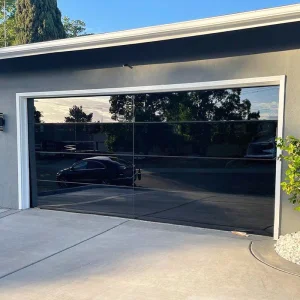
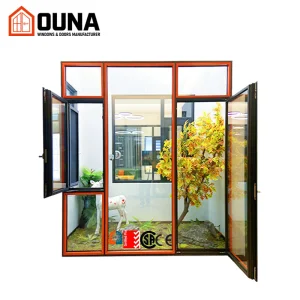
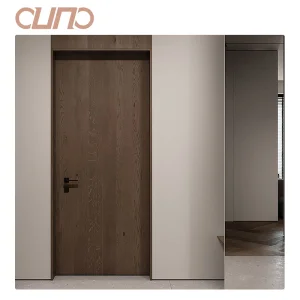
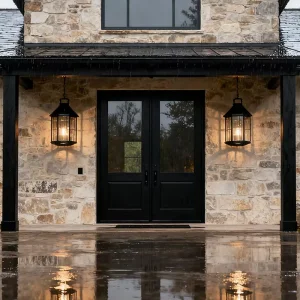
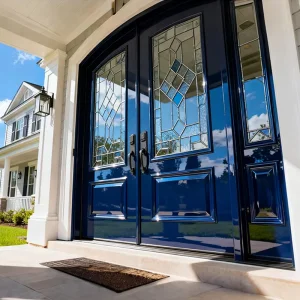
Central to this evolution is the rising demand for integrated "Aluminium Door With Window" combinations—unified fenestration envelopes where entry, sliding, tilt-and-turn, or folding door modules seamlessly merge with adjoining window sidelights, transoms, or smart motorized guillotine glass systems. This holistic approach minimizes structural thermal bridging, speeds up site installation, and maintains unified sightlines across complex residential and commercial facades.
stringent energy codes like the EU Energy Performance of Buildings Directive (EPBD) and North American ASHRAE 90.1 mandate lower U-factors (overall heat transfer coefficient). Thermally broken aluminium profiles utilizing multi-cavity Polyamide PA66-GF25 structural strips are now mandatory to stop conductive thermal loss.
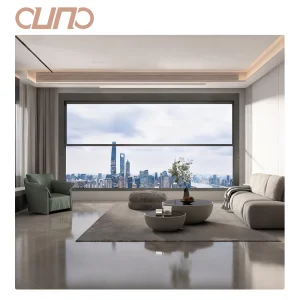
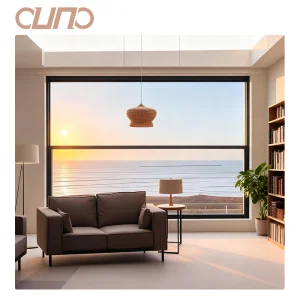
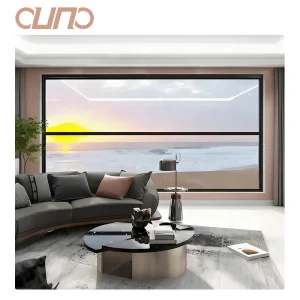
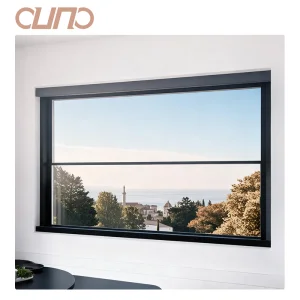
Architectural preference has shifted toward high-aspect-ratio glass panels and automated vertical sliding guillotine windows. Remote-controlled, sensor-driven electric lifting mechanisms now allow large-scale dynamic facade transformations at the push of a button.
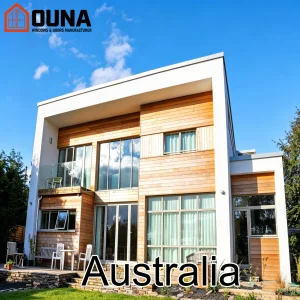
With coastal typhoons, hurricanes, and severe wind events increasing worldwide, global buyers require hurricane-impact NOA (Notice of Acceptance) compliance, high wind-load deflection tolerances (up to 5000 Pa structural pressure), and marine-grade anodized surface treatments.
For regional wholesalers, real estate developers, and general contractors operating in the European Economic Area (EEA) and global markets recognizing EU norms, CE Certification under EN 14351-1 (Windows and External Pedestrian Doorsets) is an indispensable legal and performance baseline. CE marking demonstrates compliance with the EU Construction Products Regulation (CPR No 305/2011), proving that structural integrity, energy conservation, and safety-in-use metrics have been verified through rigorous Initial Type Testing (ITT) and continuous Factory Production Control (FPC).
| Performance Parameter | Test Standard / Standard Code | Cresta Technical Threshold | Architectural Impact |
|---|---|---|---|
| Thermal Transmittance (U-Value) | EN ISO 10077-1 / EN ISO 10077-2 | Uw ≤ 1.1 - 1.4 W/(m²·K) (Triple Glazed Thermal Break) | Substantially cuts HVAC operational loads; eliminates perimeter condensation. |
| Air Infiltration Resistance | EN 12207 | Class 4 (Highest standard; ≤ 3 m³/h·m² at 600 Pa) | Stops drafting, wind noise, and uncontrolled air leakage across building envelopes. |
| Watertightness | EN 12208 | Class E900 / E1050 (Non-sheltered test up to 1050 Pa) | Prevents water penetration during severe storm conditions and driving rain. |
| Wind Load Deflection | EN 12210 | Class C5 (Relative frontal deflection < 1/300 up to 2000 Pa) | Guarantees structural stability for high-rise installations and wide structural spans. |
| Acoustic Attenuation (Rw) | EN ISO 10140-2 / ISO 717-1 | Rw (C; Ctr) = 42 dB (-1; -4) (Laminated Double/Triple IGUs) | Isolates indoor environments from urban, airport, and traffic noise pollution. |
| Operating Forces & Mechanics | EN 12046-1 / EN 13115 | Class 2 (Smooth manual or motorized movement) | Ensures effortless operation and long component life across high-frequency use cycles. |
In addition to European CE marking, global enterprise procurement demands multi-jurisdictional compliance. Cresta’s product matrix seamlessly bridge requirements across regions, maintaining compliance with Australian AS2047 standards, North American NFRC (National Fenestration Rating Council) thermal ratings, and Florida NOA hurricane impact certifications for coastal vulnerability zones.
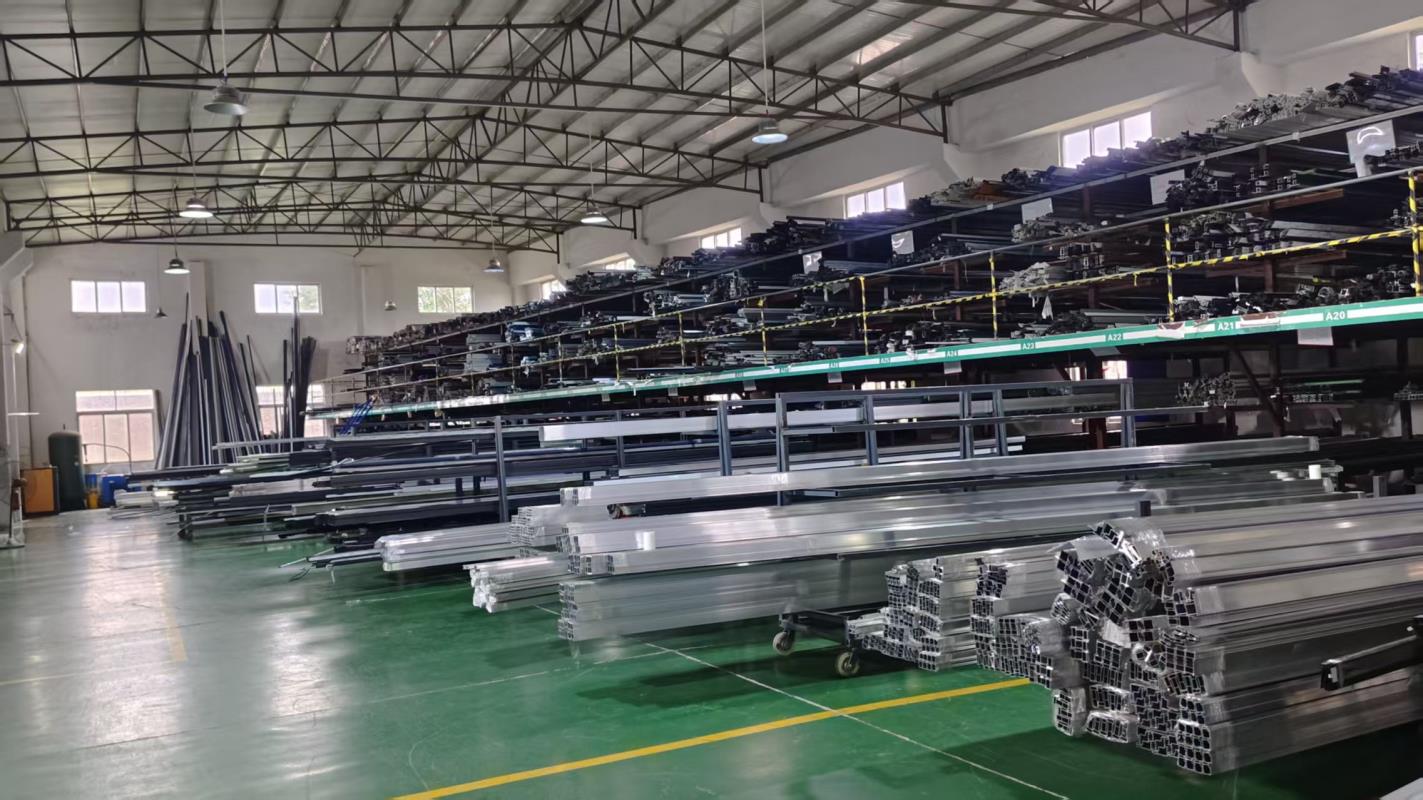
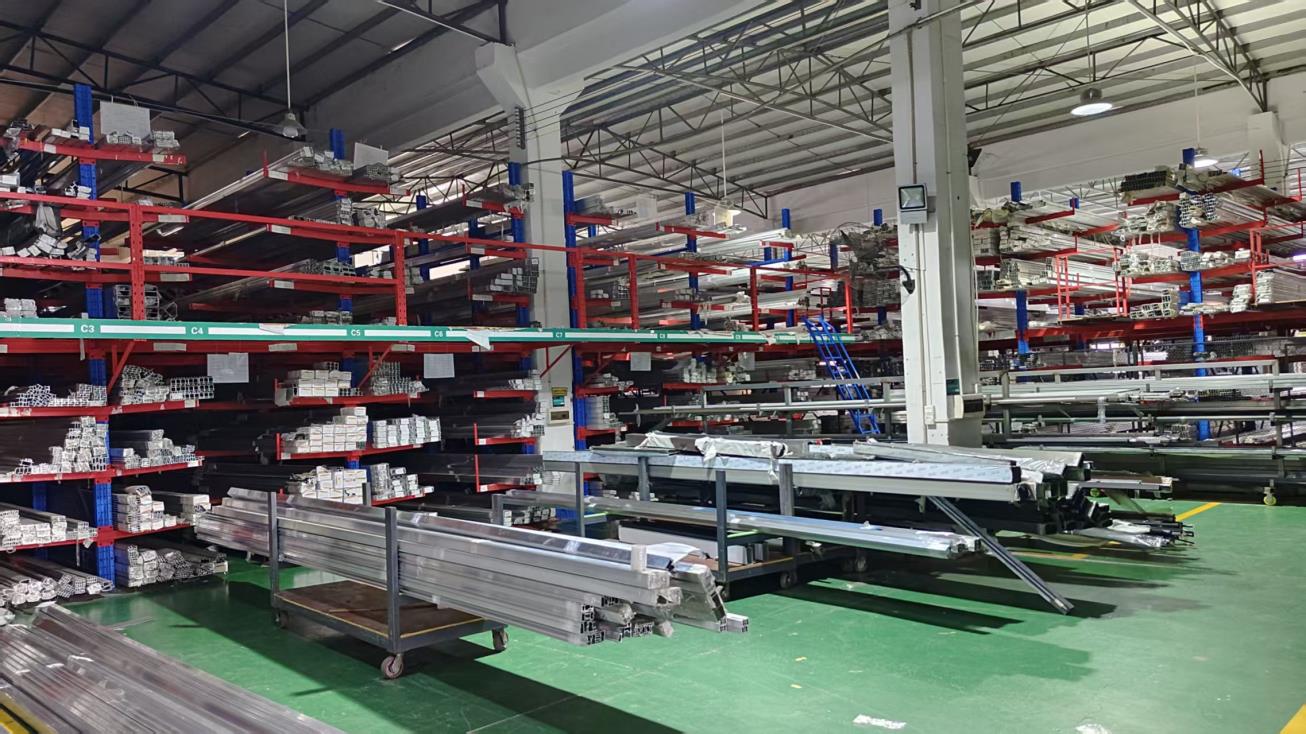
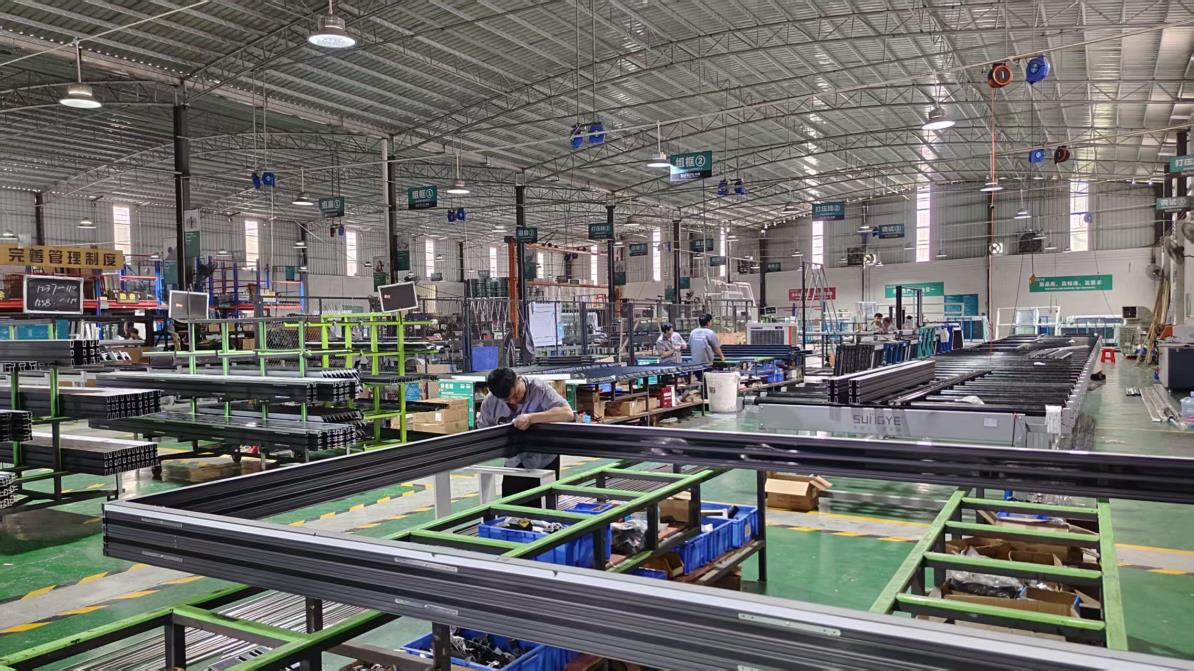
Established in 2015, Guangzhou Cresta Door & Window Co., Ltd. represents the modern standard of Chinese precision manufacturing. Spanning an advanced 18,000-square-meter production complex, Cresta combines 11 years of deep fenestration industry expertise with 7 years of international B2B export execution, delivering an annual export turnover of $22 million USD across Southeast Asia, the Middle East, Oceania, Europe, and the Americas.
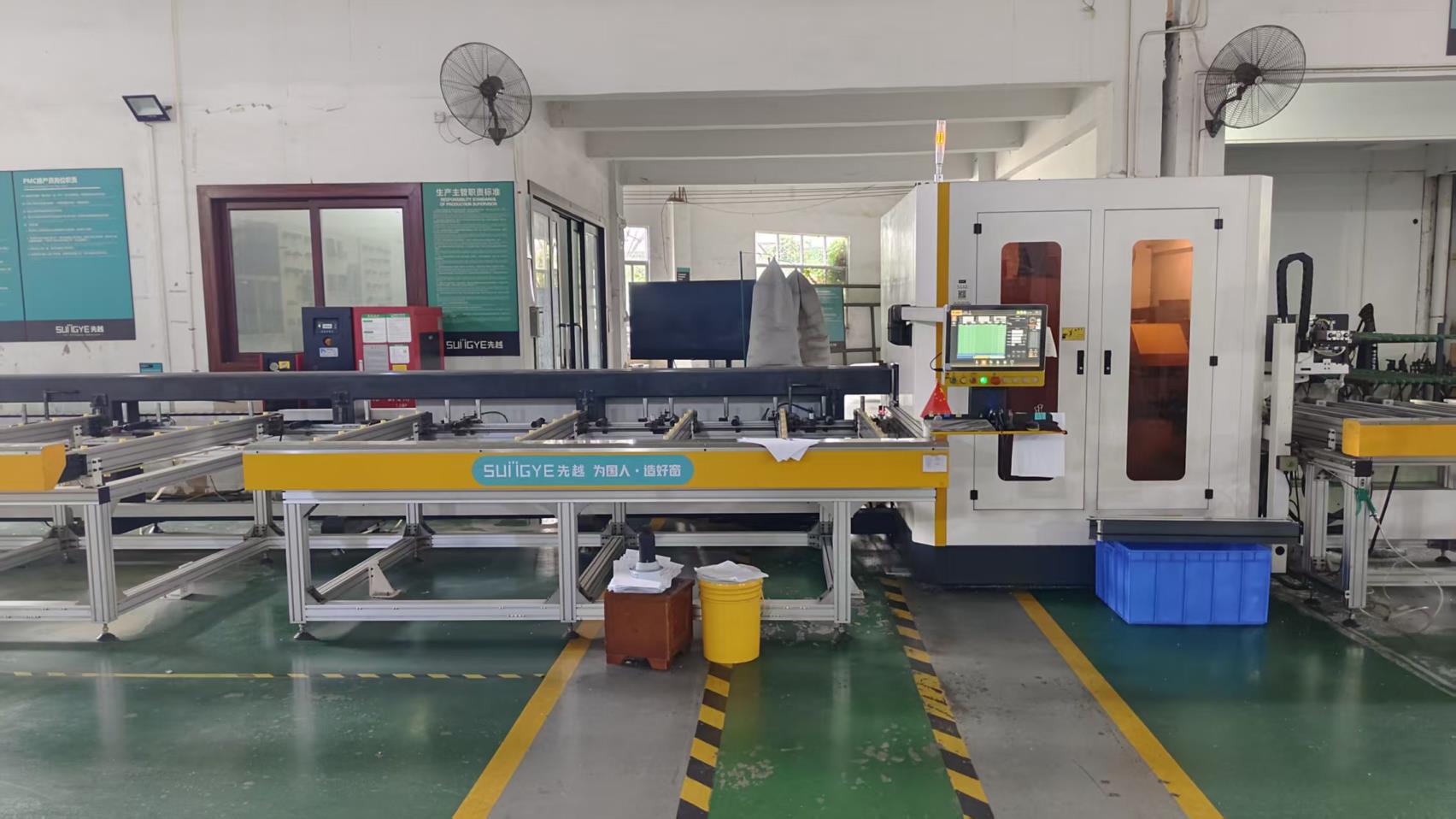
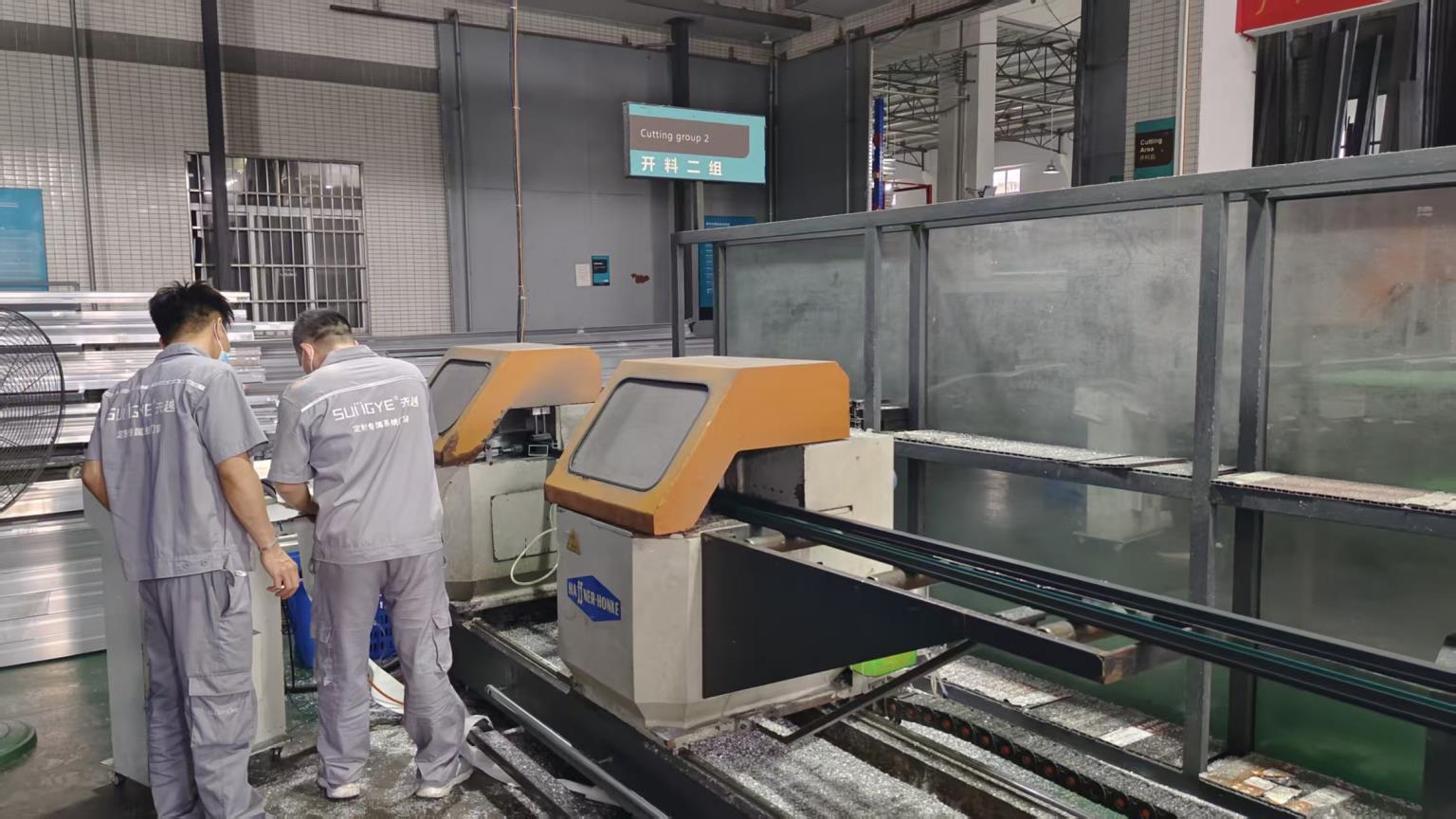
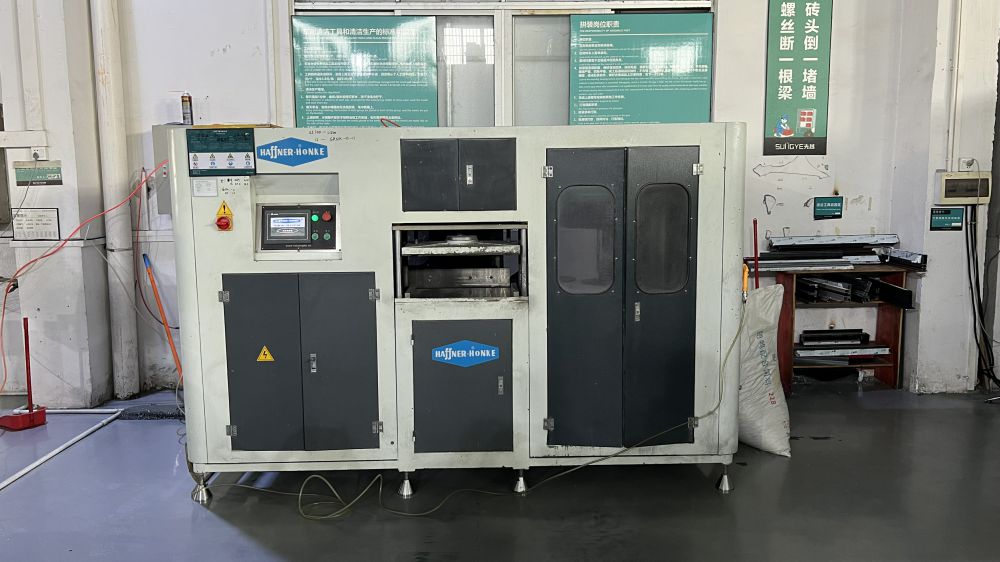
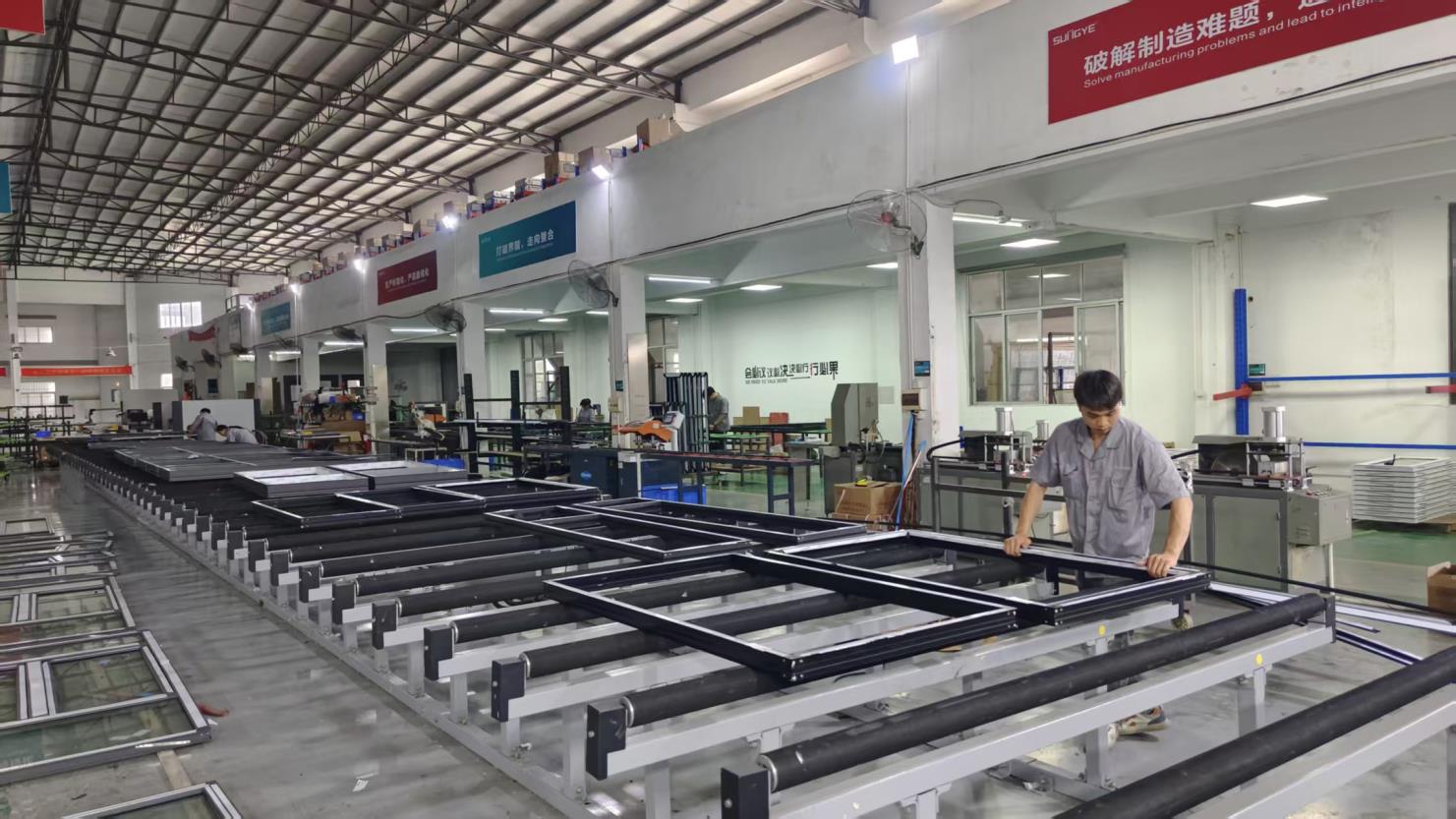
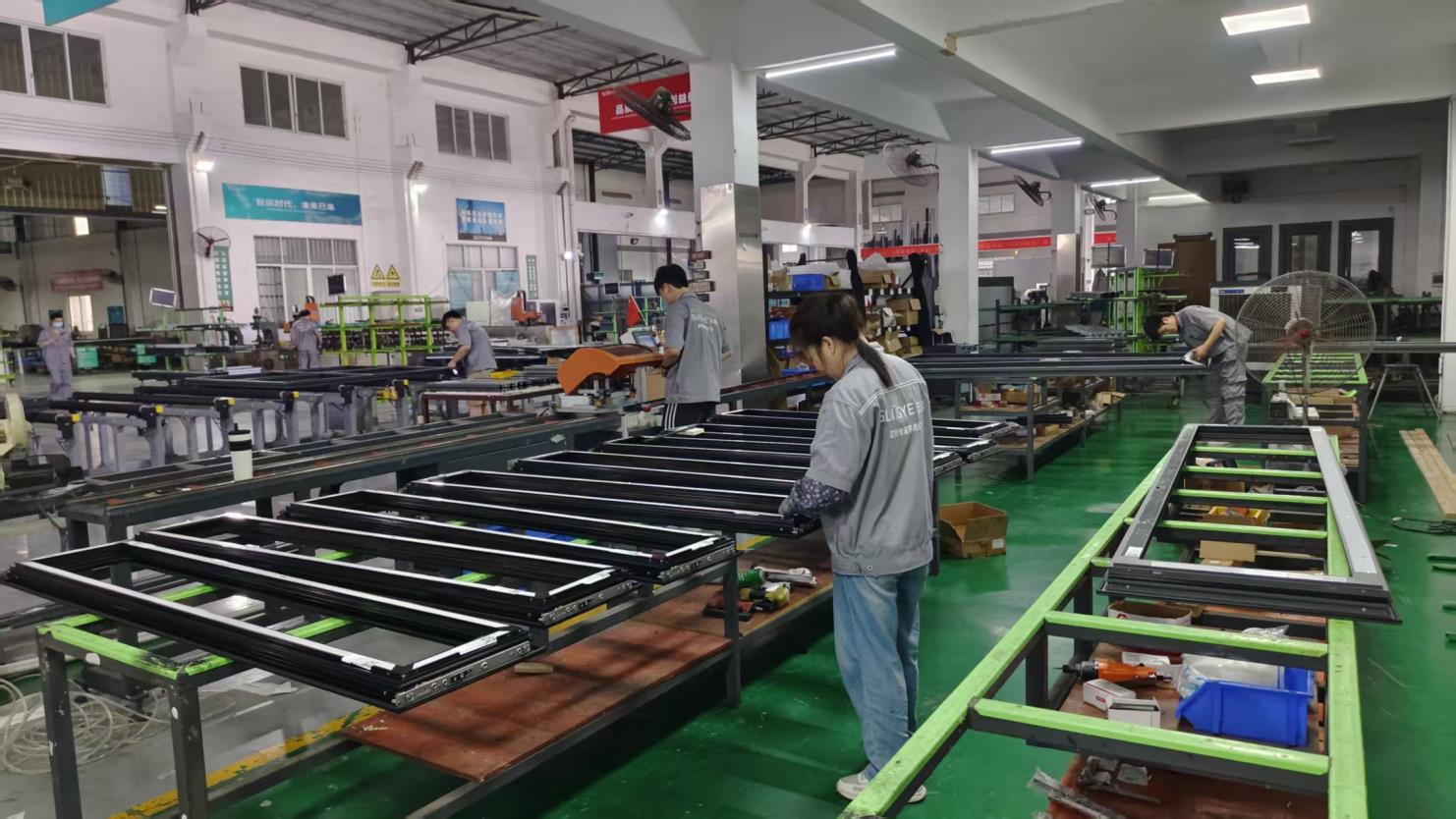
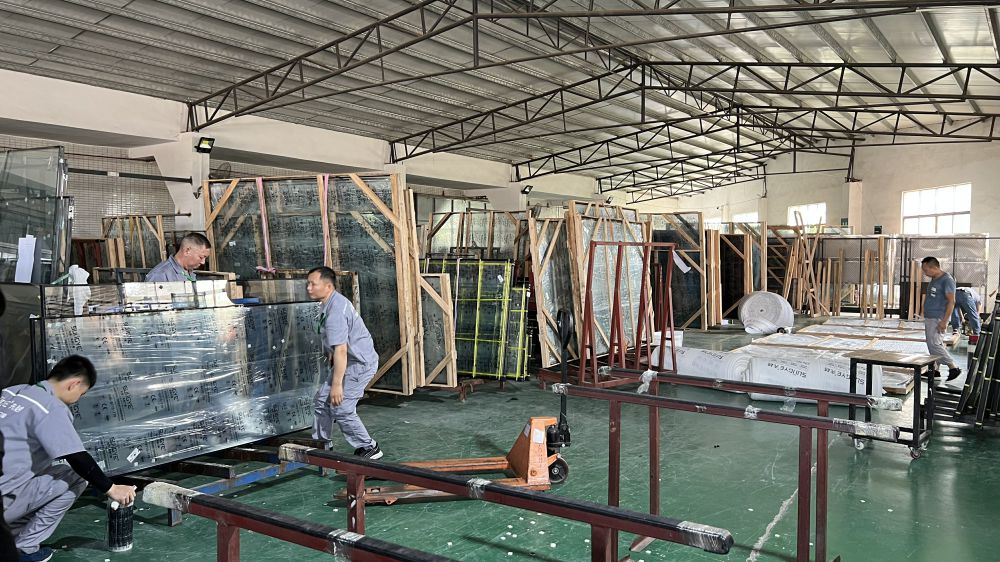
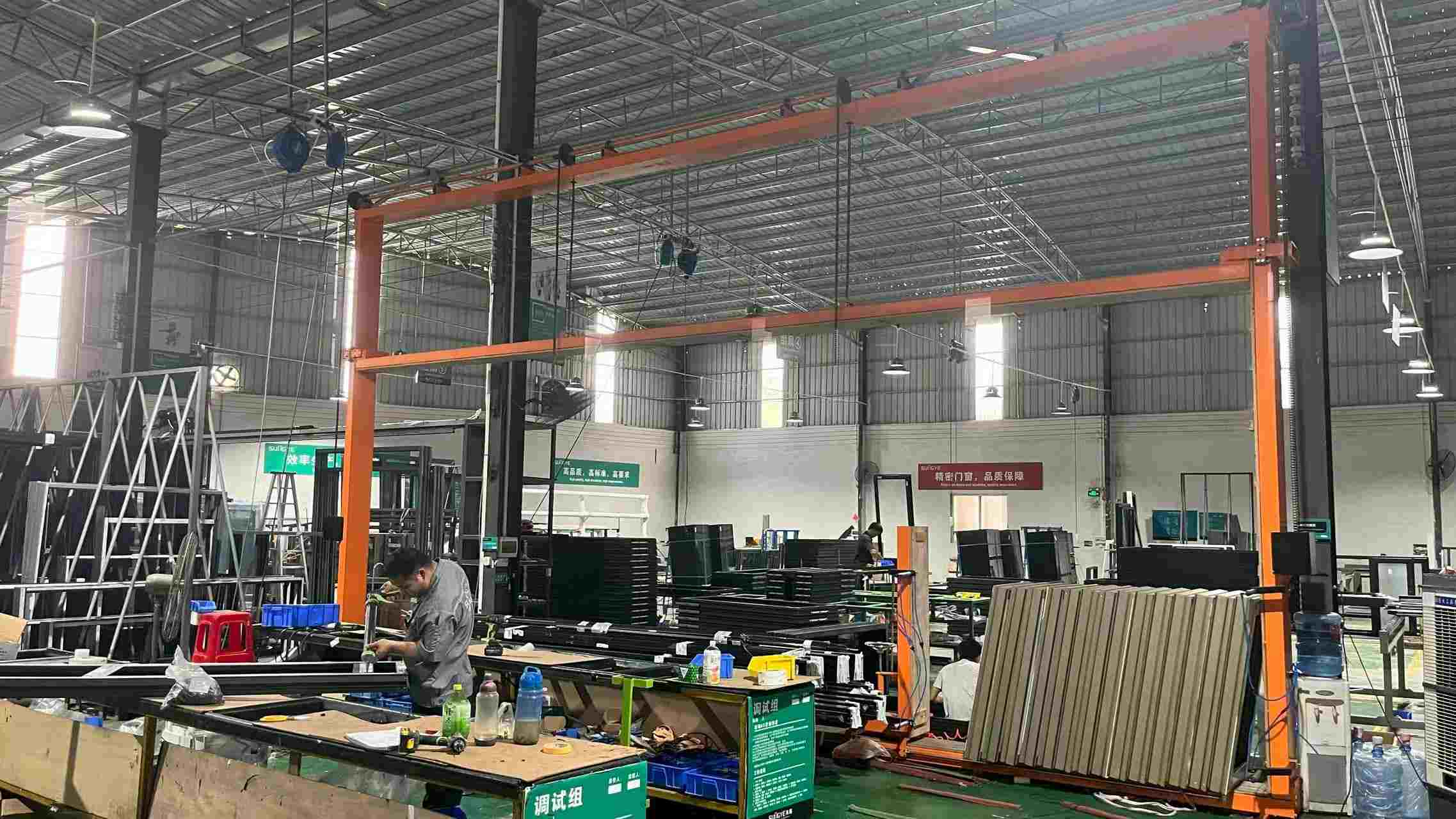
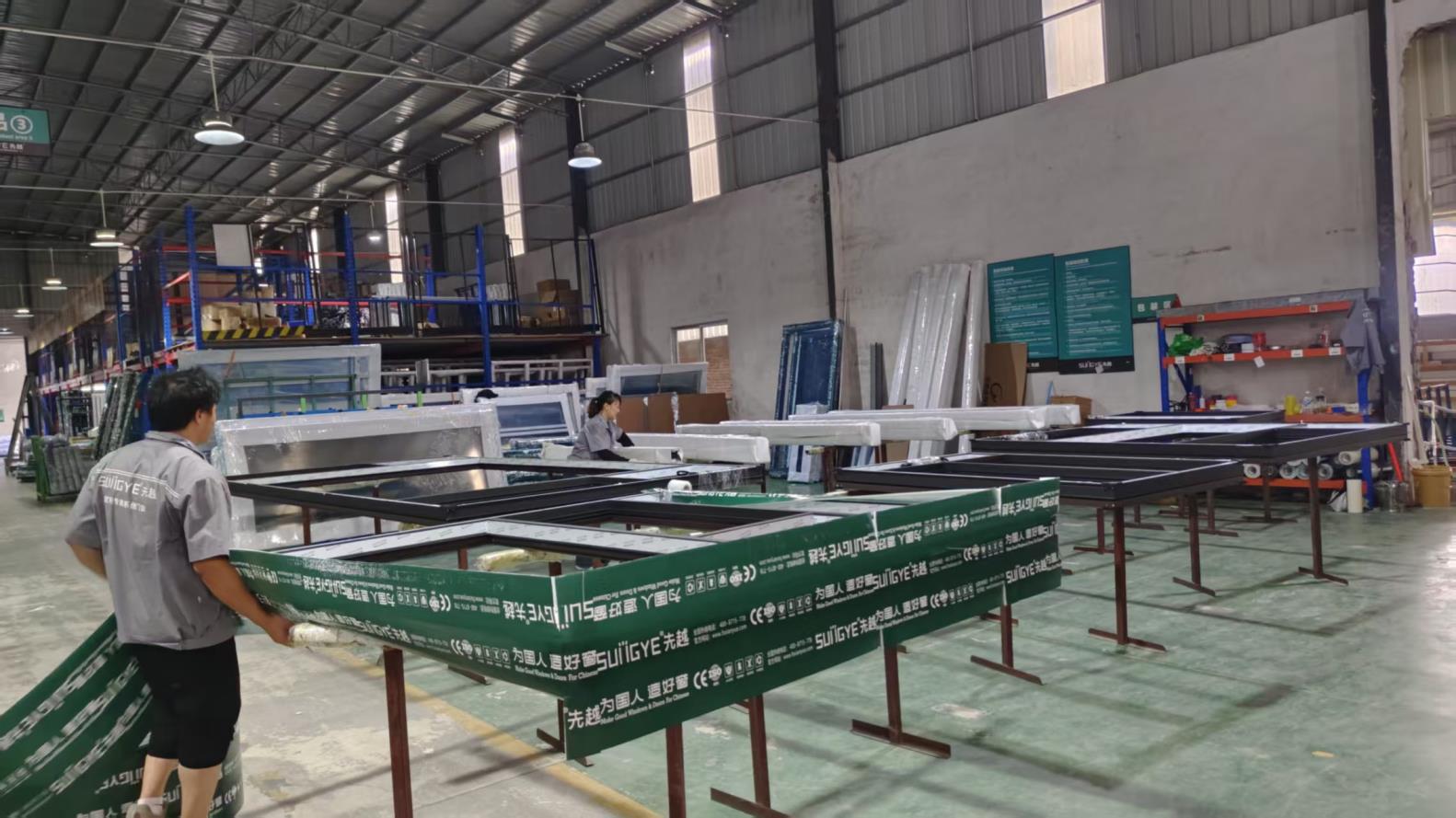
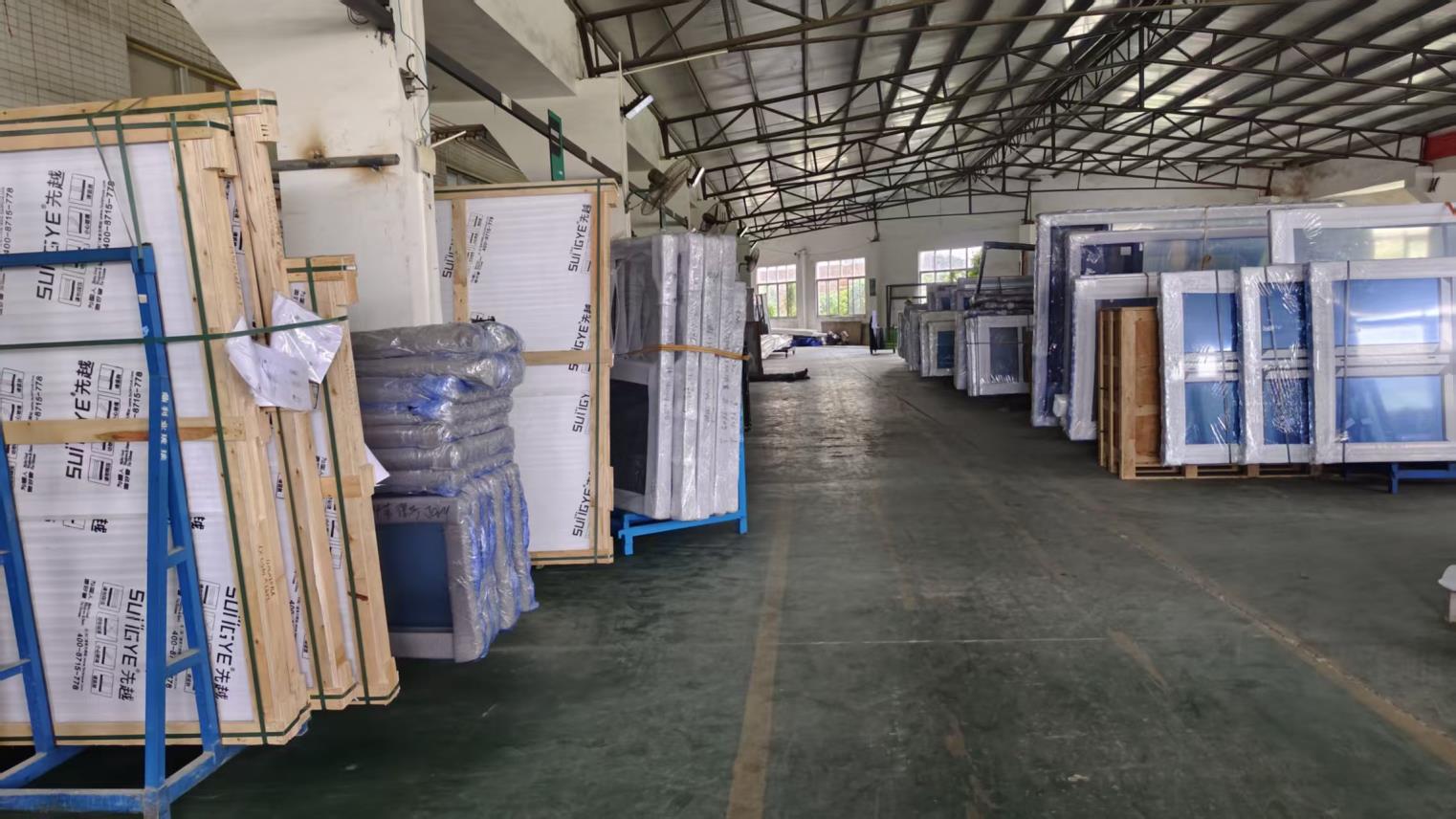
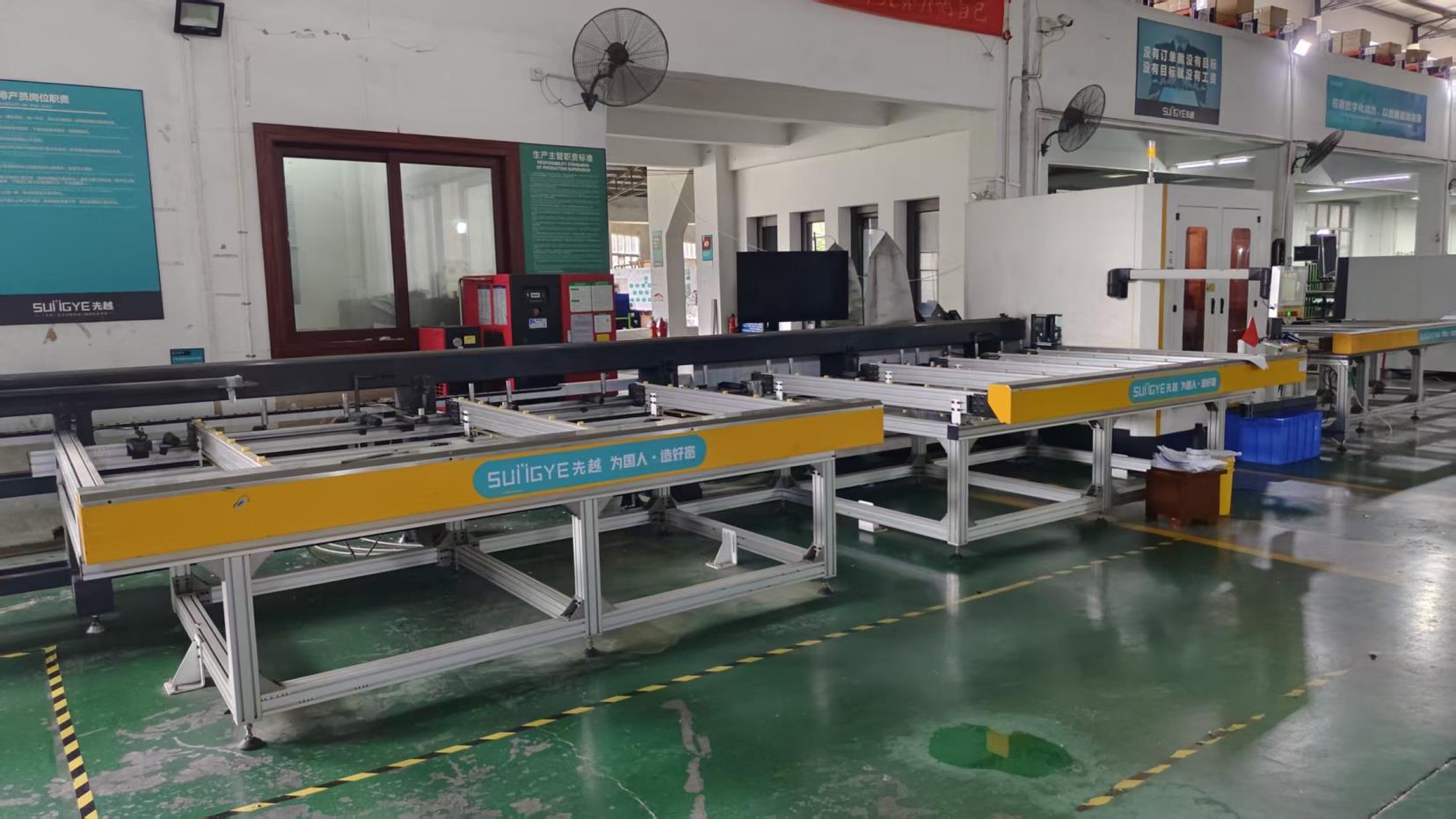
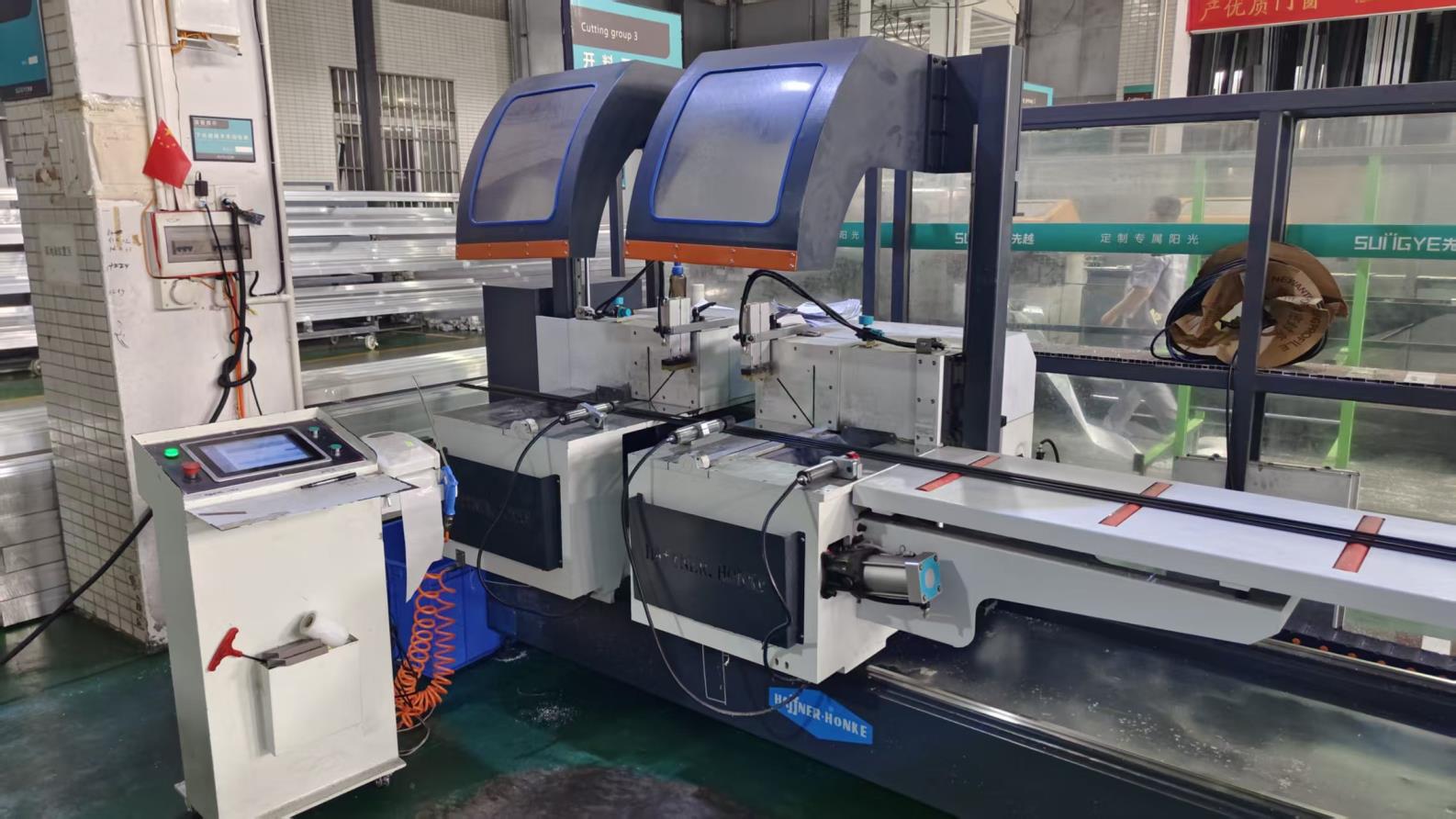
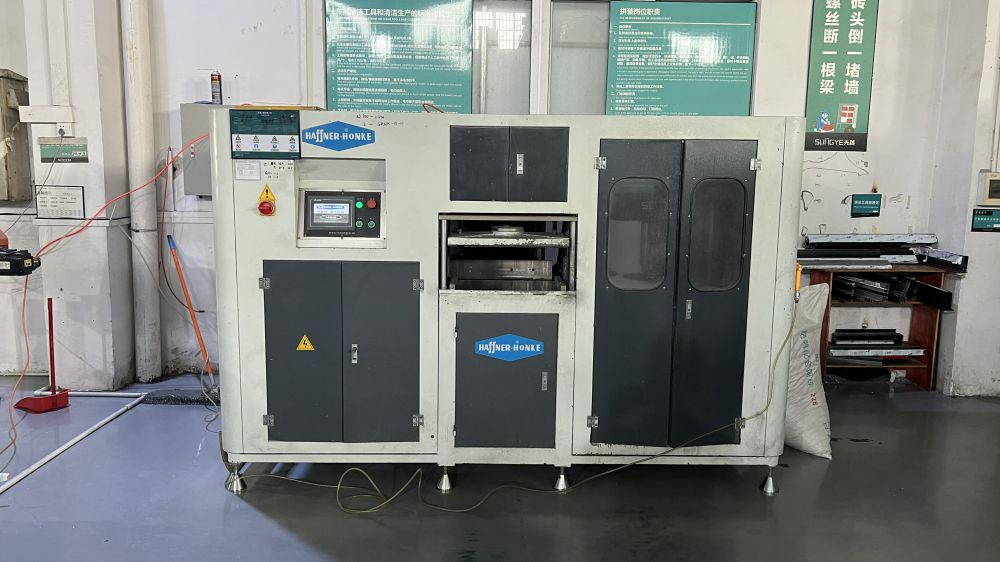
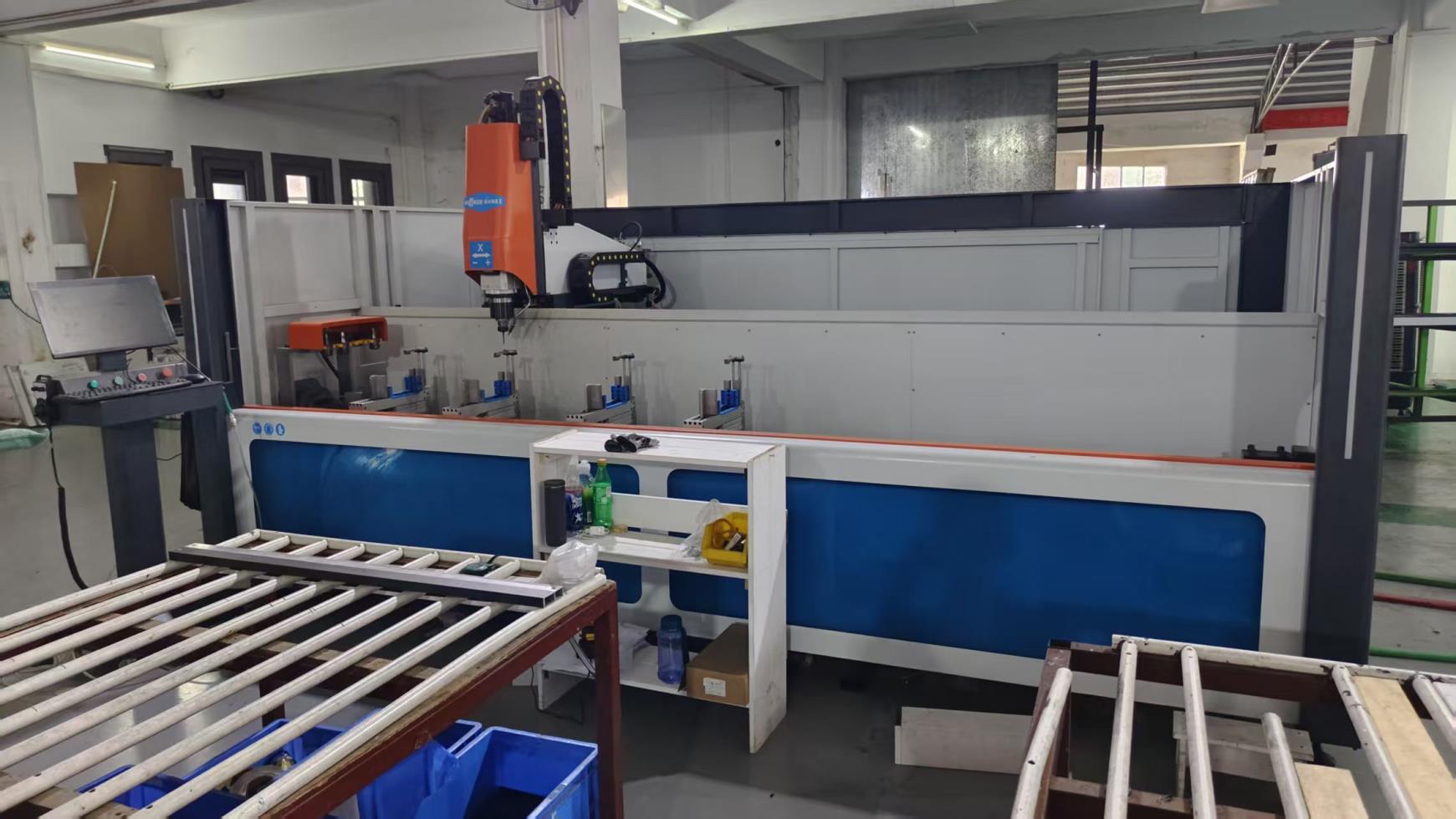
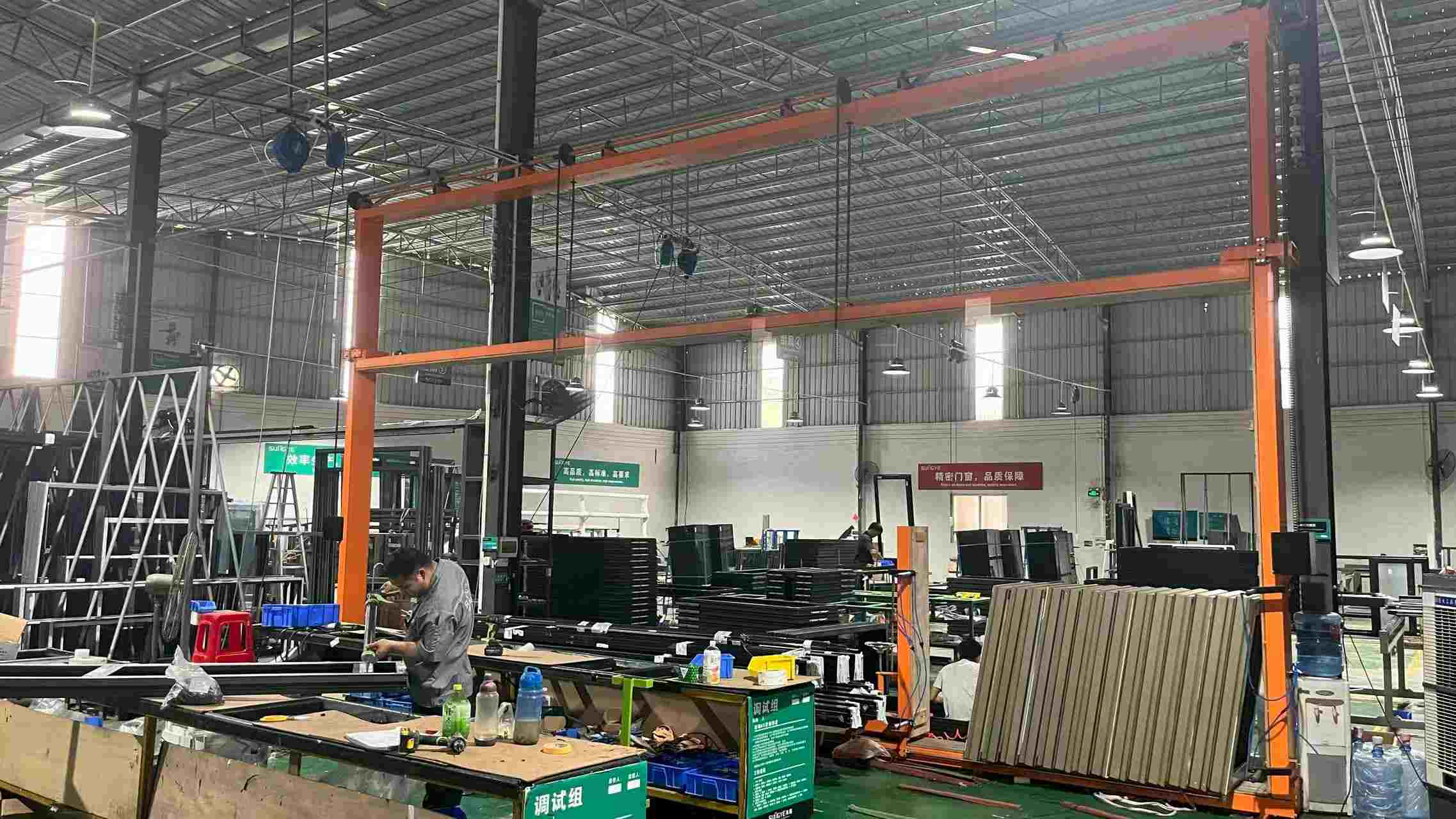
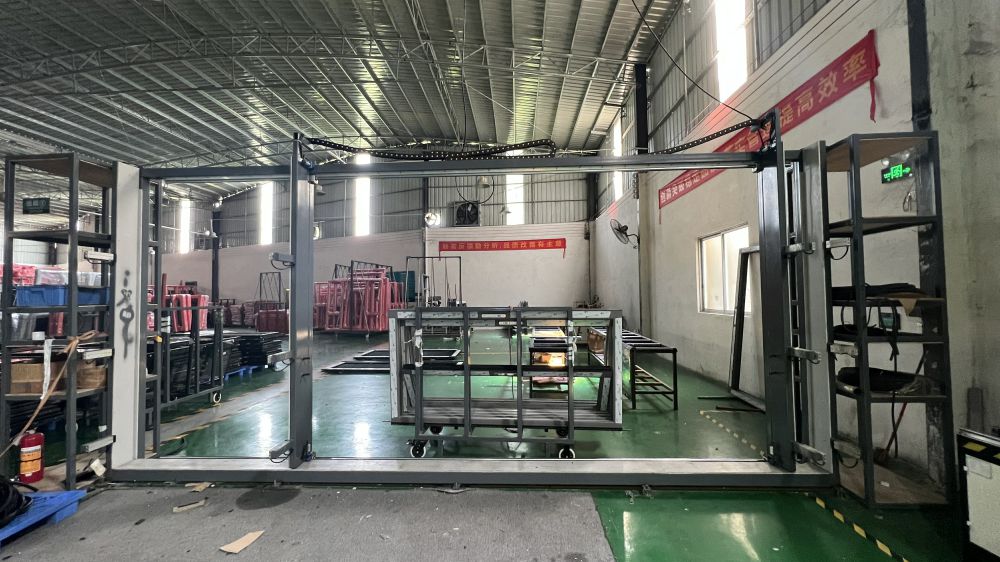
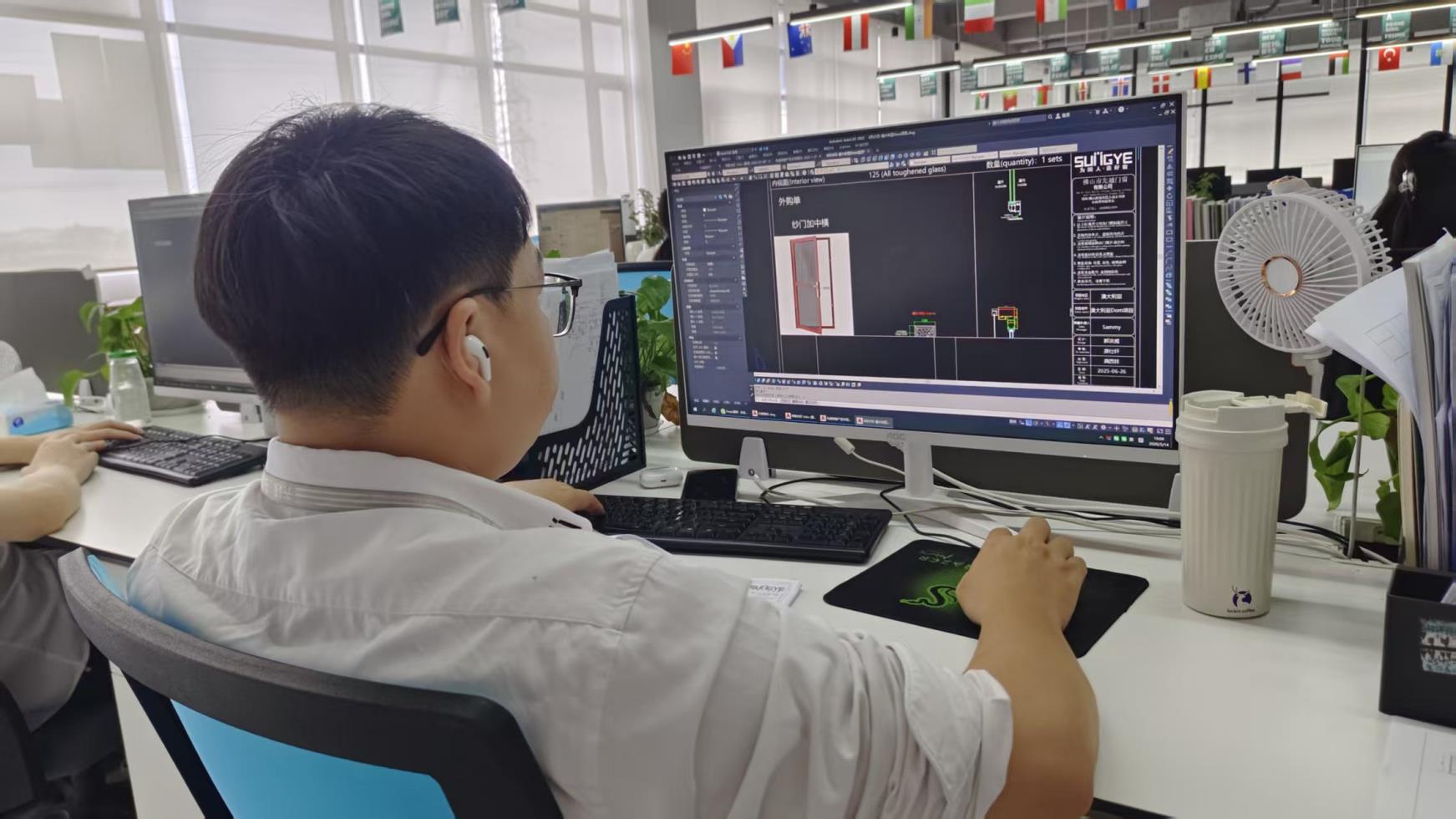
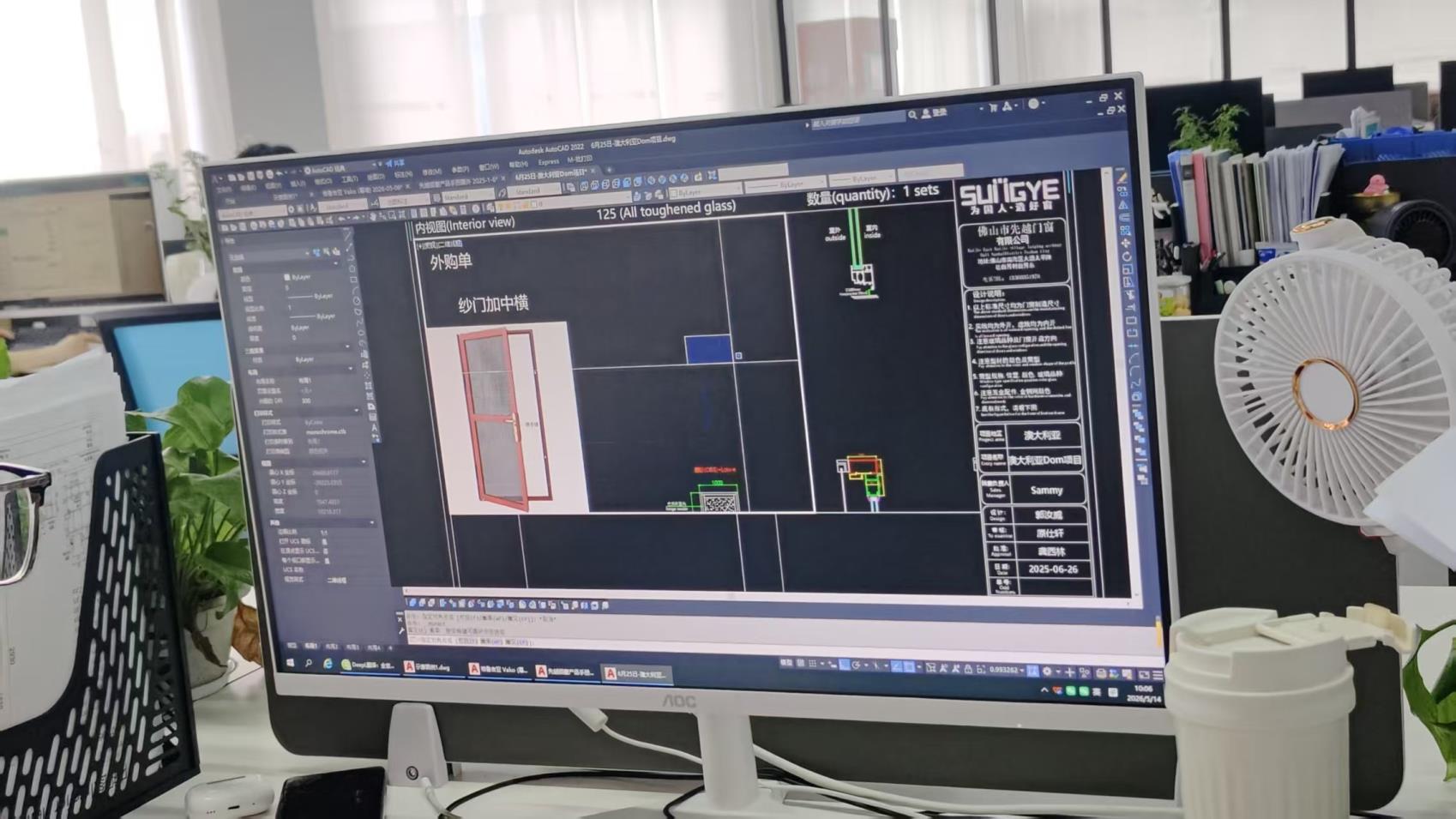
Cresta’s manufacturing success lies in its digitized Industry 4.0 shop-floor architecture. Supported by an active R&D division of 35 specialized engineers—who engineered and launched 38 new product series over the past year alone—Cresta maintains absolute control over dimensional tolerances, corner-crimp structural integrity, and multi-layer weatherproofing seal systems. Our quality control framework employs 30 dedicated inspectors who strictly enforce ISO-certified optical surface defect scans, laser corner alignment checks, and water-deluge weatherproof testing before shipment.
Below is an inside look at our manufacturing workflow—from primary billet extrusion handling and multi-axis CNC machining to glass structural glazed assembly and export pallet packaging:
An architectural opening system is only as durable as its core materials. Cresta’s engineering philosophy eliminates systemic failure points through rigorous alloy selection, advanced surface treatments, precision glass configurations, and heavy-duty European hardware integration.
We utilize 6063-T6 high-tensile architectural aluminum alloy with profile wall thicknesses ranging from 1.4mm for residential casements up to 3.0mm+ for heavy structural lift-and-slide systems. Surface treatments meet Qualicoat Class 2 / Class 3 standards, offering exceptional UV stability and salt spray resistance (over 3000 hours without surface blistering or micro-cracking), making them ideal for aggressive coastal environments.
Unlike inferior PVC fill insulation, Cresta incorporates continuous Polyamide PA66-GF25 (25% Glass Fiber Reinforced) thermal barrier strips. This material matches the thermal expansion co-efficient of aluminum, preventing internal shear stress, profile warping, and air leakage during severe outdoor-to-indoor temperature differentials (-30°C to +70°C).
Glazing configurations include double/triple toughened safety glass, laminated PVB/SGP impact glass, and smart dynamic privacy glass. Double-glazed IGUs utilize warm-edge Techniform spacers, continuous Argon gas filling (90%+ concentration retention), and soft-coat Low-E coatings to achieve solar heat gain coefficient (SHGC) control down to 0.22.
Movement hardware is sourced from tier-1 global partners (German Siegenia, Hoppe, Sobinco, and Cresta custom high-load rollers). Entry doors integrate multi-point lock mechanisms with biometric smart entry, while motorized vertical guillotine windows utilize heavy-duty tubular motors with obstacle detection and integrated insect mesh options.
Every regional climate and building type demands custom fenestration configurations. Below is how Cresta tailors its products for specific architectural applications worldwide:
Design Challenge: Extreme wind pressures, corrosive airborne salt, driving storm rain, and high solar heat gain.
Cresta Solution: Heavy-duty tilt-and-turn window combinations paired with structural slim-frame glass entry/sliding doors. Reinforced with SGP laminated hurricane impact glass (NOA / AS2047 compliant), Fluorocarbon (PVDF) 3-coat marine finish, and concealed drainage channels with EPDM triple gaskets to block 1000+ Pa water pressure.
Design Challenge: Maximizing natural light, creating seamless indoor-outdoor transitions, and securing high-frequency public usage zones.
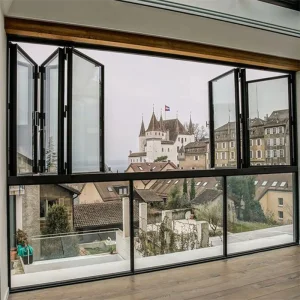
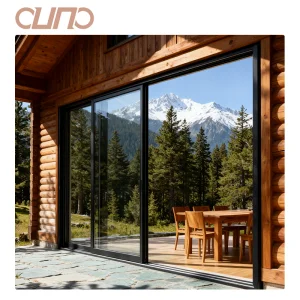
Cresta Solution: Motorized automatic vertical sliding guillotine windows combined with panoramic folding door systems. At the touch of a button, vertical glass panels retract to transform enclosed indoor seating into open-air dining decks, complete with integrated motorized mosquito screens.
Design Challenge: Stopping extreme conductive heat loss, eliminating window perimeter drafts, and achieving high urban soundproofing.
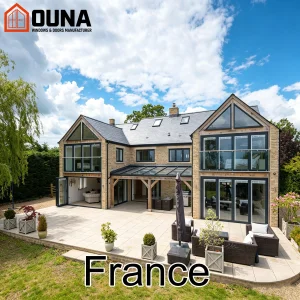
Cresta Solution: 75mm+ multi-cavity thermal break aluminum profile series with triple Low-E insulated glass filled with Argon gas. Achieves sound isolation up to 42 dB (cutting city traffic noise to library-quiet levels) and maintains Uw values compliant with strict European Passivhaus targets.
Addressing critical technical, regulatory, and logistics queries for project engineers, architectural buyers, and wholesale procurement managers.
Review additional high-performance solutions engineered for specialized structural, acoustic, and security requirements.
 Cresta Window Tech