Explore our premium-grade architectural aluminum solutions engineered to strict European Norms (EN 14351-1), featuring thermal break cores, impact resistance, and customized interior finishes.
In high-humidity interior environments such as commercial luxury hotels, residential high-rises, and modern wellness facilities, interior door selection requires a fundamental shift from traditional timber or low-grade UPVC materials toward high-precision structural aluminum profiles. Standard wooden doors frequently suffer from moisture-induced swelling, delamination, and fungal deterioration within 24 to 36 months of continuous exposure to elevated relative humidity (RH > 80%).
As premier CE Certified Aluminum Bathroom Door Manufacturers, top-tier Chinese fabricators utilize advanced extruded aluminum alloy profiles (specifically 6063-T5 and 6060-T6 architectural grades) treated via anodic oxidation, fluorocarbon (PVDF) spraying, or electromechanical powder coating. These treatments yield an impervious physical barrier against vapor transmission, chemical cleaning agents, and thermal fluctuation. Obtaining the European CE Marking (Conformité Européenne) under the Construction Products Regulation (CPR No 305/2011) mandates strict verification of operational safety, mechanical resistance, acoustic isolation, and zero-VOC chemical emission profile off-gassing.
Navigating cross-border compliance demands comprehensive verification of regional building codes. CE Certification serves as the baseline safety passport for the European Economic Area (EEA), but global commercial developers require multi-jurisdictional compliance.
| Standard / Regulation | Geographic Jurisdiction | Core Technical Requirements | Guangzhou Cresta Compliance Guarantee |
|---|---|---|---|
| EN 14351-1 / CE Marking | European Union (EU/EEA) | Mandatory structural load capacity, operating forces, water tightness, dangerous substance release. | Full CE Type Test Certification (ITT) & Factory Production Control (FPC) audit. |
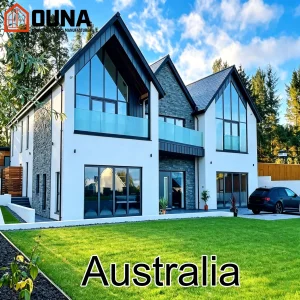
| AS2047 / AS1288 | Australia / New Zealand | Deflection testing, air infiltration, water penetration resistance (Pa), thermal safety glass glazing. | AS2047 project-certified sliding & swing systems with certified window hardware test reports. |
| NFRC / AAMA Standards | North America (USA / Canada) | U-Factor performance rating, Solar Heat Gain Coefficient (SHGC), structural wind load resistance. | NFRC thermal break double-glazed insulated profile configurations. |
| REACH & RoHS Directives | Global / European Scope | Restriction of hazardous substances in anodized coatings, rubber gaskets (EPDM), and hardware lubricants. | 100% non-toxic EPDM sealing gaskets and zero-heavy-metal surface powder coatings. |
Bathroom doors in multi-unit hospitality and residential projects must provide effective acoustic attenuation (Rw values ranging from 28 dB to 38 dB) to ensure privacy. Cresta's engineering team incorporates perimeter magnetic sealing strips combined with drop-down automatic bottom seals (door sweeps) that actuate upon frame closure. This eliminates acoustic leaks and blocks moisture migration without requiring high-threshold floor tracks that create tripping hazards or impede barrier-free ADA accessibility.
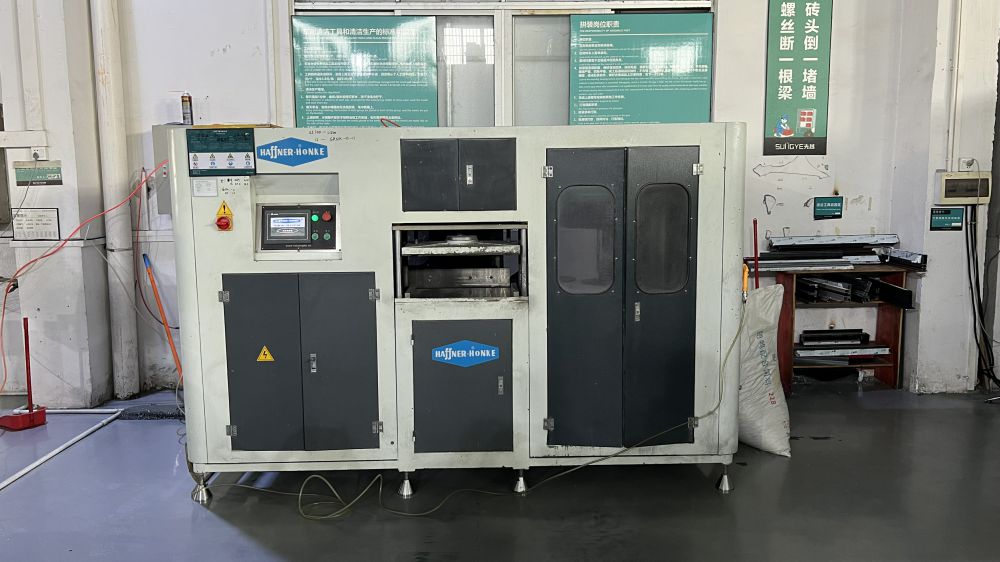
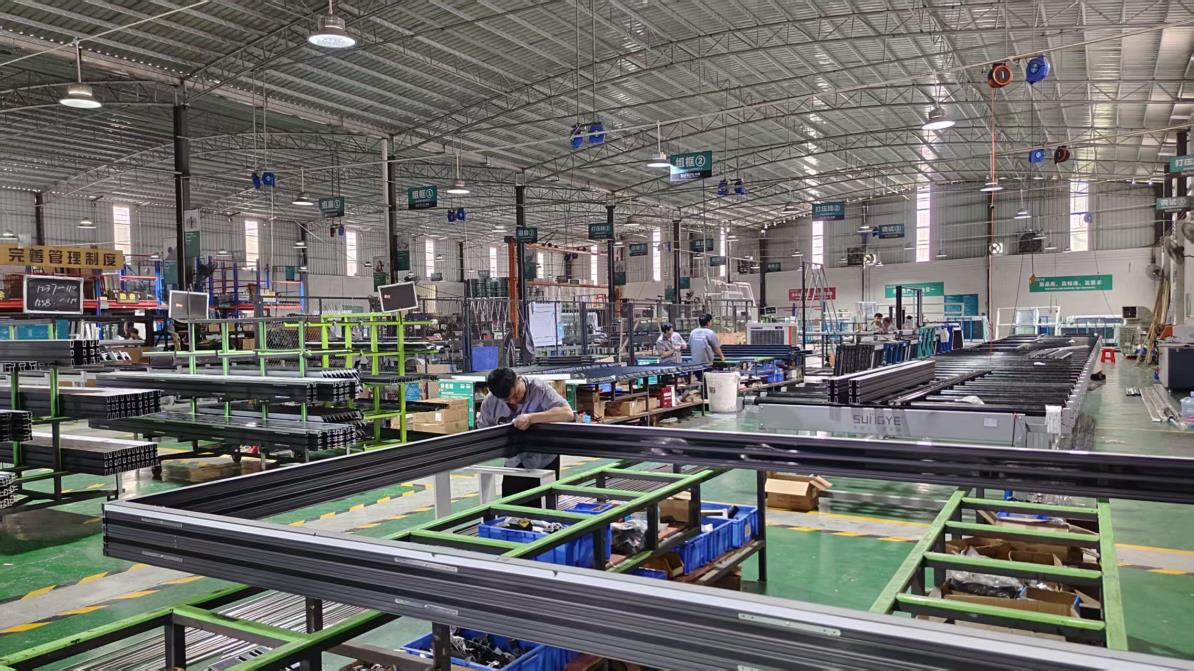
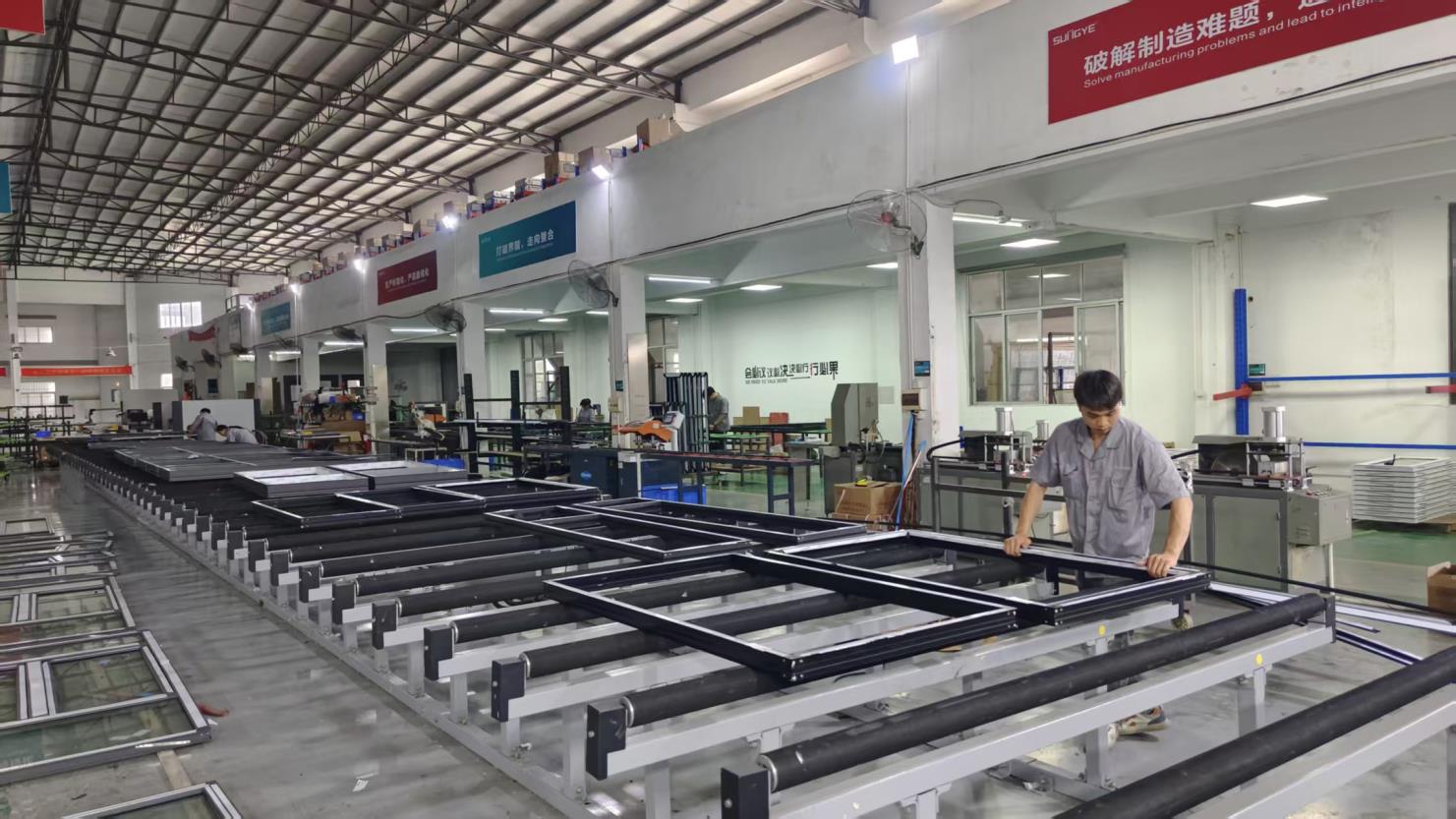
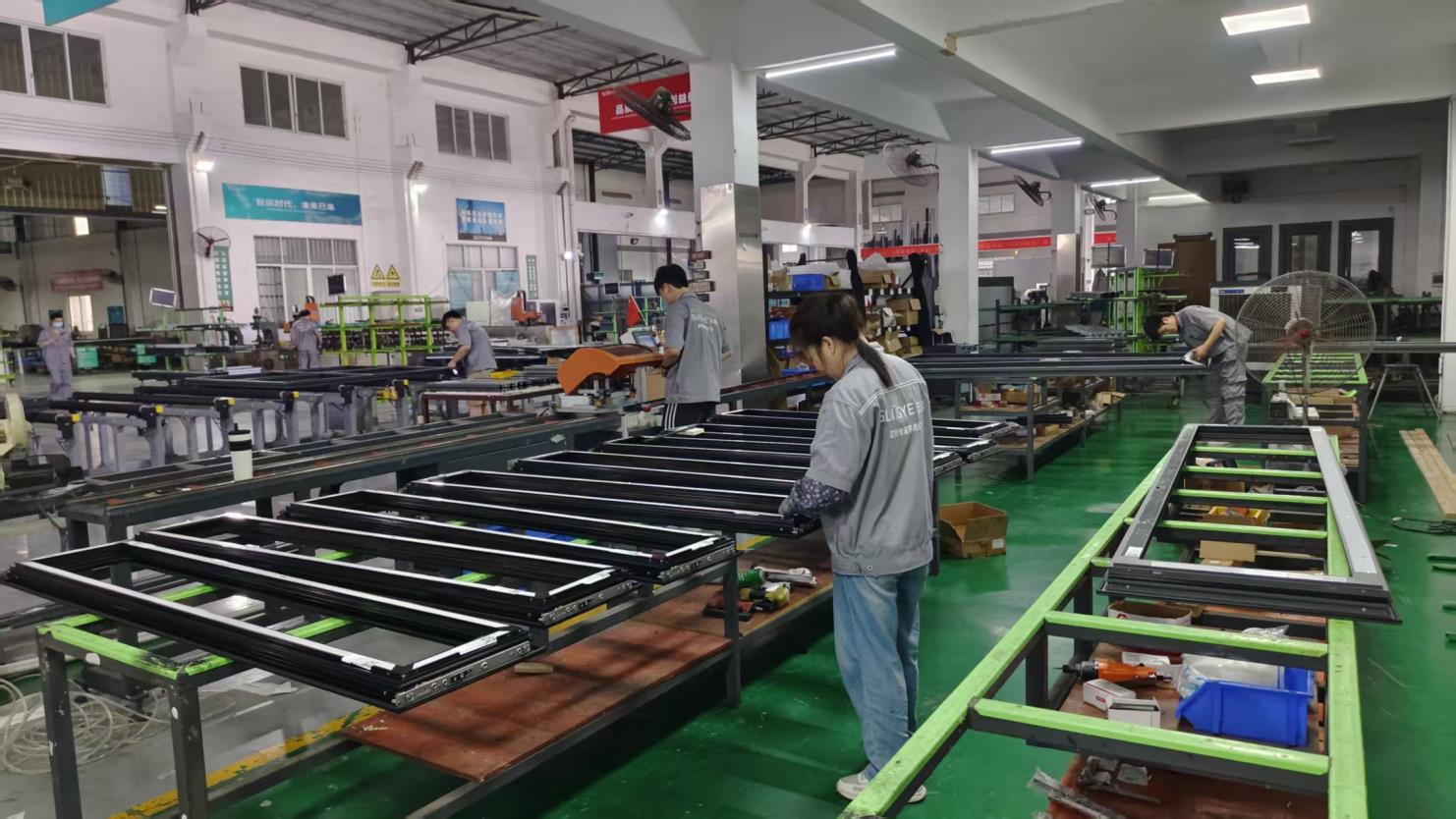
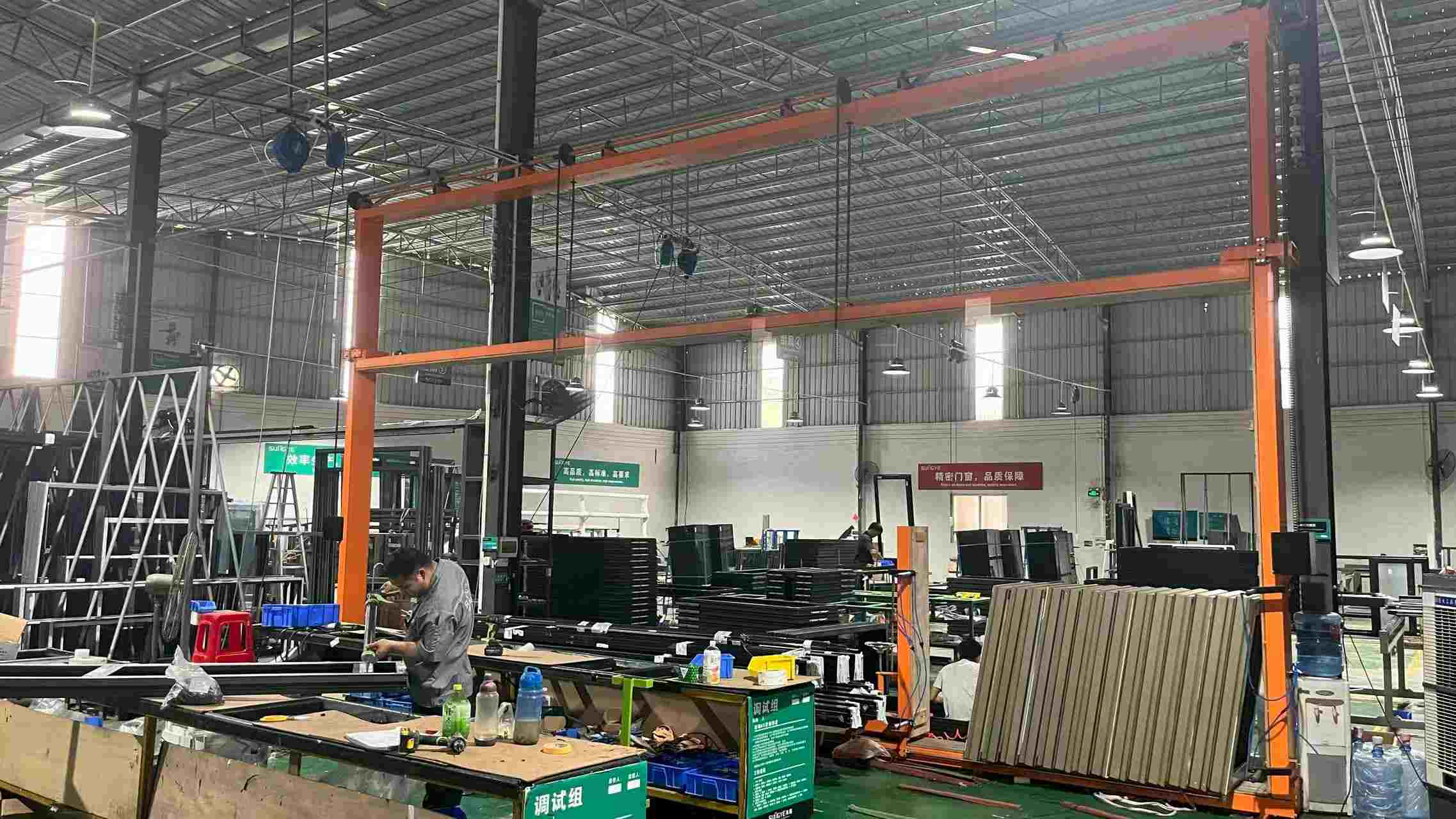
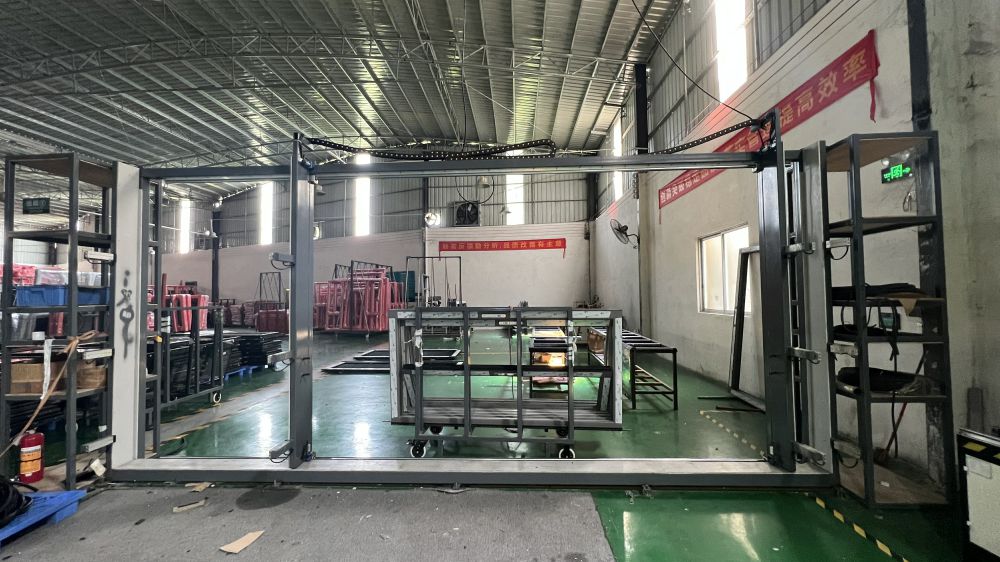
Established in 2015, Guangzhou Cresta Door & Window Co., Ltd. operates a state-of-the-art 18,000-square-meter integrated manufacturing facility. Powered by 11 years of deep industry manufacturing experience and 7 years of high-volume international trade operations, Cresta has achieved an annual export turnover of $22 million across key markets in Southeast Asia, the Middle East, and Oceania. We serve custom home builders, renovation contractors, and regional wholesalers with high-precision engineered doors.
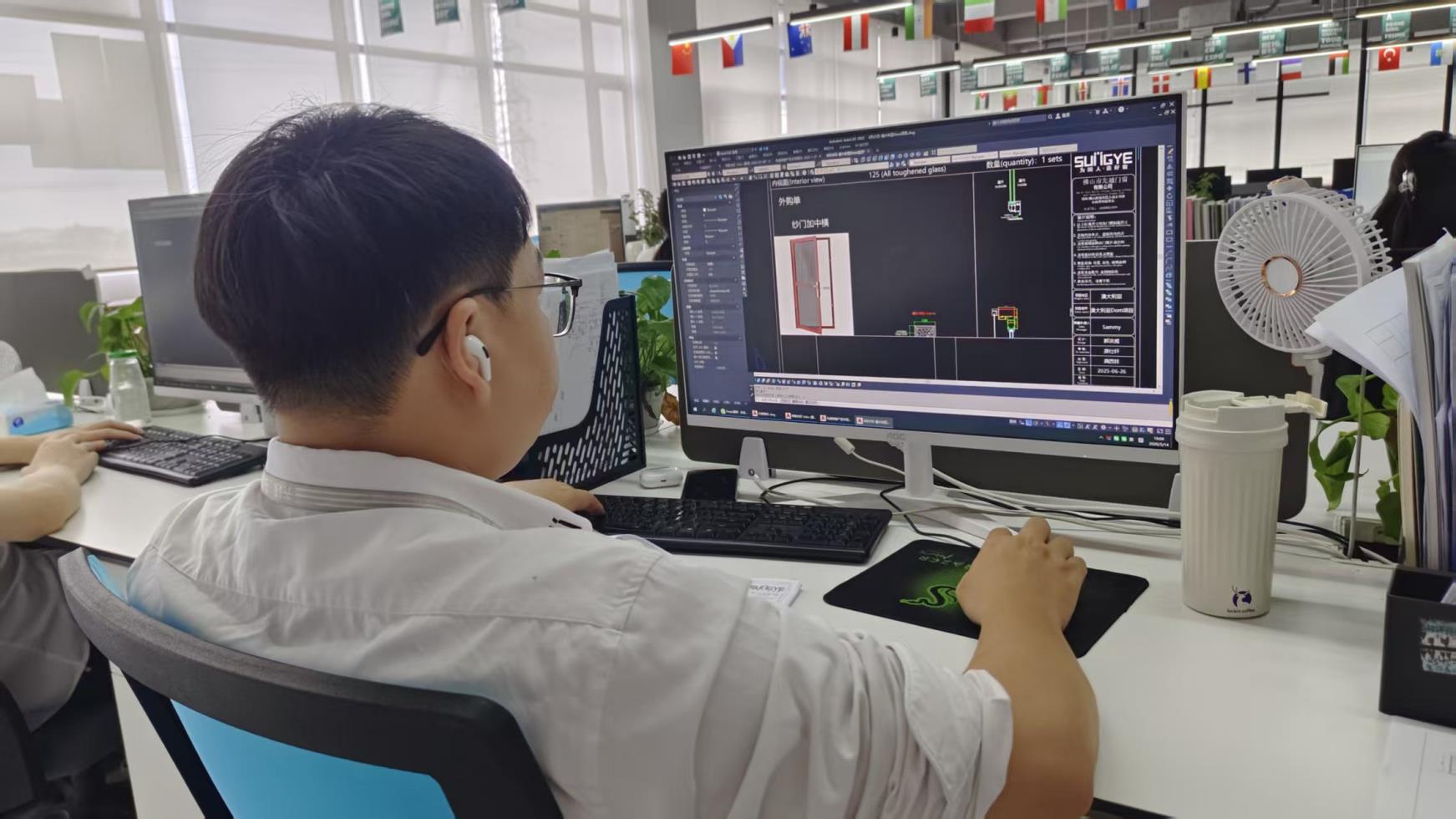
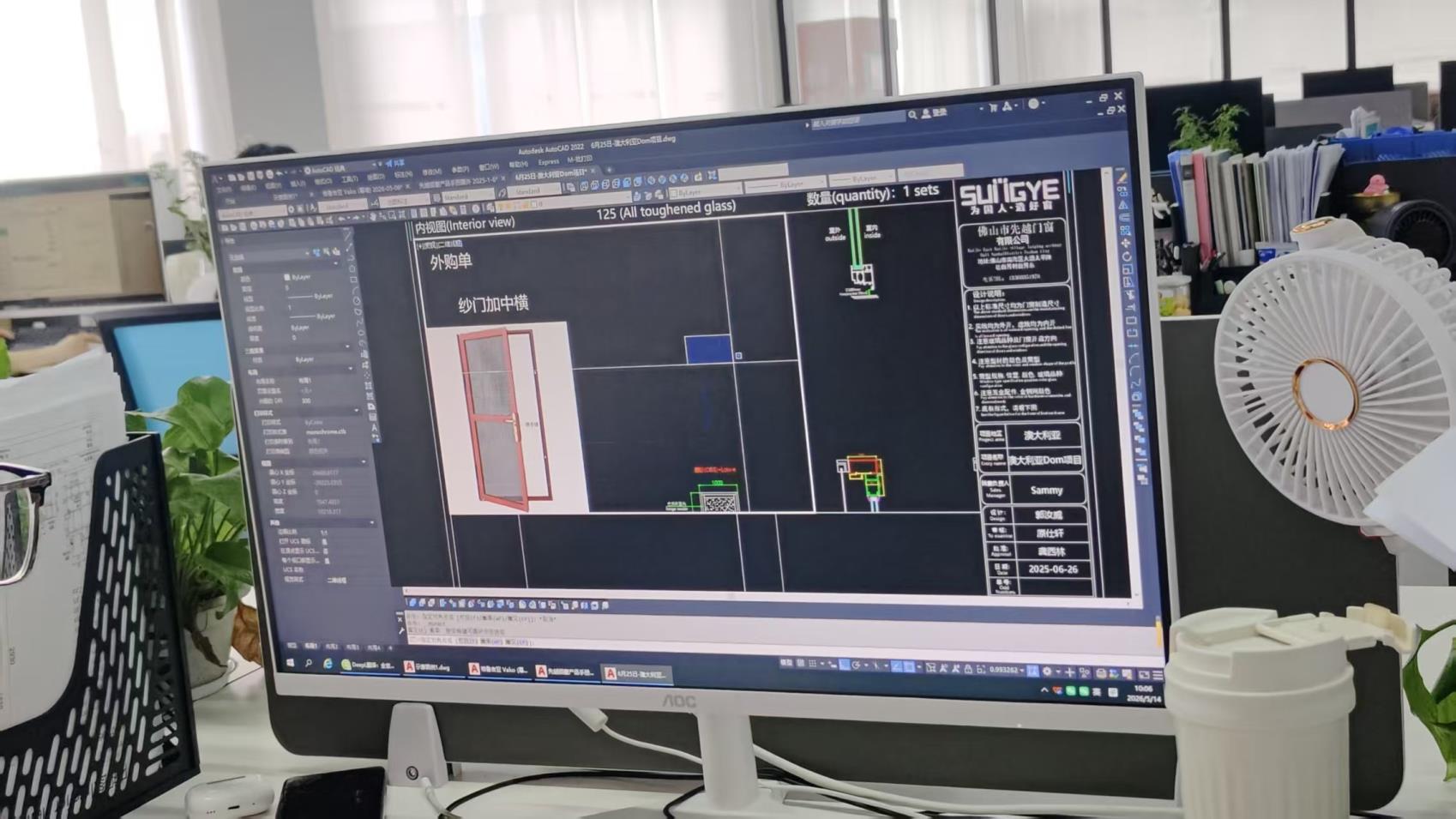
To maintain uncompromised craftsmanship, our dedicated team of 30 Quality Control (QC) inspectors strictly enforces ISO-certified optical surface defect inspections, structural joinery tolerance checks (to within ±0.3mm), and hydrostatic weatherproofing seal tests. Backed by a vast upstream network of 550 vetted suppliers, Cresta provides specialized custom engineering including acoustic dampening layers, motorized integrated insect screens, and ultra-slim frame glass door systems. Furthermore, our active R&D division of 35 specialized structural engineers introduced 38 new patented product series over the past year.
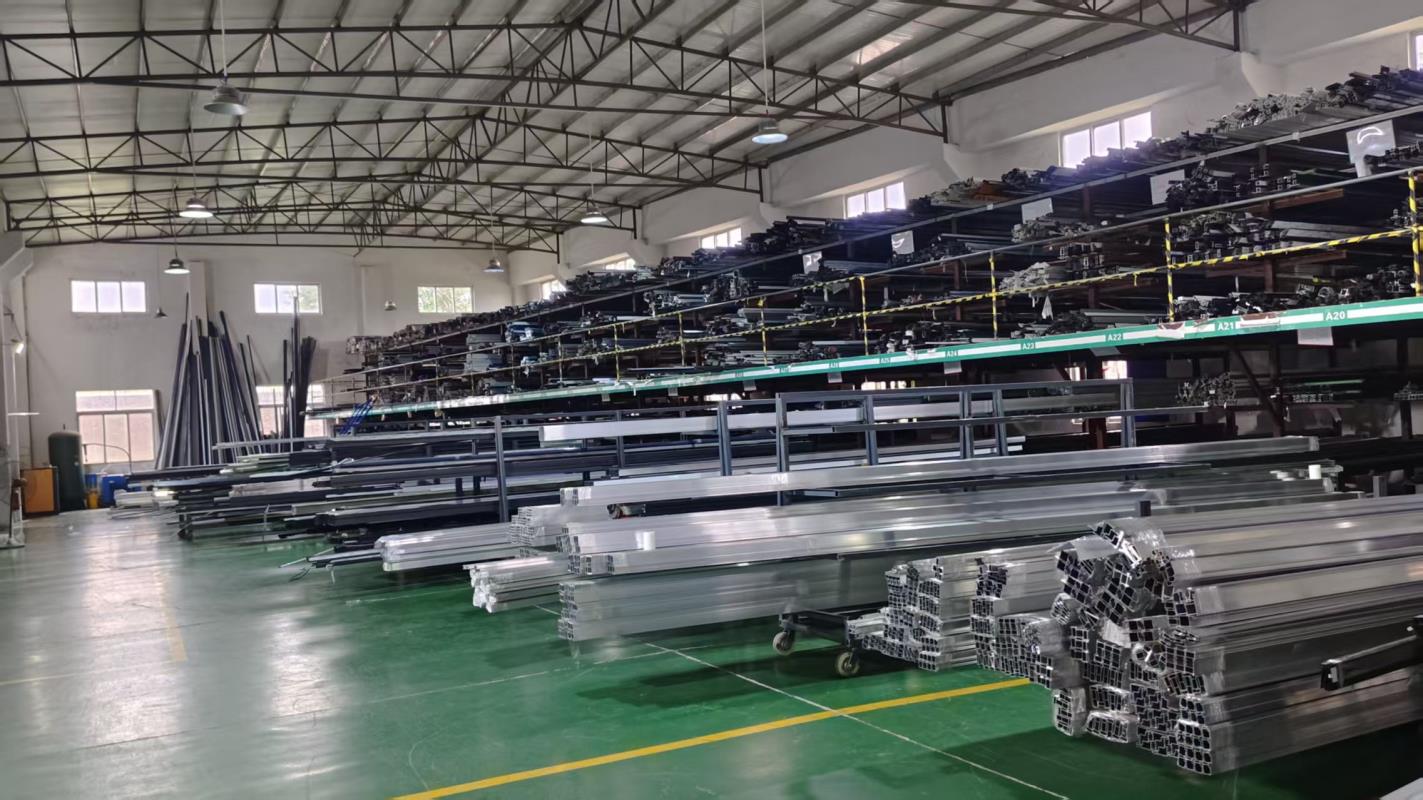
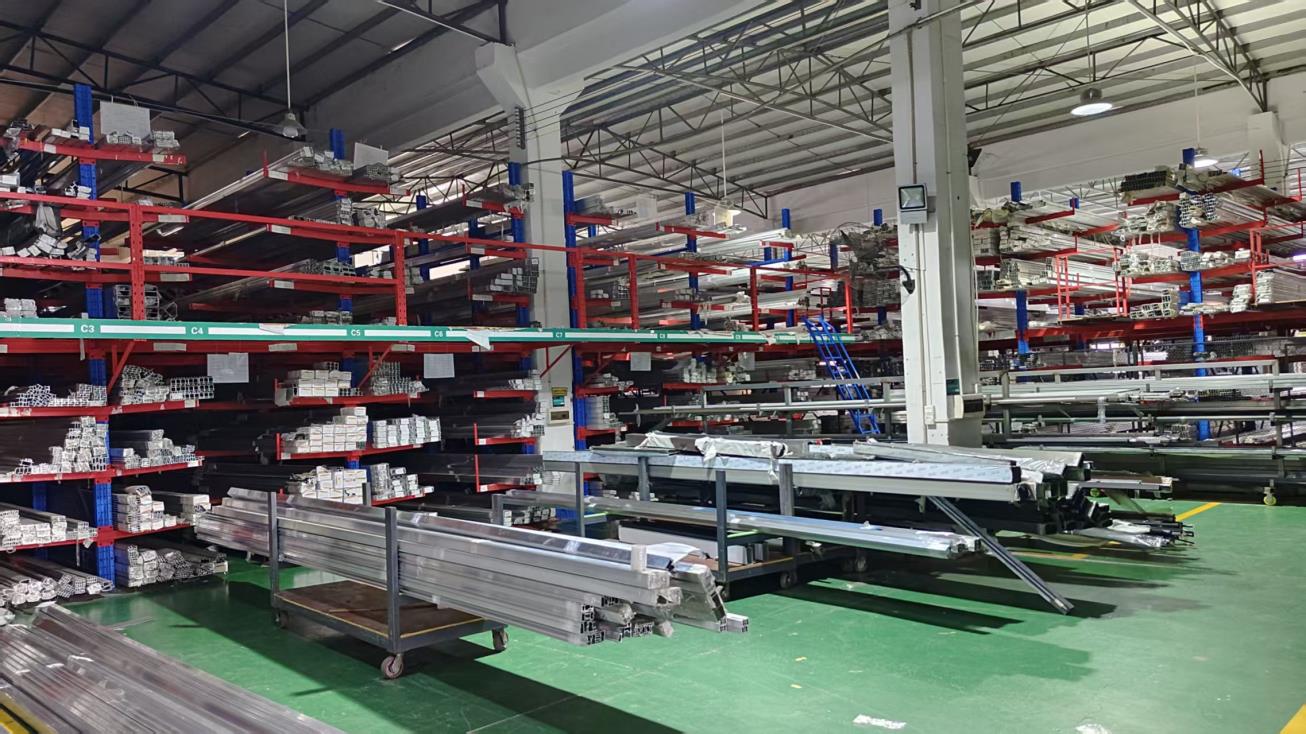
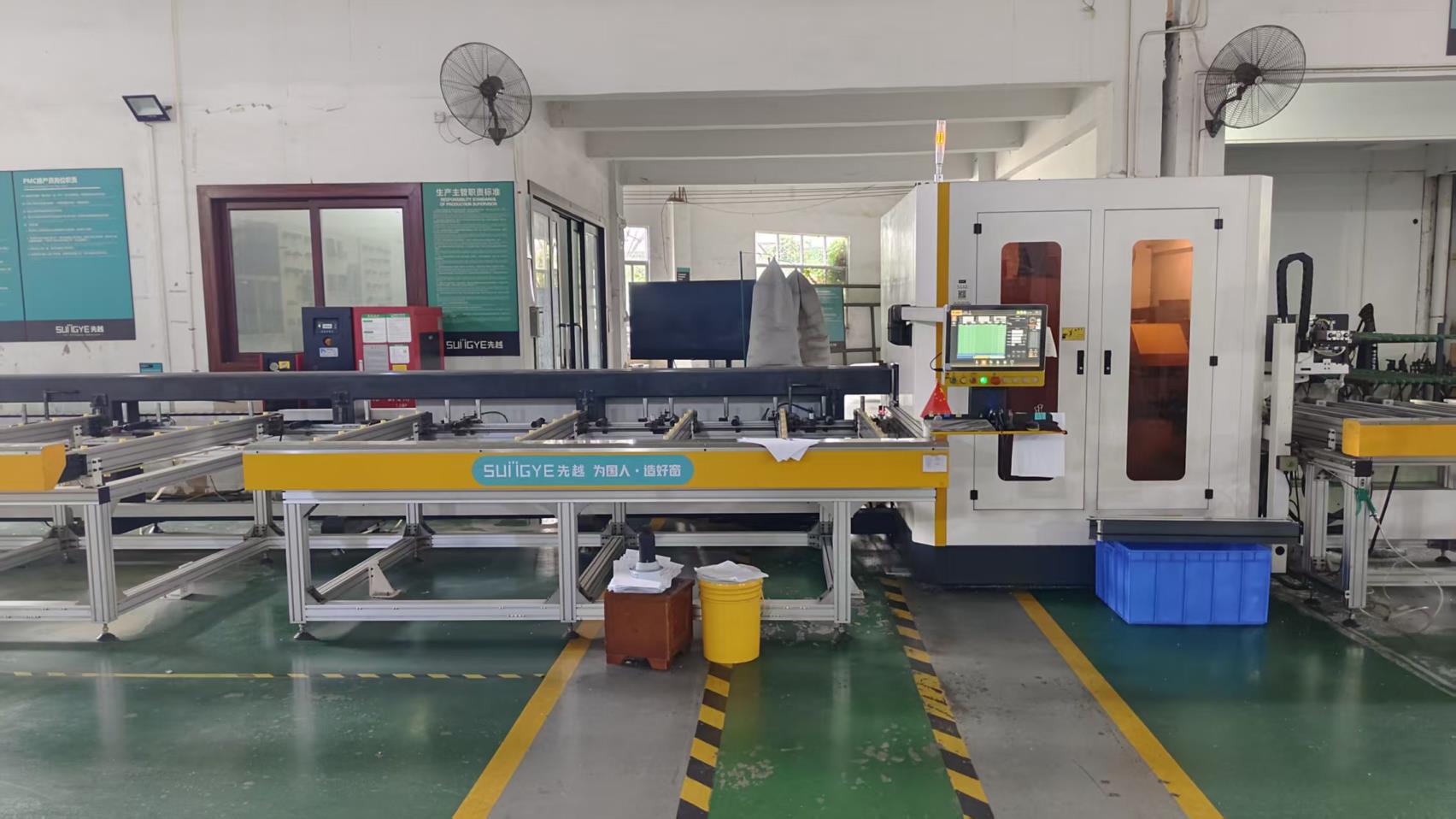
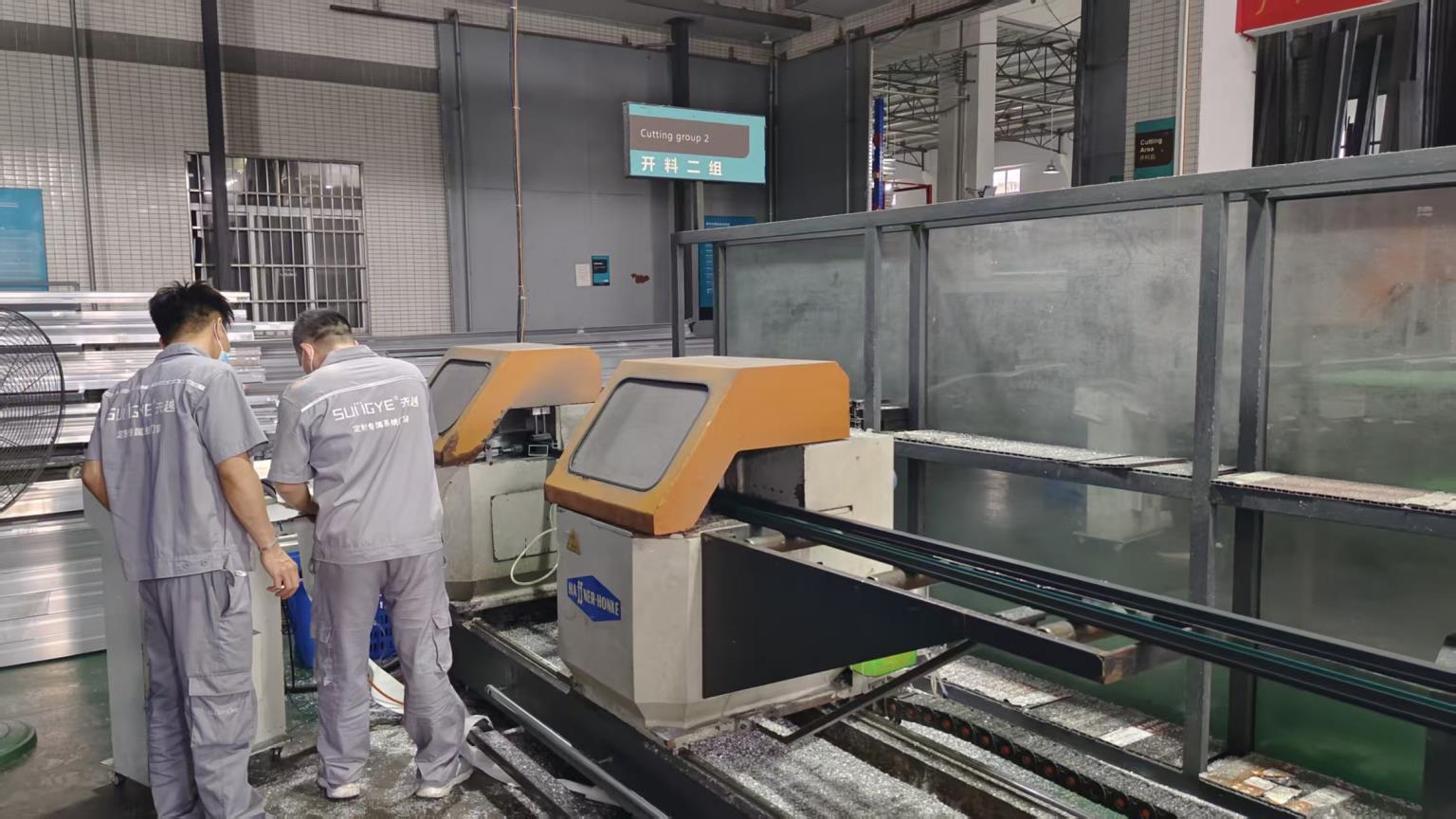
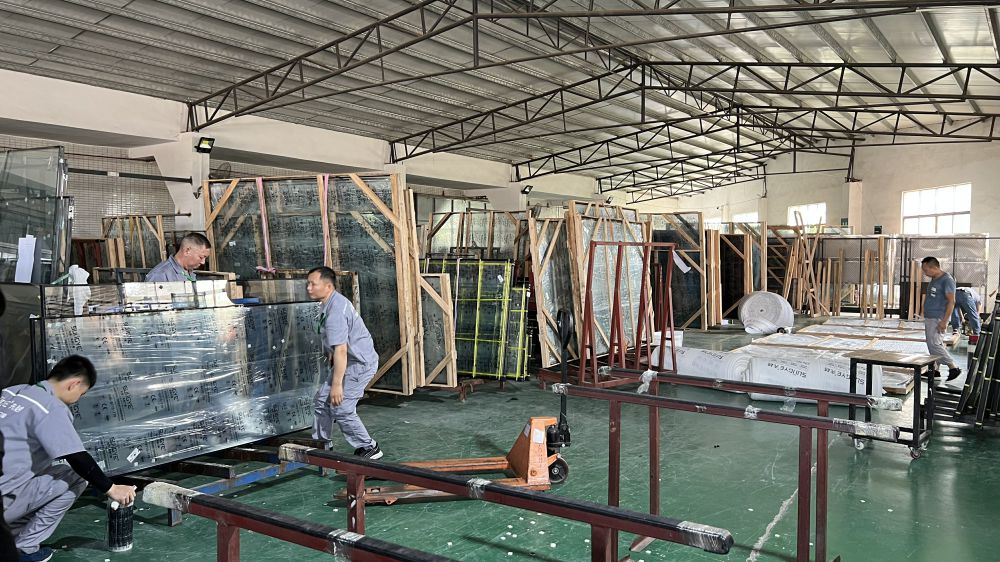
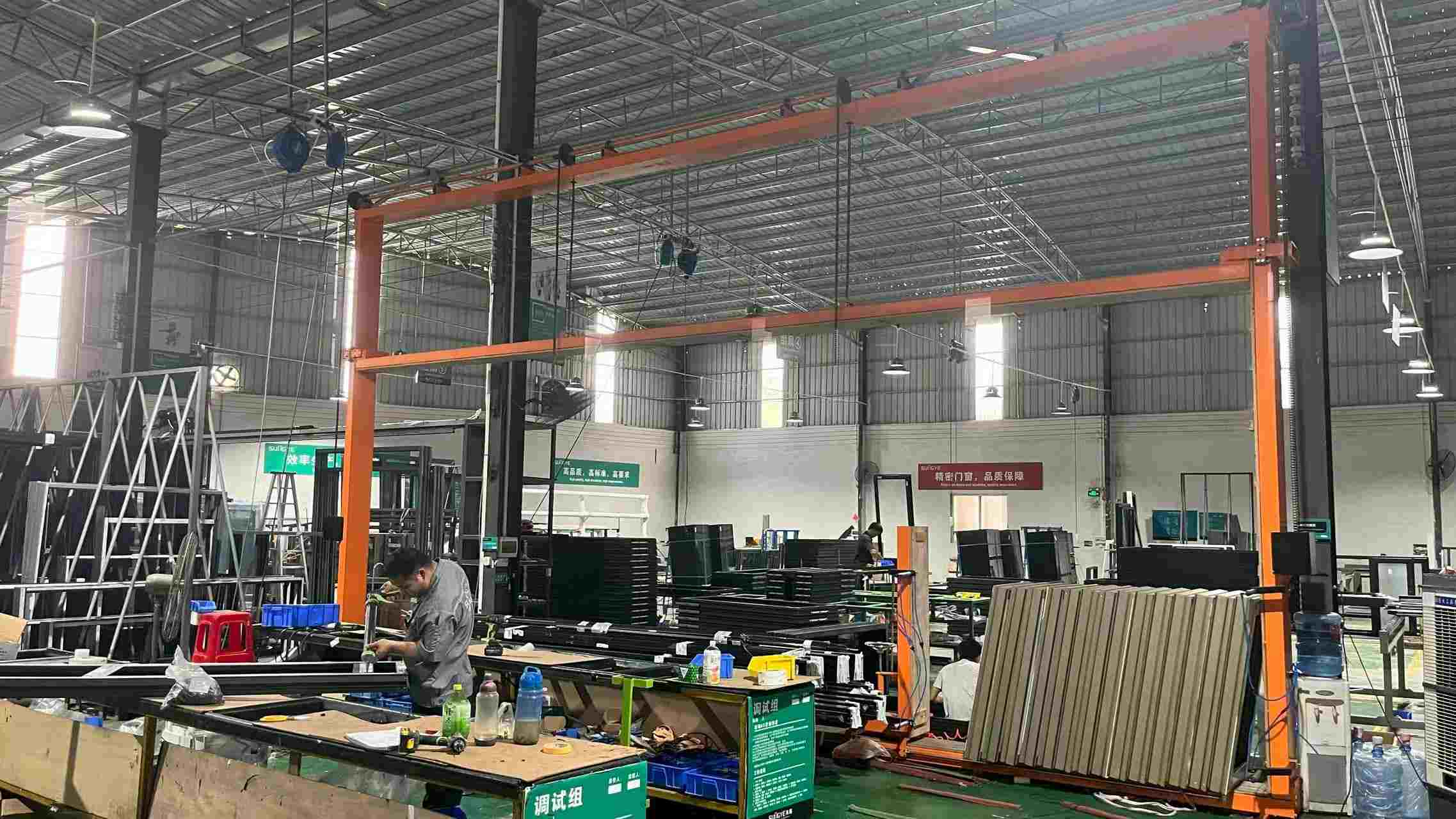
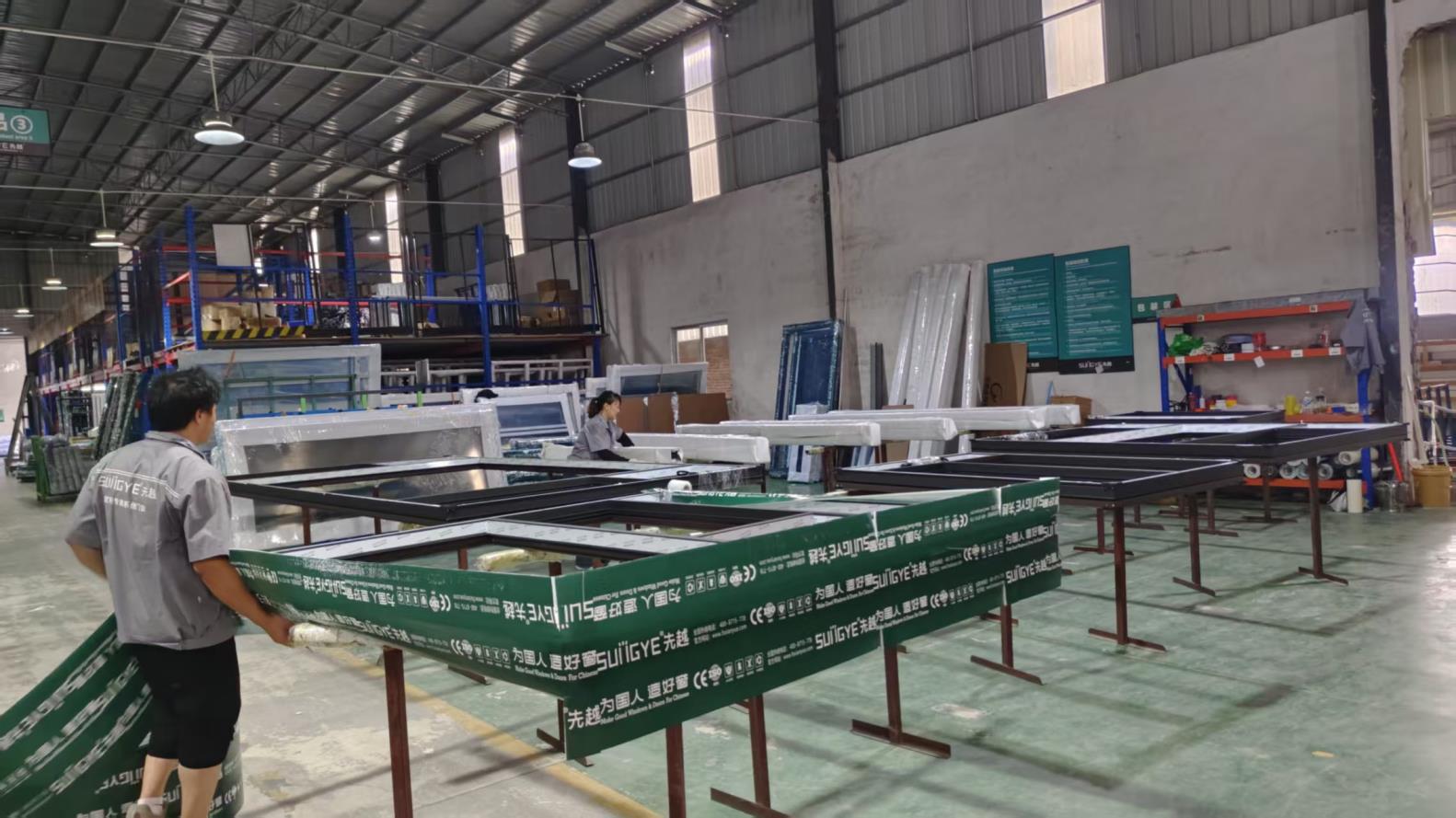
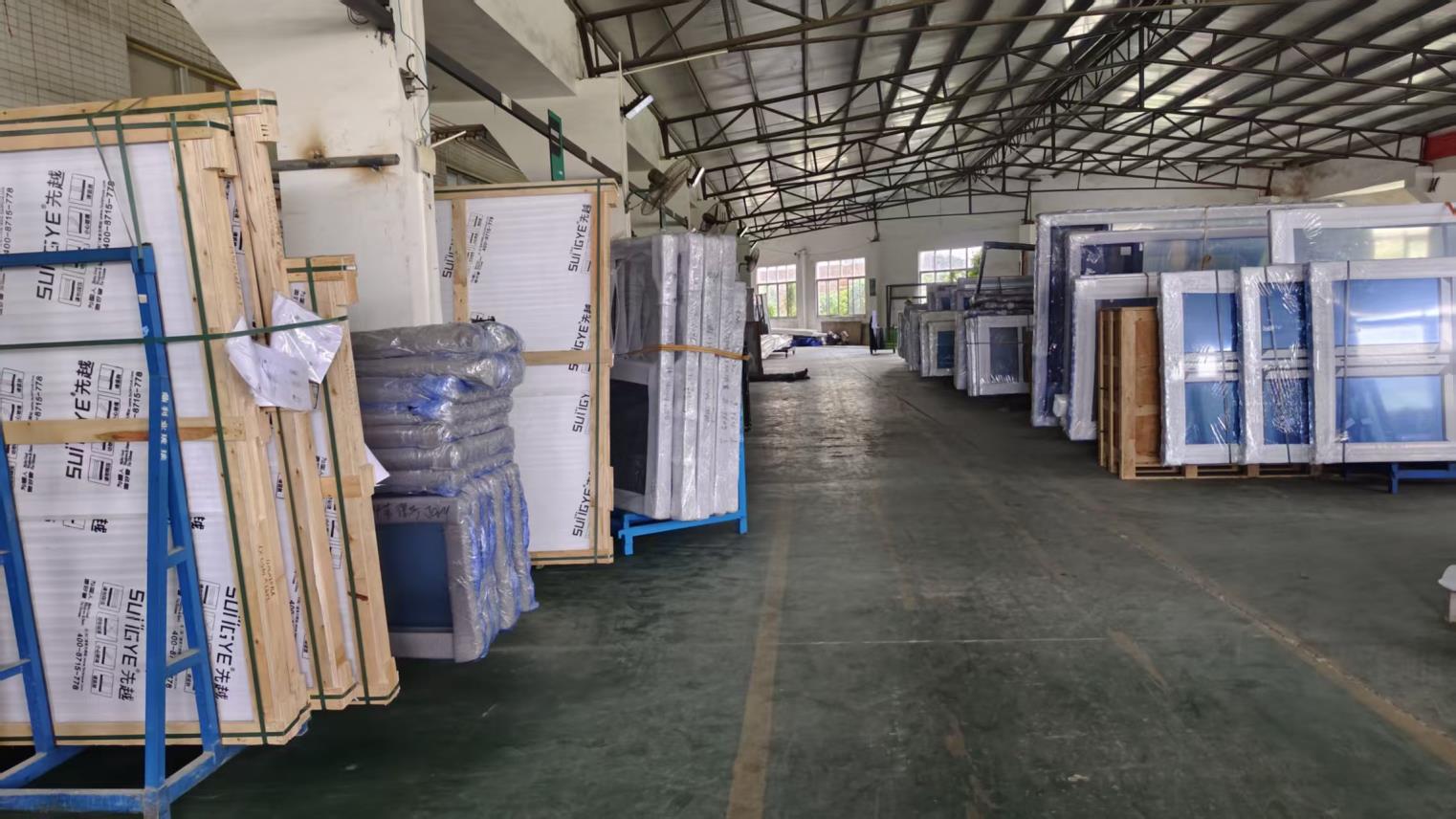
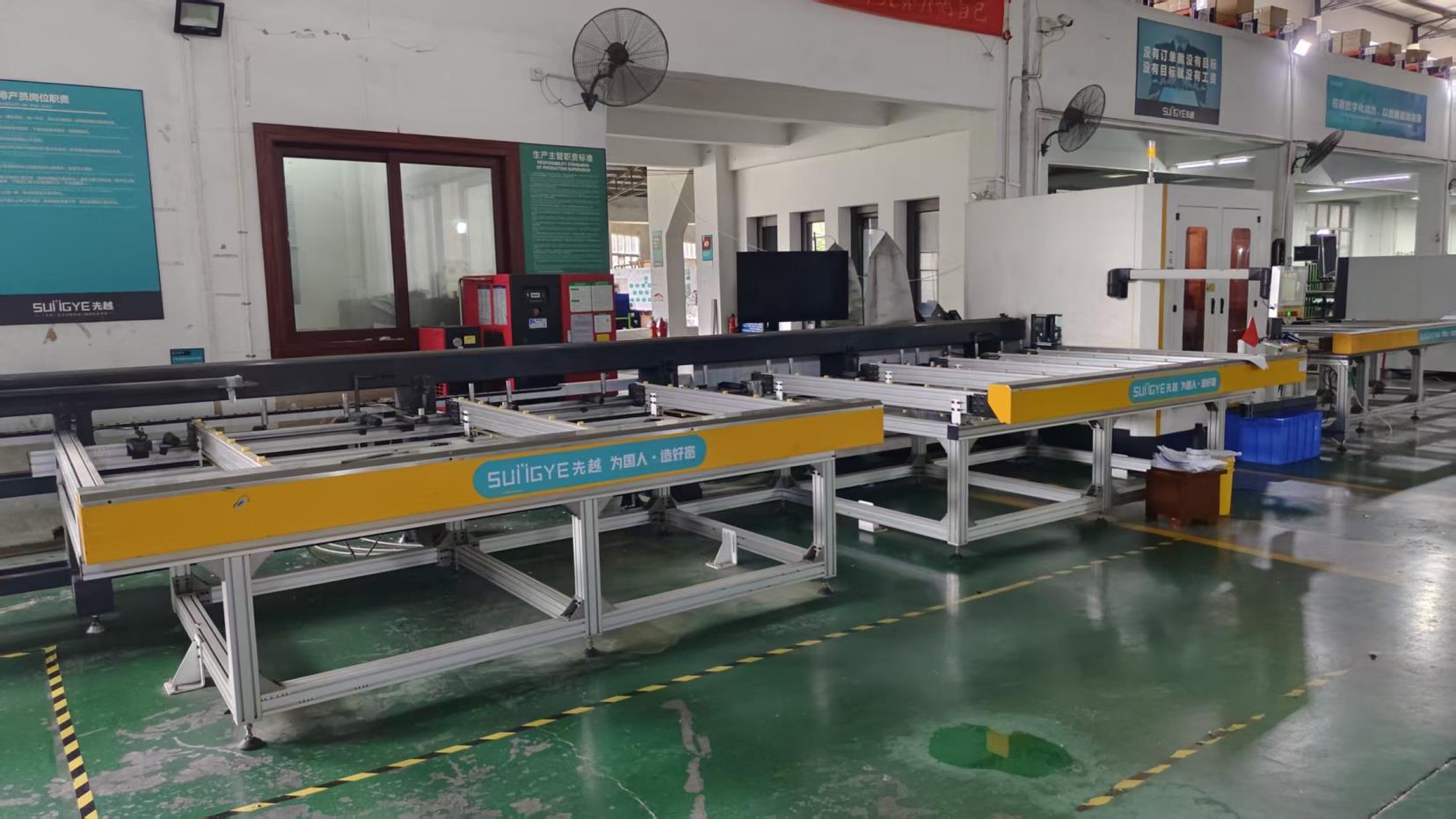
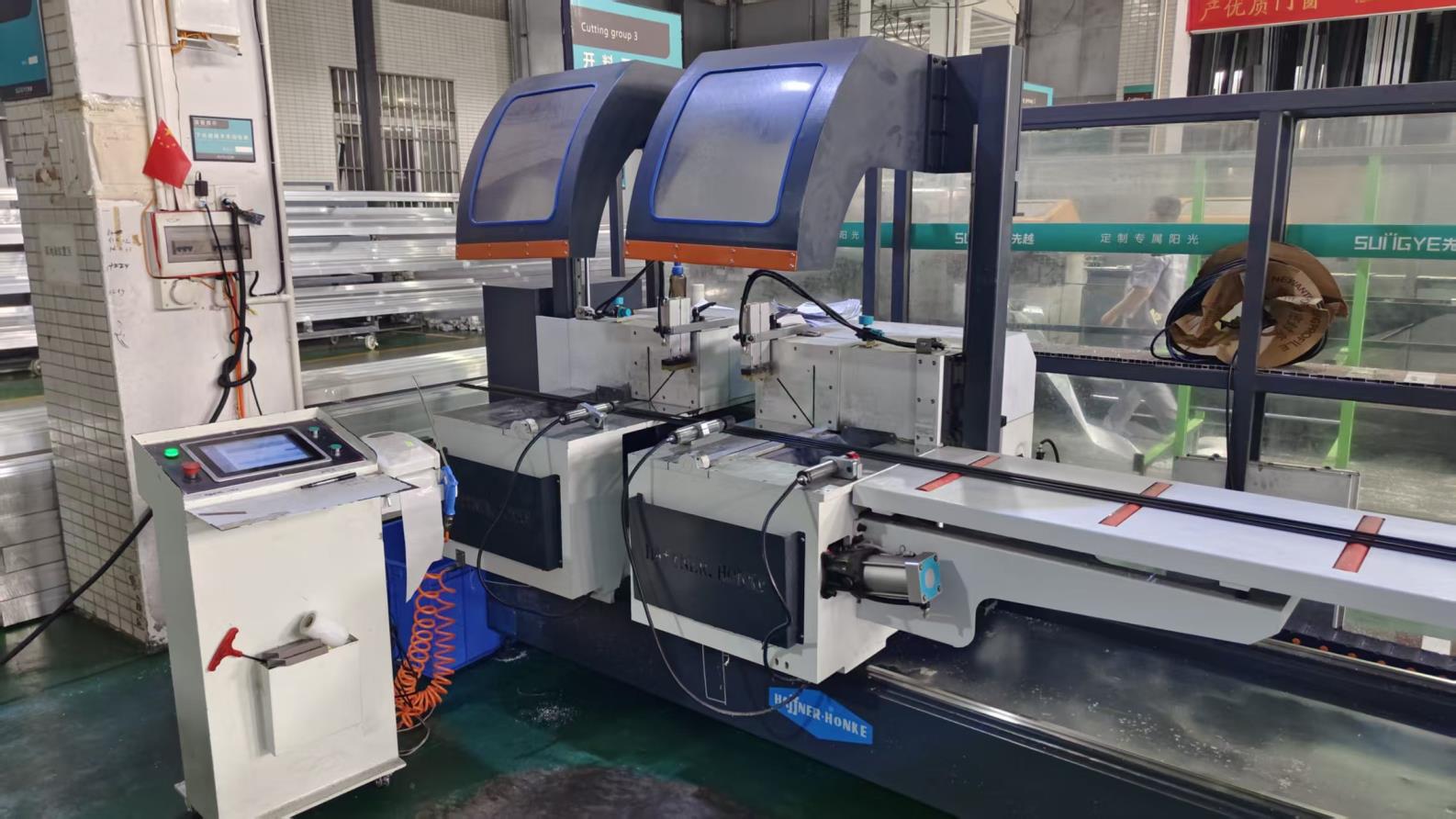
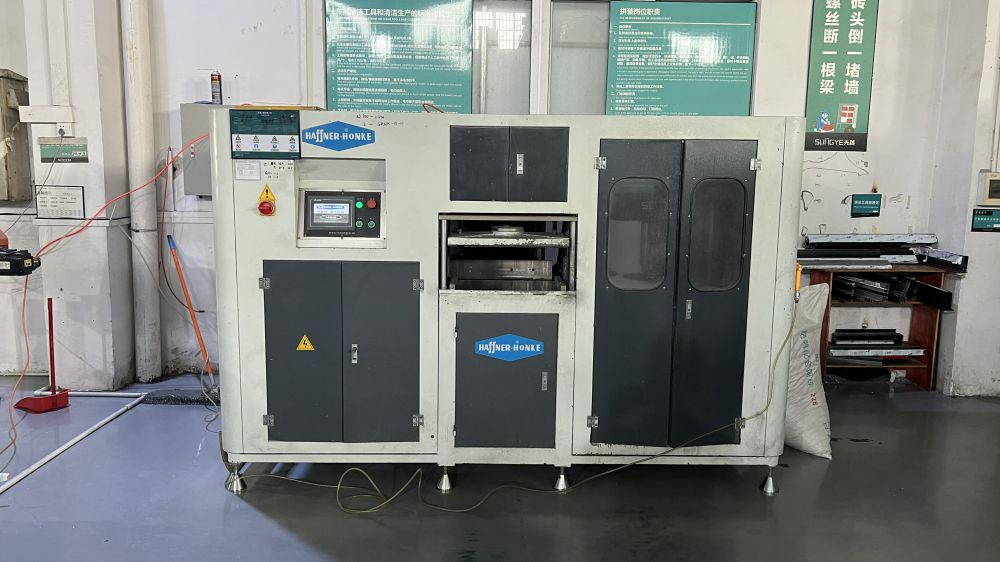
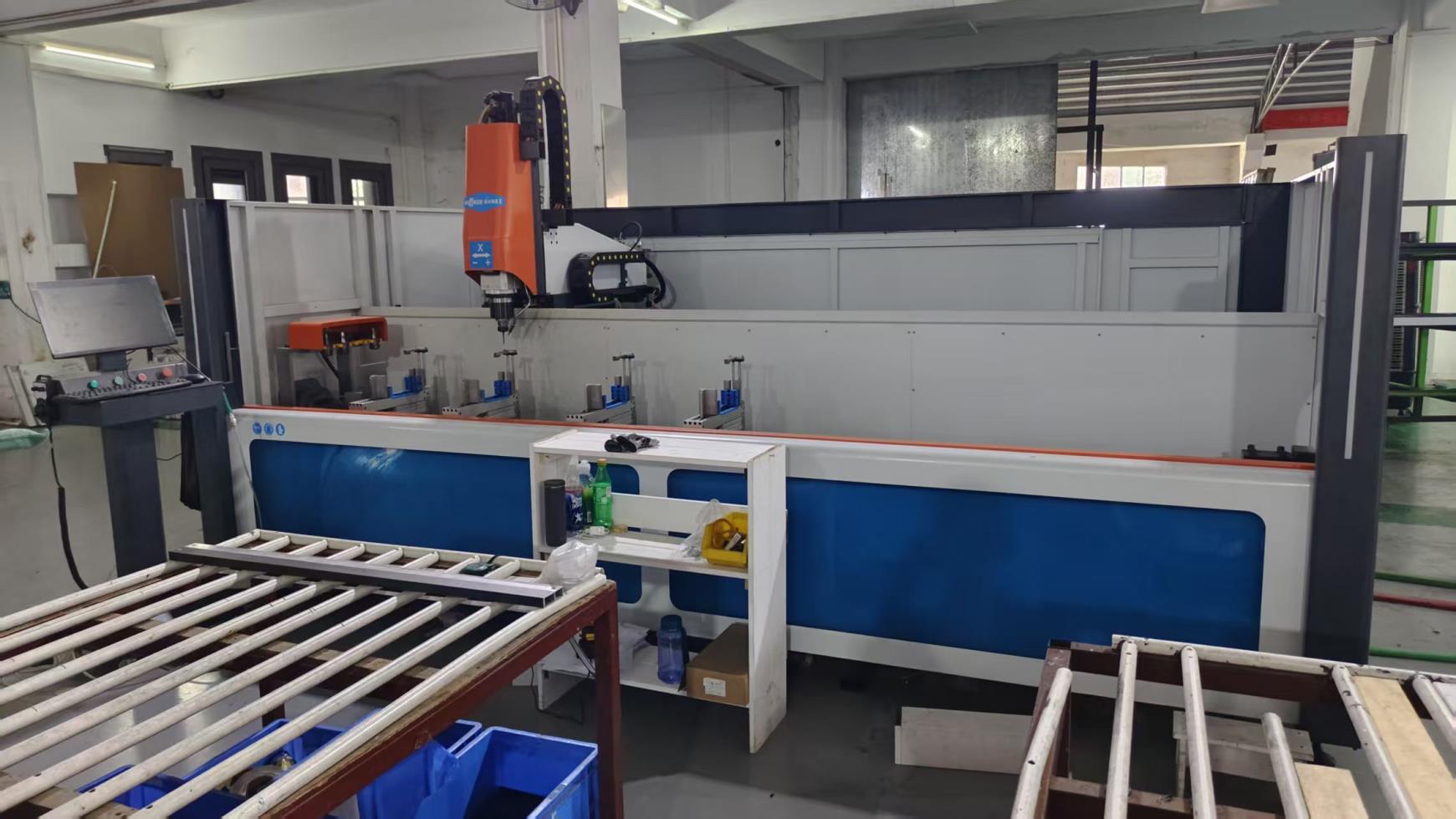
Procuring custom aluminum openings directly from primary Chinese manufacturers presents significant capital advantages, yet requires disciplined risk mitigation regarding dimensional tolerances, freight handling, and architectural finish consistency. Commercial buyers, general contractors, and regional distributors must evaluate suppliers against four critical pillars:
Utilizing multi-axis CNC face milling and automated dual-head cutting saws ensures squareness tolerance within ±0.5mm across spans up to 3000mm, preventing installation jamming on site.
Specifying Qualicoat-certified powder coatings or anodized layers (minimum 15 microns thickness) guarantees resistance to detergent staining, alkaline cleaners, and salt spray exposure.
Integrating toughened glass certified under EN 12150 or ANSI Z97.1 ensures that structural impacts result in small, blunt fragments, mitigating injury risks in slippery wetroom zones.
Custom exporting requires rigid wooden crating with protective EPE foam lining and desiccant packs to avoid humidity staining during transit across oceanic sea lanes.
Modern interior architecture continuously evolves toward seamless indoor transitions, minimal sightlines, and smart material integration. The application of aluminum bathroom doors has expanded beyond standard residential water closets into ultra-luxury hospitality and high-traffic healthcare environments.
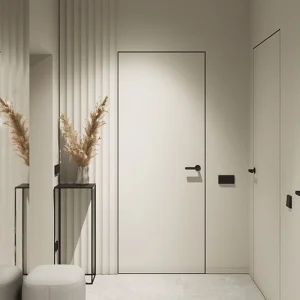
Featuring narrow vertical stiles (16mm to 25mm visible width), slim aluminum frames maximize glass visual area, complementing contemporary interior aesthetics while maintaining high structural rigidity via hidden steel reinforcements.
Integrating Polymer Dispersed Liquid Crystal (PDLC) technology into double-glazed aluminum doors allows users to instantly switch glass from clear to opaque via wall switches, remote controls, or smart automation systems.
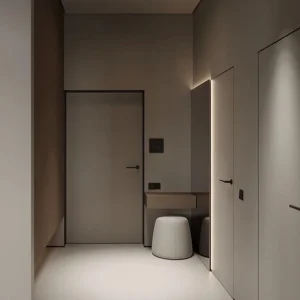
To optimize usable floor area in high-density urban apartments, soft-closing top-hung sliding systems conceal door sashes completely into wall cavities without bottom floor tracks.
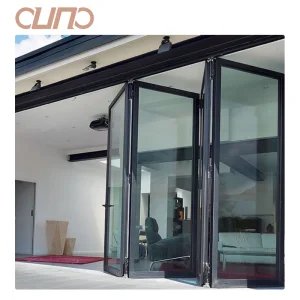
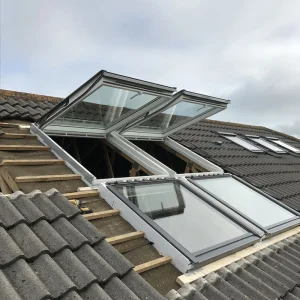
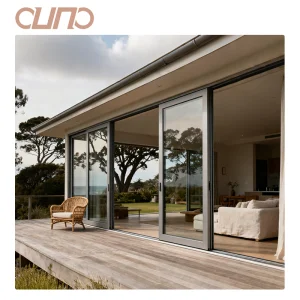
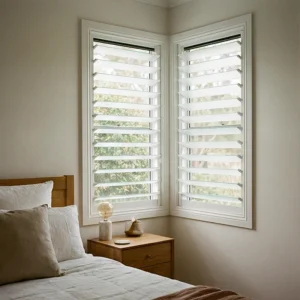
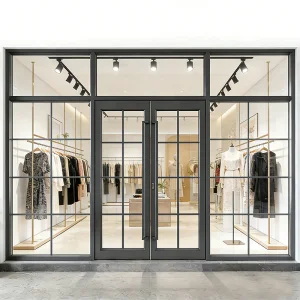
Browse our complete range of specialized exterior storefronts, motorized louvres, attic balcony conversions, and thermally broken patio sliding doors designed for residential and commercial developments.
Detailed answers to technical specifications, regulatory compliance, factory operations, and customization options for commercial projects.
 Cresta Window Tech