Precision-engineered architectural aluminium fenestration systems certified for international performance standards.
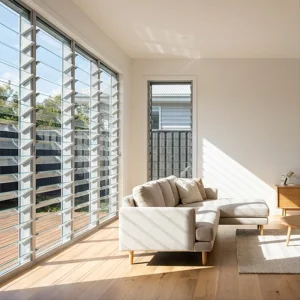
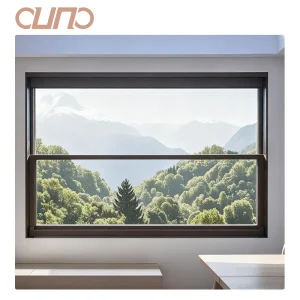
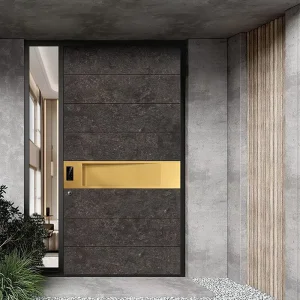
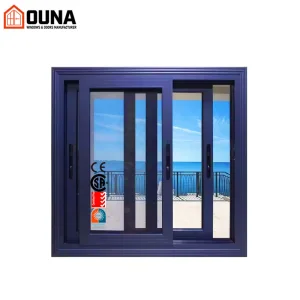
The global demand for high-performance architectural fenestration has evolved from basic physical spatial division to complex environmental, structural, and thermodynamic management. As commercial developers, custom home builders, renovation contractors, and regional distributors look to source from China—the world's largest industrial center for extrusion and structural glazing—navigating the pricing structures of China best aluminium windows prices suppliers and exporters requires an in-depth understanding of engineering parameters, raw material volatility, and thermal breakdown technologies.
In modern architectural procurement, evaluating direct factory costs extends beyond simple unit prices. A holistic cost-benefit analysis incorporates structural aluminum profile alloys (such as 6063-T5 vs. 6063-T6), thermal isolator strip engineering (Polyamide PA66-GF25 vs. cheap PVC substitutes), glass configuration physics (Low-E coatings, warm edge spacers, inert argon gas filling), surface treatment durability (PVDF fluorocarbon, architectural powder coating, anodizing), and integrated hardware mechanics (German-engineered multi-point locking systems vs. domestic options).
Industry Procurement Insight: Sourcing high-efficiency thermal break aluminium fenestration directly from tier-1 Chinese manufacturers yields direct material cost reductions between 35% and 55% compared to Western European or North American domestic fabricators, while maintaining total compliance with NFRC, AS2047, CE, and ISO 9001 standards.
Understanding the pricing mechanisms for export-grade aluminum windows from China requires dissecting the key technical variables that directly dictate per-square-meter cost structures ($/m²). B2B buyers must analyze how engineering specifications interact with production economics.
| Window / Door System Type | Estimated Cost Range (FOB China $/m²) | Thermal Break Specs | Glazing Unit Configuration | Primary Application Profile |
|---|---|---|---|---|
| Standard Non-Thermal Sliding Windows | $45 - $75 / m² | None (Solid Profile) | 5mm + 9A + 5mm Tempered Clear | Low-cost residential, mild tropical climates |
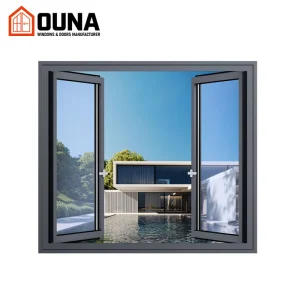
| Architectural Thermal Break Casement | $95 - $160 / m² | PA66-GF25 (20mm - 24mm) | 6mm Low-E + 12Ar + 6mm Clear | High-end residential, energy-star project specs |
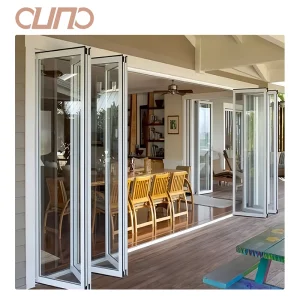
| Hurricane Impact Double-Hung / Bifold | $140 - $240 / m² | Reinforced Thermal Break | 6mm Laminated (PVB/SGP) + 12A + 6mm | Coastal storm zones, North America / Caribbean |
| Ultra-Slim Minimalist Sliding Glass Doors | $180 - $320 / m² | Hidden Frame High Thermal | 8mm Low-E + 16Ar + 8mm Heavy Tempered | Luxury architectural villas, penthouse facades |
| Unitized Structural Glass Curtain Walls | $160 - $290 / m² | Custom Structural Pressure Bars | 6mm Double Silver Low-E + 16A + 6mm | Commercial complexes, multi-story office towers |
Established in 2015, Guangzhou Cresta Door & Window Co., Ltd. operates a modern 18,000-square-meter manufacturing facility dedicated to technical precision, structural engineering, and global exporter reliability. Backed by 11 years of deep industry experience and 7 years of specialized international trade operations, Cresta has achieved an annual export turnover of $22 million across key global regions including Southeast Asia, the Middle East, and Oceania.
We primarily partner with custom home builders, renovation general contractors, architectural procurement agents, and regional door and window wholesalers who require uncompromised quality, validated thermal performance, and streamlined international logistics.
To ensure top-tier craftsmanship, our team of 30 dedicated QC inspectors strictly enforces ISO-certified optical surface inspections, dimensional tolerance checks, and automated weatherproofing seal tests across every batch.
Supported by a reliable network of 550 upstream raw material suppliers, Cresta excels in custom solutions, including specialized acoustic insulation glass, motorized insect screens, and ultra-slim frame sliding door systems.
Driven by an active R&D division of 35 specialized engineers, Cresta successfully developed and released 38 new product series over the past year to meet evolving global building code standards.
Our complete manufacturing pipeline combines automated CNC milling technology, precision corner-crimping, optical alignment, and multi-stage air-tightness testing. Below is an authentic view of our production operations, raw material storage, precision machinery, and quality assurance workflows:
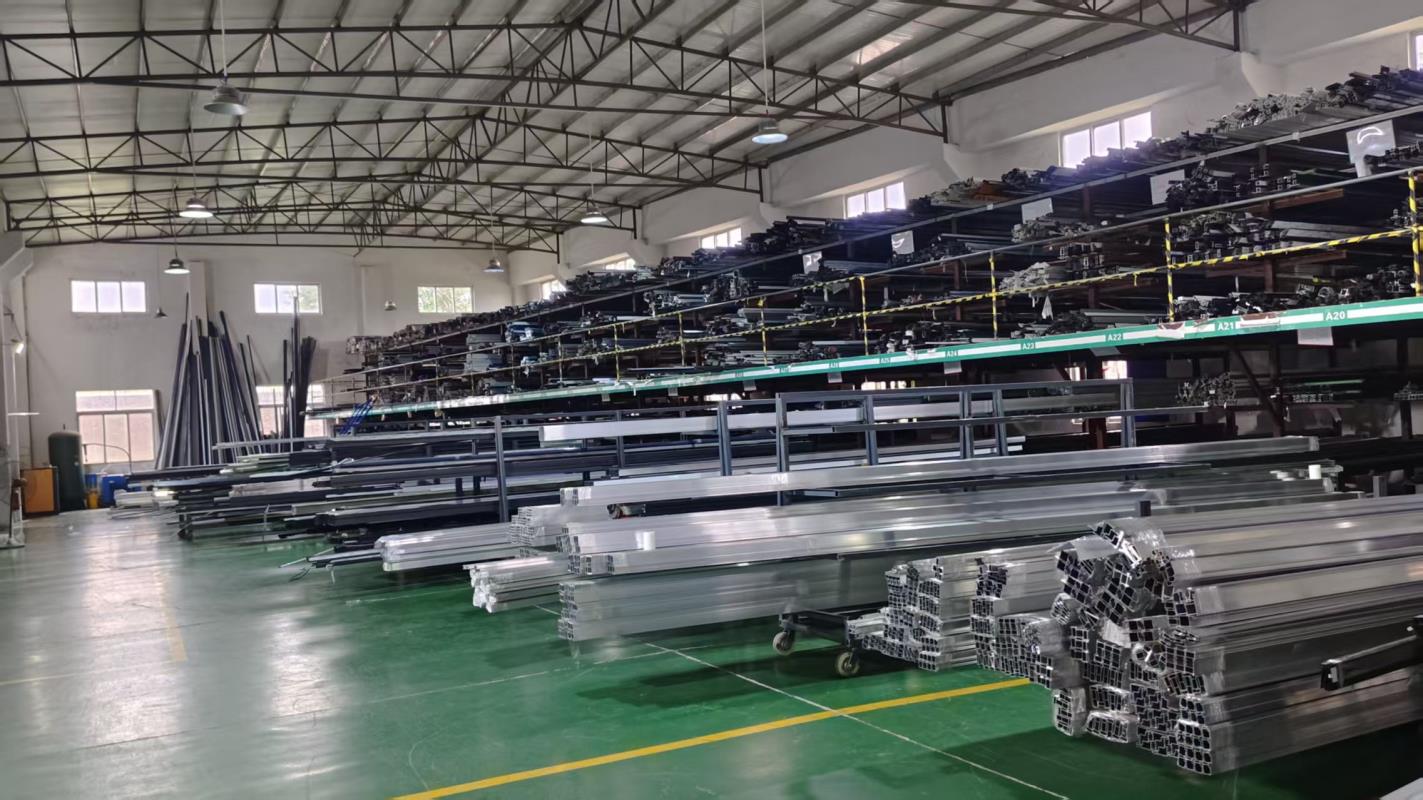 Raw Materials
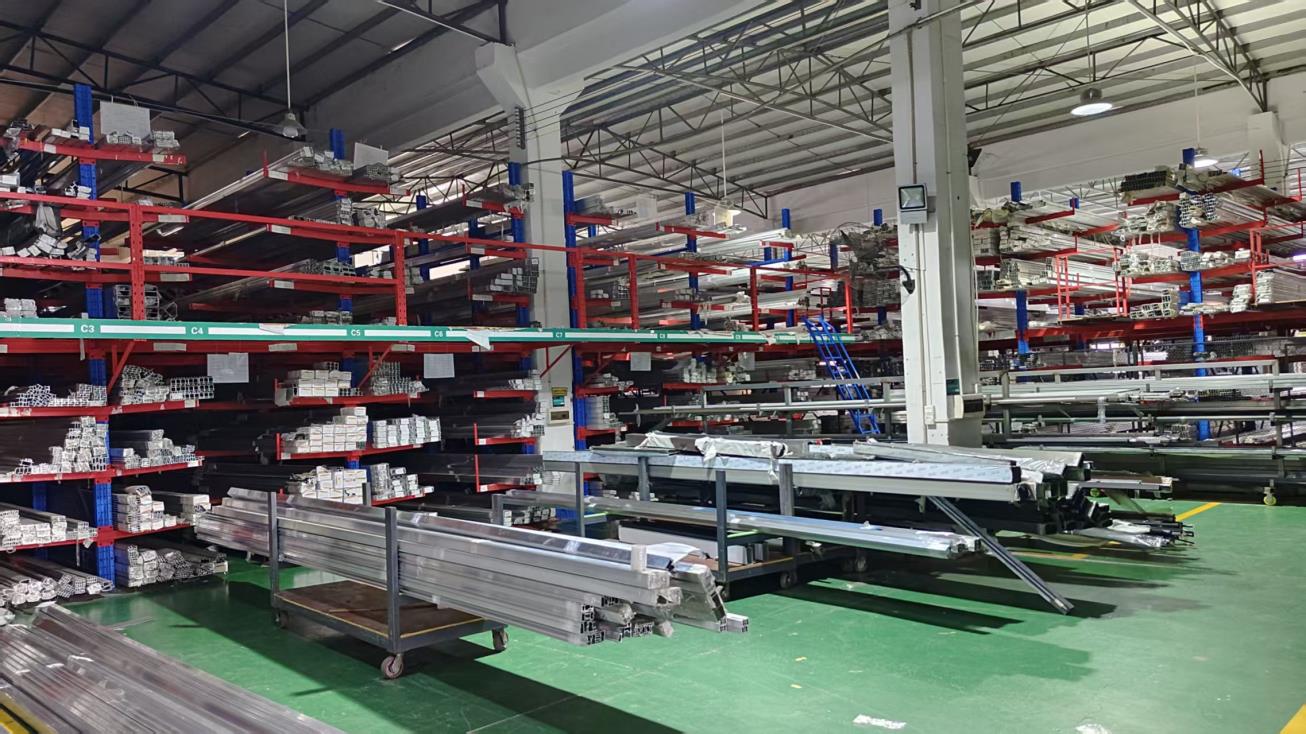 Raw Materials
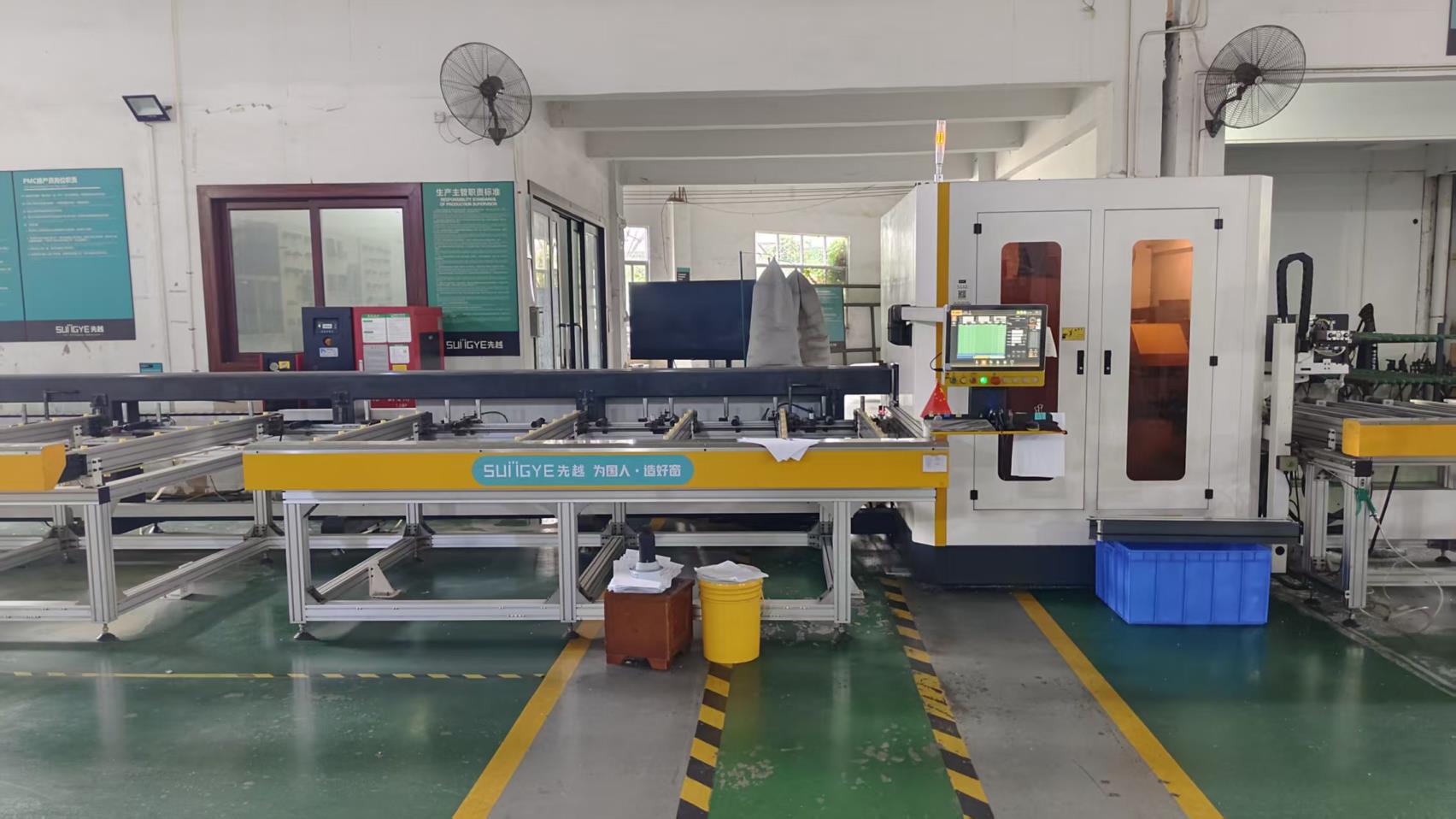 CNC Cutting
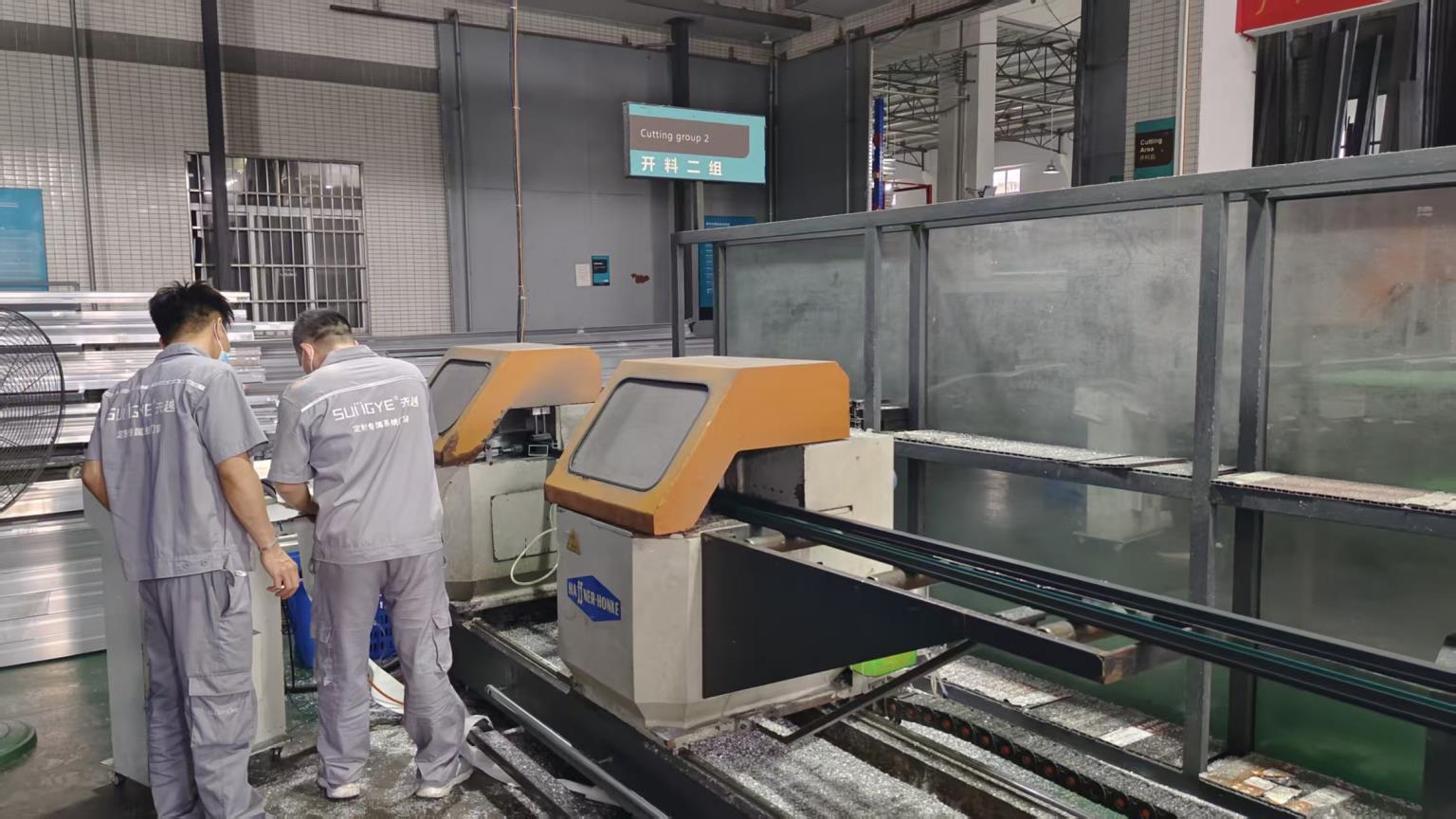 Cutting
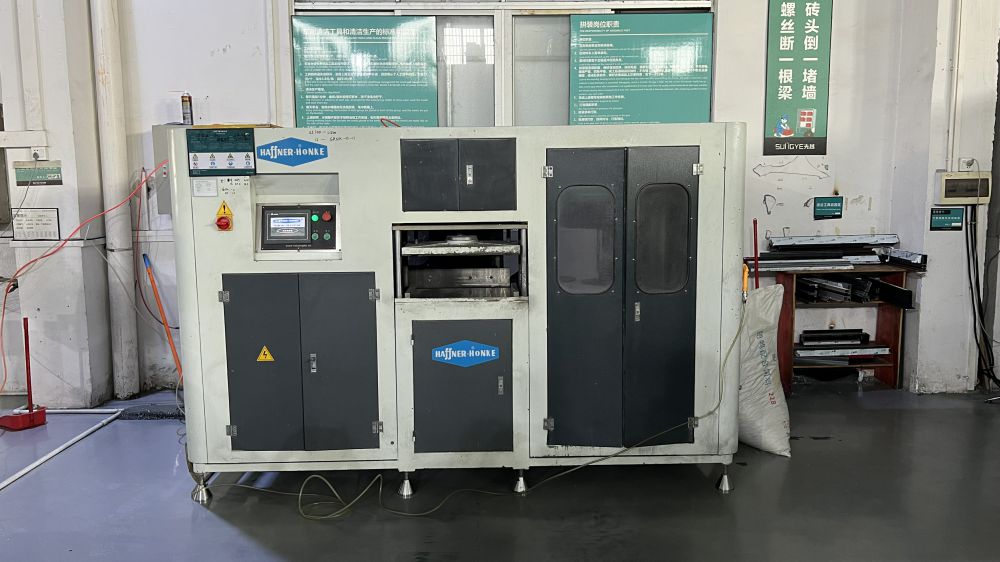 CNC Face Milling
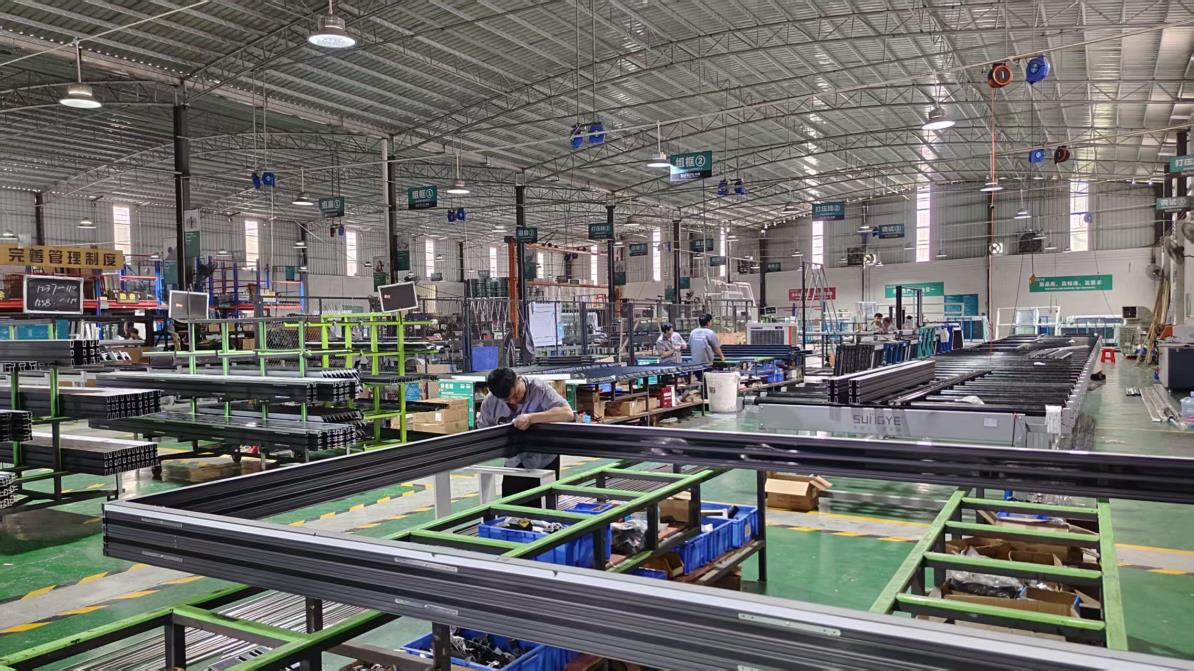 Assembling
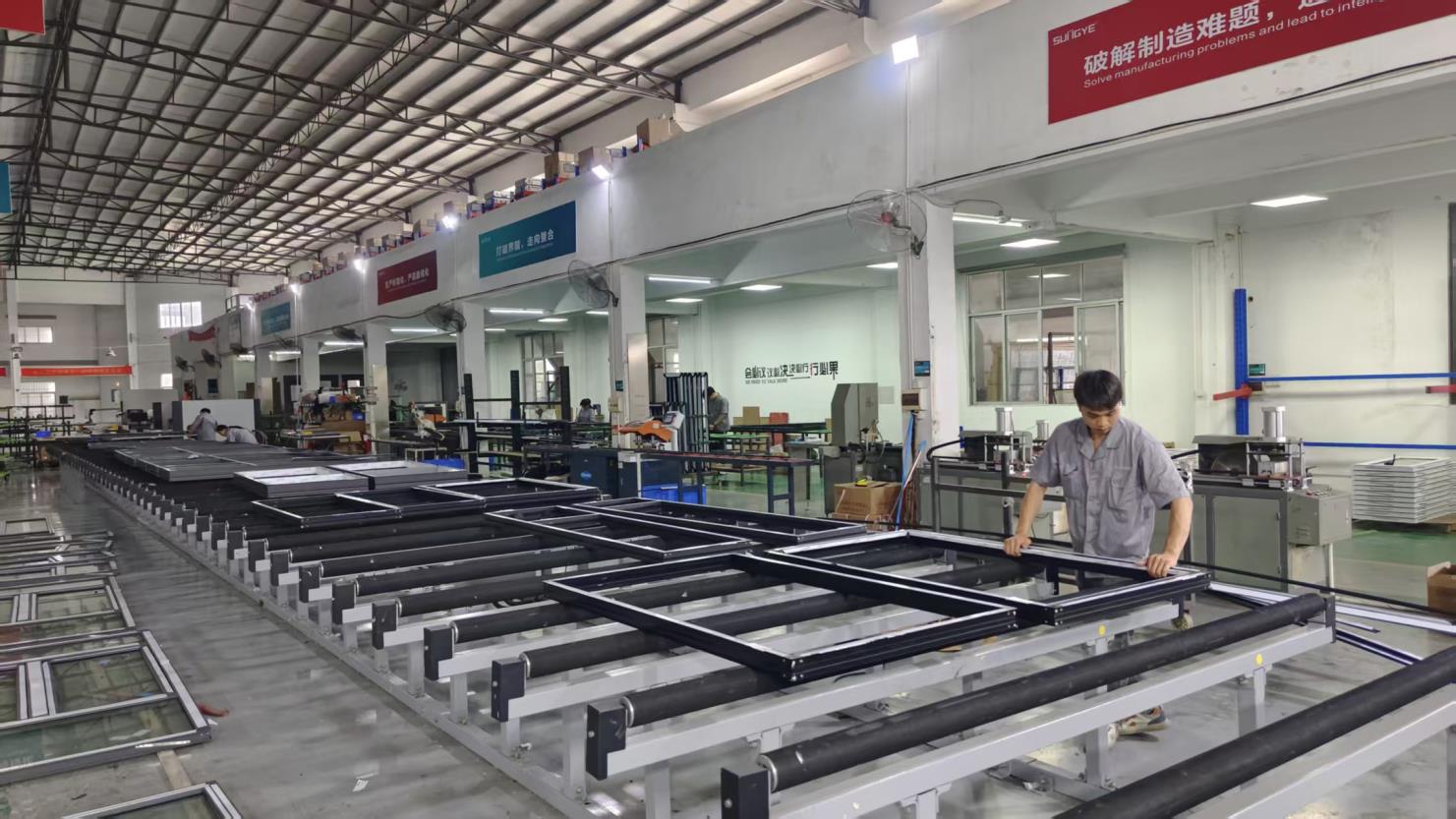 Assembling
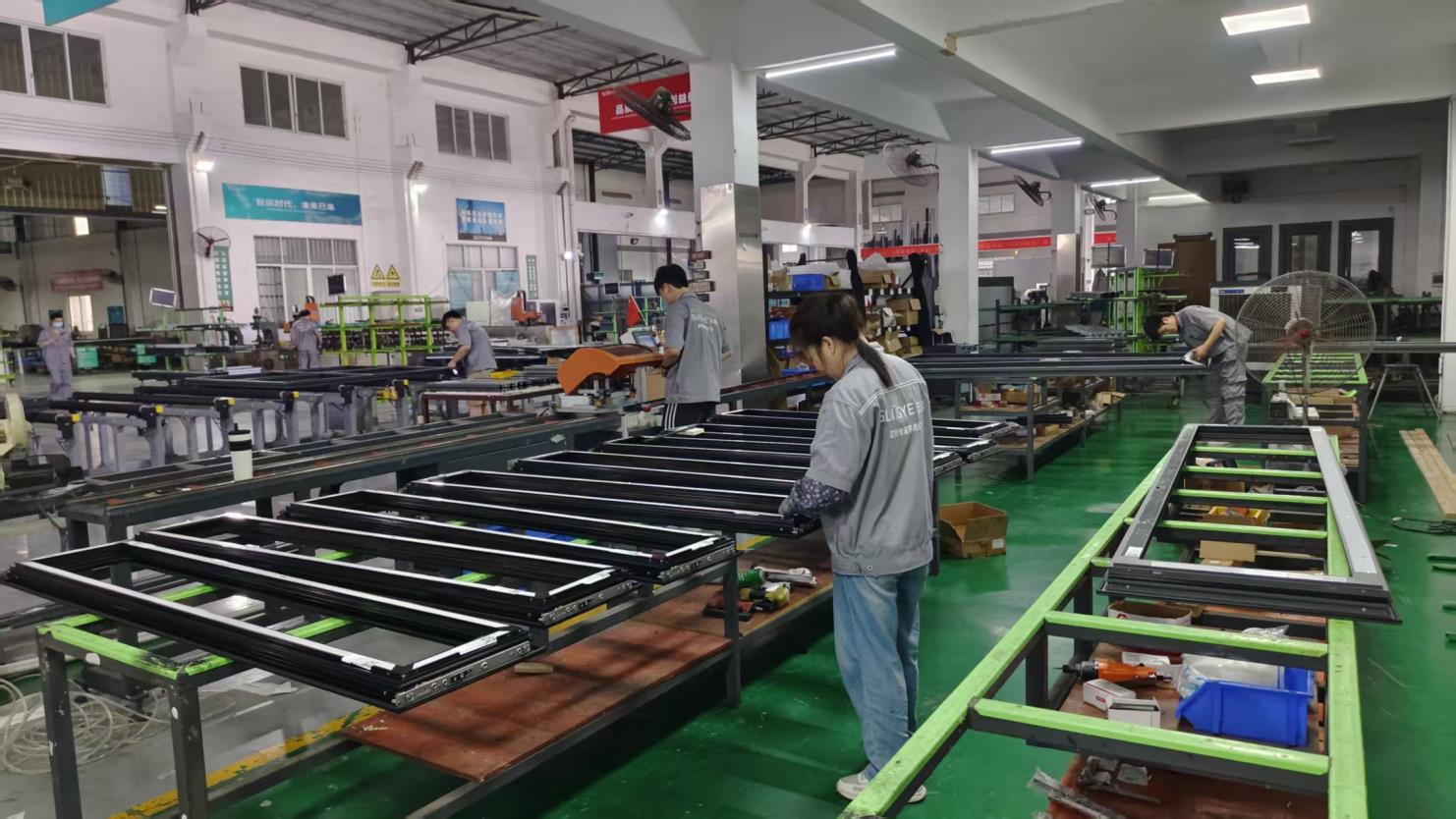 Assembling
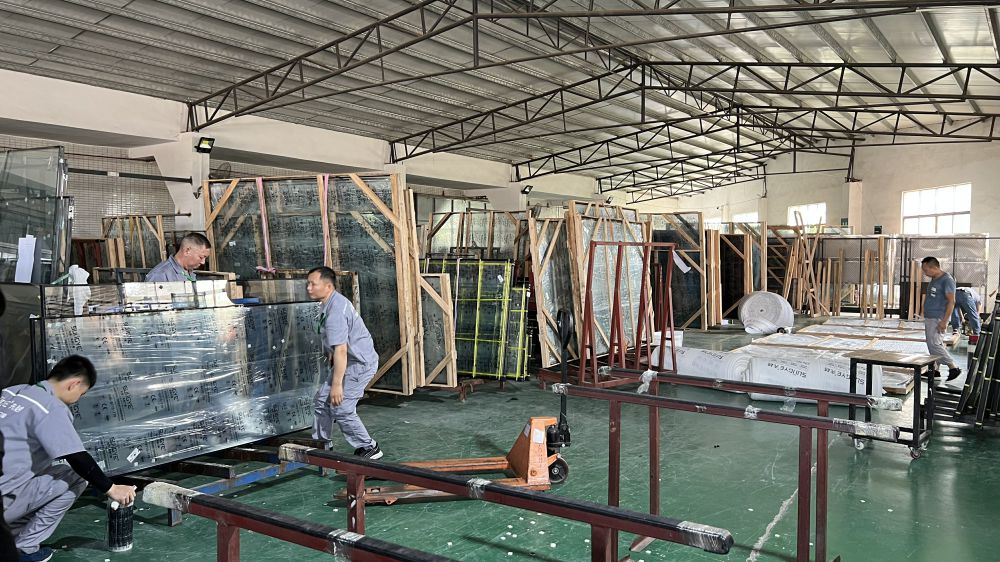 Glass Assembling
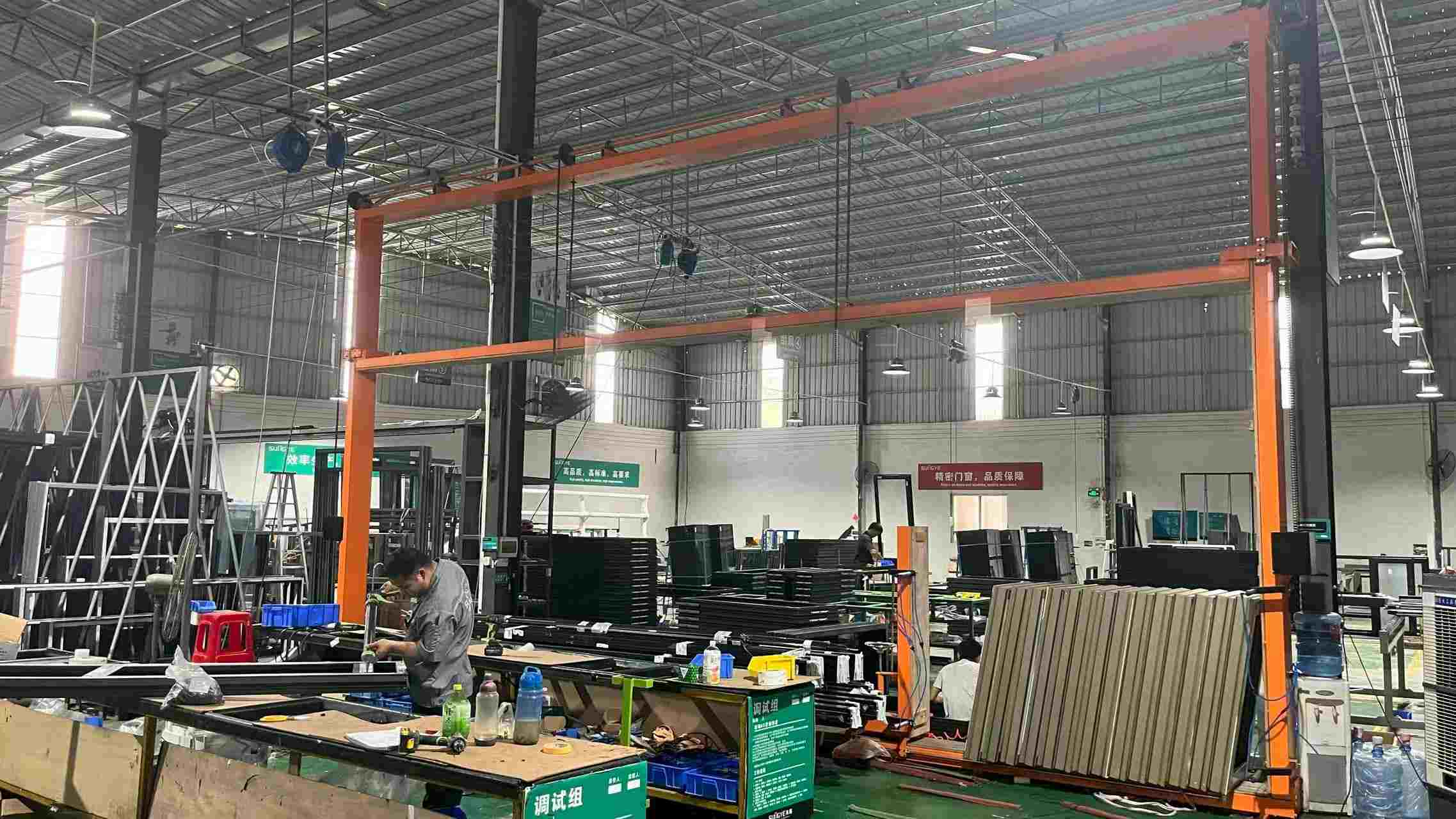 Debugging
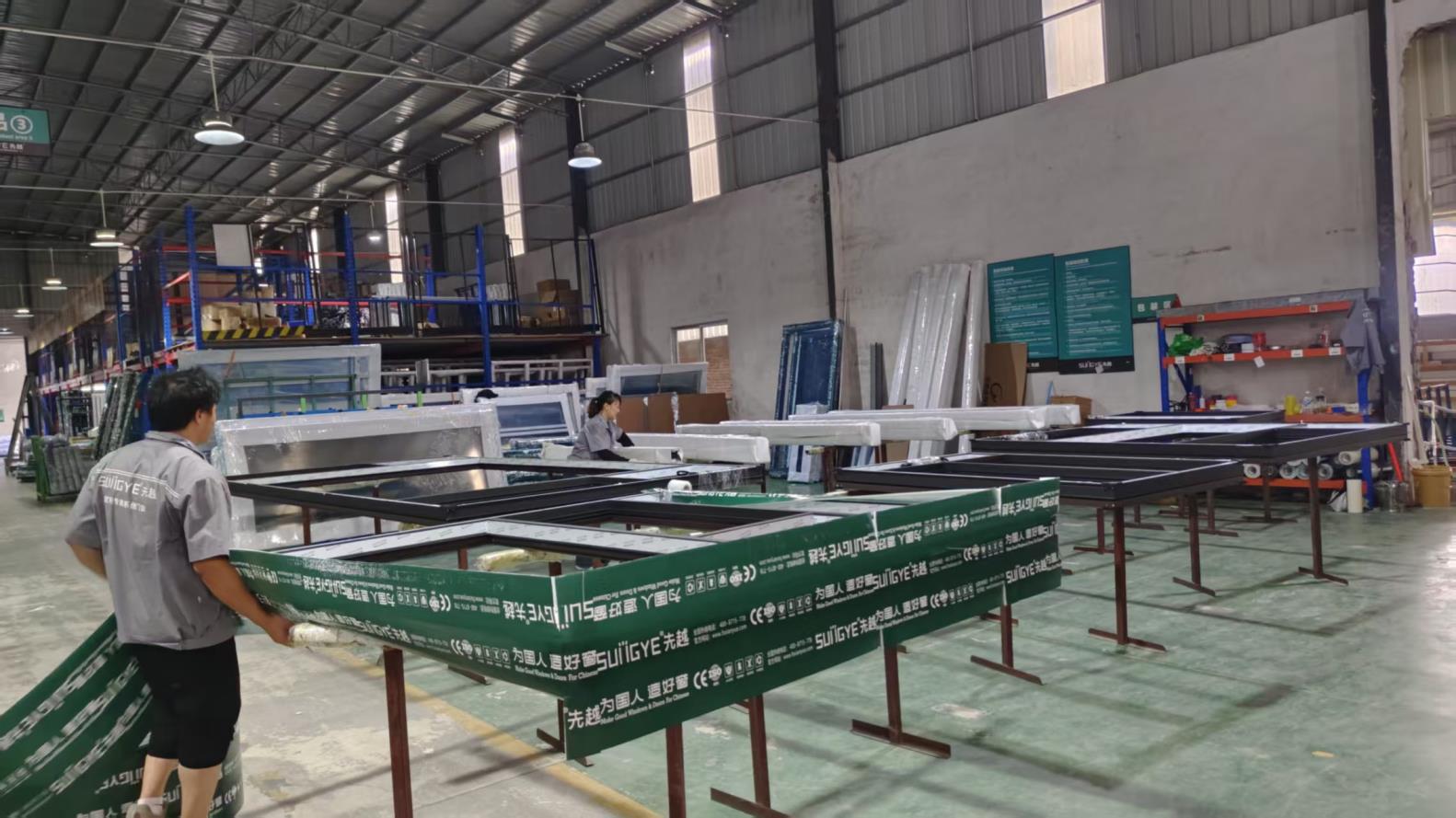 Packaging
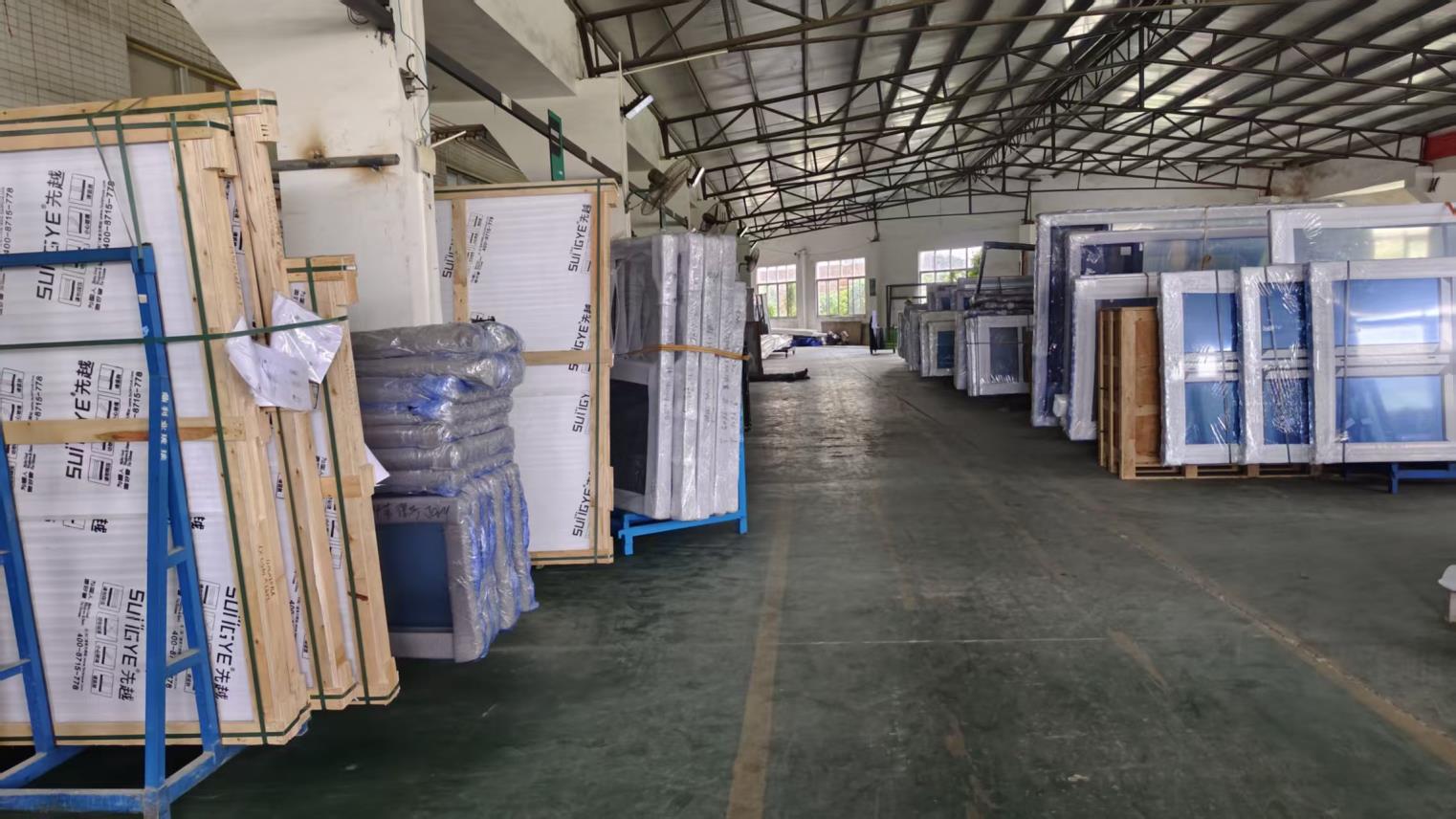 Warehouse
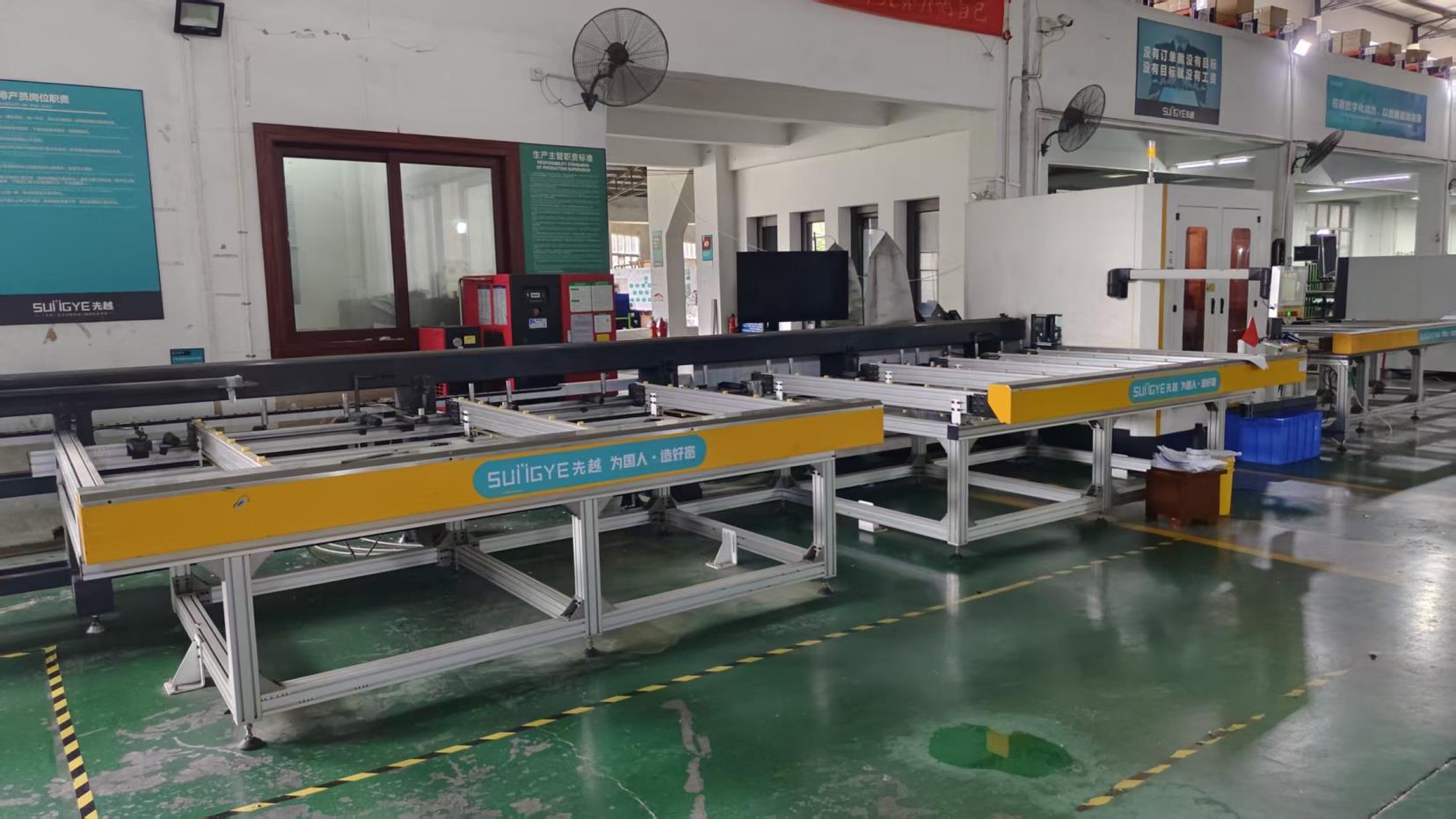 CNC Cutting Machine
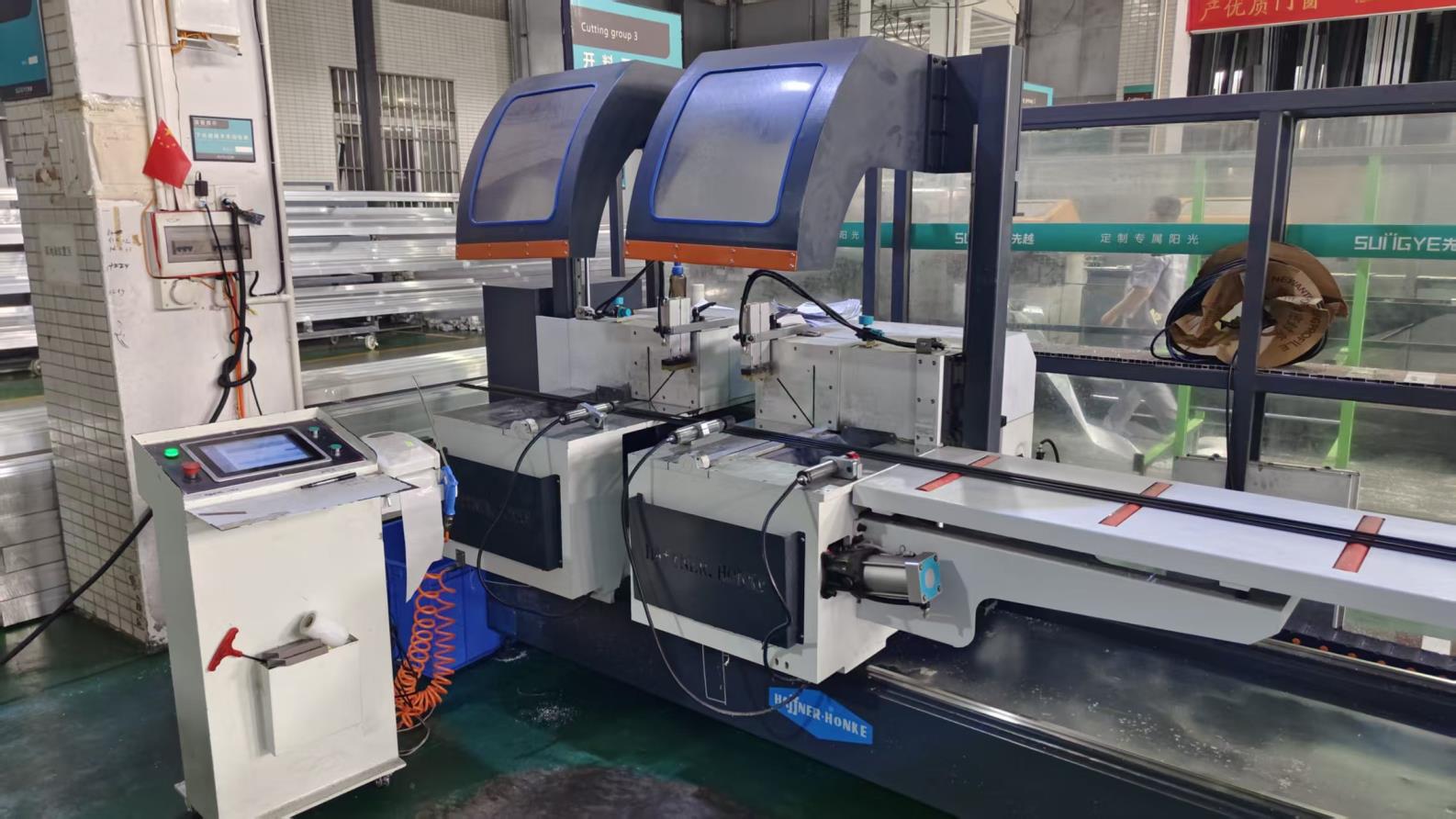 Cutting Machine
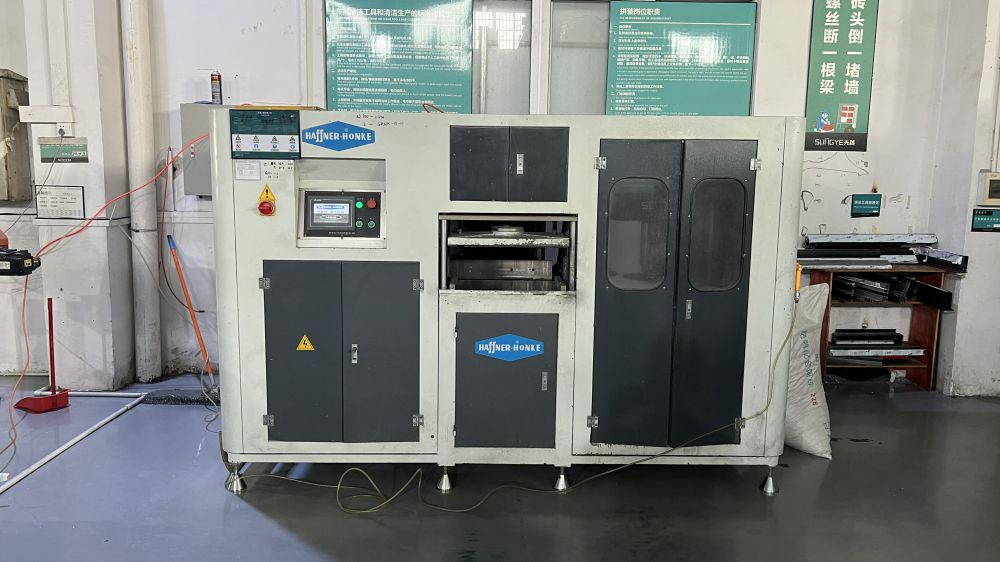 CNC Face Milling Machine
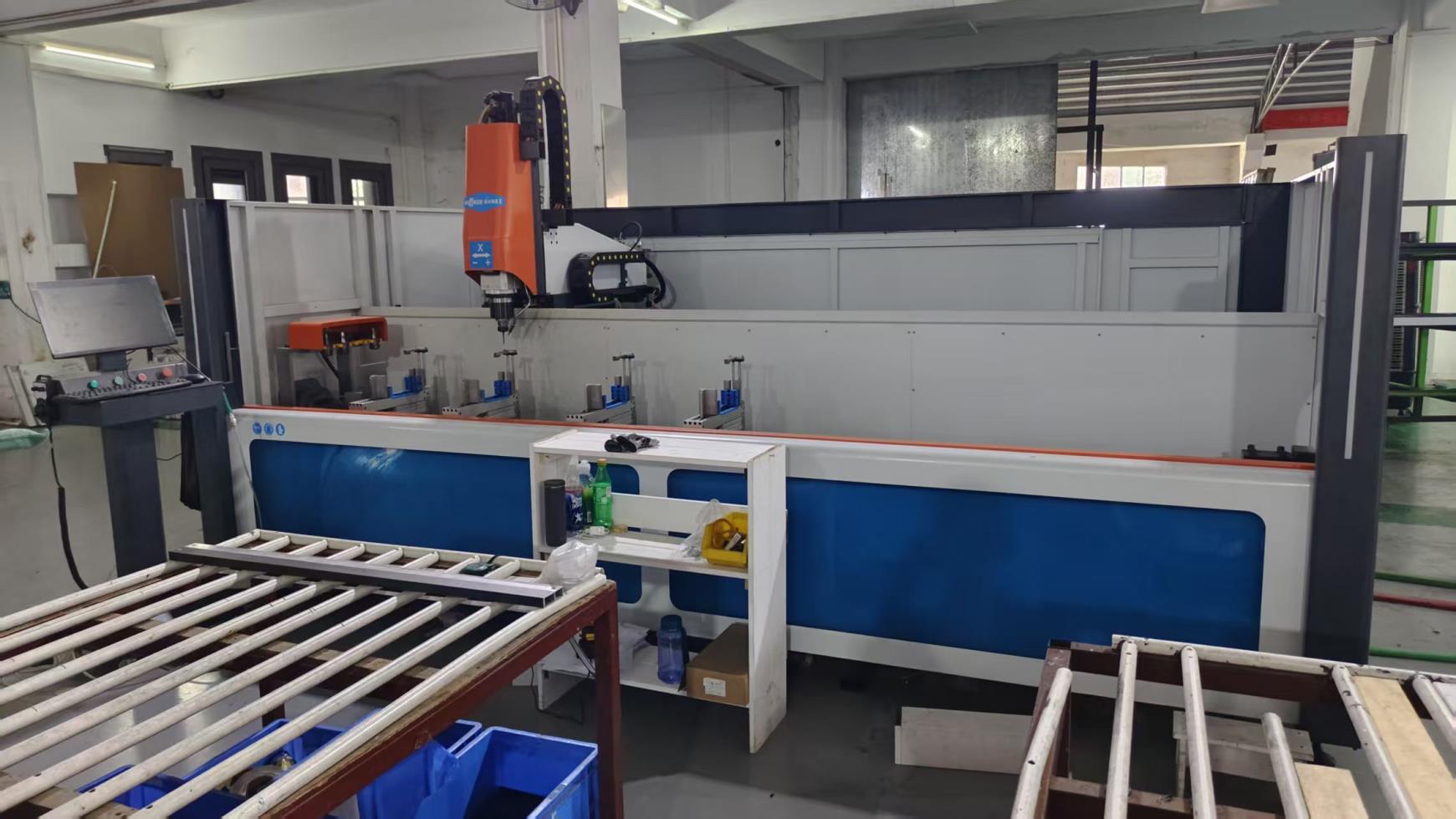 Drilling Machine
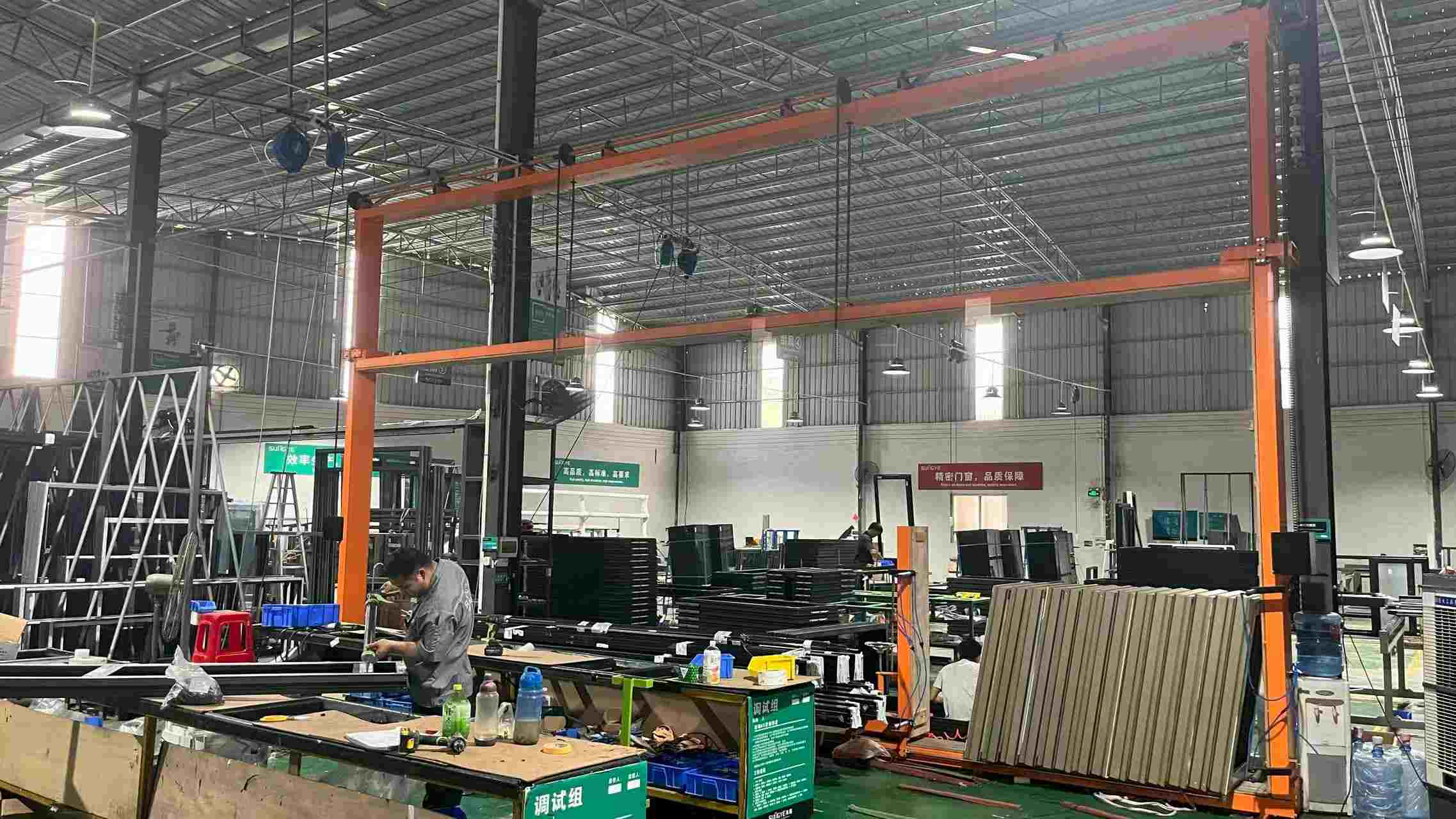 Debugging
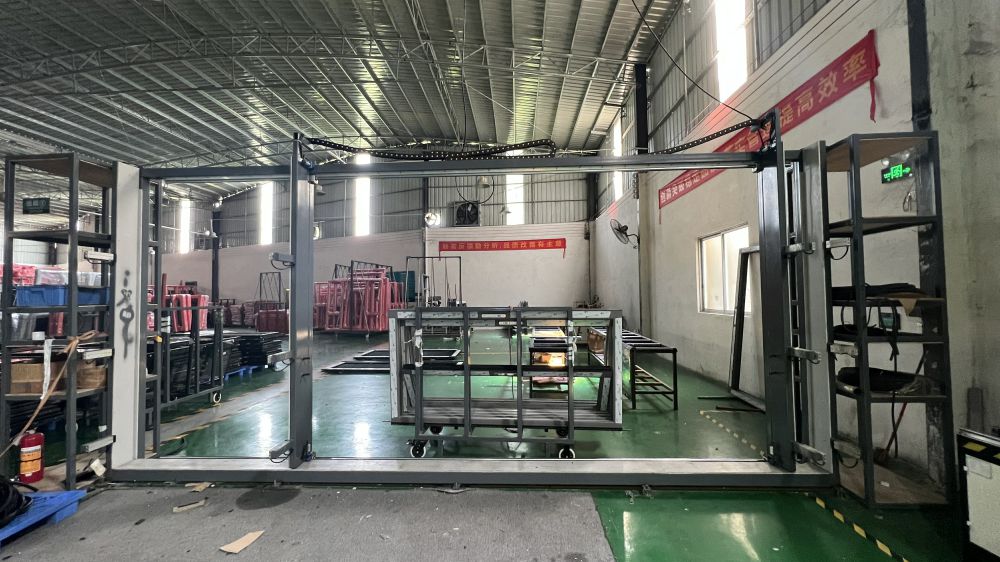 Debugging Frame
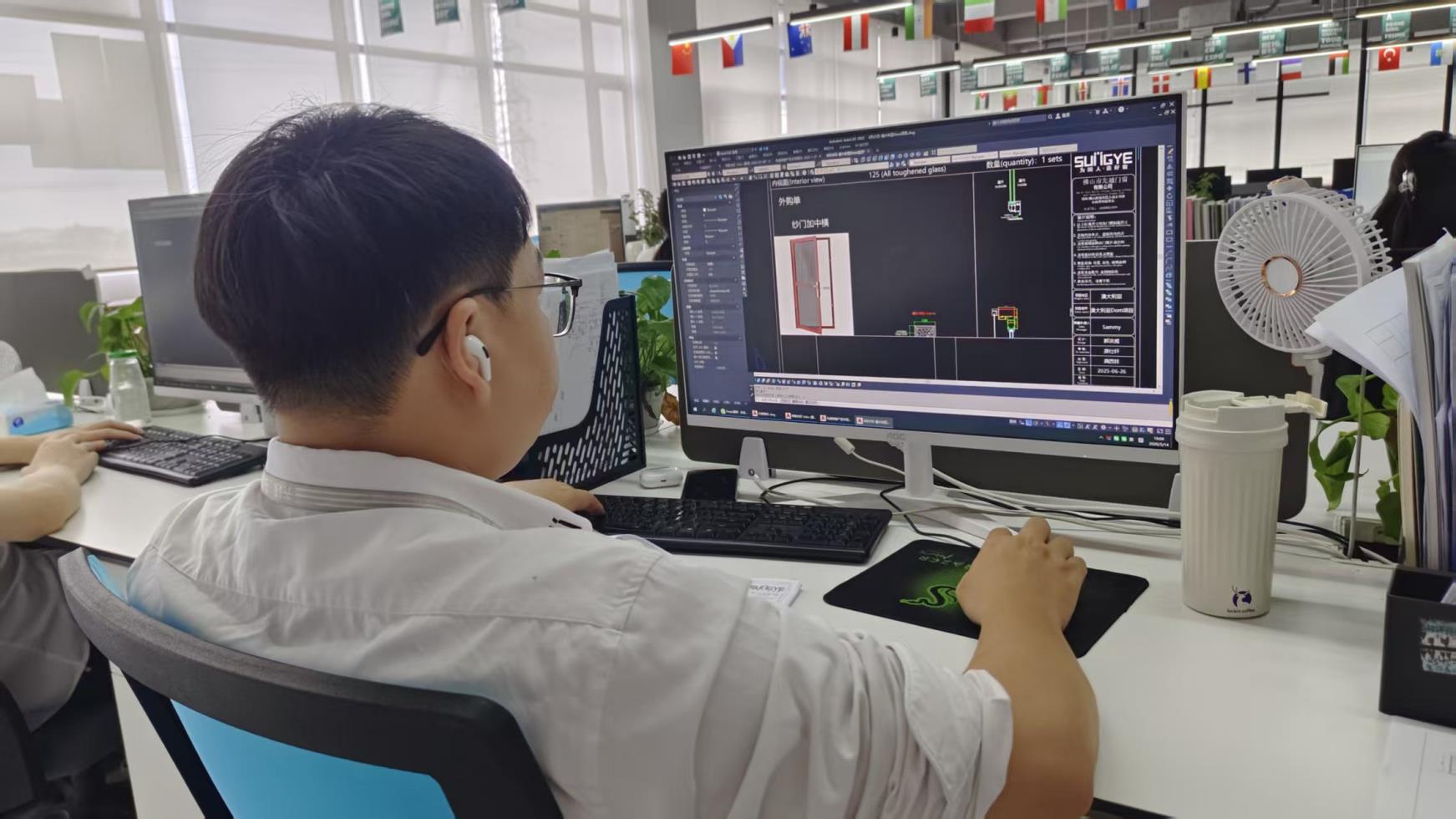 Drawing
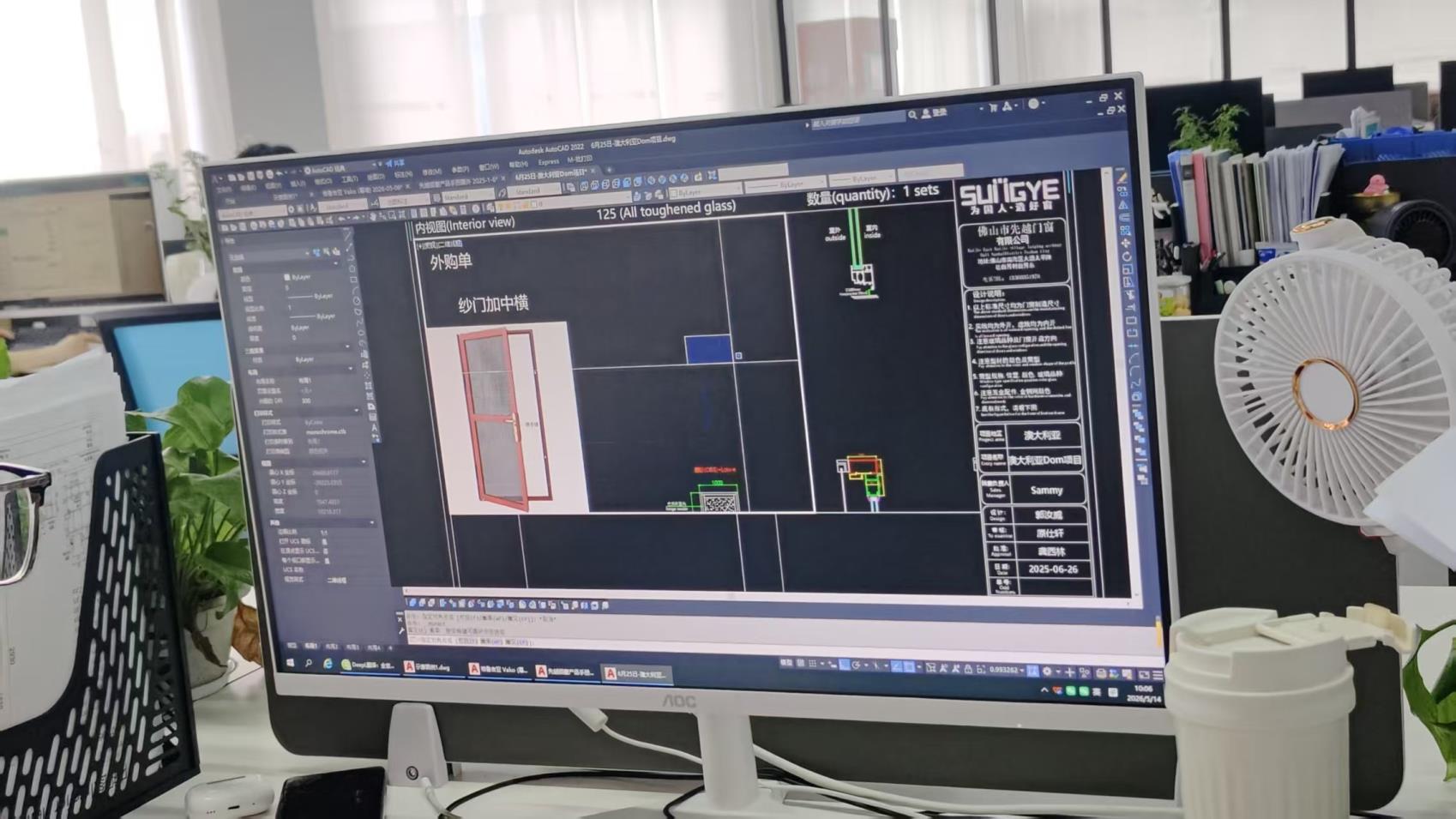 Computer
Specifying high-performance fenestration requires a firm grasp of physical building envelope metrics. When sourcing windows from China suppliers, international structural engineers focus on three core physical metrics:
The total U-factor (expressed in W/m²·K or Btu/h·ft²·°F) measures the overall rate of non-solar heat transfer through the window assembly. Achieving lower U-factors demands three structural elements working in tandem:
Acoustic performance is critical for urban residential and hotel developments near traffic corridors or airports. Standard single-pane glass provides an Sound Transmission Class (STC) rating of approximately 26 dB. Cresta’s engineered acoustic systems incorporate asymmetric glass configurations (e.g., 6mm outer glass + 12mm acoustic cavity + 8mm inner glass or PVB laminated acoustic interlayers) to reach sound isolation ratings up to Rw 45 dB, significantly reducing low-frequency environmental noise.
Under extreme environmental conditions such as typhoons or coastal hurricanes, structural deflections can compromise window integrity. Cresta’s high-strength 6063-T6 aluminum alloys and concealed stainless steel structural corner keys achieve wind load resistance pressure ratings exceeding 5000 Pa (equivalent to Category 5 hurricane wind speeds), ensuring long-term seal integrity and zero water penetration.
Exporting fenestration solutions across North America, Europe, Australia, and the Middle East requires strict compliance with regional building codes and climatic performance criteria:
Requires certified NFRC U-factor and SHGC testing. Projects in coastal Florida require High-Velocity Hurricane Zone (HVHZ) impact certification using SGP structural laminated glass interlayers to resist windborne debris impacts.
Mandates strict compliance with AS2047 structural air tightness, water penetration resistance (typically 450Pa to 600Pa water rating), and AS1288 safety glazing standards to withstand harsh solar radiation and intense coastal wind conditions.
Emphasizes extreme thermal insulation efficiency under EN 14351-1. Passive House designs demand overall window U-values below 0.8 W/m²·K using triple-pane Low-E glazing units and warm-edge spacers.
Driving the future of sustainable architecture through intelligent fenestration engineering, automated production lines, and green building envelope solutions.
Incorporating electronic tint adjustment enables dynamic solar heat gain control, reducing indoor HVAC cooling loads by up to 30% through real-time tint adaptation.
Supplying architects with detailed REVIT and CAD models featuring embedded structural calculations simplifies project integration and speeds up global architectural approvals.
Developing active building-integrated photovoltaics (BIPV) inside privacy louvers allows commercial building facades to generate clean solar energy while providing dynamic sun shading.
Clear answers to key technical questions raised by international commercial developers, importers, and architectural contractors.
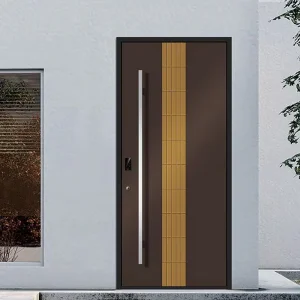
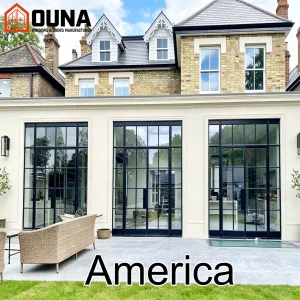
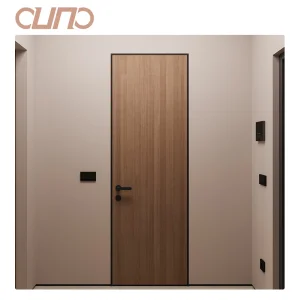
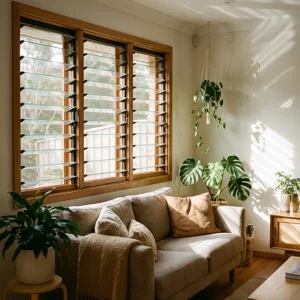
Explore our extended series of high-craftsmanship doors, hurricane-rated casements, and architectural louvers.
 Cresta Window Tech