Precision-engineered double glazed aluminum systems tested for extreme wind pressures, acoustic damping, and energy efficiency.
Navigating Decarbonization Mandates, Thermal Efficiency Regulations, and China's Manufacturing Competitiveness.
The global architectural fenestration market is undergoing an unprecedented technological evolution driven by stringent carbon neutrality goals, updating building energy codes (such as IECC 2024 in North America, NCC 2022 in Australia, and the EU EPBD Directive), and rising consumer demand for acoustic isolation and disaster resilience. In modern commercial high-rises and high-end residential developments, windows are no longer treated as simple passive apertures; they are engineered environmental envelope systems engineered to manage heat transfer, solar energy transmittance, wind pressure resistance, and ambient acoustics.
Within this global shift, China’s aluminum double glazed windows manufacturing ecosystem has established itself as the world’s leading hub for architectural supply chains. Controlling over 60% of the world's high-grade extrusion processing and automated glass processing capacity, Chinese Tier-1 suppliers offer unparalleled advantages in structural alloy formulation, advanced thermal break technology, custom facade engineering, and cost-efficient scalability.
Thermal loss through window assemblies accounts for up to 40% of a building's overall heating and cooling energy load. High-density double-glazed units with thermal break profiles cut building operational carbon footprints dramatically.
Urban density demands enhanced Sound Transmission Class (STC) ratings. Dual-sealed units combined with unequal glass pane thicknesses effectively shatter acoustic resonance across traffic frequencies.
Increasing frequencies of super hurricanes and typhoon sea-line conditions require structural window frames capable of resisting design pressures exceeding 5000 Pa (equivalent to Category 5 hurricanes).
Information Gain Insight: While traditional procurement focused primarily on initial unit purchase price, international B2B buyers now prioritize Total Lifecycle Performance Value (TLPV)—where thermal durability, certification compliance (AS2047, NFRC, CE), frame strength, and structural seal integrity govern real ROI over 30-year operational life spans.
Precision OEM/ODM Manufacturing with World-Class Quality Assurance and Advanced Supply Chain Integration.
Established in 2015, Guangzhou Cresta Door & Window Co., Ltd. operates a 18,000-square-meter manufacturing facility. Backed by 11 years of industry experience and 7 years of international trade operations, we achieve an annual export turnover of $22 million across Southeast Asia, the Middle East, and Oceania. We mainly supply custom home builders, renovation contractors, and regional wholesalers.
To ensure top-tier craftsmanship, our team of 30 QC inspectors strictly enforces ISO-certified optical surface inspections and weatherproofing seal tests. With a reliable network of 550 upstream suppliers, Cresta excels in tailored solutions such as custom acoustic insulation, motorized insect screens, and slim-frame sliding doors. Supported by an active R&D division of 35 specialized engineers, we released 38 new product series over the past year.
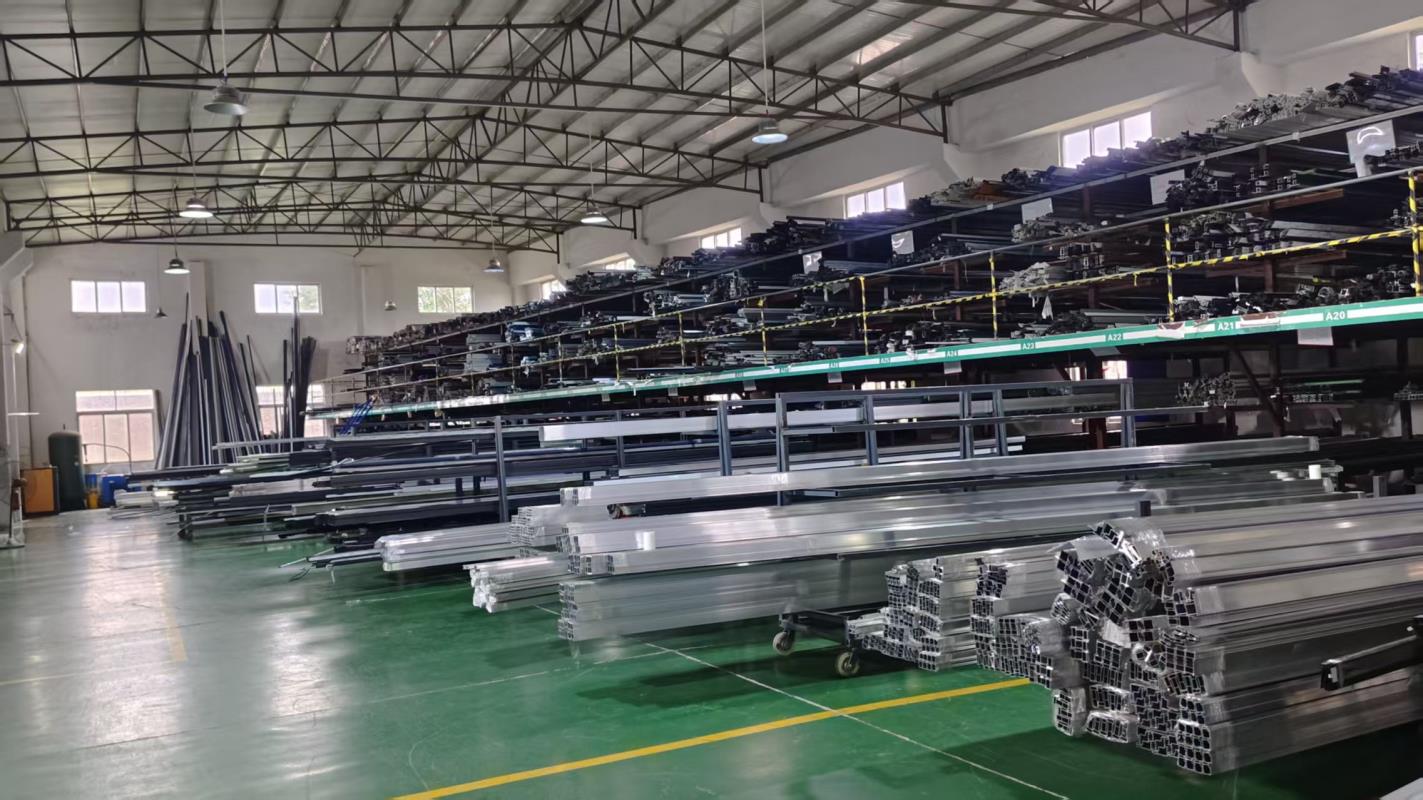
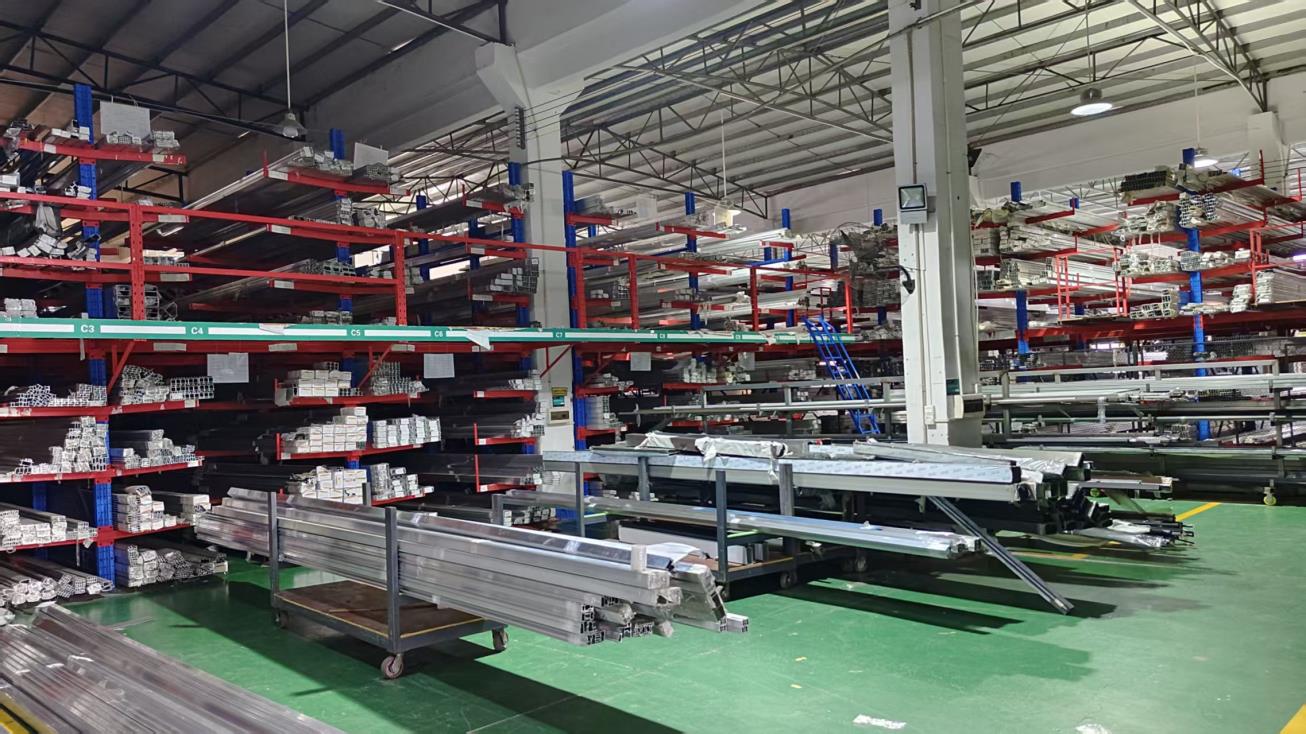
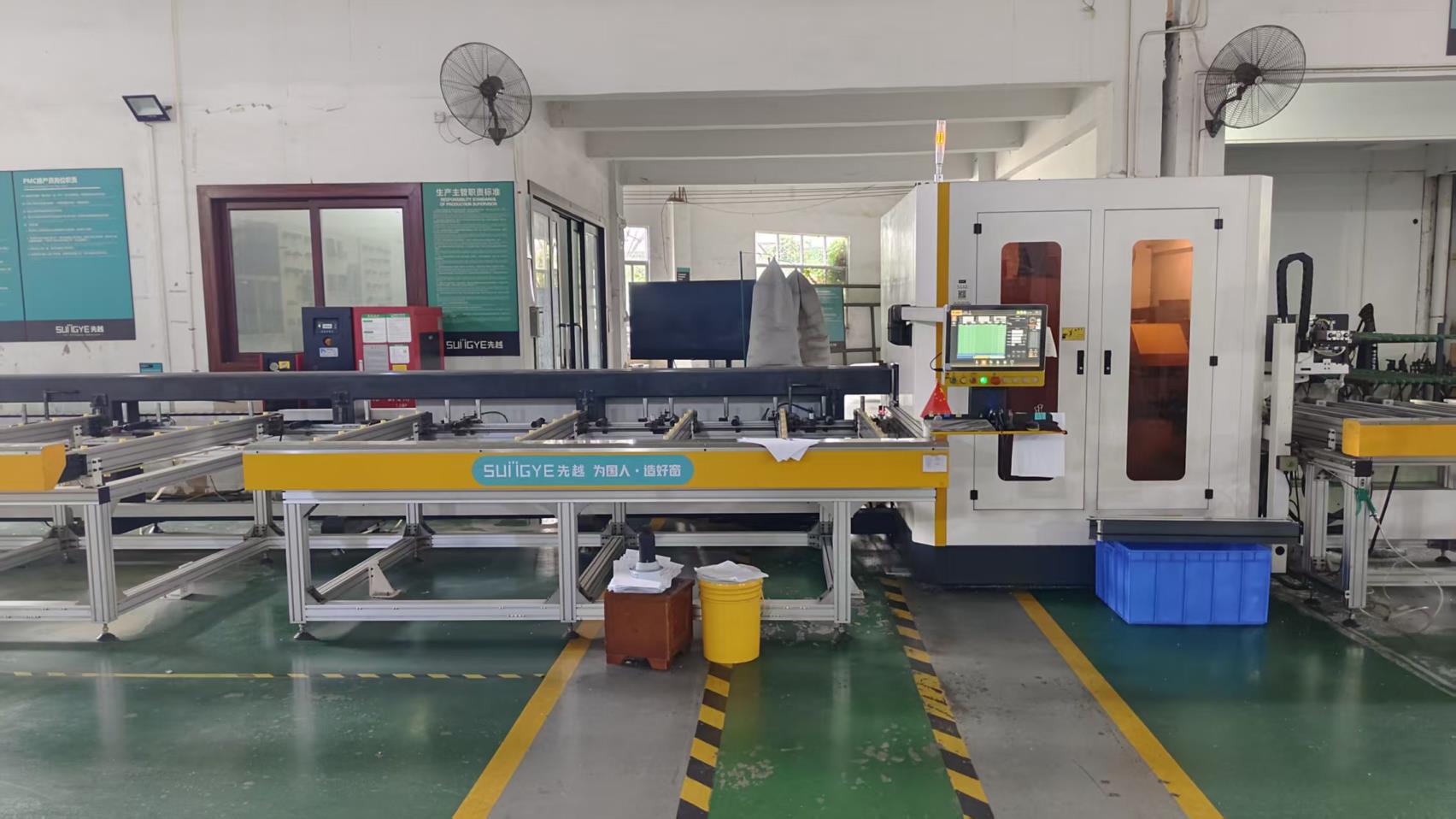
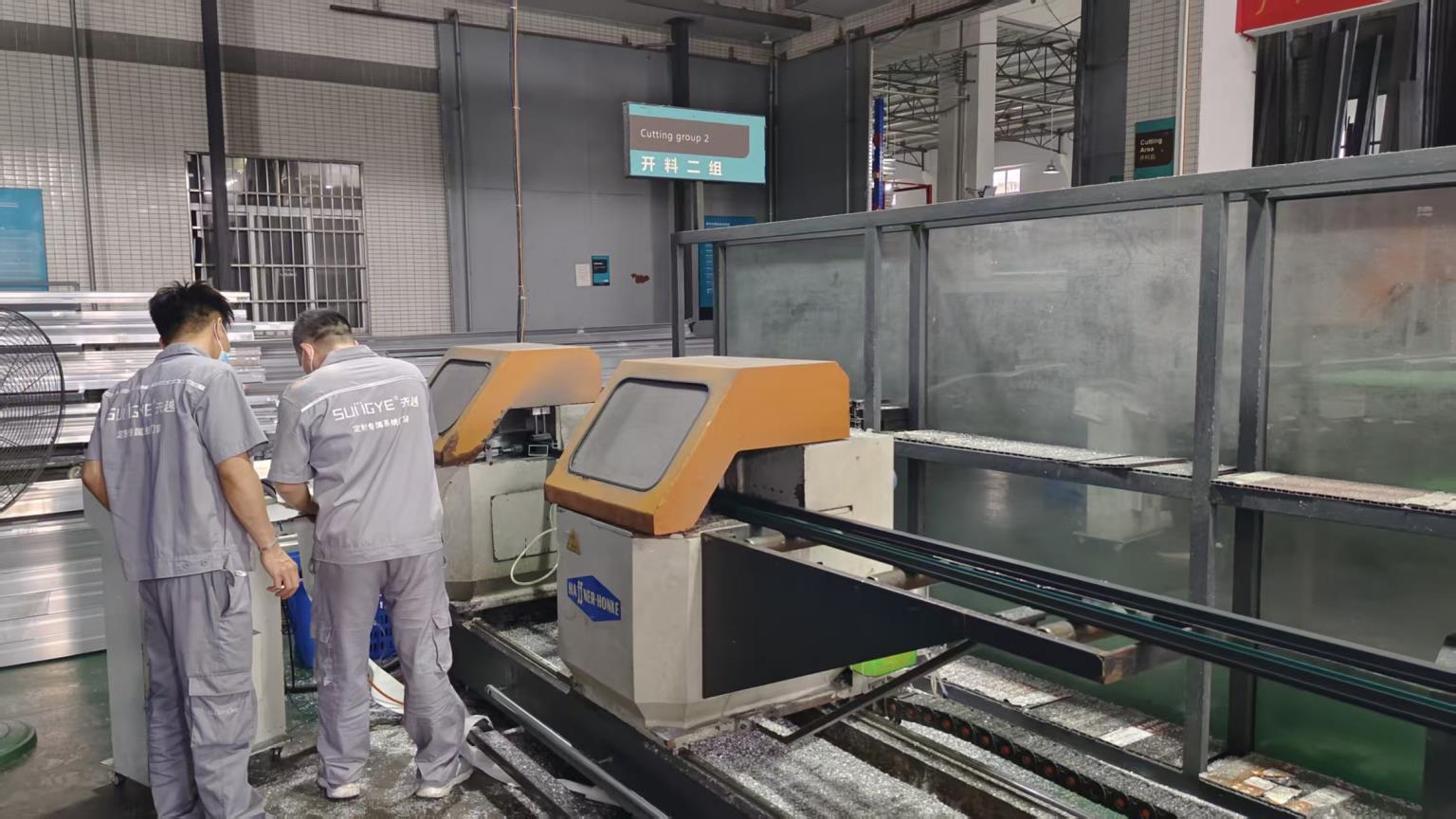
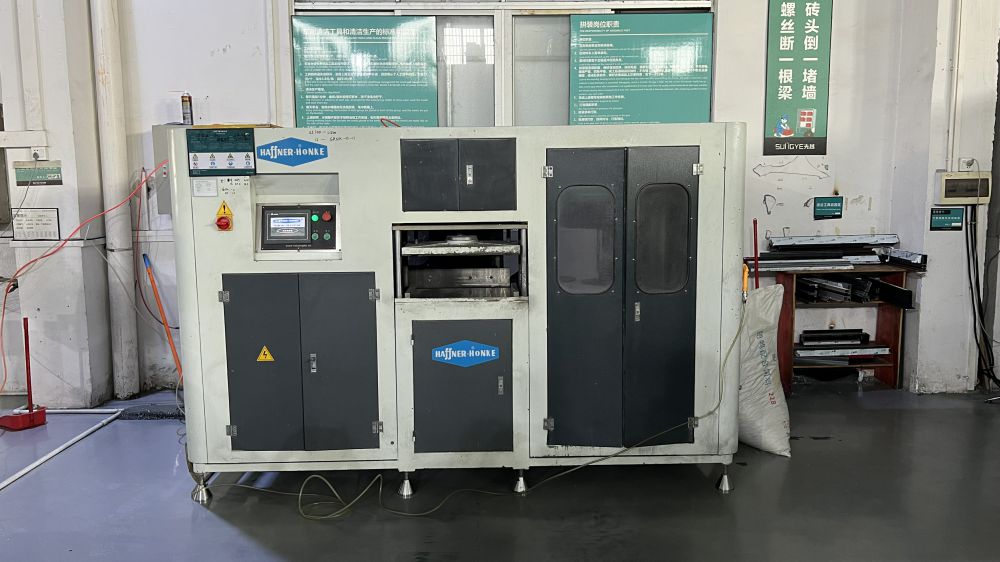
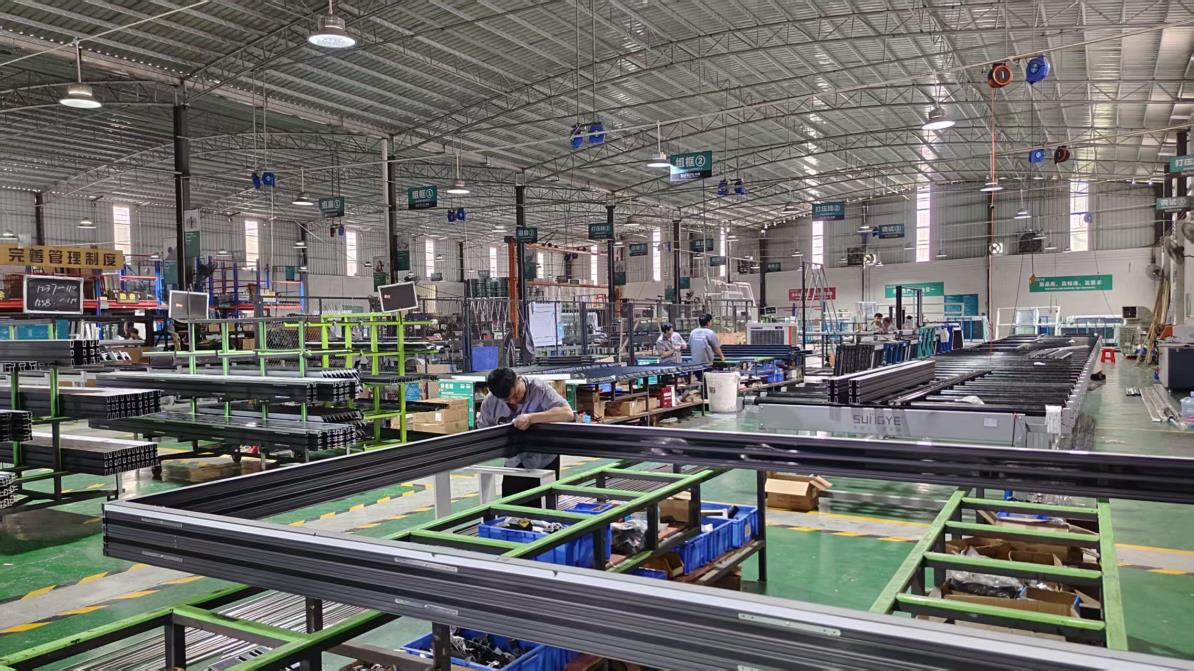
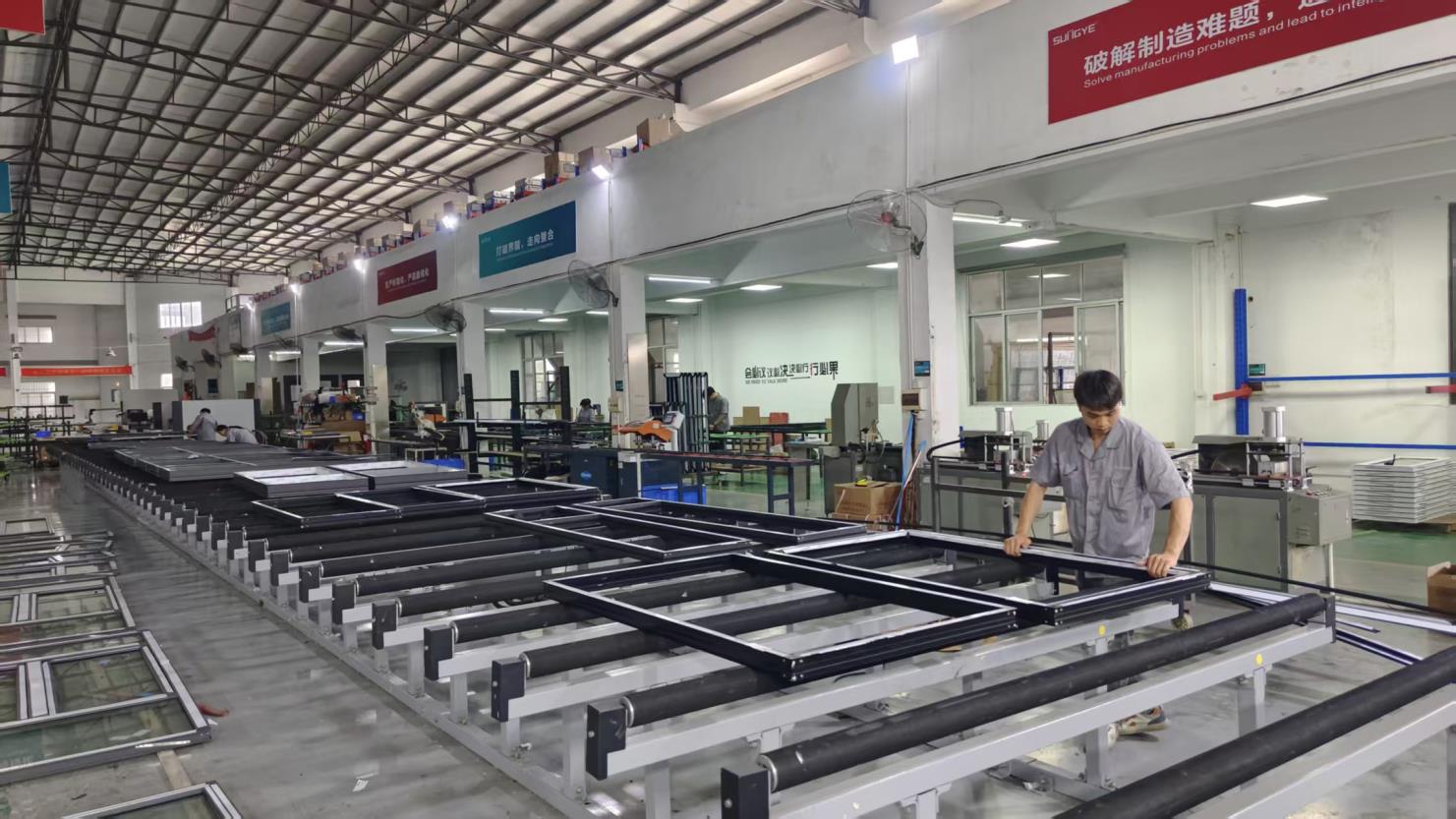
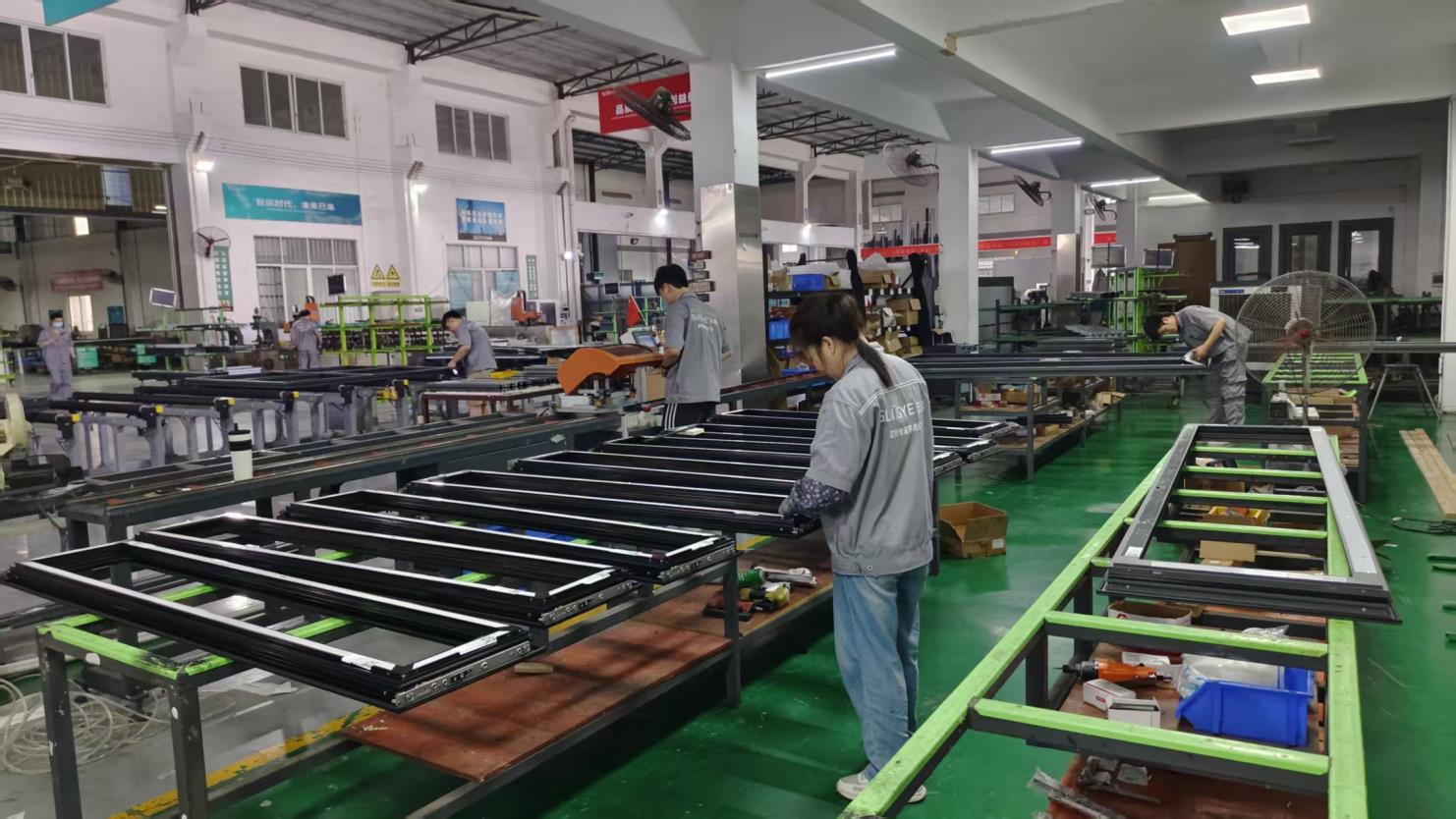
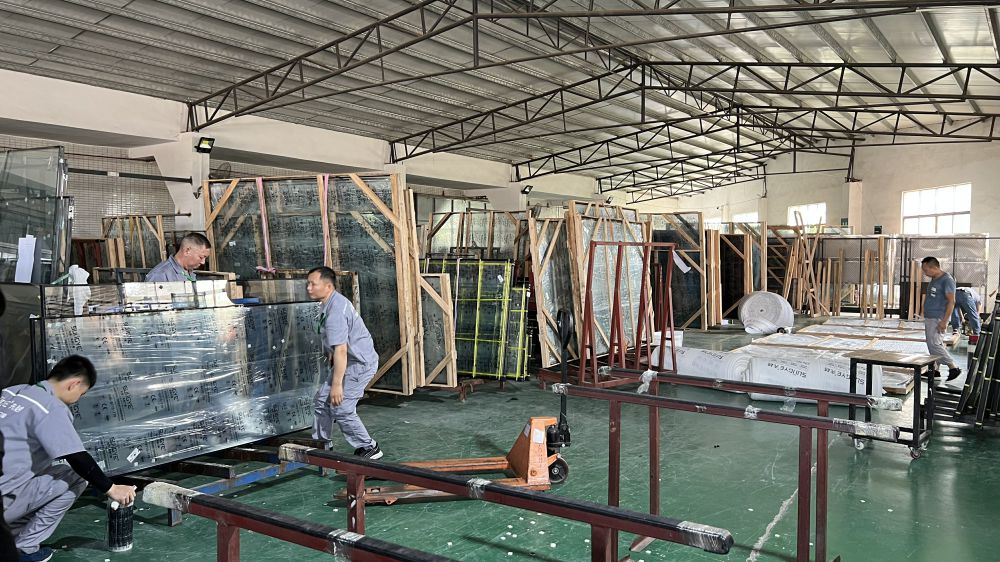
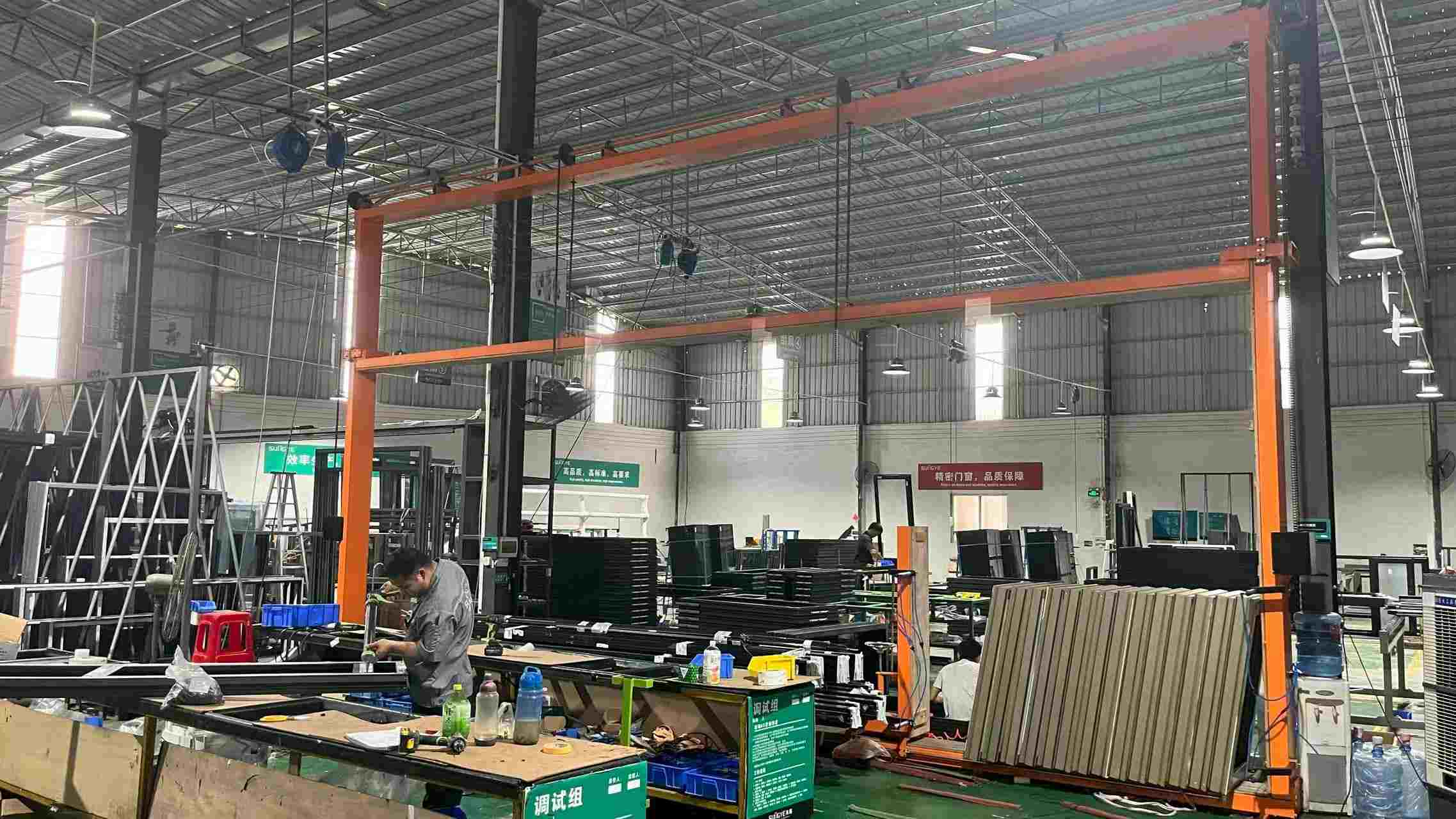
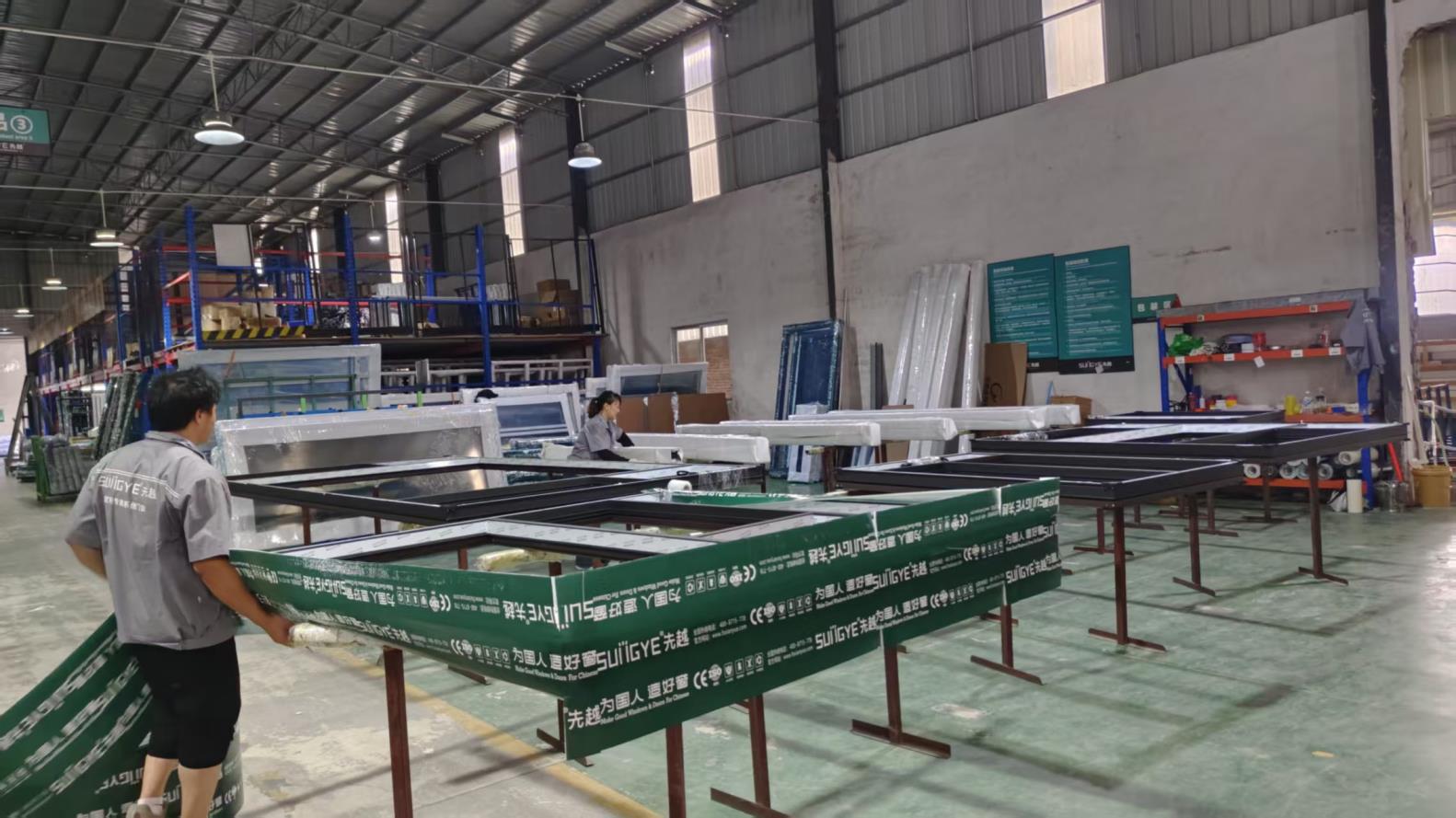
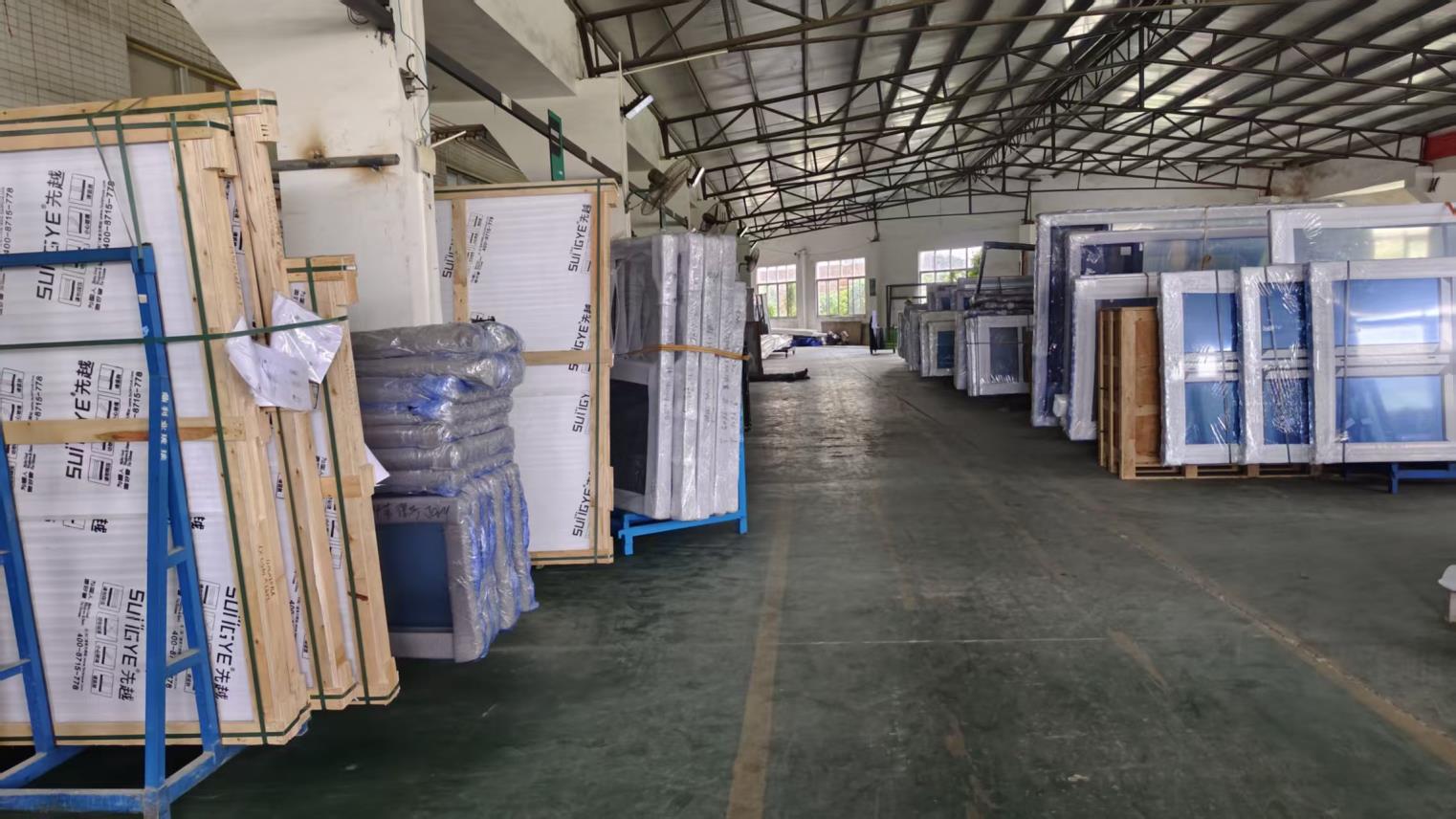
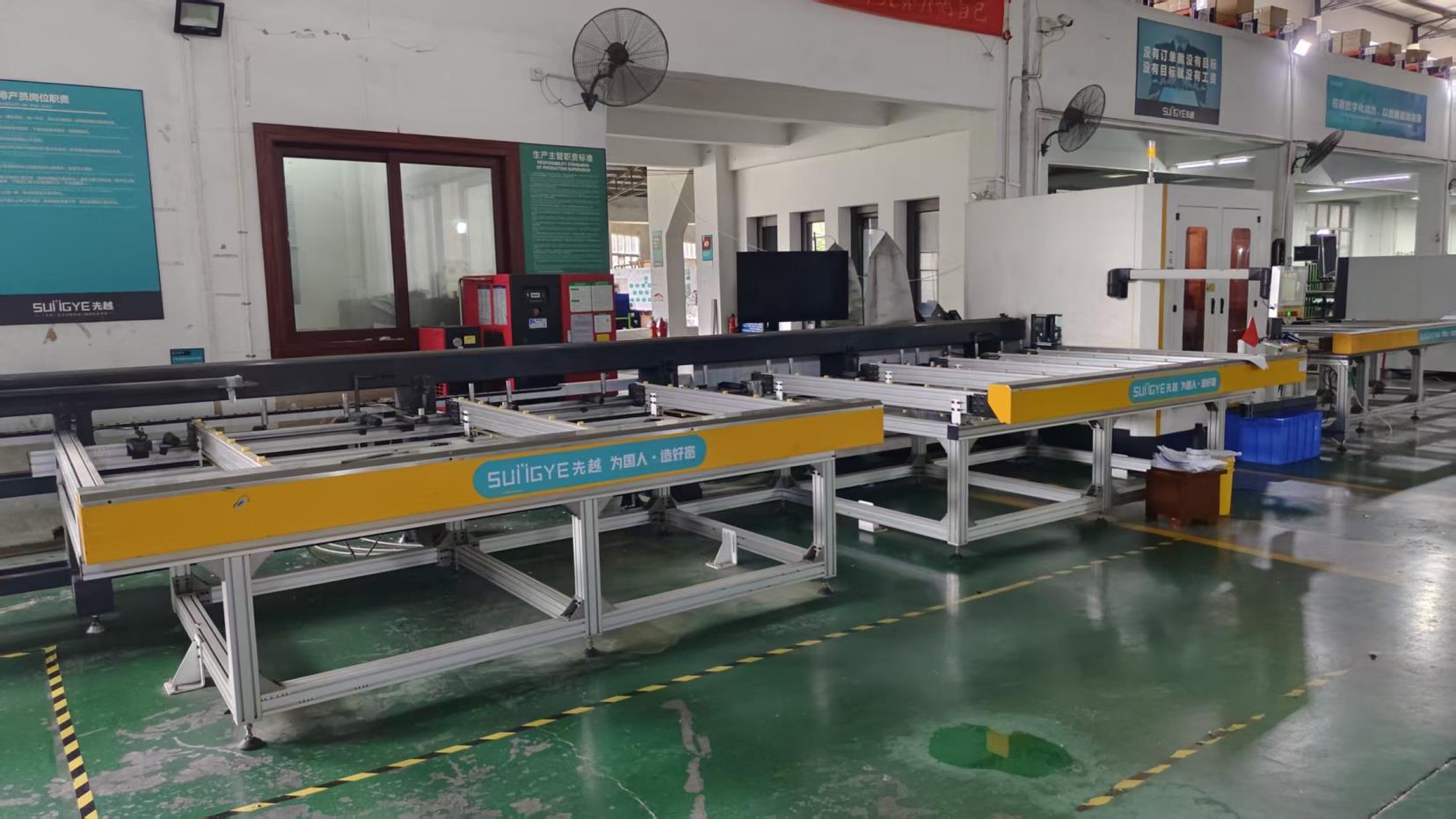
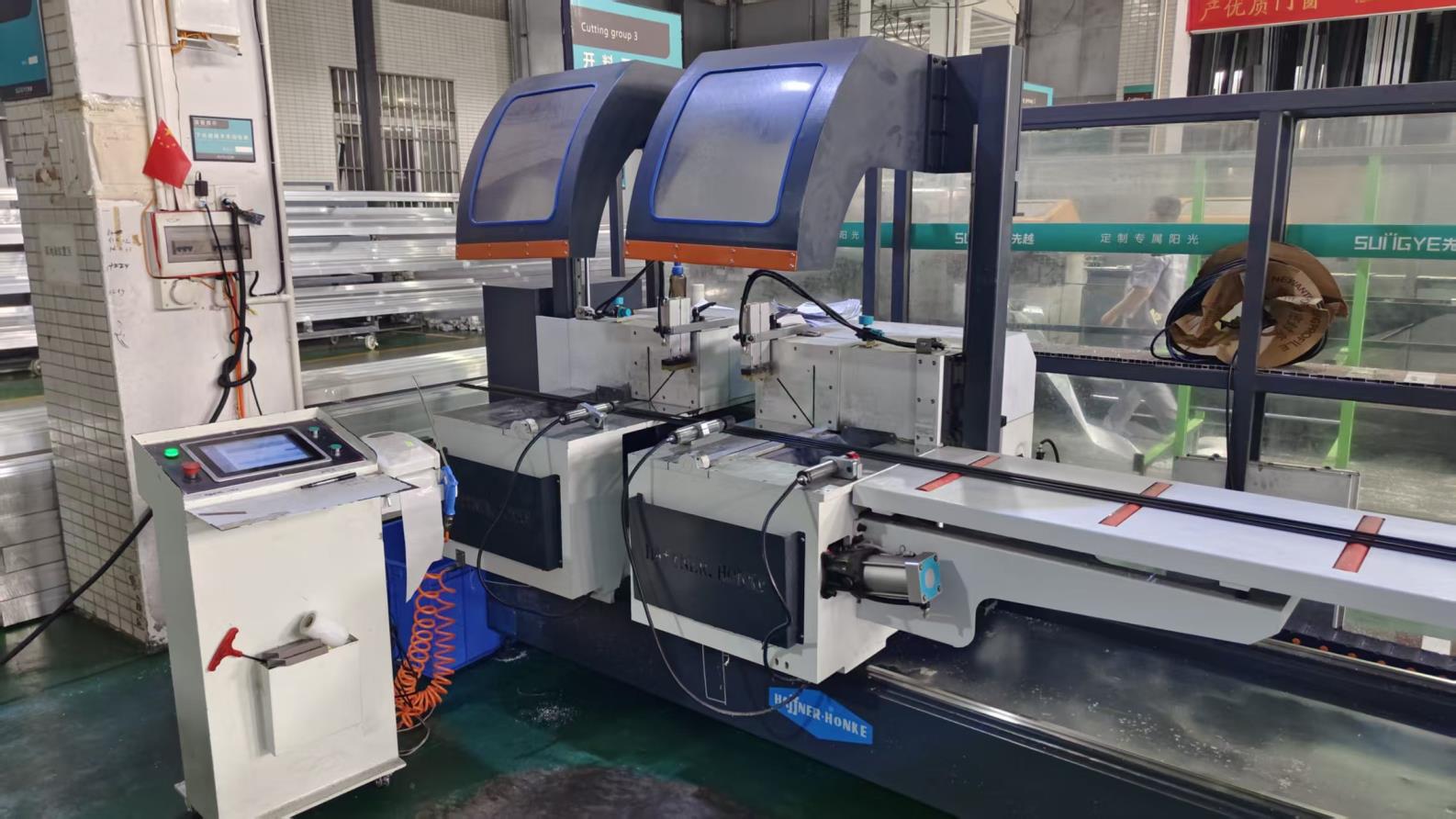
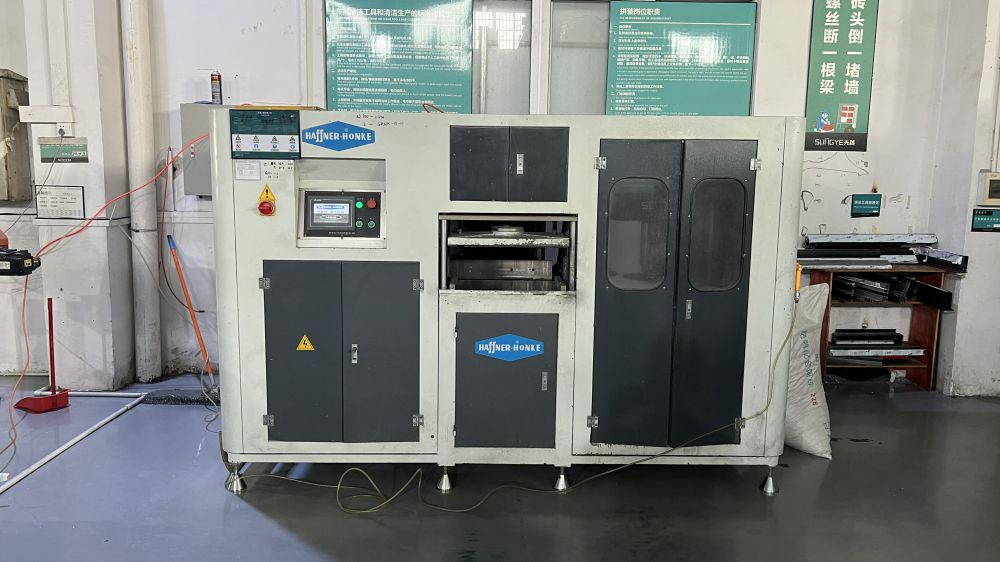
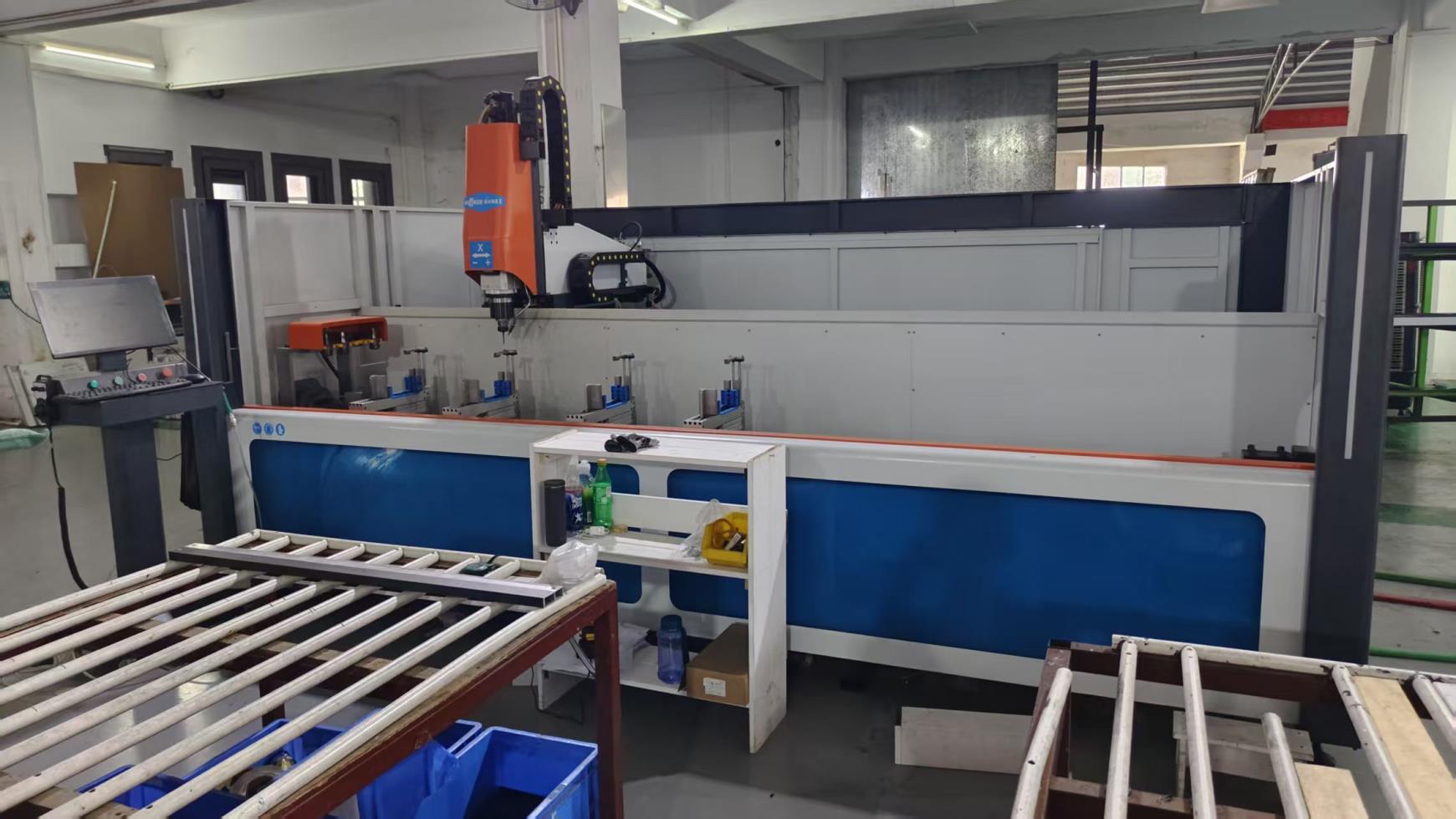
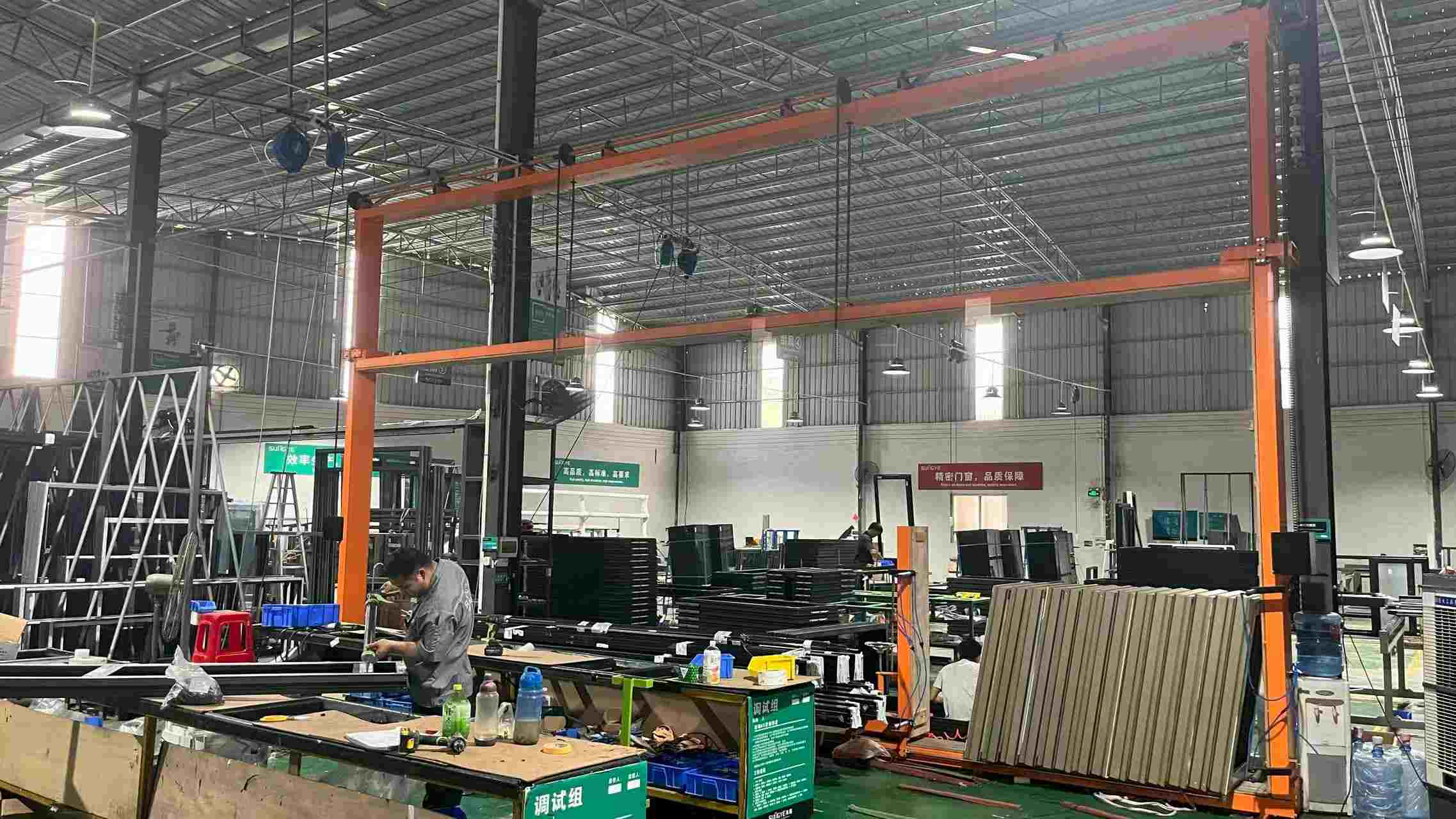
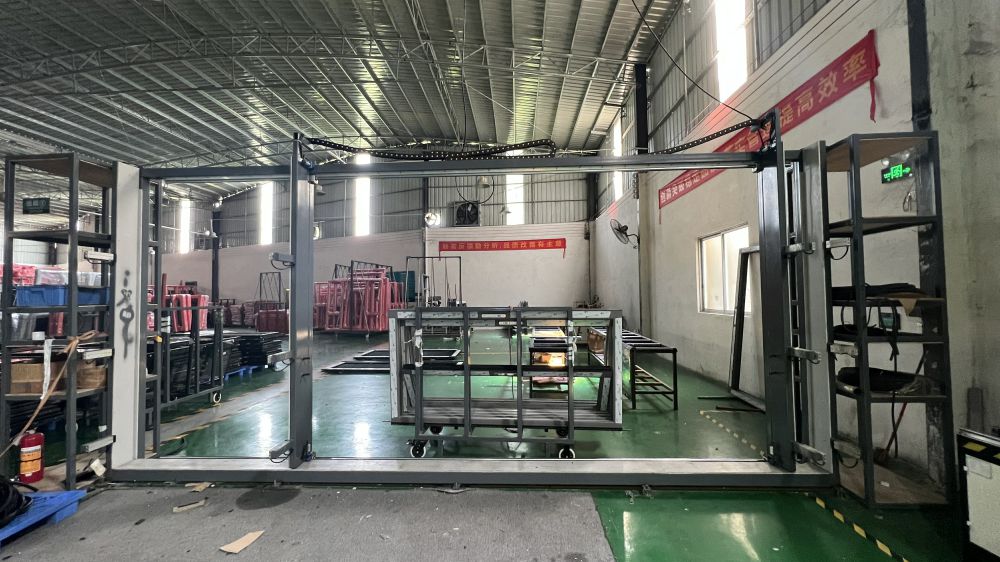
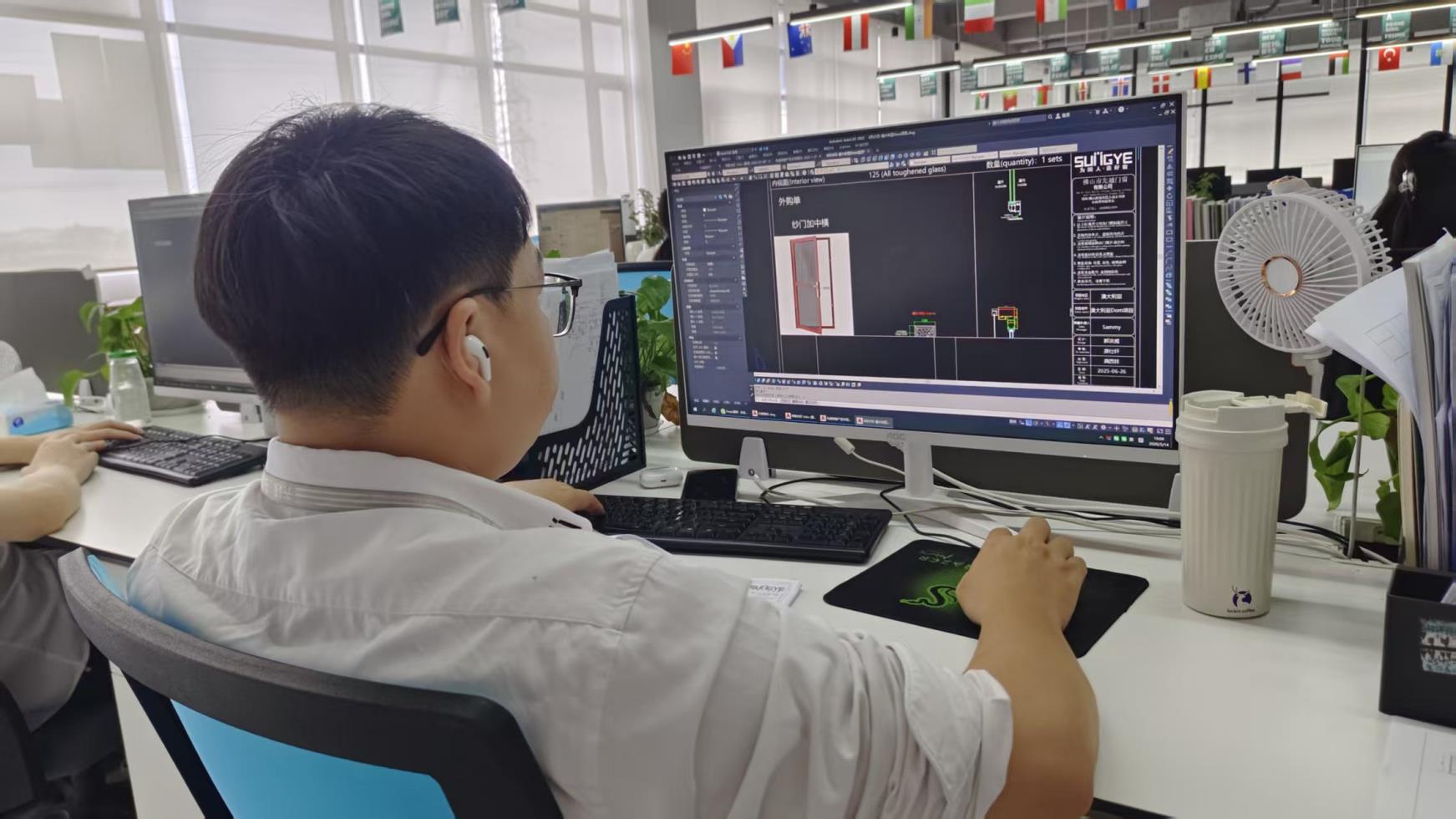
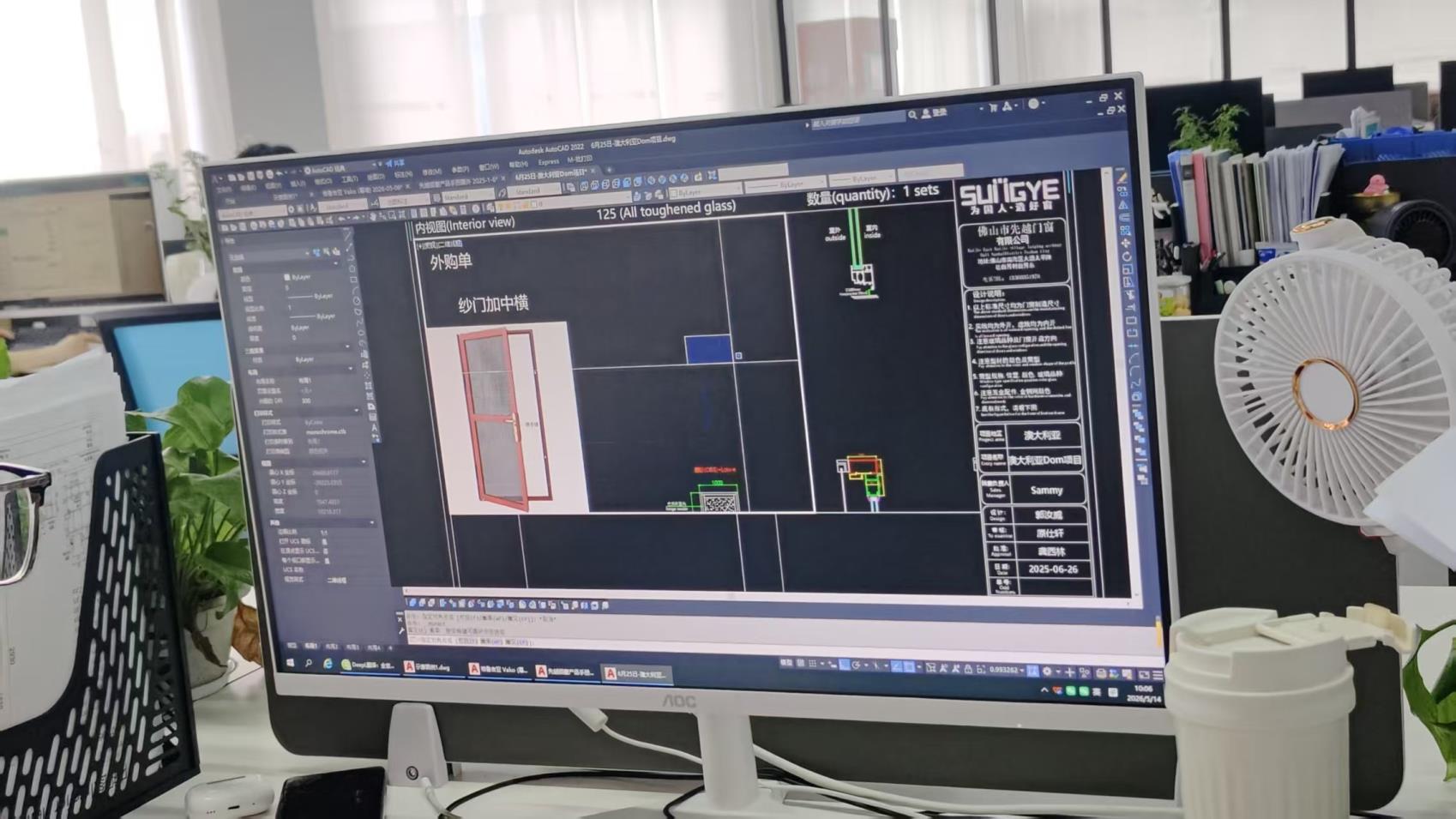
Inside Cresta's ISO-certified automated production line showing multi-axis CNC processing, frame structural assembly, precision glass insertion, and quality inspection.
Deconstructing the Physics of Thermal Insulation, Structural Extrusions, and Glass Cavity Science.
The structural foundation of any premium window system resides in its extrusions. Top Chinese manufacturers like Cresta utilize primary 6063-T5 or T6 grade aluminum alloys rather than scrap-recycled aluminum. T6 temper delivers higher ultimate tensile strength (minimum 205 MPa) and yield strength (minimum 170 MPa), crucial for hurricane-impact casement frames and high-wind coastal installations.
Unbroken aluminum profiles conduct thermal energy rapidly (conductivity ~200 W/m·K). To eliminate this thermal bridge, a low-conductivity structural polyamide strip—specifically PA66 reinforced with 25% glass fiber (PA66 GF25)—is mechanically crimped between the interior and exterior aluminum profiles. This reduces profile heat transfer conductivity down to 0.3 W/m·K, enabling system U-factors as low as 1.1 to 1.4 W/m²·K.
| Profile System | Thermal Conductivity (W/m·K) | Average Overall U-Value | Structural Integrity | Lifecycle Expectancy |
|---|---|---|---|---|
| Non-Thermal Break Aluminum | ~160.0 - 200.0 | 4.8 - 5.8 W/m²K | Extreme High | 50+ Years |
| Thermal Break Aluminum (PA66 GF25) | ~0.25 - 0.35 | 1.1 - 1.8 W/m²K | High Structural / Commercial Grade | 40-50 Years |
| uPVC / Vinyl Framing | ~0.17 - 0.22 | 1.3 - 2.0 W/m²K | Low (Prone to structural warping) | 15-20 Years |
| Timber / Wood Aluminum Clad | ~0.13 - 0.15 | 1.0 - 1.5 W/m²K | Medium (Requires heavy maintenance) | 25-30 Years |
A double-glazed IGU consists of two glass panes separated by an airtight sealed gas space. Cresta’s engineering specs incorporate:
Navigating Technical Codes and Testing Norms for Global Architectural Procurement.
Compliance with NFRC 100/200/400 for total U-factor, SHGC, and Visible Transmittance. For hurricane zones (Florida Coastal / Gulf Coast), window lines undergo TAS 201, 202, and 203 large missile impact tests to secure Florida NOA (Notice of Acceptance) credentials.
Rigorous verification according to AS2047 (Windows and External Glazed Doors in Buildings) and AS1288 glass selection standards. Cresta products pass structural deflection (N6/C4 rating), water penetration resistance (up to 700 Pa), and air infiltration testing.
Full conformance with EN 14351-1 standards, ensuring CE and UKCA mark validity. Optimized profile designs reach Passive House Institute (PHI) standard levels with triple-glazed warm edge configurations achieving U-values below 0.8 W/m²K.
Tailored Architectural Systems Engineered for Specific Environmental and Spatial Challenges.
Primary Requirements: Corrosion resistance (fluorocarbon PVDF spraying), high wind-load structural resistance, and unobstructed ocean views.
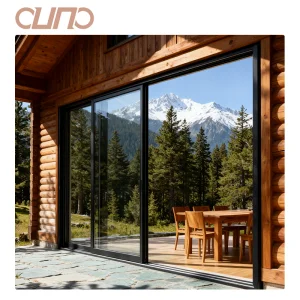
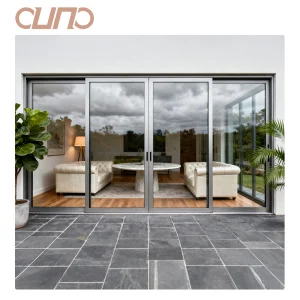
System Solution: Heavy-duty narrow-frame lift-and-slide doors equipped with 8mm + 12Argon + 8mm toughened double Low-E glass, treated with 3-coat AkzoNobel PVDF finishes tested for 3000+ hours of continuous salt spray exposure.
Primary Requirements: Superior acoustic isolation (>40 dB STC), fire-rated integrity, low maintenance, and automated motor integration.
System Solution: Smart motorized tilt-and-turn windows paired with laminated acoustic double-glazing (PVB film layers) integrated directly into central Building Management Systems (BMS).
Pioneering Next-Generation Smart Fenestration and Sustainable Glazing Technologies.
Embedding transparent cadmium telluride (CdTe) solar thin-films directly within double-glazed units, transforming window surfaces into active clean-energy power generation assets for net-zero energy buildings.
Utilizing micro-voltage smart tinting technology to alter visible light transmittance and heat solar gain dynamically on-demand, eliminating the necessity for interior blinds.
Replacing gas-filled cavities with ultra-thin 0.2mm high-vacuum layers. VIG double glazing delivers structural U-values under 0.40 W/m²K in profiles under half the thickness of standard IGUs.
Clear Technical Answers regarding Sourcing, Standards, Lead Times, and Customization.
Explore specialized motor-driven, slim-frame entry, bi-fold, and hurricane impact glazed systems.
 Cresta Window Tech