Discover our factory-direct wholesale solutions engineered for international commercial projects, residential developments, and high-performance architectural specifications.
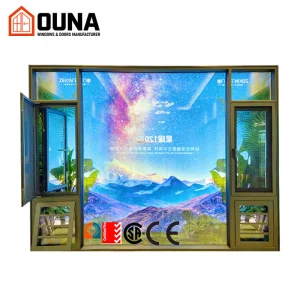
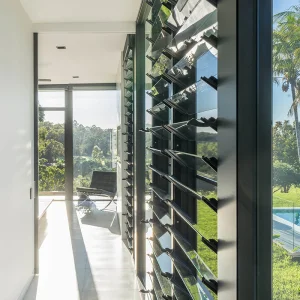
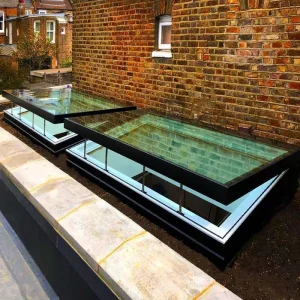
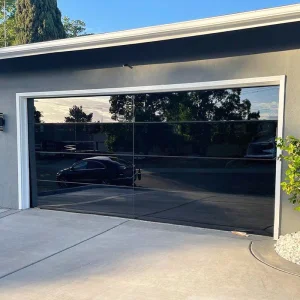
The global building envelope market is experiencing a structural paradigm shift driven by stringent energy efficiency mandates, decarbonization goals, and evolving urban aesthetics. As architectural specifications demand lower thermal transmittance (U-factor ≤ 1.4 W/m²K), superior acoustic attenuation, and extreme wind load durability, Chinese aluminium casement window manufacturers have evolved from low-cost bulk suppliers into advanced engineering hubs.
Modern architectural aluminum casement windows are no longer passive fenestration elements; they are highly integrated thermal barriers and structural shields. China's industrial ecosystem, anchored by fully integrated supply chains in regions like Guangzhou and Foshan, accounts for over 45% of the world's architectural aluminum profile output. The key tech drivers accelerating global procurement from top-tier Chinese exporters include:
Transitioning from standard non-thermal profiles to multi-chamber thermal barrier strips reinforced with 25% fiberglass, drastically reducing conductive heat gain/loss in tropical and frigid climates alike.
Precision-engineered extruded 6063-T5/T6 aviation-grade aluminum alloys providing ultimate tensile strengths capable of withstanding extreme cyclic wind pressure testing (>5000 Pa), ideal for coastal and high-rise developments.
Architect-focused designs utilizing hidden sash profiles, flush interior/exterior alignment, and expanded Visible Light Transmittance (VLT) while accommodating triple-glazed Low-E insulating units.
Established in 2015, Guangzhou Cresta Door & Window Co., Ltd. operates a modern 18,000-square-meter manufacturing facility. Backed by 11 years of industry experience and 7 years of international trade operations, we achieve an annual export turnover of $22 million across Southeast Asia, the Middle East, and Oceania. We mainly supply custom home builders, renovation contractors, and regional wholesalers.
To ensure top-tier craftsmanship, our team of 30 QC inspectors strictly enforces ISO-certified optical surface inspections and weatherproofing seal tests. With a reliable network of 550 upstream suppliers, Cresta excels in tailored solutions such as custom acoustic insulation, motorized insect screens, and slim-frame sliding doors. Supported by an active R&D division of 35 specialized engineers, we released 38 new product series over the past year.
International B2B buyers—ranging from commercial real estate developers to regional window stockists—face distinct technical, financial, and logistical challenges when sourcing aluminium casement windows from China. Understanding these intent vectors allows for seamless procurement workflows and risk mitigation.
| Buyer Persona | Primary Sourcing Intent | Critical Technical Requirement | Cresta Technical Solution |
|---|---|---|---|
| Commercial Project Developers | Cost optimization, LEED Certification, structural durability | U-Factor < 1.4, SHGC < 0.25, High Wind Load Rating | Thermal break profiles with Argon-filled Low-E triple glazing units. |
| Custom Luxury Home Builders | Aesthetic perfection, ultra-slim sightlines, seamless operation | Acoustic isolation (STC > 40dB), Concealed Hardware | German-engineered multi-point locking (Siegenia/Hoppe), hidden hinges. |
| Regional Wholesalers & Distributors | Standardized inventory, low defect rates, modular packaging | AS2047, NFRC, CE Certification compliance, standard lead times | Rigid ISO QA protocols, automated packaging, pre-assembled frame kits. |
| Renovation Contractors | Fast turnaround, precise custom dimensions, simple installation | Sub-frame adaptors, localized flashing options, impact resistance | Fully customizable frame depths, nail fins, and universal installation clips. |
To maintain strict dimensional tolerances within ±0.5mm across high-volume wholesale orders, Cresta utilizes state-of-the-art CNC processing equipment and automated assembly lines. Below is a visual walkthrough of our integrated production flow and equipment infrastructure:
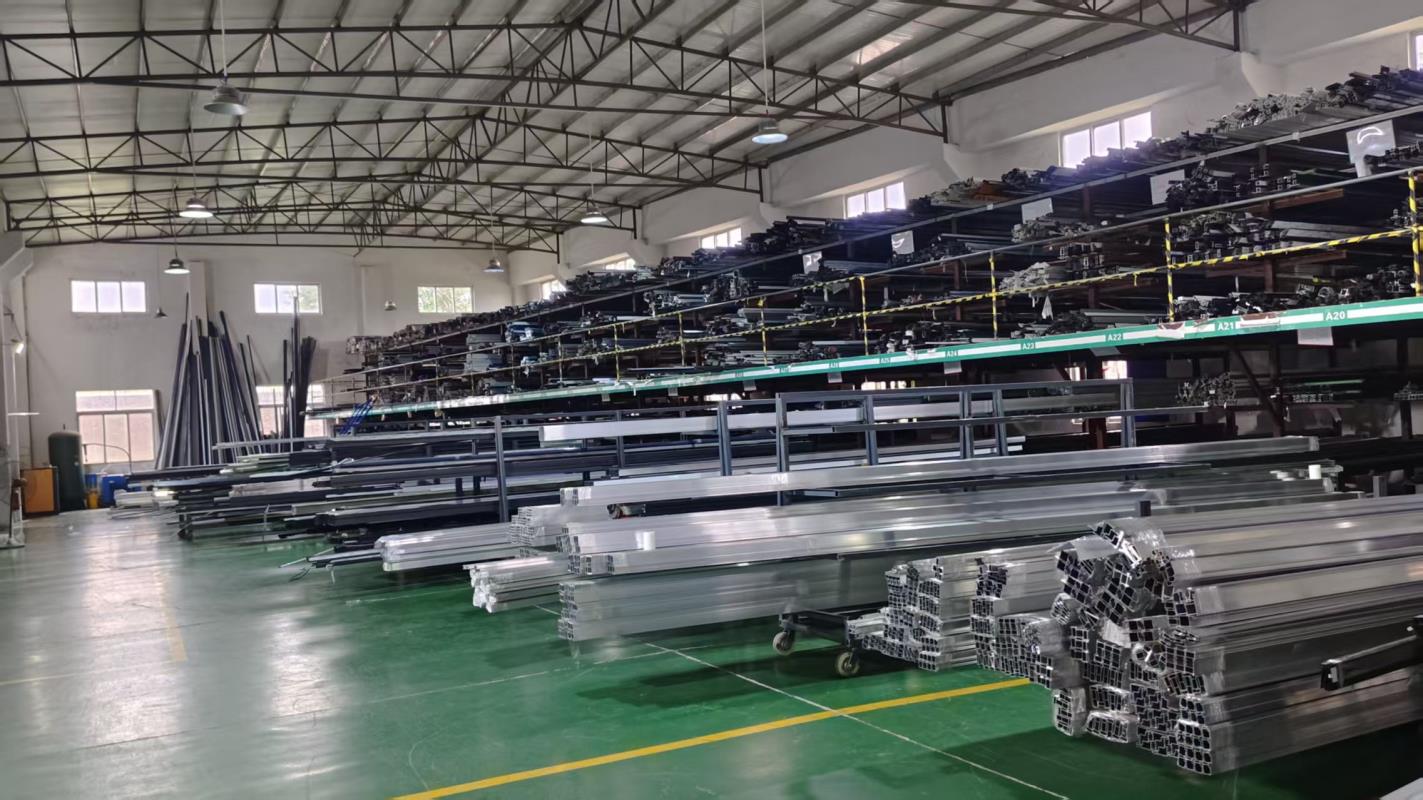 Raw Materials Inspection
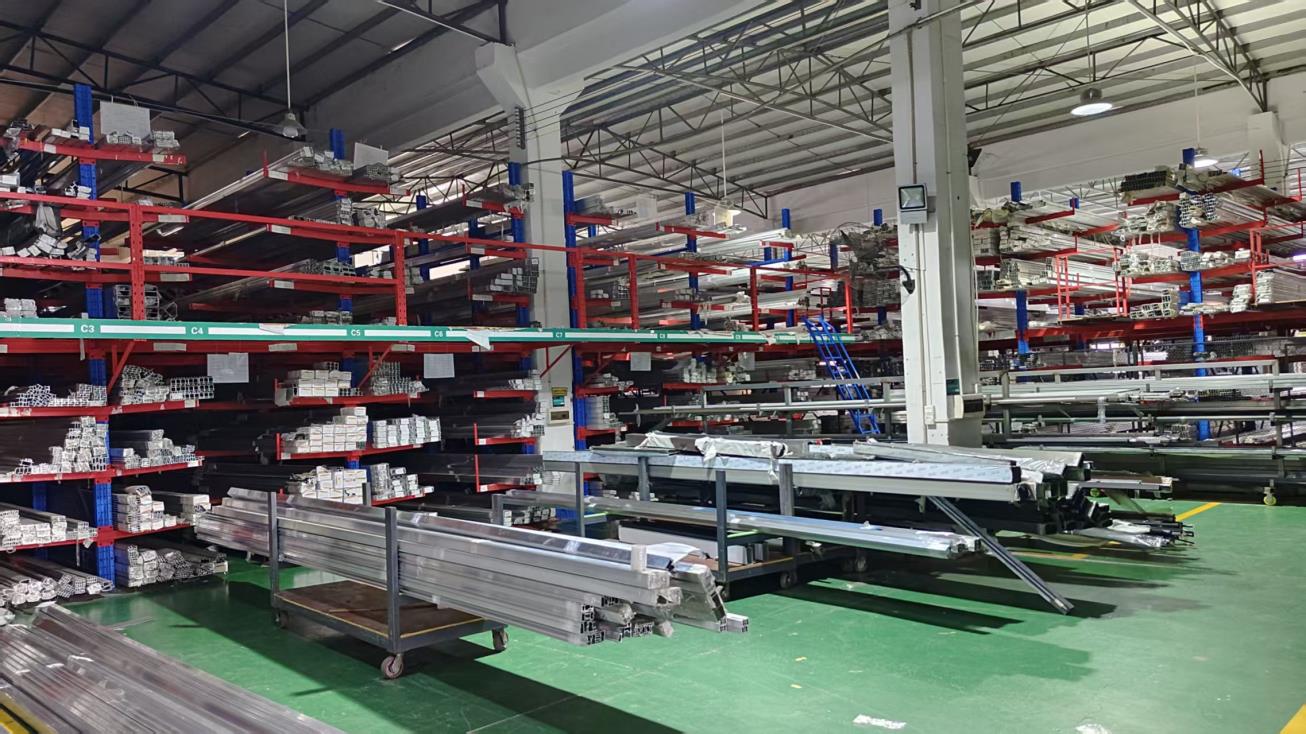 Profile Quality Control
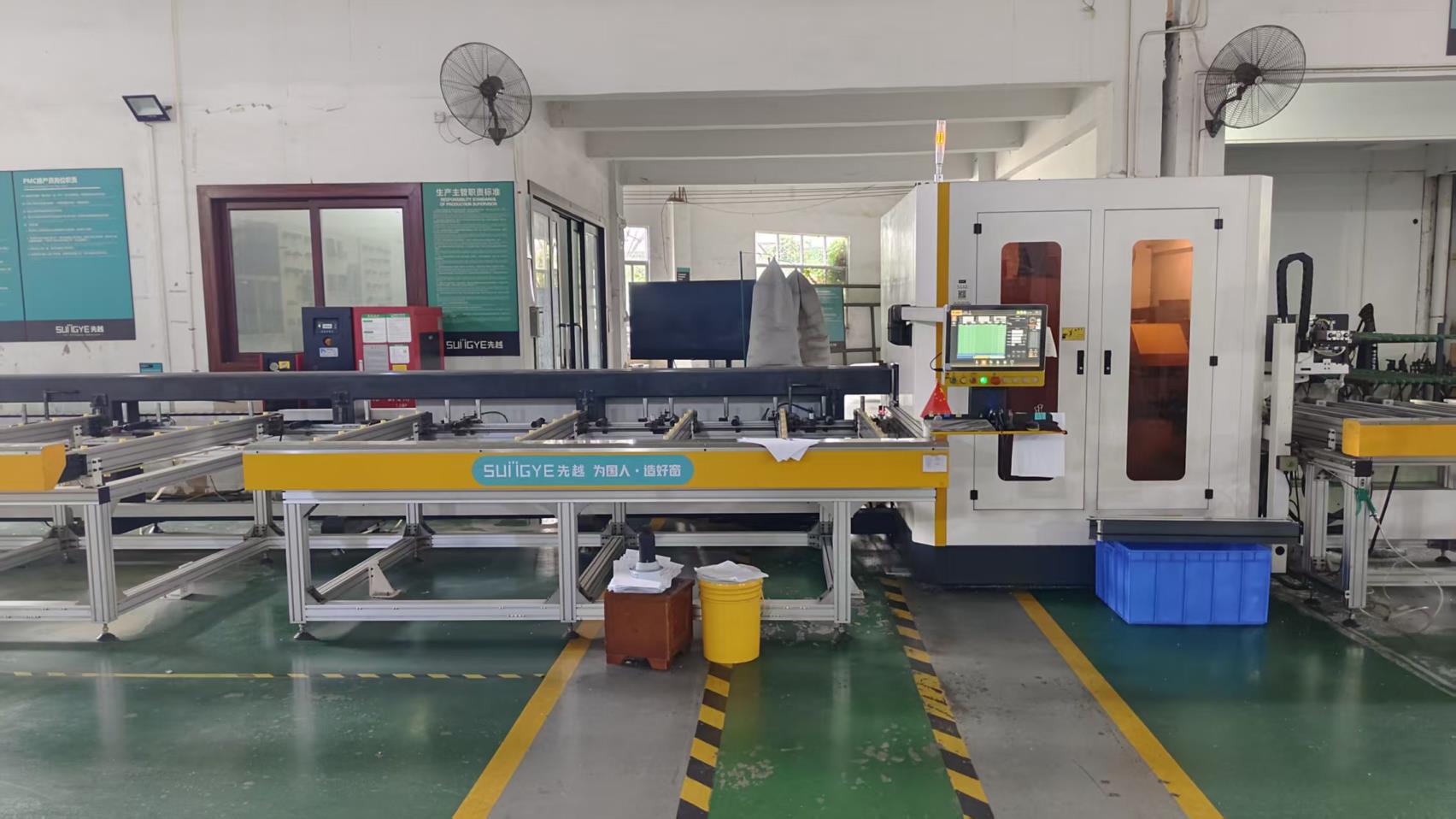 CNC Cutting Process
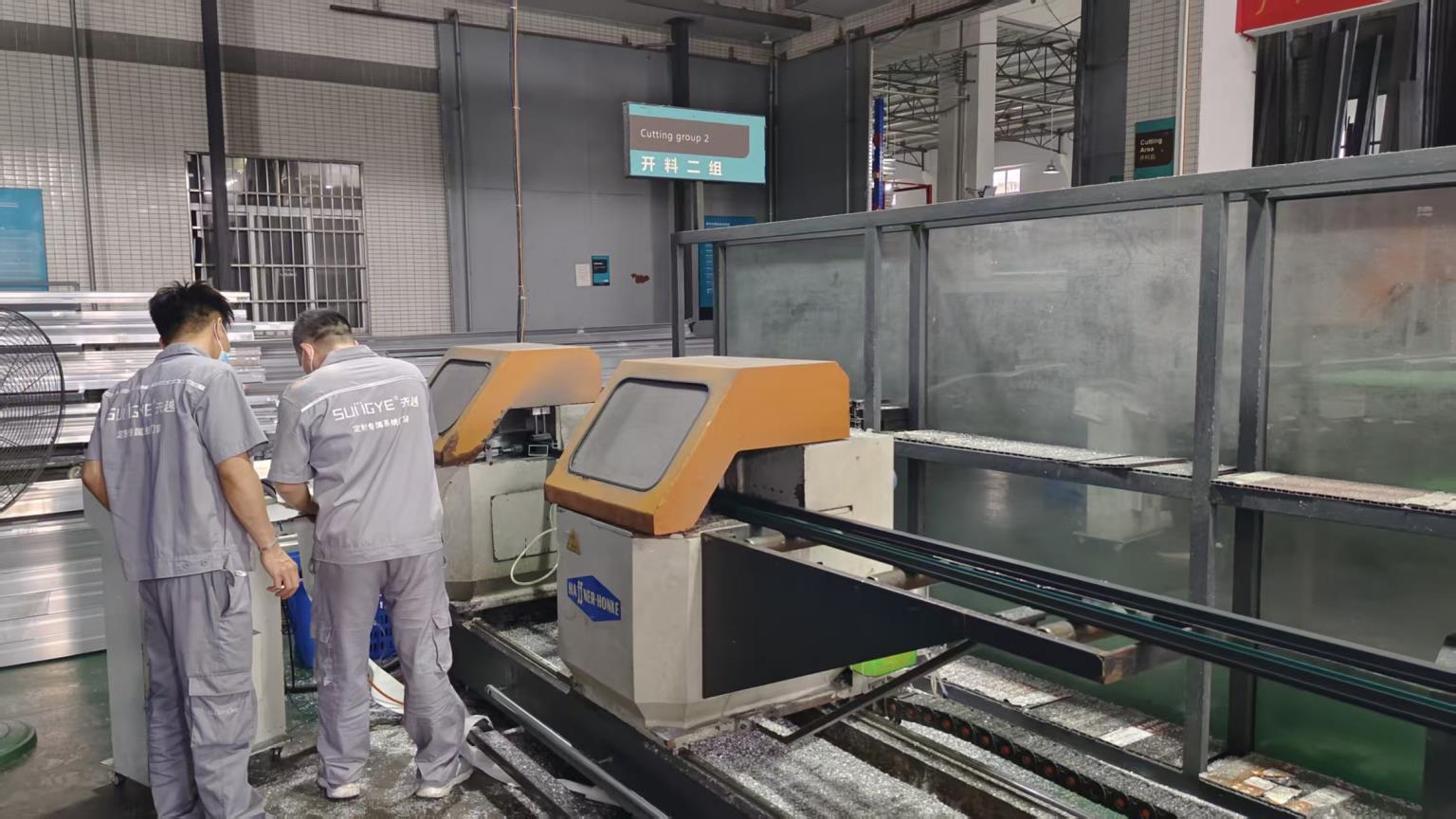 Precision Profile Cutting
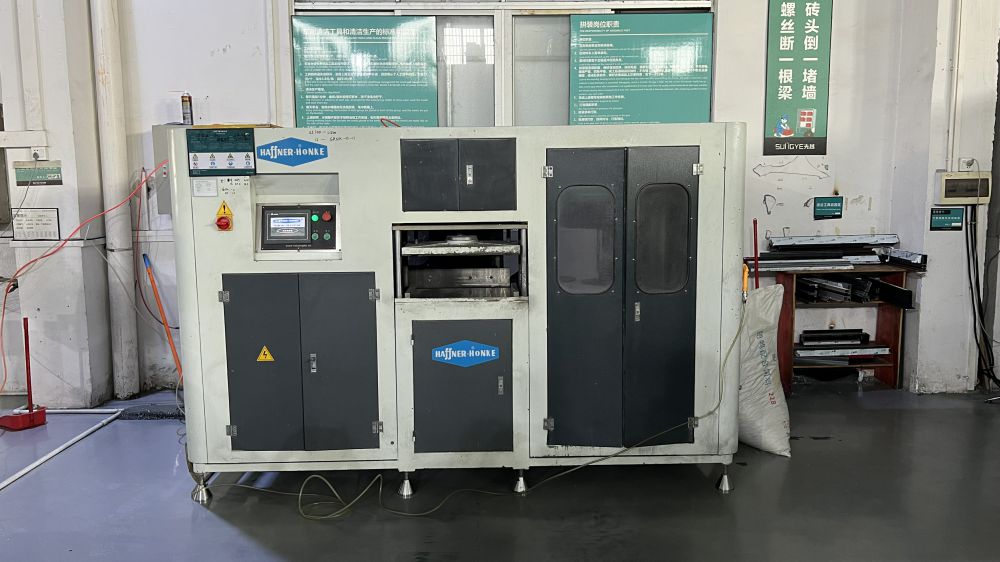 CNC Face Milling
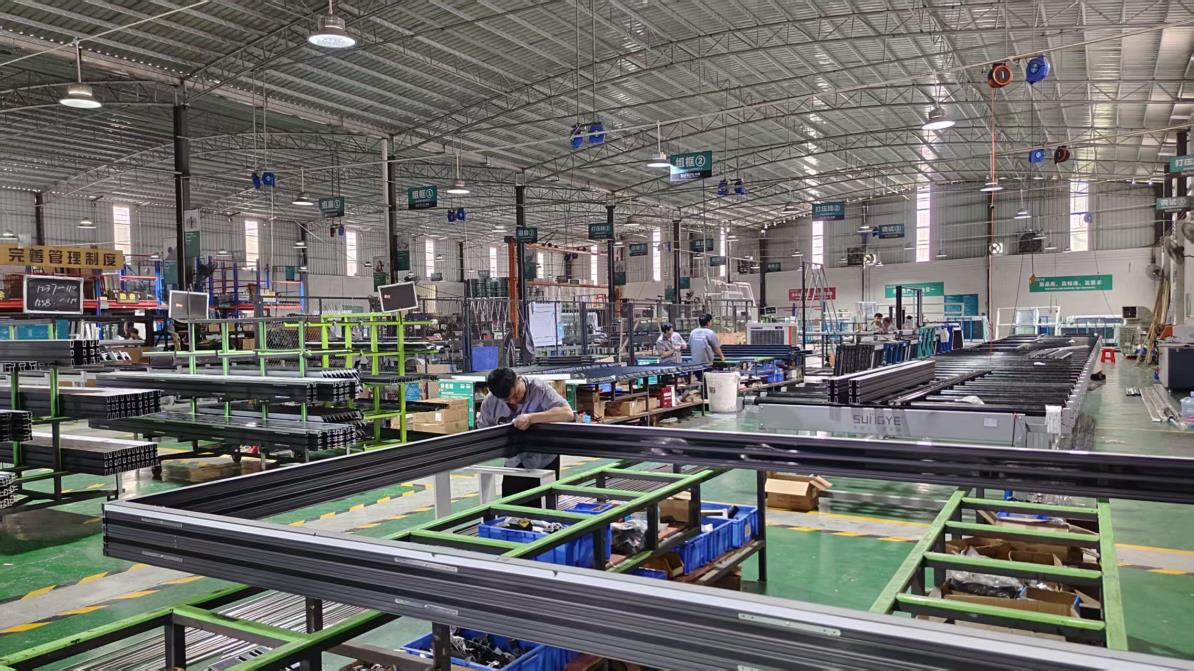 Frame Corner Assembling
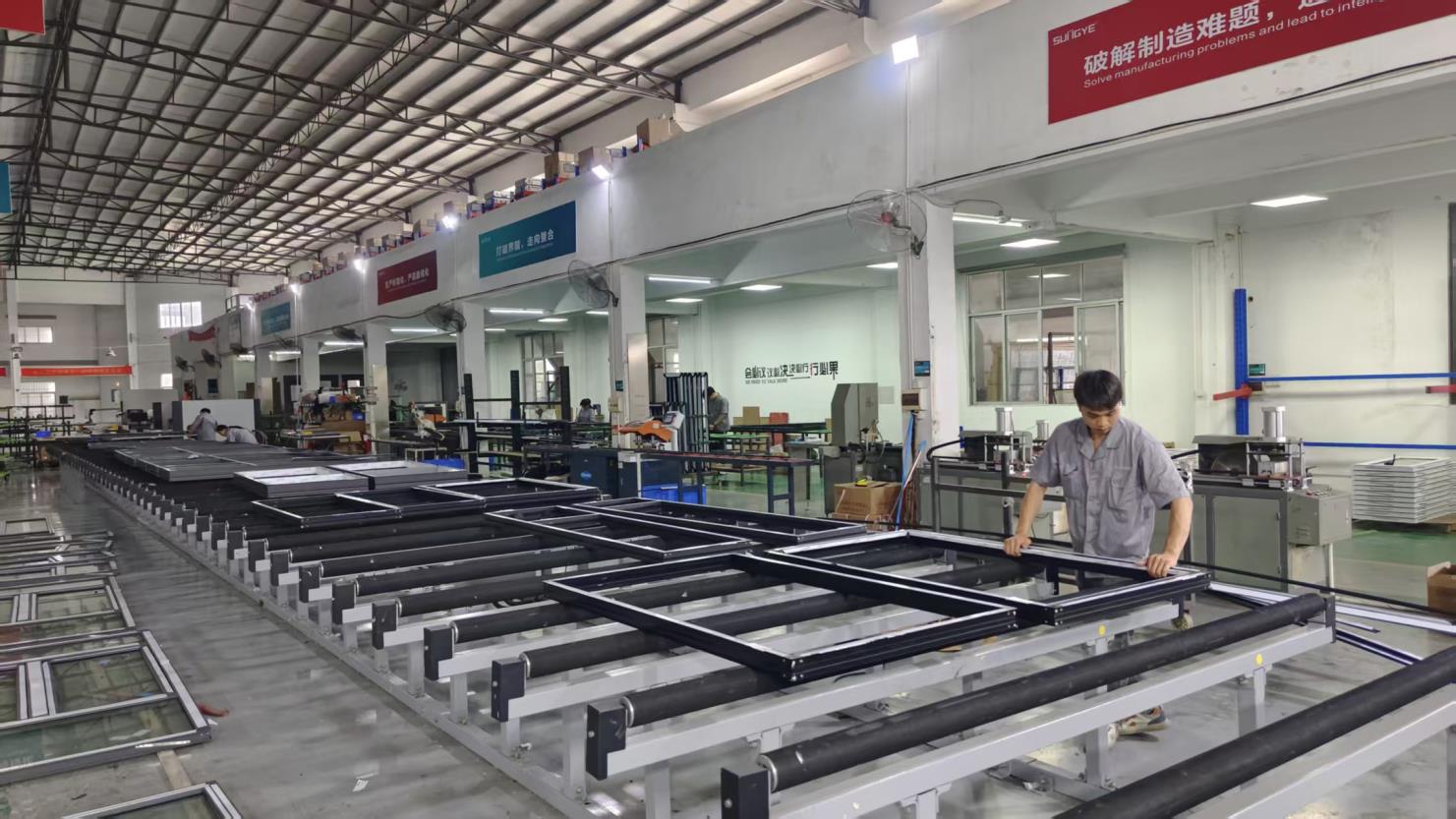 Hardware Integration
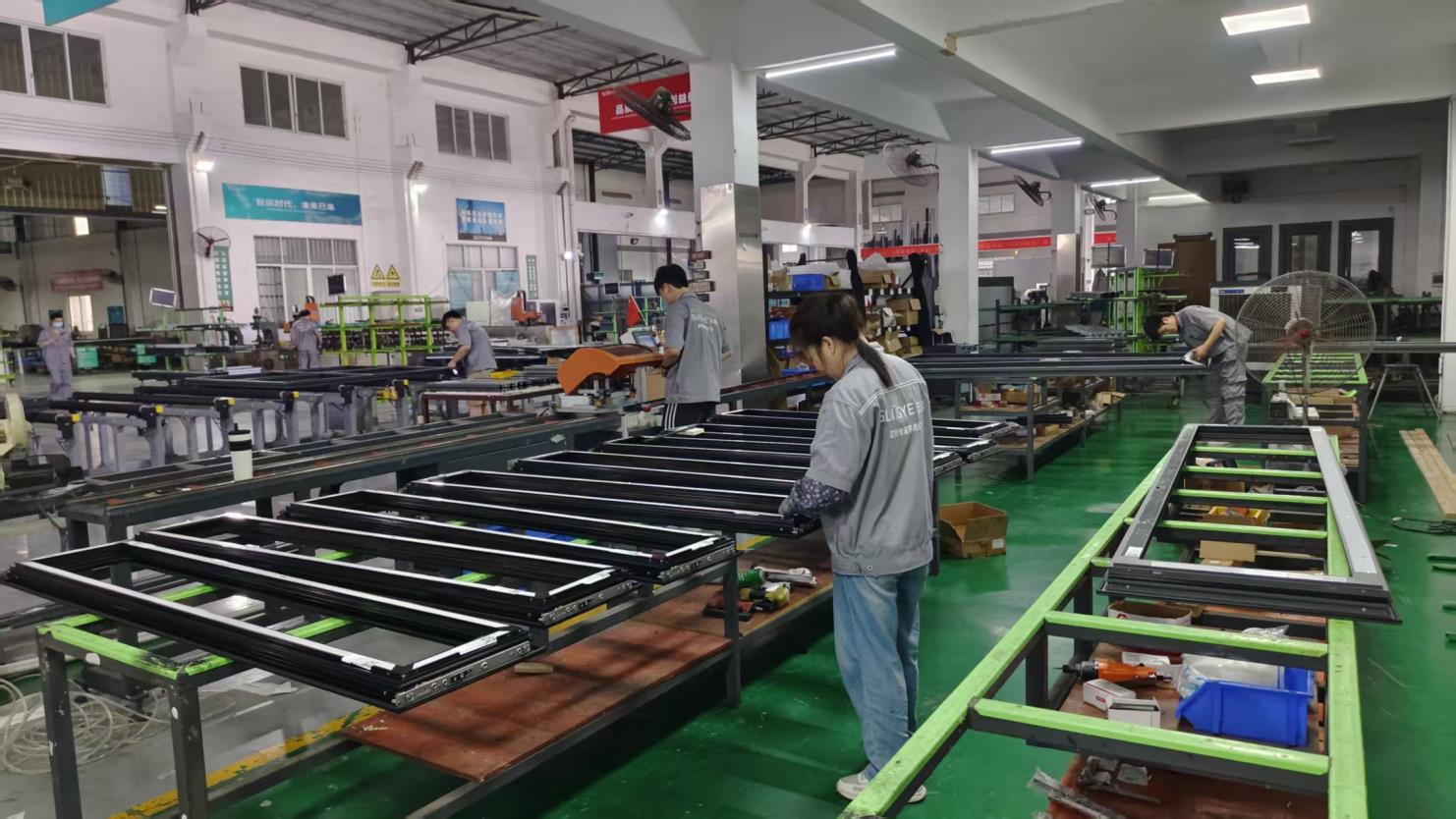 Sash Assembly Line
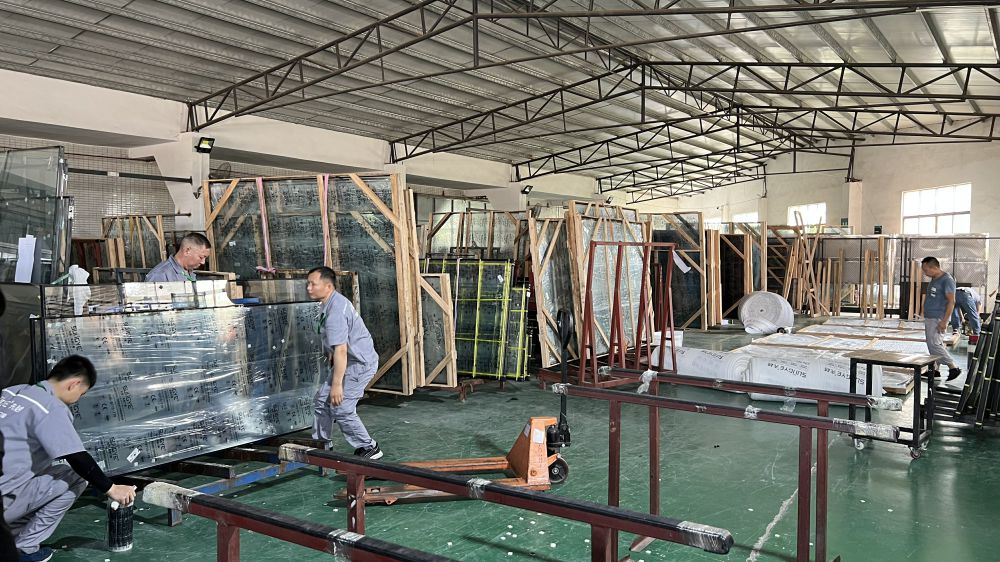 Glass Glazing & Sealing
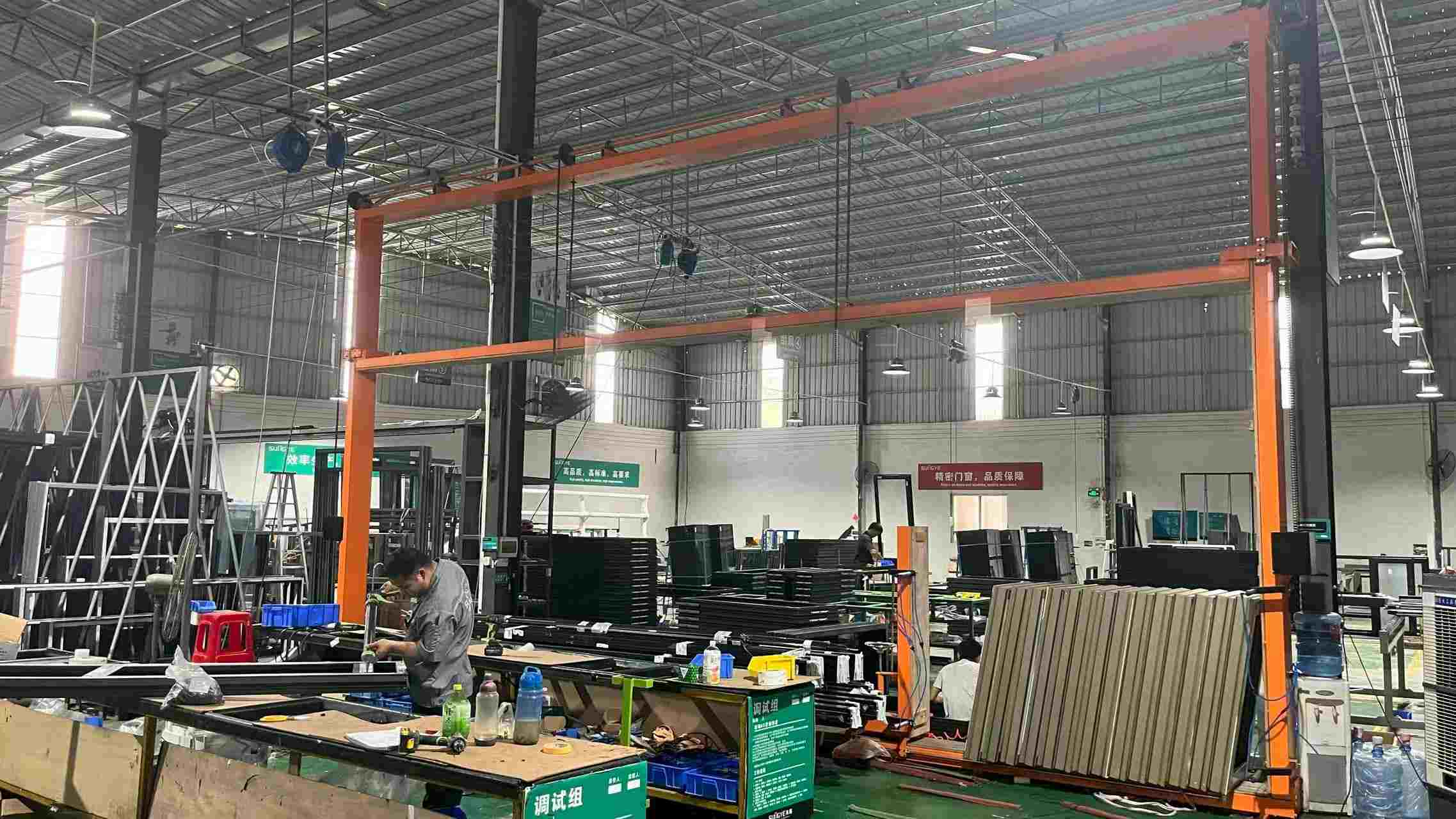 Quality Debugging & Testing
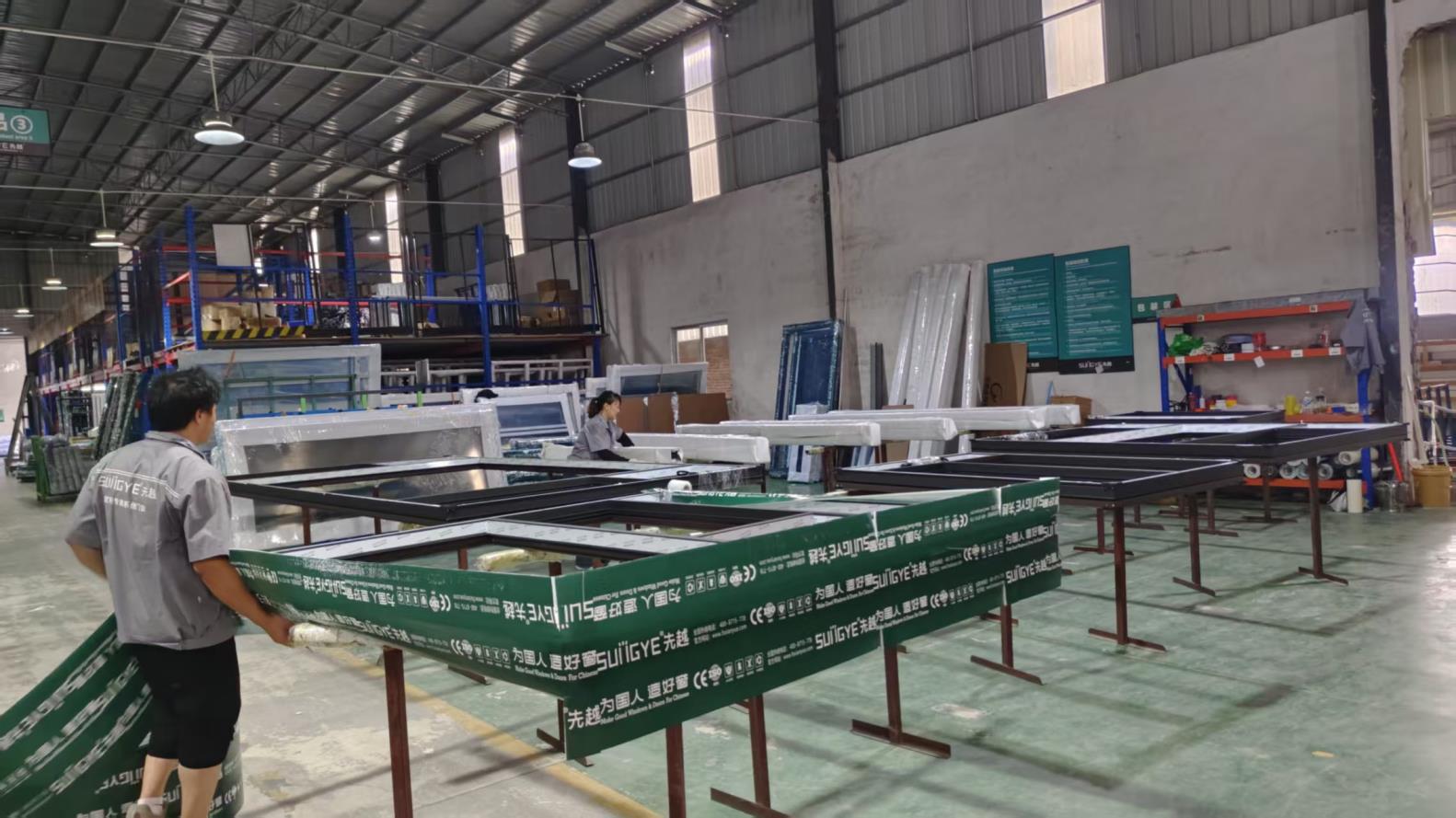 Protective Export Packaging
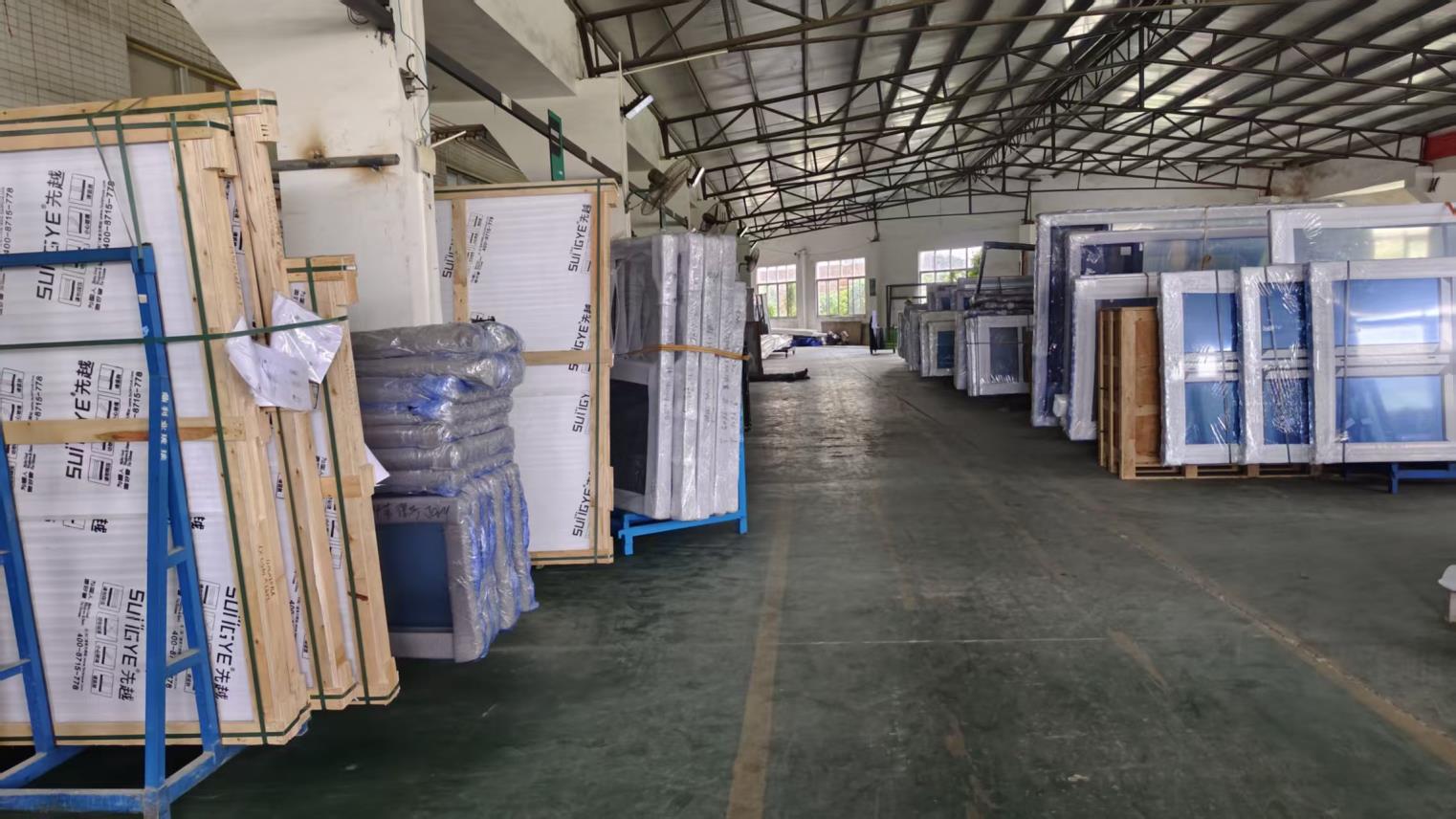 Logistics & Warehouse
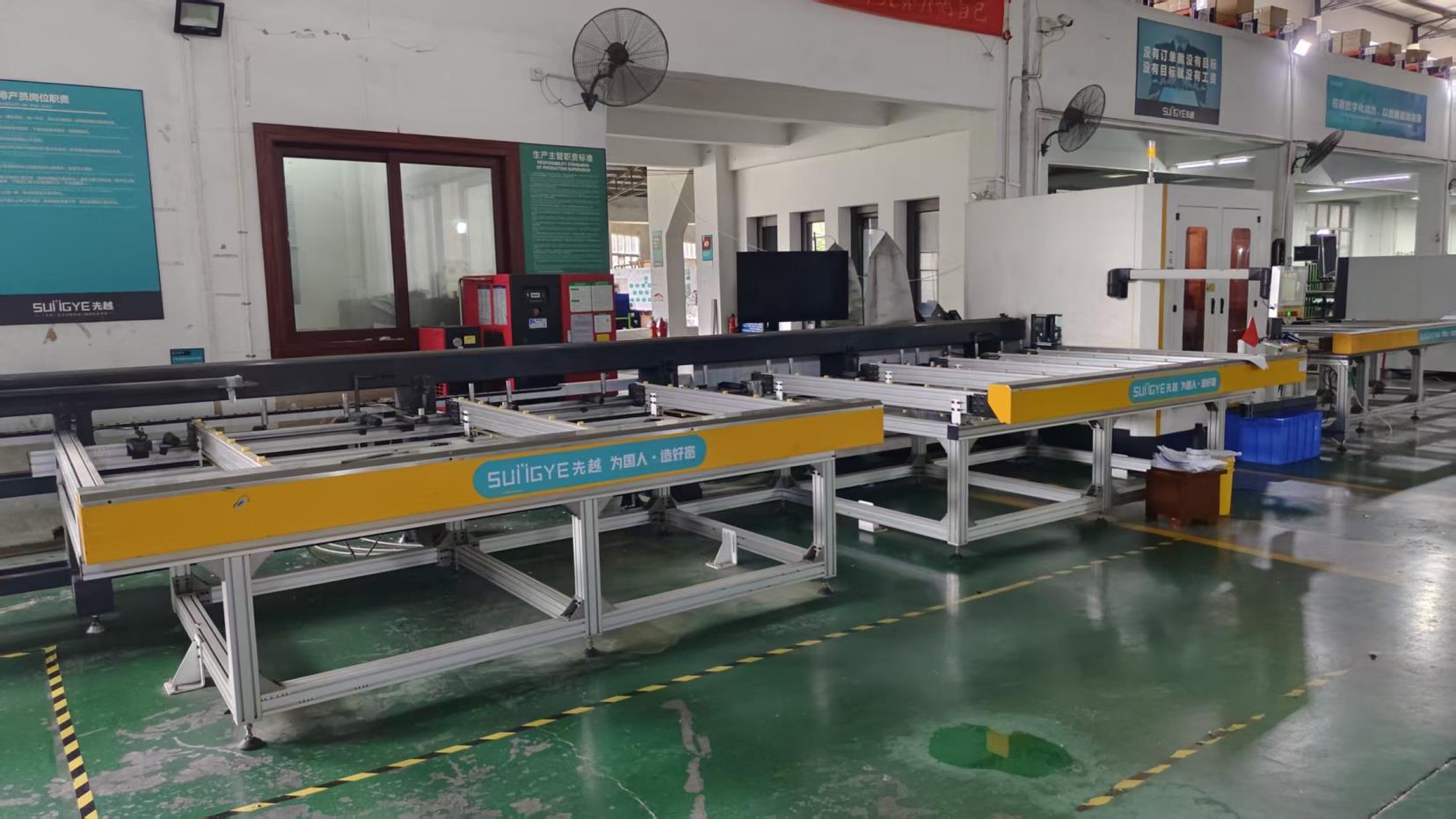 Automatic CNC Cutting Machine
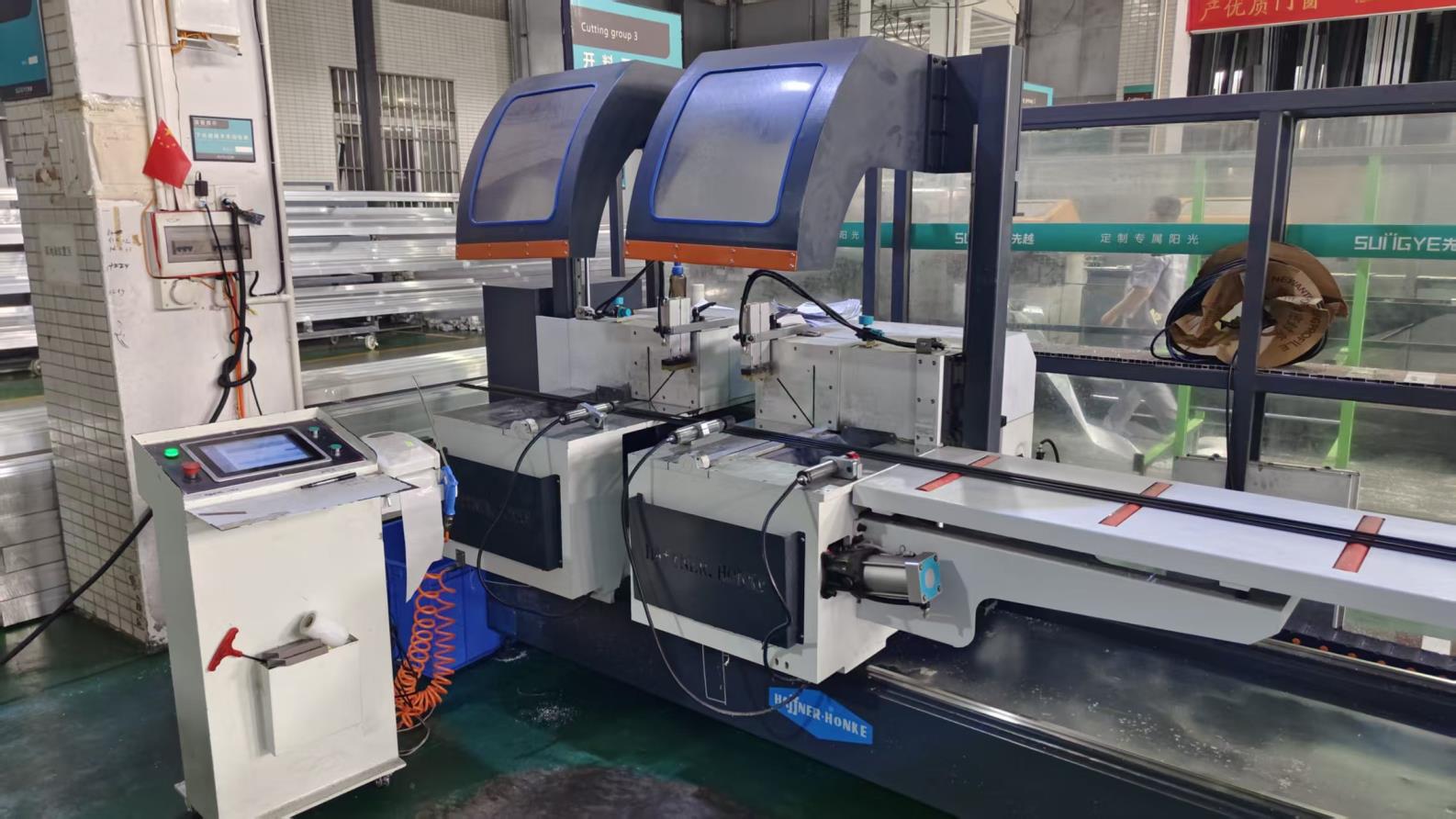 Heavy Duty Cutting Machine
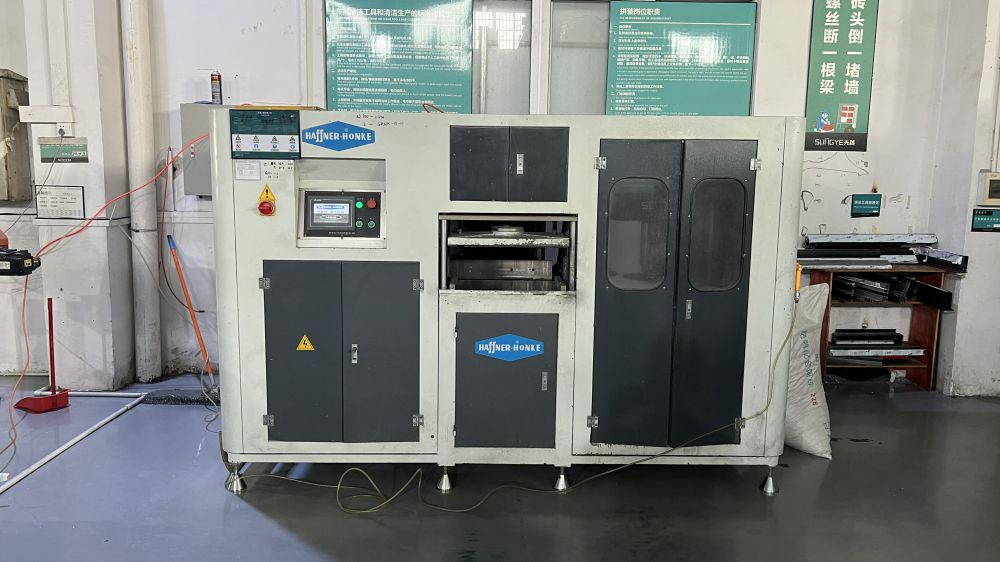 CNC Face Milling Center
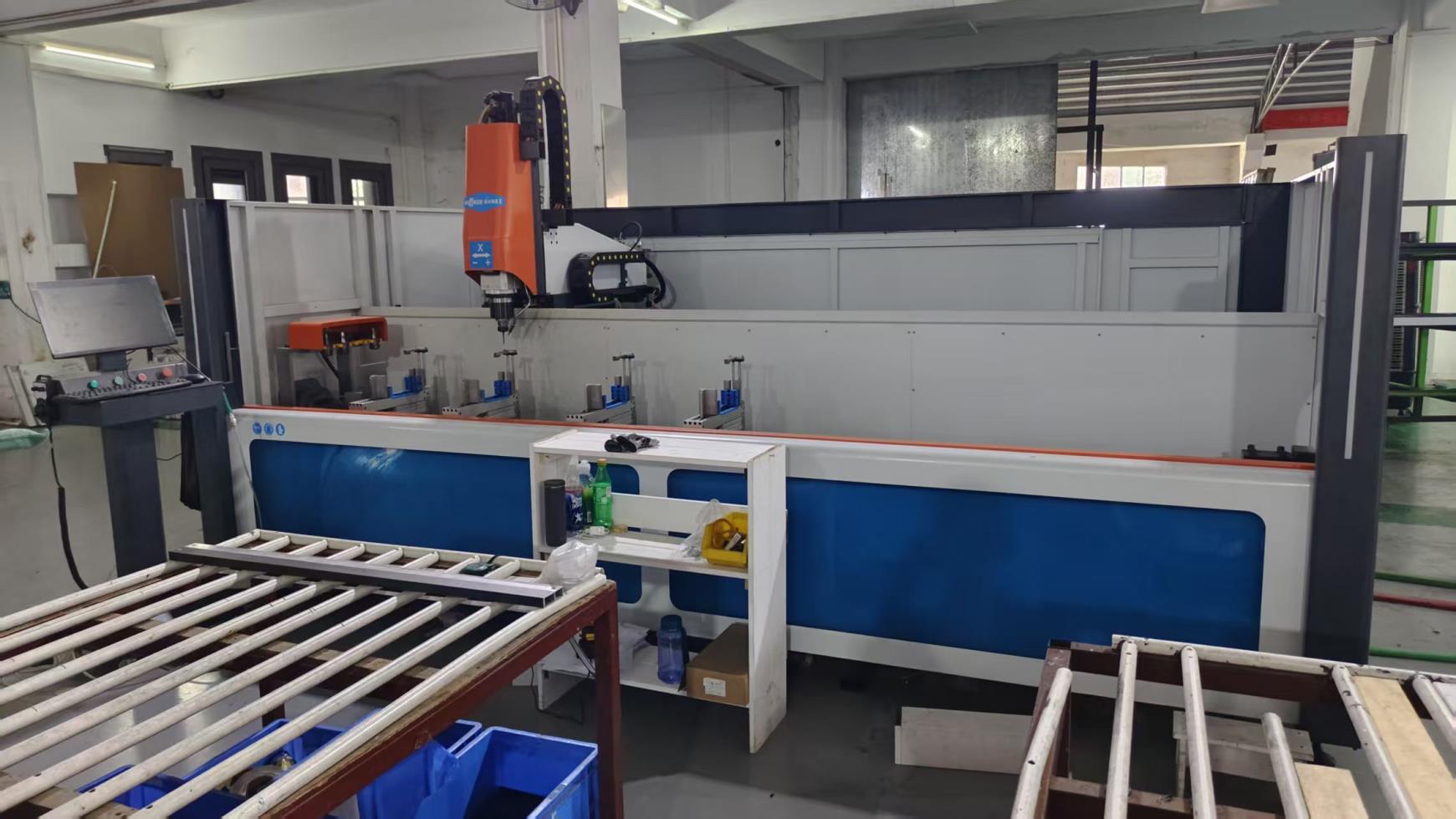 Multi-Spindle Drilling Machine
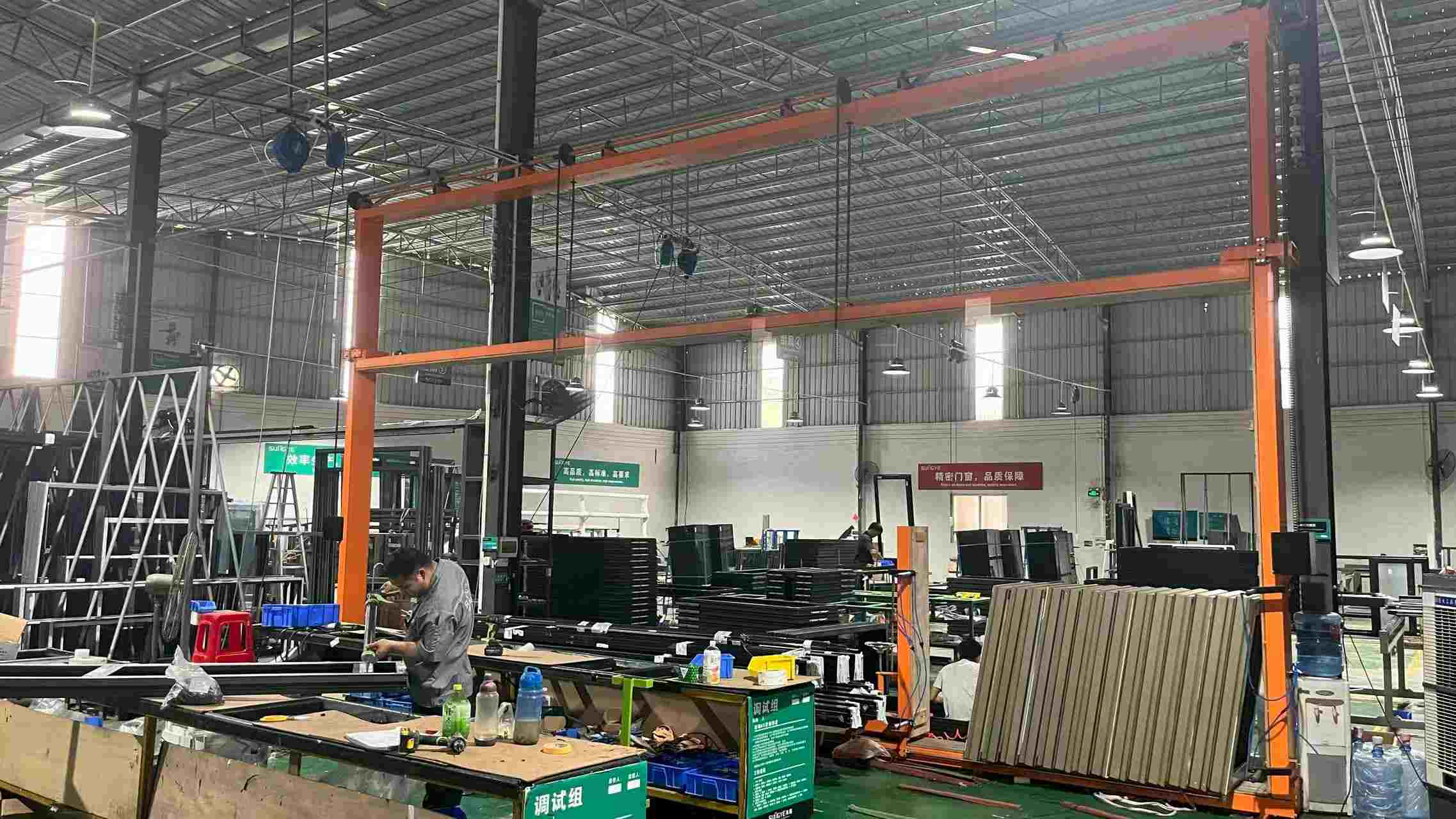 Calibration & Testing Rig
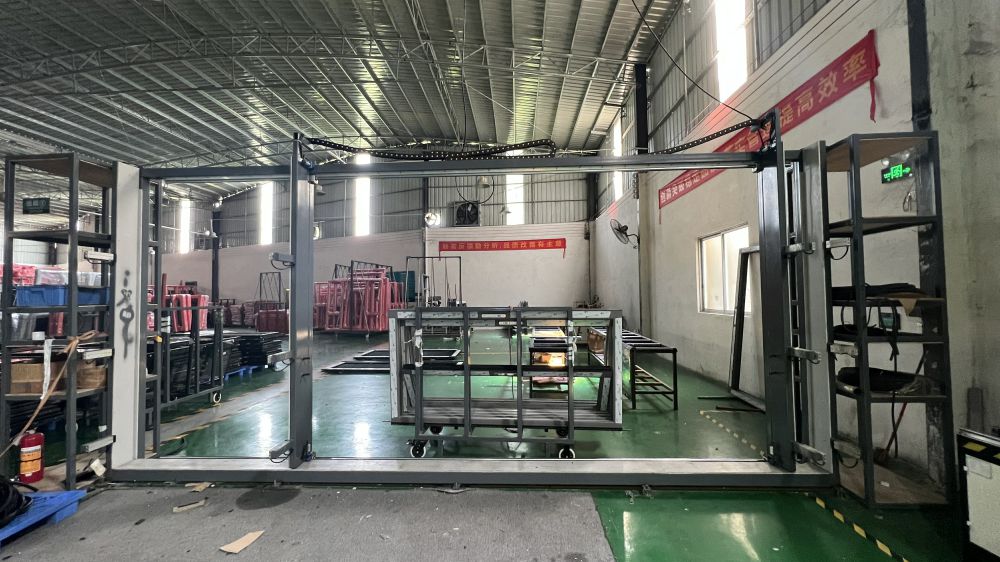 Precision Frame Debugging
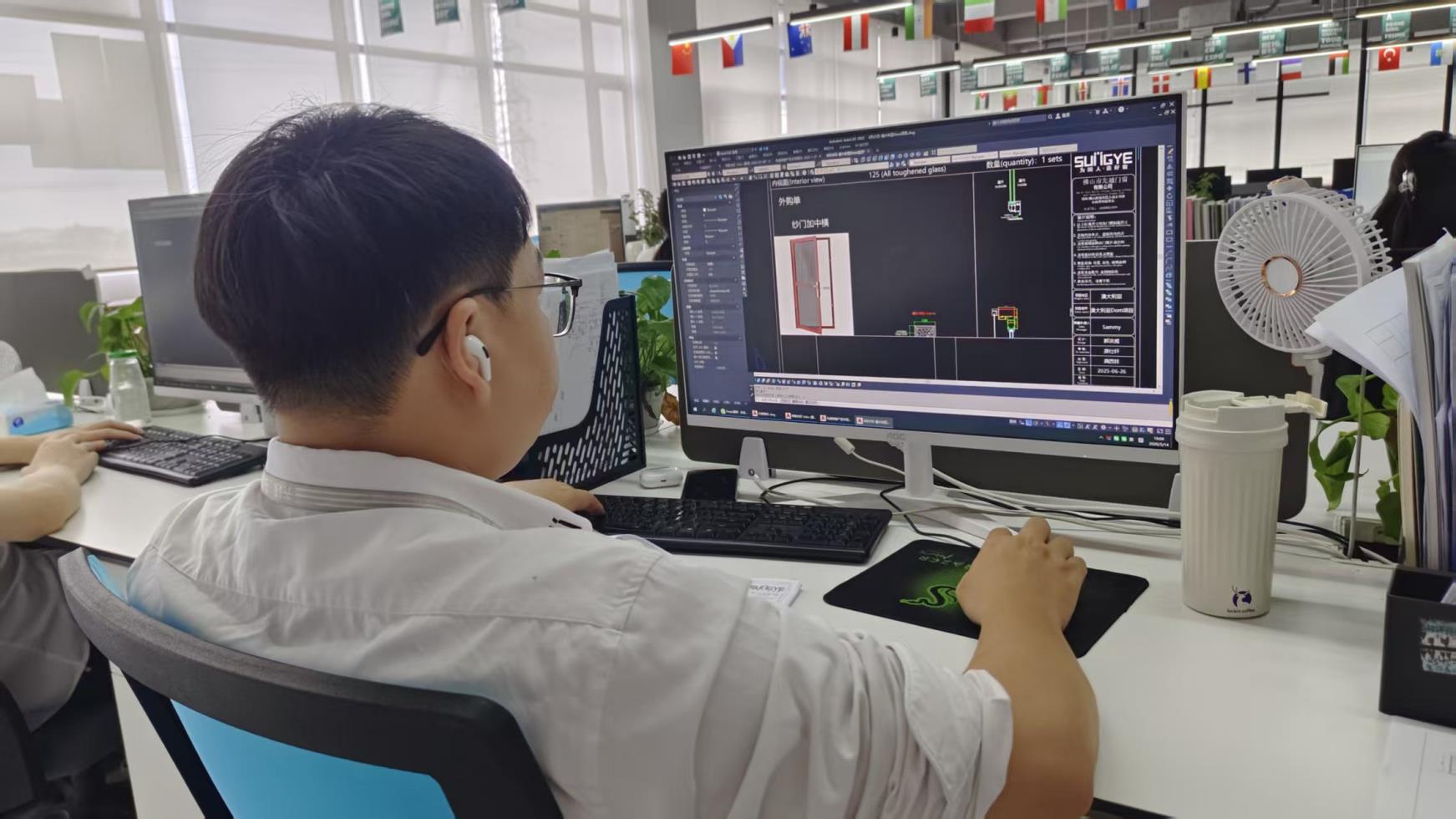 CAD Engineering & BIM Specs
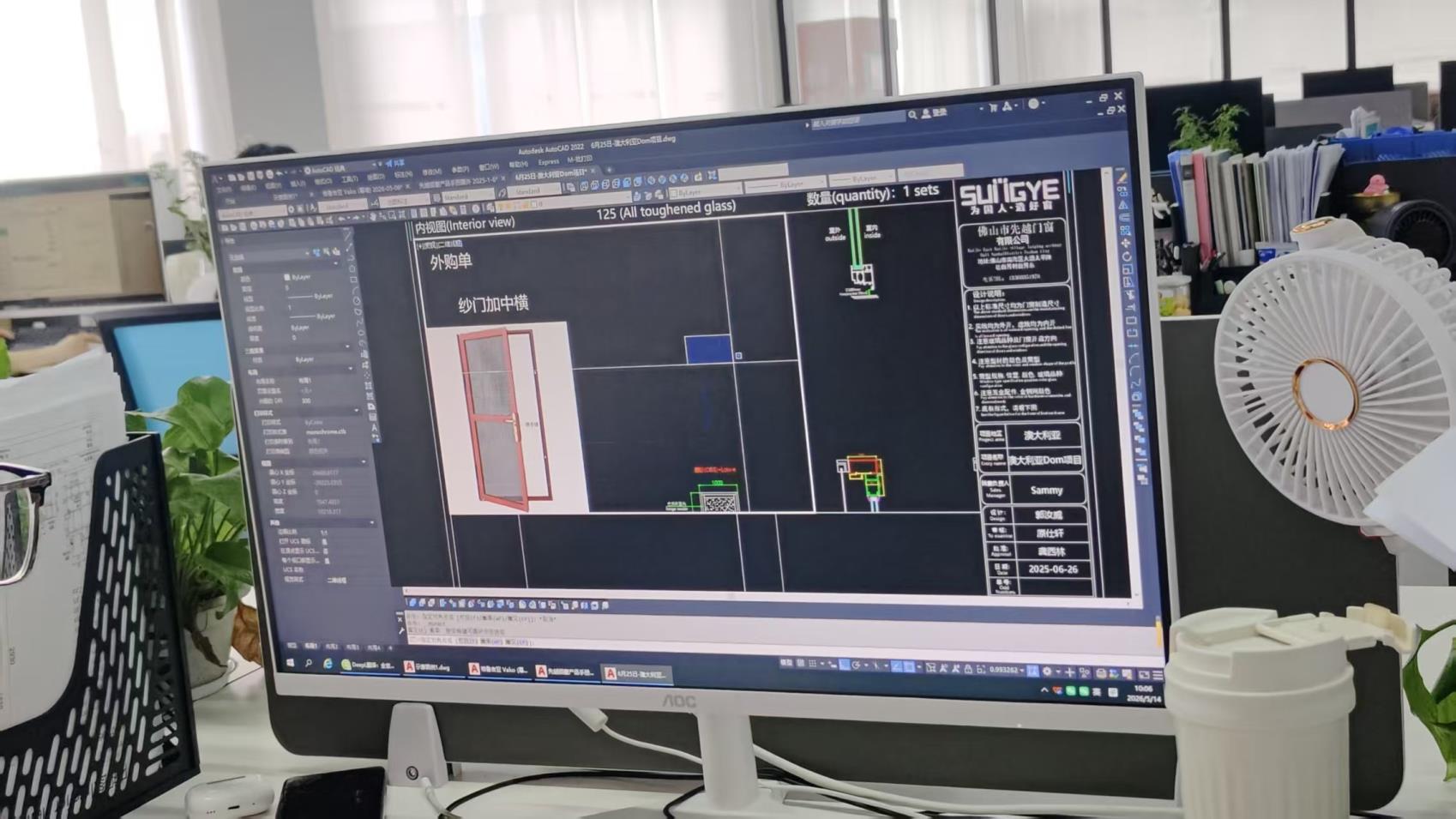 ERP System Scheduling
Aluminium casement windows are prioritized in modern construction due to their superior compression sealing mechanism compared to sliding systems. When closed, the casement sash is pressed firmly against the frame gaskets by multi-point lock hooks, delivering unmatched airtightness and acoustic isolation.
By integrating multi-cavity architectural profiles with PA66-GF25 thermal barrier strips, our casement systems eliminate thermal bridging. Combined with double or triple insulated glass units (IGU) featuring Warm Edge spacers, Low-E coatings, and 90% Argon gas fill, U-values reach down to 1.1 - 1.4 W/m²K, meeting stringent international green building codes.
Urban noise pollution poses a major health concern. Our triple-sealed continuous EPDM gasket design, coupled with asymmetric acoustic laminated glass (e.g., 6mm + 1.52PVB + 6mm glass configuration), achieves Sound Transmission Class (STC) ratings up to 42 dB, effectively dampening high-frequency street noise and airport acoustics.
Utilizing step-down pressure-equalized drainage channels and hidden drainage valves, our casement series prevents rainwater backflow even under heavy storm conditions. Rated for water penetration resistance up to 700 Pa and wind pressure up to 5500 Pa.
To combat severe coastal salt spray and UV degradation, profiles are treated with AkzoNobel or PPG powder coatings, Fluorocarbon (PVDF) spraying (20-year non-fading guarantee), or high-density anodizing conforming to Qualicoat and Qualanod international standards.
Navigating international building regulations requires comprehensive certification verification. Cresta supports global developers and importers by manufacturing strictly according to localized architectural standards.
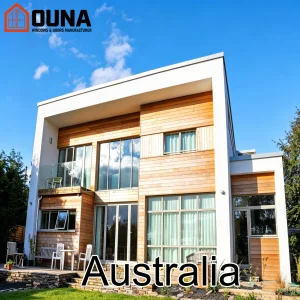
Full compliance for structural deflection, air infiltration, water penetration, and ultimate strength testing certified for Oceania markets.
Thermal transmittances (SHGC, U-Factor, VT) verified according to National Fenestration Rating Council guidelines for US/Canada residential codes.
Mandatory European standards covering hazardous substance safety, wind load resistance, and acoustic performance ratings.
Impact-resistant window configurations using SGP laminated glass engineered to withstand missile impact tests.
As smart buildings and ultra-low energy architecture (Passivhaus standard) become global norms, Cresta’s R&D division (35 specialized engineers) is advancing window system engineering across four key frontiers:
Incorporating nanoporous silica aerogel into thermal break chambers to achieve frame U-values below 0.8 W/m²K, paving the way for net-zero carbon building envelopes.
Developing translucent solar glazing casement sashes that generate clean electricity while maintaining optimal indoor visual comfort and light transmission.
Integrating concealed electronic actuators compatible with KNX and Tuya smart home ecosystems for automated wind/rain closure and night-purge ventilation management.
Engineering invisible sash profiles that align seamlessly with exterior facade cladding, maximizing daylight coefficient while maintaining high structural rigidity.
Standard production lead time is 25 to 35 calendar days following shop drawing approval and deposit confirmation. For large-scale project orders requiring custom extrusion dies or specialized anodizing finishes, lead times range between 35 to 45 days.
Our 30-person Quality Control team enforces a strict 5-stage inspection protocol: 1) Spectro-analysis of raw aluminum billets, 2) Dimensional tolerance checks post-CNC cutting, 3) Surface finish optical inspections, 4) Corner joint tension testing, and 5) Water-tightness and air-tightness pressure chamber testing prior to automated export packaging.
Yes. Cresta’s casement windows and doors are tested and certified to comply with AS2047 and AS1288 Australian standards, including deflection, air infiltration, water penetration, and ultimate strength performance requirements.
Outward-opening casements save interior room space and provide superior water tightness during driving rain as wind pressure pushes the sash tighter against the frame gaskets. Inward-opening casements (often configured as Tilt & Turn) allow easier glass cleaning from inside high-rise buildings and are highly favored in European building codes.
We supply a broad range of glass configurations including Double Glazed IGUs (5mm+12Ar+5mm Low-E), Triple Glazed units for extreme cold climates, and Laminated Impact Glass (6mm + 1.52 PVB/SGP + 6mm) for acoustic soundproofing and hurricane resistance.
Our typical minimum order quantity is 100 square meters or 1x20GP container. However, for project developers and trial commercial orders, flexible batch sizing can be arranged through our sales engineering team.
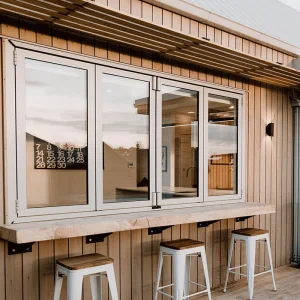
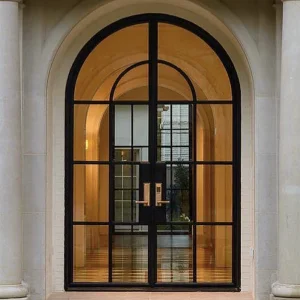
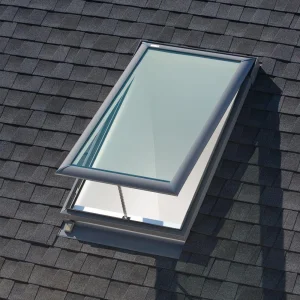
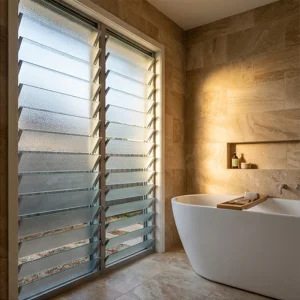
Explore additional high-performance window systems, skylights, and custom entrance doors from Cresta’s global wholesale catalog.
 Cresta Window Tech