Precision-Engineered Architectural Window & Door Solutions Built for Thermal Efficiency, Structural Integrity, and Global Regulatory Compliance.
Explore our flagship certified double-glazed profiles engineered for commercial projects and luxury residential developments.
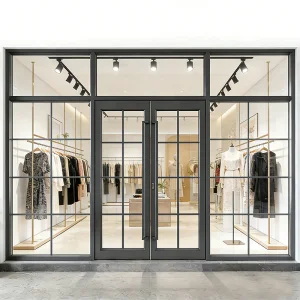
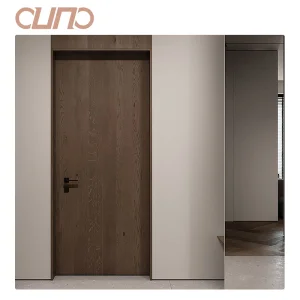
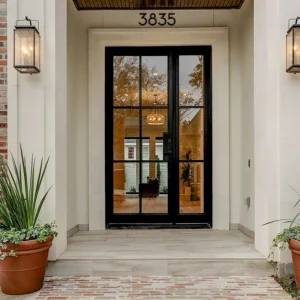
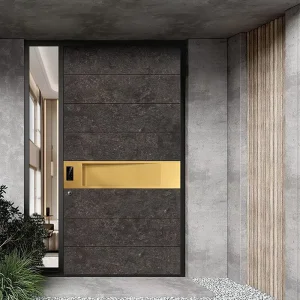
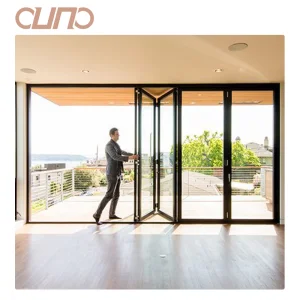
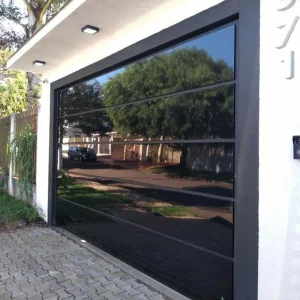
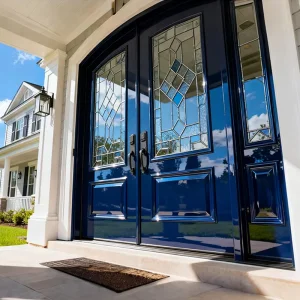
Strategic Insights for Custom Builders, Commercial Contractors, and Architectural Distributors
Modern commercial architecture demands high window-to-wall ratios (WWR) while maintaining strict net-zero carbon footprints. Aluminium double-glazed systems form the backbone of modern building envelopes due to their structural rigidity and modular versatility.
International building codes are enforcing stricter thermal insulation benchmarks ($U\text{-factor} \le 1.4 \text{ W/m}^2\text{K}$). Importers and developers require OEM partners capable of engineering multi-chamber thermal break profiles that satisfy regional requirements.
Off-the-shelf fenestration solutions fail to satisfy localized climatic demands. Custom OEM manufacturing enables tailored extrusions, specified glass coatings (Low-E, solar control), hardware integration, and bespoke surface finishes.
According to global architectural trends, double-glazed aluminium systems reduce building HVAC operational energy consumption by up to 35% compared to single-pane or non-thermal break profiles. Selecting the right OEM supplier with certified thermal-break technology directly impacts long-term asset value and carbon compliance ratings.
Deep Technical Breakdown of High-Performance Double-Glazed Aluminium Systems
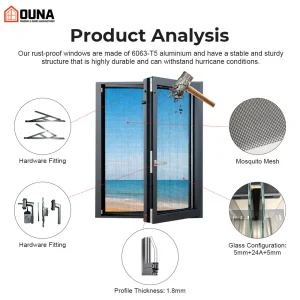
Our aluminum profiles utilize high-grade 6063-T5/T6 structural alloys. Thermal isolation is achieved using Technoform Polyamide (PA66-GF25) reinforced with 25% glass fiber, preventing conductive heat transfer across interior and exterior aluminium faces.
We manufacture state-of-the-art IGU double-glazed units featuring argon gas filling, warm-edge spacers, and double/triple silver Low-E soft-coat technology to optimize both visible light transmittance (VLT) and thermal isolation.
| Performance Parameter | Standard Specification | High-Performance OEM Custom | Test Standard / Certification |
|---|---|---|---|
| Thermal Transmittance (U-Value) | 2.2 - 2.8 W/m²K | 1.1 - 1.6 W/m²K | NFRC 100 / EN ISO 10077-2 |
| Solar Heat Gain Coefficient (SHGC) | 0.45 - 0.60 | 0.22 - 0.35 | NFRC 200 / ASTM E903 |
| Acoustic Insulation (STC / Rw) | 28 - 32 dB | 38 - 45 dB | ASTM E90 / ISO 10140 |
| Air Infiltration Resistance | Level 3 (75 Pa) | Level 8 (600 Pa / Class 4) | ASTM E283 / EN 12207 |
| Water Penetration Resistance | 250 Pa | 700 Pa (High Hurricane Rating) | ASTM E331 / EN 12208 |
| Structural Wind Load Capacity | 2.5 kPa | up to 5.0 kPa (DP60 - DP90) | ASTM E330 / AS4055 |
Guangzhou Cresta Door & Window Co., Ltd. - Precision Engineering At Scale
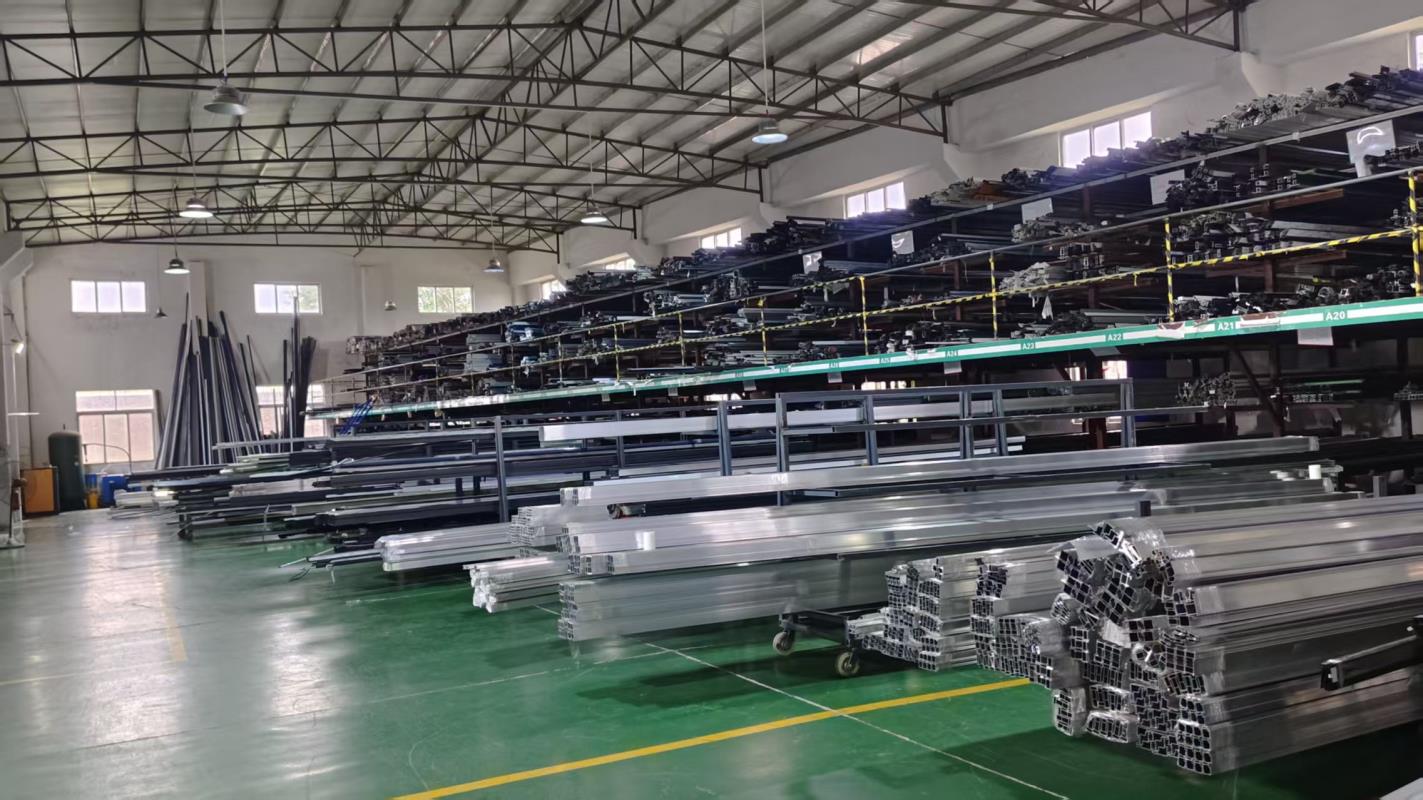
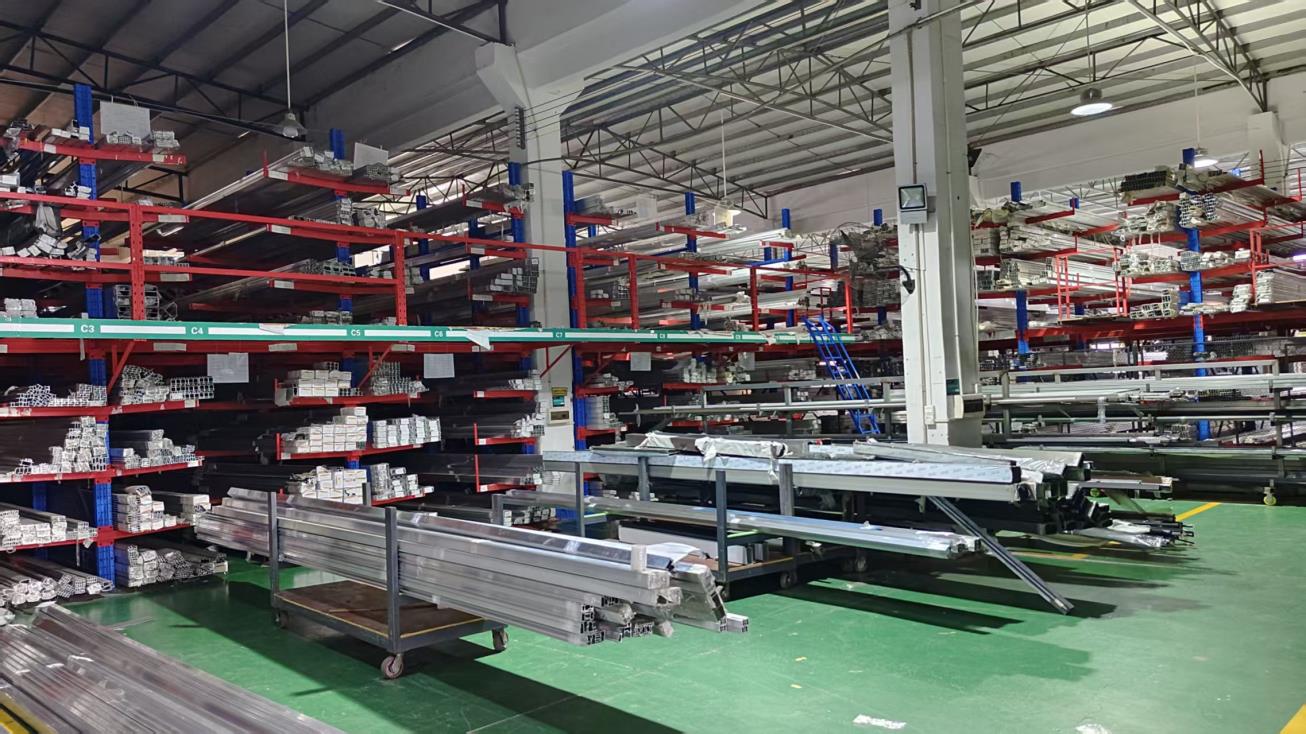
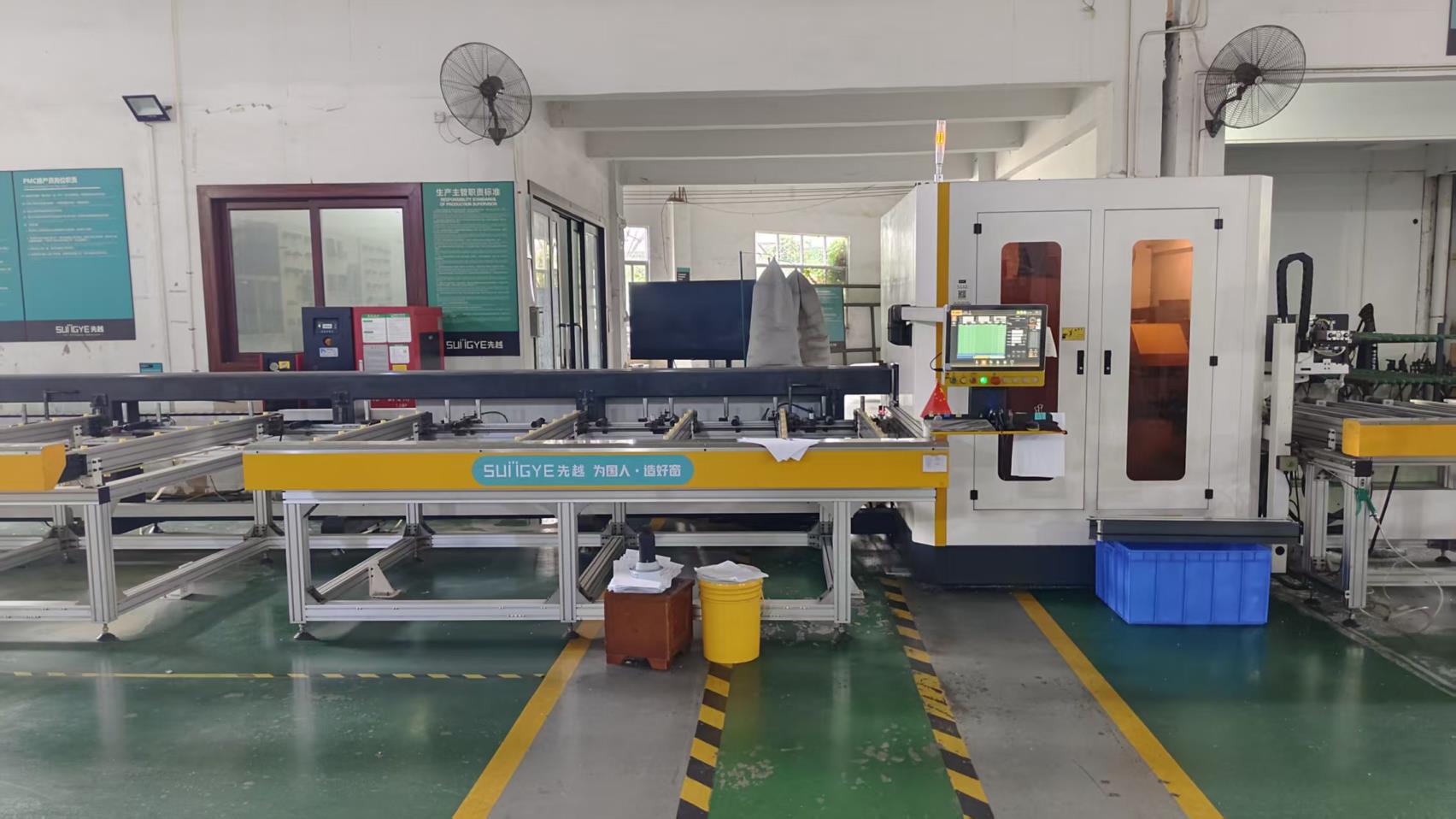
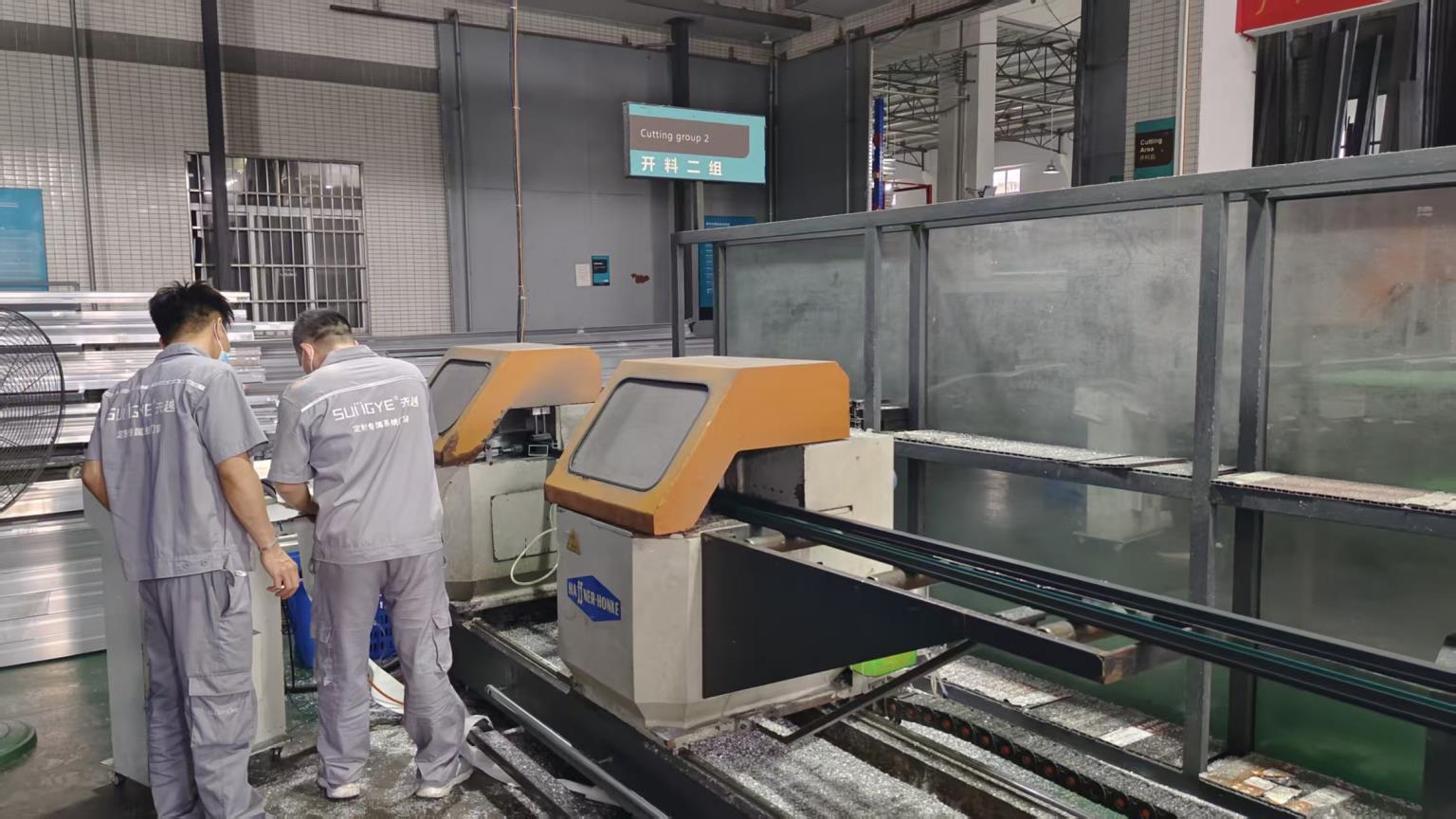
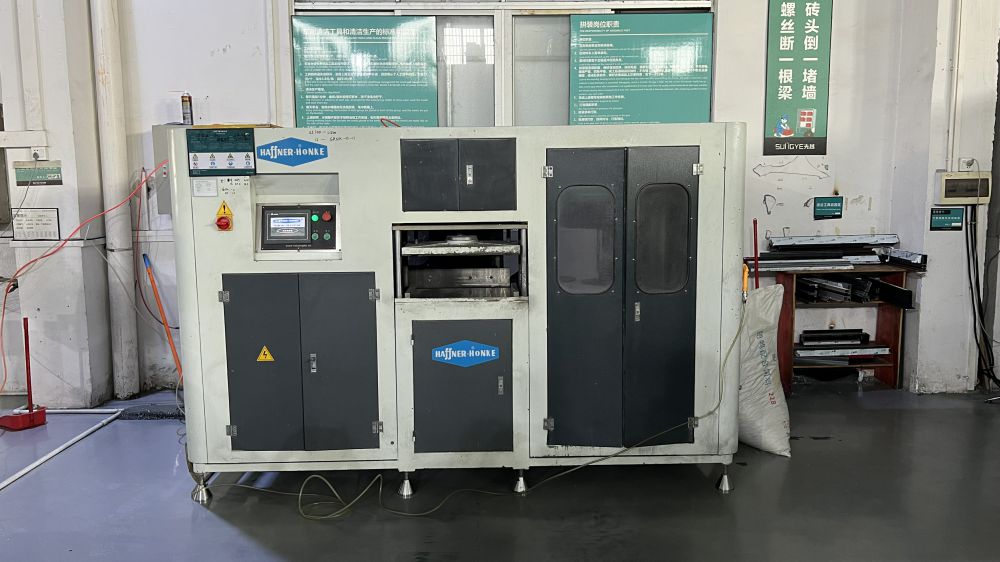
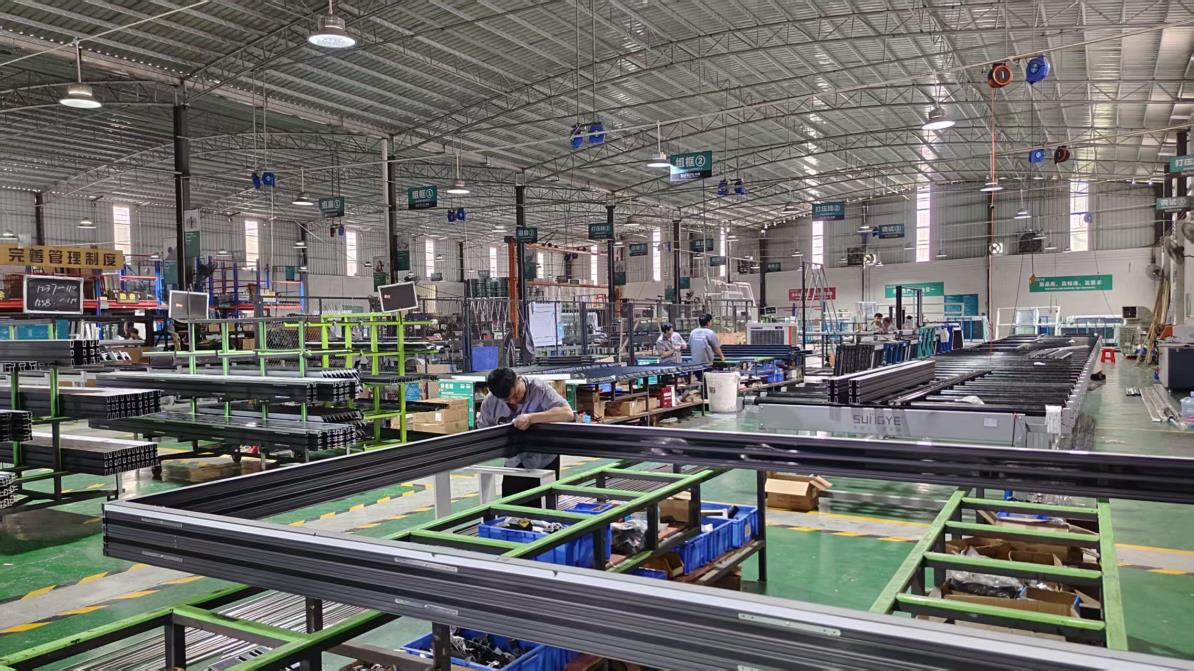
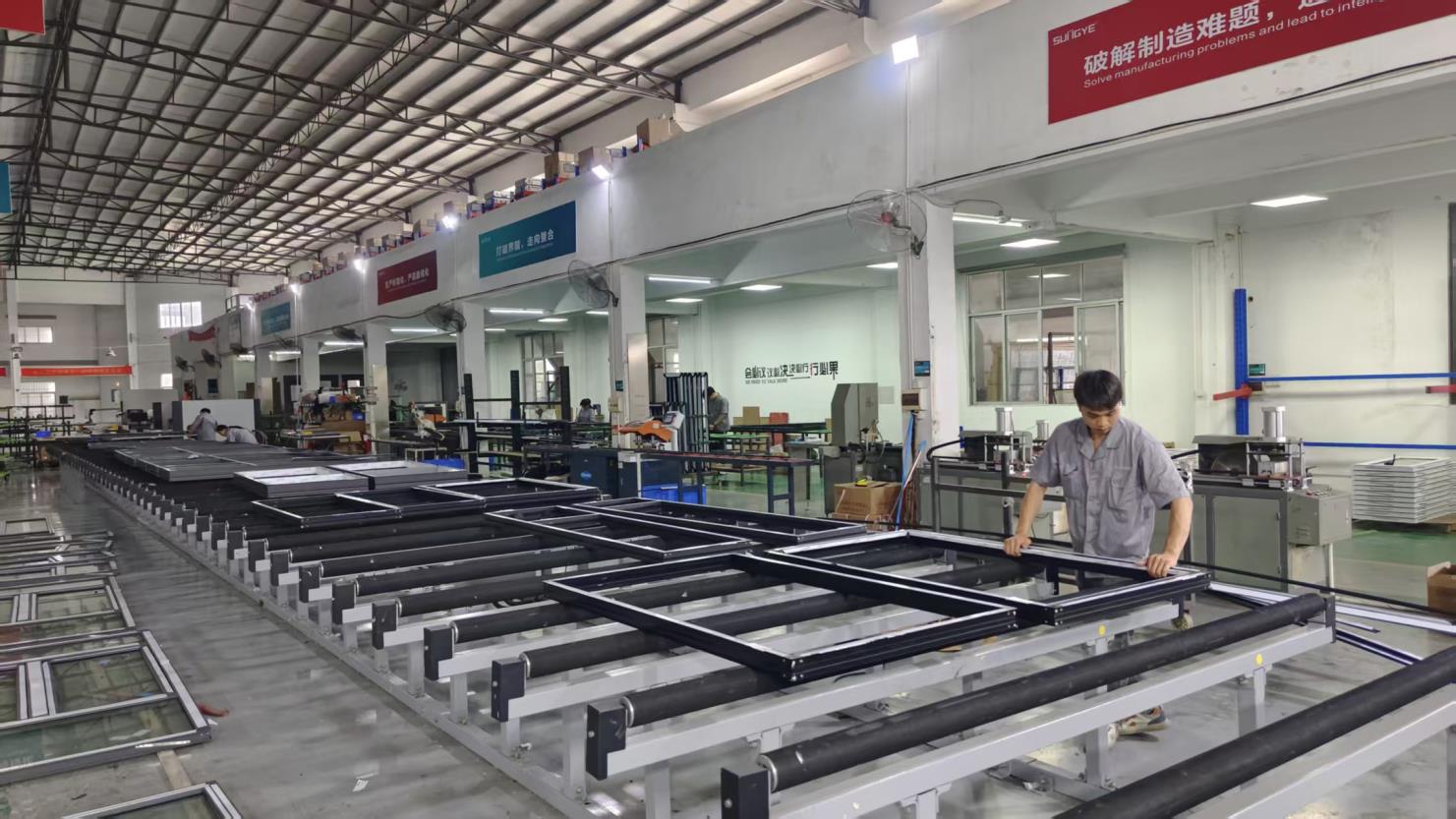
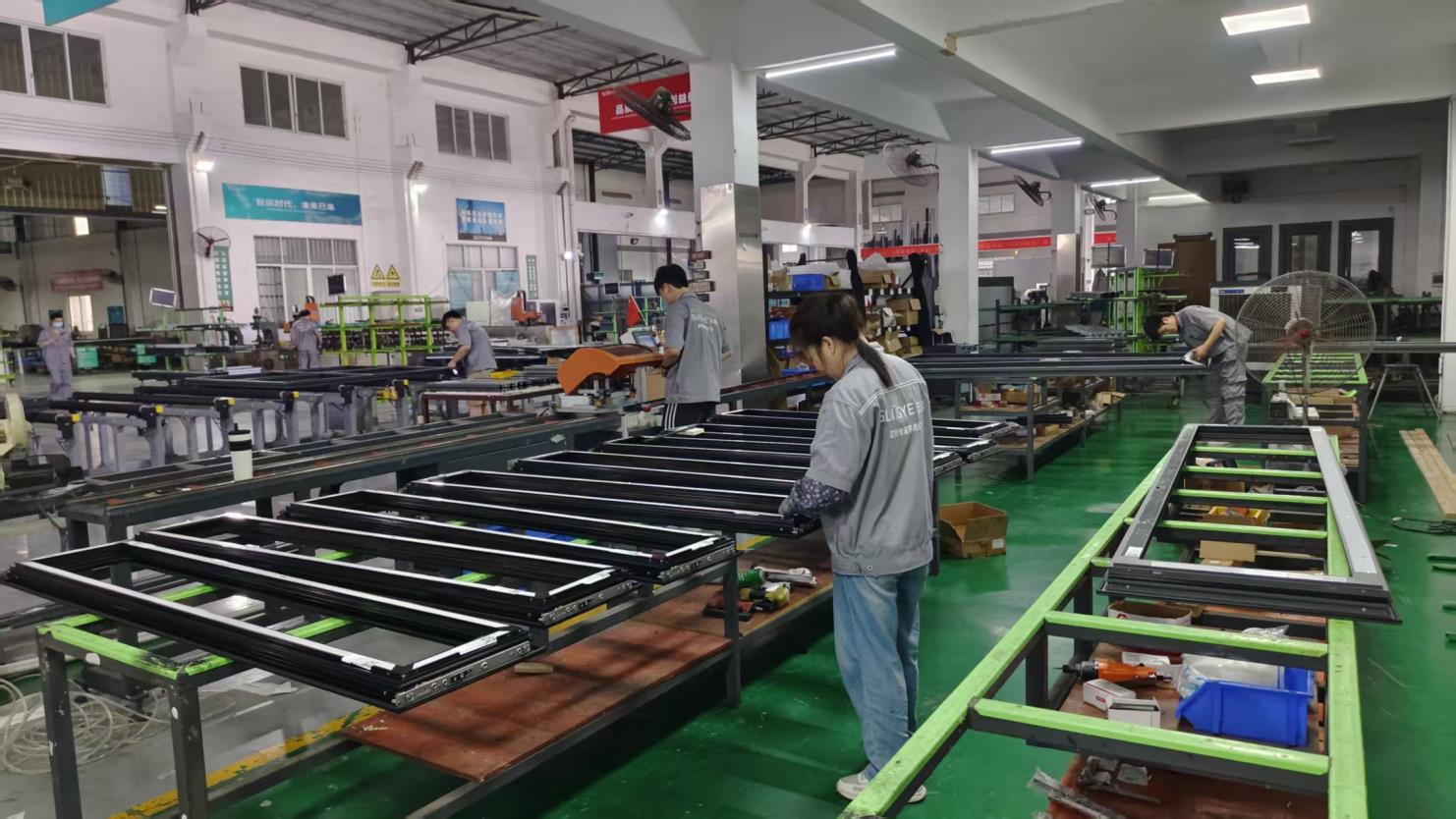
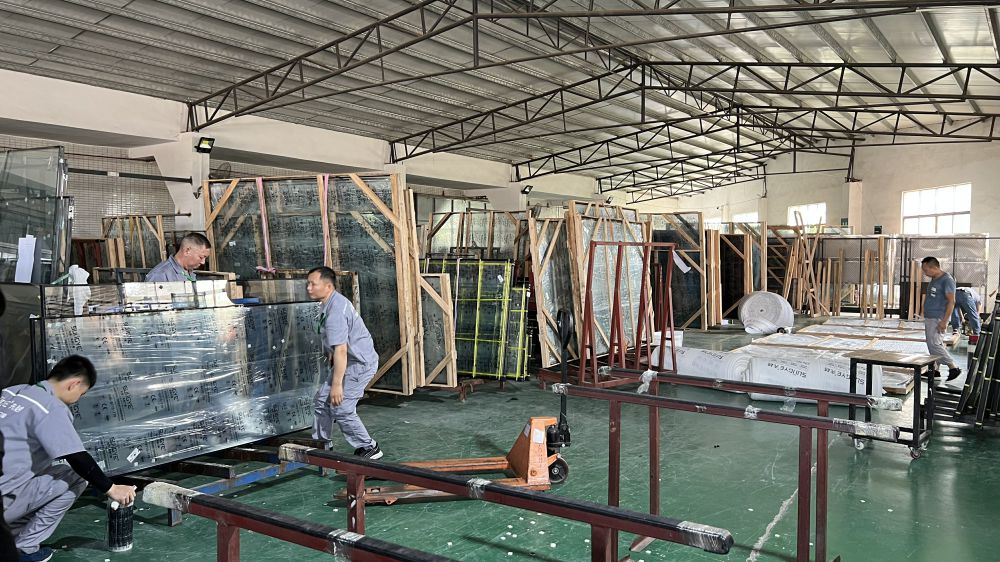
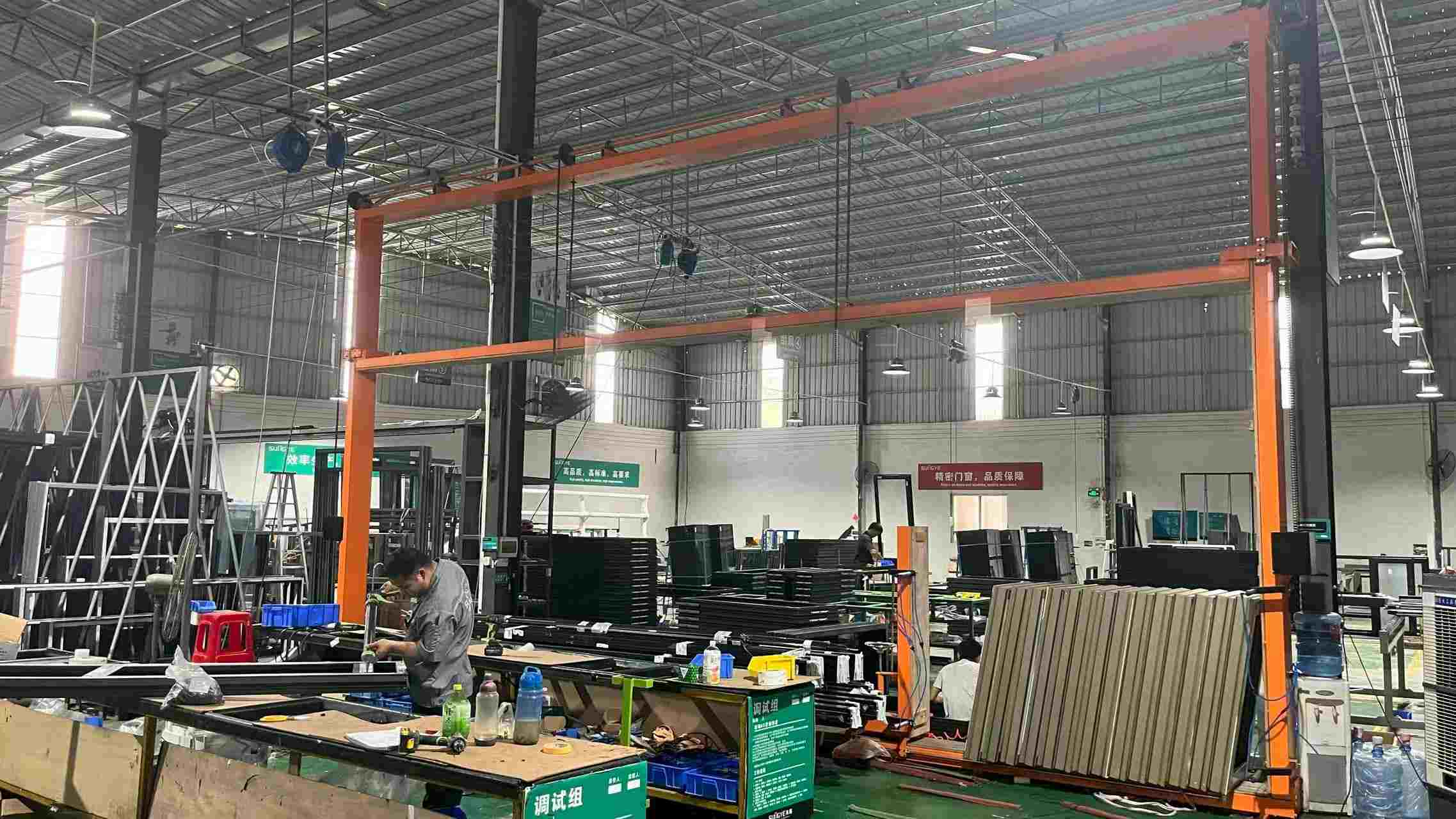
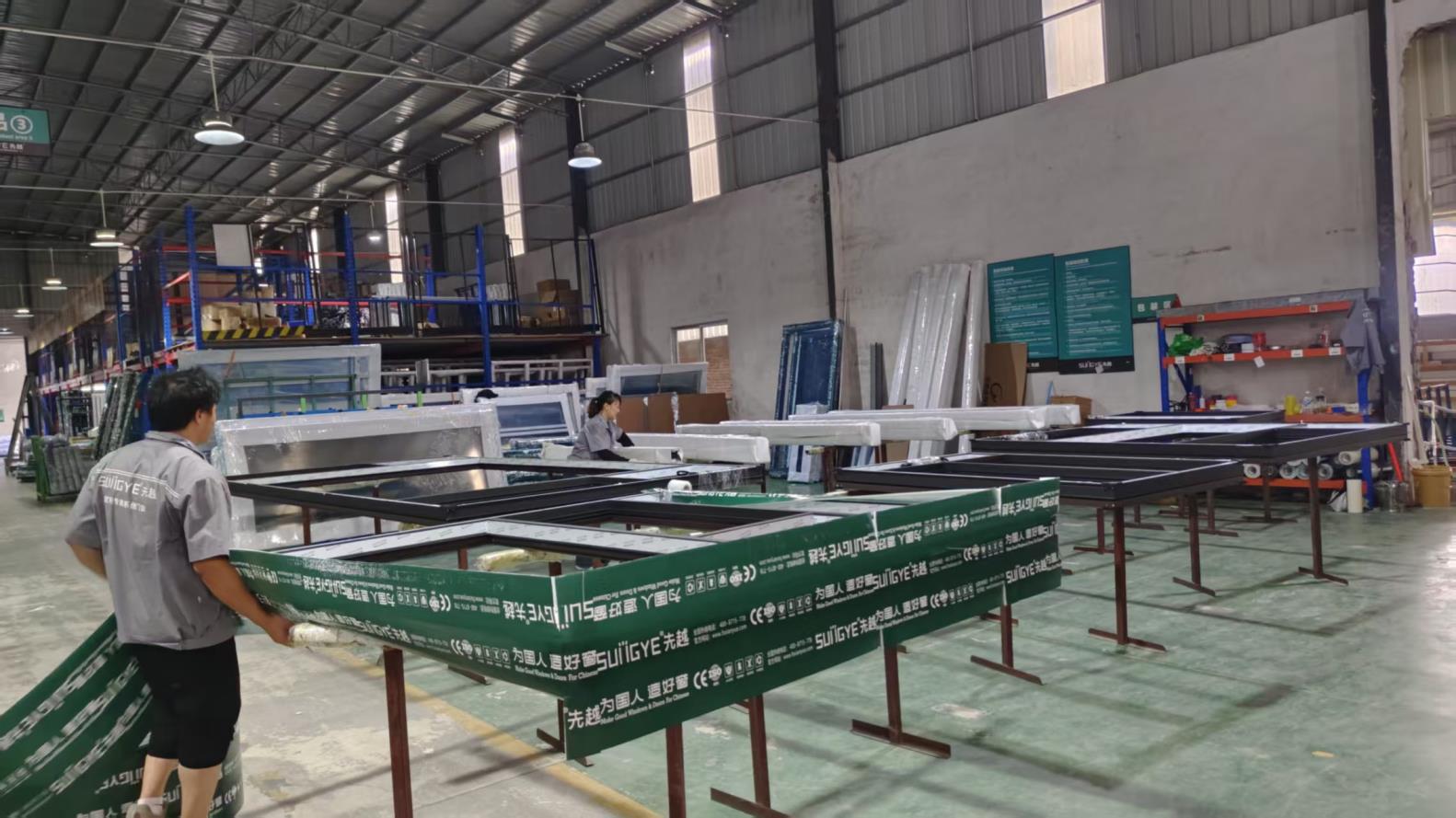
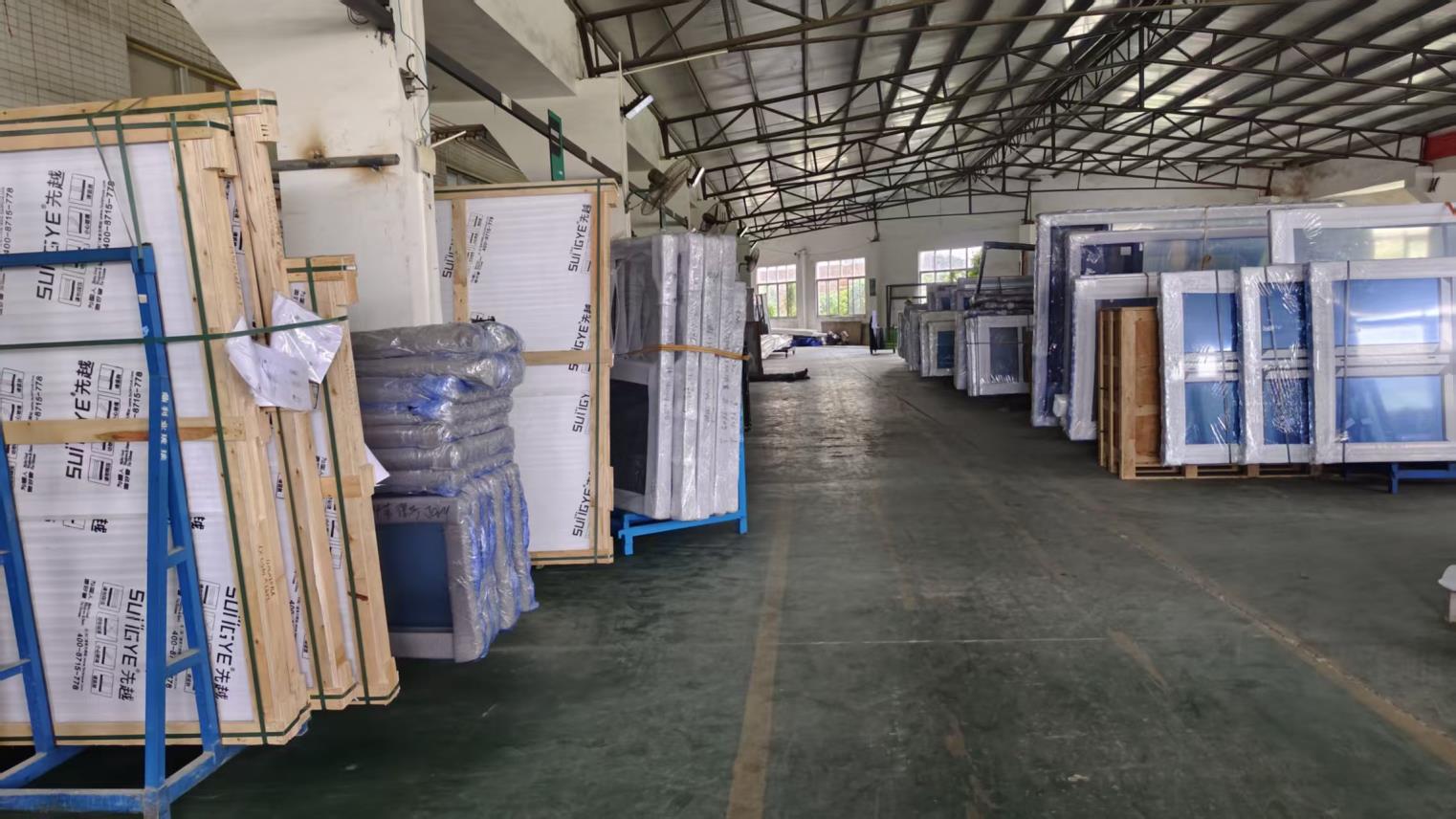
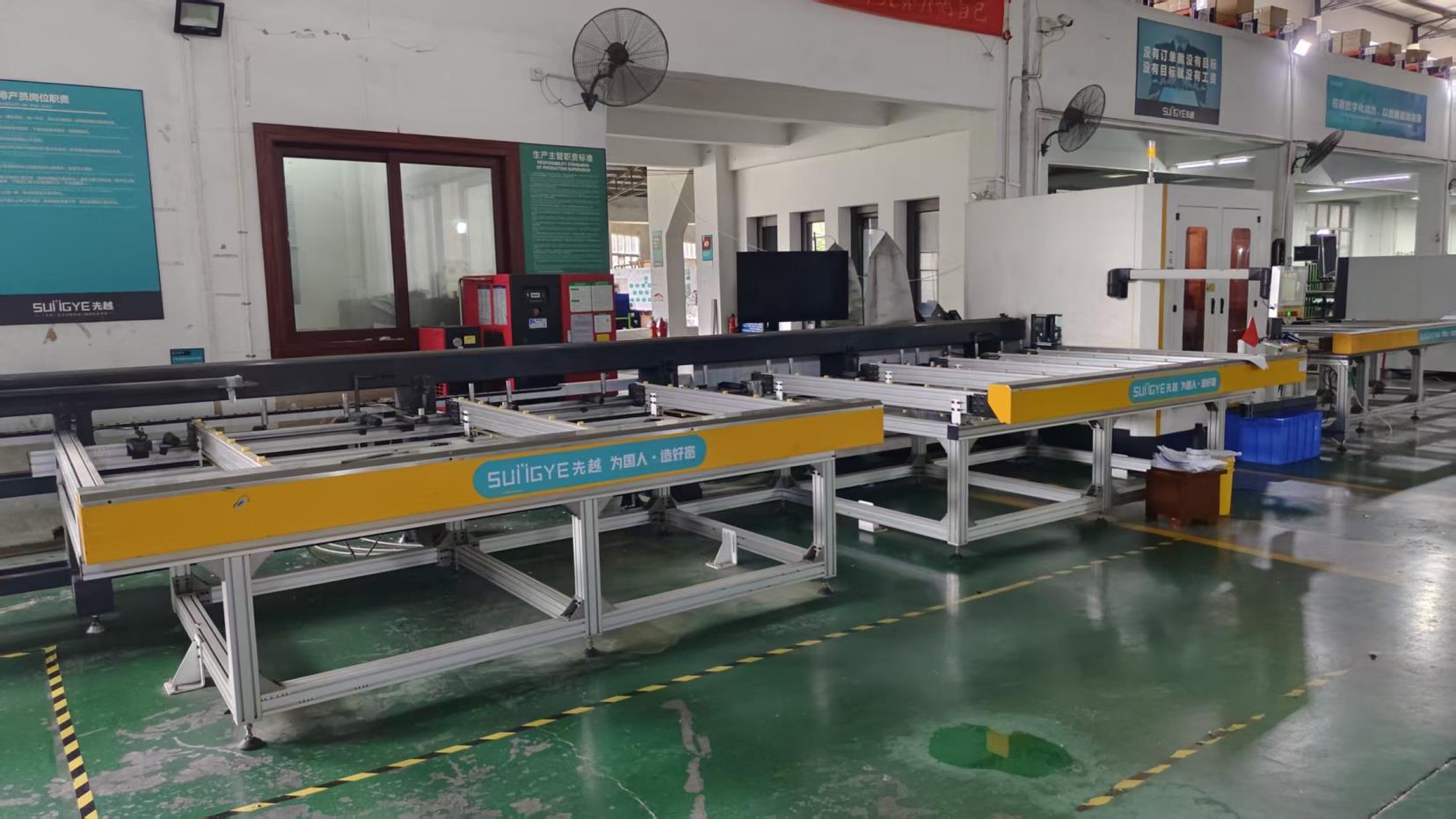
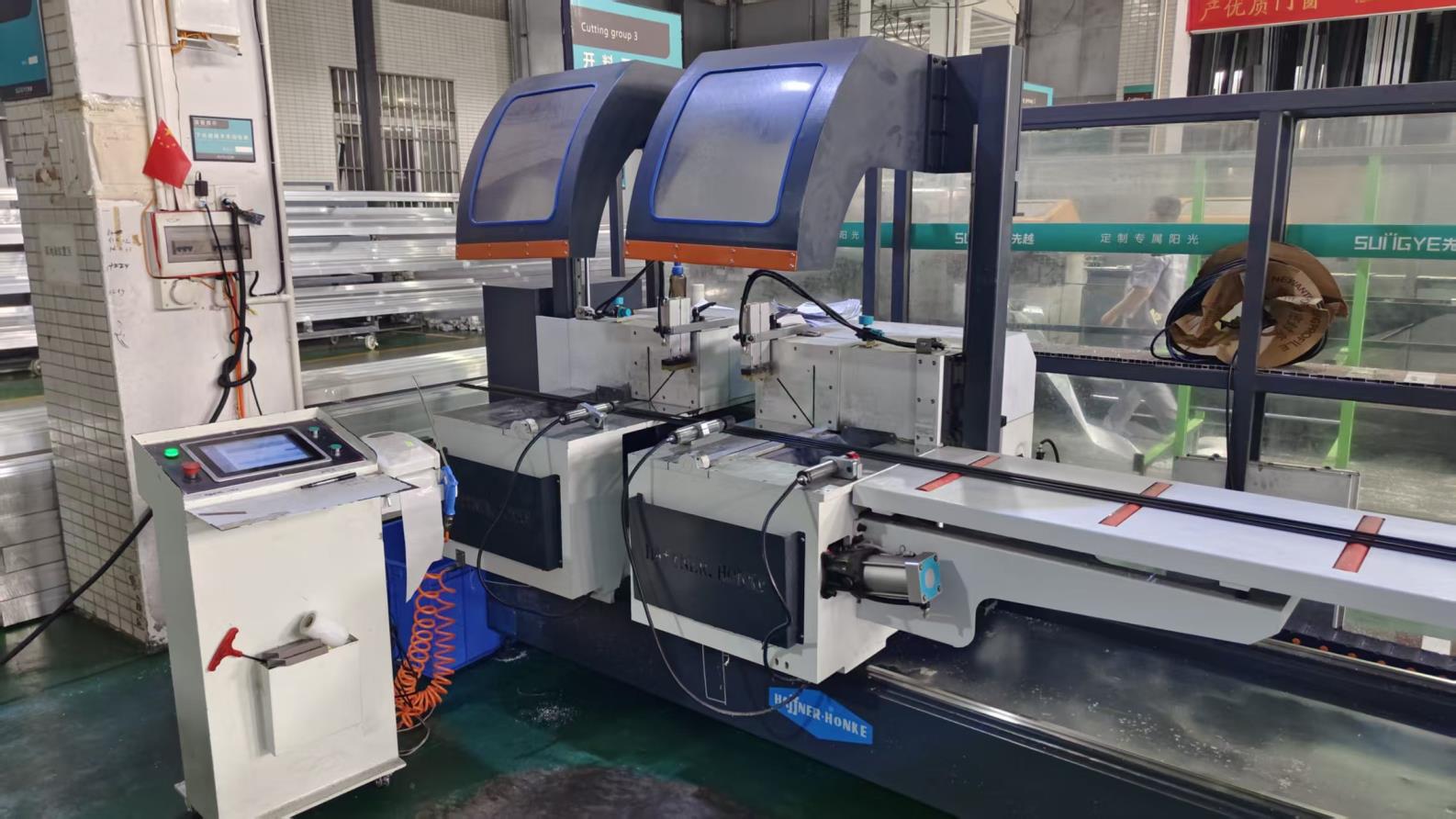
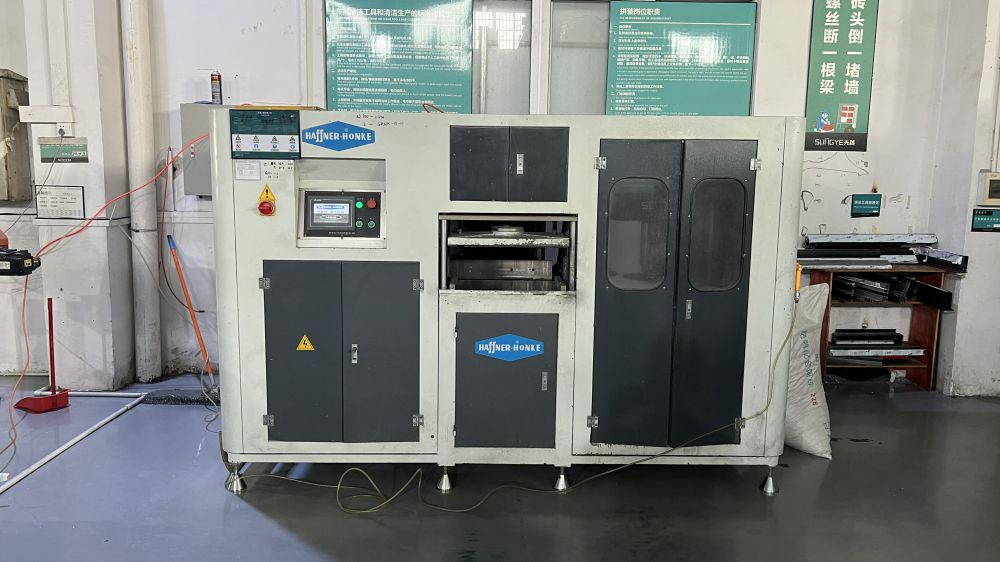
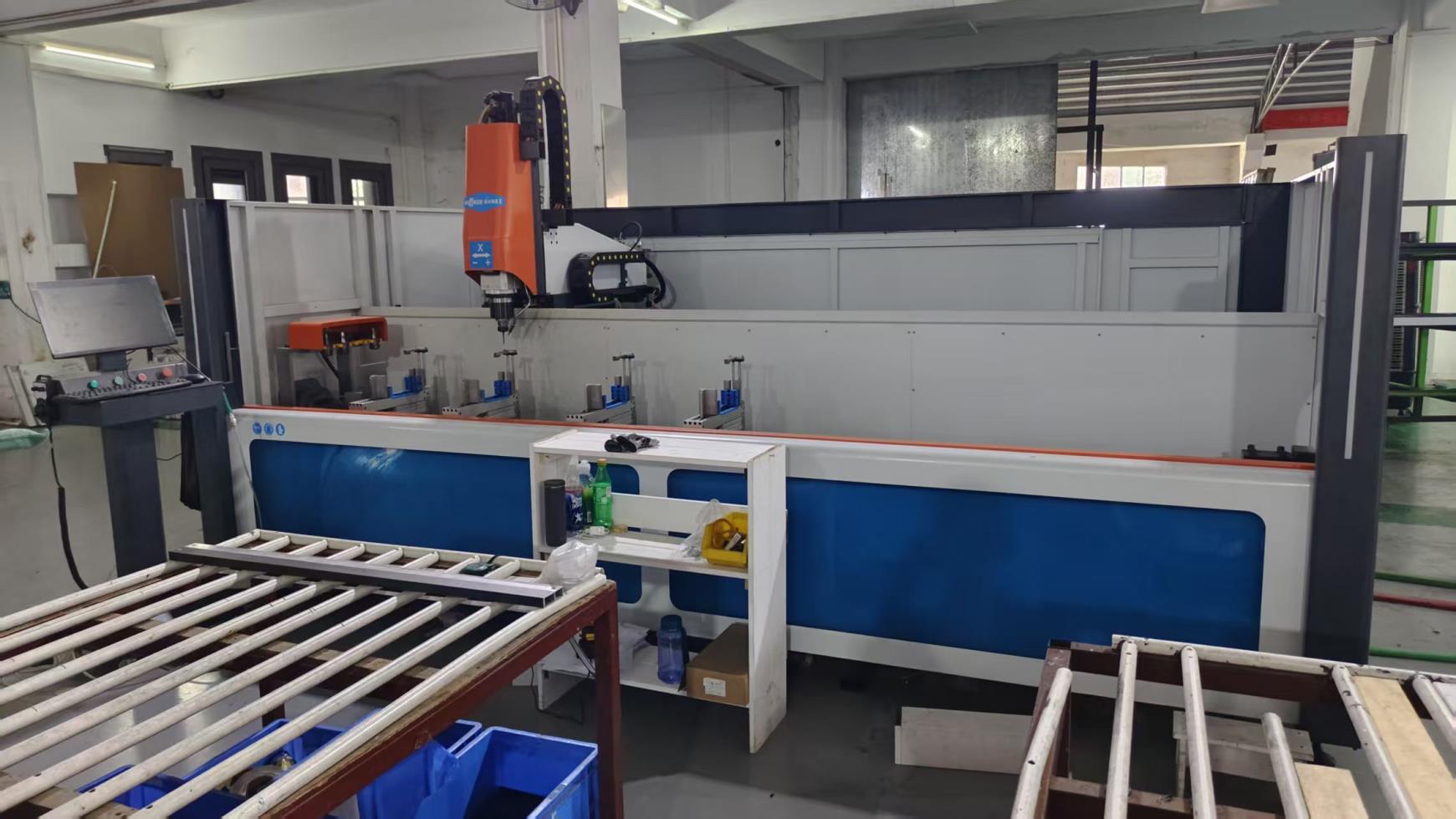
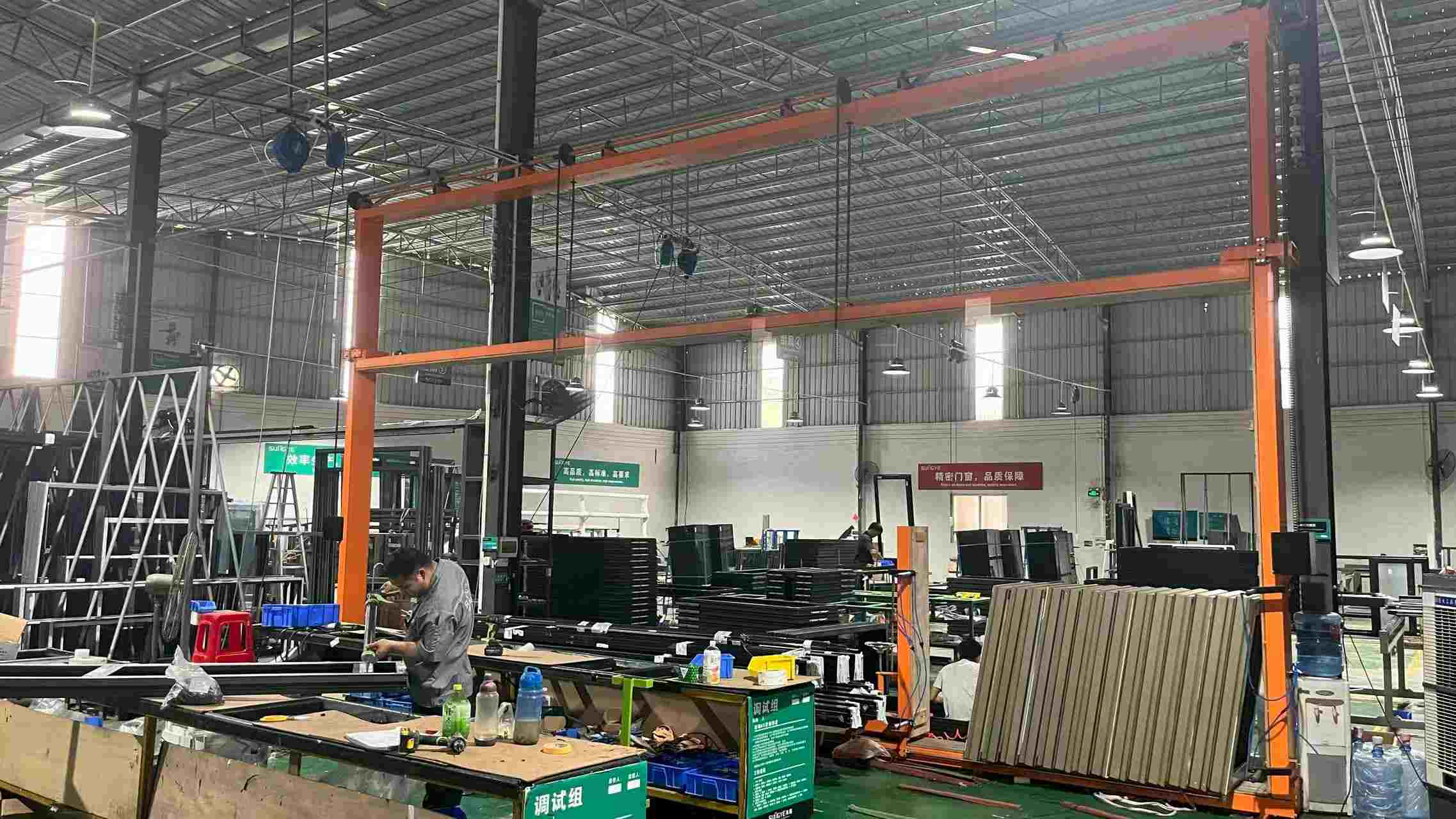
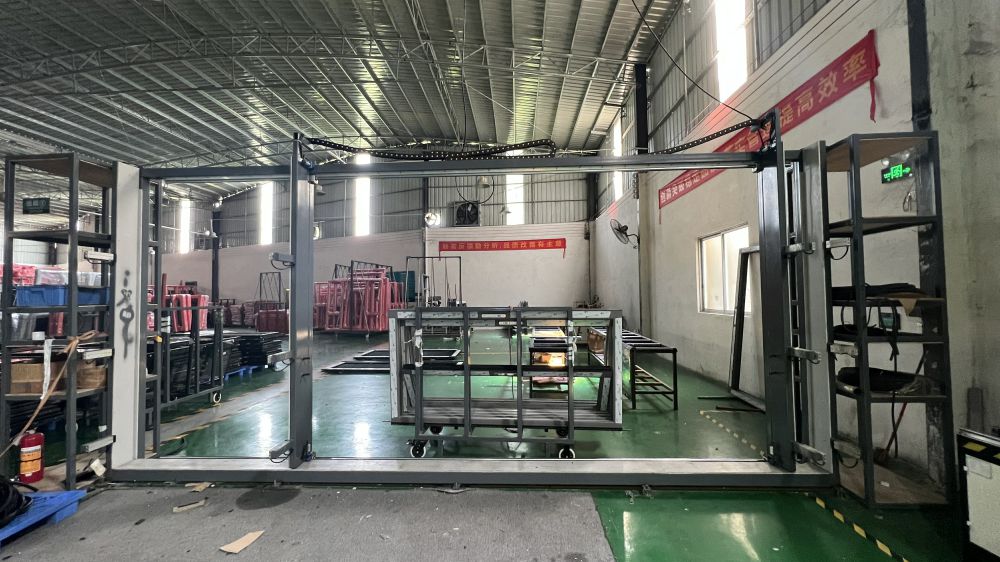
Established in 2015, Guangzhou Cresta Door & Window Co., Ltd. operates an advanced 18,000-square-meter manufacturing facility. Backed by 11 years of deep industry experience and 7 years of active international trade operations, we achieve an annual export turnover exceeding $22 million across Southeast Asia, the Middle East, North America, and Oceania. We primarily partner with custom home builders, commercial renovation contractors, architectural firms, and regional building material wholesalers.
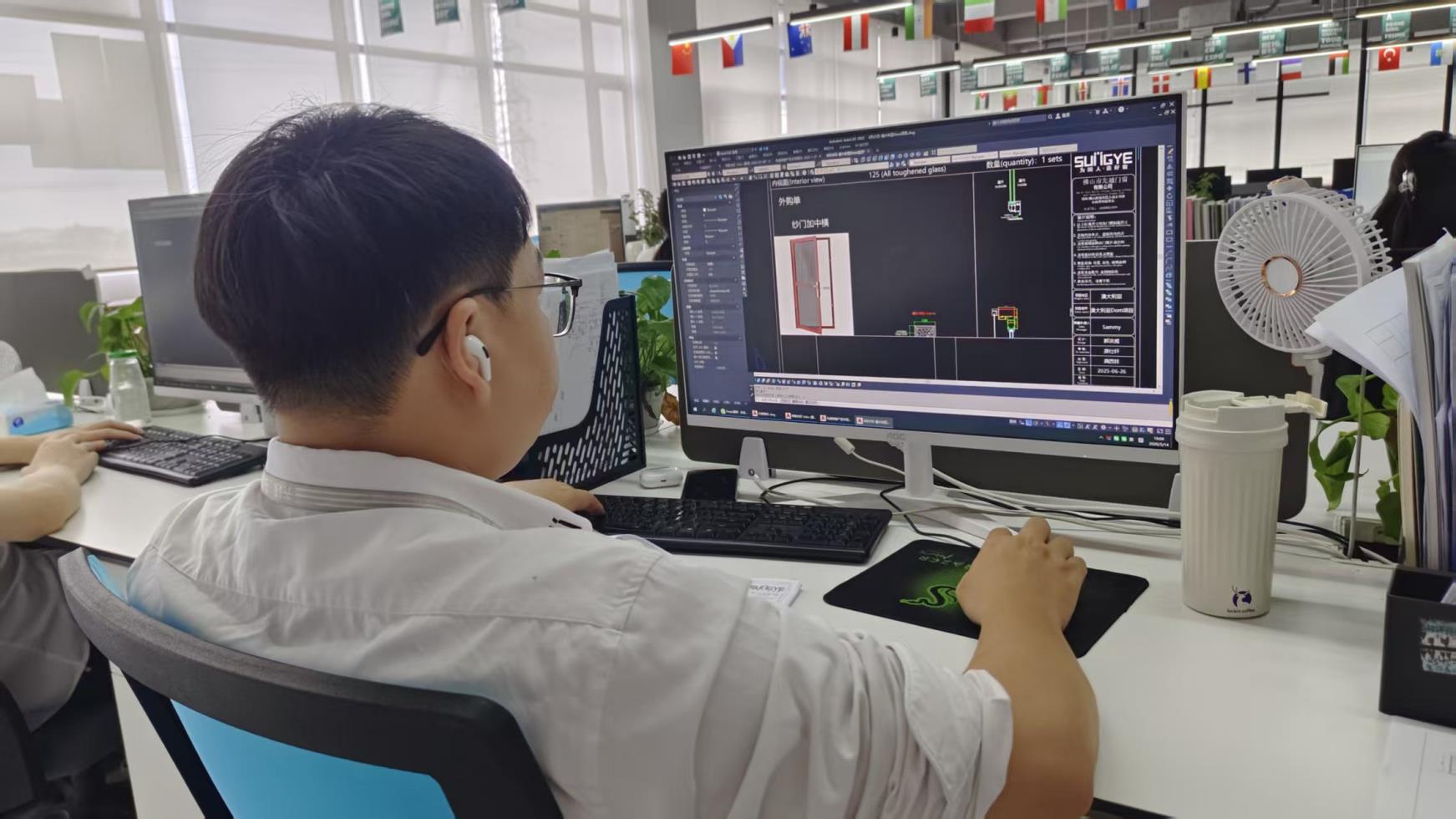
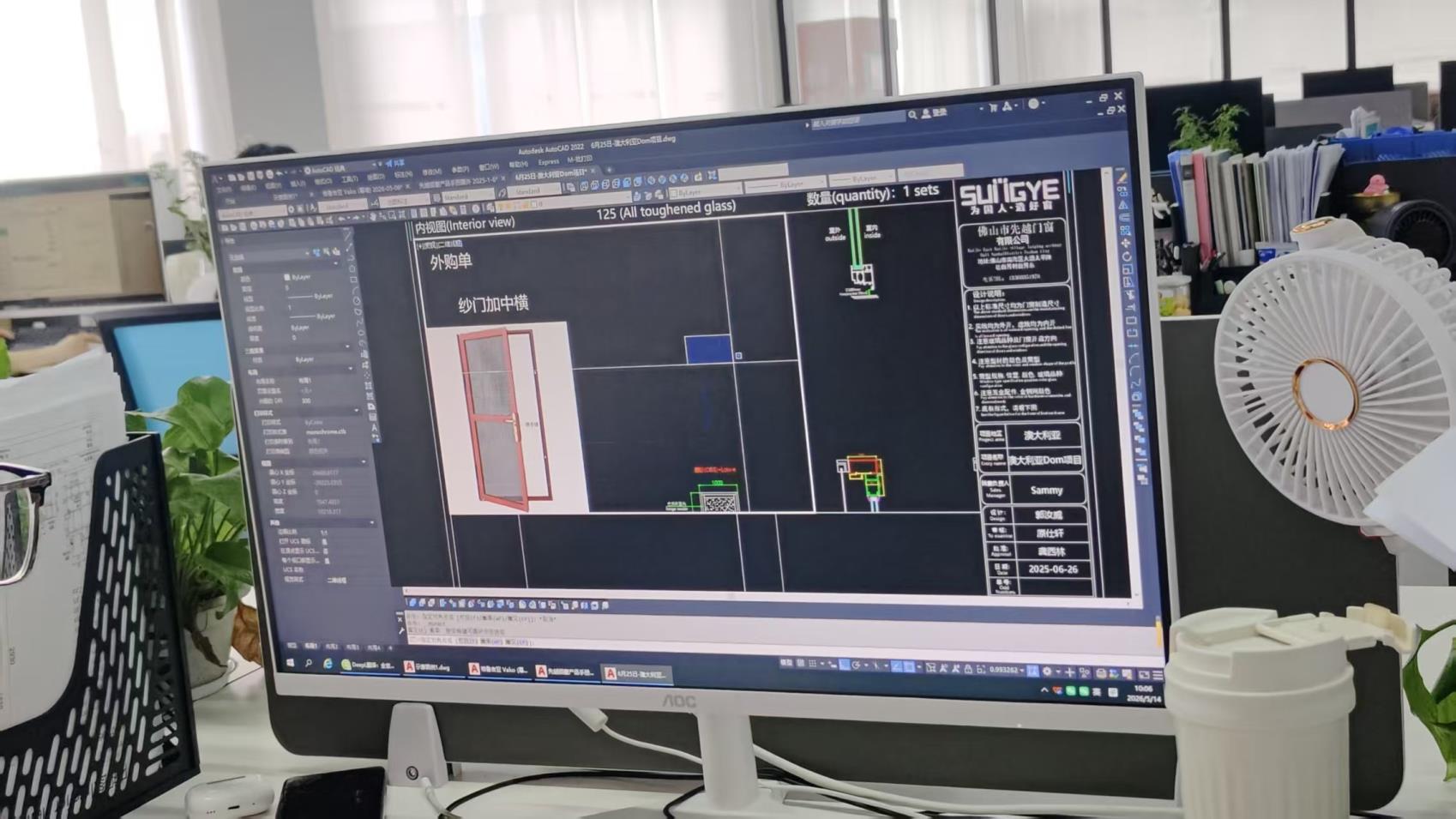
To maintain unyielding quality across high-volume production, our team of 30 QC inspectors strictly enforces ISO-certified optical surface inspections, corner-crimping stress tests, and automated weatherproofing seal checks. Backed by a robust supply chain network of 550 upstream raw material suppliers, Cresta excels in custom solutions including acoustic insulation systems, motorized insect screens, and ultra-slim sliding glass doors. Powered by our R&D division of 35 specialized engineers, we successfully launched 38 new innovative product series over the past year alone.
Customized Engineering Configurations for Diverse Building Typologies
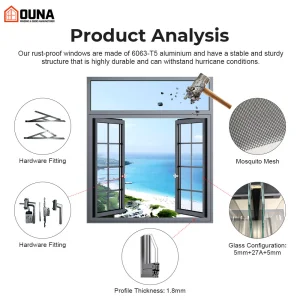
Structural aluminium curtain walls and casement windows engineered for extreme wind pressure, seismic movement, and high thermal deflection resistance.
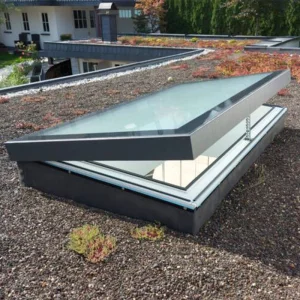
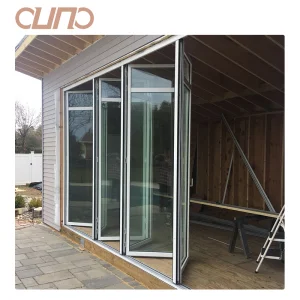
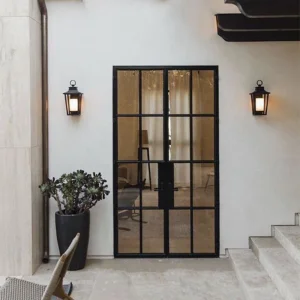
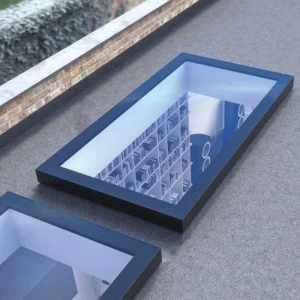
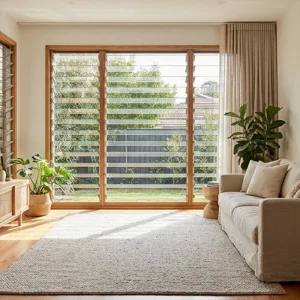
Ultra-slim sightline sliding doors, tilt-and-turn windows, and architectural skylights designed to maximize natural light while maintaining high thermal comfort.
Acoustically insulated window matrices specified for urban hospitality, office towers, and residential zones adjacent to airports or major transport corridors.
Impact-resistant aluminum frames paired with heavy-duty PVB interlayer laminated double glazing, certified to withstand extreme tropical weather conditions.
Future-Proofing Architectural Openings with Next-Generation Materials and IoT Smart Controls
Cresta's R&D team is pioneering the integration of ultra-thin Vacuum Insulated Glass into standard OEM profiles. By creating a high-vacuum thermal void between glass panes, system U-values drop to an astonishing $0.60 \text{ W/m}^2\text{K}$, rivaling solid brick walls in thermal efficiency.
Merging fenestration with renewable energy generation, our future-ready frames support Photovoltaic Integrated Glass (BIPV). Transparent solar coatings harness sunlight to power automated actuators, motorized blinds, and smart building energy management systems.
Transitioning from static solar control to dynamic tinting. OEM profiles integrated with electrochromic film allow users to modulate light transmission automatically via smartphone apps or centralized BMS platforms based on ambient solar radiation.
Cresta is dedicated to lowering embodied carbon. All our extrusion scrap is 100% recycled back into non-structural aluminium billets, and our powder-coating lines utilize zero-VOC solvent-free electrostatic processes, ensuring full compliance with LEED v4.1 and BREEAM sustainability standards.
Seamless Supply Chain Management for International Commercial Procurement
To eliminate import friction and ensure rapid municipal building plan approval, Cresta manufactures all OEM window systems according to target market standards:
Preventing glass breakage, profile scratching, or moisture damage during ocean freight is our priority. Every order undergoes a multi-layer packaging protocol:
Comprehensive Architectural Hardware & Custom Enclosure Systems
Direct Engineering Answers for B2B Importers, Architects, and Procurement Managers
Standard aluminium is highly conductive, allowing heat to escape during winter and enter during summer. Thermal break frames incorporate a low-conductive polyamide strip (such as PA66-GF25) that physically separates the interior and exterior profile sections, reducing heat transfer by up to 60% and preventing internal glass condensation.
Yes. With our in-house R&D team of 35 engineers, we specialize in OEM/ODM customization. We can design custom die extrusion molds, adjust profile wall thicknesses (from 1.4mm up to 3.0mm), modify glass pocket widths, and customize hardware mounting slots according to your project blueprints.
For seaside or tropical locations, we recommend our PVDF (Fluorocarbon) coating or anodized finishes with a minimum thickness of 25 microns. PVDF offers extreme resistance against salt spray corrosion, UV degradation, and chalking, carrying up to a 20-year color-retention warranty.
Our flexible OEM production capacity supports both targeted luxury villa projects and large commercial developments. Typical MOQ is 50 square meters for standard profiles, and 300 square meters for custom extruded dies. Standard production lead time is 25-35 days following CAD drawing sign-off and glass spec approval.
We utilize continuous triple-gasket sealing systems made from automotive-grade EPDM rubber, combined with 45-degree CNC corner crimping injected with dual-component corner adhesive. Every window design undergoes rigorous water penetration testing (up to 700 Pa) and wind load structural testing in our factory lab.
Yes. Our thermal break double and triple-glazed window series are tested and compliant with NFRC (National Fenestration Rating Council) standards for North America and AS2047 / AS1288 standards for Australia, fulfilling structural wind, water penetration, and thermal U-value mandates.
 Cresta Window Tech