Explore our certified architectural window portfolio, engineered to surpass international structural, thermal, and acoustic performance thresholds.
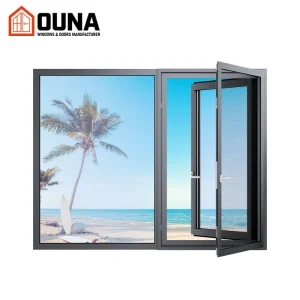
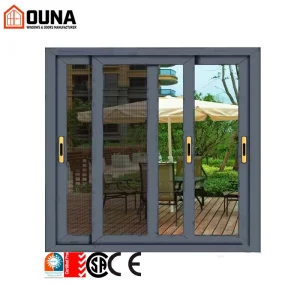
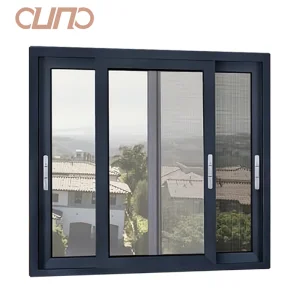
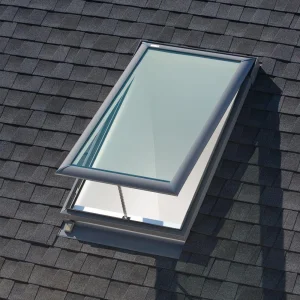
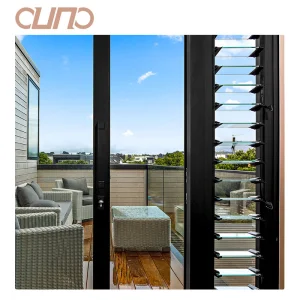
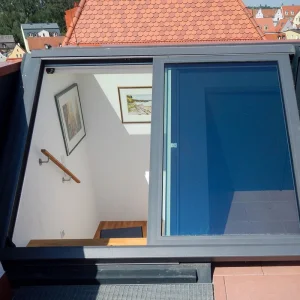
Established in 2015, Guangzhou Cresta Door & Window Co., Ltd. operates an advanced 18,000-square-meter manufacturing facility. Backed by 11 years of deep technical industry experience and 7 years of high-volume international trade operations, Cresta has consolidated its position as a premier global OEM factory. We achieve an annual export turnover exceeding $22 million USD across high-compliance markets in Southeast Asia, the Middle East, North America, and Oceania.
Our operational architecture is engineered specifically to service commercial facade contractors, custom home builders, structural engineering firms, and enterprise-scale regional distributors. By bridging cutting-edge metallurgical engineering with advanced fenestration thermal barrier technologies, Cresta delivers turnkey architectural solutions that resolve complex building envelope challenges.
The global building sector is undergoing a structural transition toward decarbonization, strict urban energy codes, and extreme climatic resiliency. Modern architectural specifications mandate elevated thermal performance without compromising ultra-slim visual sightlines.
Net-Zero Energy Buildings (NZEB) require aluminum fenestration systems with exceptionally low overall U-factors ($U_w \le 0.8 \text{ W/m}^2\text{K}$). Utilizing multi-chamber polyamide (PA66 GF25) thermal breaks, our window profiles systematically isolate exterior thermal transfer, drastically reducing HVAC loads in both tropical cooling and alpine heating environments.
Coastal developments demand structural resilience against severe weather events. Modern custom aluminum profile extrusions utilize 6063-T6 architectural alloys with tensile strengths exceeding 205 MPa. Combined with SentryGlas® laminated interlayers, these assemblies survive wind loads exceeding 5000 Pa and high-velocity missile impacts.
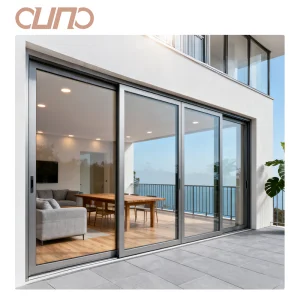
Contemporary architectural language emphasizes maximal daylight harvesting and uninhibited structural views. OEM manufacturing advances allow frame profiles to achieve interlocking mullion sightlines as narrow as 20mm while retaining structural inertia ($I_x$) capable of supporting oversized floor-to-ceiling glass panels up to 6000mm in height.
Information Gain Engineering Insight: Heat transfer through architectural aluminum frames accounts for up to 40% of building envelope energy loss. Cresta's proprietary micro-cavity polyurethane insulation injection technology decreases frame U-factor by an additional 18% compared to standard dual-chamber thermal break profiles.
Enterprise B2B sourcing of architectural fenestration requires absolute compliance with regional building standards, rigorous quality control frameworks, and verifiable certification documentation.
Procurement for Australian and New Zealand territories demands strict compliance with AS2047 (Windows and external glazed doors in buildings) and AS1288 (Glass in buildings selection and installation). Cresta's dedicated product lines undergo physical testing for deflection, air infiltration, water penetration resistance (up to 450 Pa), and ultimate strength performance.
Commercial exports into North America require certified thermal transmittance (U-Factor), Solar Heat Gain Coefficient (SHGC), and Visible Transmittance (VT) rated via the National Fenestration Rating Council (NFRC). For coastal storm zones, structural glazing profiles adhere to CSA A440 and High-Velocity Hurricane Zone (HVHZ) requirements.
| Performance Parameter | Testing Standard | Standard Commercial Grade | Cresta OEM High-Performance Grade |
|---|---|---|---|
| Thermal Transmittance (U-Value) | ISO 10077-2 / NFRC 100 | 2.8 – 3.5 W/m²K | 0.79 – 1.40 W/m²K |
| Acoustic Insulation (STC / Sound Reduction) | ASTM E90 / ISO 717-1 | 28 – 32 dB | 38 – 48 dB (Acoustic Laminated) |
| Water Penetration Resistance | ASTM E331 / AS4420.1 | 250 Pa | 600 – 900 Pa (Triple EPDM Gasket) |
| Structural Wind Load Capacity | ASTM E330 / AS4420.1 | 2000 Pa | Up to 5000 Pa (Cyclonic Zone Rated) |
| Air Infiltration Rate | ASTM E283 / AS4420.1 | 1.5 L/s·m² | ≤ 0.1 L/s·m² (Air Tight Sealed) |
| Surface Coating Longevity | AAMA 2605 / ISO 2810 | 5 - 10 Years (Standard Powder) | 25+ Years (Fluorocarbon PVDF Coating) |
Operating from Guangzhou's industrial core, Guangzhou Cresta Door & Window Co., Ltd. combines advanced robotics, streamlined supply chains, and rigorous quality assurance protocols to deliver high-capacity custom OEM manufacturing.
With an established, highly reliable network of 550 upstream raw material and component suppliers, Cresta eliminates supply chain bottlenecks. We secure direct mill-cert aluminum ingots, specialized EPDM weather-sealing polymers, and premier architectural hardware systems (such as Siegenia, Hoppe, and CMECH) at guaranteed lead times.
To ensure zero-defect output, our dedicated team of 30 Quality Control (QC) inspectors enforces multi-stage auditing. Every production batch undergoes automated ISO-certified optical surface defect inspection, profile anodizing thickness verification, structural corner-crimping stress tests, and forced water-chamber sealant immersion tests.
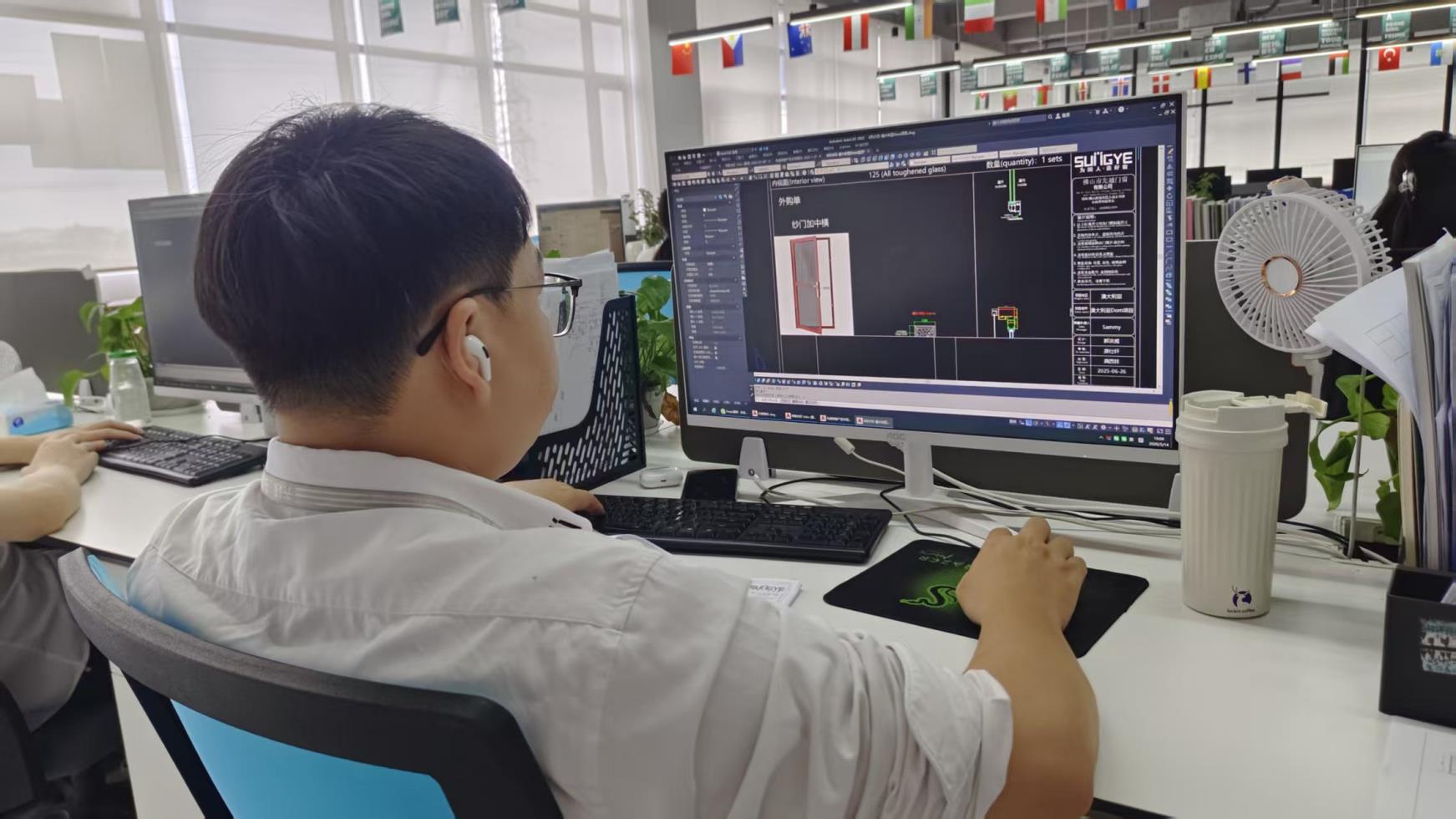
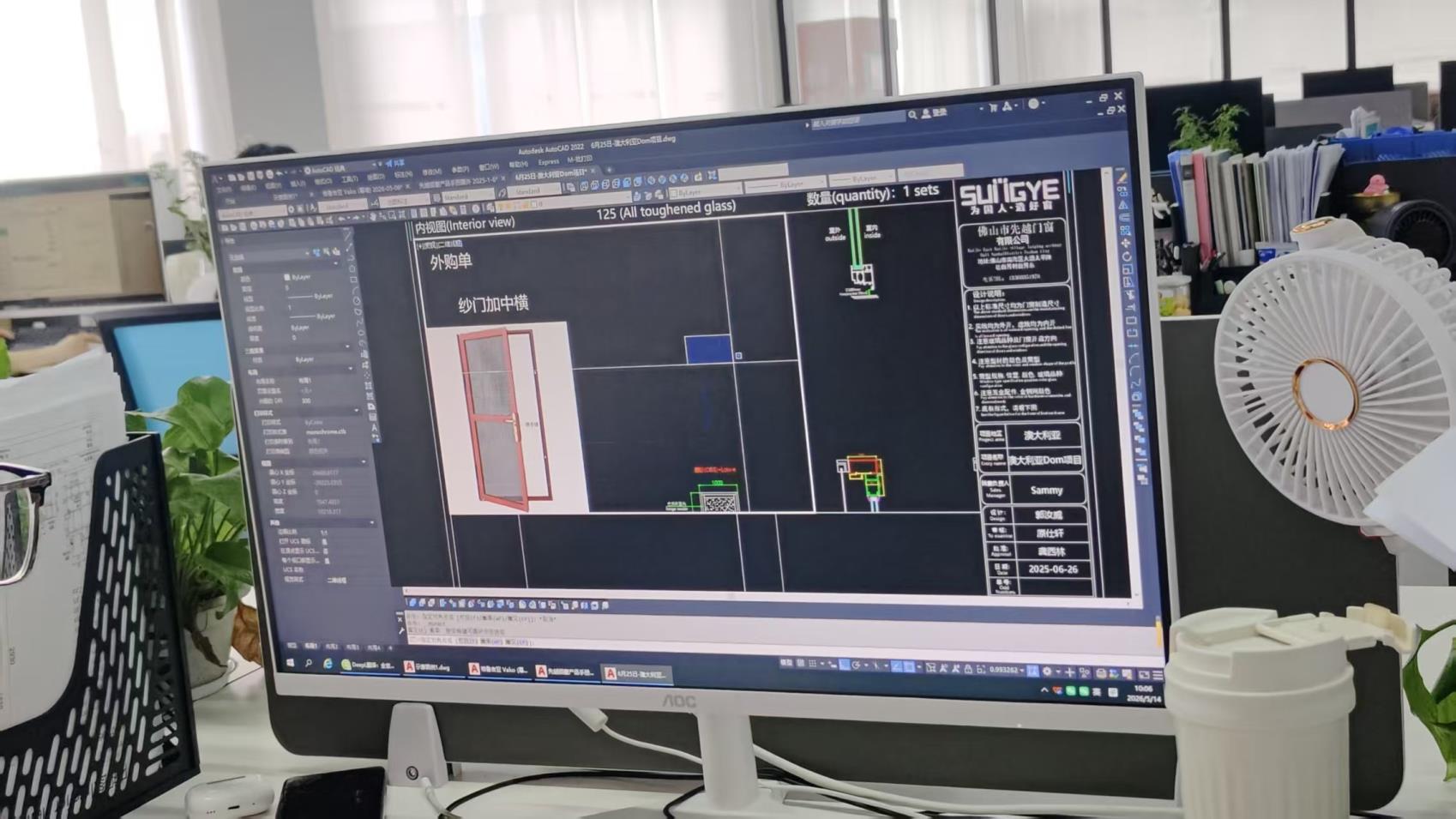
Innovation drives market leadership. Supported by an active specialized R&D division of 35 design and structural engineers, Cresta released 38 new proprietary product series over the past 12 months. Our engineering team provides full CAD, BIM model development, and structural wind-load calculation reports for enterprise clients.
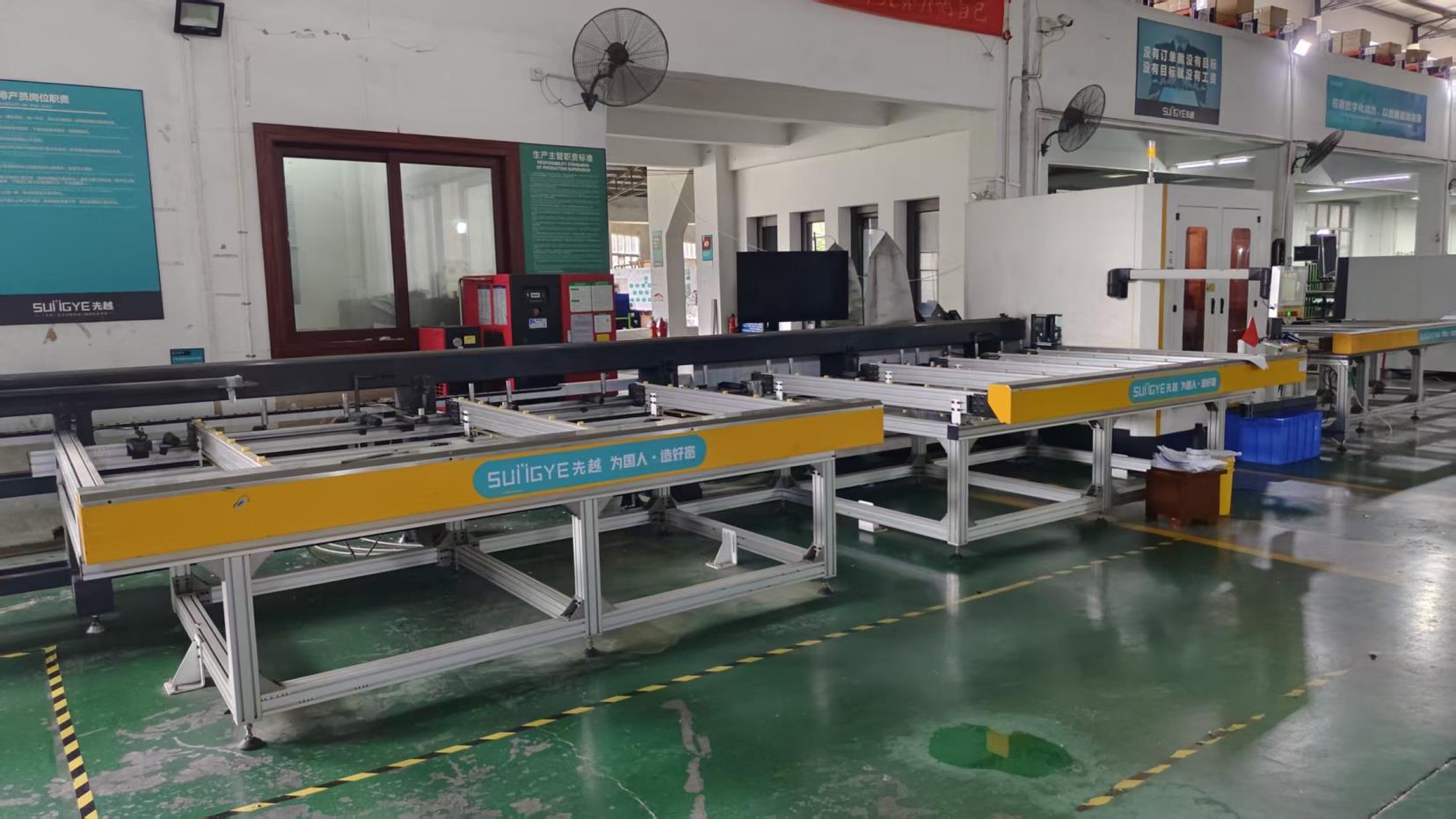
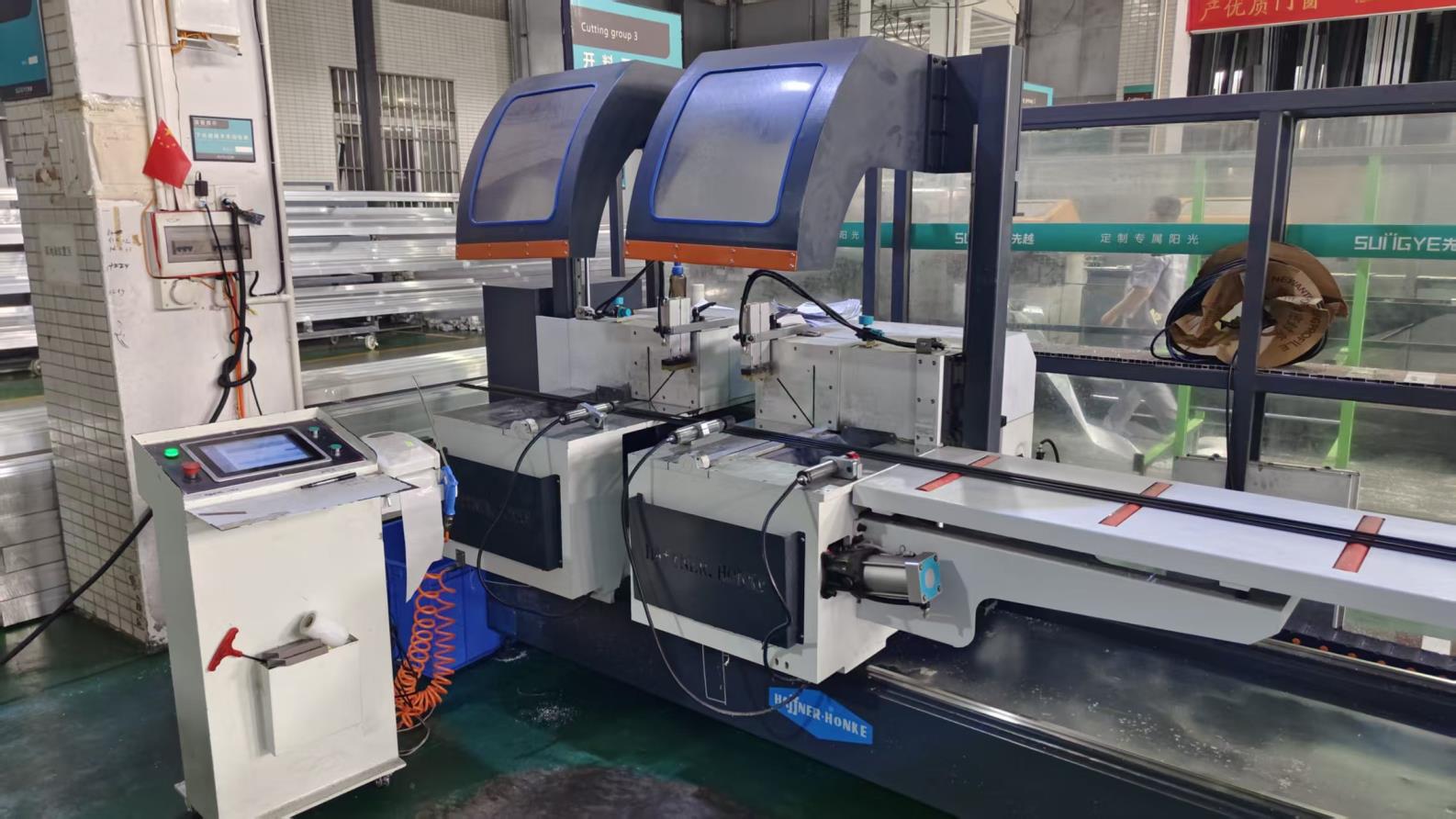
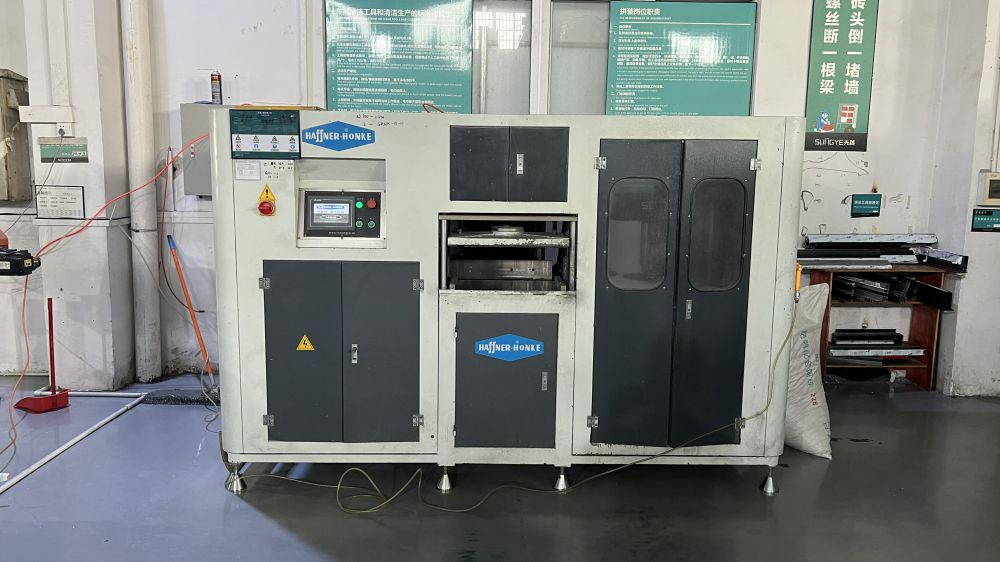
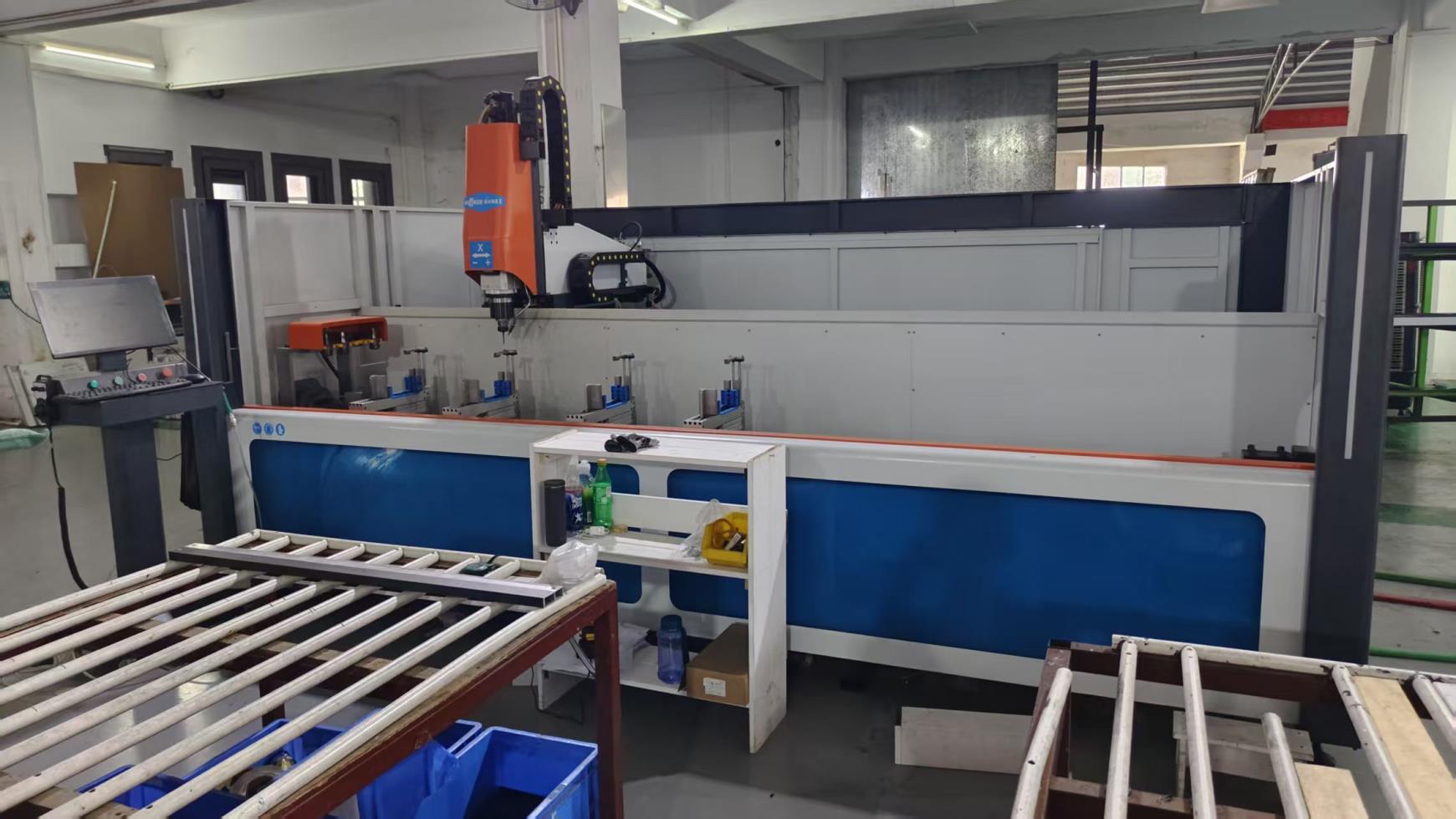
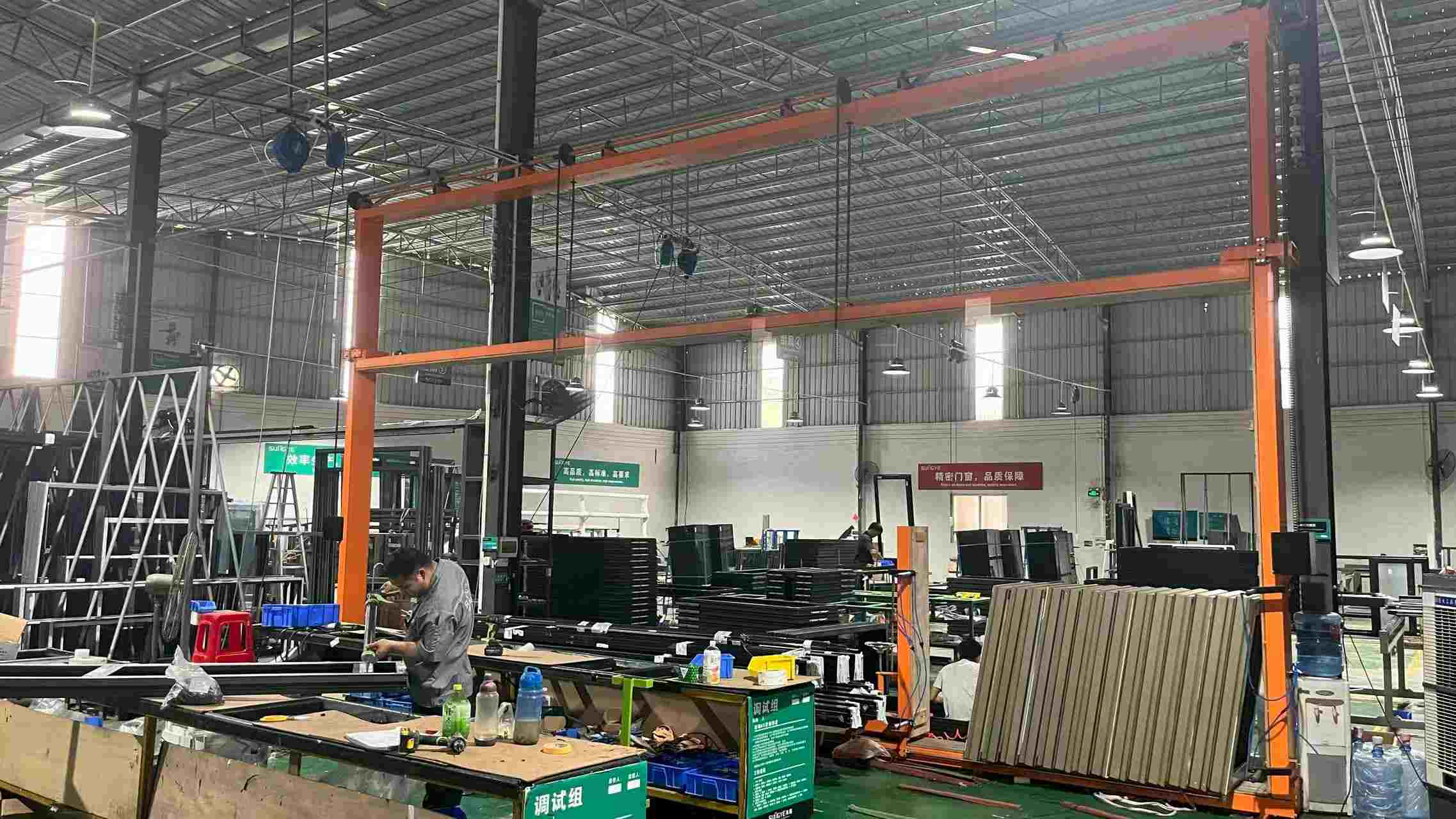
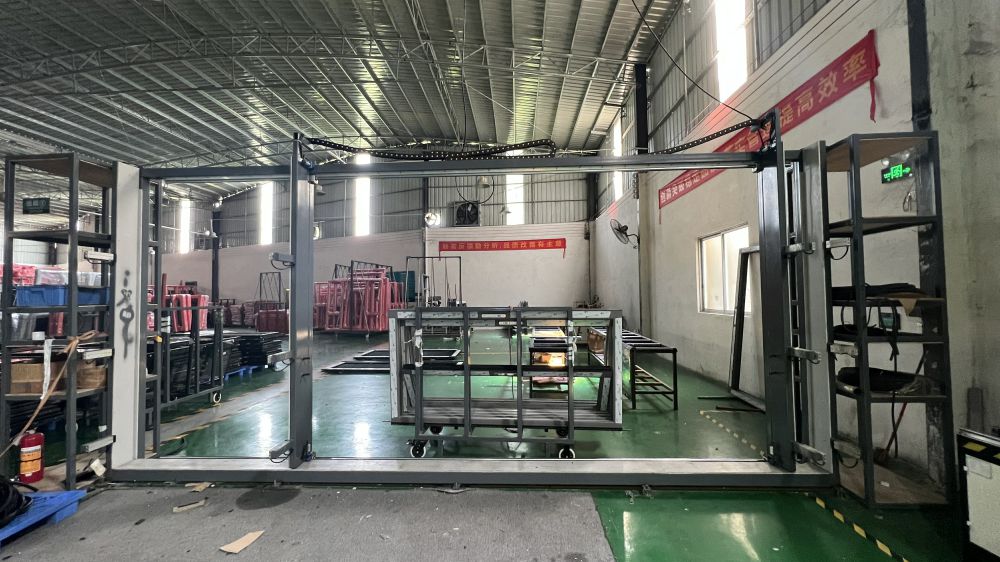
Visual documentation of our automated CNC machining, raw profile handling, precise frame assembly, structural glazing, quality debugging, and global packaging workflow.
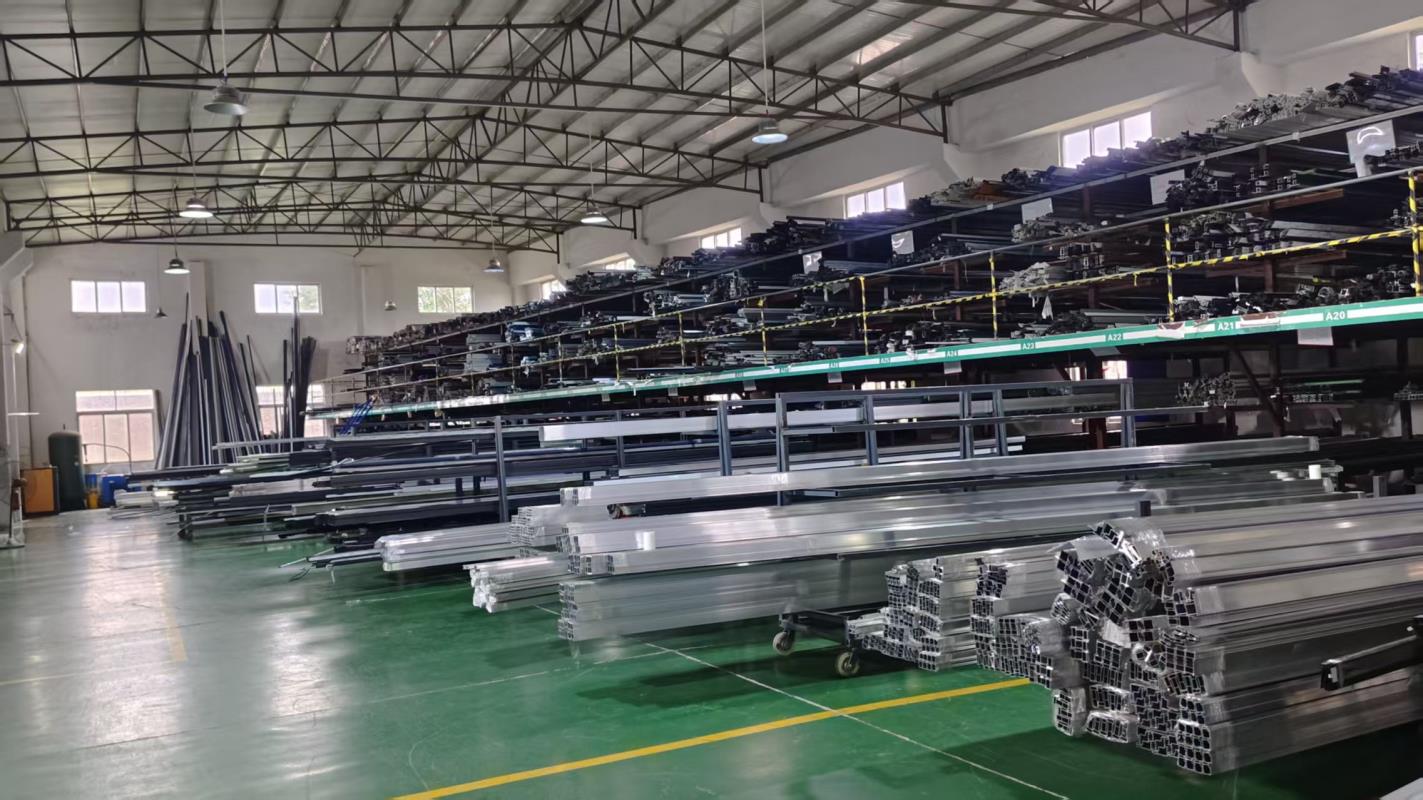
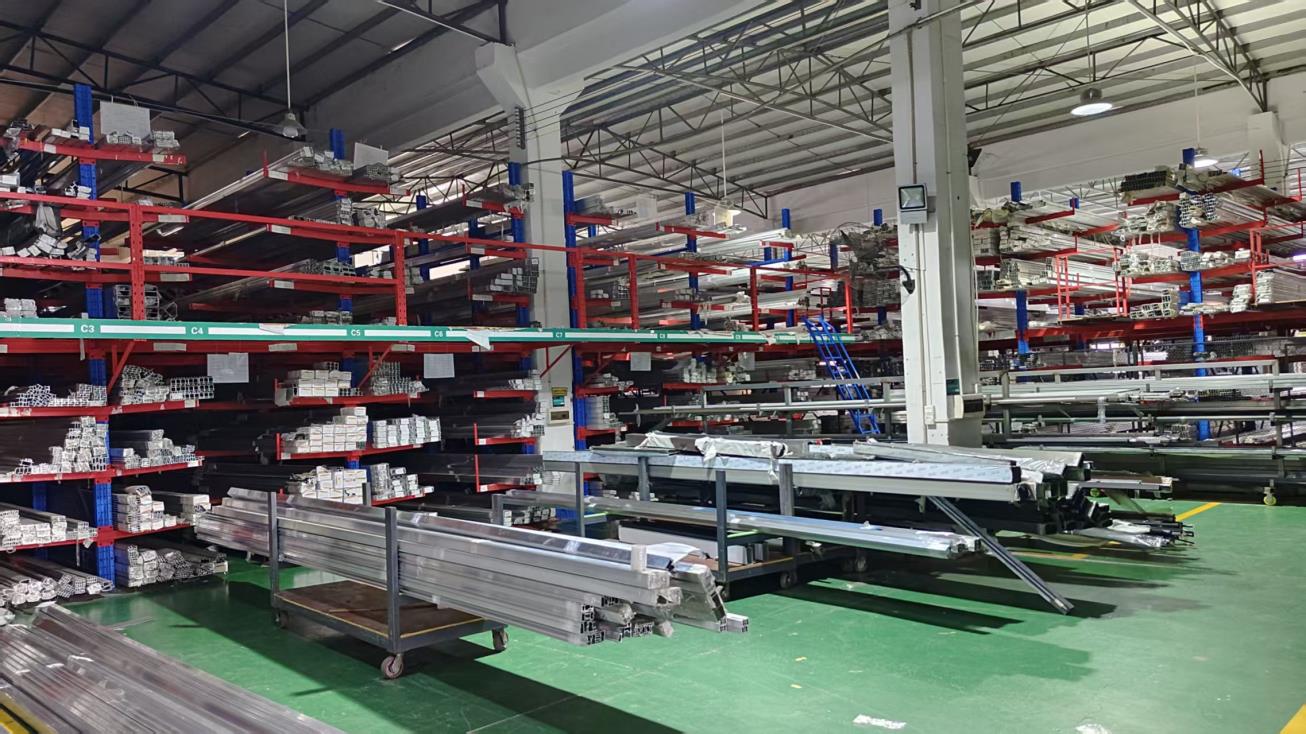
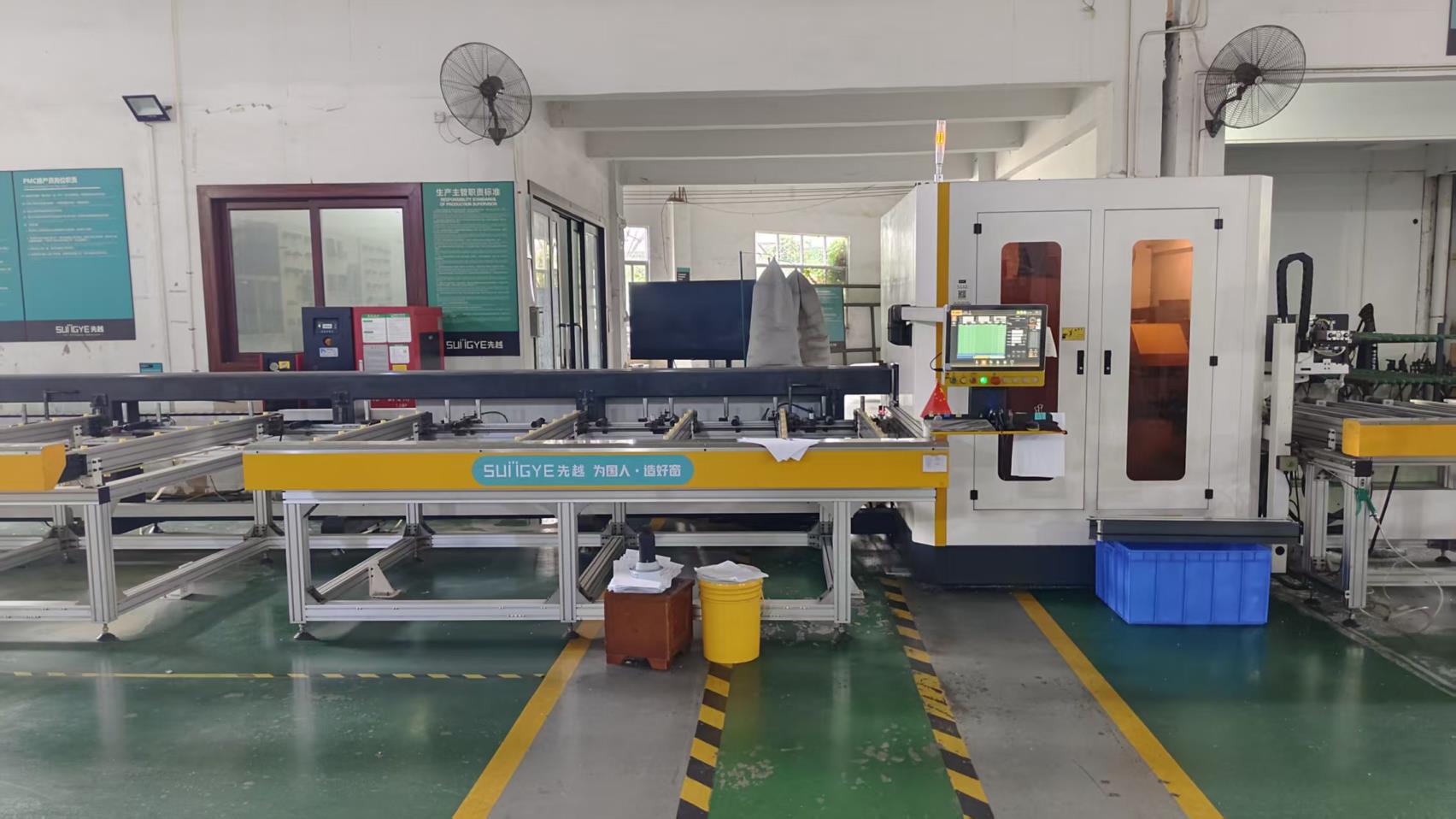
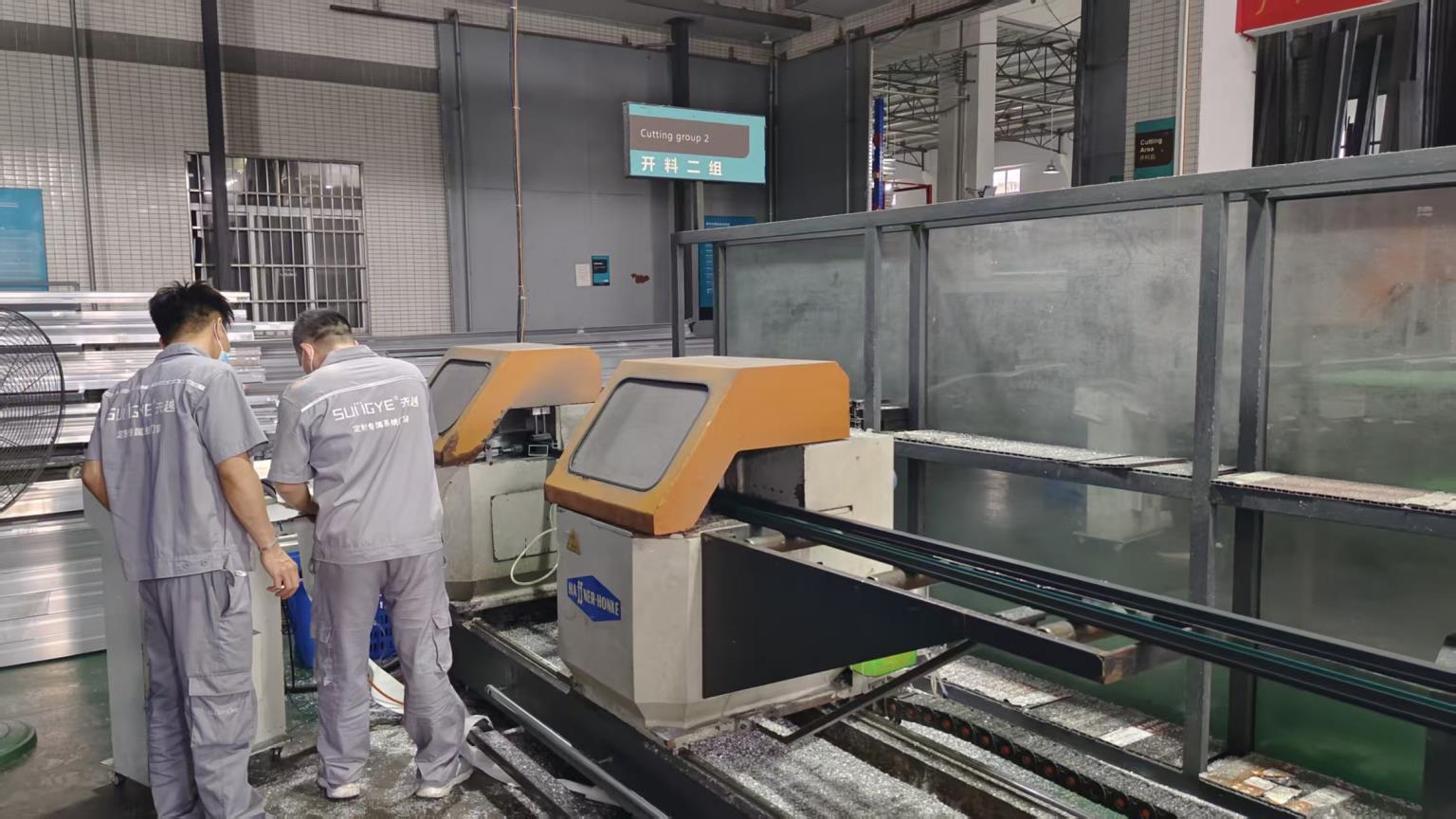
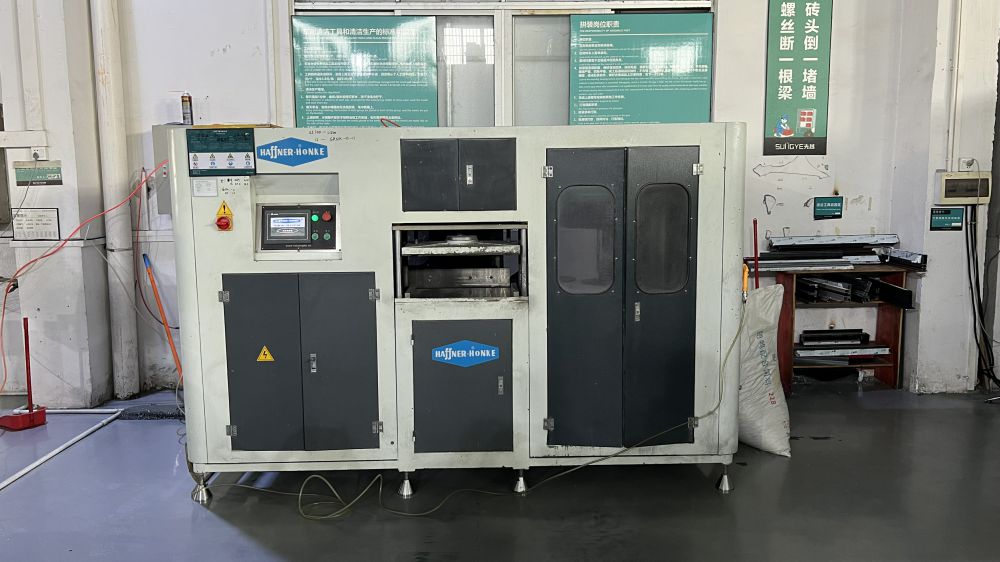
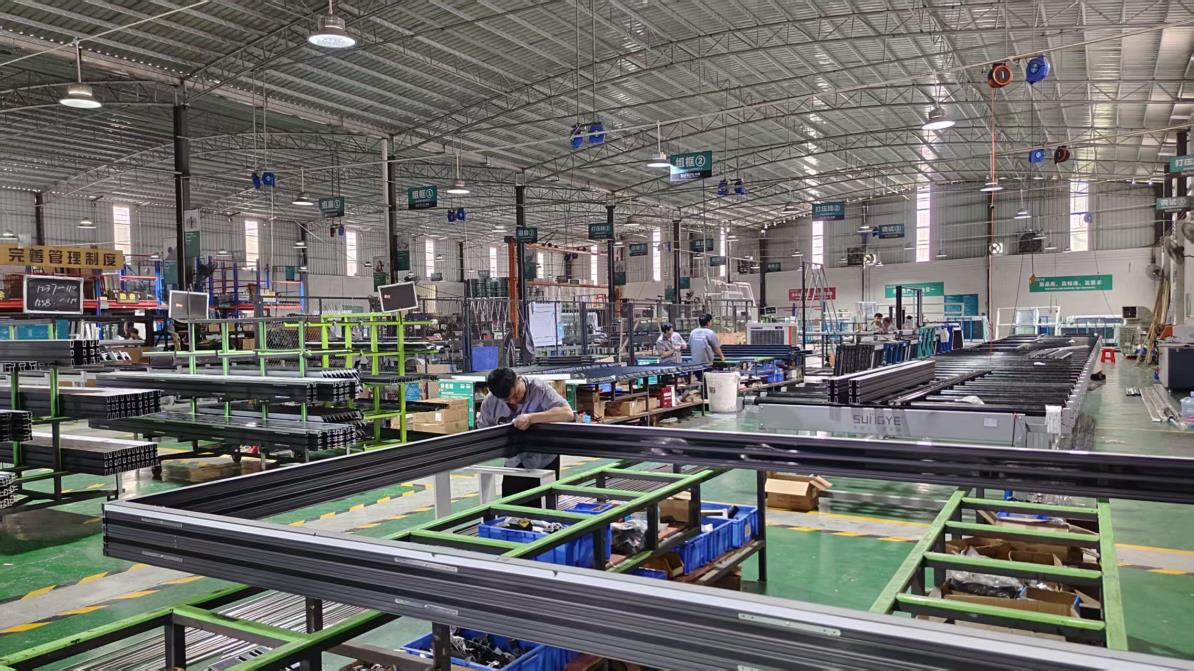
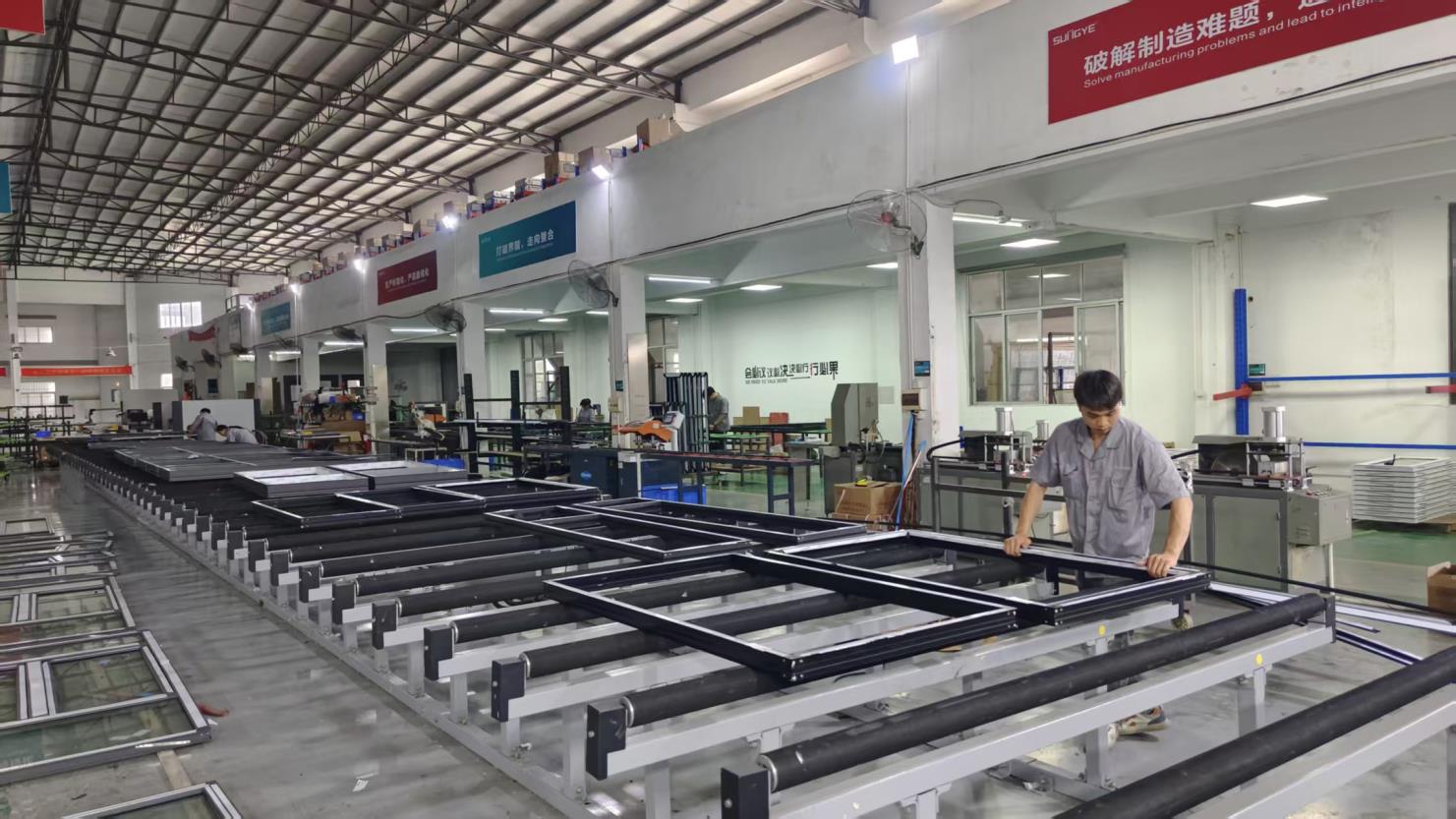
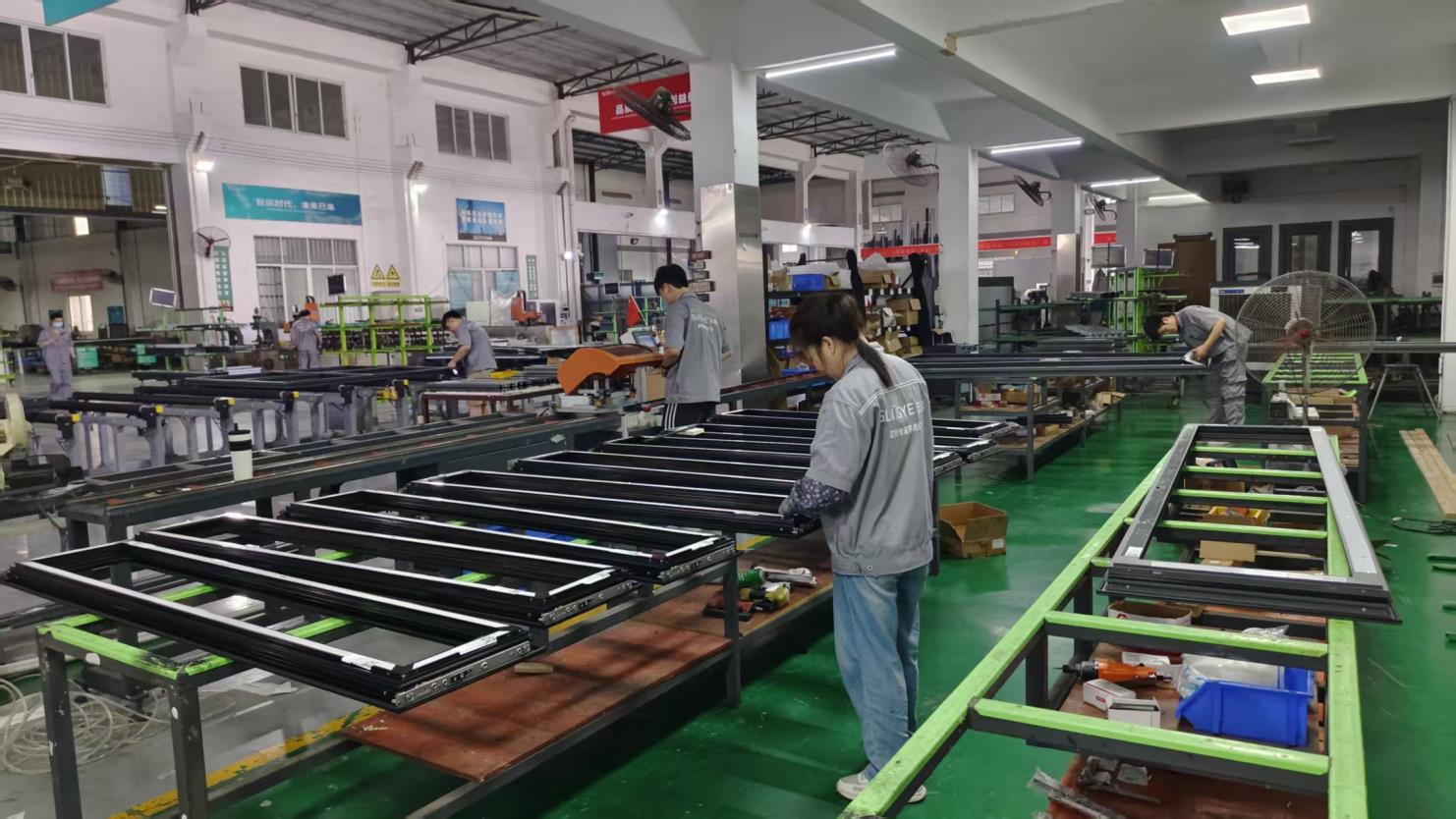
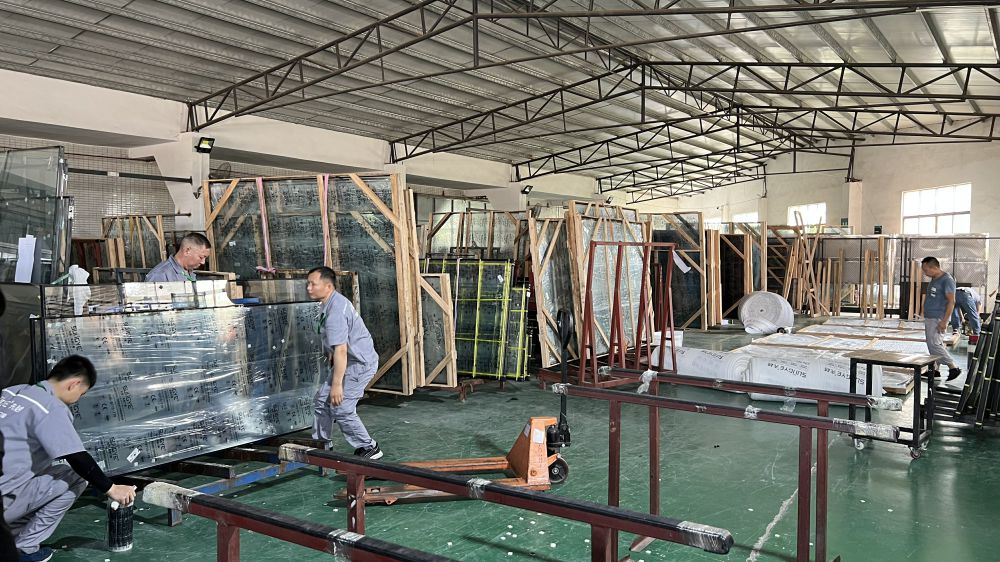
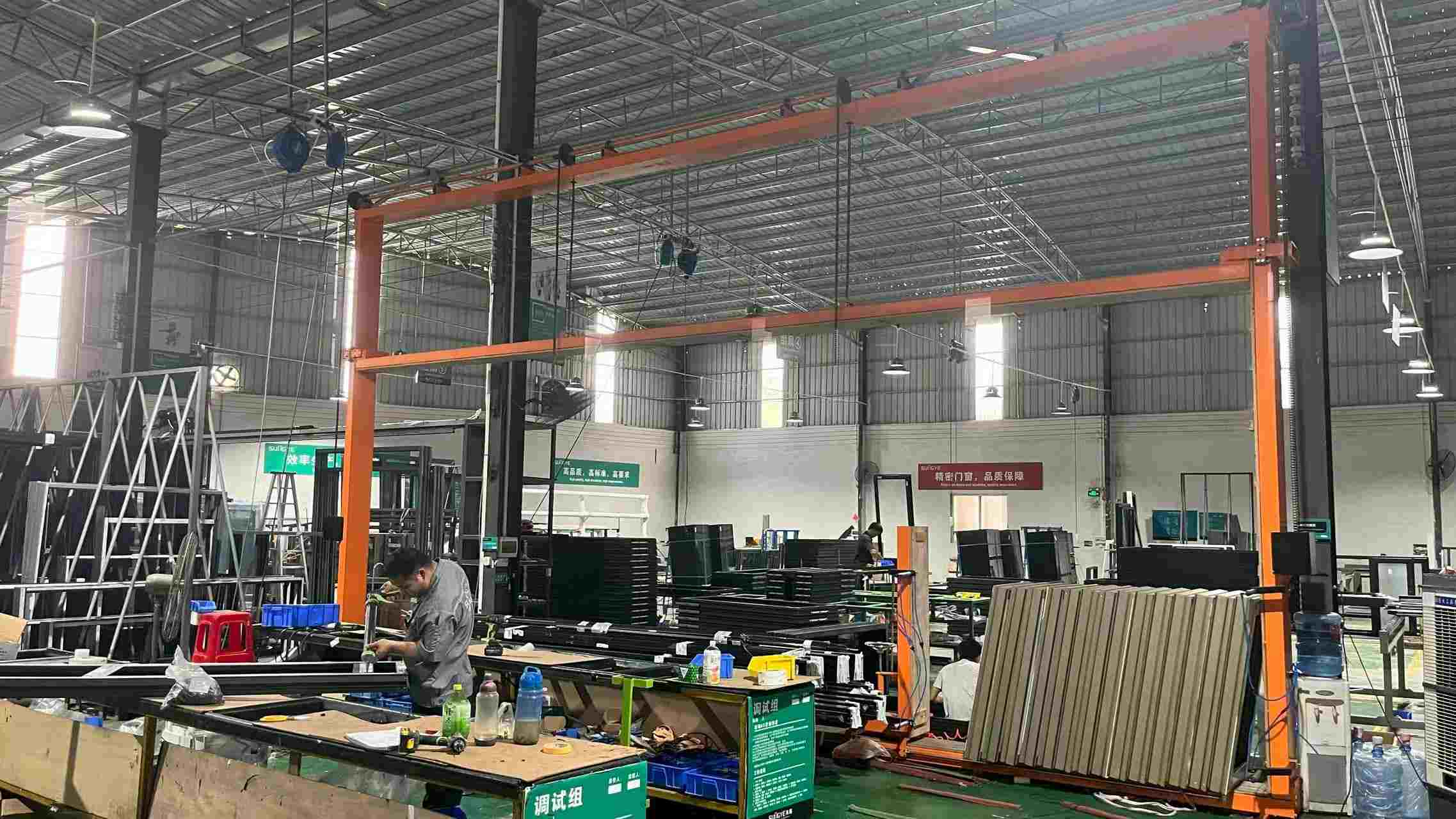
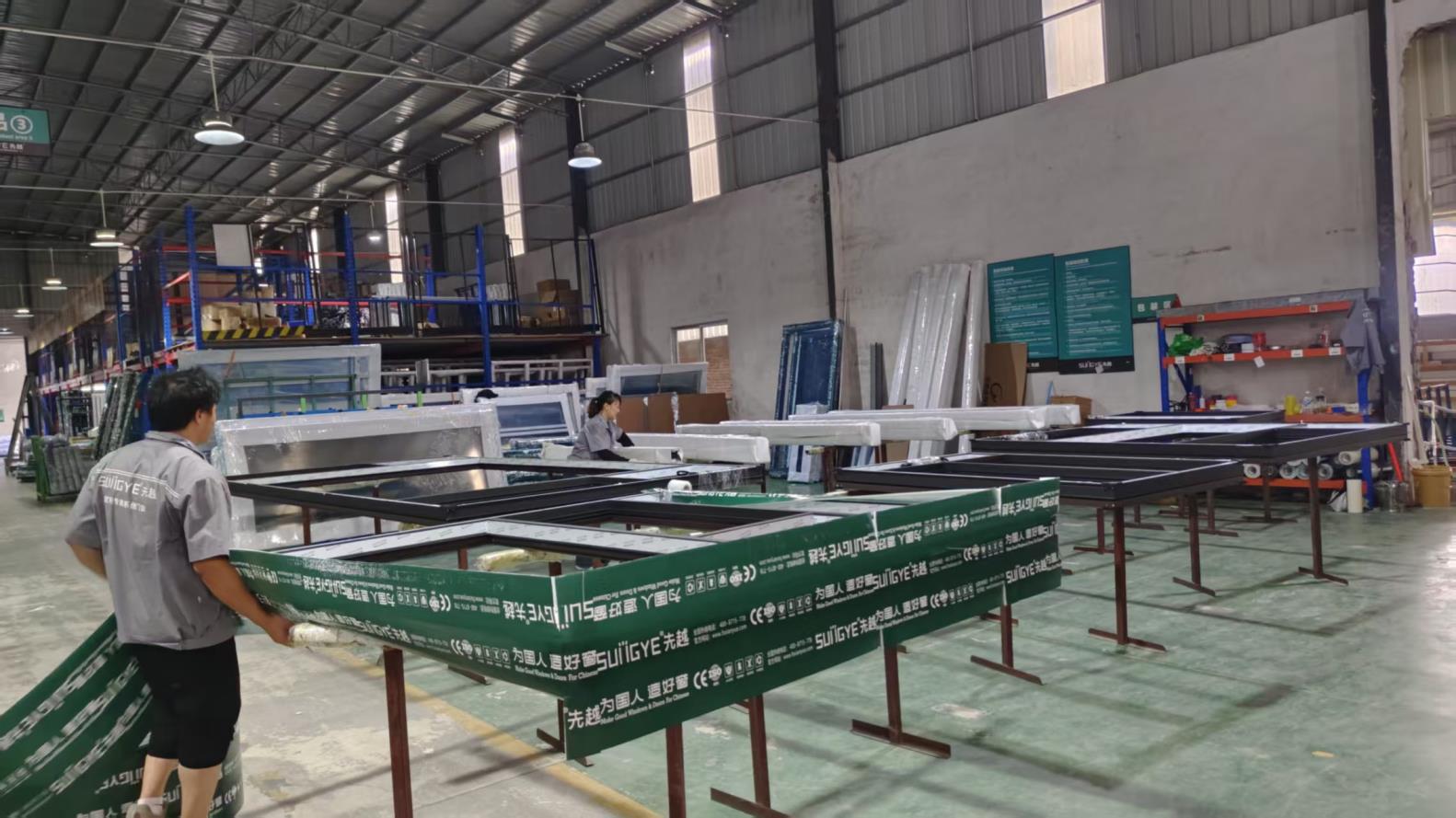
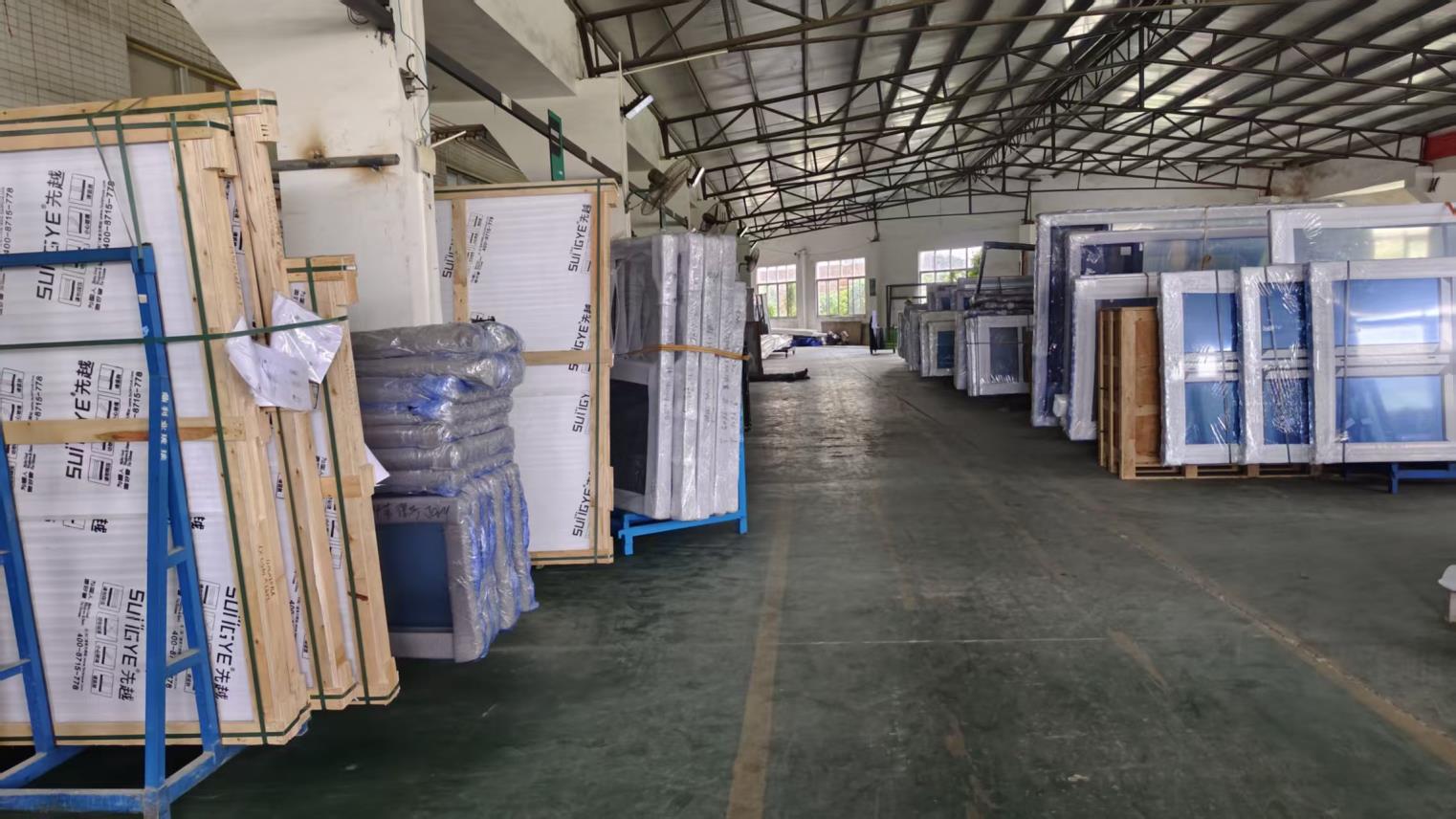
Architectural window systems must be adapted to micro-climatic stresses, regional structural requirements, and dynamic urban environments. Cresta provides specialized window configurations optimized for demanding architectural applications.
Marine environments present extreme chemical degradation challenges via salt-spray air. Cresta engineering utilizes Qualicoat Class 2 standard fluorocarbon (PVDF) surface treatments and anodized coatings exceeding 25 micrometers ($\mu$m). Combined with 316-grade stainless steel multi-point hardware locks, our systems prevent pitting corrosion and hinge crystallization.
Sub-zero temperatures create immense thermal contraction and interior condensation risk. Cresta’s thermal break casement series incorporate 34mm reinforced Technoform PA66 polyamide strips paired with triple-glazed Warm-Edge Argon units ($U_g \le 0.5 \text{ W/m}^2\text{K}$). This setup prevents interior frost formation and eliminates cold draft radiation near glass perimeters.
In equatorial regions, solar heat gain dictates building cooling expenditure. Cresta offers double-pane assemblies incorporating double-silver and triple-silver Low-E magnetron sputter coatings. These glass coatings filter out up to 82% of near-infrared thermal solar radiation while permitting over 65% visible light transmission, resulting in a low SHGC ($\le 0.23$).
Clear, detailed engineering and logistics answers for commercial facade contractors, regional distributors, and purchasing heads.
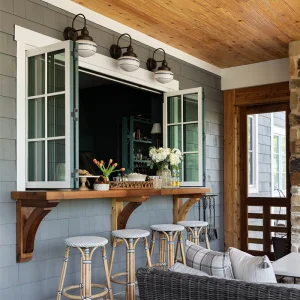
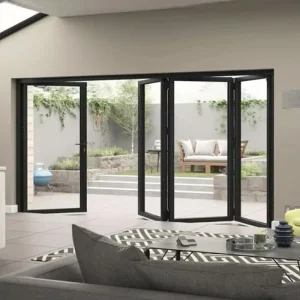
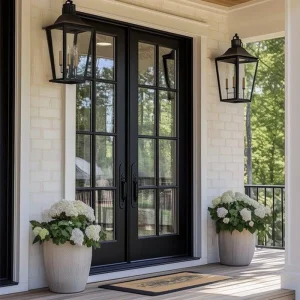
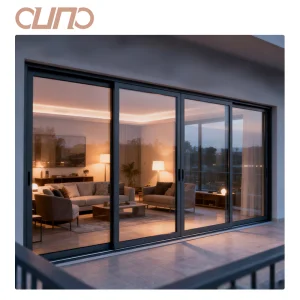
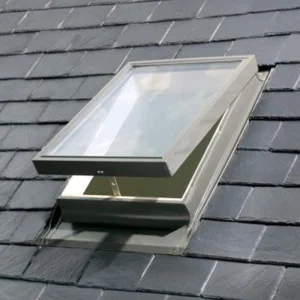
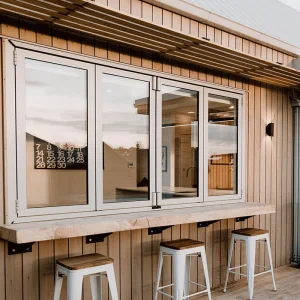
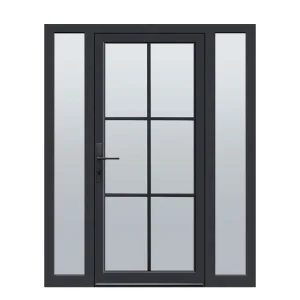
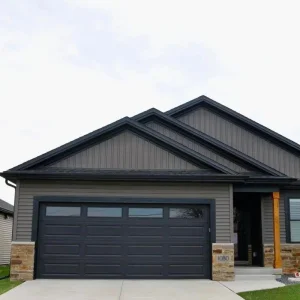
Advanced bi-fold patio systems, narrow-frame French doors, smart skylights, and insulated garage access systems.
 Cresta Window Tech