Explore our precision-engineered aluminum window and door systems designed specifically for residential micro-ventilation, moisture management, hurricane resistance, and high-density urban environments.
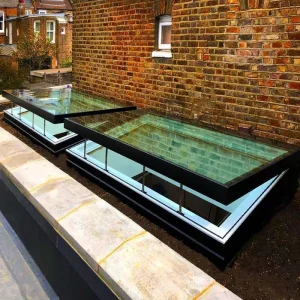
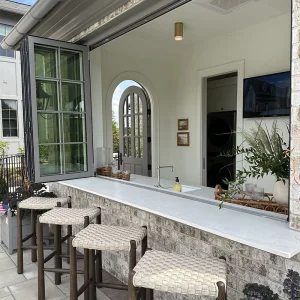
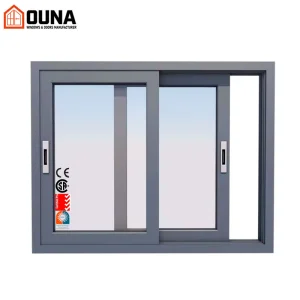
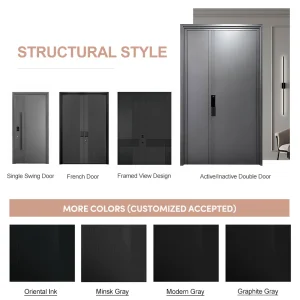
In modern architectural design, bathroom spaces represent the most challenging micro-climates within both residential and commercial structures. Managing extreme relative humidity (RH) spikes, preventing interstitial condensation, maintaining structural integrity against corrosive moisture, and ensuring Indoor Air Quality (IAQ) require sophisticated fenestration solutions.
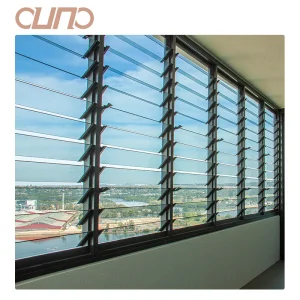
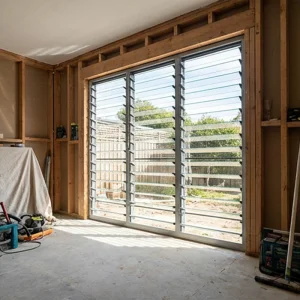
Bathrooms generate rapid relative humidity surges exceeding 90% RH within minutes. Without continuous passive or active micro-ventilation, stagnant vapor fosters black mold (*Aspergillus niger*) growth, degrades structural drywall, and compromises occupant health. Advanced aluminum ventilation windows integrate trickle vents, motorized louvers, and dual-action awning mechanisms designed to evacuate damp air continuously while preserving security and envelope tightness.
Conventional non-thermal aluminum frames act as thermal bridges, creating cold interior surface temperatures that trigger severe condensation run-off. Modern architectural specifications mandate Polyamide PA66 GF25 thermal break strips. By separating outer and inner aluminum profiles, thermal breaks raise inner frame temperatures above the dew point, effectively stopping surface condensation, interior timber rot, and plaster degradation.
The global luxury real estate market is transitioning toward automated smart ventilation. Aluminum bathroom ventilation windows are now engineered to integrate seamlessly with Building Management Systems (BMS) and smart home hubs. Electric linear actuators coupled with humidity, VOC, and rain sensors automatically actuate louver angles or opening sashes when RH levels surpass 65%, guaranteeing passive air exchange without occupant intervention.
When sourcing commercial-grade aluminum bathroom ventilation windows from international exporters, architectural engineers and procurement managers must scrutinize profile metallurgy, surface finishing durability, acoustic dampening performance, and water tightness metrics.
Primary extrusion profiles should utilize 6063-T5 or 6063-T6 architectural aluminum alloy. Grade 6063 provides superior corrosion resistance, flawless surface finishing capabilities, and optimal tensile strength (yield strength ≥ 170 MPa). Wall thickness for structural ventilation louvers and sashes must meet a minimum of 1.4mm to 2.0mm in accordance with international standards (such as Australian AS2047 and US AAMA guidelines).
Given the aggressive chemical environment created by high humidity, soaps, and cleaning agents, raw aluminum must undergo advanced surface conversion:
Glazing configurations for bathroom ventilation windows must balance daylight transmission with absolute privacy and thermal efficiency:
| Window Mechanism Type | Ventilation Efficiency (Airflow Rate) | Water Tightness (Pa) | Thermal Insulation (U-Value) | Privacy & Security Rating | Ideal Project Application |
|---|---|---|---|---|---|
| Glass/Aluminium Louver System | Maximum (90-95% clear opening) | 300 - 450 Pa | 2.2 - 2.8 W/m²K | High (Fixed Angle Blades) | Tropical Resorts, High-RH Bathrooms |
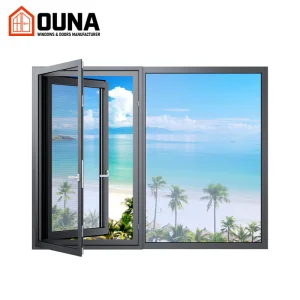
| Top-Hung Awning Window | Moderate Continuous (Rain-Proof) | 600 - 900 Pa | 1.2 - 1.6 W/m²K | Very High (Multi-Point Locking) | Cold-Climate High-Rise Condos |
| Slim-Frame Tilt & Turn | High Dual-Mode Adjustment | 700 - 1000 Pa | 1.0 - 1.4 W/m²K | Maximum (RC2 Anti-Burglary) | Luxury Villas & Executive Suites |
| Motorized Micro-Slit Sliding | Automated Controlled Rate | 500 - 750 Pa | 1.4 - 1.8 W/m²K | High (Sensor Locked) | Commercial Hospitality & Smart Homes |
China accounts for over 55% of global architectural aluminum production. The strategic concentration of raw material refinement, extrusion dies innovation, hardware manufacturing, and automated assembly line technology in regions like Guangzhou and Foshan provides international buyers with unmatched advantages.
From primary bauxite processing to precision CNC machining and hardware procurement (e.g., German Siegenia, Hoppe, or top domestic brands), Chinese export hubs offer complete vertical integration. This cluster effect drastically reduces lead times, optimizes logistics costs, and enables agile custom profile engineering.
Leading Chinese exporters maintain comprehensive global testing certifications to satisfy stringent regional building codes. Products are certified under Australian AS2047/AS1288, North American NFRC/AAMA/CSA, Florida Miami-Dade High Velocity Hurricane Zone (HVHZ) NOA standard, and European CE marking.
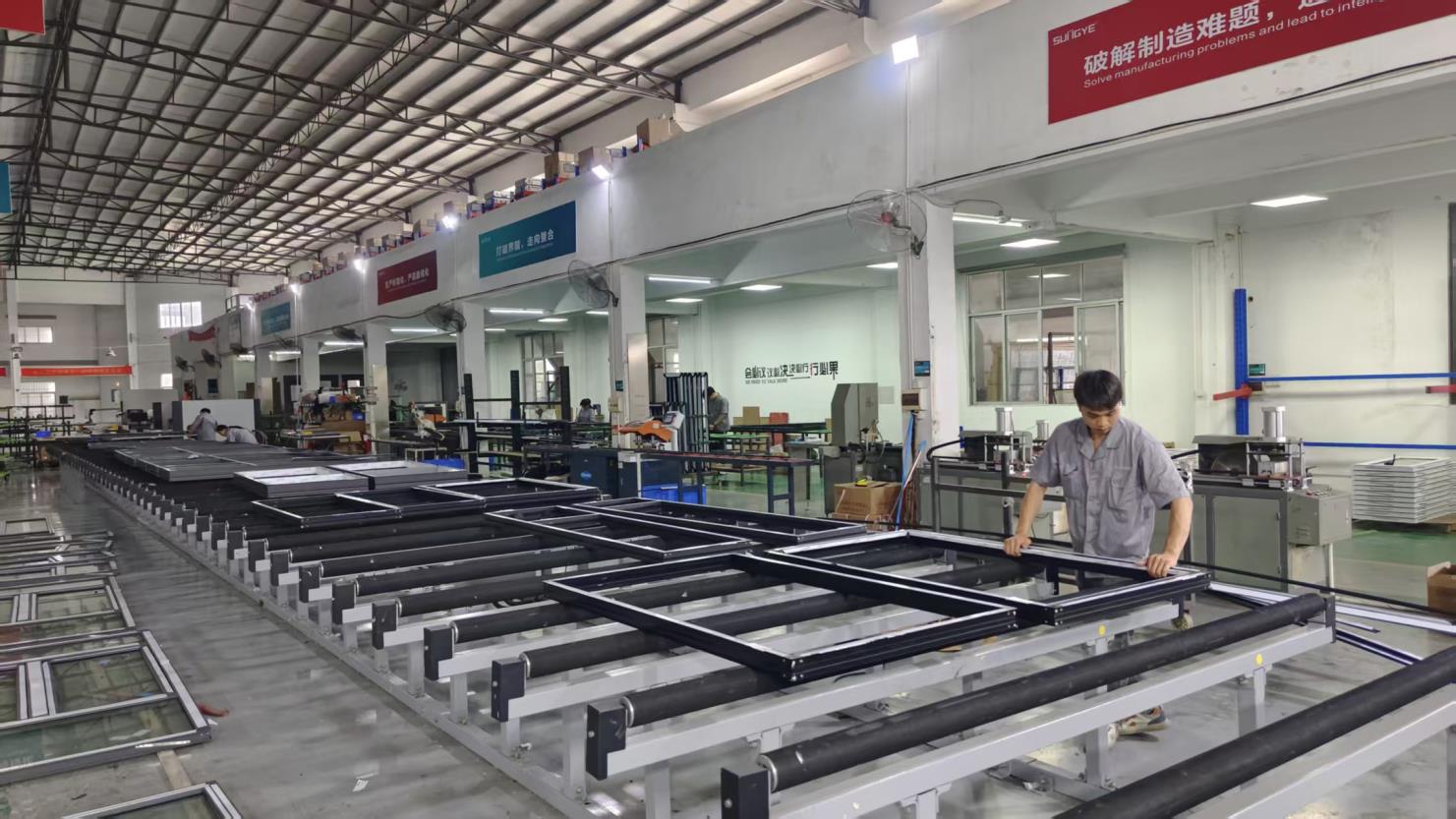
State-of-the-art automated factories permit high-volume manufacturing with minimal dimensional tolerances (+/-0.5mm). International buyers benefit from substantial bulk purchasing discounts, tailored profile extrusion options, custom color matching, and bespoke packaging for containerized sea freight shipping.
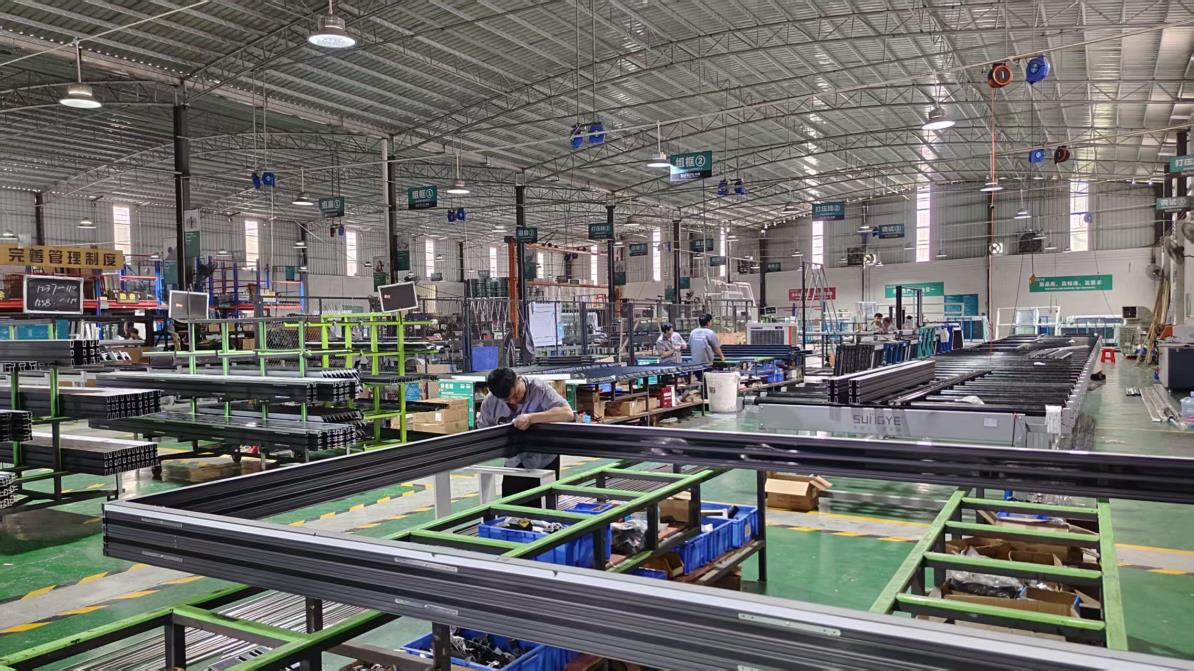
Established in 2015, Guangzhou Cresta Door & Window Co., Ltd. operates a 18,000-square-meter manufacturing facility. Backed by 11 years of industry experience and 7 years of international trade operations, we achieve an annual export turnover of $22 million across Southeast Asia, the Middle East, and Oceania. We mainly supply custom home builders, renovation contractors, and regional wholesalers.
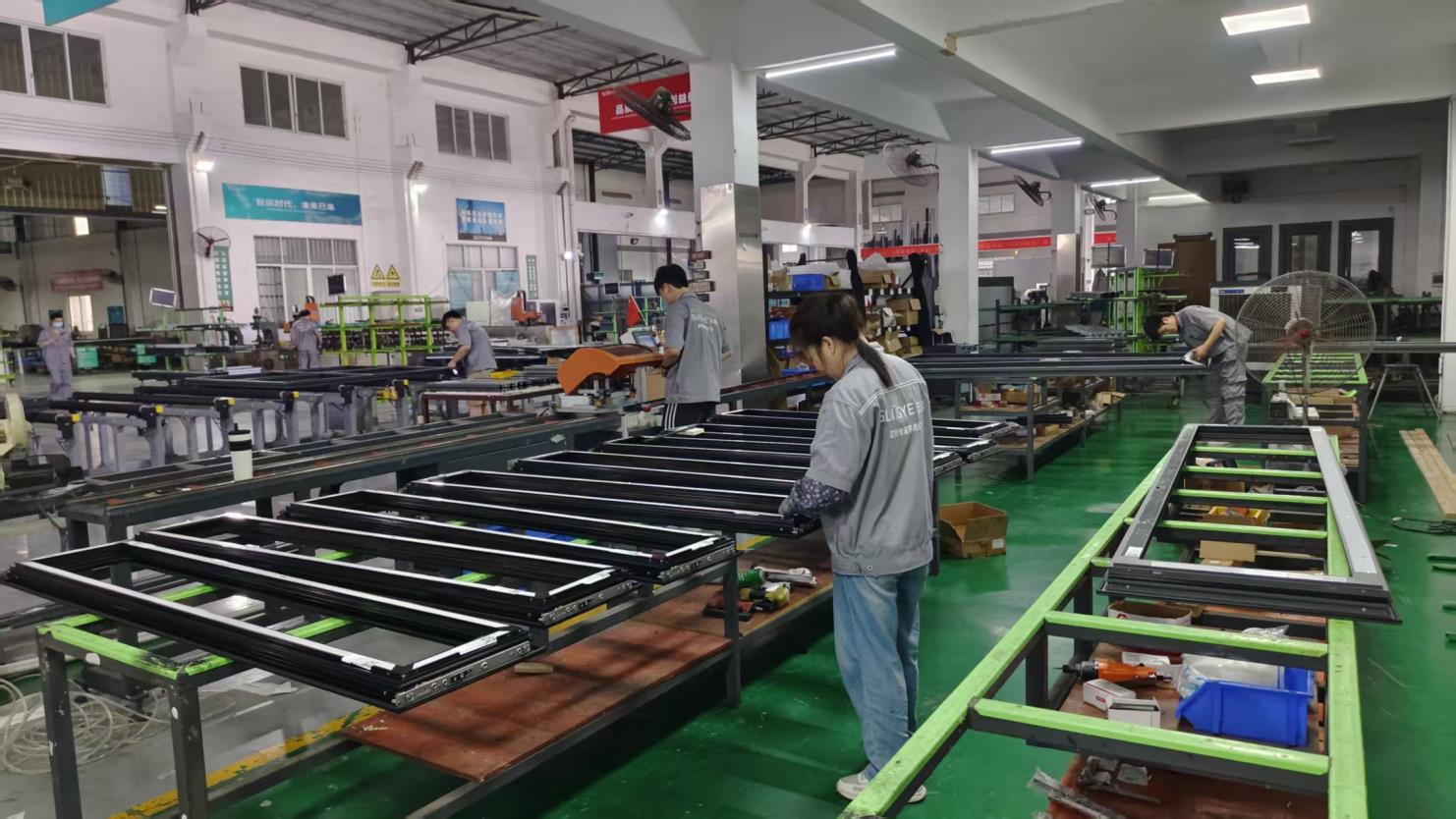
To ensure top-tier craftsmanship, our team of 30 QC inspectors strictly enforces ISO-certified optical surface inspections and weatherproofing seal tests. With a reliable network of 550 upstream suppliers, Cresta excels in tailored solutions such as custom acoustic insulation, motorized insect screens, and slim-frame sliding doors. Supported by an active R&D division of 35 specialized engineers, we released 38 new product series over the past year.
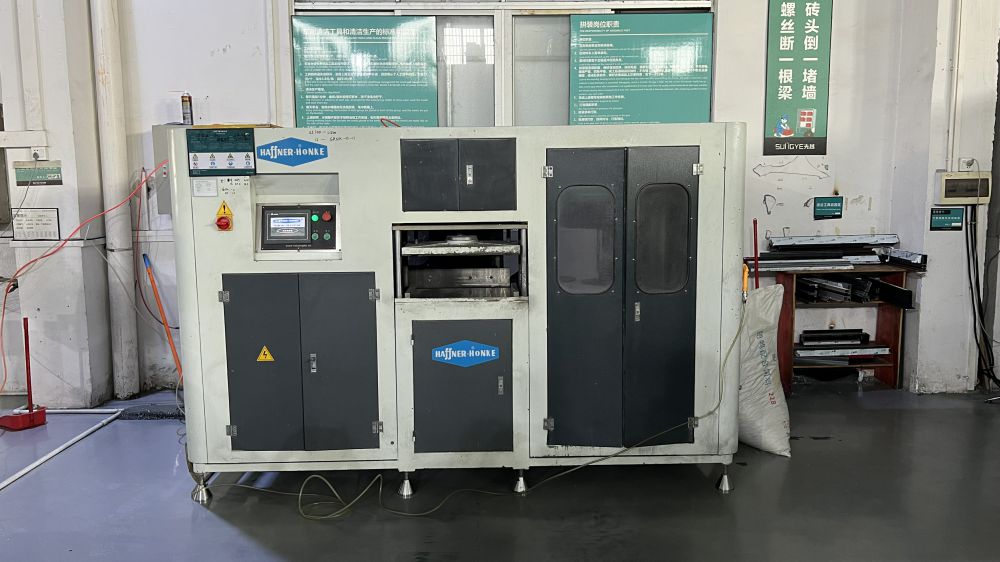
Our 18,000-sqm factory floor integrates fully automated CNC machining centers, precision face milling, corner crimping, structural glass assembly, and multi-stage testing rigs.
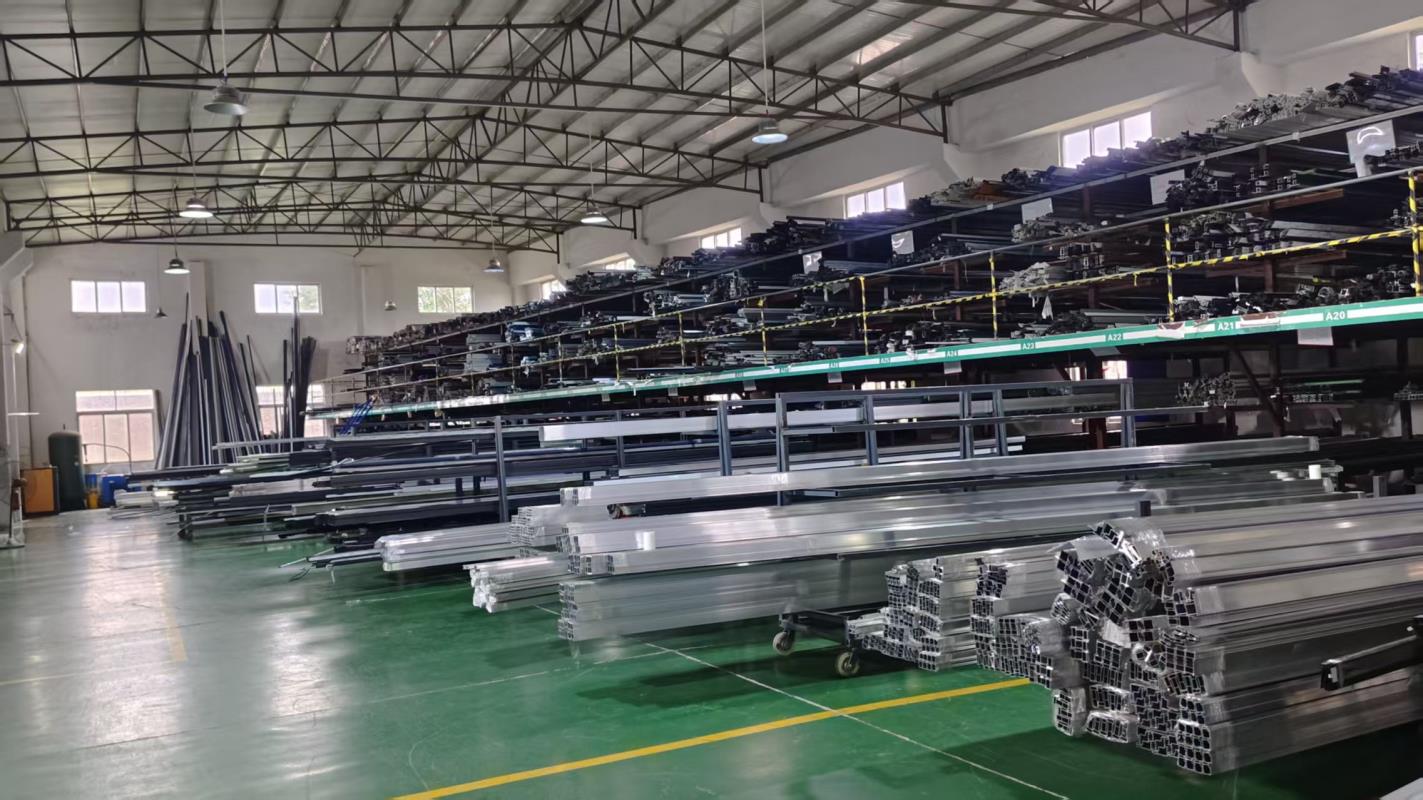
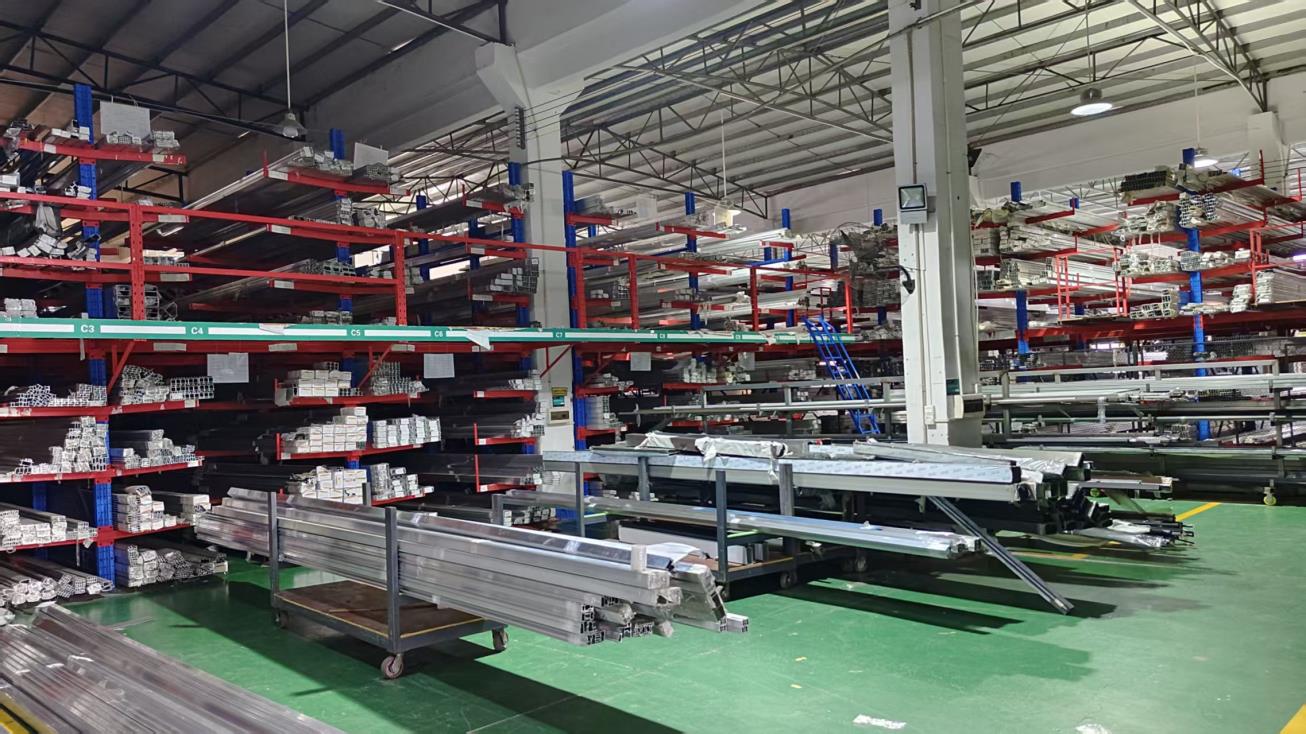
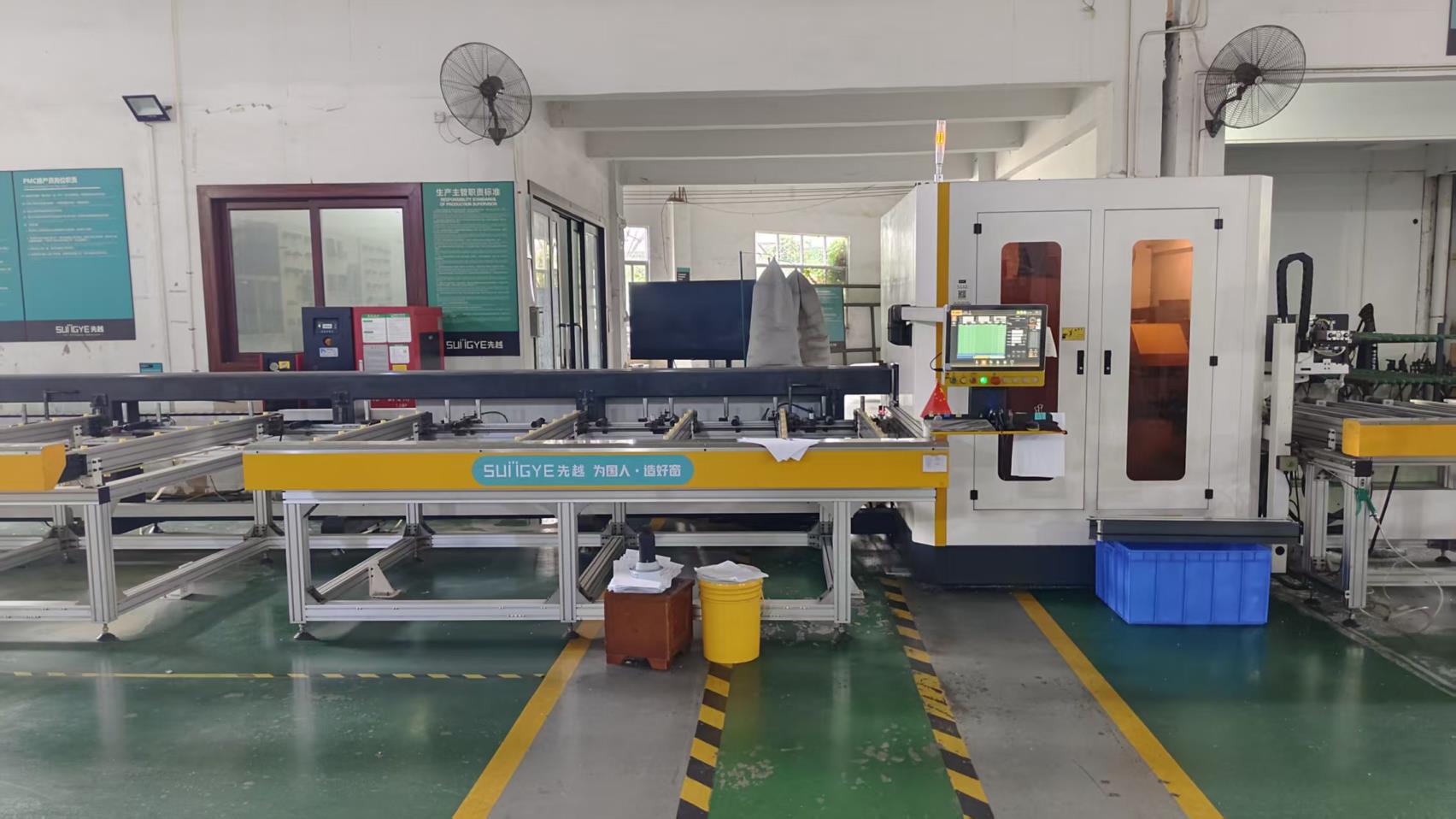
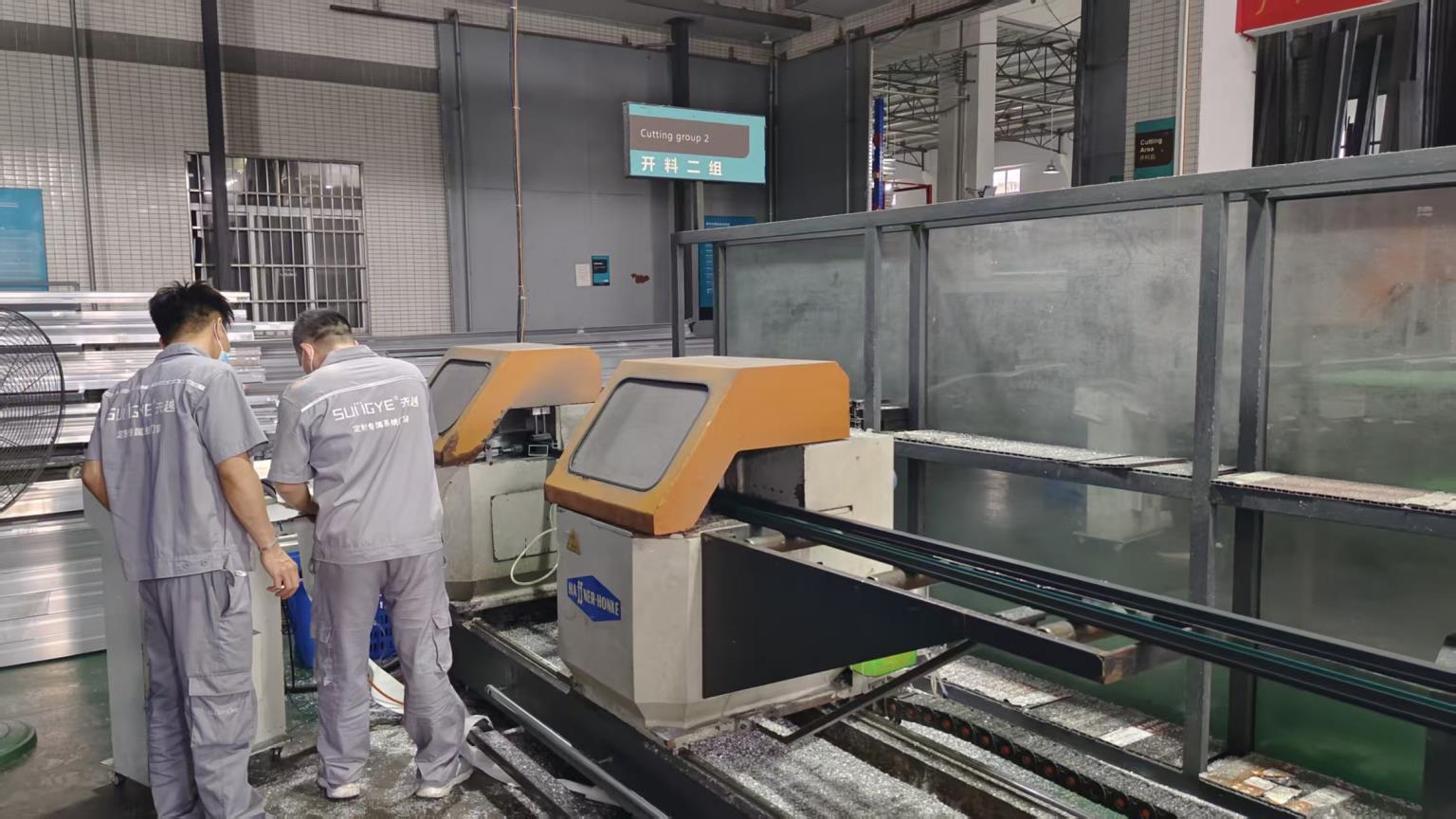
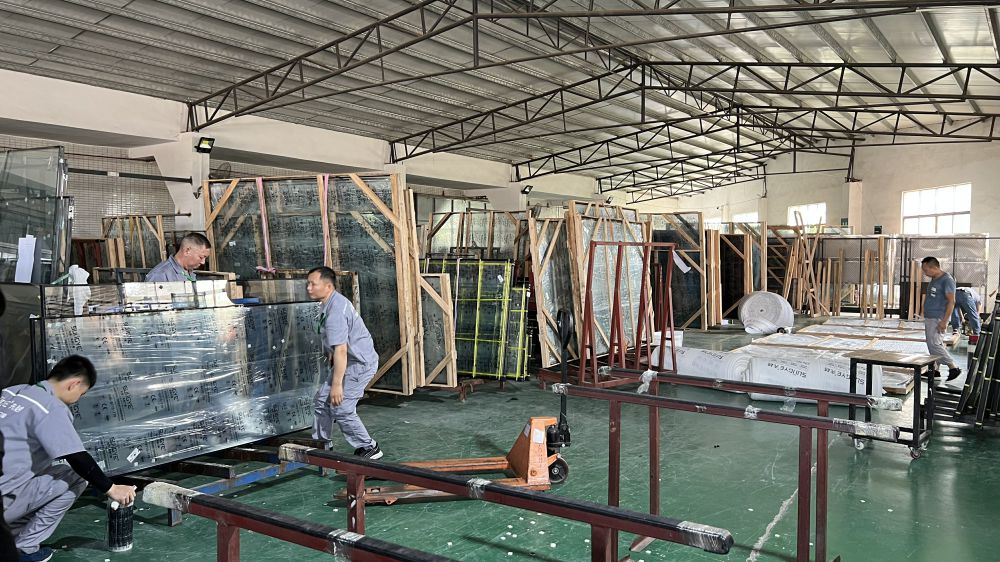
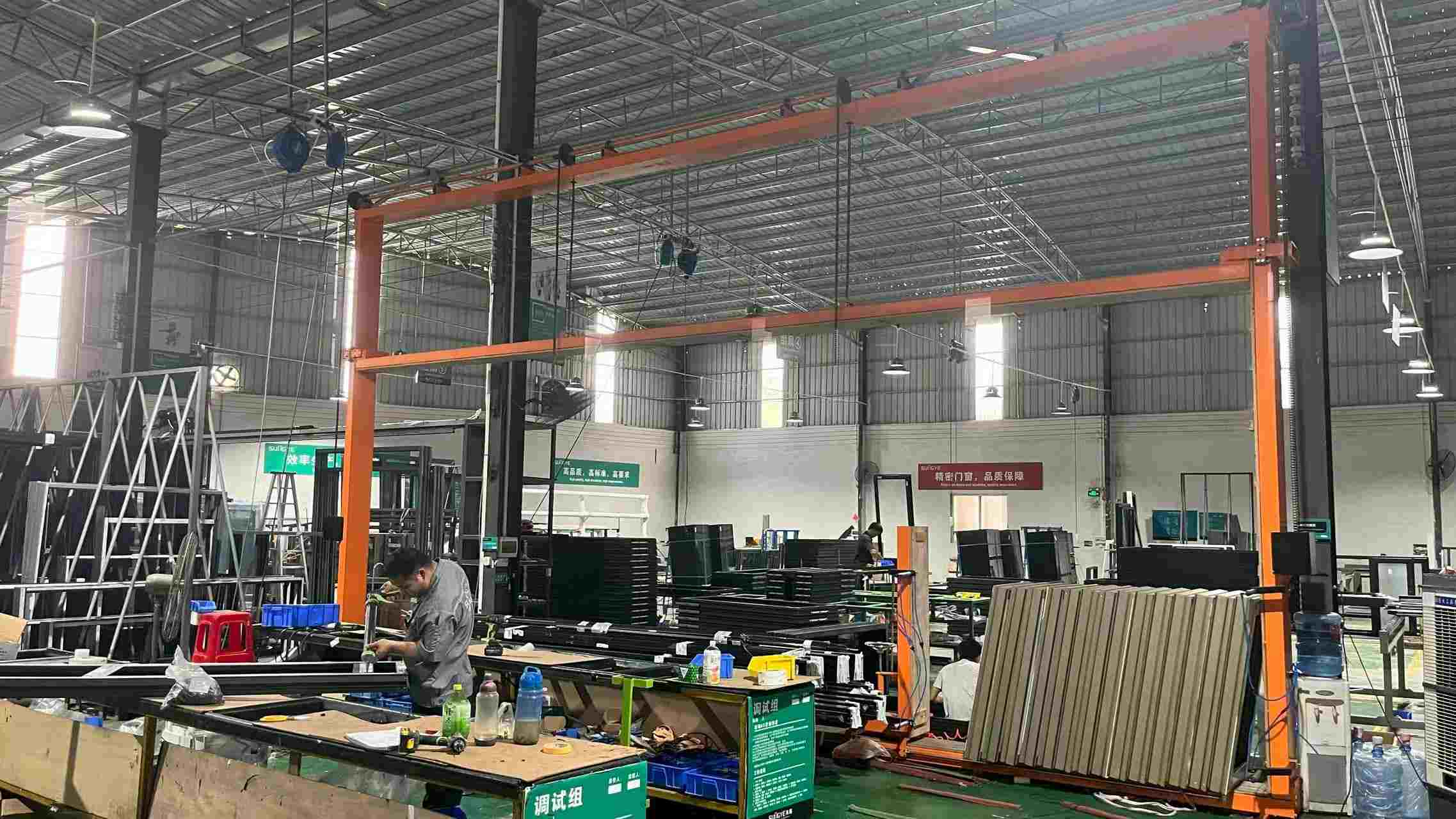
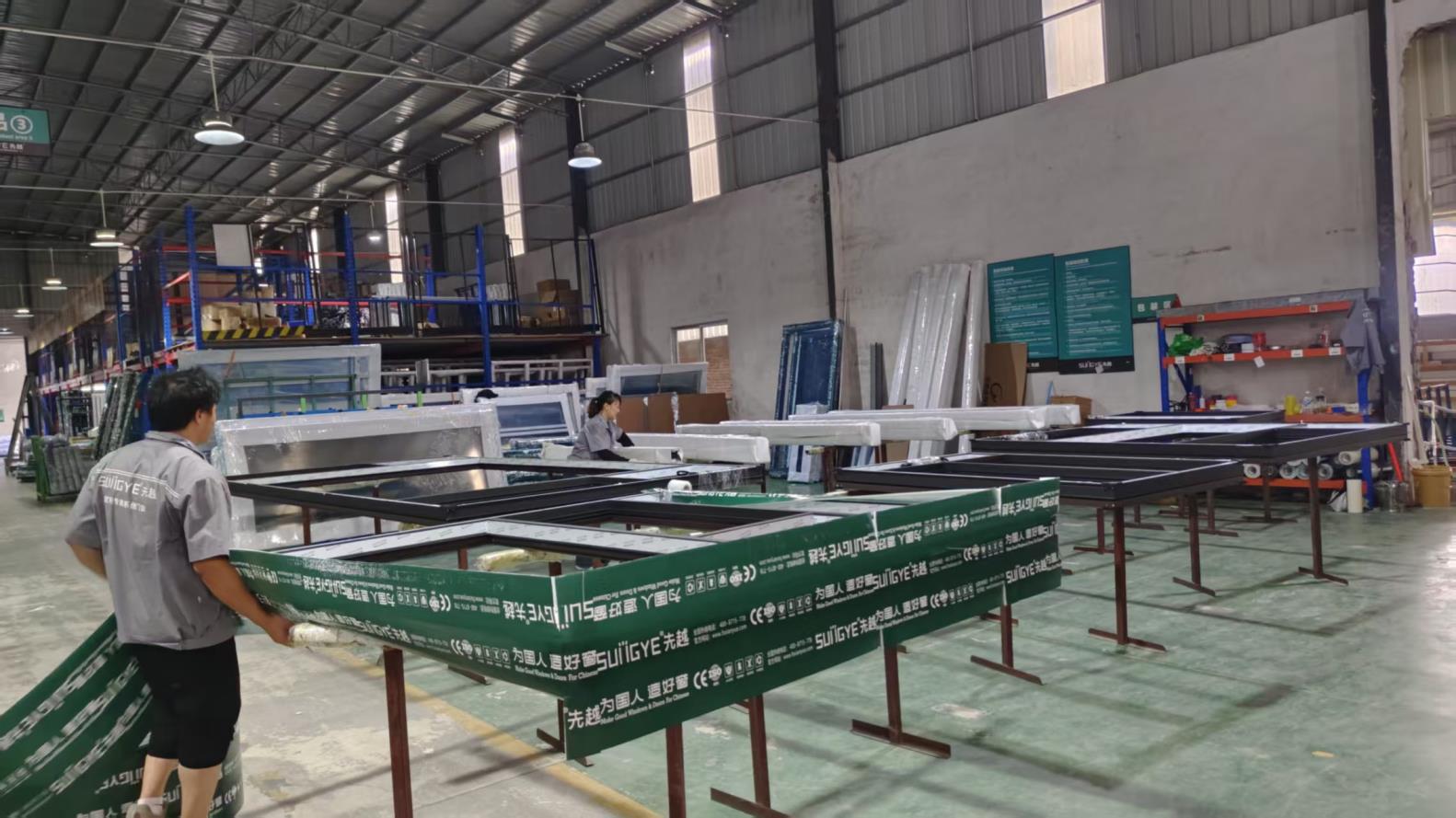
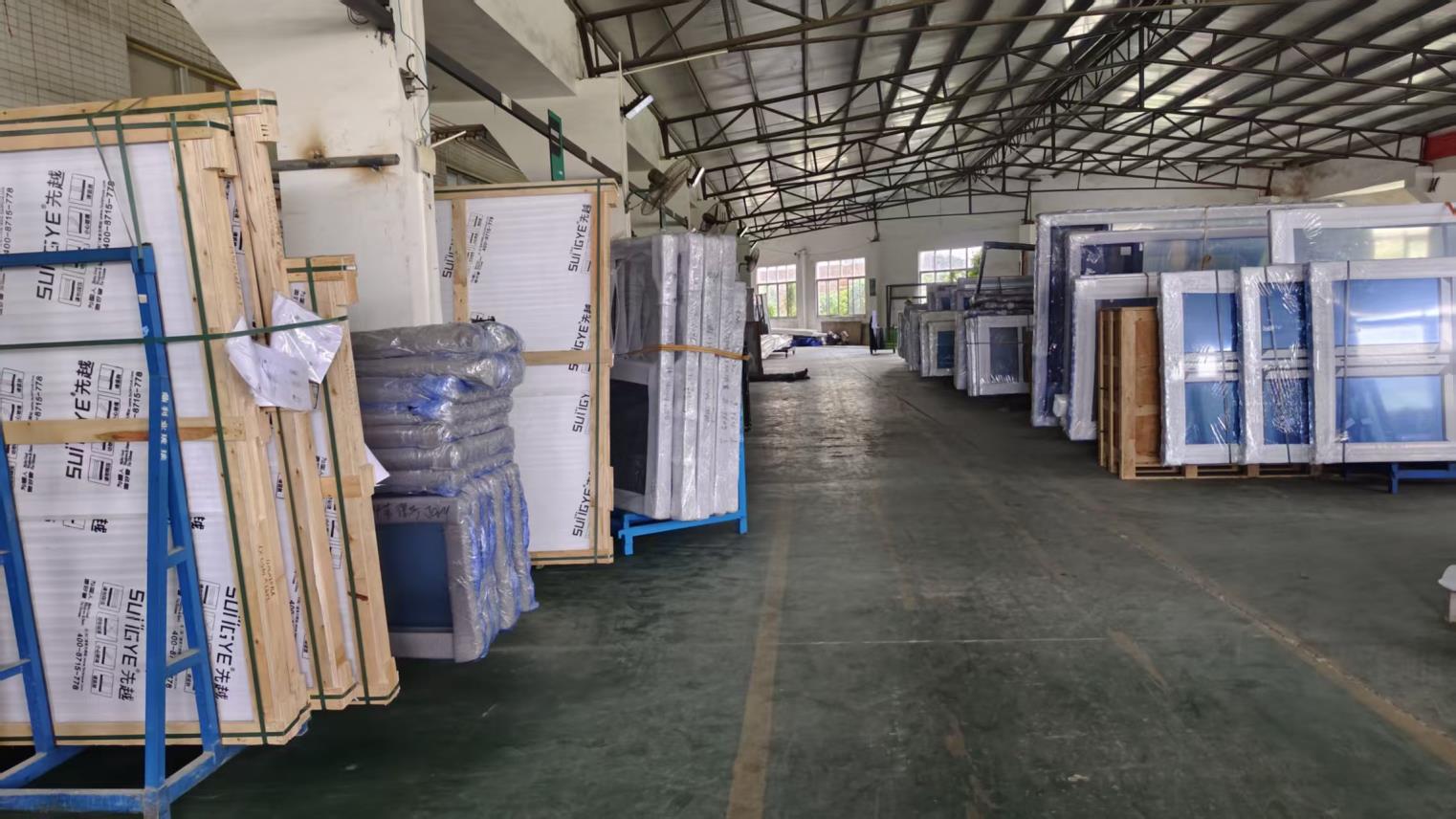
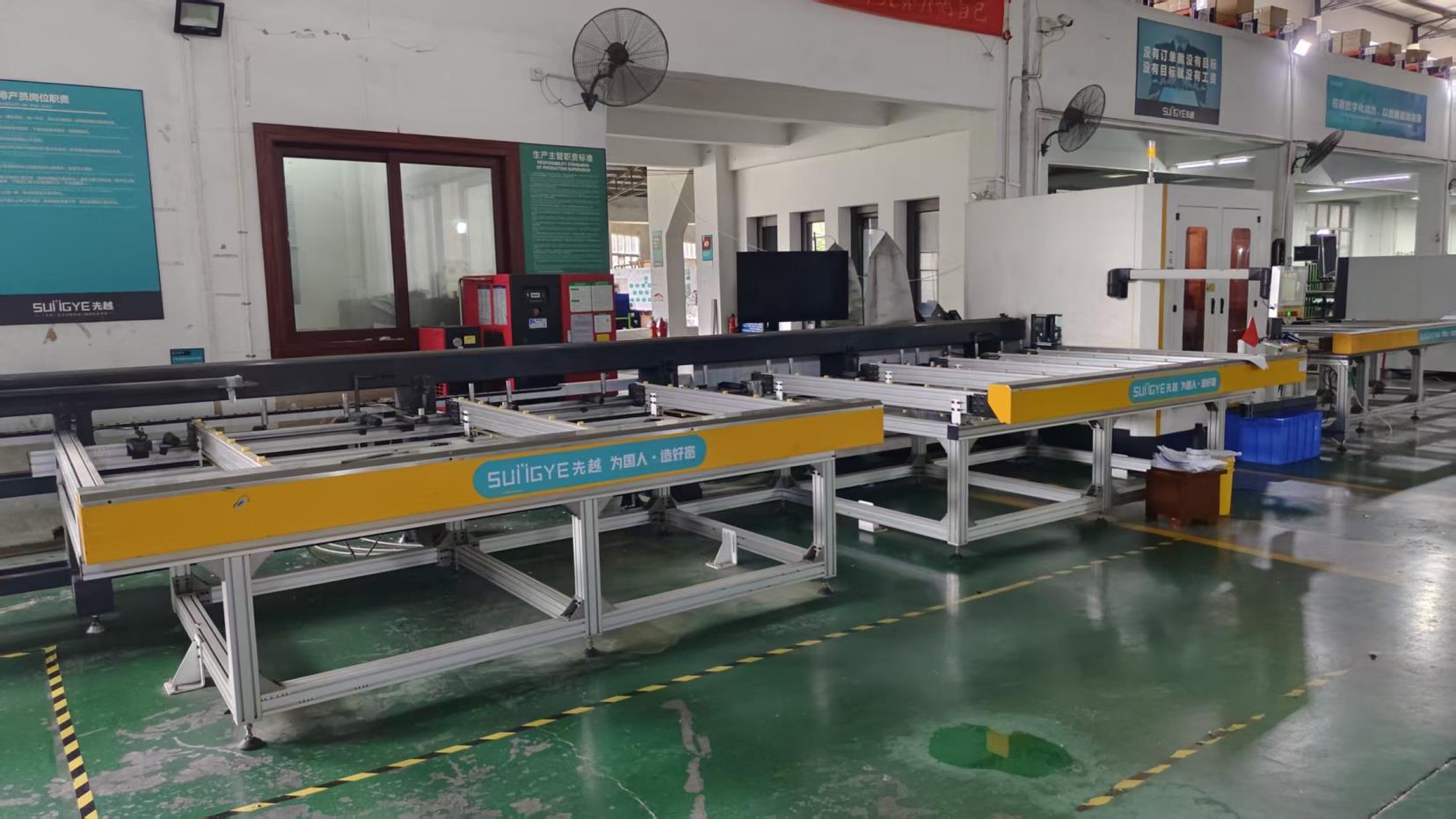
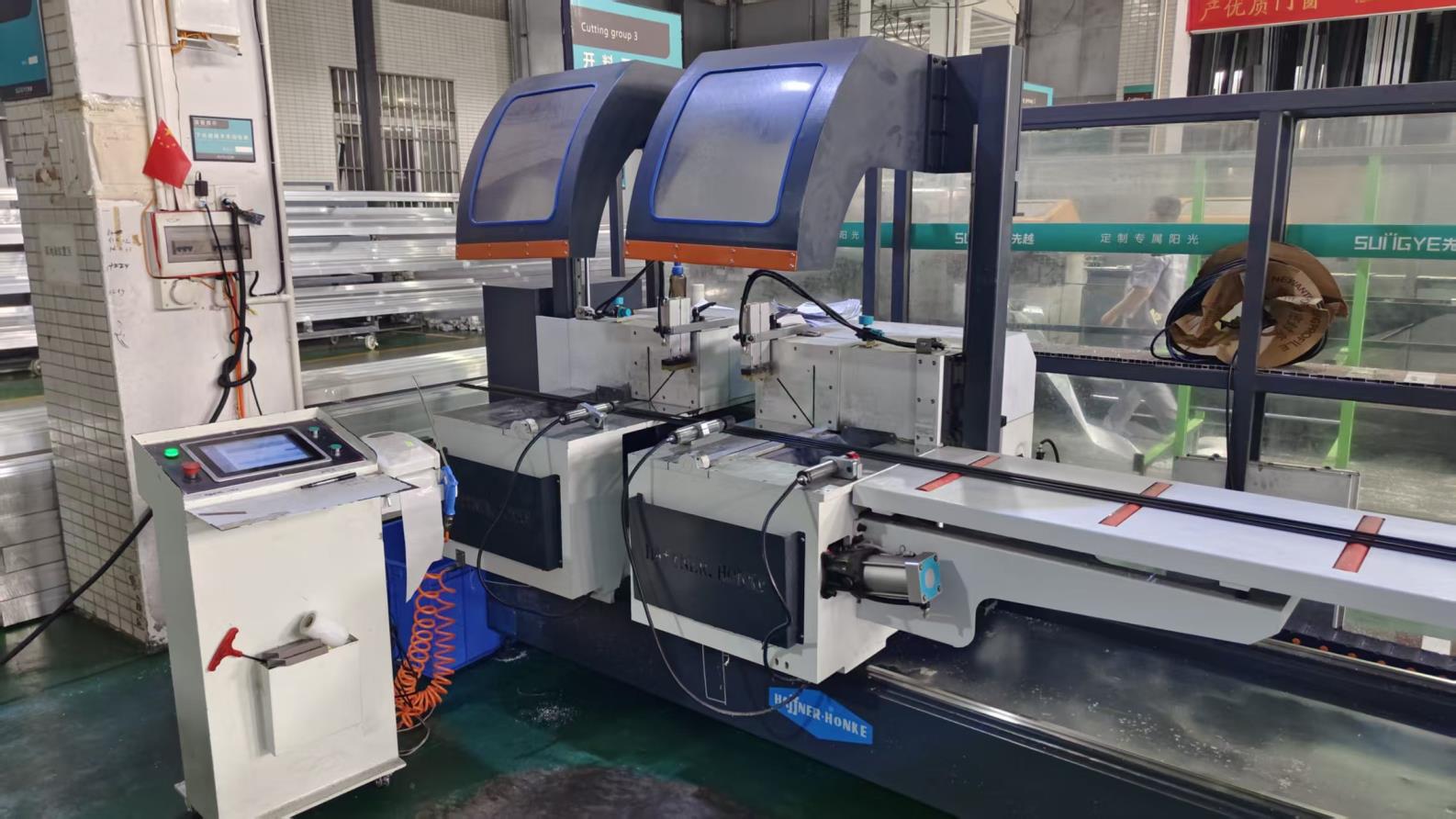
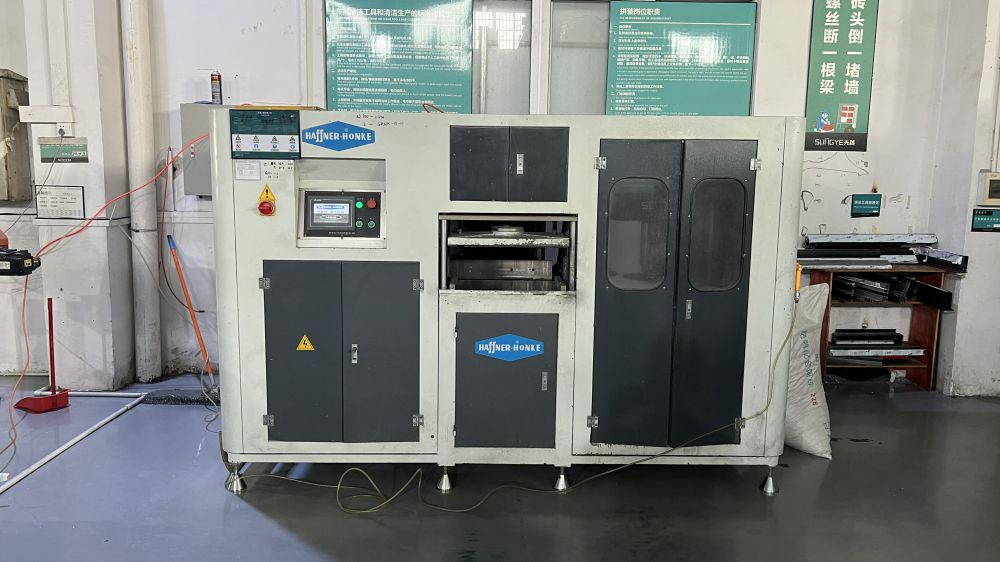
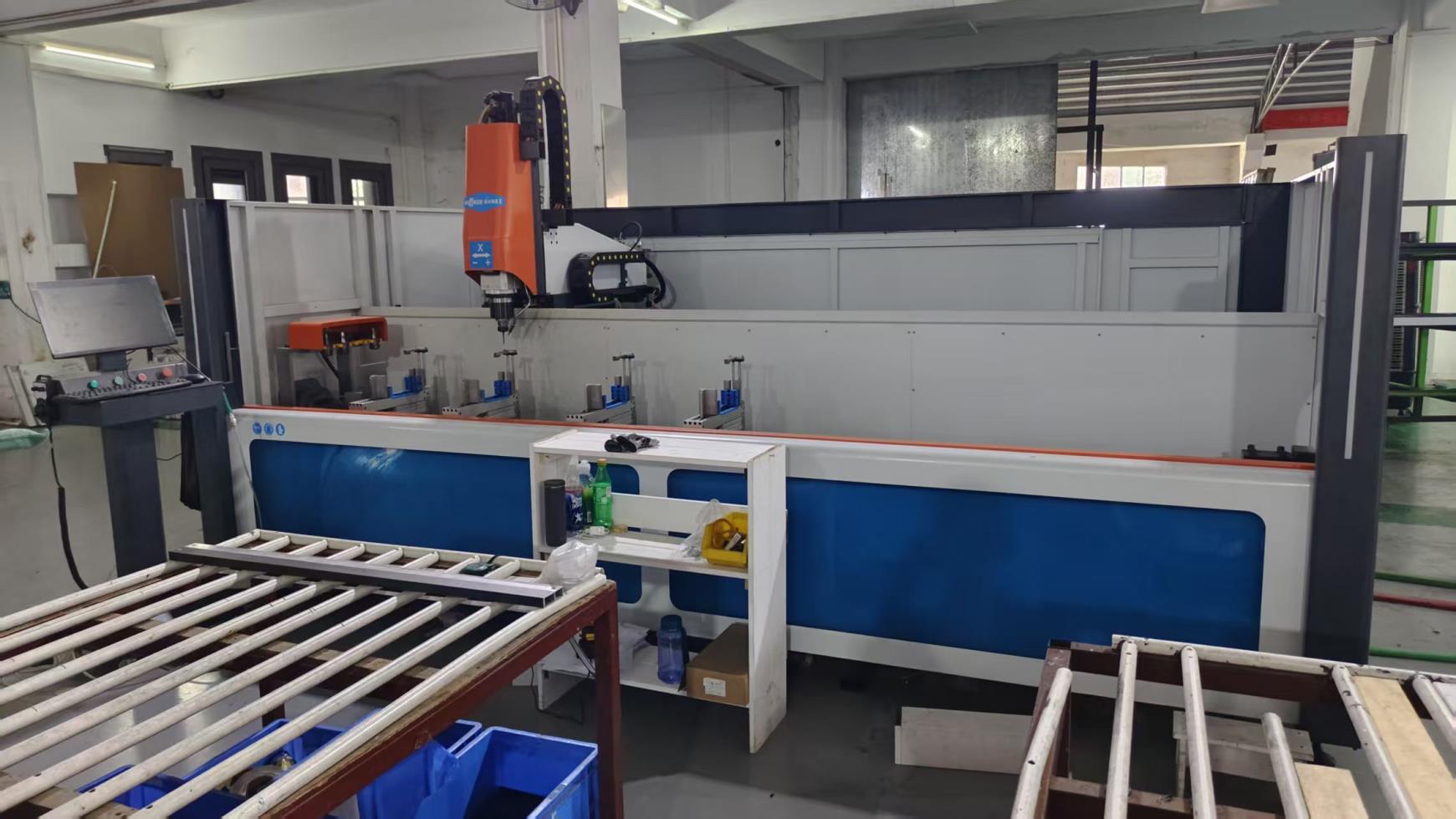
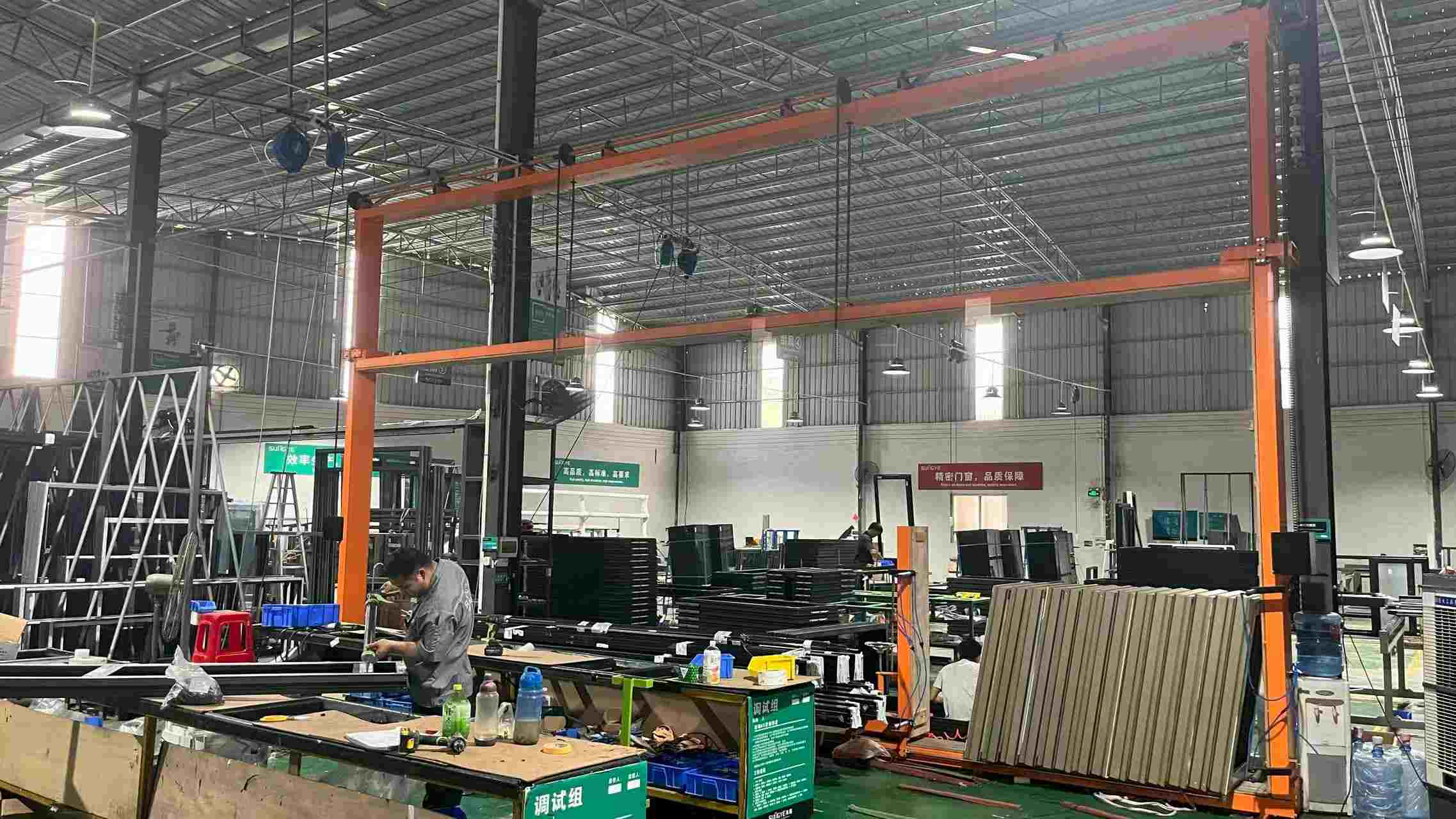
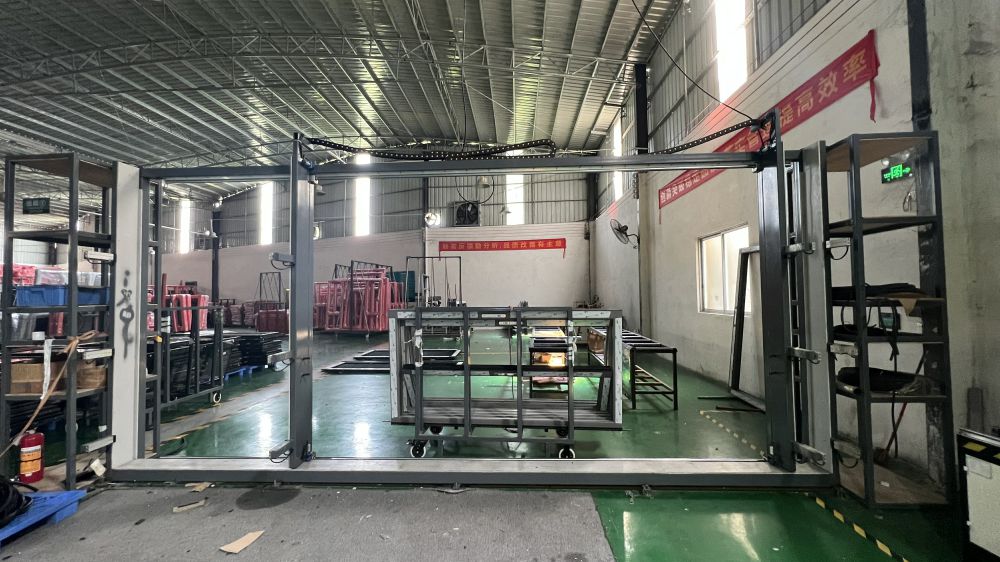
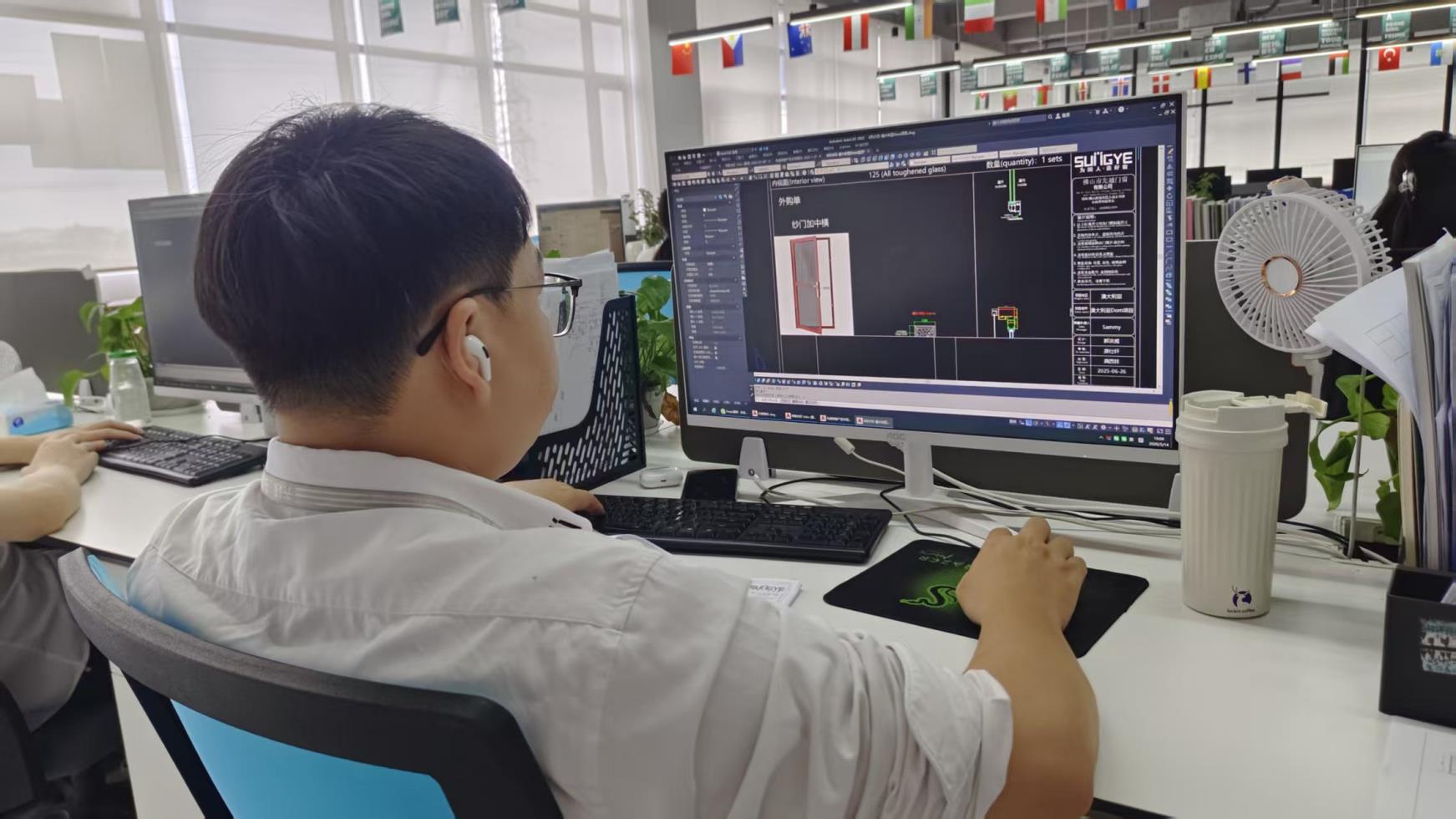
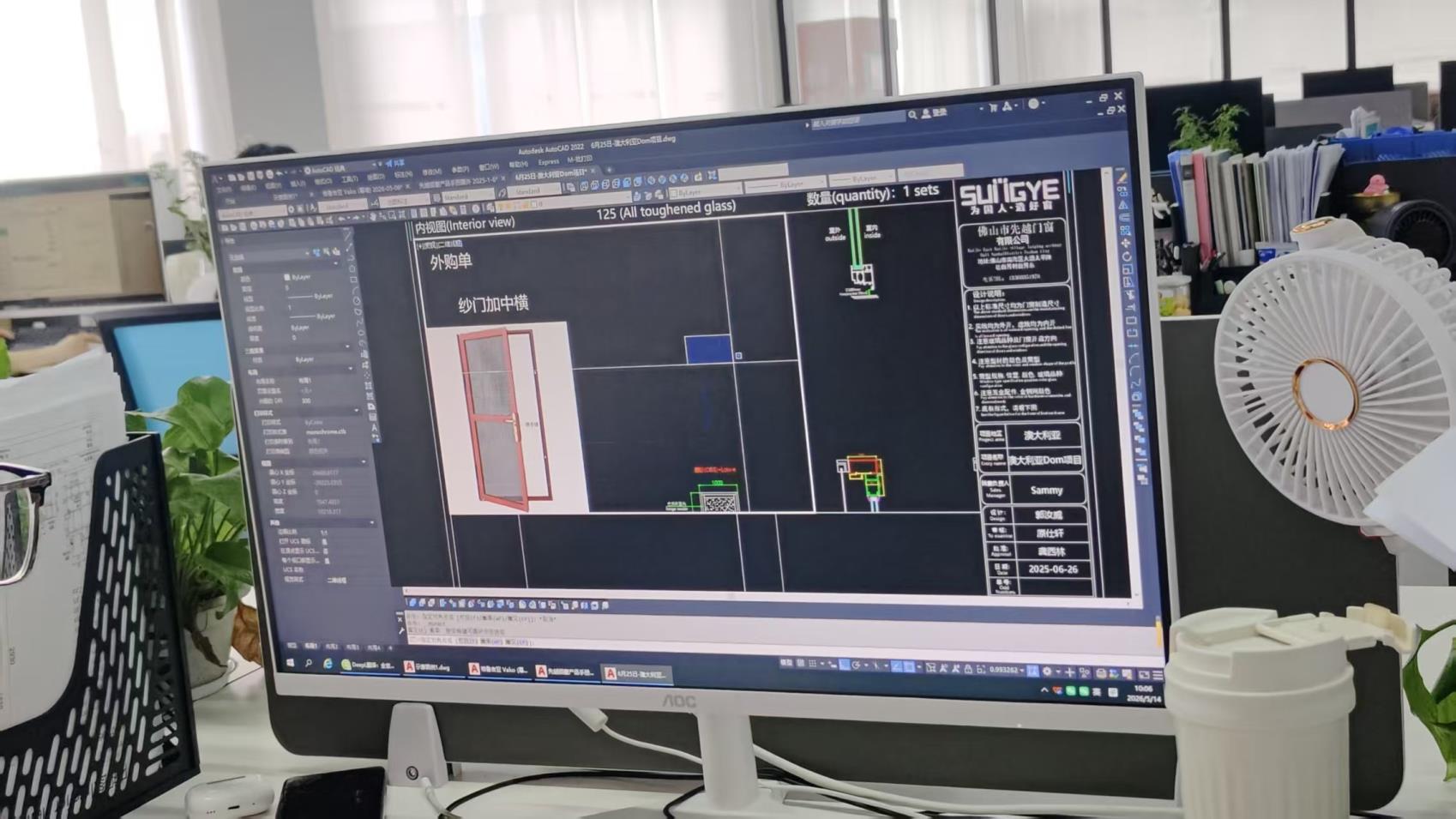
Different geographic zones demand specialized engineering solutions to handle climatic stress, building regulation constraints, and architectural aesthetics.
Target Markets: Florida (USA), Caribbean Islands, Coastal Australia, Southeast Asia.
Engineering Focus: High-impact resistance against severe storm surges and cyclonic winds. Incorporating Miami-Dade NOA certified laminated glass, reinforced structural aluminum mullions, and salt-spray resistant 25-micron anodized finishes. Louver systems utilize internal water-deflection baffles to prevent driven rain ingress under hurricane pressure loading.
Target Markets: Northern Europe, North America, High-Altitude Regions.
Engineering Focus: Eliminating cold thermal bridging and interior frost build-up in wet zones. Systems specify multi-chambered Polyamide PA66 thermal breaks, triple-pane Low-E glass units filled with 90%+ Argon gas, and warm-edge spacer technology. Thermal insulation performance yields U-values down to 1.1 W/m²K.
Target Markets: Middle East Financial Hubs, East Asian Metropolises.
Engineering Focus: Balancing sound insulation with discreet ventilation. Acoustic louver designs incorporate inner sound-dampening acoustic foam strips combined with obscure frosted safety glass. Motorized micro-ventilation actuators sync with hotel room BMS keycards to optimize fresh airflow between guest occupancies.
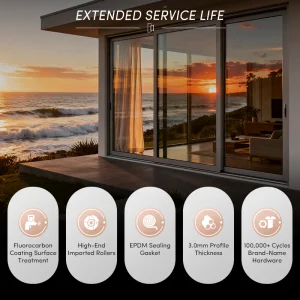
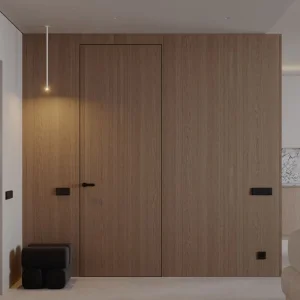
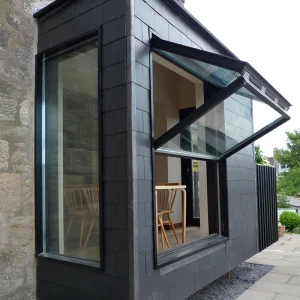
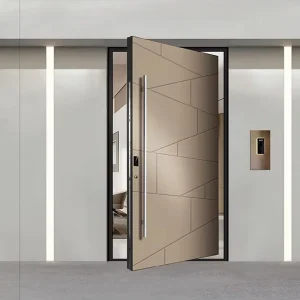
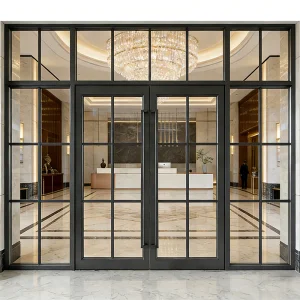
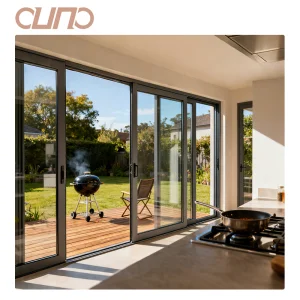
Discover additional custom aluminum fenestration products, including lift-sliding doors, acoustic louvers, bi-fold systems, and security entrance doors engineered for international wholesale and project distribution.
Expert answers to key technical, financial, and logistical questions regarding the export and procurement of custom aluminum bathroom ventilation windows.
 Cresta Window Tech