Engineered for high-load wind performance, optimal thermal isolation, and seamless space integration.
An in-depth technical report on architectural folding door systems, energy compliance standards, and supply chain strategies for 2025–2030.
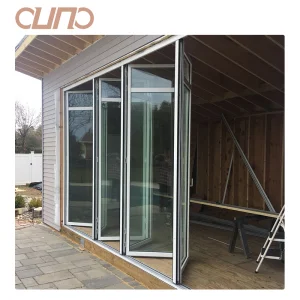
The global architectural fenestration sector is experiencing a structural migration toward high-performance envelope solutions. Among these, aluminium concertina doors (frequently designated as bi-folding doors, accordion doors, or multi-panel folding glass walls) have emerged as an indispensable vector in modern commercial and luxury residential projects. By enabling full-aperture transitions between interior and outdoor spaces, these systems maximize floor plan flexibility, boost spatial utility, and optimize natural daylighting metrics.
From an engineering perspective, modern concertina systems are complex structural assemblies. Unlike standard sliding units, folding doors transmit concentrated multi-axis vector forces along overhead tracks or bottom rollers during actuation. Consequently, structural integrity, deflection limits under positive and negative wind loads, thermal break continuity, and long-term hardware fatigue performance serve as the core evaluation criteria for Tier-1 real estate developers, structural consultants, and facade engineering teams.
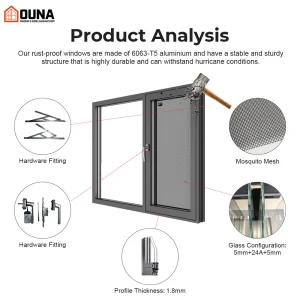
Utilizing high-tensile 6063-T6 or 6005-T5 architectural aluminum alloys to ensure structural rigidity and micro-tolerance stability across expansive spans.
Incorporating polyamide (PA66GF25) reinforced thermal barriers to dramatically reduce U-factors and fulfill zero-energy building mandates.
Multi-layer continuous EPDM gaskets combined with pressure-equalized drainage tracks prevent water ingress during severe weather events.
Procurement teams managing multi-family residential developments, hospitality resorts, or regional distribution networks face heightened pressure regarding compliance, long-term durability, and acoustic mitigation. Selecting an OEM/ODM manufacturer requires auditing structural testing parameters, hardware resilience, powder-coating thickness, and local standard certifications.
| Technical Metric | Commercial Standard Target | High-Performance Specification | Relevance to B2B Procurement |
|---|---|---|---|
| Thermal Transmittance (U-Factor) | ≤ 1.8 W/m²·K | ≤ 1.0 - 1.2 W/m²·K | Directly impacts LEED certification and regional green energy compliance. |
| Acoustic Rating (STC / Sound Insulation) | 32 dB - 36 dB | 40 dB - 45+ dB | Essential for urban hospitality, beachfront resorts, and luxury residential zoning. |
| Wind Load Resistance (Pa) | Class 3 (1200 Pa) | Class 5+ / Design Pressure ≥ 50 PSF | Determines structural compliance for hurricane zones and high-rise applications. |
| Cycles Hardware Durability | 25,000 Cycles | 100,000+ Operational Cycles | Prevents maintenance callbacks and guarantees commercial operational lifespans. |
An objective benchmark evaluating production scale, engineering capabilities, quality assurance, and international export reach.
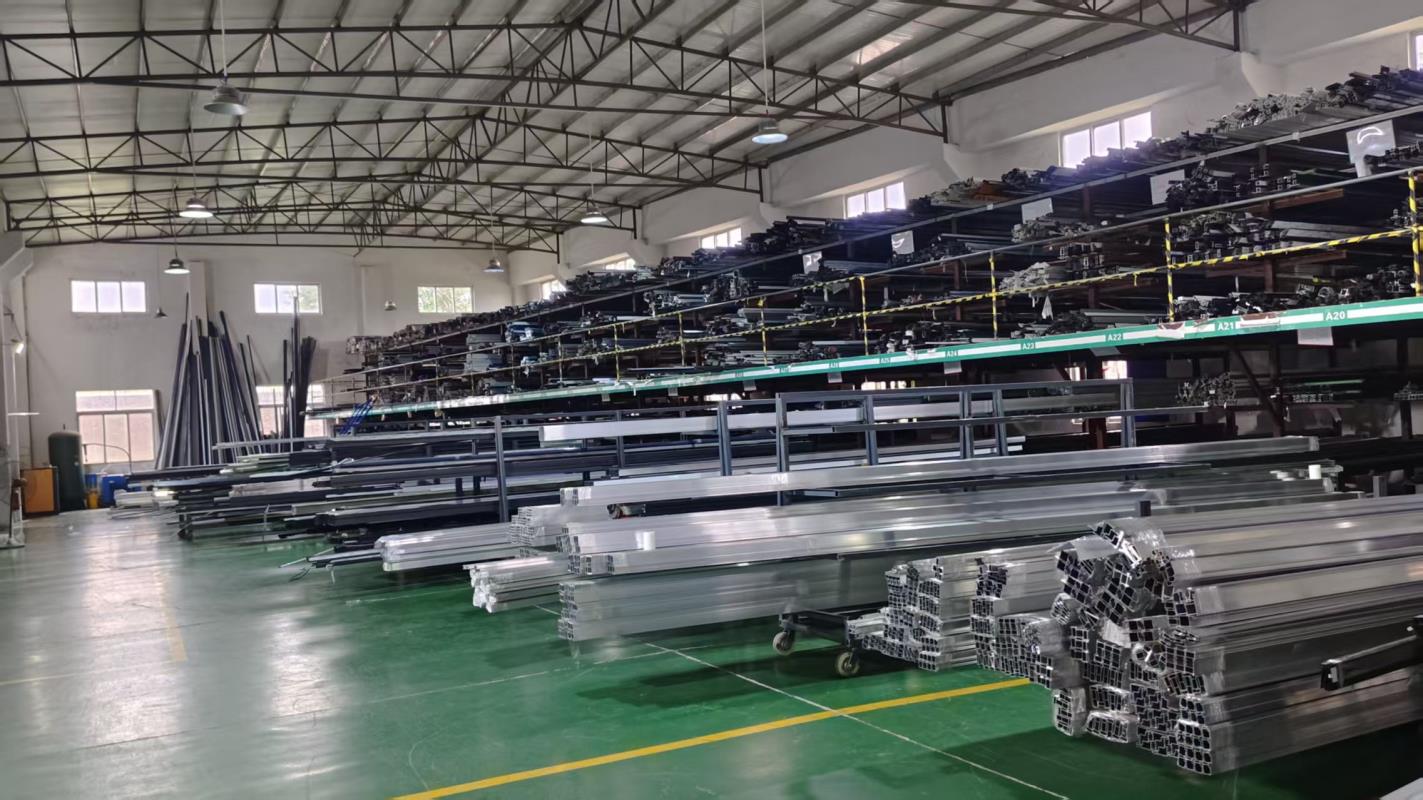
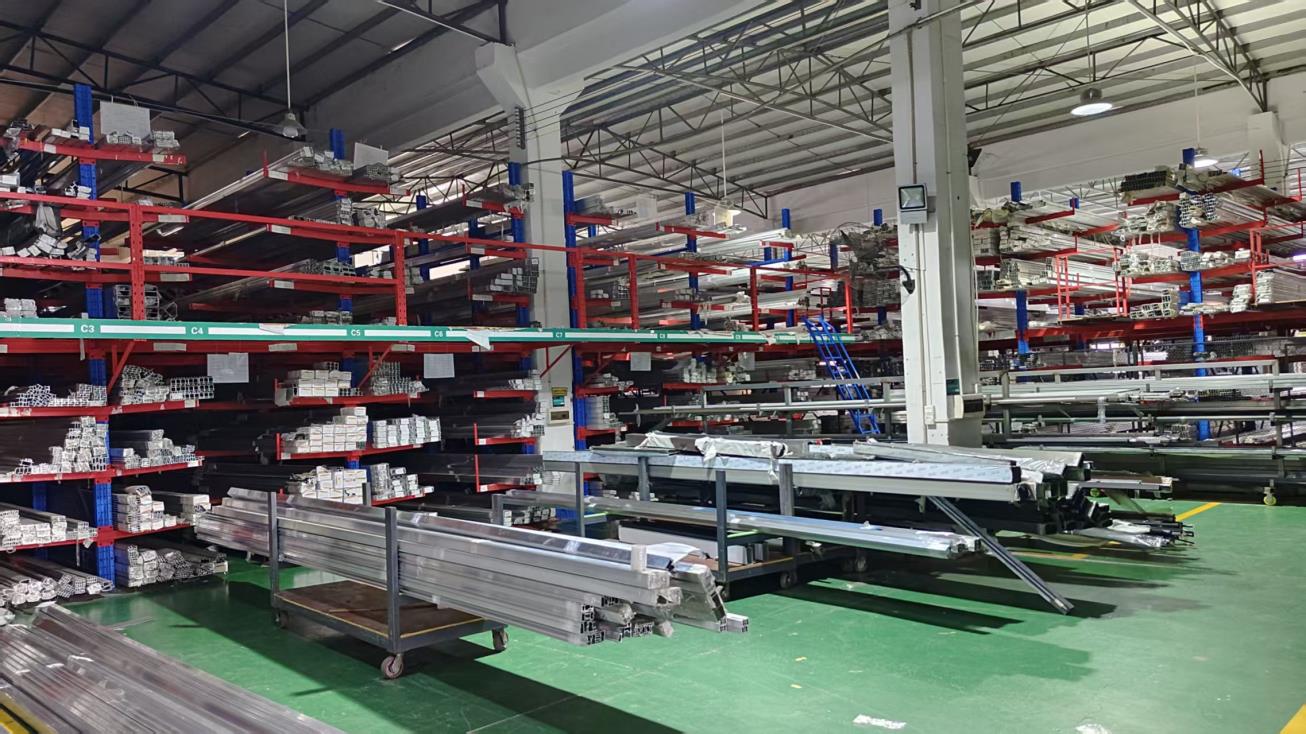
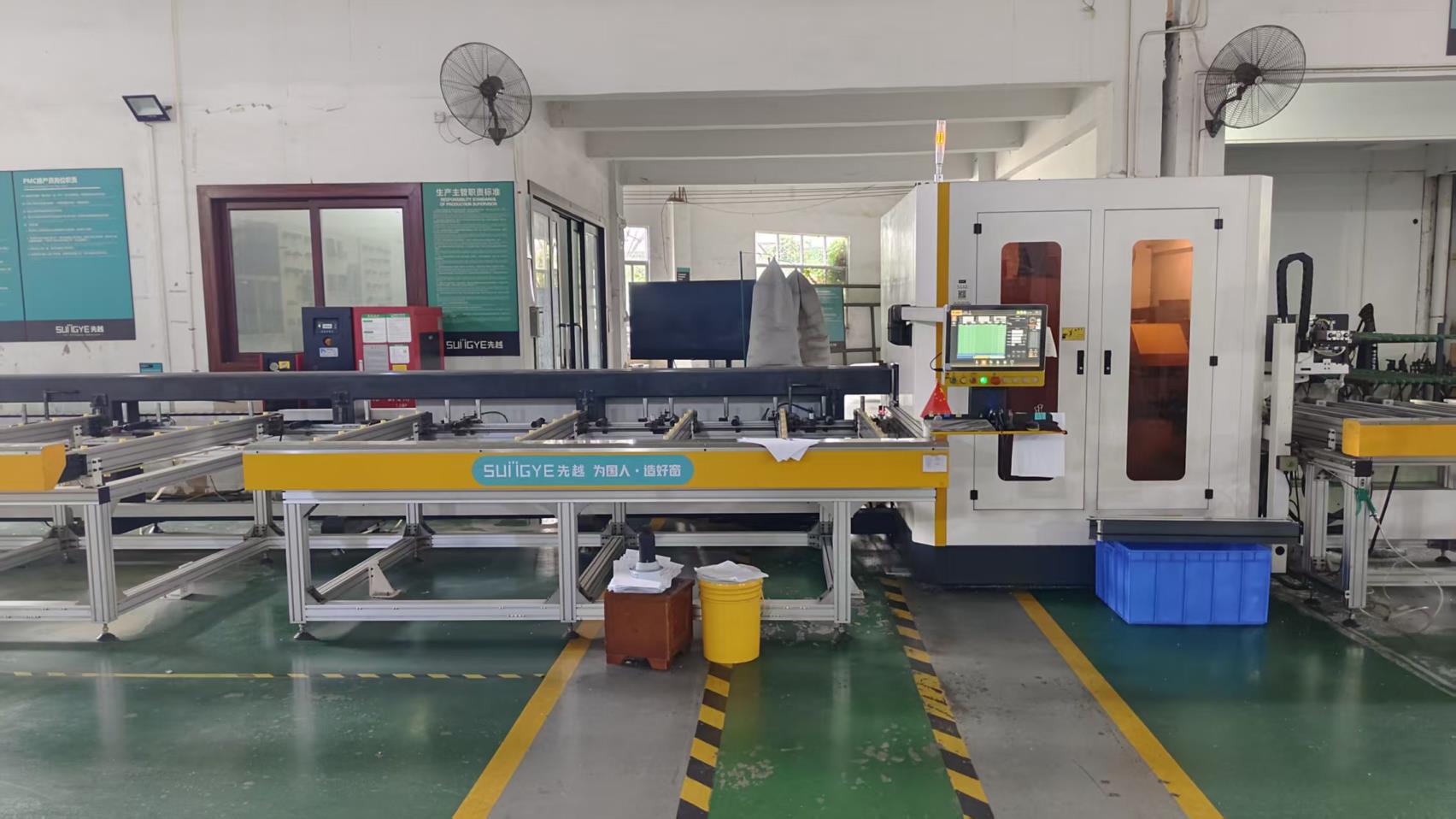
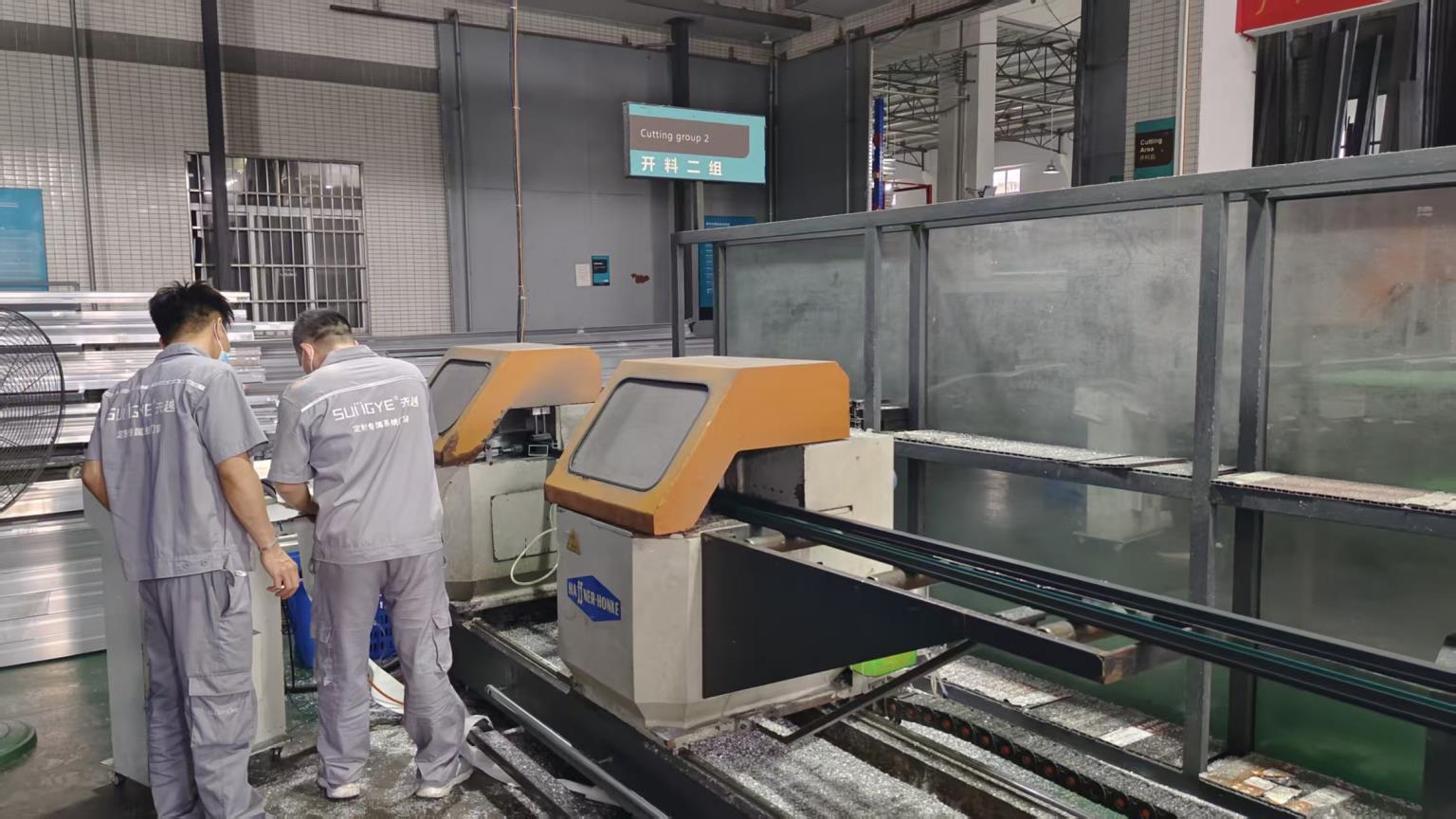
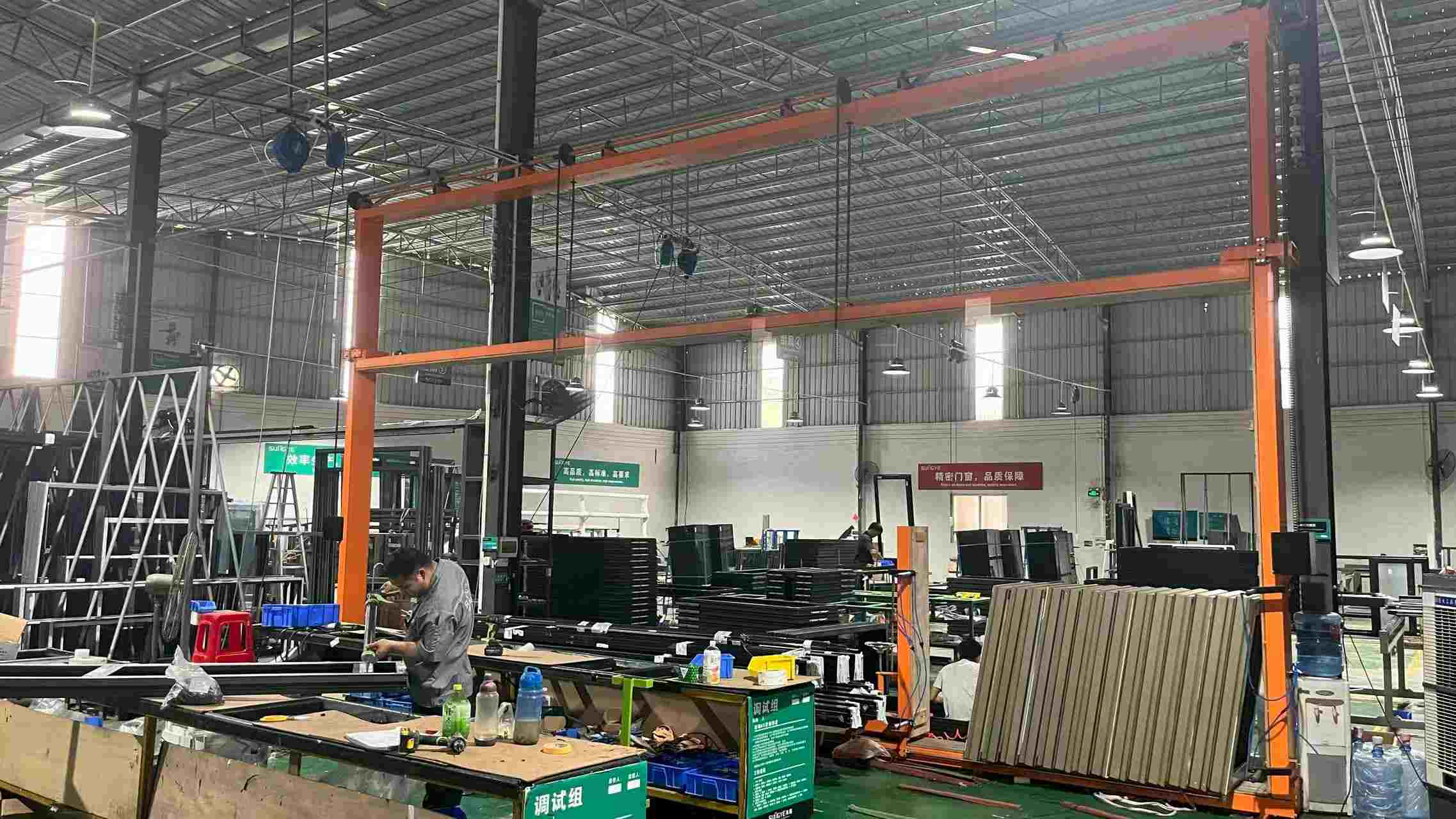
Established in 2015, Guangzhou Cresta Door & Window Co., Ltd. operates a 18,000-square-meter manufacturing facility. Backed by 11 years of industry experience and 7 years of international trade operations, we achieve an annual export turnover of $22 million across Southeast Asia, the Middle East, and Oceania. We mainly supply custom home builders, renovation contractors, and regional wholesalers.
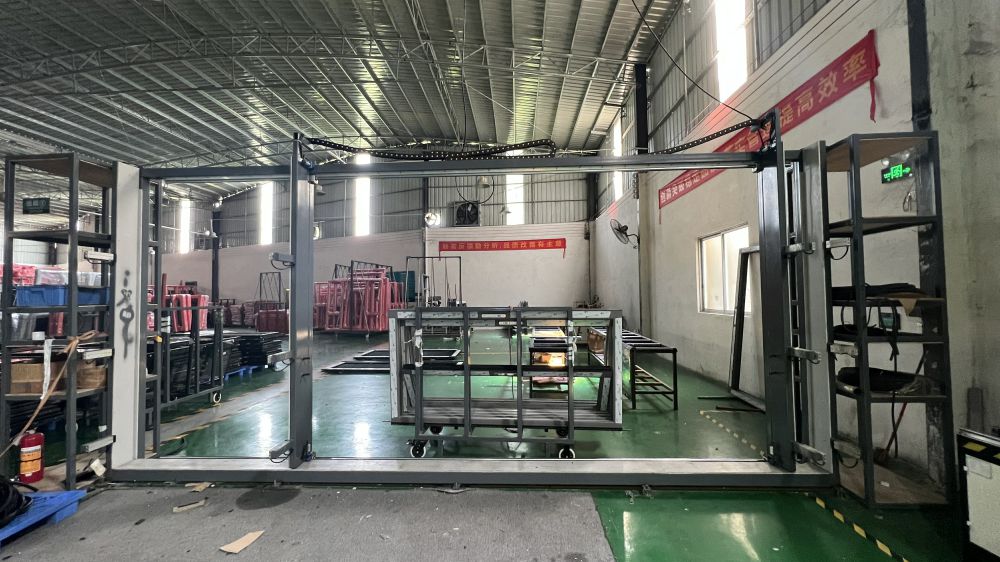
To ensure top-tier craftsmanship, our team of 30 QC inspectors strictly enforces ISO-certified optical surface inspections and weatherproofing seal tests. With a reliable network of 550 upstream suppliers, Cresta excels in tailored solutions such as custom acoustic insulation, motorized insect screens, and slim-frame sliding doors. Supported by an active R&D division of 35 specialized engineers, we released 38 new product series over the past year.
A global benchmark in architectural aluminum extrusions, Reynaers specializes in ultra-slim profile folding systems (CF 77 series). Recognized for engineering excellence, their systems achieve exceptional thermal performance suitable for Passive House construction across European and North American markets.
Schüco sets international benchmarks for fenestration technology. Their folding door platforms feature fully integrated mechatronic controls, multi-point lock engineering, and modular extrusion profiles tailored for high-rise commercial structures and luxury residential applications.
Pioneers of integrated folding door systems featuring concealed hardware, built-in insect screens, and light-filtering shades. Centor systems are widely specified across Australasia and North America for seamless indoor-outdoor living design.
Origin is a primary specialist manufacturer of custom aluminum concertina doors in the UK. Renowned for custom color options (RAL matching), rapid lead times, and ultra-durable safety hinge engineering.
Specializing in non-insulated and thermally broken folding system walls, Sunflex engineered systems provide versatile track options and flush floor transitions for retail storefronts and residential verandas.
Operating extensively across North America, Andersen supplies architectural folding outswing and inswing aluminium-clad systems designed to meet rigorous NFRC and local building energy codes.
Focused on modern architectural homes and commercial developments, Western Window Systems manufactures large-format folding door lines with smooth stainless-steel roller assemblies.
AluK designs high-efficiency folding profile platforms used worldwide. Their systems offer multi-configuration panelling and high resistance to wind and water penetration.
Cortizo delivers advanced European aluminum systems, featuring slim sightlines, high acoustic attenuation, and customized anodized or powder-coated finishes for international projects.
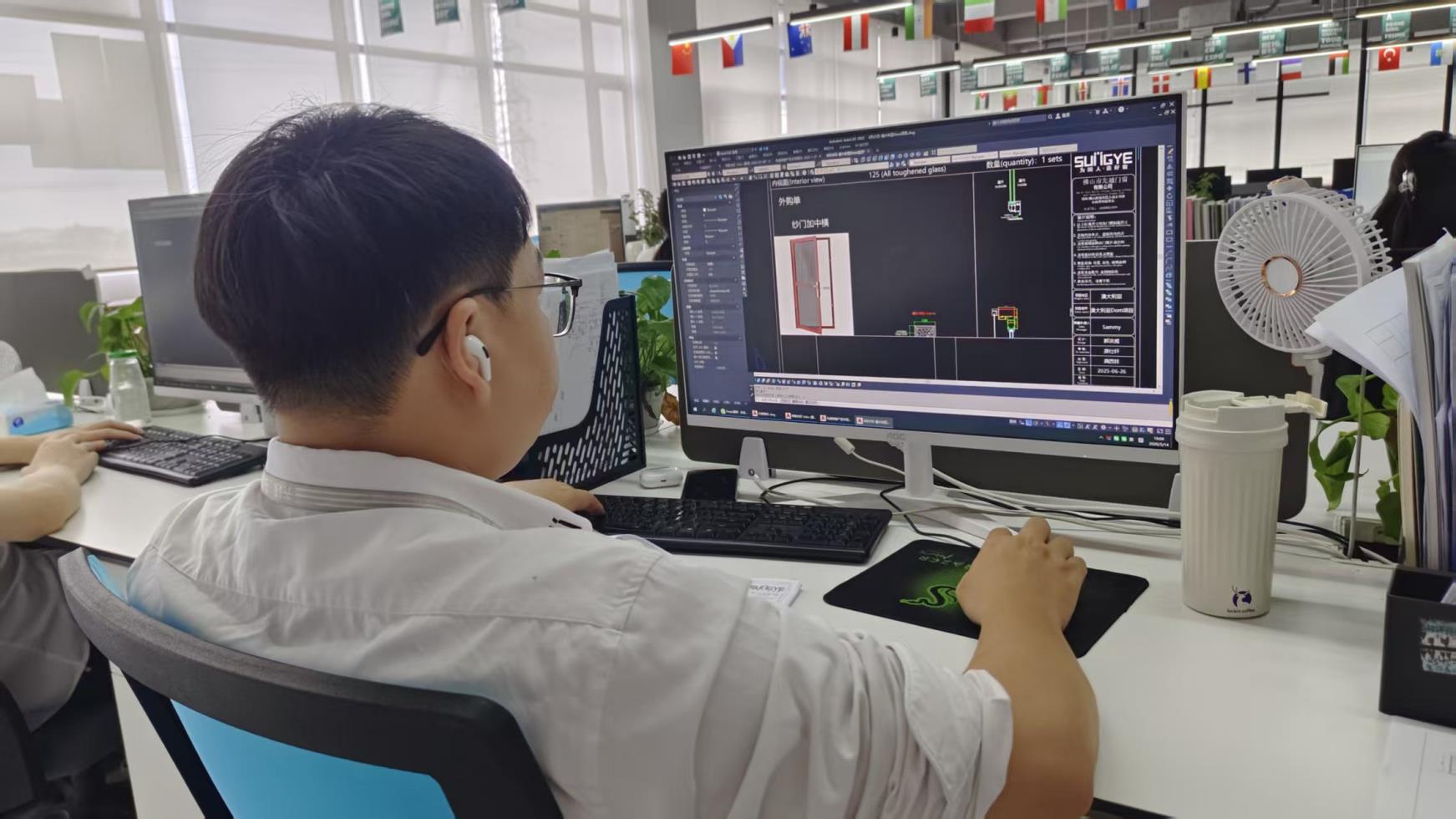
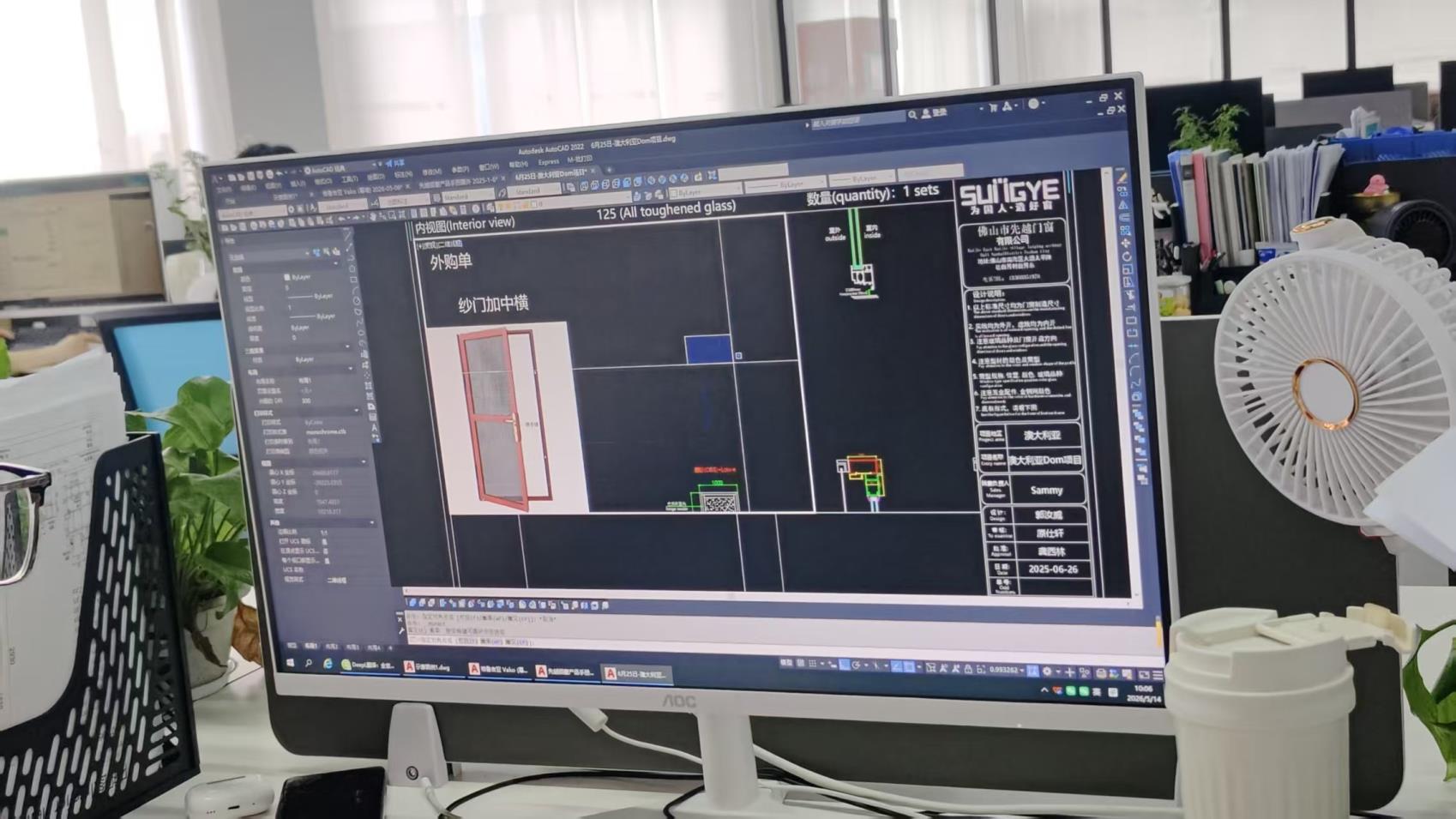
Full spectrum visualization of Cresta's state-of-the-art 18,000 m² factory environment, precision equipment, and quality testing workflow.
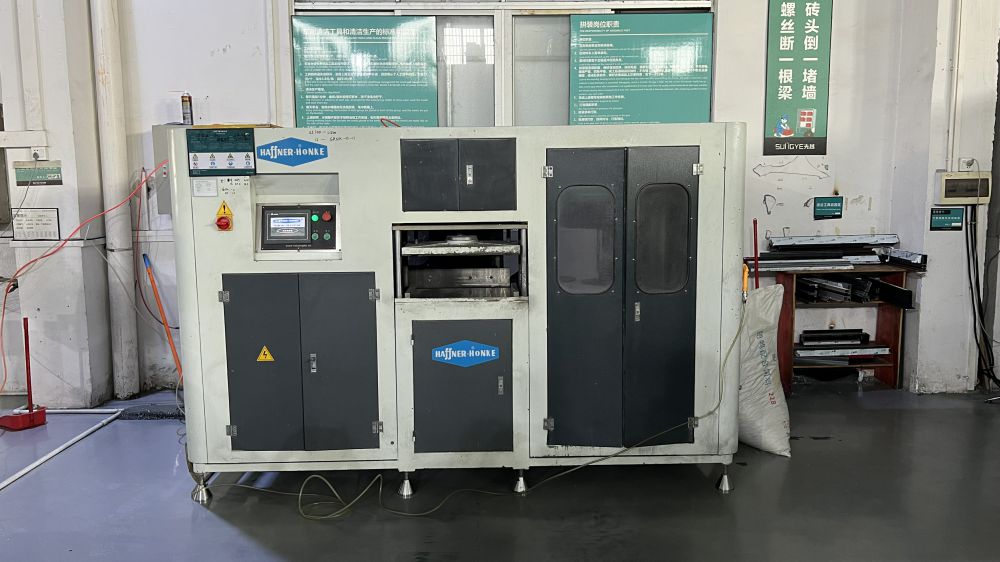
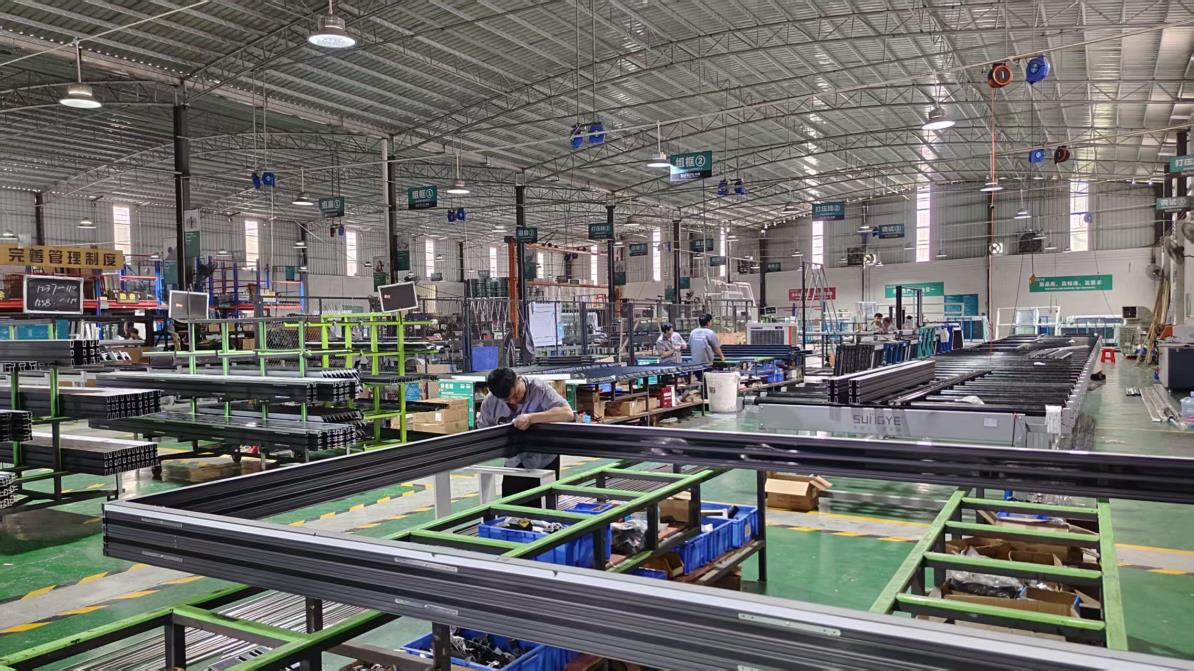
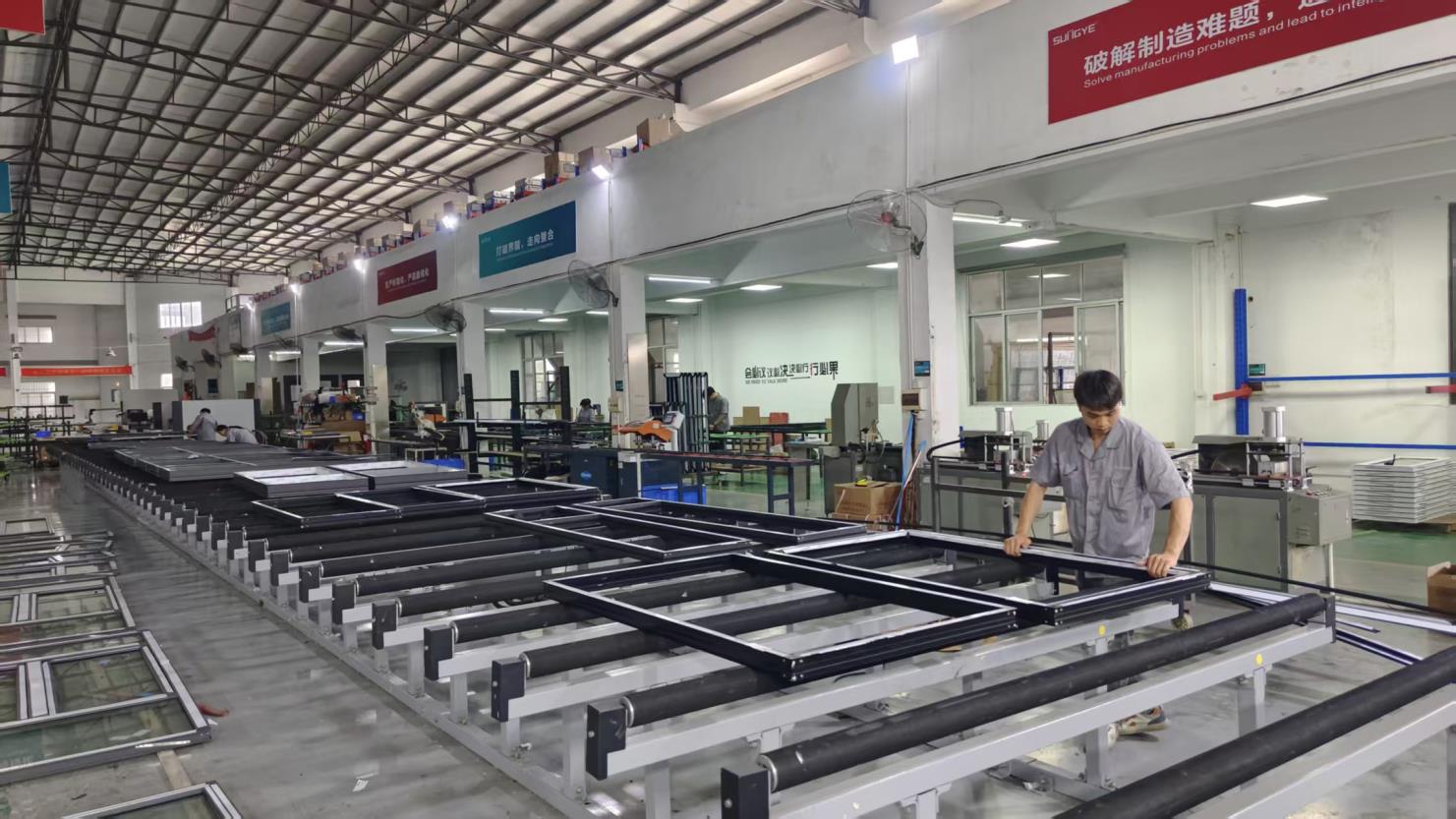
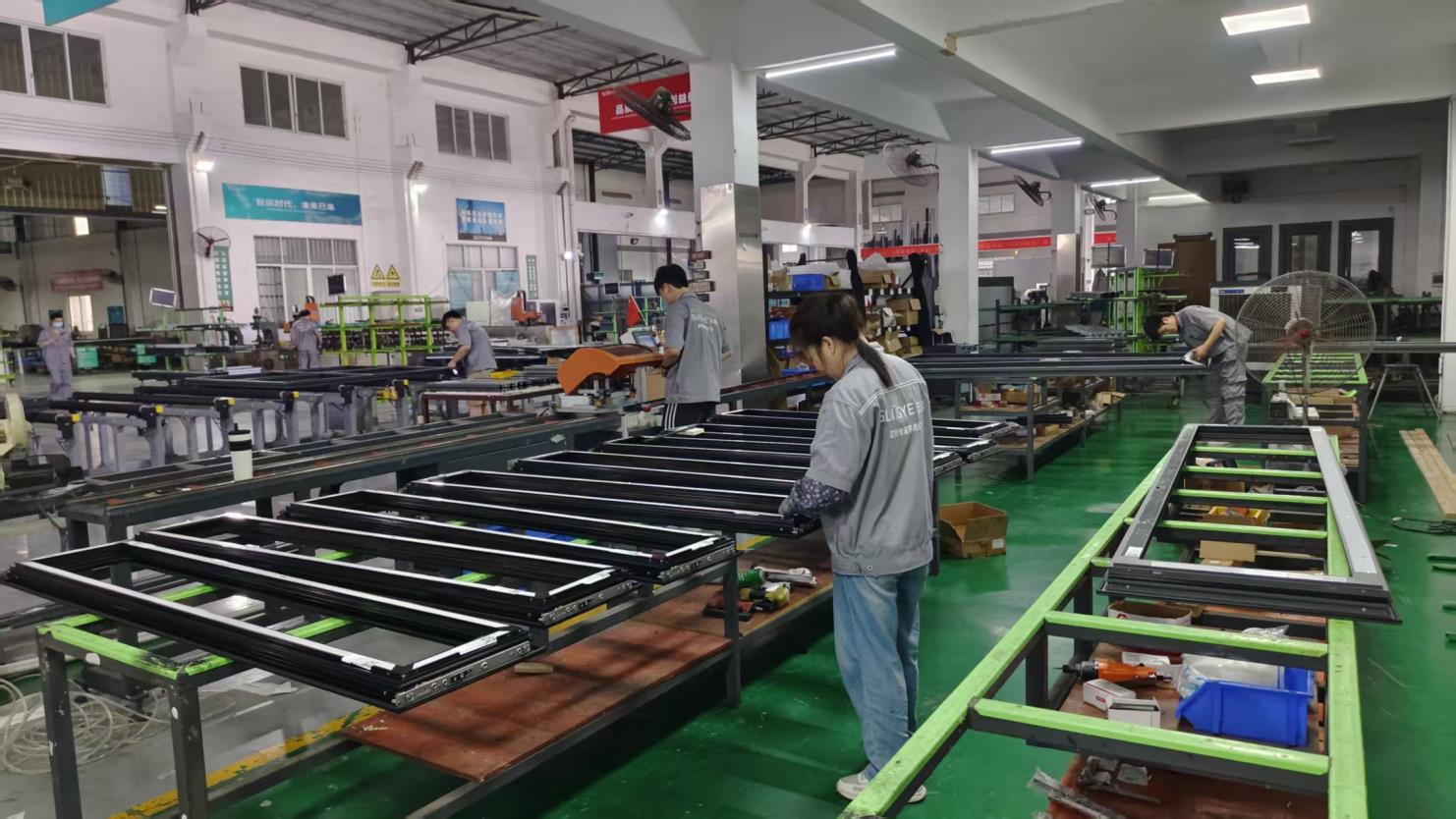
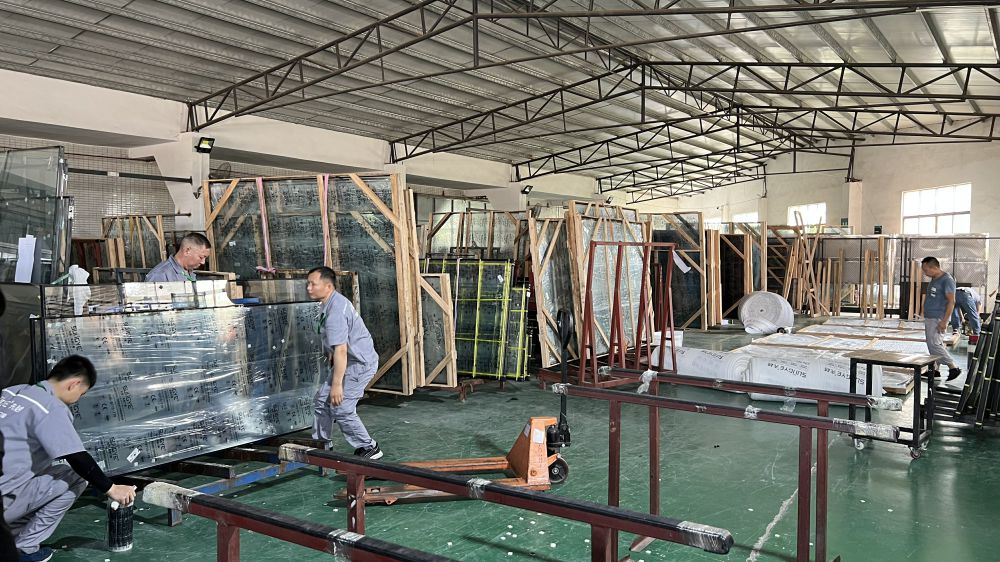
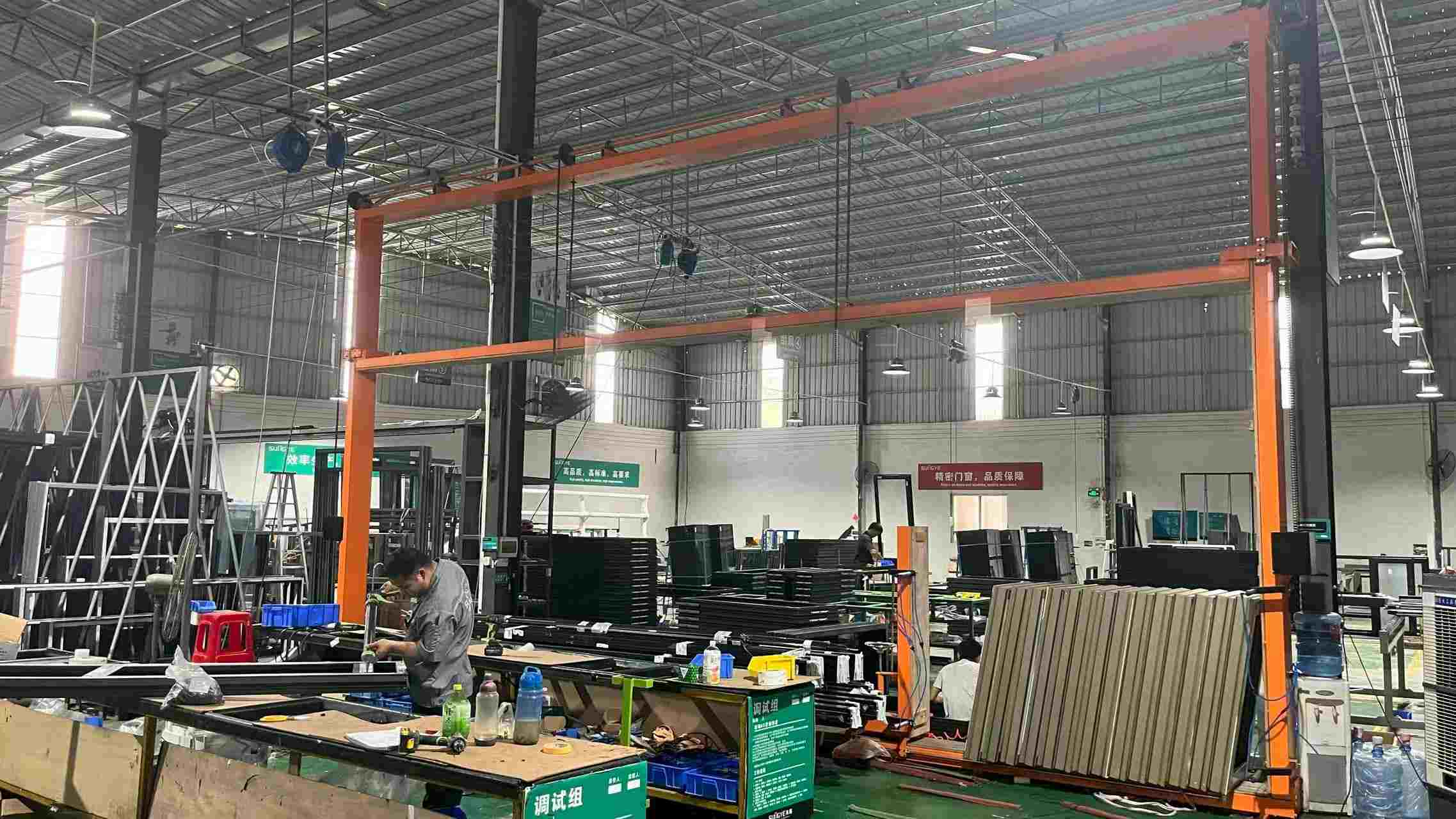
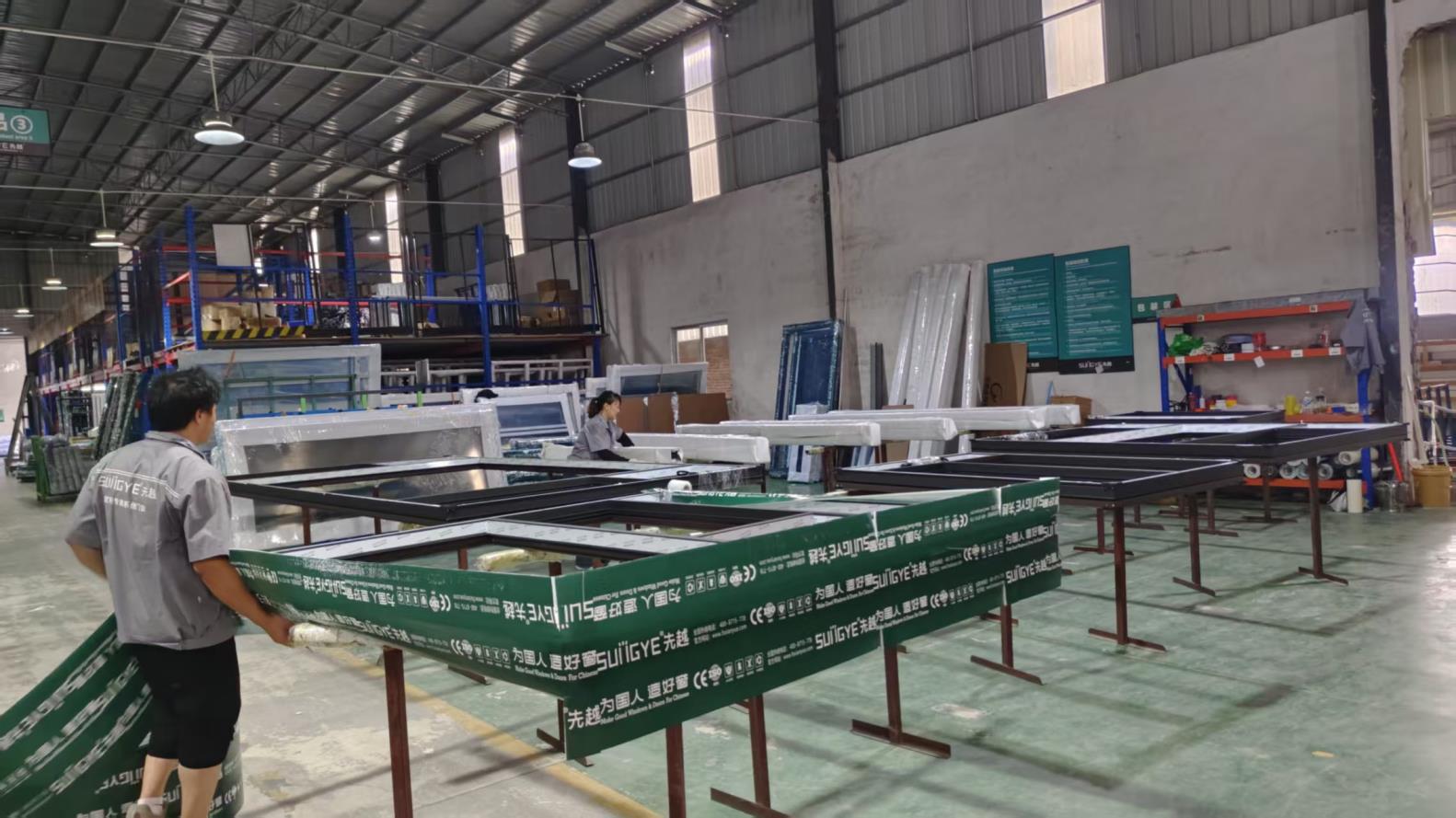
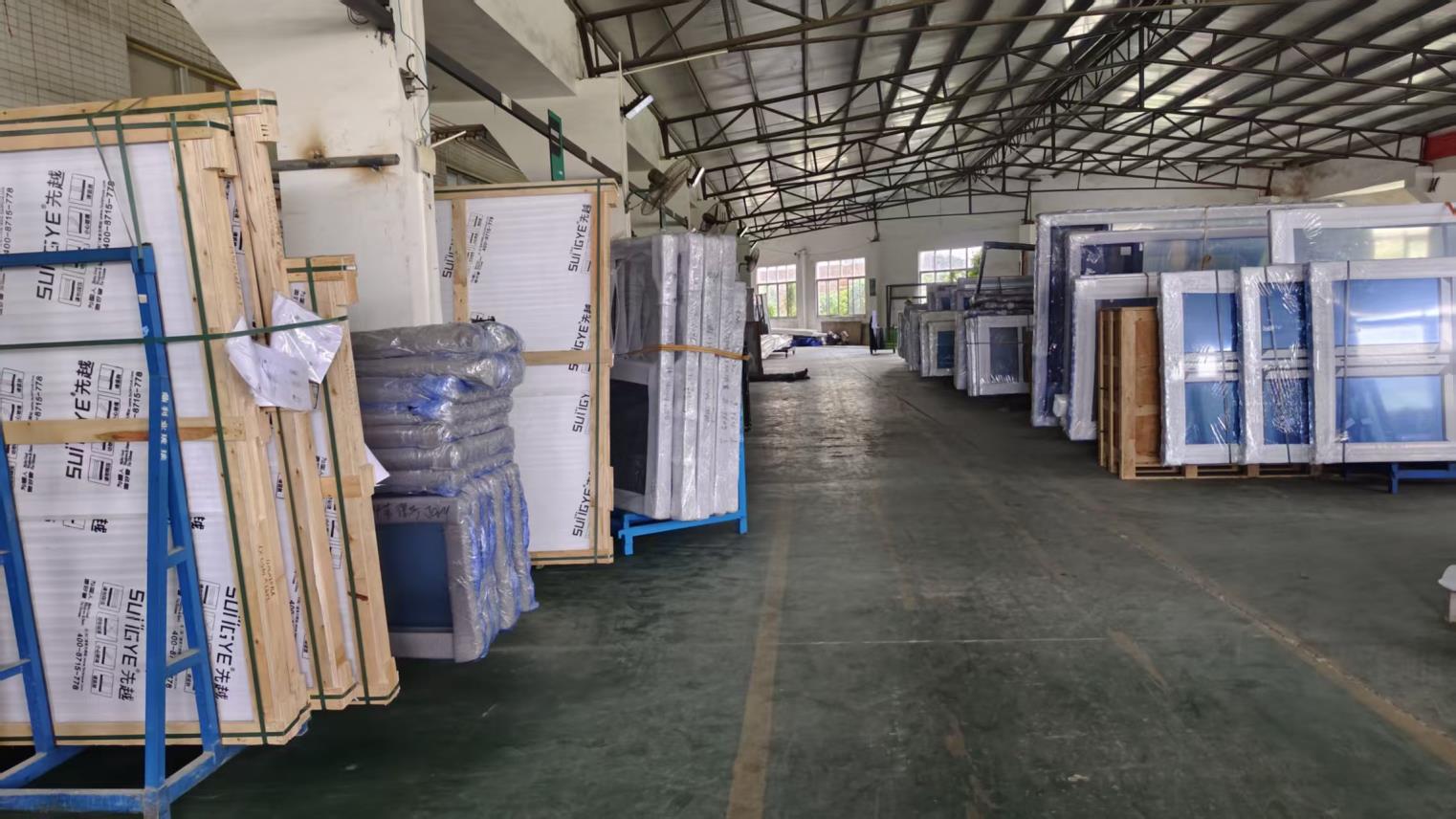
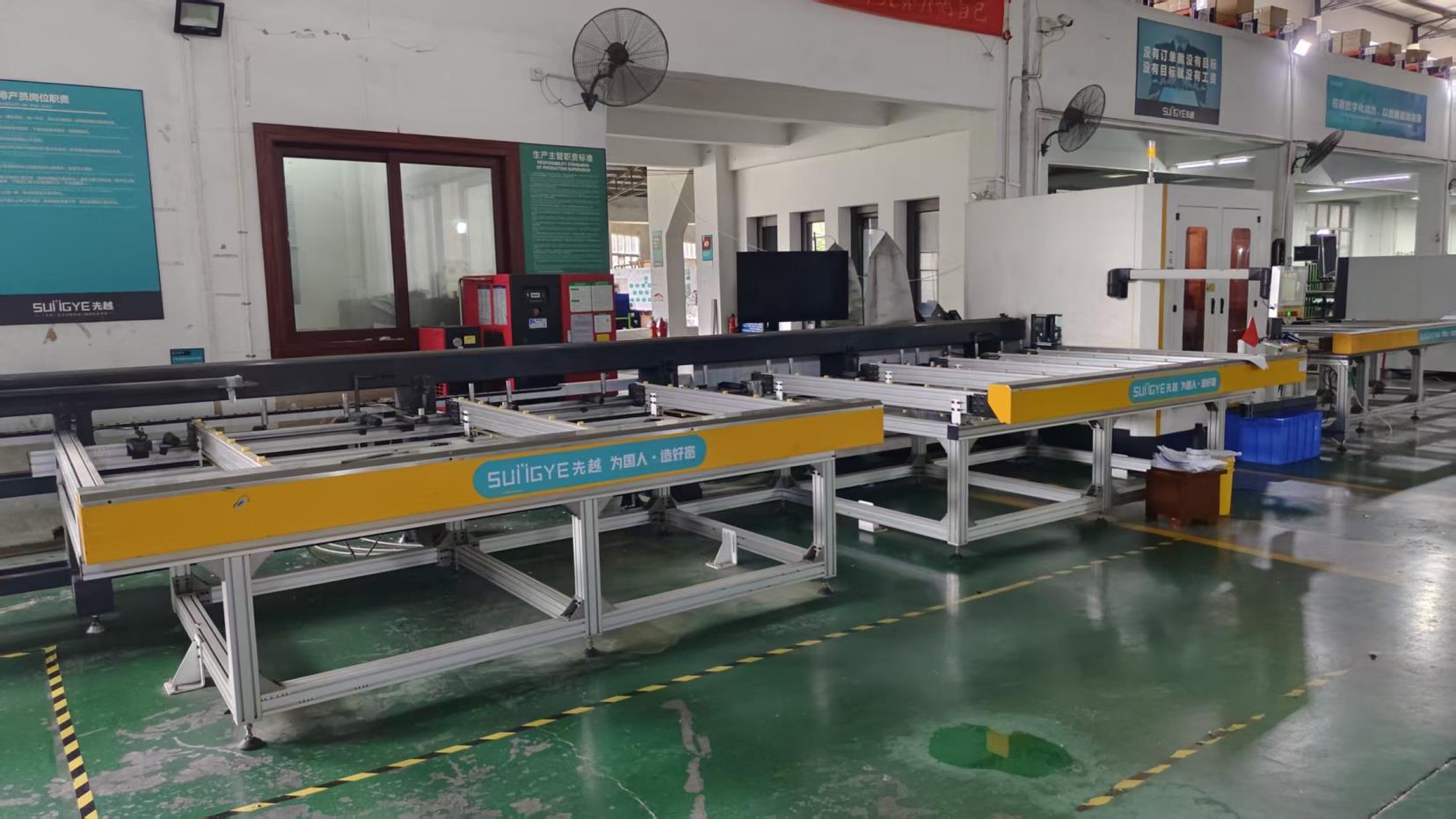
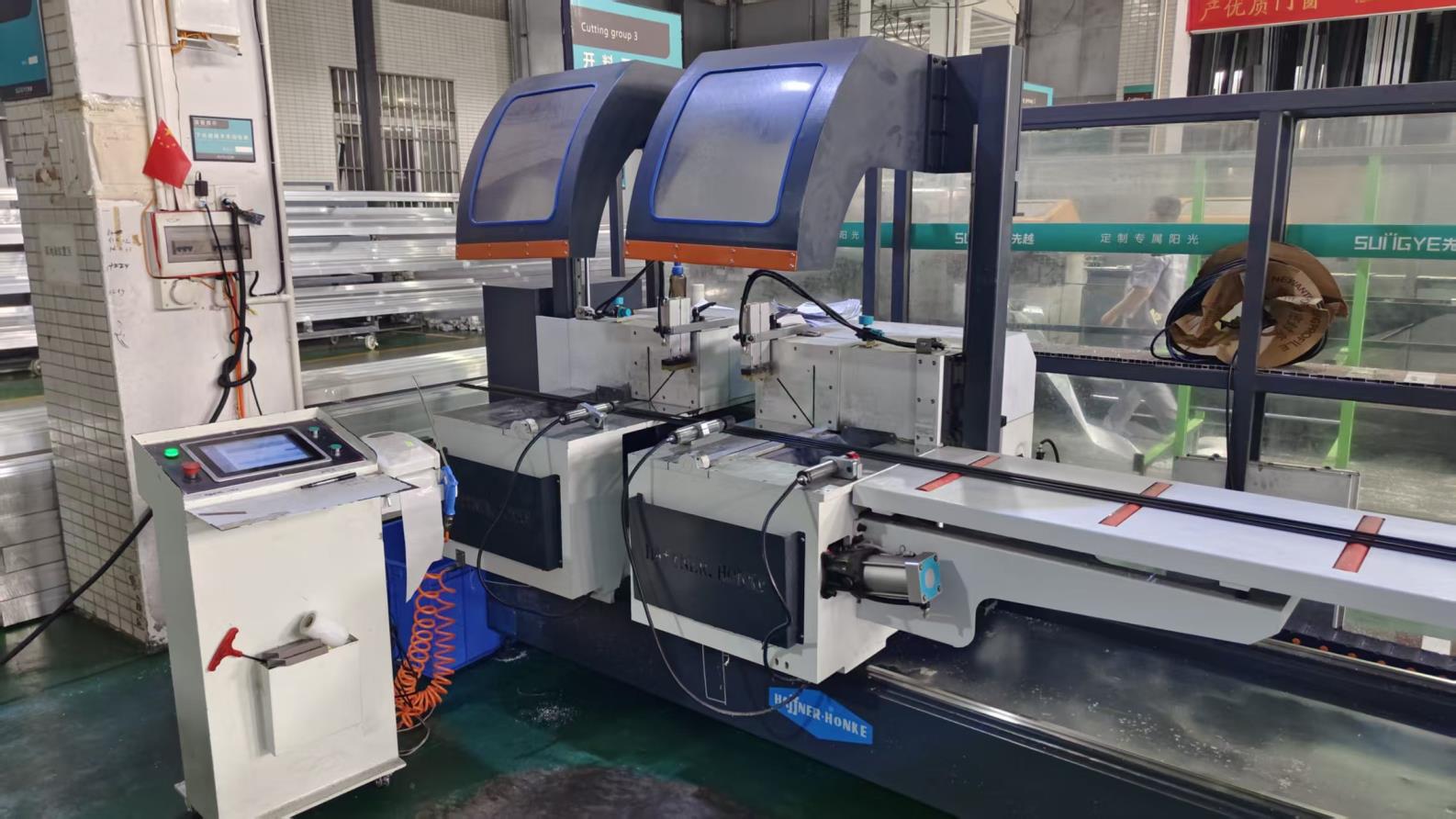
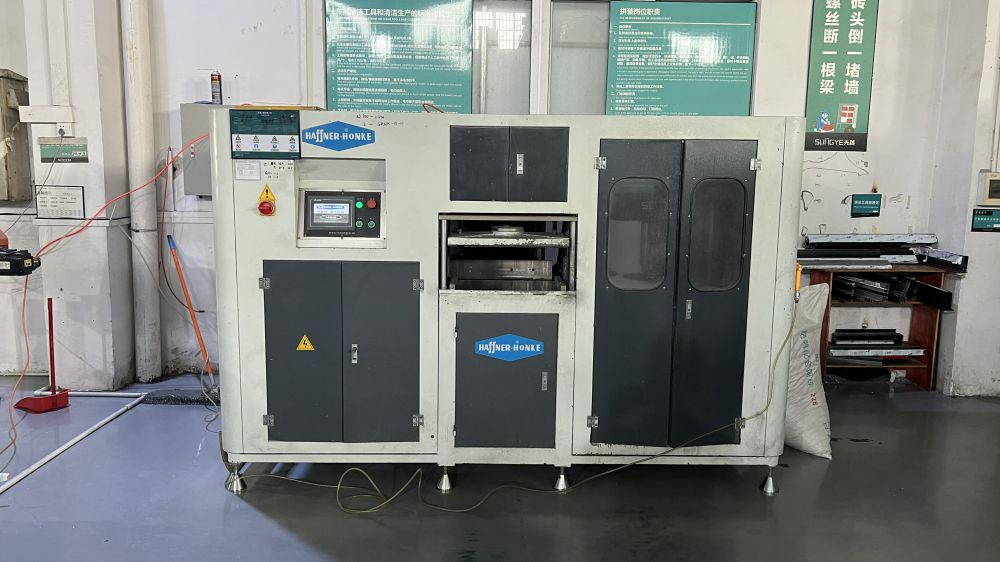
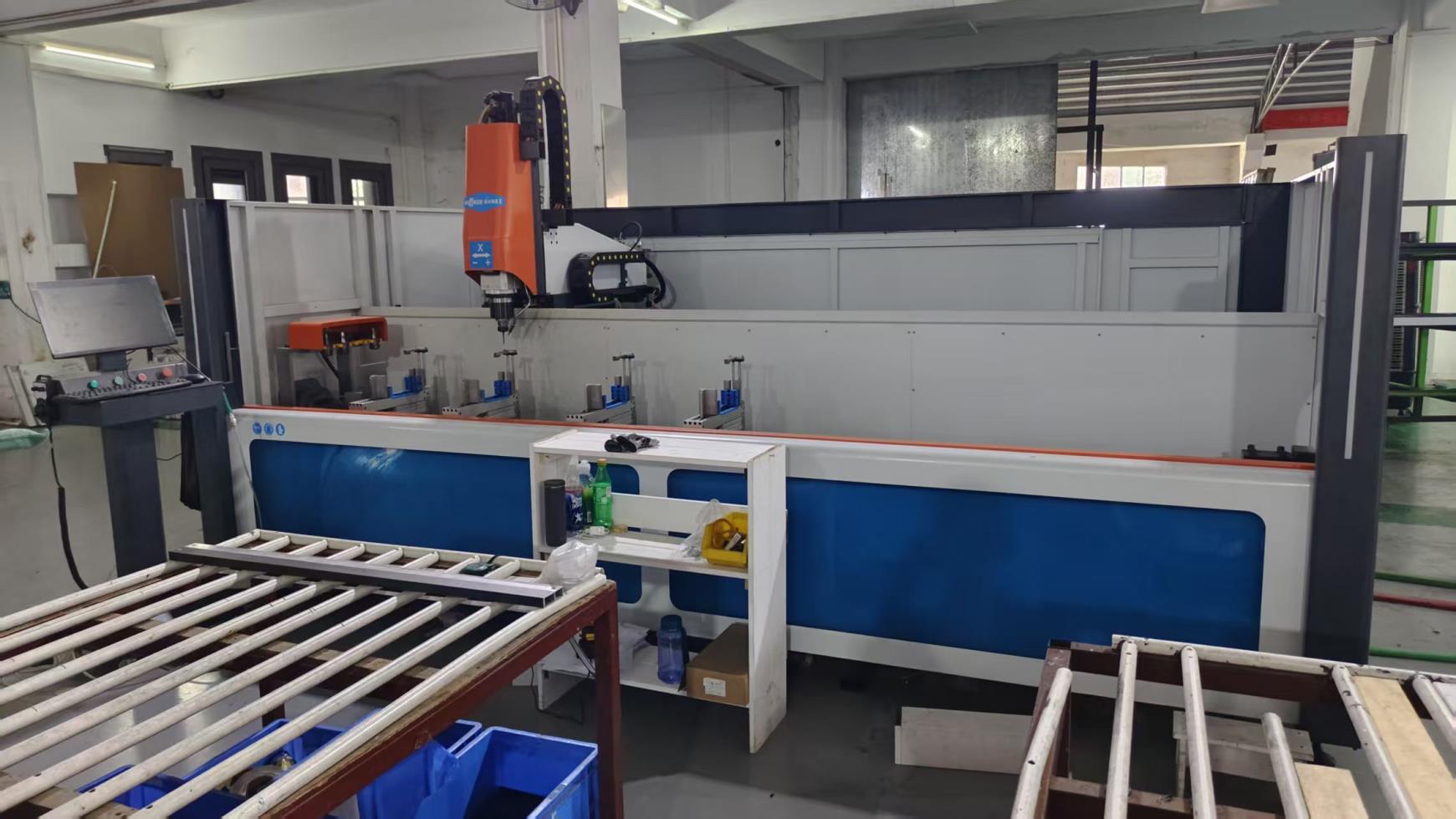
Ensuring global project compliance while integrating next-generation smart fenestration technologies.
Exporting custom architectural doors requires adherence to local building codes, structural deflection limits, and safety standards across destination markets:
The next phase of concertina door manufacturing merges structural light-weighting with smart home automation ecosystems:
Integration of invisible brushless linear drives enabling remote opening via home automation systems, rain-sensing safety overrides, and obstacle-detection anti-pinch sensors.
Transitioning from standard double glazing to ultra-thin Vacuum Insulated Glass units, cutting panel weight by 40% while achieving single-digit thermal U-values.
Advanced sub-floor continuous drainage channels allowing completely flush threshold transitions without compromising water ingress rating standards.
Detailed technical answers for architectural buyers, wholesalers, and structural contractors.
Top-hung systems carry the total weight of the door panels along the upper header beam, offering exceptionally smooth sliding action and preventing dirt accumulation in the track. However, top-hung installations require a heavily reinforced overhead structural lintel. Bottom-rolling systems transfer the dead load to the floor slab, making them ideal for retrofit projects where overhead structural loading capacity is limited.
Aluminium is an inherently conductive material. Thermal break doors utilize structural polyamide strips (such as PA66GF25) inserted between the interior and exterior aluminum profiles. This mechanical isolation prevents direct thermal transfer, eliminating interior surface condensation and lowering the overall frame U-factor to conform with stringent modern building codes.
For severe marine environments, profile finishes should specify Qualicoat Class 2 or Class 3 Architectural Powder Coating with a minimum film thickness of 60–80 microns, or Anodizing to Class 25 (25-micron thickness). Pre-anodization pretreatment is recommended to prevent filiform corrosion beneath the powder layer.
At Cresta Door & Window Co., Ltd., standard production lead times range between 25 to 35 days from CAD shop drawing sign-off. MOQ for fully custom extrusion profiles or specialized powder coating finishes typically starts at 20 feet container load equivalents, while standard profile systems can be ordered in smaller project-based quantities.
Yes. By using heavy acoustic laminated glass configurations (e.g., 6mm + 1.52PVB/SGP + 6mm) paired with multi-layer continuous EPDM double-compression seals and multi-point locking hardware, concertina systems can achieve acoustic attenuation ratings exceeding STC 40–42 dB.
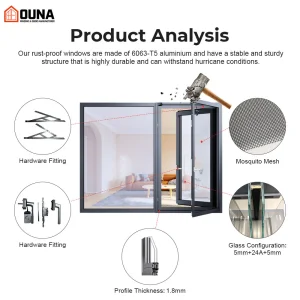
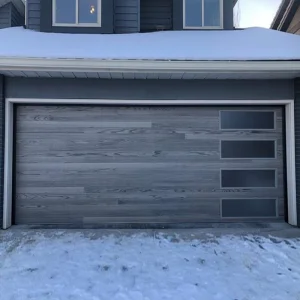
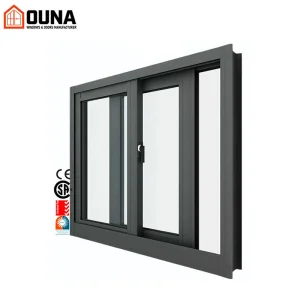
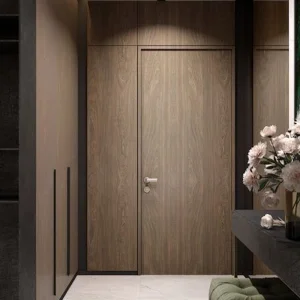
Explore our full range of certified high-performance window, garage, and architectural hatch systems.
 Cresta Window Tech