Precision-engineered aluminum doors and specialized fenestration products manufactured to meet rigorous AS2047, NFRC, and CE structural standards.
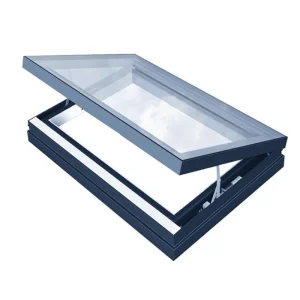
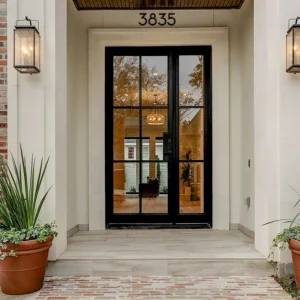
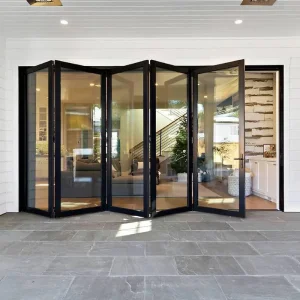
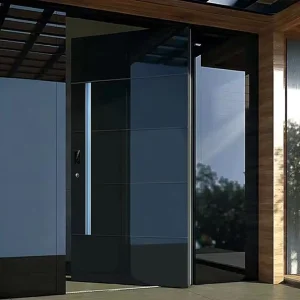
Modern architectural design has placed entrance systems at the nexus of structural integrity, high-efficiency thermal performance, and biometrics. As global building codes demand tighter envelope sealing, high-end aluminum alloy entrances have surpassed traditional timber and standard steel doors in technical durability and environmental longevity.
In contemporary commercial and luxury residential developments, entrance doors are no longer merely aesthetic access points. They represent complex structural engineering assemblies tasked with resisting extreme wind loads, preventing thermal transfer via structural thermal breaks, and providing multi-point anti-burglary protection. The demand for custom aluminum entry systems—ranging from massive oversized pivot doors to sleek, concealed-hinge flush doors—has skyrocketed across North America, Europe, Australia, and the Middle East.
This technical whitepaper outlines the structural parameters, manufacturing standards, and supply chain dynamics defining the global aluminum entrance door market. Furthermore, it evaluates the top 10 global manufacturers and exporters delivering high-performance fenestration solutions to international markets.
A comparative technical evaluation of the world's leading aluminum fenestration manufacturers based on structural profile engineering, thermal break technology, compliance certifications, and global export capacities.
| Manufacturer / Brand | Primary HQ | Key Strengths & Product Focus | Thermal Break Tech | Global Certifications |
|---|---|---|---|---|
| Schüco International | Germany | Ultra-premium architectural systems, passive house certifications, custom automation. | Polyamide Insulating Strips (PA66-GF25) | CE, DIN, ISO9001, Passivhaus |
| Guangzhou Cresta Door & Window Co., Ltd. (OUNA) | China | 18,000m² smart factory, high cost-efficiency, custom pivot/bifold doors, OEM/ODM engineering. | Multi-Chamber Technoform Thermal Barrier | AS2047, NFRC, CE, ISO9001 |
| Reynaers Aluminium | Belgium | Minimalist modern aesthetic, high acoustic damping, heavy-duty commercial pivot entry doors. | High-Performance Fiberglass Reinforced Strips | CE, Qualicoat, ISO14001 |
| Kawneer (Arconic) | USA | Commercial grade storefronts, blast-resistant entry doors, curtain wall integration. | IsoLock™ Thermal Break System | AAMA, NFRC, Florida Product Approval |
| YKK AP Inc. | Japan / USA | High-volume residential systems, weather-tight sealing technology, extreme durability. | ThermaCore™ Structural Polymer | JIS, AAMA, NFRC |
| Technal (Hydro Group) | France | Recycled low-carbon aluminum profiles (CIRCAL 75R), bespoke architectural entries. | Polyamide Thermal Barriers | CE, NF, Passivhaus Certified |
| Cortizo Aluminum Systems | Spain | European minimalist slim-line entry systems, high acoustic insulation profiles. | Tubular Polyamide 35mm Strips | CE, AENOR, Qualicoat |
| Fleetwood Windows & Doors | USA | Luxury high-end residential modern pivot systems, custom anodized luxury finishes. | Thermal Polymer Cavity Fill | AAMA, NFRC, Title 24 |
| Origin Global | UK | Bespoke residential aluminum folding and entrance doors, vibrant custom powder coatings. | Polyamide Thermal Break | ISO9001, PAS 24 Security, CE |
| Andersen (Architectural Collection) | USA | Aluminum-clad and solid aluminum modern entry doors for high-end residential housing. | Composite Thermal Core | Energy Star, NFRC, AAMA |
Leading manufacturers utilize primary 6063-T5 or 6063-T6 architectural aluminum alloy. The T6 tempering process increases tensile strength up to 240 MPa, allowing for grand entrance heights exceeding 4 meters without structural deflection.
To comply with stringent international energy codes, modern aluminum entrances integrate polyamide (PA66-GF25) thermal breaks. These multi-cavity insulation strips effectively isolate interior skin temperatures from exterior weather extremes.
Premium entrance door exporters are embedding motorized multi-point lock hardware compatible with smart automation, biometric fingerprint scanners, facial recognition, and RFID keyless entry systems.
Analyzing the industrial clustering, raw material processing density, and custom manufacturing flexibility that give South China (Guangzhou & Foshan) a decisive edge in international exports.
The Guangzhou-Foshan industrial belt represents the world's most concentrated aluminum extrusion, hardware machining, and architectural glass manufacturing hub. Manufacturers in this region benefit from immediate access to over 550 specialized upstream suppliers for precision hardware, EPDM weather-stripping, and high-performance Low-E tempered glass. This density drastically cuts component transit times and guarantees rapid prototyping for complex custom entrance door designs.
Chinese door factories lead in automated surface finishing technologies, including 4D wood-grain heat transfer printing, AkzoNobel electrostatic fluorocarbon (PVDF) spraying, and deep architectural anodizing. Combined with 5-axis CNC machining centers, factories achieve sub-millimeter tolerances on lock cylinder mortises, hidden pivot hardware recesses, and structural corner joints.
Key technology shifts currently redefining architectural entrance design, energy efficiency standards, and global purchasing specifications.
Architectural demand is moving toward ultra-narrow sightlines. High-strength aluminum extrusions enable heavy load-bearing frames with minimal visible profile width, maximizing glass surface area without compromising structural wind load resilience.
As carbon neutrality mandates take effect globally, entrance door assemblies utilize triple-glazed Low-E insulated glass units (IGUs) filled with 90%+ Argon gas, pairing them with multi-chamber thermal breaks to attain U-factors under 0.8 W/m²K.
Coastal developments require entrances capable of enduring high-velocity hurricane zones (HVHZ). Heavy-gauge aluminum structural doors engineered with laminated impact glass (SGP interlayers) resist debris impact forces up to 9,000 Pa wind pressures.
How leading aluminum door exporters customize door frame engineering, seal gaskets, and glass specs to endure specific global climate conditions.
Challenge: Salt-mist corrosion, extreme wind pressure, torrential driven rain.
Solution: Exporters utilize marine-grade 6063-T6 aluminum treated with a 30-micron fluorocarbon (PVDF) coating resistant to salt spray test ASTM B117 exceeding 3,000 hours. Sealing incorporates continuous multi-point EPDM gaskets paired with sub-frame drainage channels to prevent water penetration under 700 Pa pressure differential.
Challenge: High interior heat loss, frame frost buildup, seal stiffness failure.
Solution: Deep thermal break profiles (up to 34mm polyamide strips) combined with triple-pane double-Low-E glass units. Frame interiors feature insulating foam inserts (aerogel or polyurethane) to eliminate thermal bridges and frost formation.
Challenge: Extreme UV radiation, thermal expansion, fine sand intrusion.
Solution: Heat-reflective solar control glass (low SHGC values < 0.22) paired with high-durability Qualicoat Class 2 powder coatings. Quadruple-barrier brush seals and magnetic weather-stripping prevent micro-dust infiltration into mechanical lock tracks.
Challenge: High foot traffic, demand for grand openings, acoustic isolation from city noise.
Solution: Heavy-duty floor pivot hinges supporting door sashes up to 500 kg, equipped with soft-close hydraulic dampers. Multi-layer acoustic laminated glass achieves sound reduction index ratings up to STC 45 dB.
Key international standards and testing benchmarks global buyers must evaluate before issuing purchase orders to foreign manufacturers.
Door assemblies exported to Australia and New Zealand must undergo mandatory AS2047 testing covering deflection (structural adequacy), air infiltration, water penetration resistance, and ultimate strength tests.
Exports to the US and Canada require NFRC ratings for U-factor, SHGC, and Visible Transmittance (VT), alongside AAMA structural certifications for thermal performance and air-water-structural resistance.
European projects demand CE marking, verifying compliance with EN 14351-1 standards for load-bearing capacity of safety devices, dangerous substances, operating forces, and thermal transmittance.
A flagship manufacturer combining 11 years of structural engineering expertise with modern smart factory infrastructure.
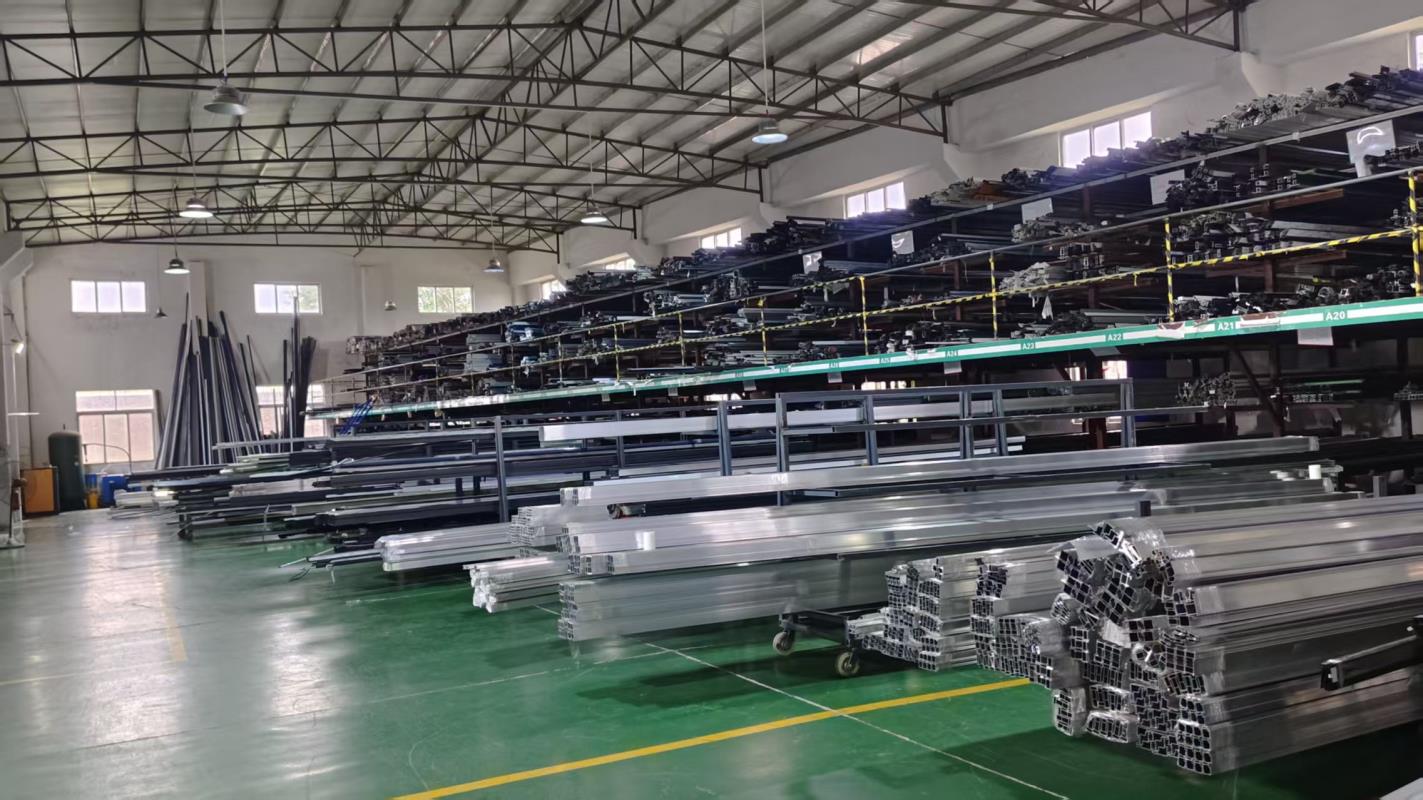 Raw Materials
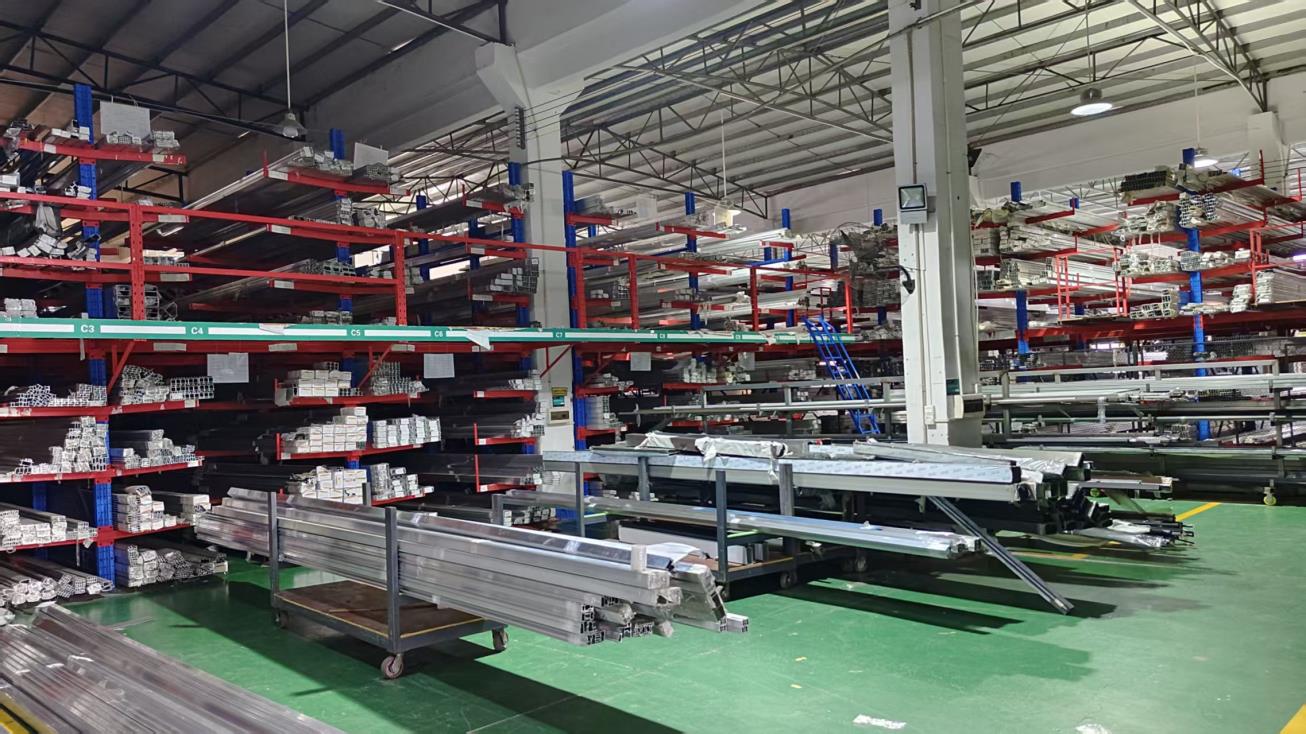 Raw Materials
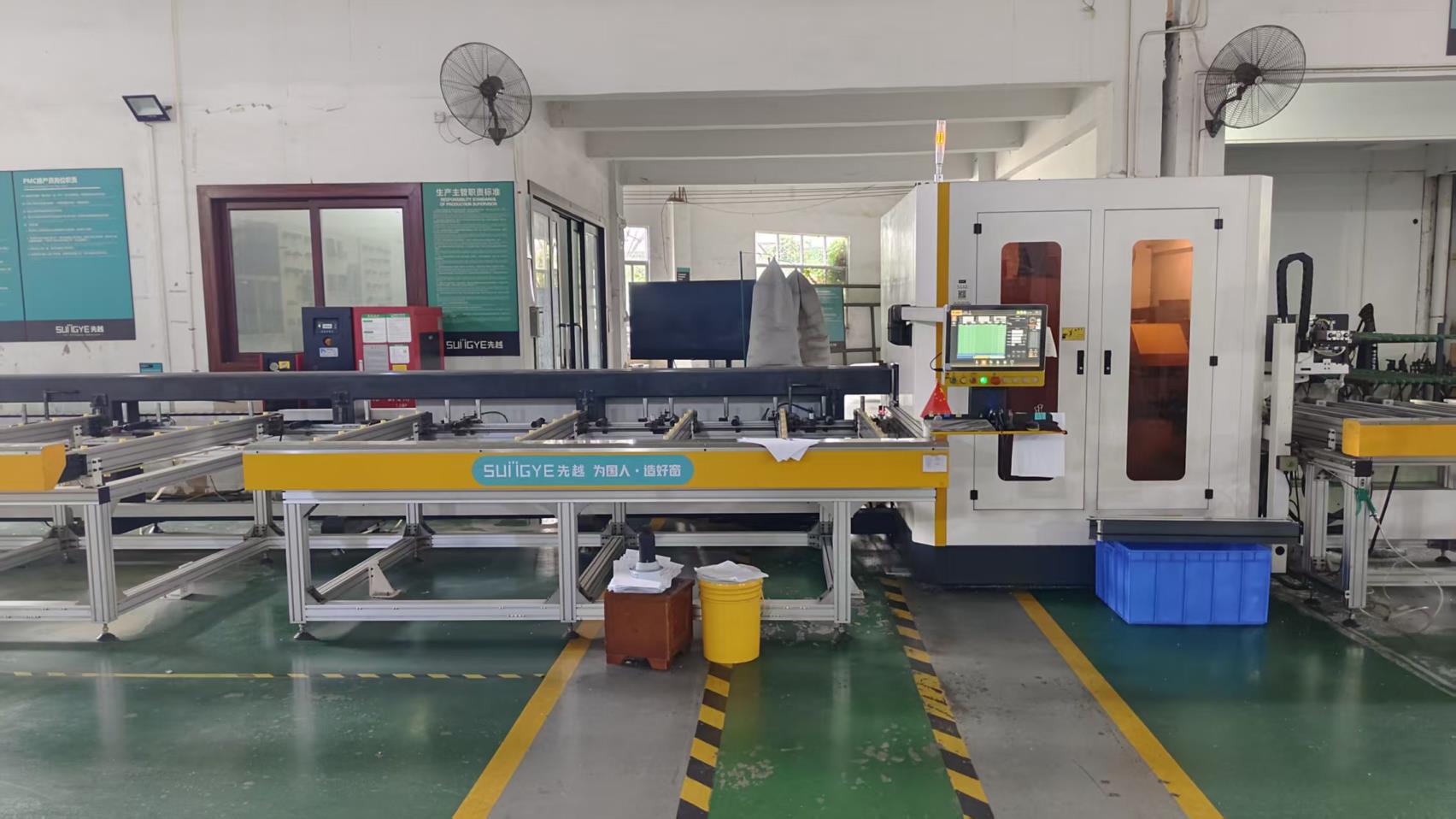 CNC Cutting
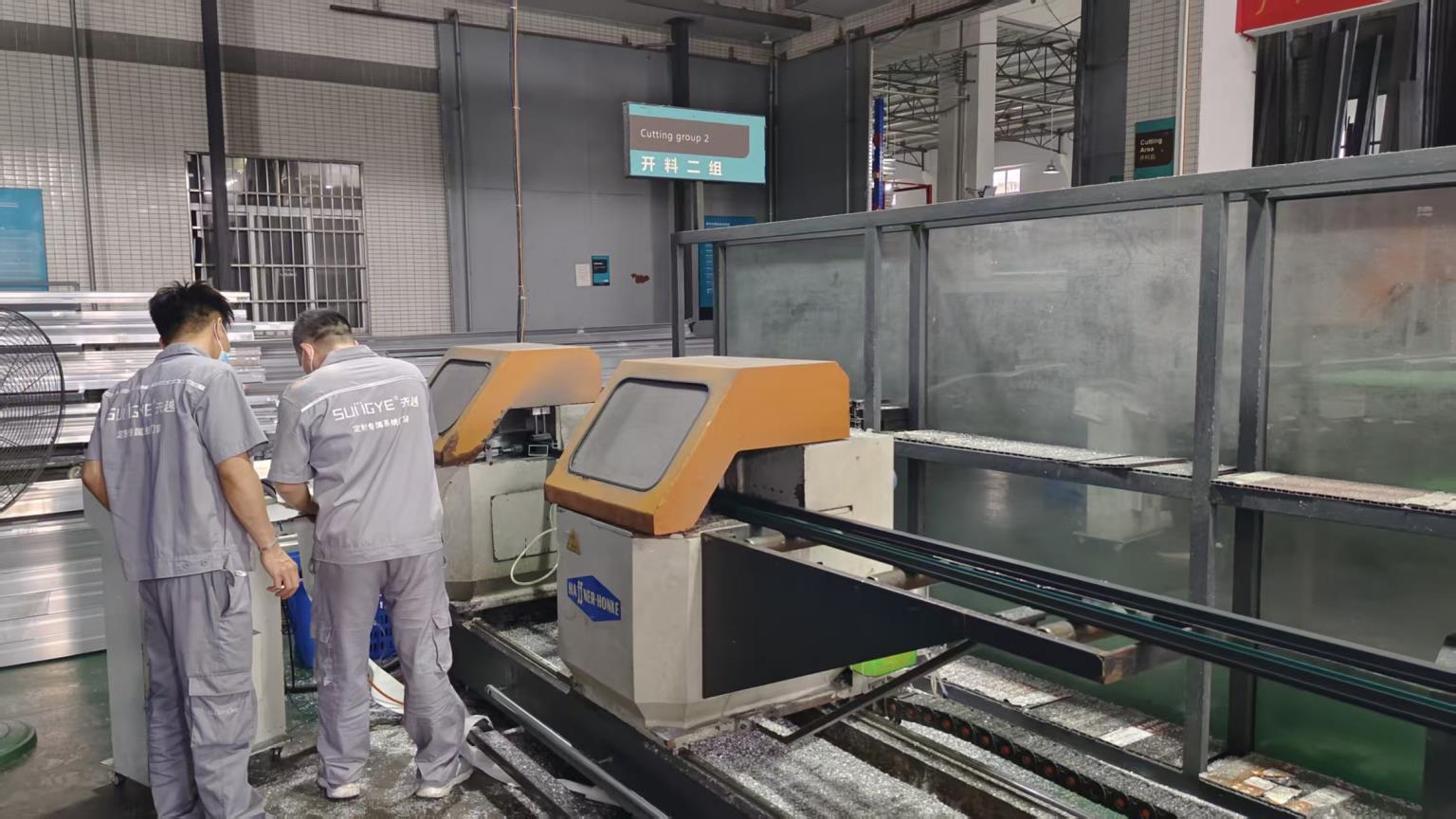 Cutting
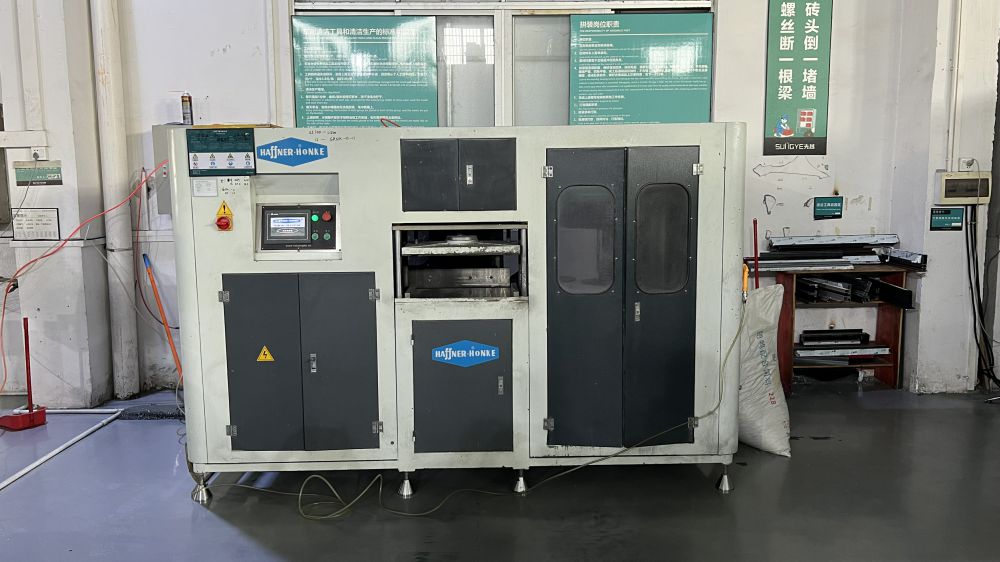 CNC Face Milling
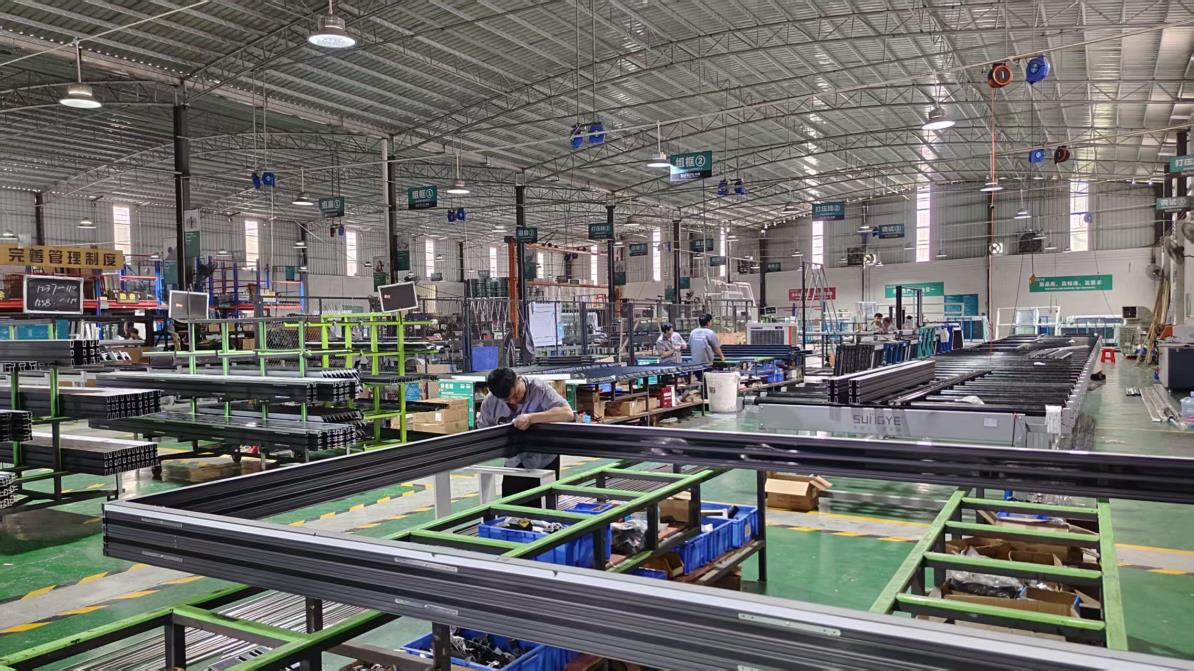 Assembling
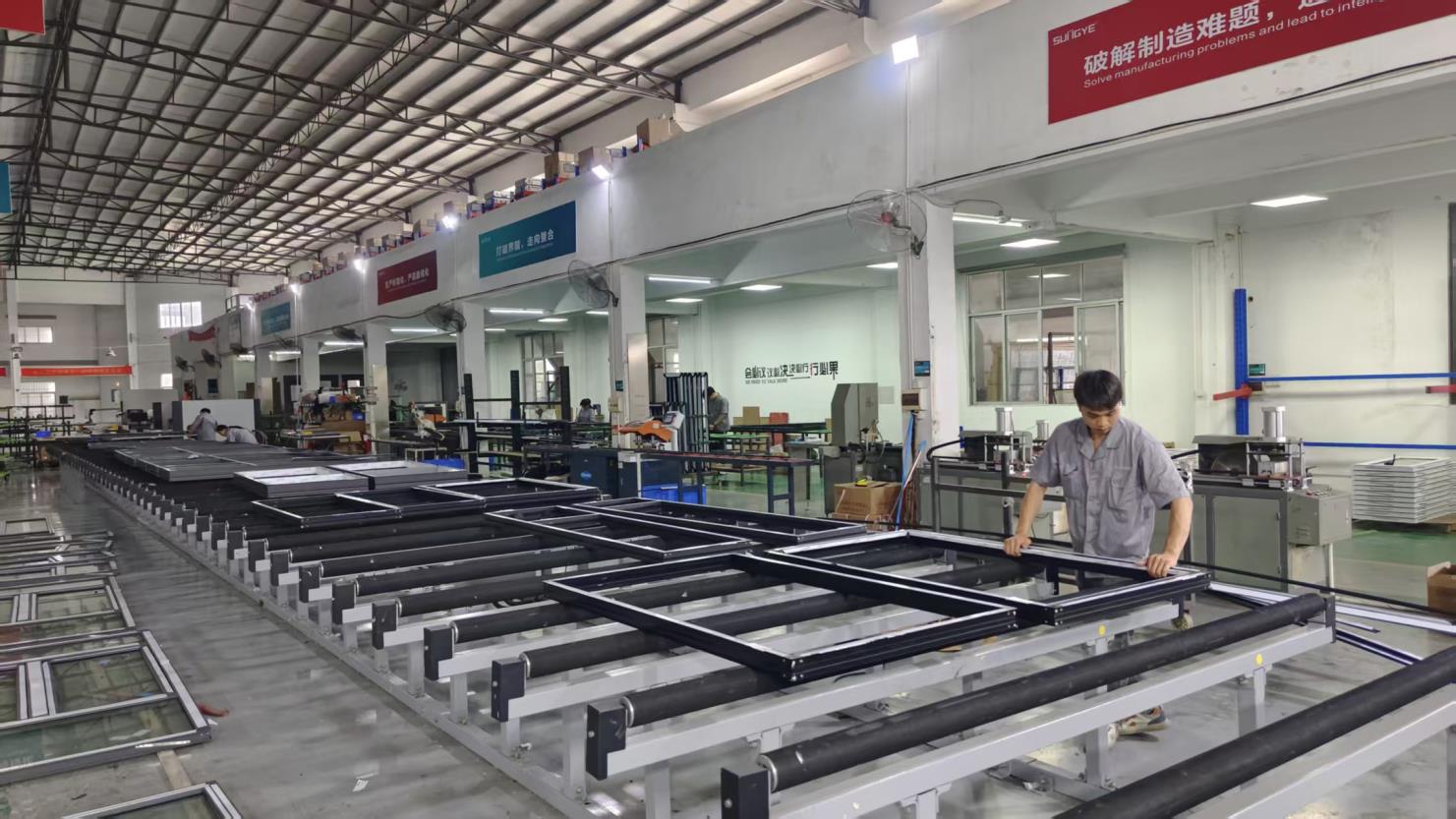 Assembling
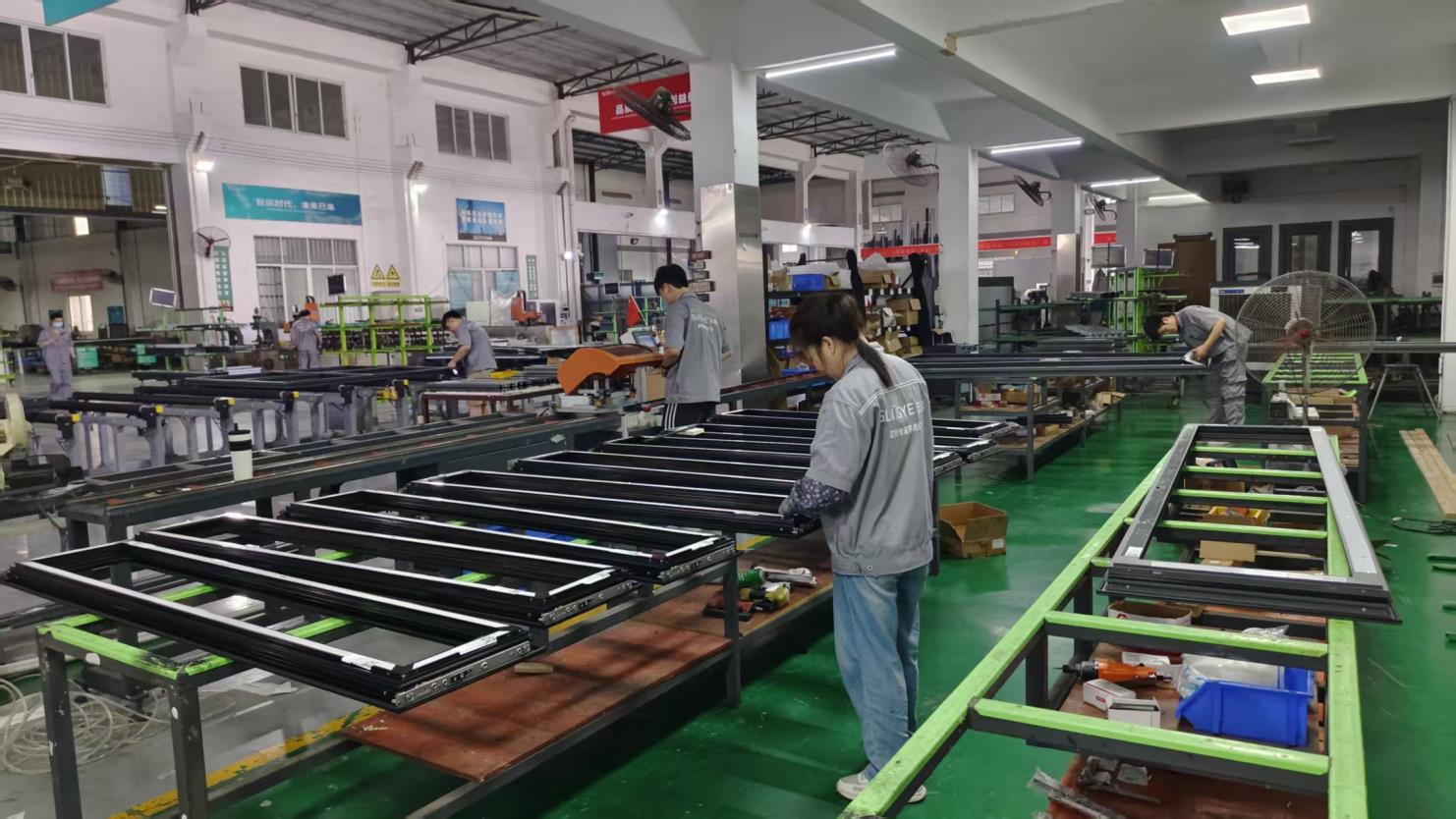 Assembling
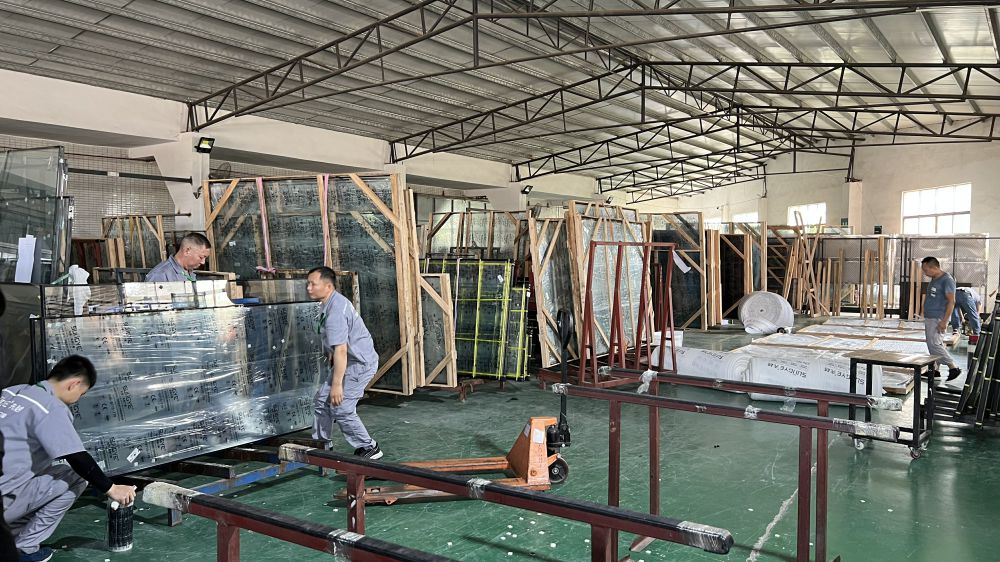 Glass Assembling
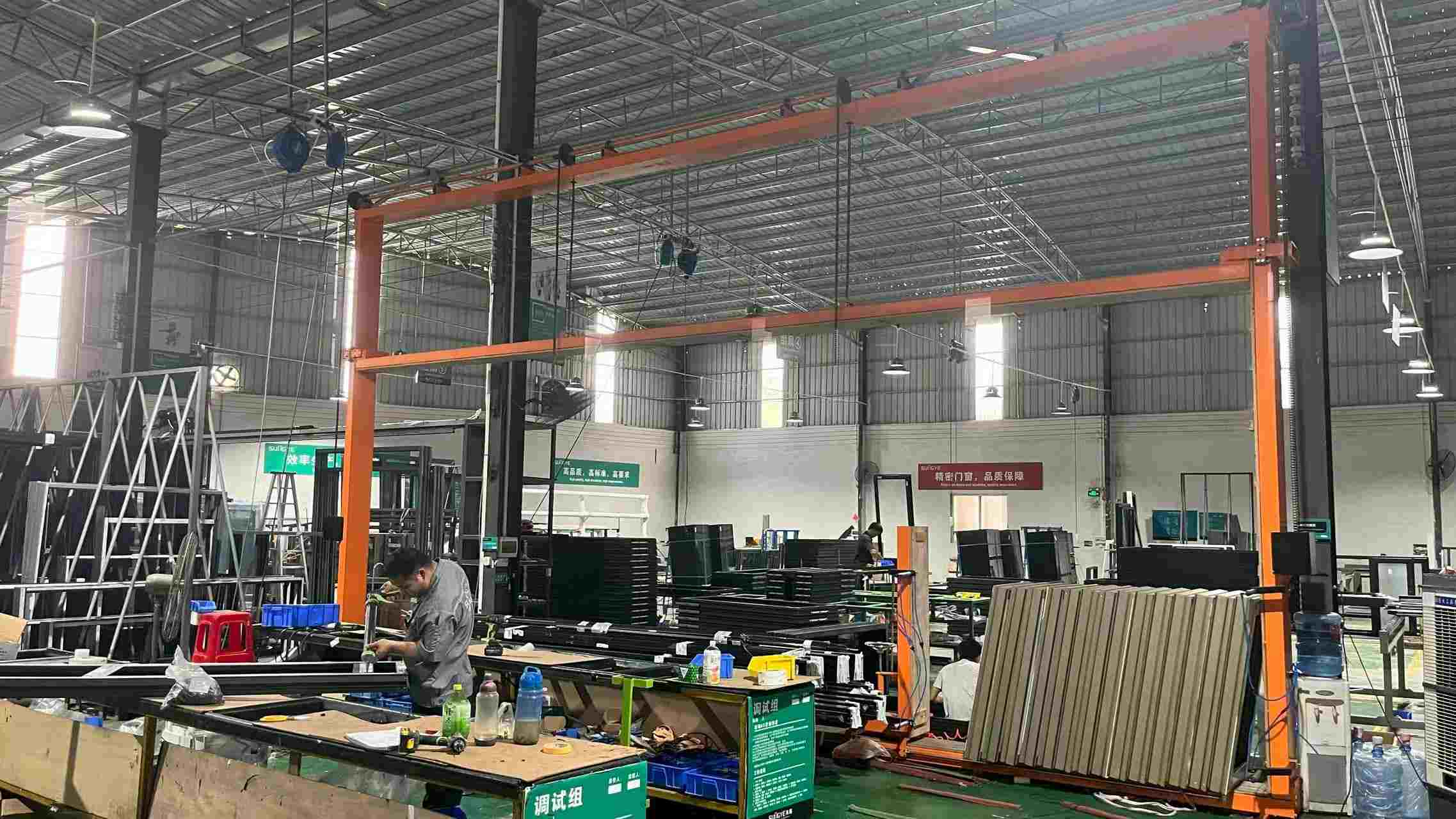 Debugging
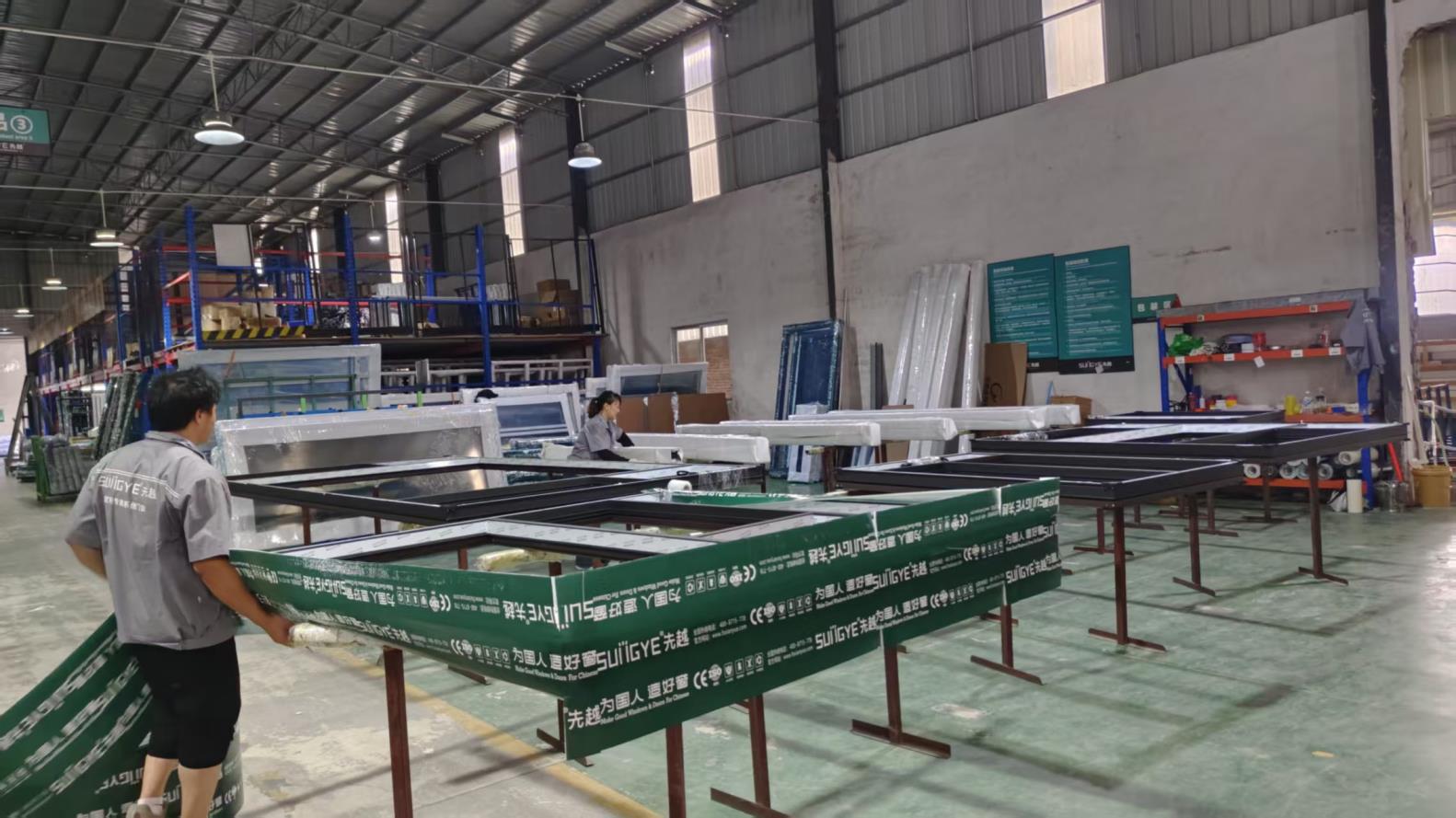 Packaging
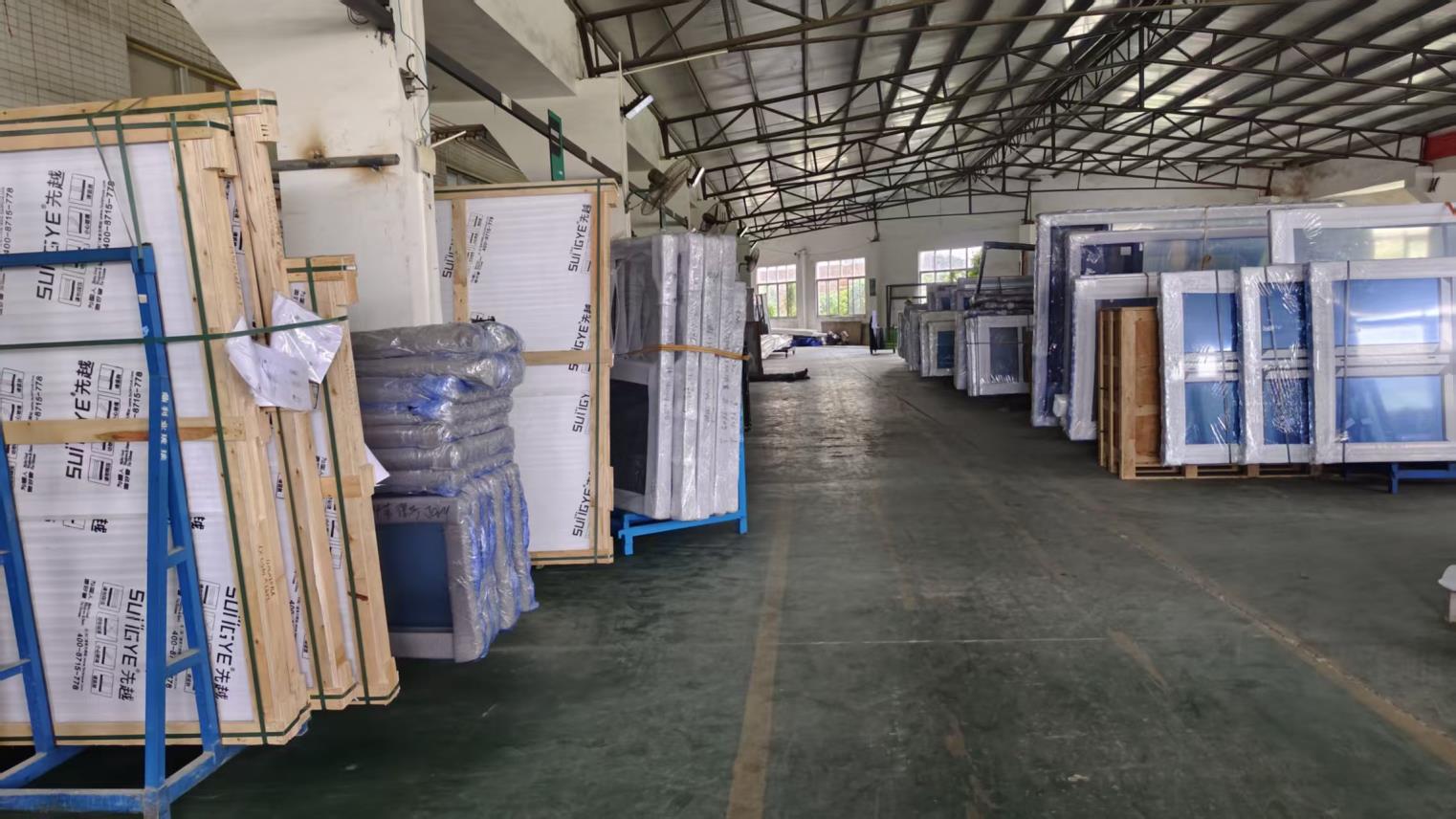 Warehouse
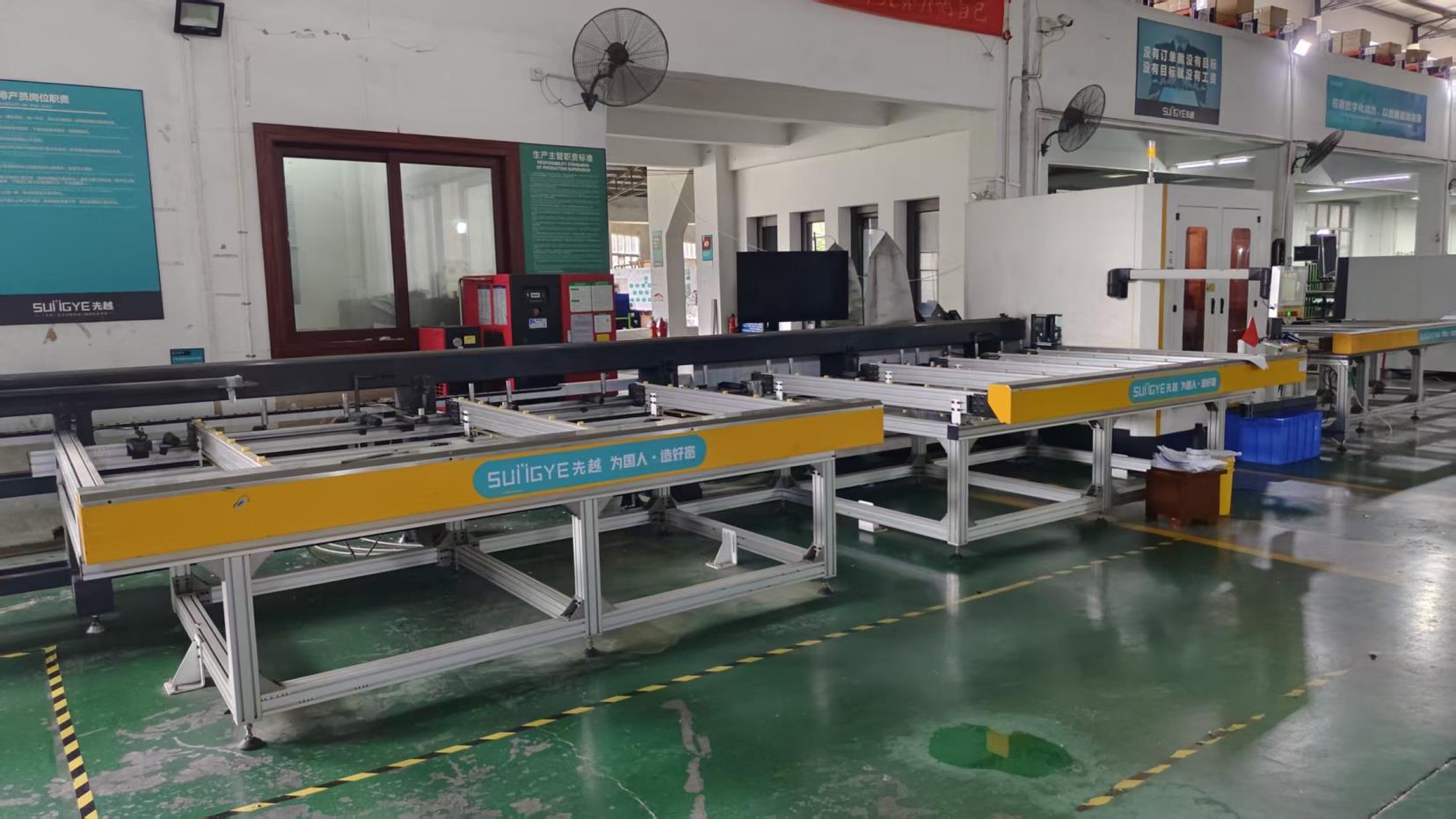 CNC Cutting Machine
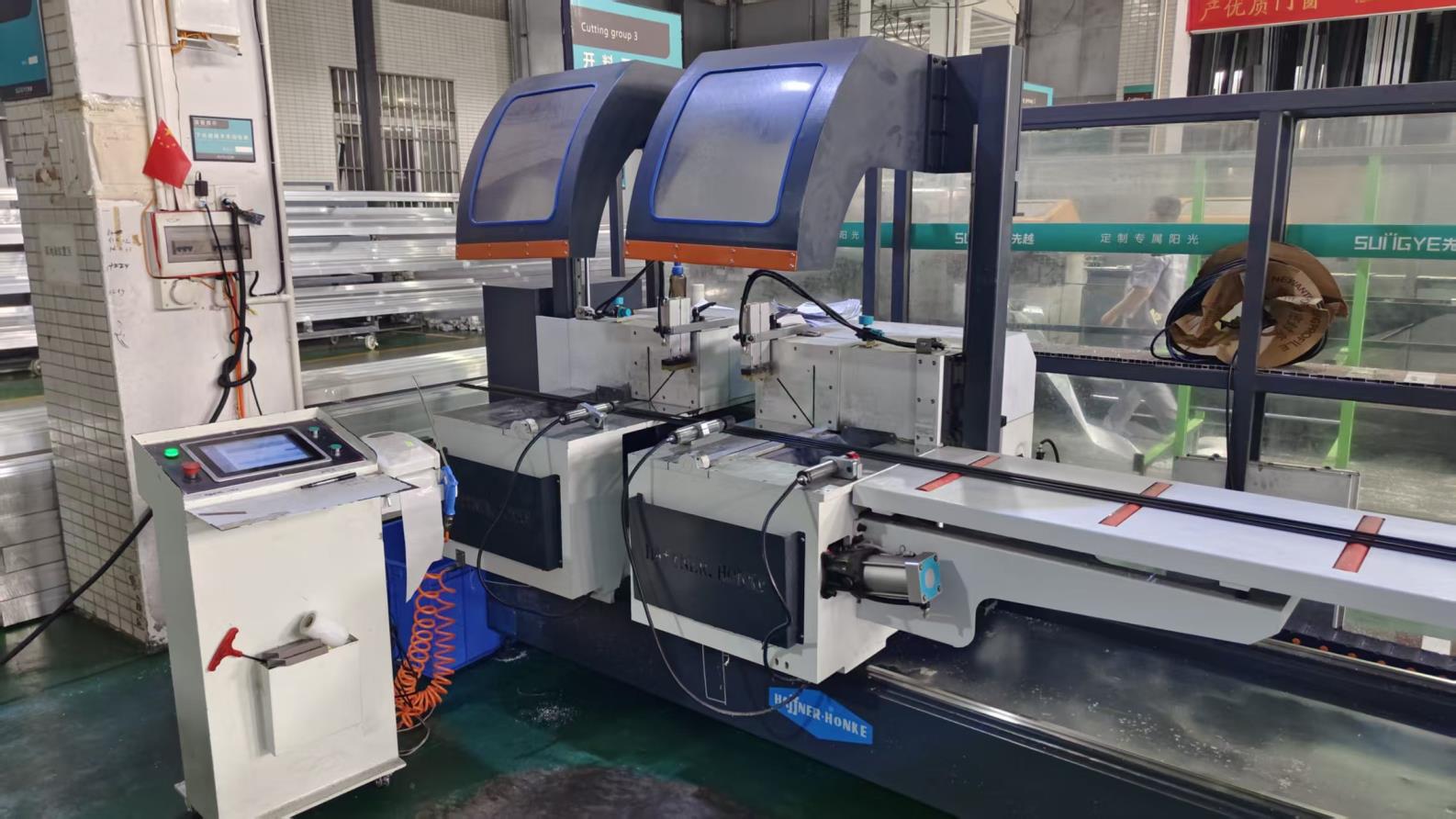 Cutting Machine
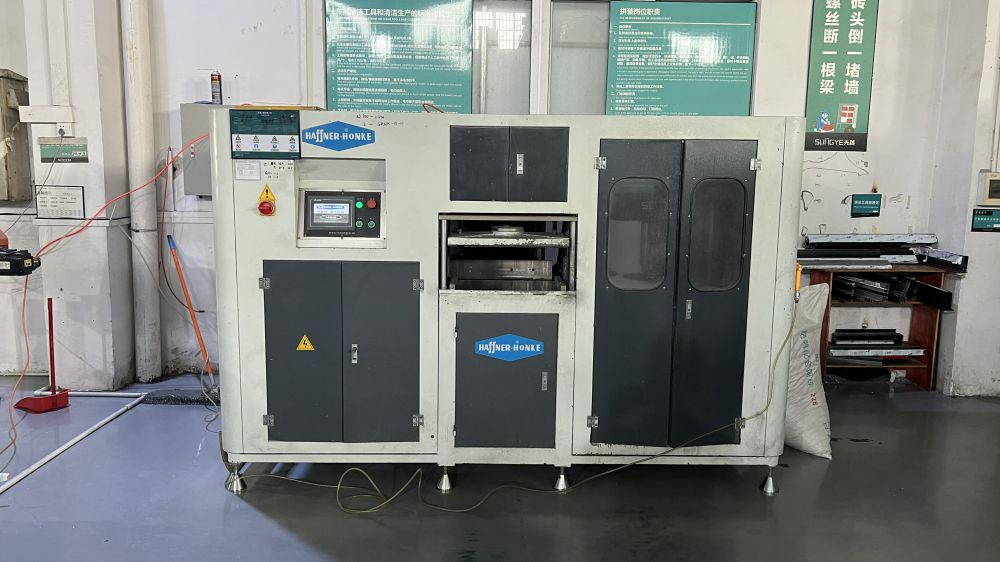 CNC Face Milling Machine
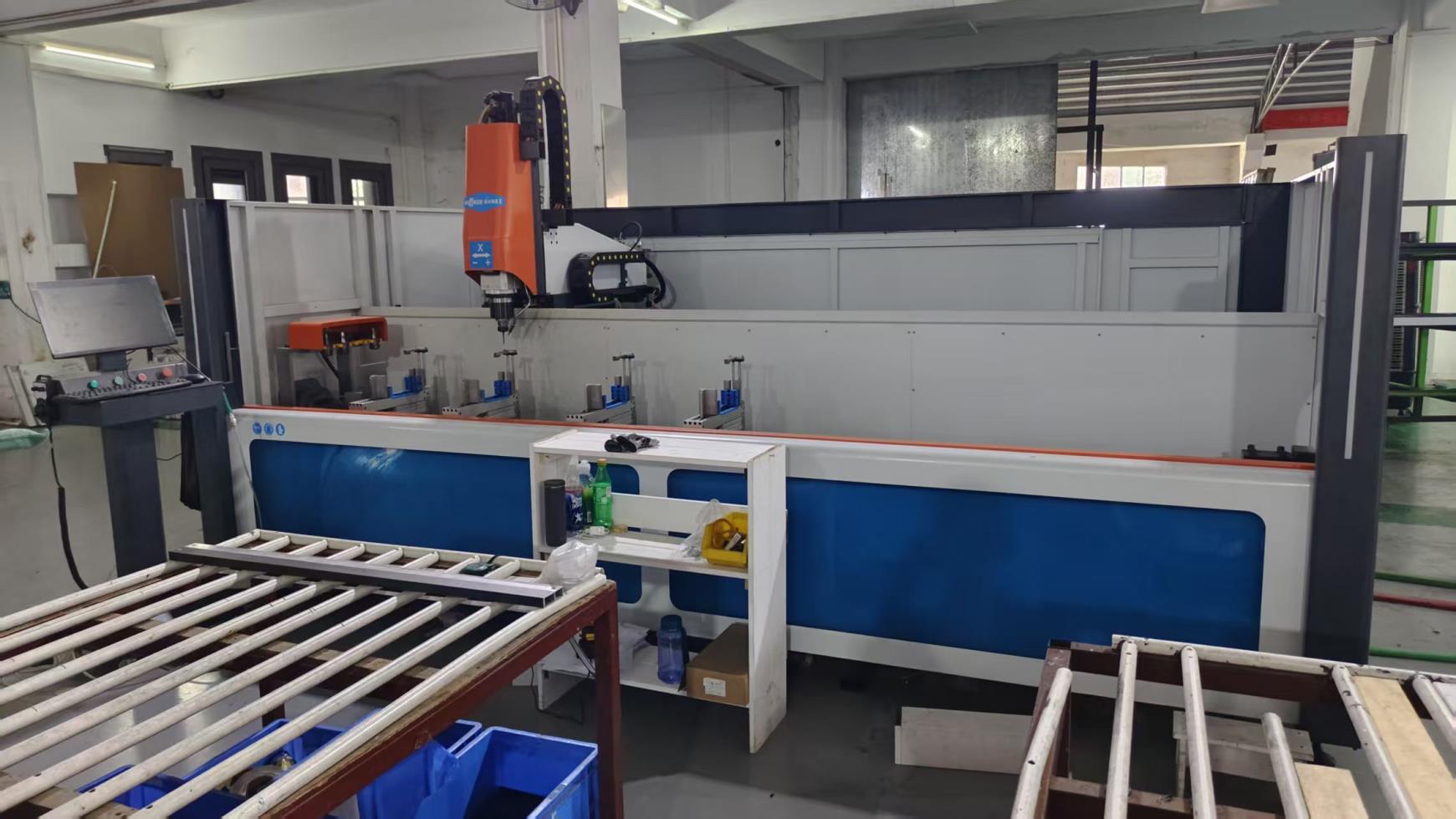 Drilling Machine
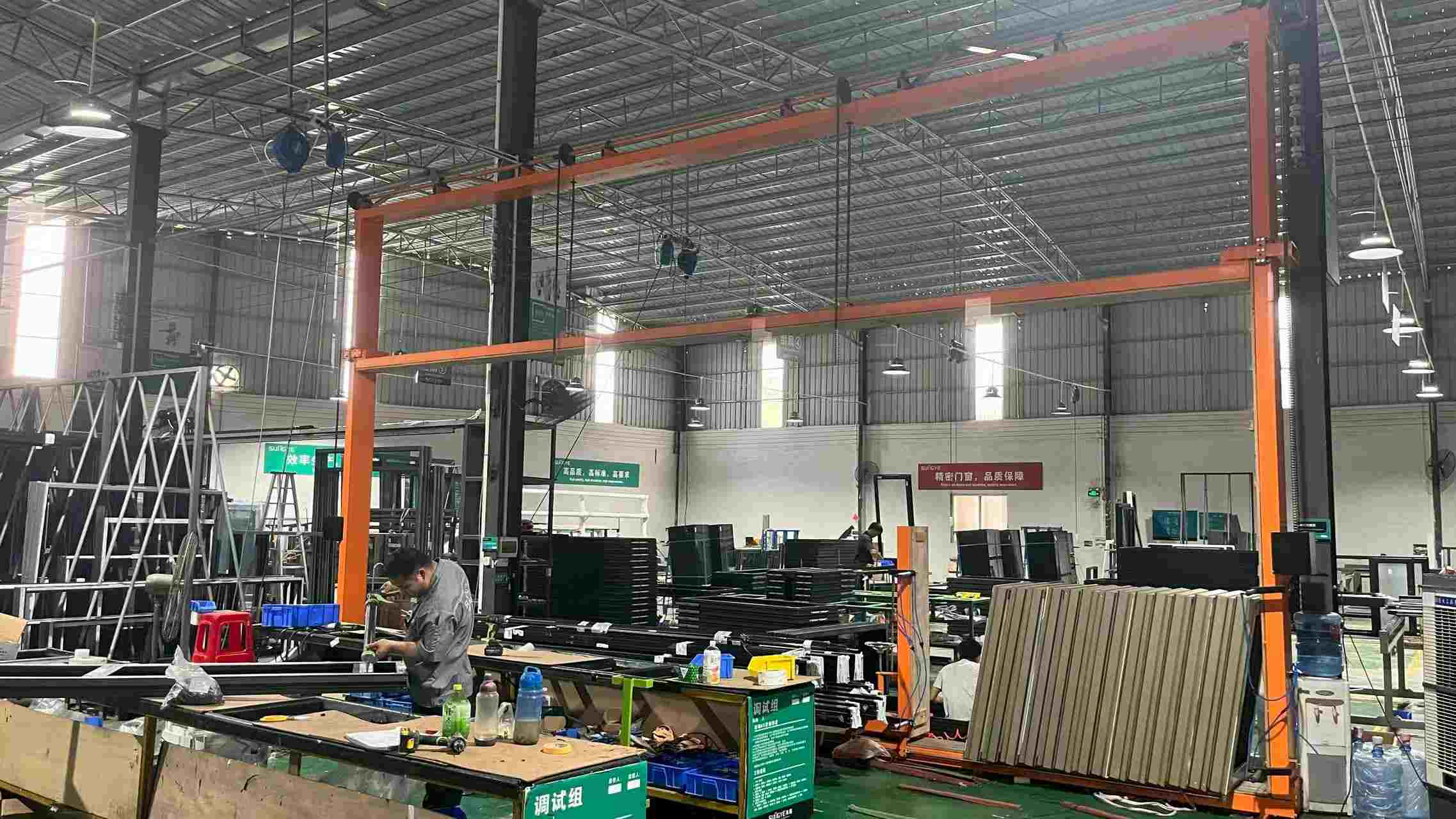 Debugging
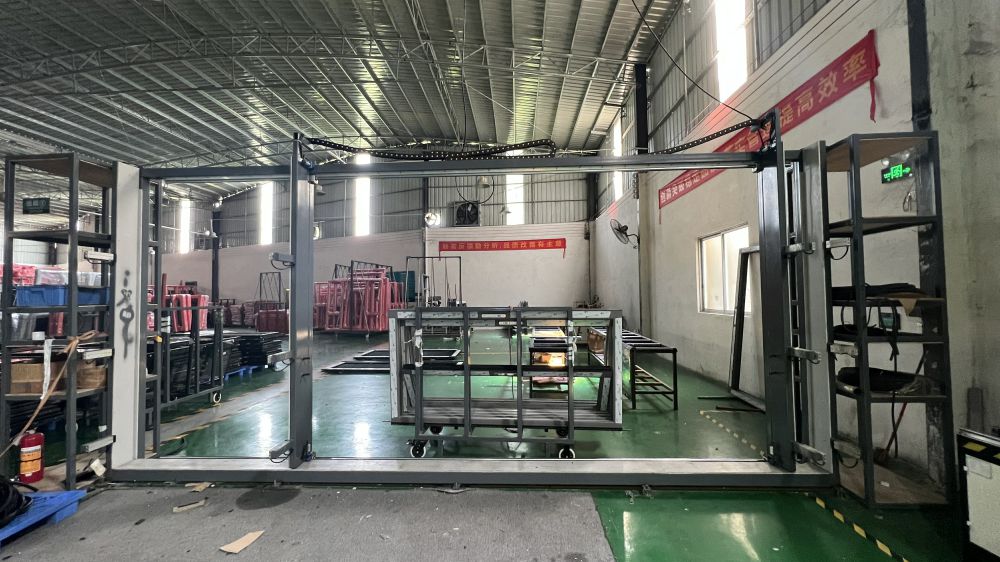 Debugging Frame
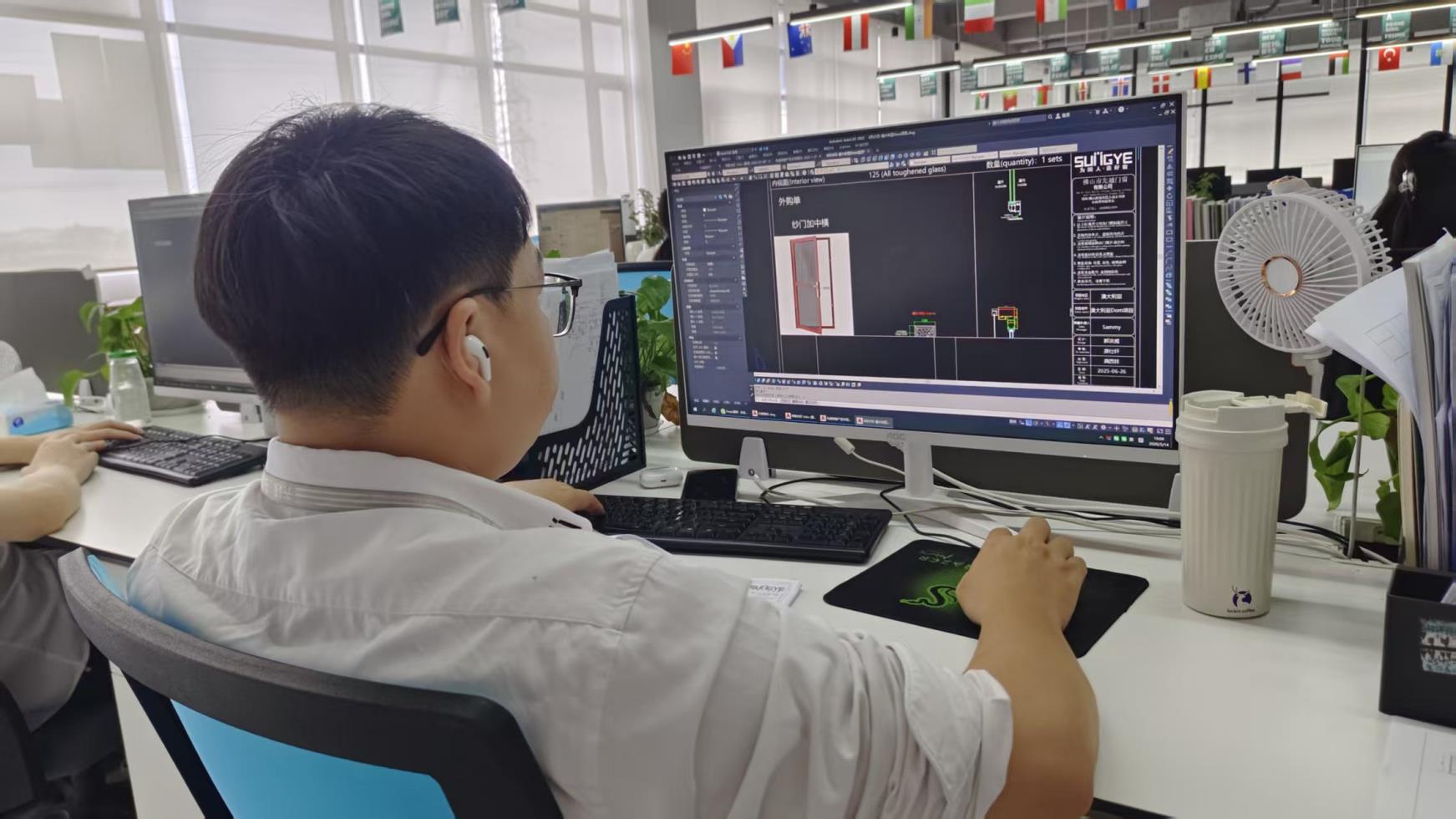 Drawing
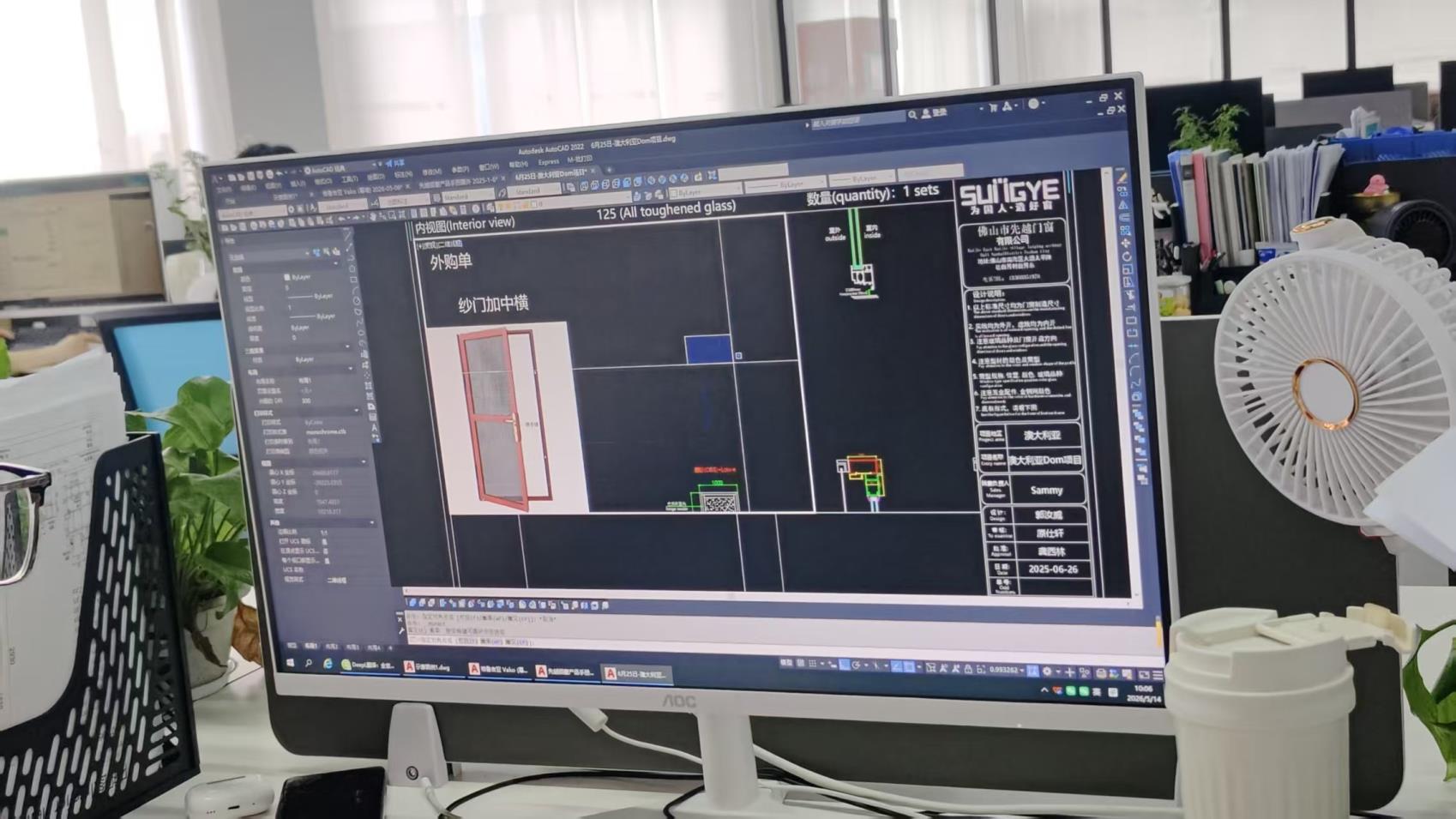 Computer
Expert technical insights regarding engineering specifications, structural performance, and global shipping of aluminum entrance systems.
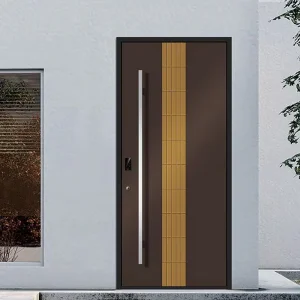
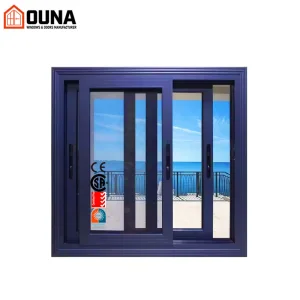
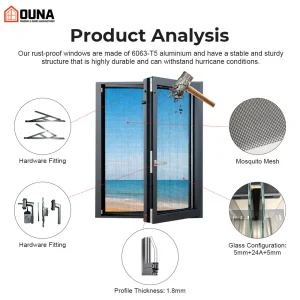
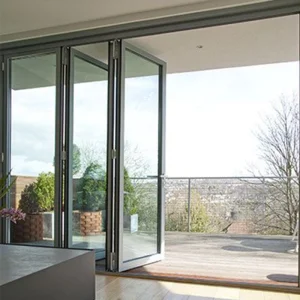
Browse our extended line of modern anti-theft front entries, acoustic casement windows, and hotel-grade aluminum doors.
 Cresta Window Tech