Explore our high-performance thermal break stacking doors, smart entrance portals, and hurricane-rated exterior windows engineered for luxury commercial and residential applications.
Macroeconomic Drivers, Commercial Adoption, and Engineering Demands Across Global Real Estate Markets
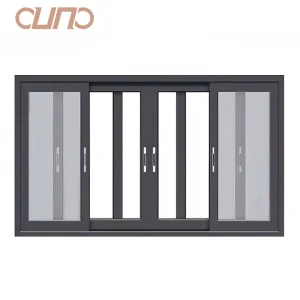
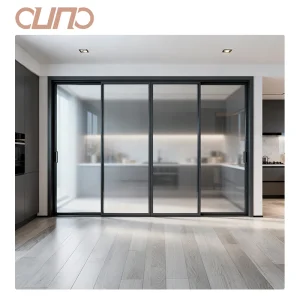
The global demand for high-performance Aluminium Stacking Doors (also known as multi-slide or telescopic sliding door systems) has surged exponentially across high-end residential, hospitality, and mega commercial developments. Modern architectural paradigms emphasize seamless indoor-outdoor living, maximizing natural light daylighting, and optimizing operable building envelopes. Unlike traditional two-panel sliding doors or bi-fold doors that consume valuable interior floor space, multi-track aluminium stacking doors allow multi-panel configurations to slide and stack neatly behind one fixed panel or tuck into concealed wall pockets.
According to recent facade engineering market analyses, the global architectural fenestration market is projected to reach $285 Billion by 2030, with high-end aluminium thermal break multi-track systems expanding at a compound annual growth rate (CAGR) of 6.8%. This structural shift is propelled by ultra-narrow frame aesthetics, extreme wind load resistance standards, and rigid net-zero thermal efficiency targets implemented across North America (NFRC), Australia/Oceania (AS2047), and Europe (CE EN 14351-1).
Developers and general contractors increasingly pivot toward top-tier OEM manufacturers capable of delivering heavy-duty extrusion profiles, custom powder-coat finishes (AkzoNobel/PPG), and integrated architectural hardware with low structural deflection.
Modern luxury villas, resort patios, and commercial restaurant fronts require wide span openings stretching up to 12 meters across. Stacking systems deliver unmatched structural stability across massive glass spans.
Thermal break aluminium stacking doors utilize high-density Polyamide (PA66 GF25) insulation strips and double/triple Low-E insulating glass units (IGU) filled with Argon gas to drastically reduce U-factors and Solar Heat Gain Coefficients (SHGC).
Comparative Evaluation Based on Production Capacity, Structural Engineering, Thermal Performance & Global Export Compliance
Selecting the optimal door and window partner requires strict evaluation of extrusion alloy standards (6063-T5 vs 6063-T6), structural hardware durability, QA/QC protocols, and export logistics fulfillment. Below is the definitive global ranking of the top 10 aluminium stacking door manufacturers based on engineering capability, factory automation, and enterprise track record.
| Rank / Company | Headquarters | Specialization & Extrusion Tech | Compliance & Certifications | B2B Sourcing Advantage |
|---|---|---|---|---|
| 1. Guangzhou Cresta Door & Window Co., Ltd. | Guangzhou, China | Ultra-slim thermal break stacking doors, heavy-duty multi-track lift & slide, custom acoustic glazing | ISO9001, AS2047, NFRC, CE, Florida HVHZ Impact | Direct factory tiering, 18,000m² facility, 30 QC inspectors, 550 upstream suppliers, unmatched price-to-performance ratio. |
| 2. Schüco International | Bielefeld, Germany | High-end architectural facades, automated sliding doors, passive house certified profiles | DIN EN ISO 9001, CE, Passive House Institute | Premium luxury brand recognition, high engineering precision, premium cost structure. |
| 3. Reynaers Aluminium | Duffel, Belgium | Architectural aluminium sliding systems, minimal frame stacking profiles, sustainable aluminum alloys | CE, Qualicoat, ISO 14001 | Strong European design footprint, extensive architectural R&D, extended lead times for export. |
| 4. Western Window Systems | Arizona, USA | Multi-slide stacking door systems, pocket doors, custom residential glass walls | AAMA, NFRC, Florida Building Code | Tailored for North American residential standards, higher localized manufacturing overhead. |
| 5. Fleet-wood Windows & Doors | California, USA | Luxury high-rise and estate custom multi-slide doors, thermally broken aluminium frames | AAMA Certified, NFRC Rated | Exceptional structural load capacity, suited for US luxury estate markets. |
| 6. Centor Architecture | Brisbane, Australia | Integrated screen stacking doors, multi-panel retractable folding & sliding units | AS2047, AS1170, WERS Rated | Pioneer in integrated insect screens and light-control blind mechanisms for Oceania climate. |
| 7. YKK AP Inc. | Tokyo, Japan | Commercial architectural windows, hurricane impact curtain walls, engineered sliding systems | ISO 9001, ISO 14001, JIS Standards | Mass manufacturing capability, high system consistency, standardized commercial profiles. |
| 8. Kawneer (Arconic) | Georgia, USA | Heavy commercial entrances, high-load stacking glass walls, hurricane resistant storefronts | AAMA, NFRC, LEED Compliant Profiles | Robust commercial structural engineering, widely specified in US public infrastructure. |
| 9. Technal (Hydro Group) | Toulouse, France | Low-carbon aluminium stacking door profiles, circular economy recycled alloy extrusions | ASI Certified, CE, Cradle to Cradle | Focus on eco-friendly low-carbon aluminium extrusions and circular construction. |
| 10. Cortizo Aluminum Systems | Padrón, Spain | Cor-Vision minimalist stacking doors, large format slimline sliding profiles | Qualicoat, Qualanod, CE Standard | Sleek minimalist European sightlines, ideal for contemporary high-end residential villas. |
Technical Superiority: Profile Extrusions, Multi-Track Water Drainage & Thermal Isolation Physics
To deliver flawless operation across hundreds of thousands of cycles while withstanding hurricane-force wind load pressures, premium Aluminium Stacking Doors must incorporate multi-faceted structural engineering principles. Below is an engineering evaluation of the essential components that distinguish commercial-grade stacking doors from standard residential sliders.
High-tensile architectural aluminium alloy extruded to minimum wall thicknesses of 2.0mm to 3.0mm guarantees structural deflection limits under severe wind shear pressures up to 5000 Pa (Pascal).
Advanced stepped sill channels integrated with cascading water weeping valves prevent water ingress during torrential downpours, offering water tightness ratings up to 600 Pa per AS2047 test protocol.
Polyamide 66 reinforced with 25% glass fiber breaks metal-to-metal thermal conduction. This eliminates internal frame condensation and boosts thermal isolation with U-values as low as 1.4 W/m²K.
Dual stainless steel wheel bogies fitted with precision sealed Japanese bearings support panel weights up to 400 kg per sash, ensuring fingertip glide smoothness for decade-plus lifespans.
Continuous Ethylene Propylene Diene Monomer (EPDM) synthetic rubber perimeter seals combined with continuous nylon wool pile brush strips deliver air infiltration leakage under 0.1 L/s·m².
Custom double/triple glazed glass configurations incorporating PVB or SGP acoustic interlayers attenuate ambient urban noise pollution by up to 42 decibels (dB).
Adapting Aluminium Stacking Doors to Localized Climate Zones, Structural Codes & Architectural Standards
Global procurement teams, project architects, and real estate developers must align product specifications with regional building codes to avoid costly regulatory compliance failures. Sourcing factory direct from accredited manufacturers guarantees that your aluminium stacking door configurations meet local wind load pressures, solar control, and impact protection criteria.
Requires rigorous physical NATA-accredited testing for Air Infiltration (AS4420.4), Water Penetration Resistance (AS4420.5), and Ultimate Strength (AS4420.6). Sliding sill profiles must incorporate deep sub-head and sub-sill flashing channels to withstand cyclical coastal storms.
Requires thermal certification by the National Fenestration Rating Council (NFRC) for U-Factor and SHGC. Coastal regions like Florida require High Velocity Hurricane Zone (HVHZ) impact certification using SGP laminated safety glass engineered against missile impact testing.
Mandates strict environmental declaration (EPD), hazardous material compliance (RoHS/REACH), air permeability (EN 12207 Class 4), and watertightness (EN 12208 Class E900). European designs favor ultra-slim sightlines (minimalist 20mm interlockers).
Demands superior thermal radiation shields to withstand extreme thermal ambient temperatures exceeding 50°C. Standard specs require heavy-duty thermal break extrusions, double Silver Low-E glass, and dust-proof multi-point dynamic sealing mechanisms.
Why Tier-1 Chinese Manufacturers Lead Global Supply Chains for Fenestration Systems
The concentration of raw material refinement, automated CNC extrusion processing, hardware manufacturing, and float glass production within China's Pearl River Delta creates unmatched structural advantages for international real estate developers and regional distributors. Sourcing high-specification aluminium stacking doors directly from premier Chinese factories yields significant commercial benefits:
Optimized industrial clustering enables raw material sourcing (6063-T6 billet aluminum, PPG paint formulations, Xinyi/CSG float glass) at baseline commodity costs, passing significant capital savings to B2B buyers without sacrificing structural integrity.
Unlike rigid Western modular supply chains, tier-1 Chinese factories like Cresta offer complete customization: custom extrusion profiles, specialized glass build-ups (fire-rated, acoustic, bullet-resistant), and tailored architectural hardware colors.
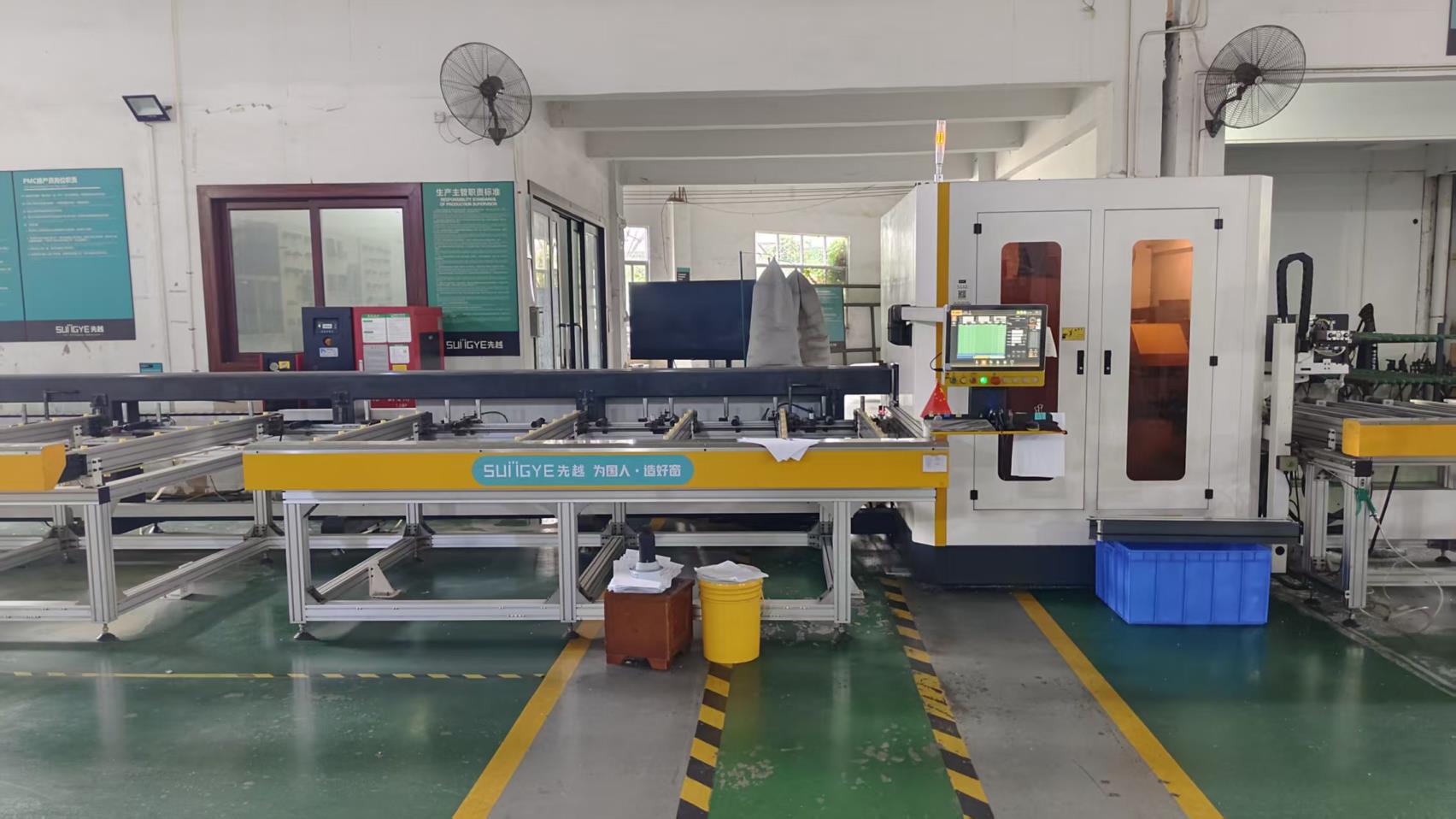
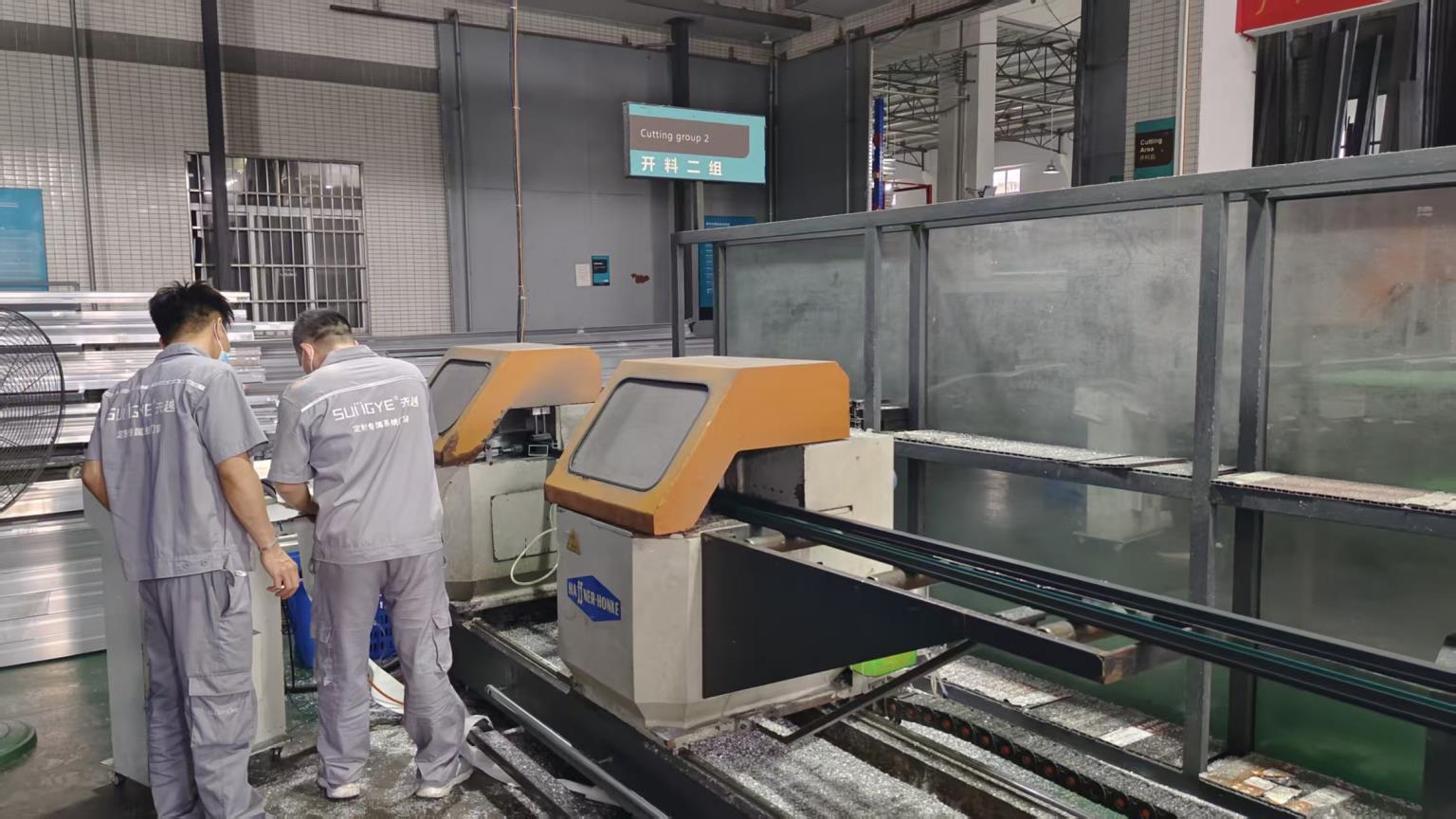
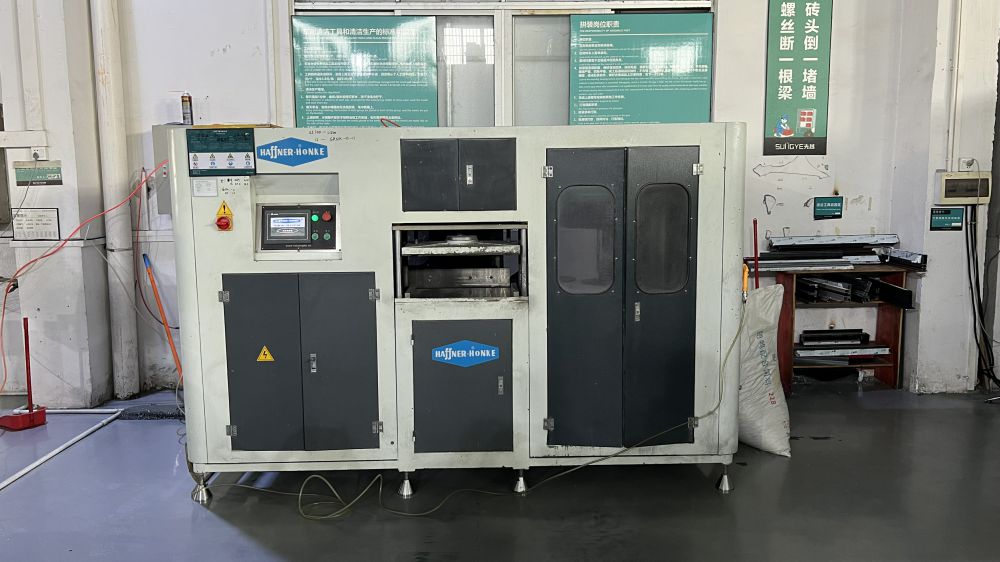
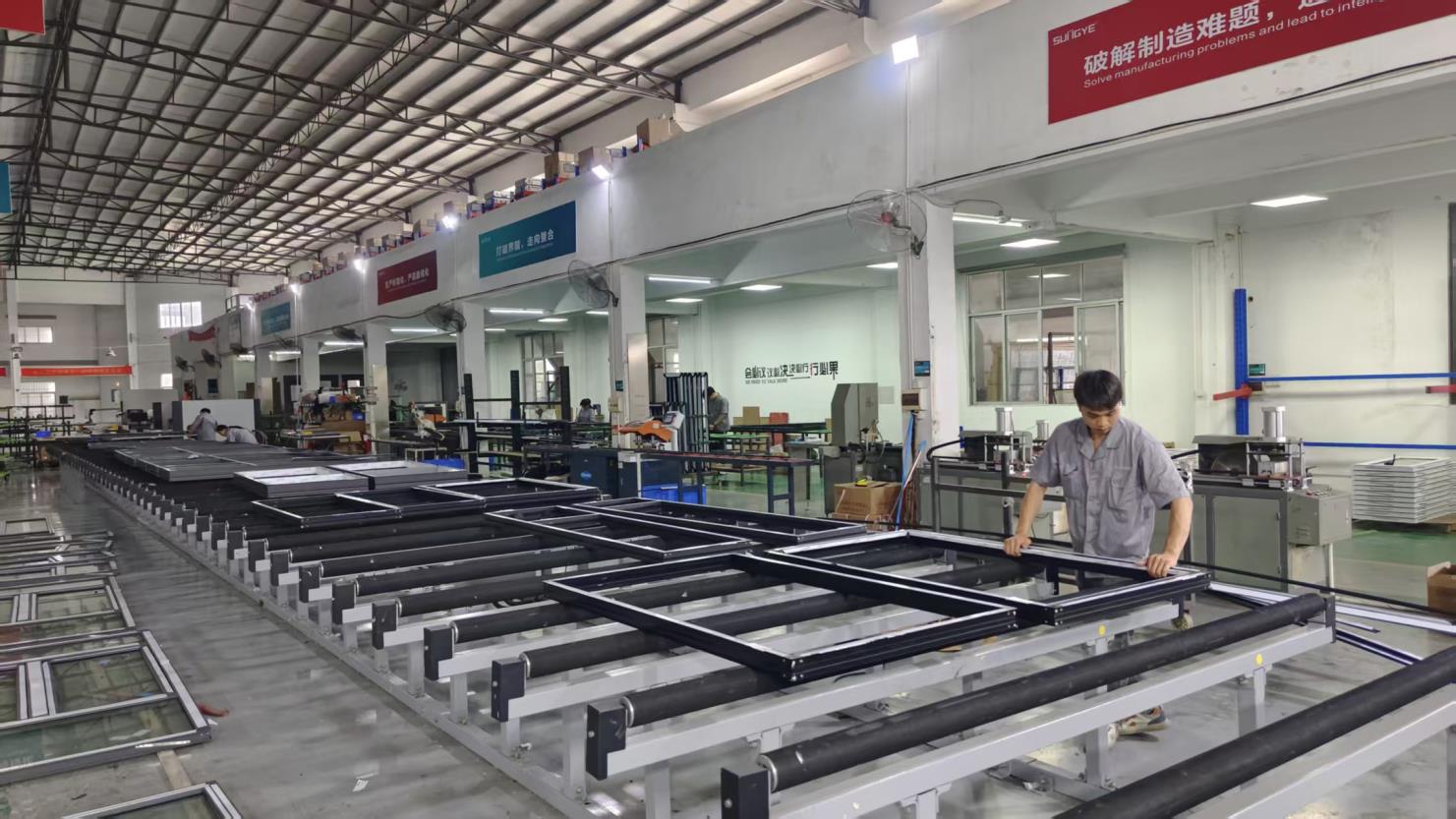
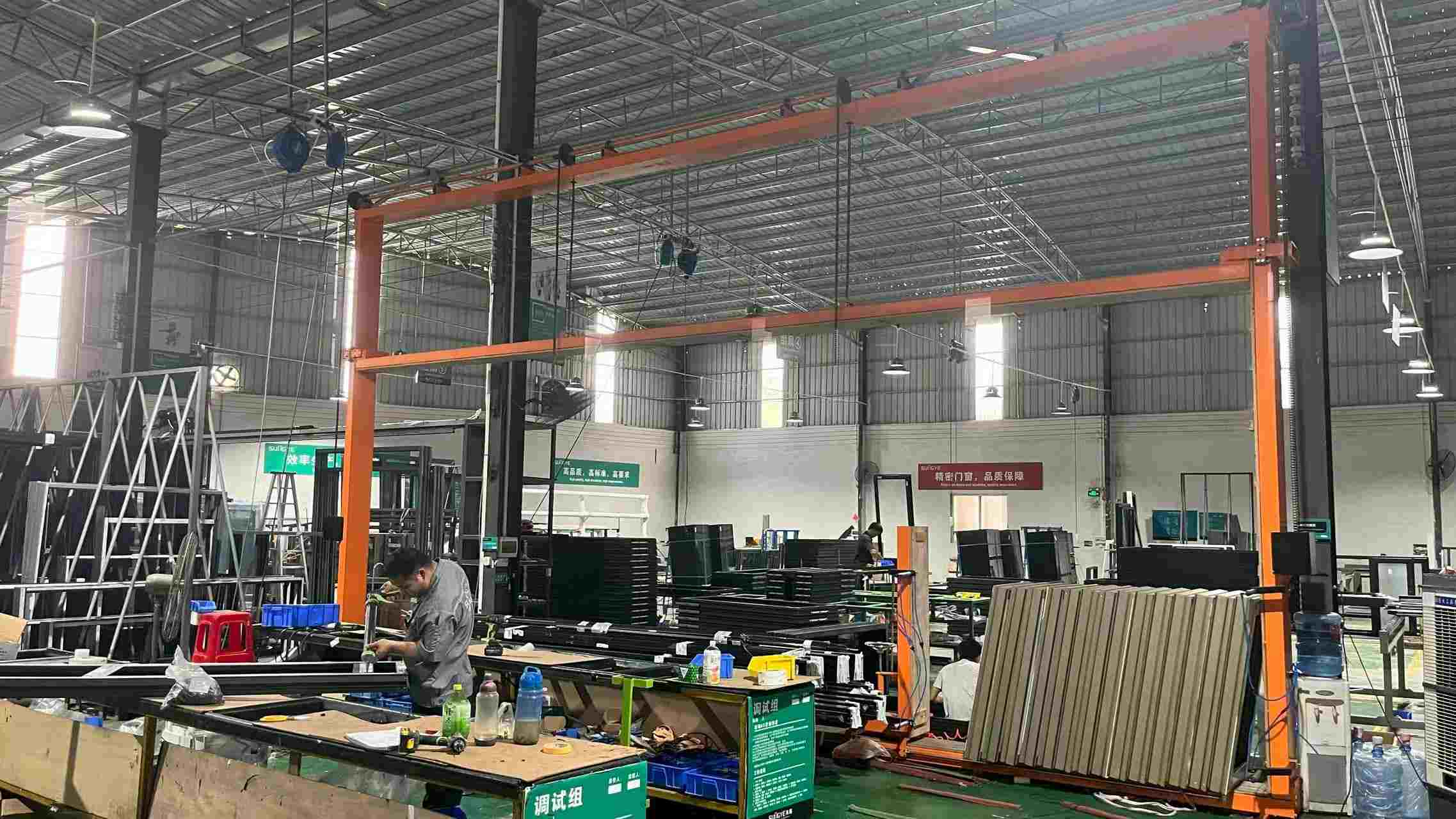
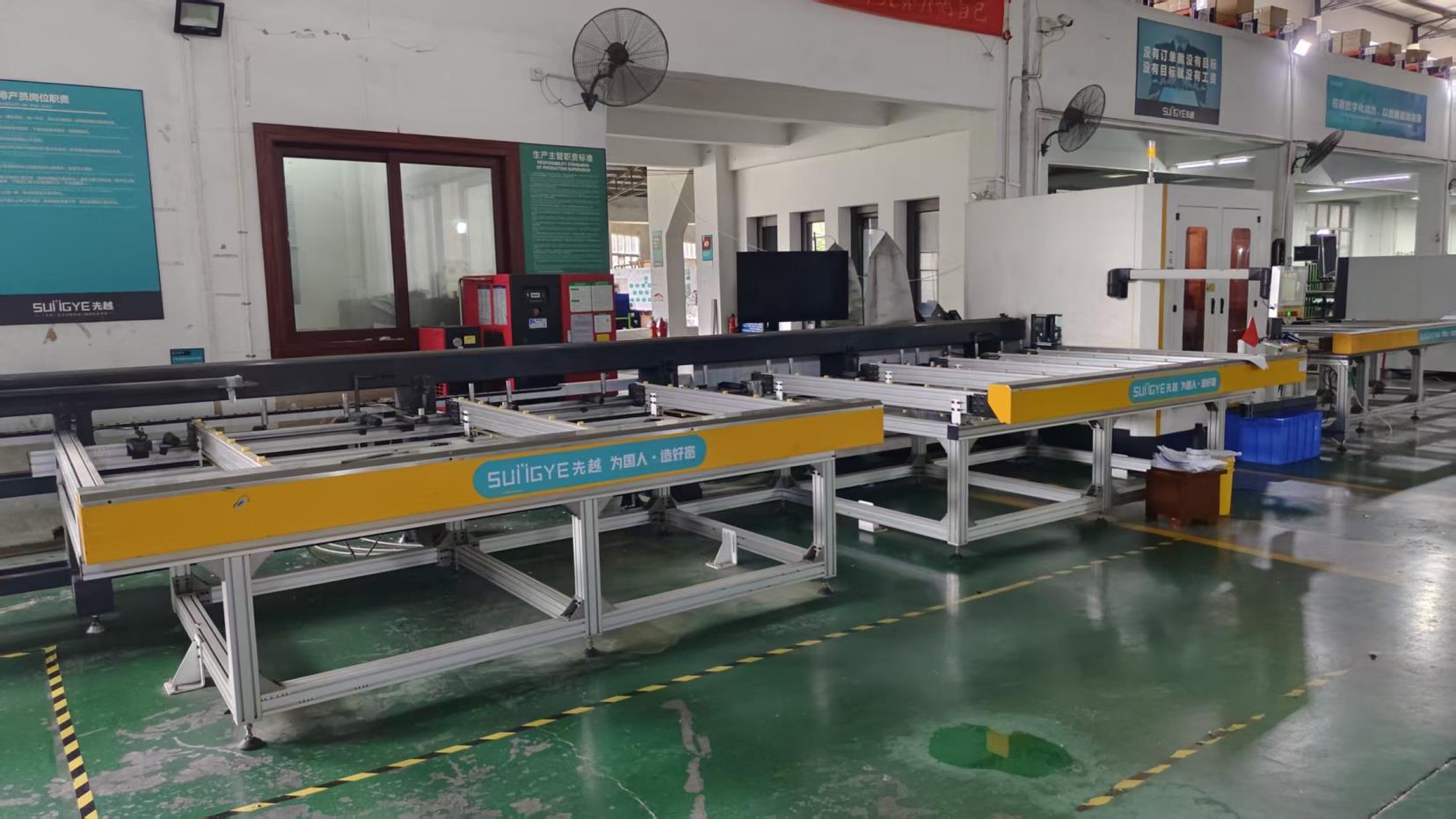
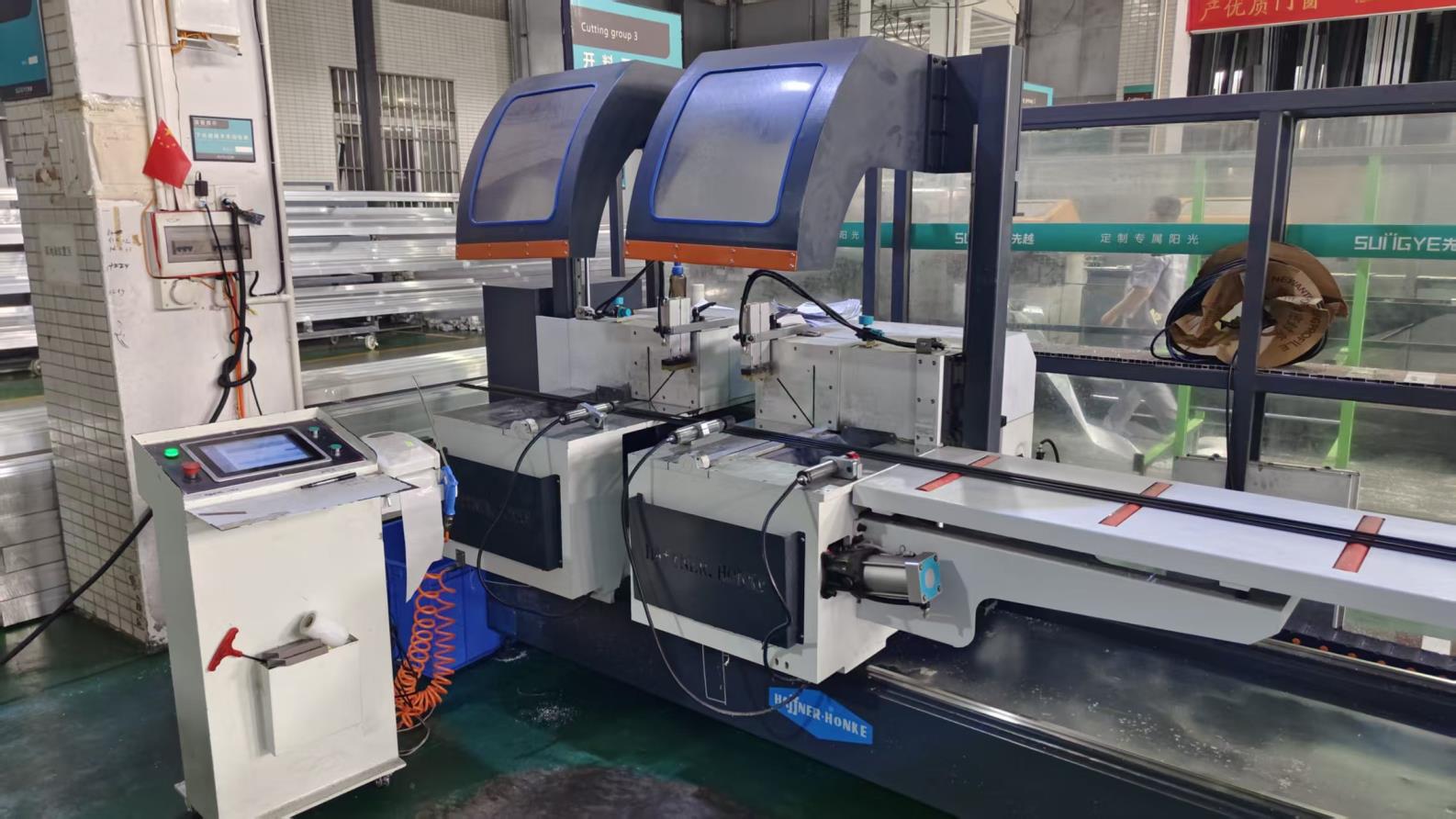
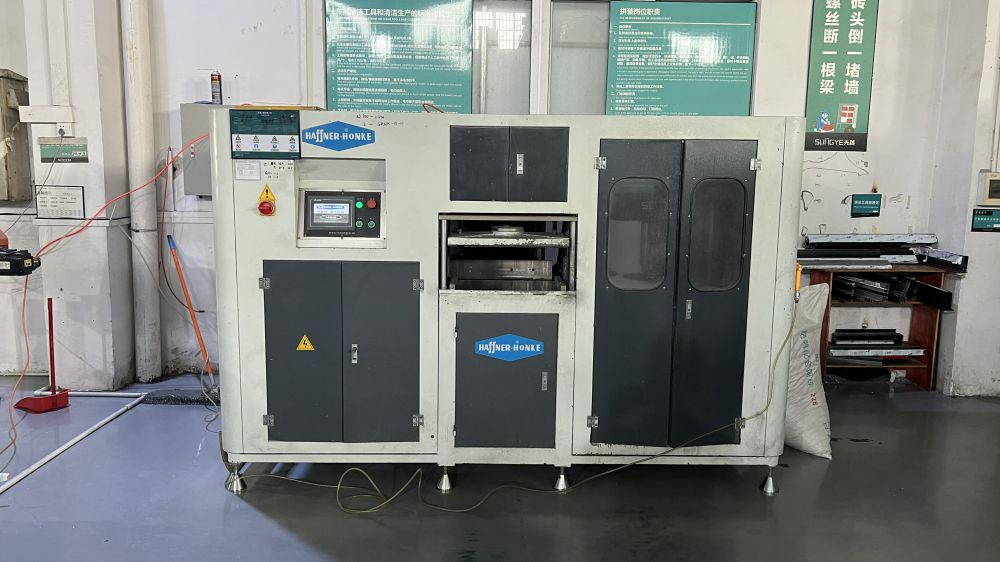
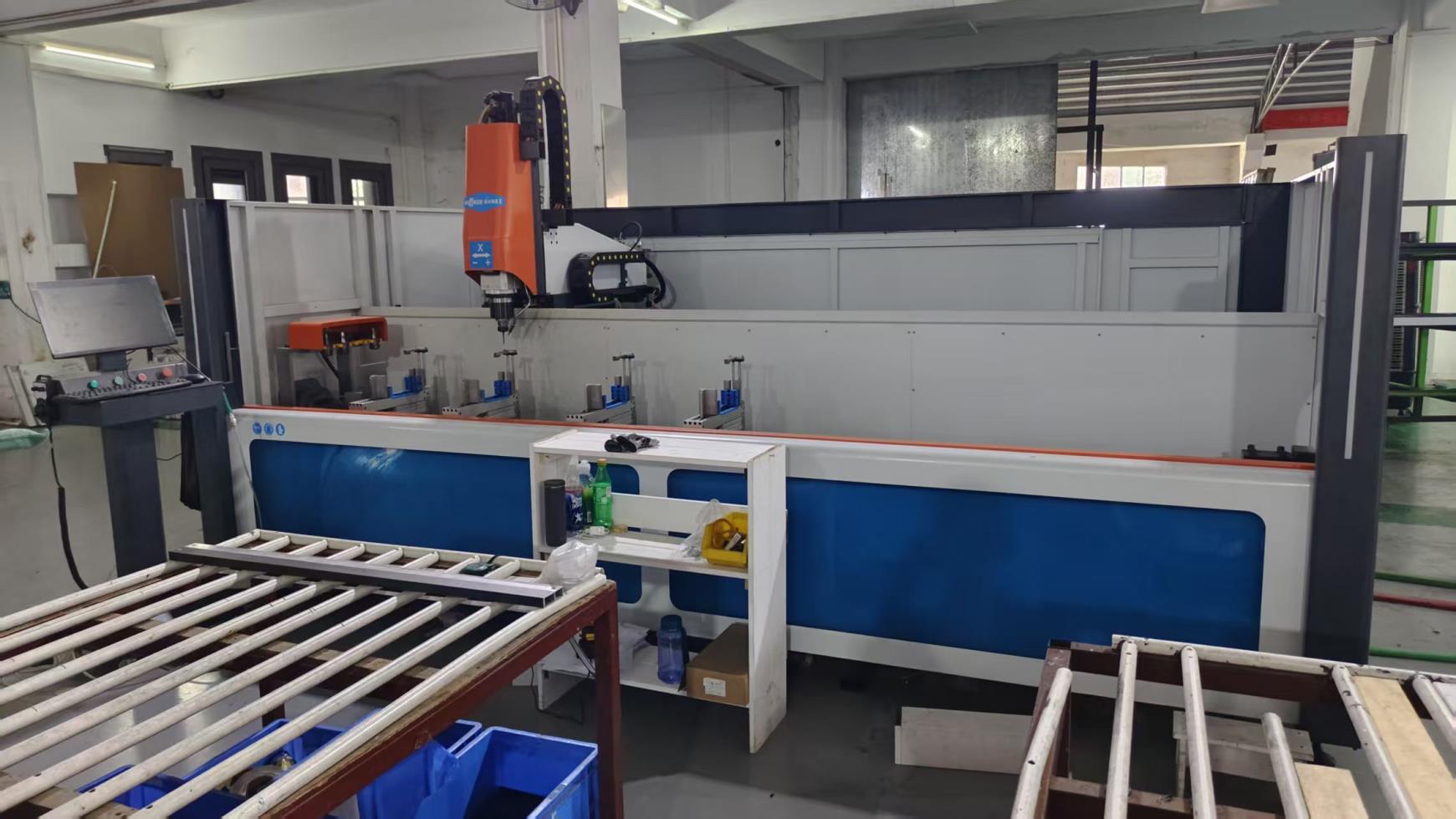
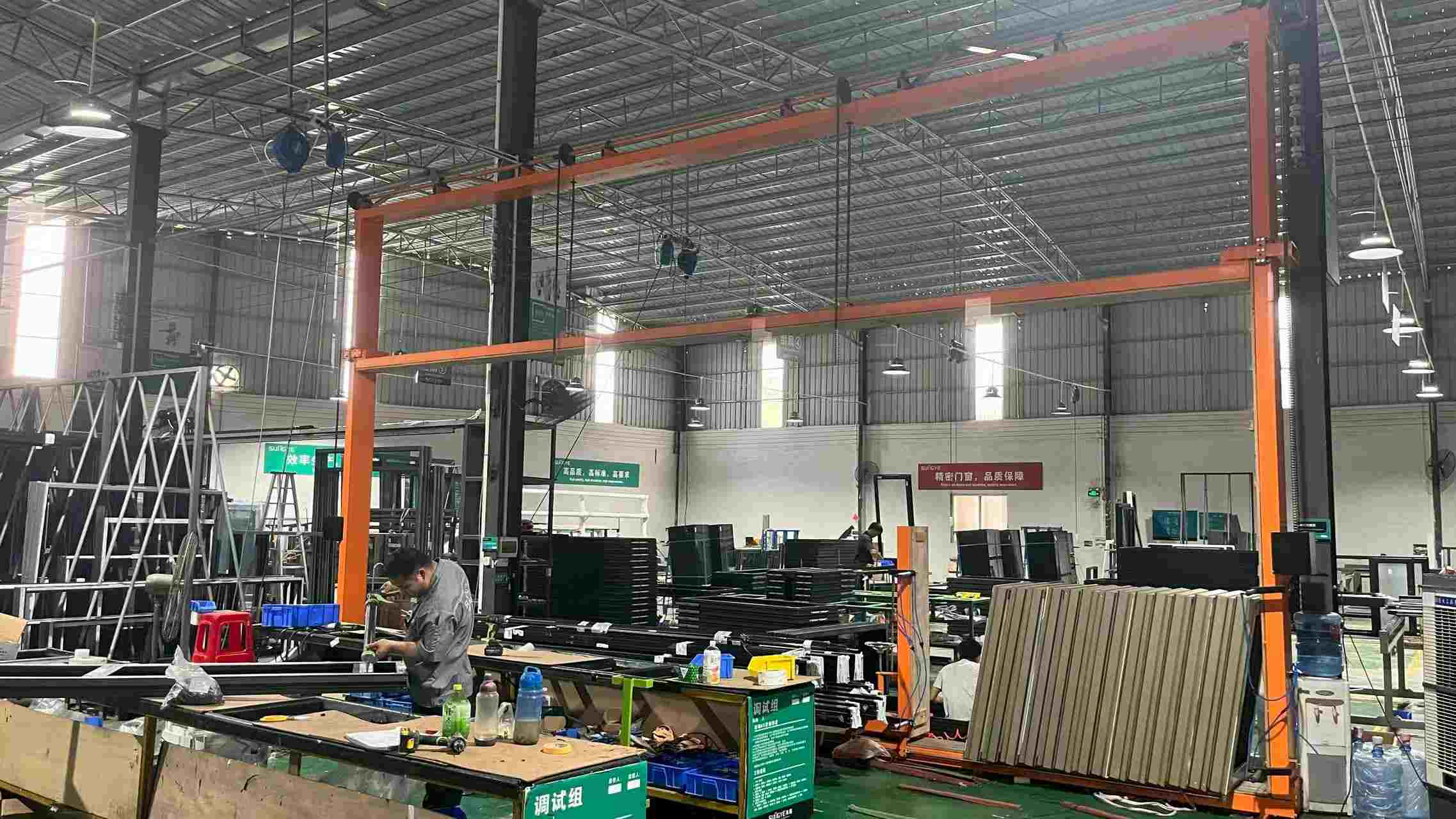
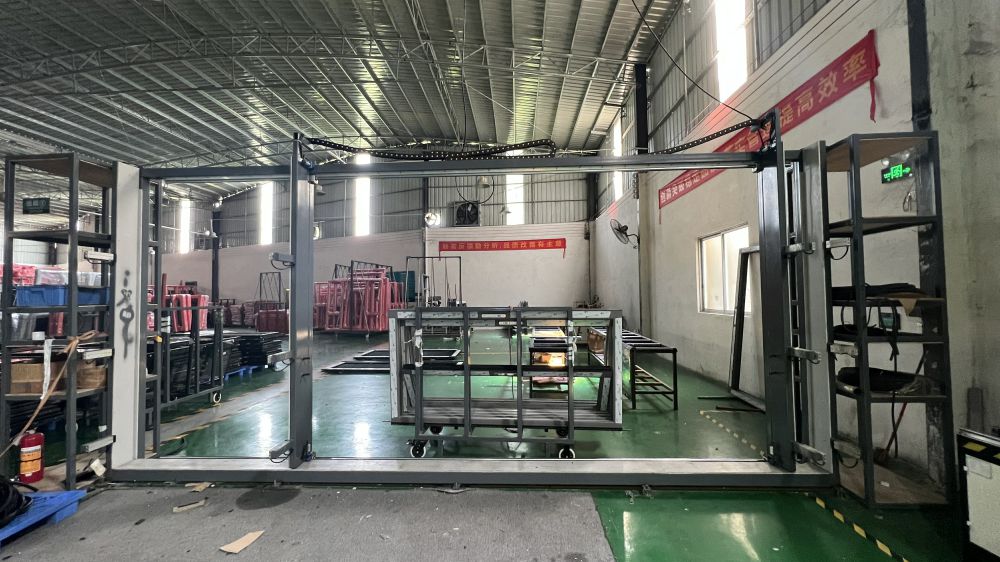
Equipped with 5-axis digital CNC machining centers, automated double-head cutting saws, and automated corner crimping lines, Chinese manufacturing hubs deliver millimeter-accurate fabrication with rapid production turnaround schedules.
11+ Years of Structural Innovation, Manufacturing Scale & Global Trade Operational Excellence
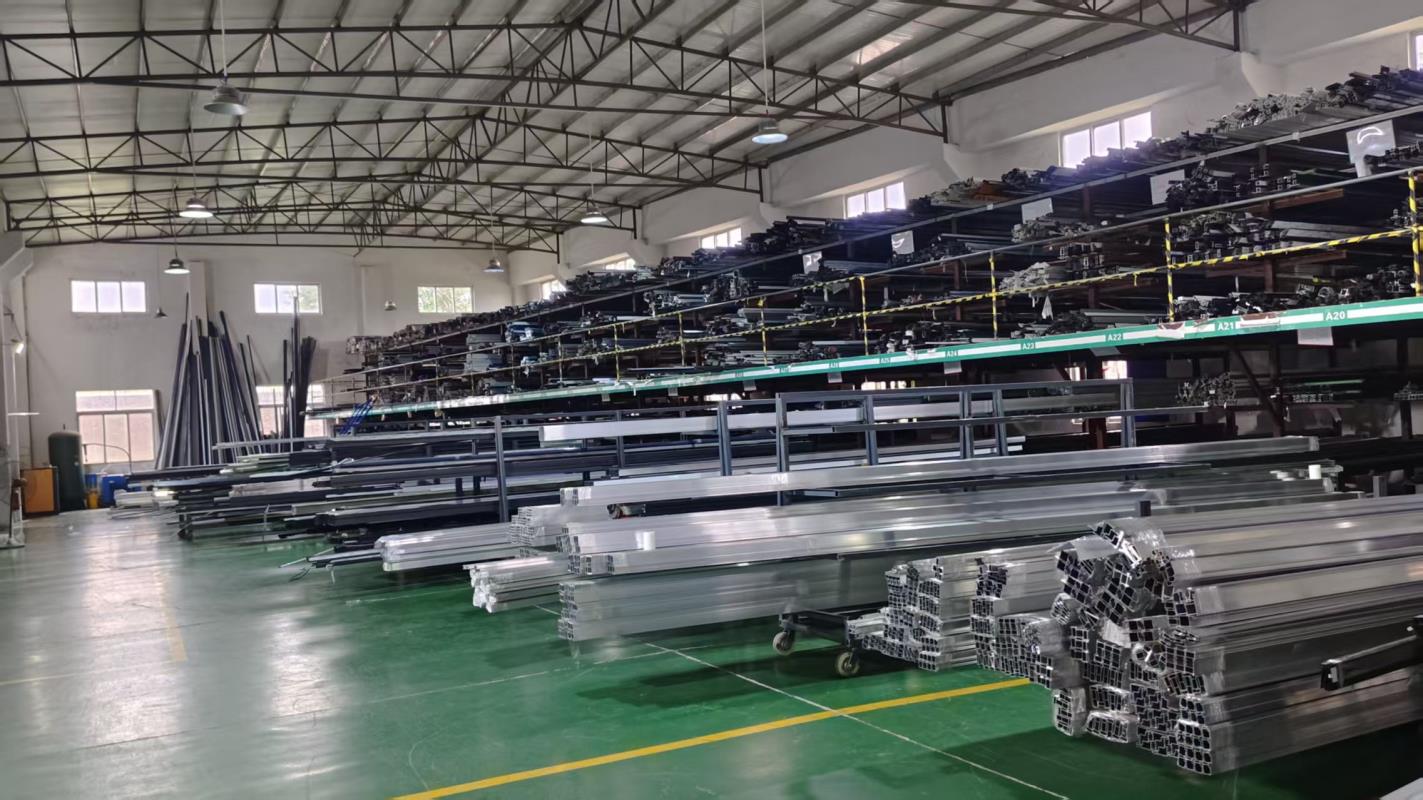
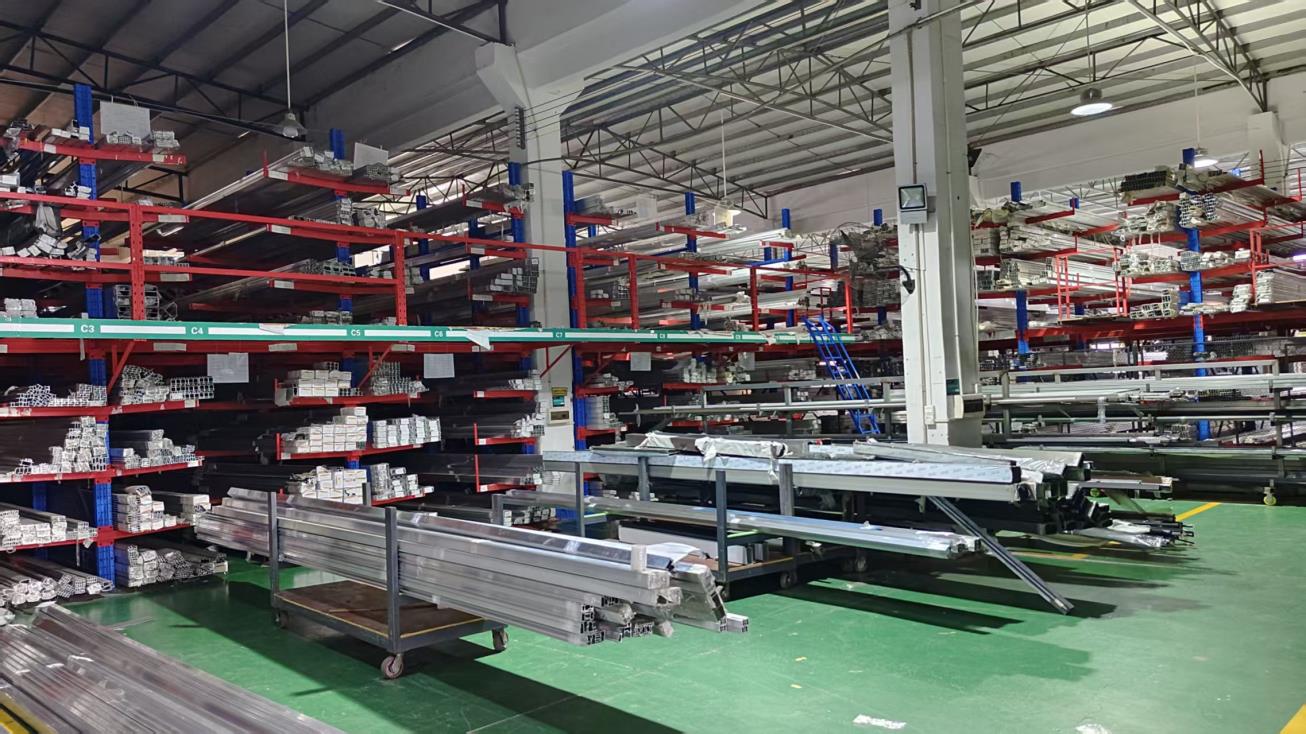
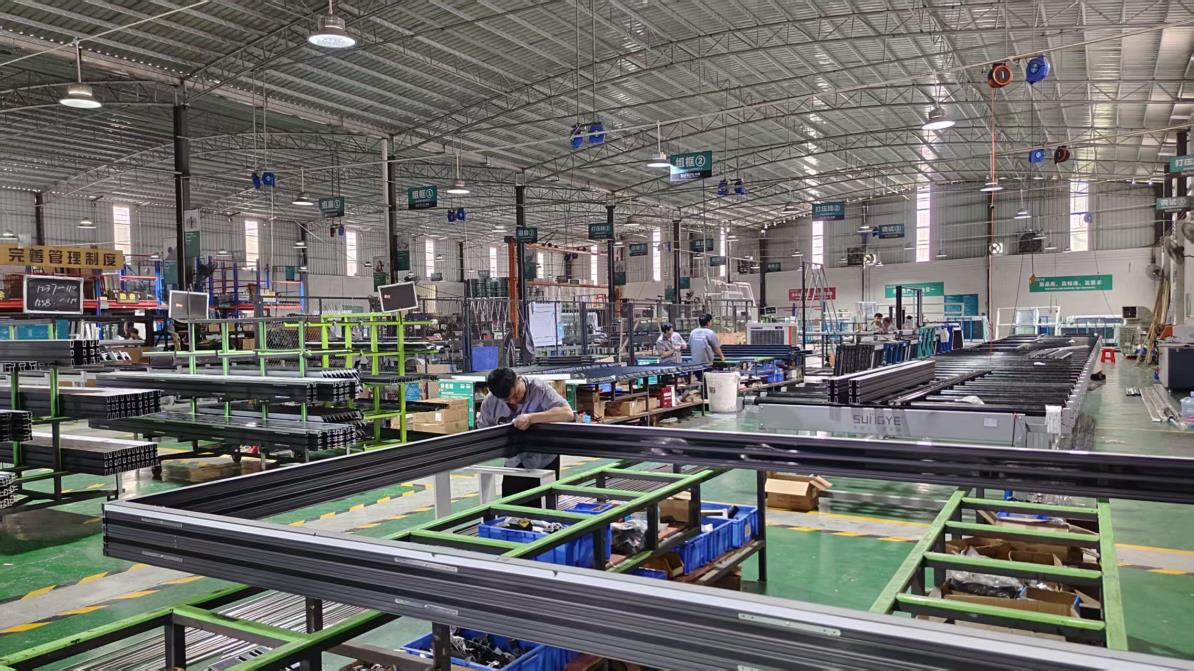
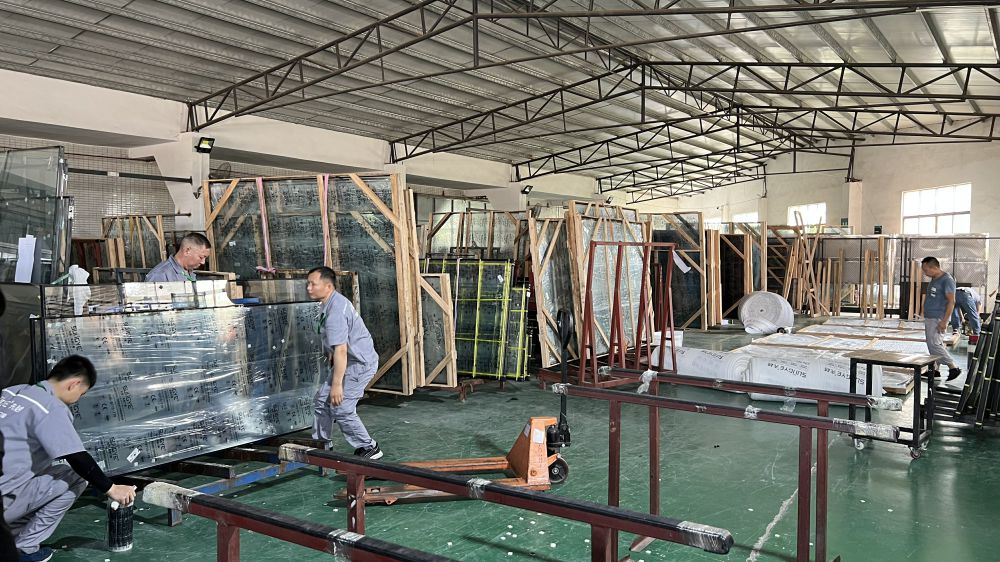
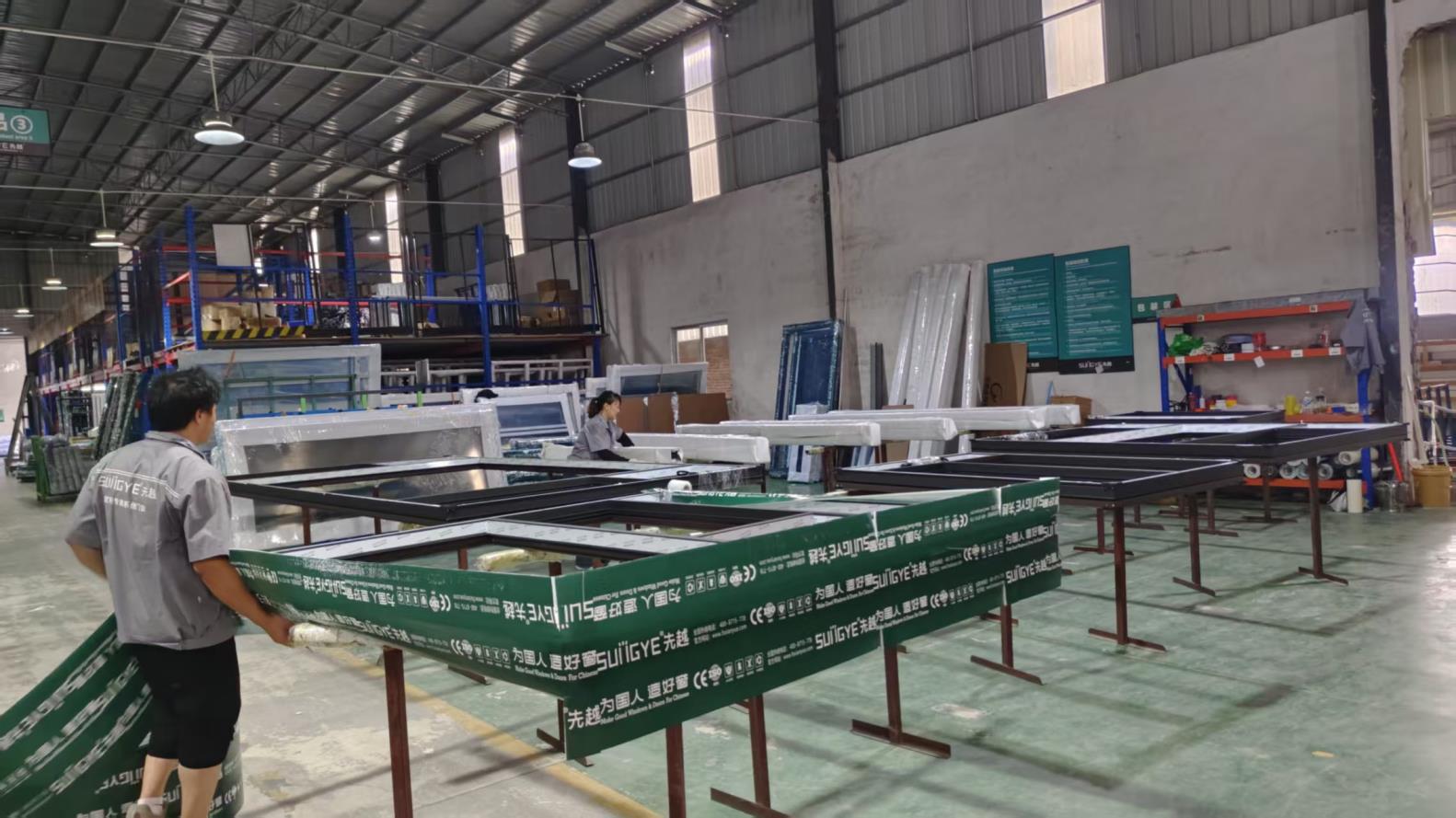
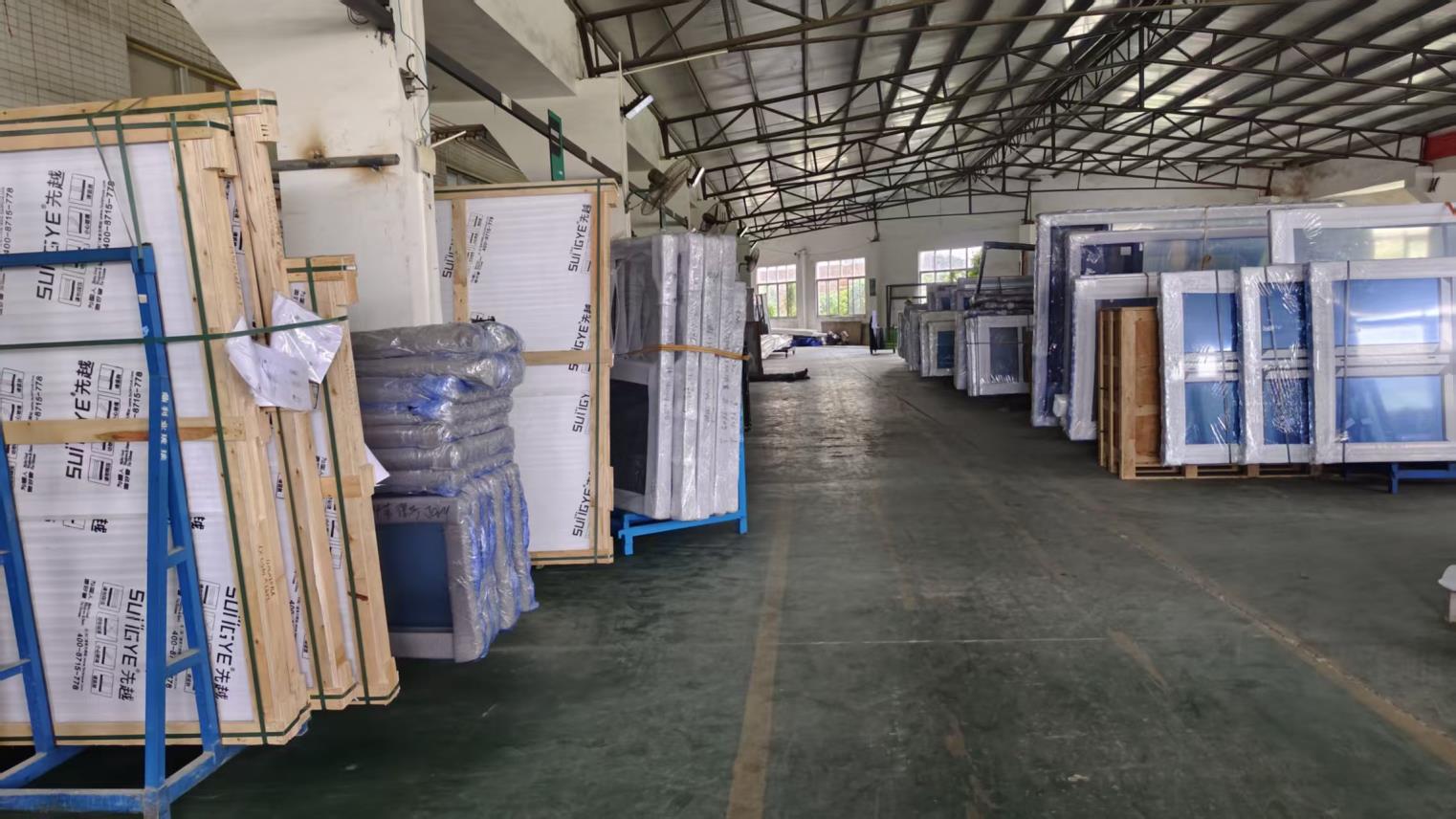
Established in 2015, Guangzhou Cresta Door & Window Co., Ltd. operates an expansive 18,000-square-meter manufacturing facility. Backed by 11 years of deep industry manufacturing experience and 7 years of high-volume international trade operations, Cresta achieves an annual export turnover of $22 million across Southeast Asia, the Middle East, North America, and Oceania. We primarily partner with custom home builders, commercial renovation contractors, architectural developers, and regional stocking wholesalers.
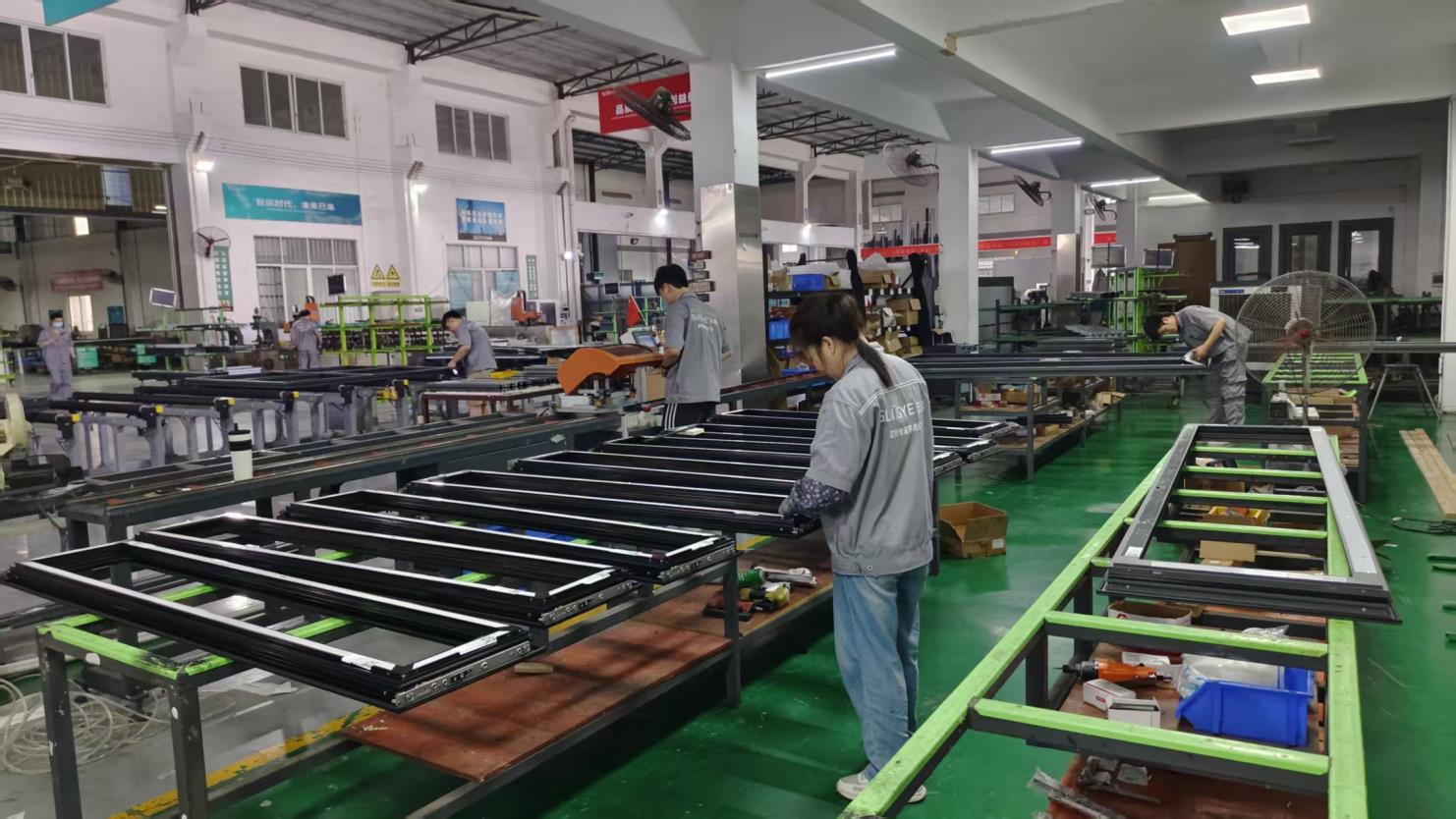
To ensure top-tier craftsmanship and strict zero-defect tolerance, our specialized team of 30 QC inspectors strictly enforces ISO-certified optical surface inspections, structural air leakage evaluations, and weatherproofing pressure seal tests. Supported by a reliable strategic network of 550 upstream suppliers, Cresta excels in engineering tailored solution configurations such as custom acoustic insulation, motorized insect screens, and ultra-slim frame stacking doors. Our active R&D division of 35 specialized engineers released 38 new innovative product series over the past operational year.
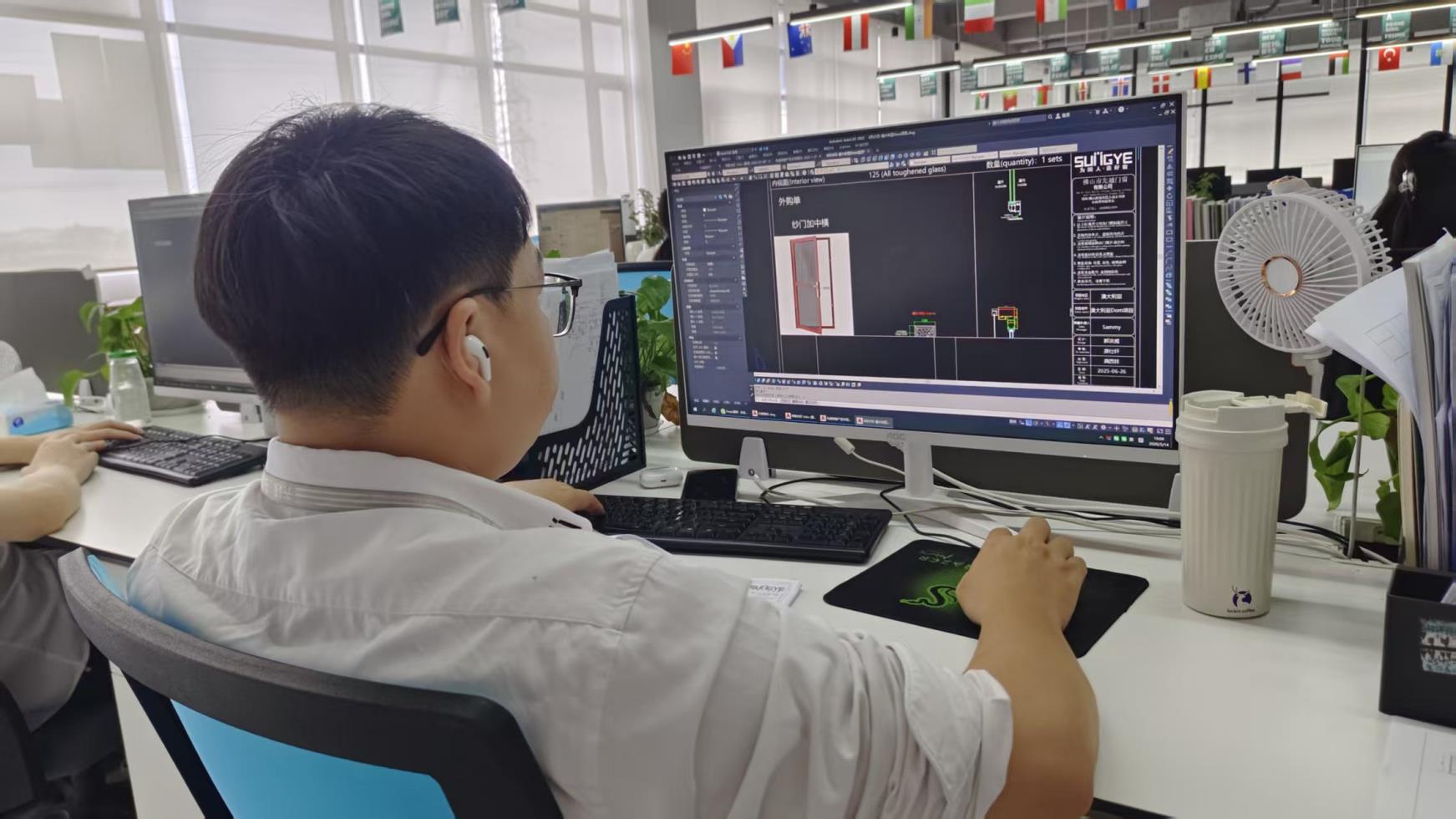
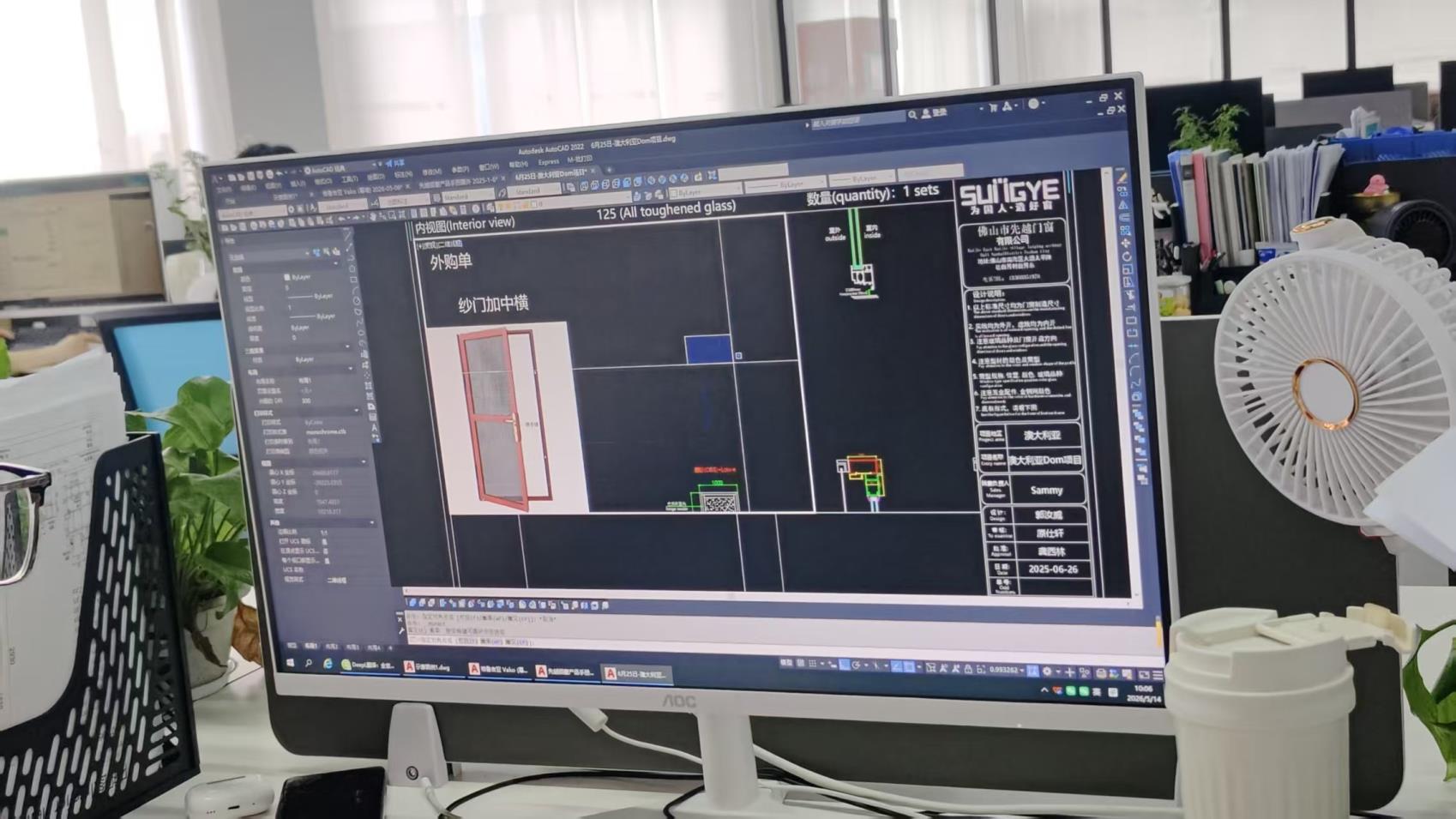
Transparent Operations: Advanced CNC Milling, Glass Assembly, Precision Cutting & Debugging Rigour
Essential Criteria for Sourcing Commercial Stacking Door Systems from Chinese Factories
When placing commercial volume orders for custom aluminium stacking door systems, project managers must implement a rigorous quality assurance protocol. Below is the standard inspection checklist utilized by major global contractors during factory audits:
Verify that structural aluminum profile wall thicknesses conform strictly to structural shop drawings (minimum 2.0mm for high-span sliding sashes) and utilize prime 6063-T5/T6 billet aluminum rather than scrap-recycled alloy.
Ensure powder coating treatments adhere to Qualicoat Class 2 or PVDF (Fluorocarbon) specifications, passing 3000-hour salt spray corrosion resistance testing for harsh coastal environments.
Inspect double glazed Units (IGU) for dual-seal structural silicone sealant application, molecular sieve desiccant filling within aluminium warm-edge spacers, and verified Argon gas purity (>90%).
Confirm hardware components utilize 304 or 316 stainless steel tracks, heavy-duty tandem stainless steel rollers, and multi-point locking gear systems rated to withstand >100,000 operational cycles.
Innovations Shaping Next-Generation Fenestration Systems and Smart Building Envelopes
Architects are driving demand for interlock sightlines down to 20mm width, concealing outer frames completely inside structural walls to achieve 98% clear view glass surface ratios.
Automatic stacking doors integrated with hidden brushless DC motors, obstacle sensors, and smart home automation hubs (Zigbee/KNX) allow push-button or app-controlled sliding access for massive multi-panel systems.
Universal accessibility trends favor recessed flush sills featuring hidden linear drainage channels, eliminating trip hazards between indoor living spaces and outdoor entertaining decks without compromising water resistance.
Expert Guidance on Structural Specifications, Shipping Logistics, Customization & Warranty Terms
Explore Additional High-Performance Aluminium Doors, Sliding Windows & Architectural Shutter Systems
 Cresta Window Tech