Precision-engineered aluminum structural solutions certified for global hurricane, acoustic, and thermal management standards.
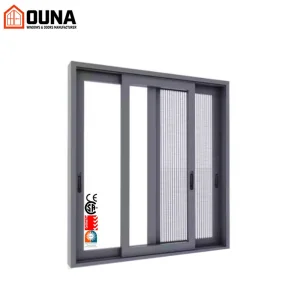
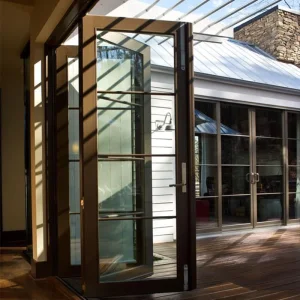
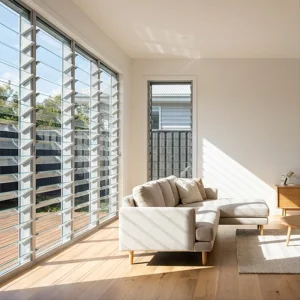
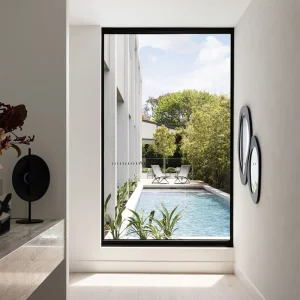
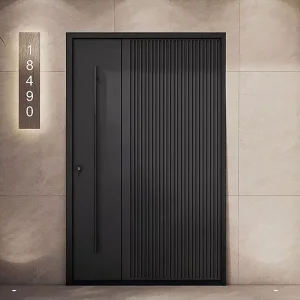
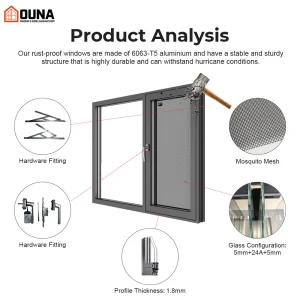
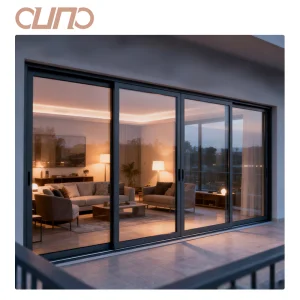
The global architectural fenestration sector is experiencing a structural migration toward high-performance aluminum casement windows. Driven by stringent municipal energy mandates (such as the EU Energy Performance of Buildings Directive and North American IECC standards), architects and structural engineers are increasingly abandoning traditional unplasticized polyvinyl chloride (uPVC) and timber in favor of thermally broken extruded aluminum alloy frameworks.
Modern casement engineering incorporates polyamide structural insulation bars (PA66GF25 reinforced with 25% fiberglass). This prevents conductive heat transfer across the frame, achieving overall assembly U-factors as low as 0.8 to 1.2 W/m²K when combined with Low-E argon-filled IGUs.
High-rise residential towers and coastal villa developments demand high dynamic pressure capacity. Casement windows seal compressively along the entire frame perimeter under wind force, delivering superior airtightness (Class 4 EN 12207) and water tightness (E1050 EN 12208).
Urban acoustic pollution requires optimized sound reduction index (STC / Rw) ratings. Multi-cavity thermal break designs coupled with asymmetric laminated glass double-glazing achieve sound attenuation up to 45 dB, critical for commercial metropolitan projects.
A comparative technical framework for regional distributors, procurement directors, and master facade engineers evaluating enterprise-grade supply partners.
| Evaluation Vector | Tier 1 Manufacturer Benchmark | Standard Market Average | Impact on Project Risk & ROI |
|---|---|---|---|
| Extrusion Alloy Alloy Grade | Primary Aluminum 6063-T5 / T6 with wall thickness ≥ 2.0mm | Recycled aluminum scraps, variable thickness (< 1.4mm) | Prevents frame warping, structural fatigue, and hardware screw strip-out. |
| Surface Finishing Compliance | Qualicoat Class 2 Powder Coating / AkzoNobel Fluorocarbon (PVDF) | Standard electrostatic powder, non-certified paint thickness | Guarantees 20+ years UV resistance without chalking, cracking, or color fading. |
| Thermal Strip Specification | PA66GF25 (Polyamide 66 with 25% Glass Fiber) Technoform / Custom | PVC or low-density polyethylene strips | Prevents thermal bridge failures; high melting point maintains structural rigidity during fires. |
| Glazing Seal Technology | Continuous EPDM Gaskets (Co-extruded) + Structural Silicone (Dow Corning) | Standard rubber seals, low-grade acrylic caulking | Eliminates water ingress during severe wind-driven rainstorms; prolongs IGU vacuum seal. |
| Hardware Integration | Multi-point locking mechanisms (German SIEGENIA, ROTO, or Custom Heavy Duty) | Single-point latching hardware | Ensures high anti-burglary ratings (RC2/RC3) and even perimeter compression. |
| Quality Control Protocol | 100% Optical surface scan + Digital pneumatic air/water leakage testing | Batch spot-checking (< 5% sample rate) | Reduces job-site failure rates to under 0.01%, minimizing costly warranty calls. |
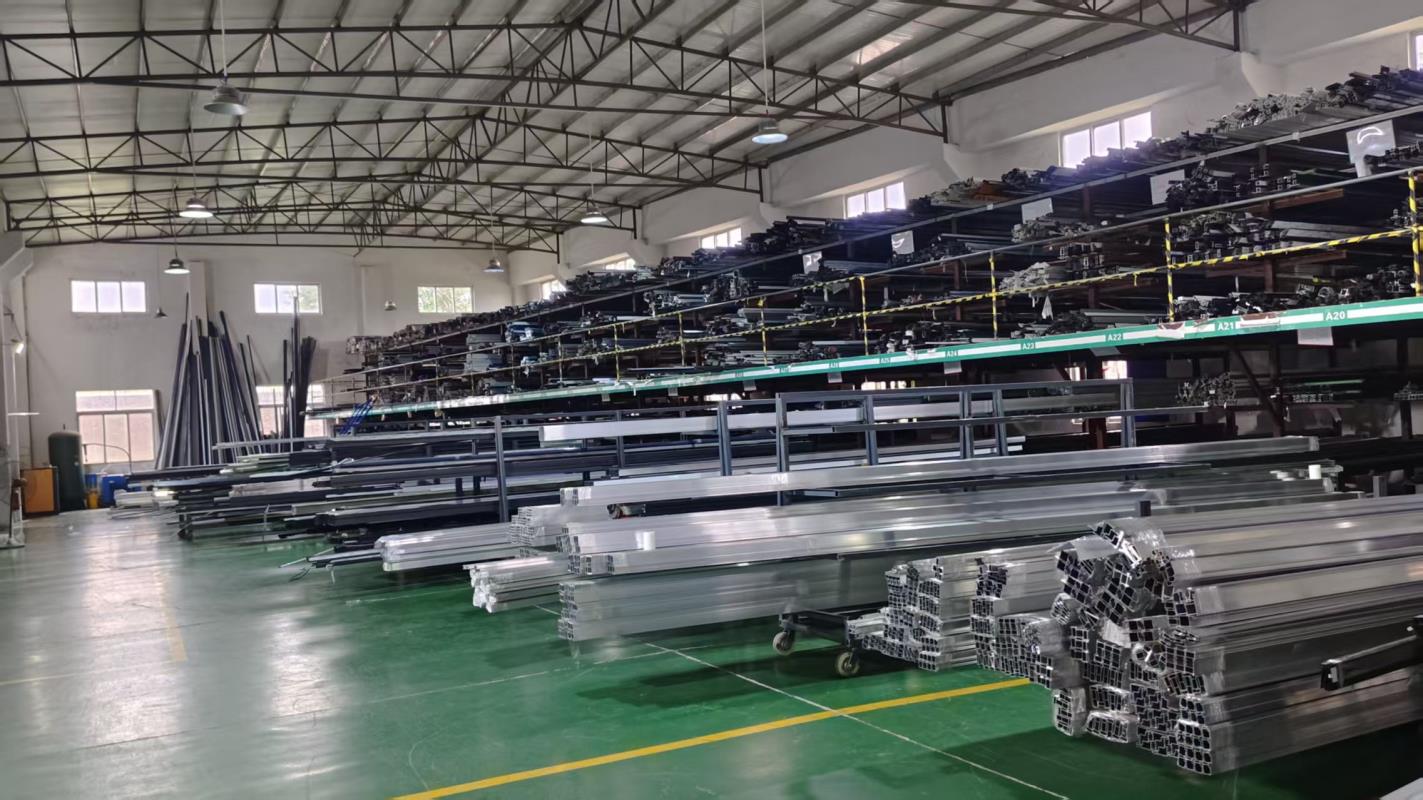
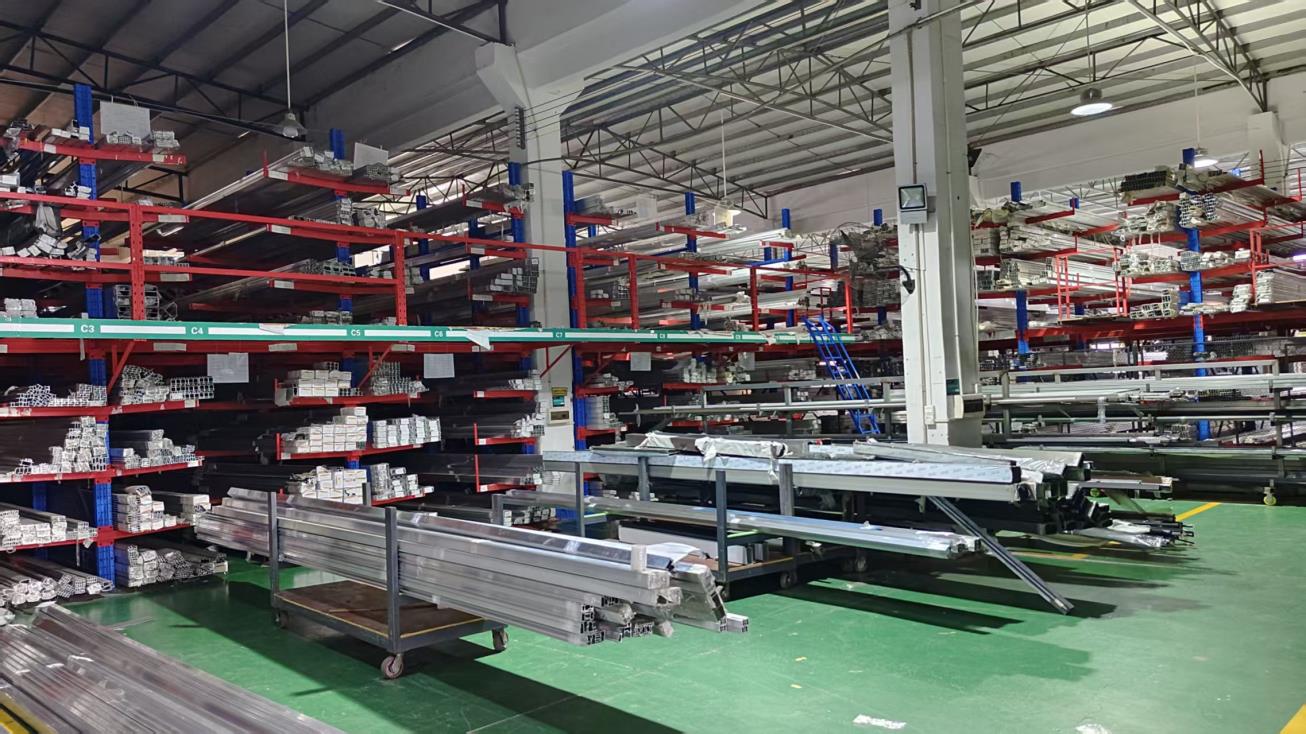
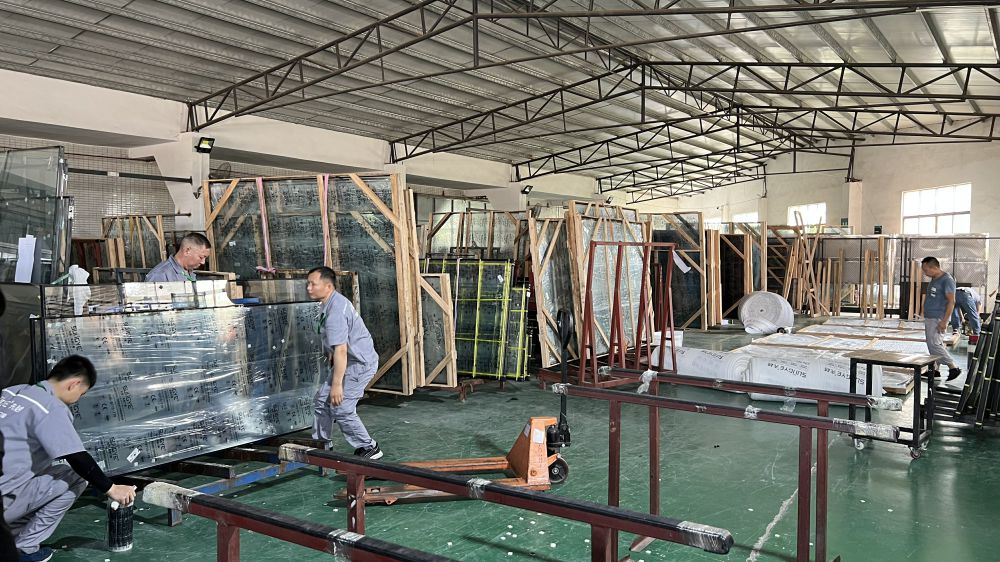
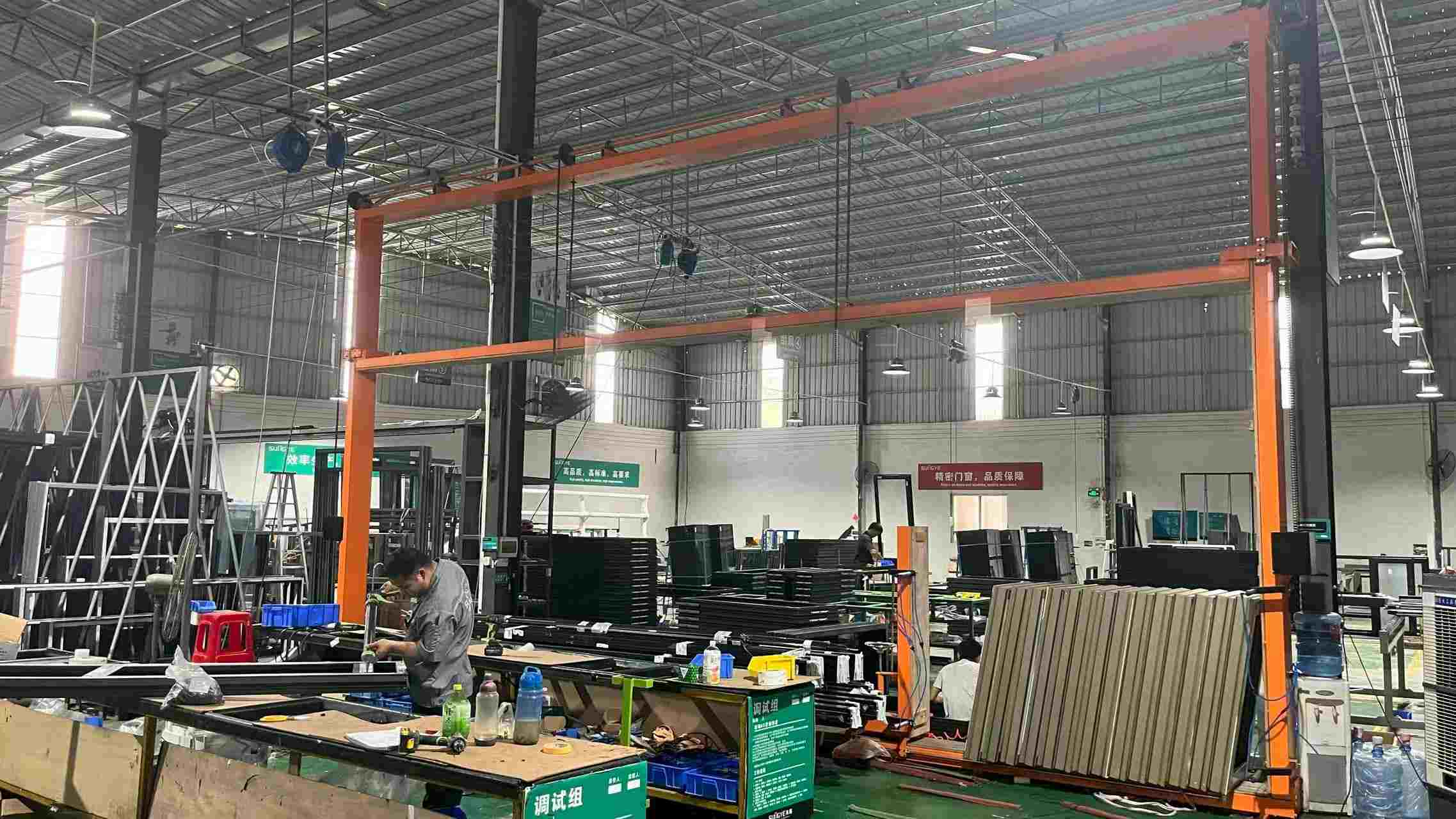
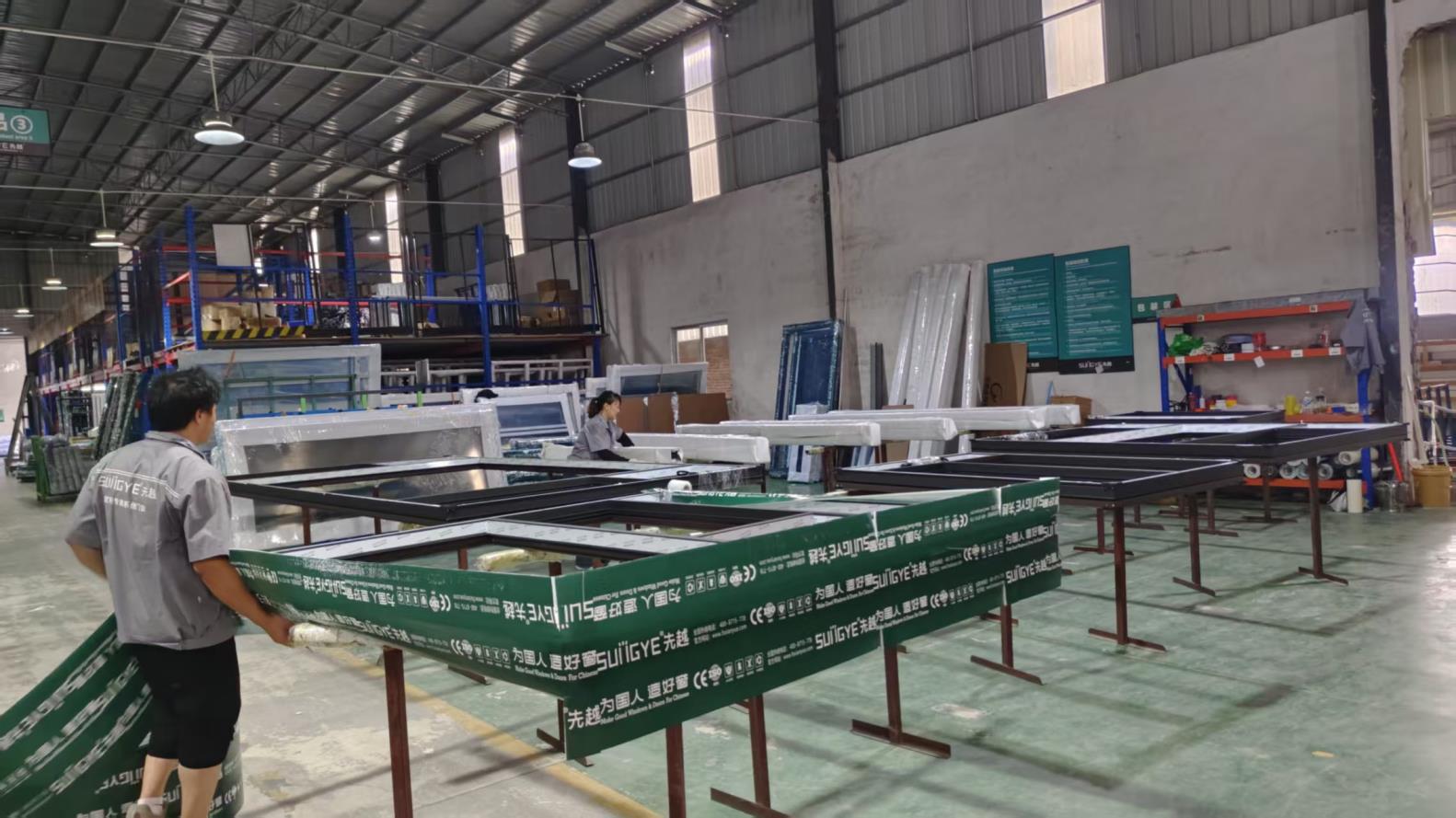
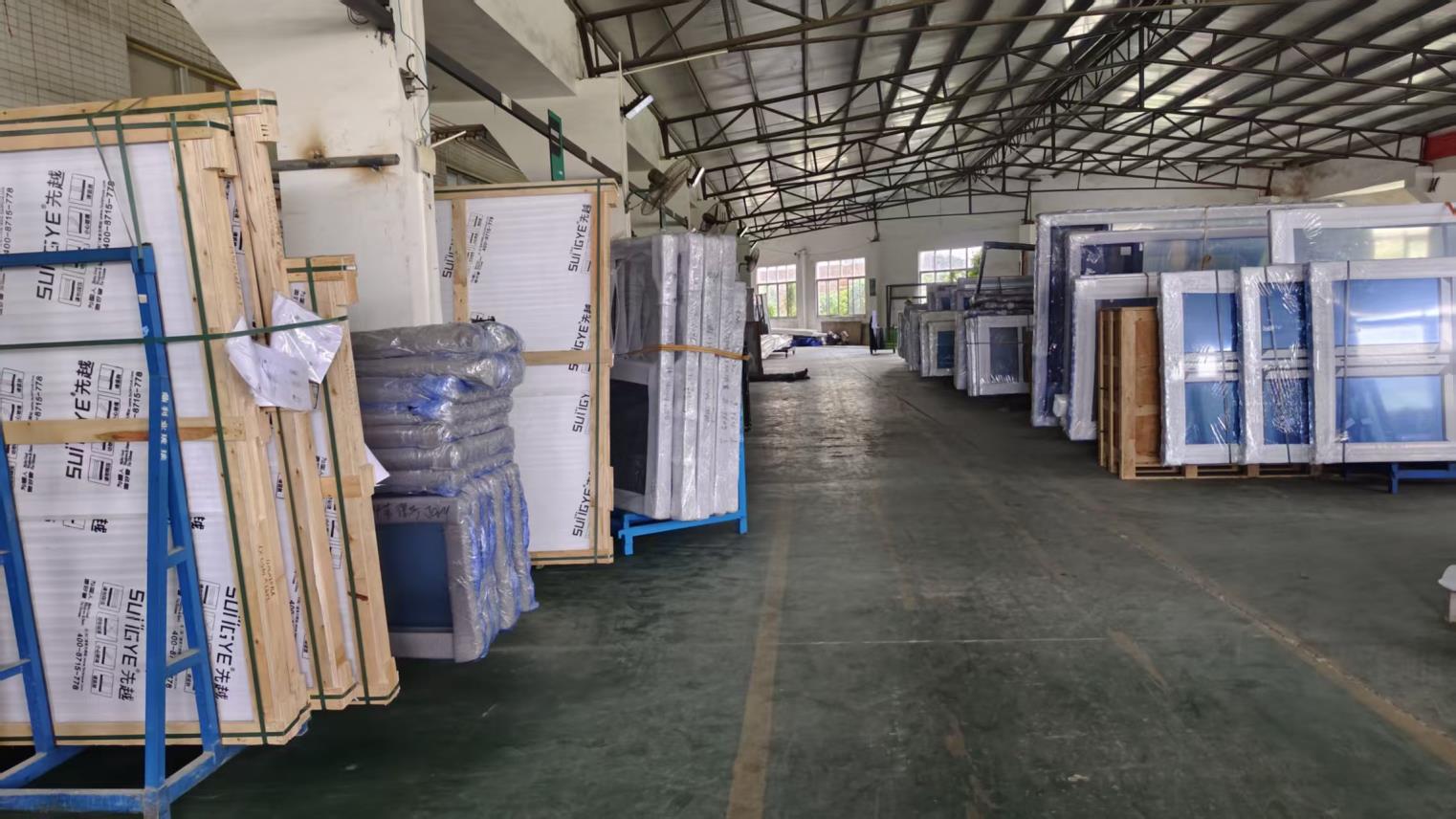
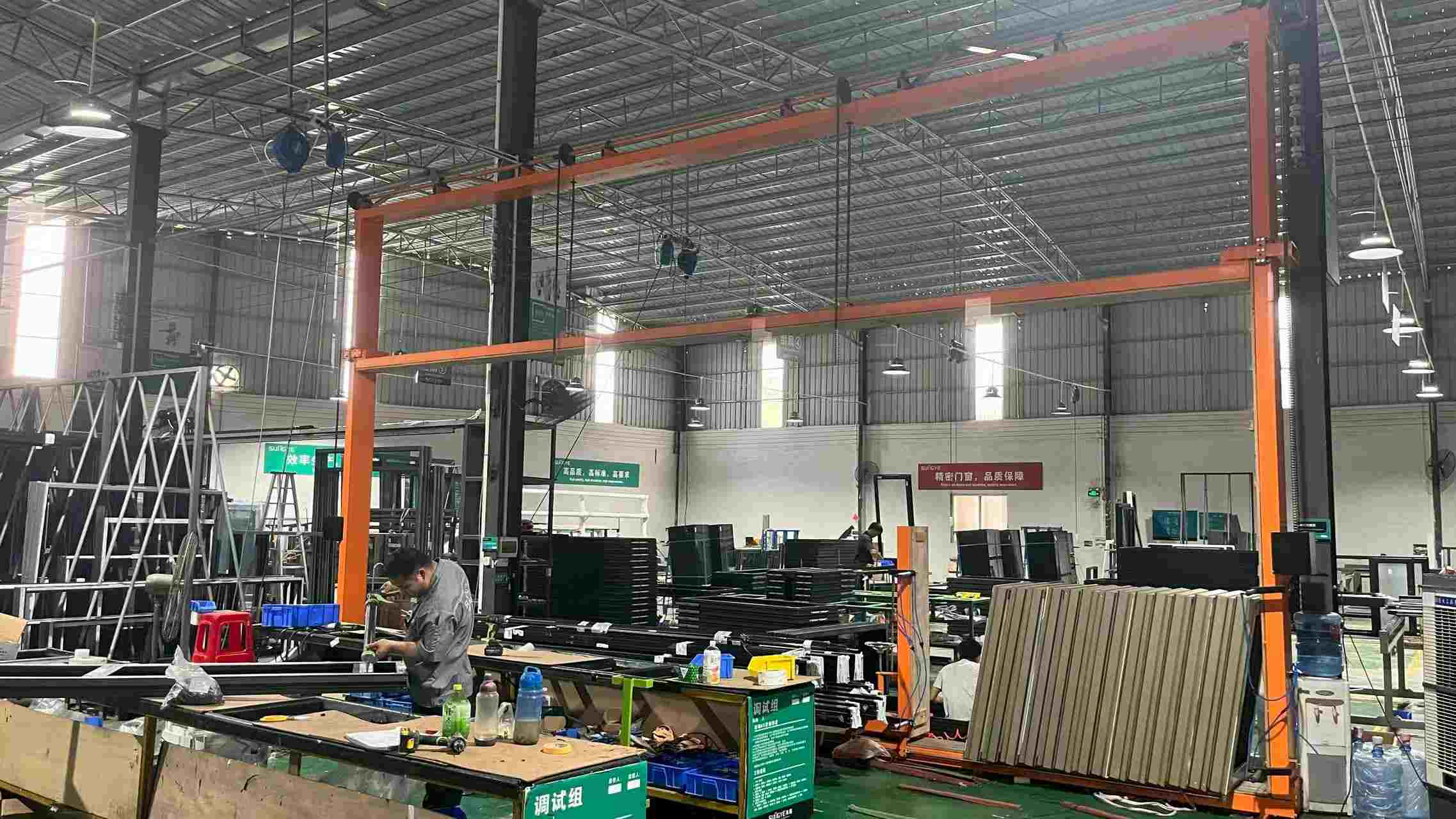
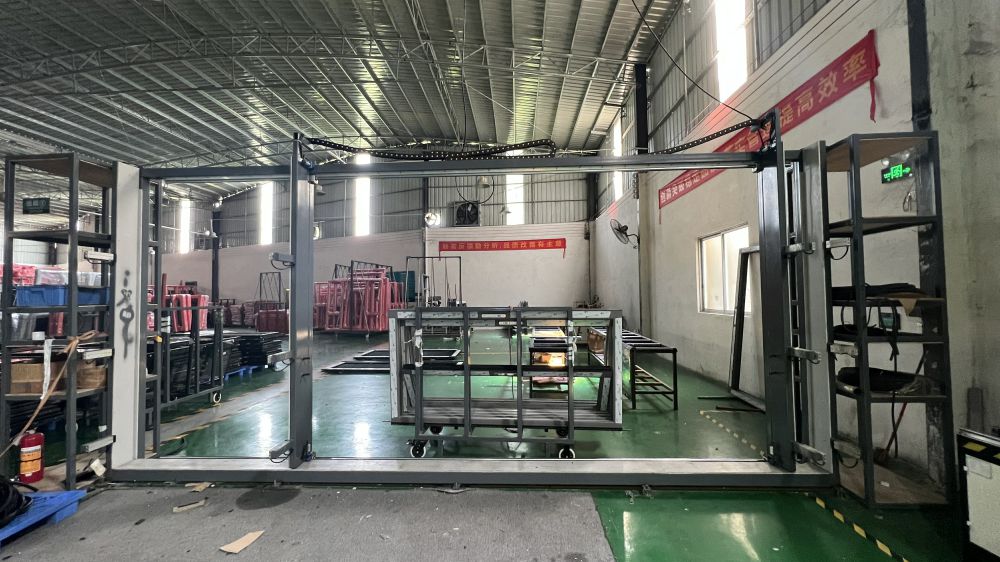
Established in 2015, Guangzhou Cresta Door & Window Co., Ltd. operates a state-of-the-art 18,000-square-meter manufacturing facility dedicated to engineering high-performance architectural fenestration systems.
Backed by 11 years of deep industry expertise and 7 years of seamless international trade operations, Cresta exports engineered structural solutions across Southeast Asia, the Middle East, North America, and Oceania. We primarily partner with commercial developers, custom luxury homebuilders, structural contractors, and regional master distributors. To guarantee flawless fabrication, our 30-person quality assurance team enforces rigorous ISO-certified optical surface inspections, air permeability testing, and water resistance verification across all extrusion profiles.
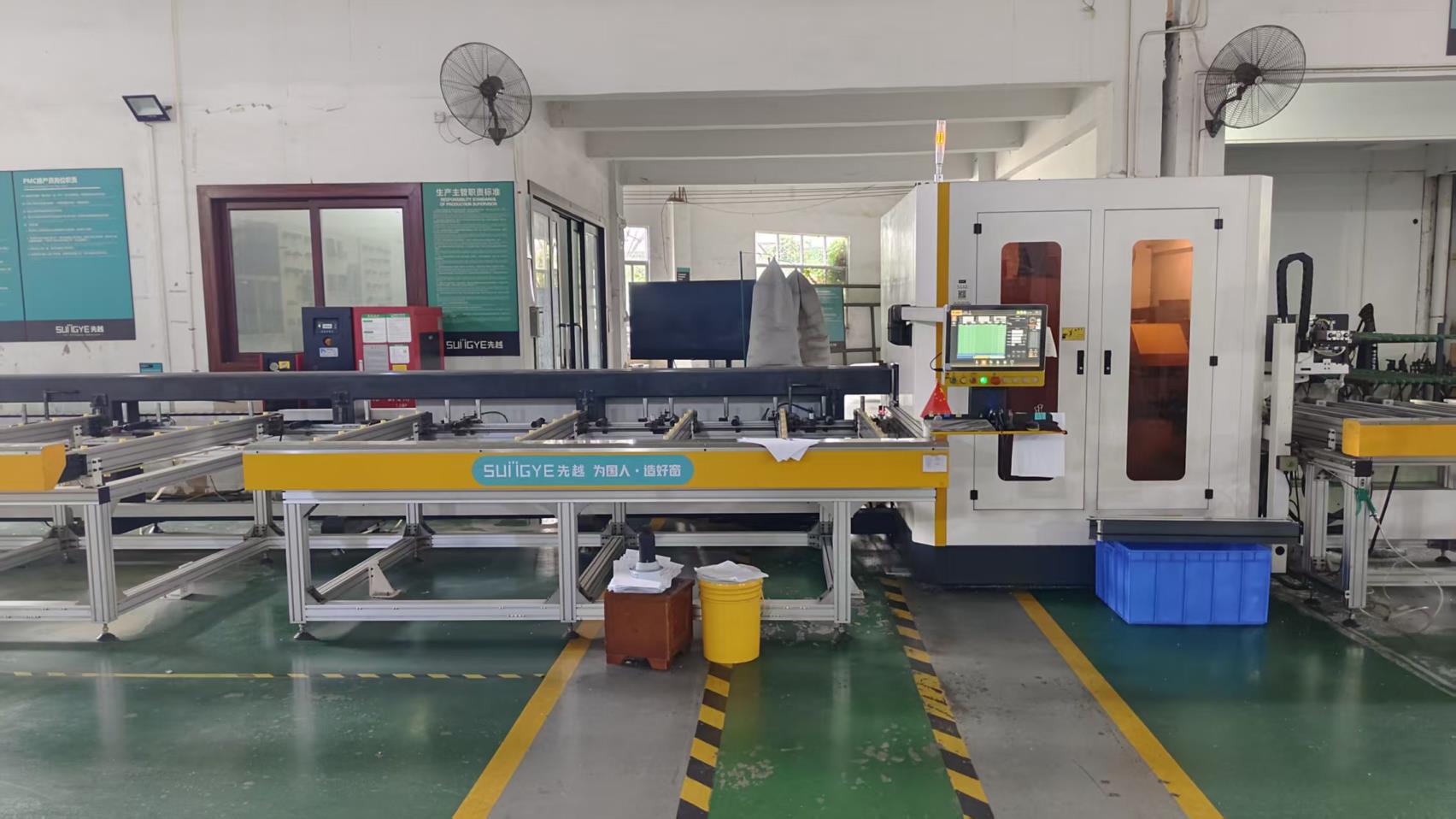
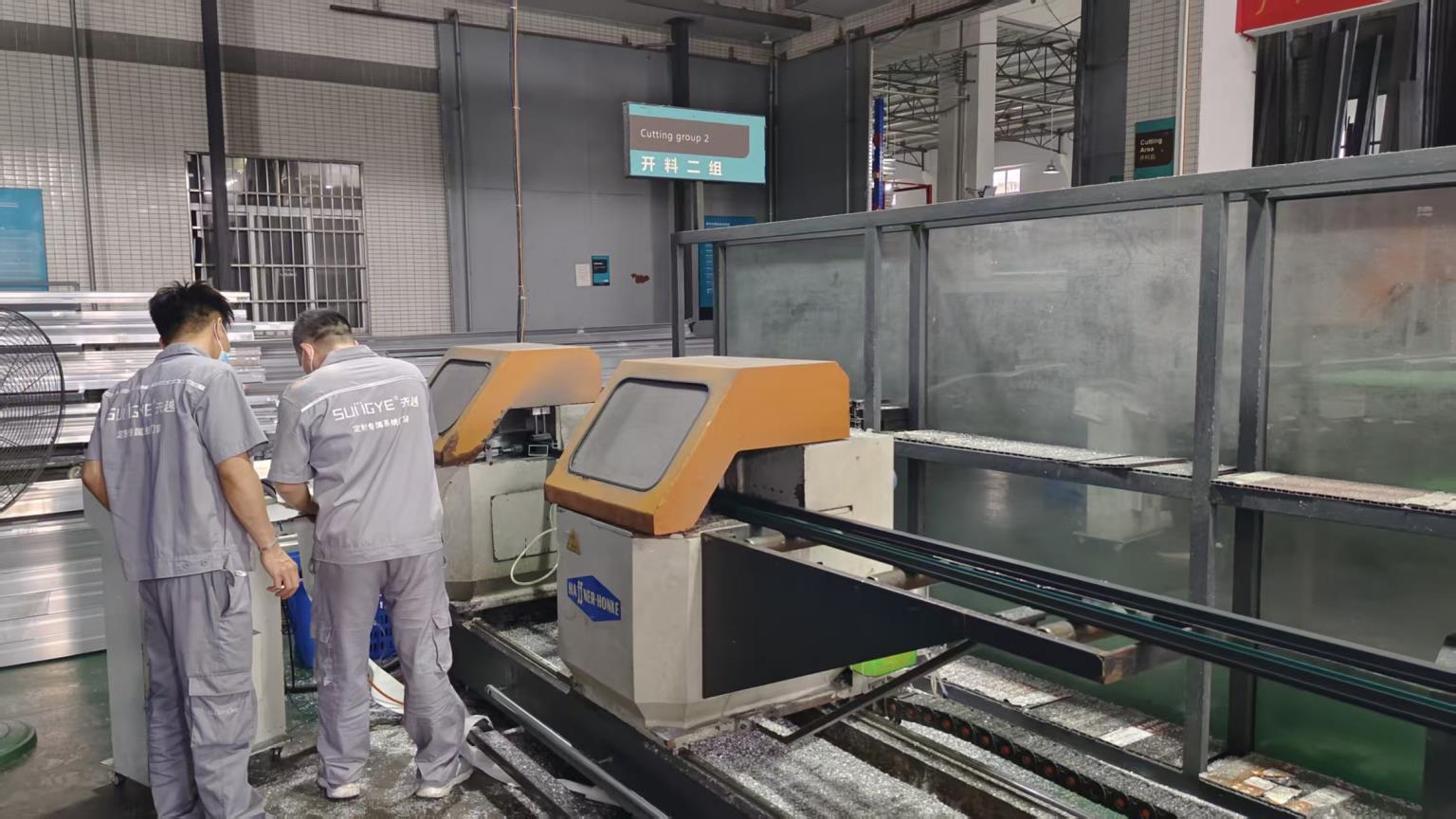
Our integrated manufacturing ecosystem relies on high-precision CNC machinery, automated face milling, structural glazing assembly, and rigorous debugging frames.
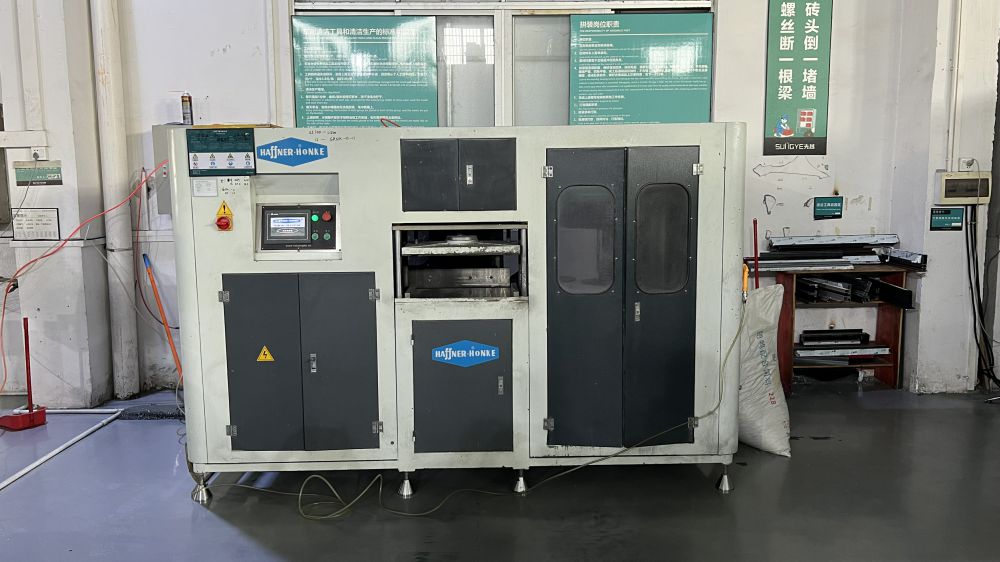
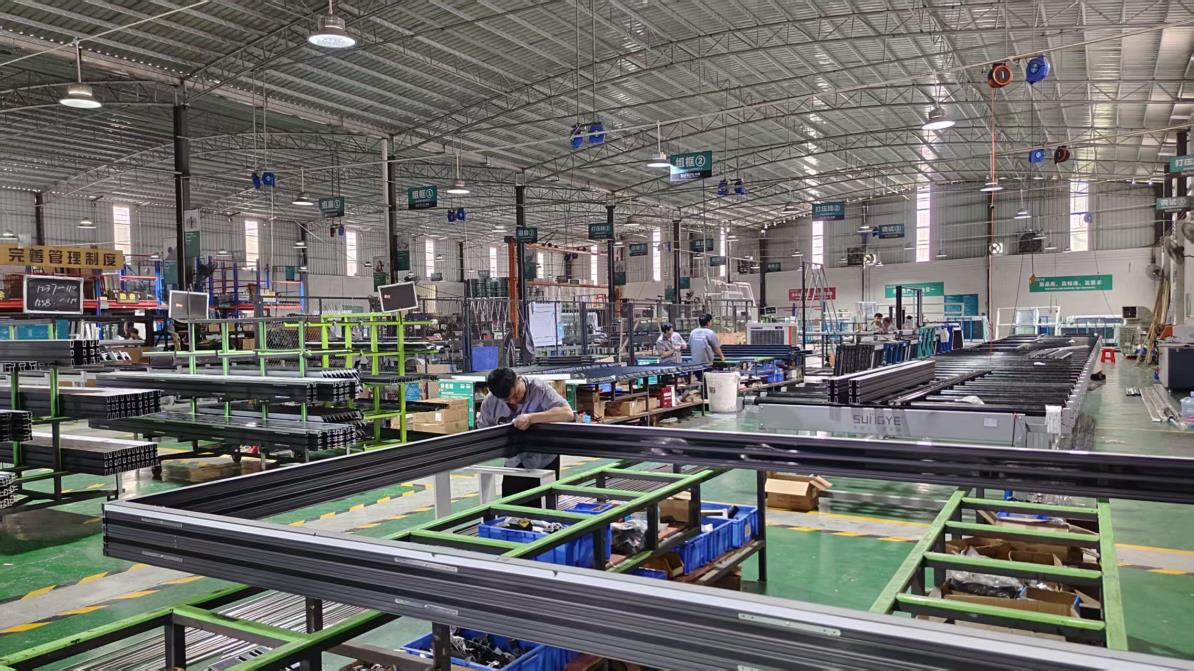
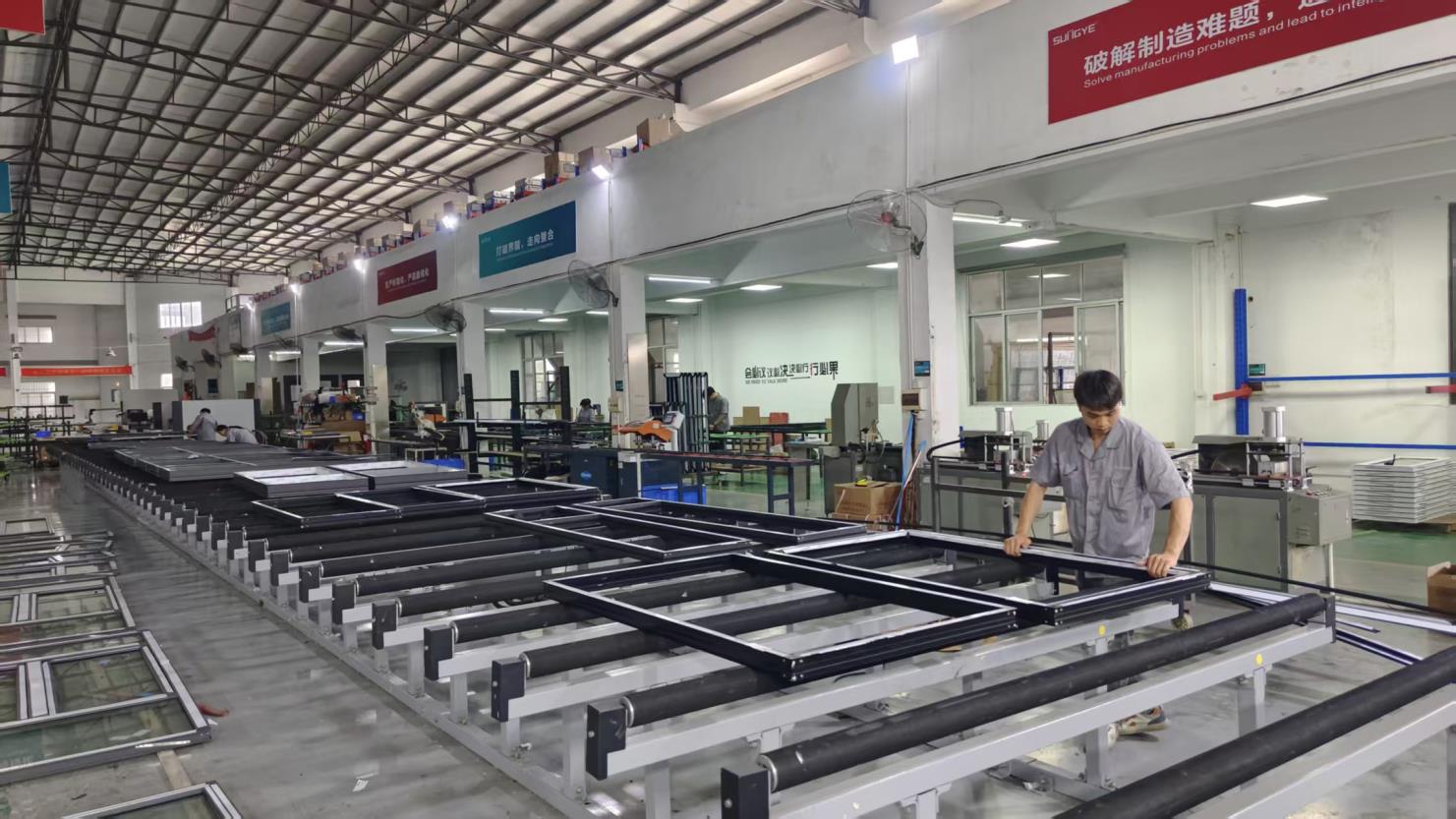
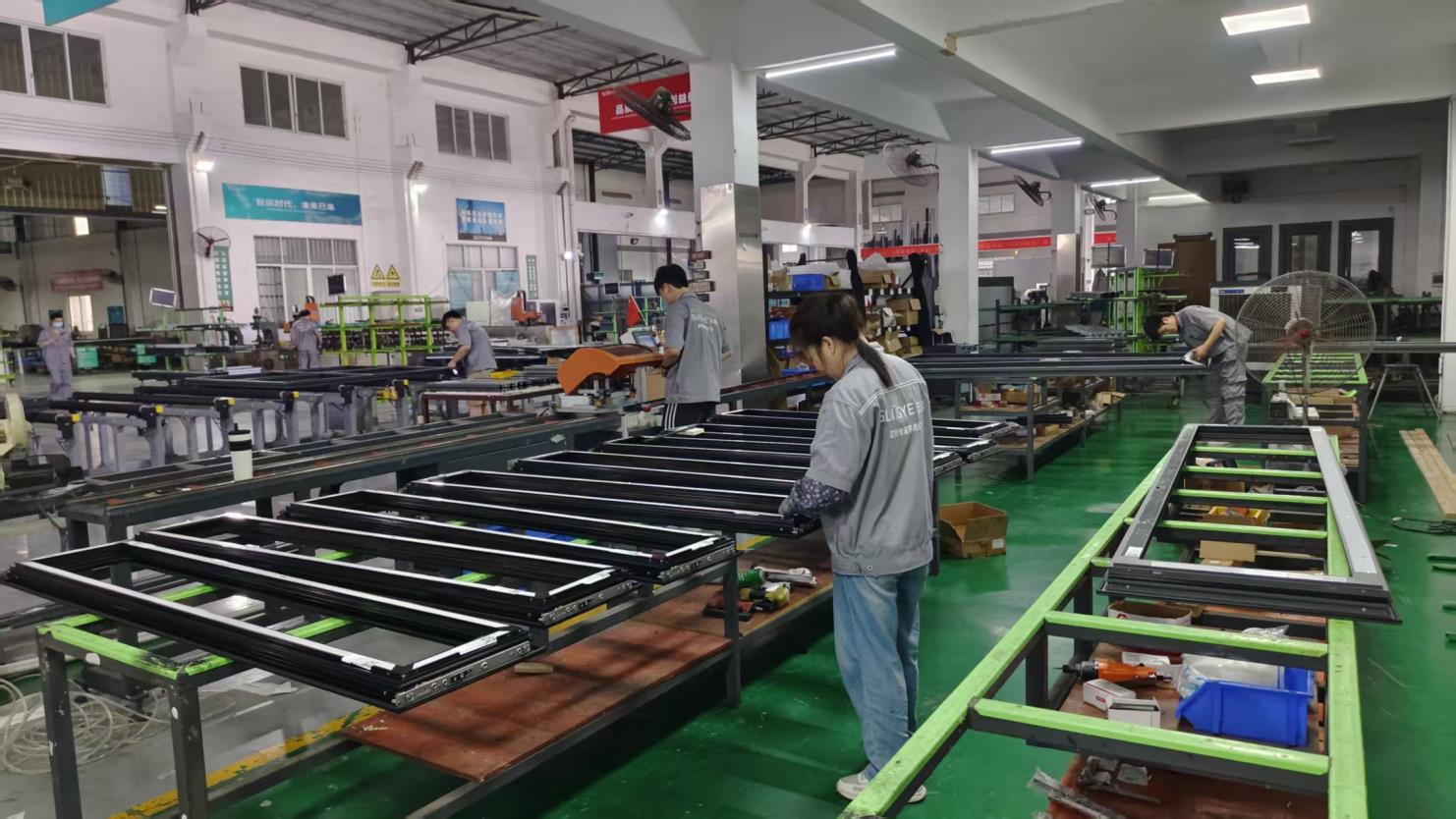
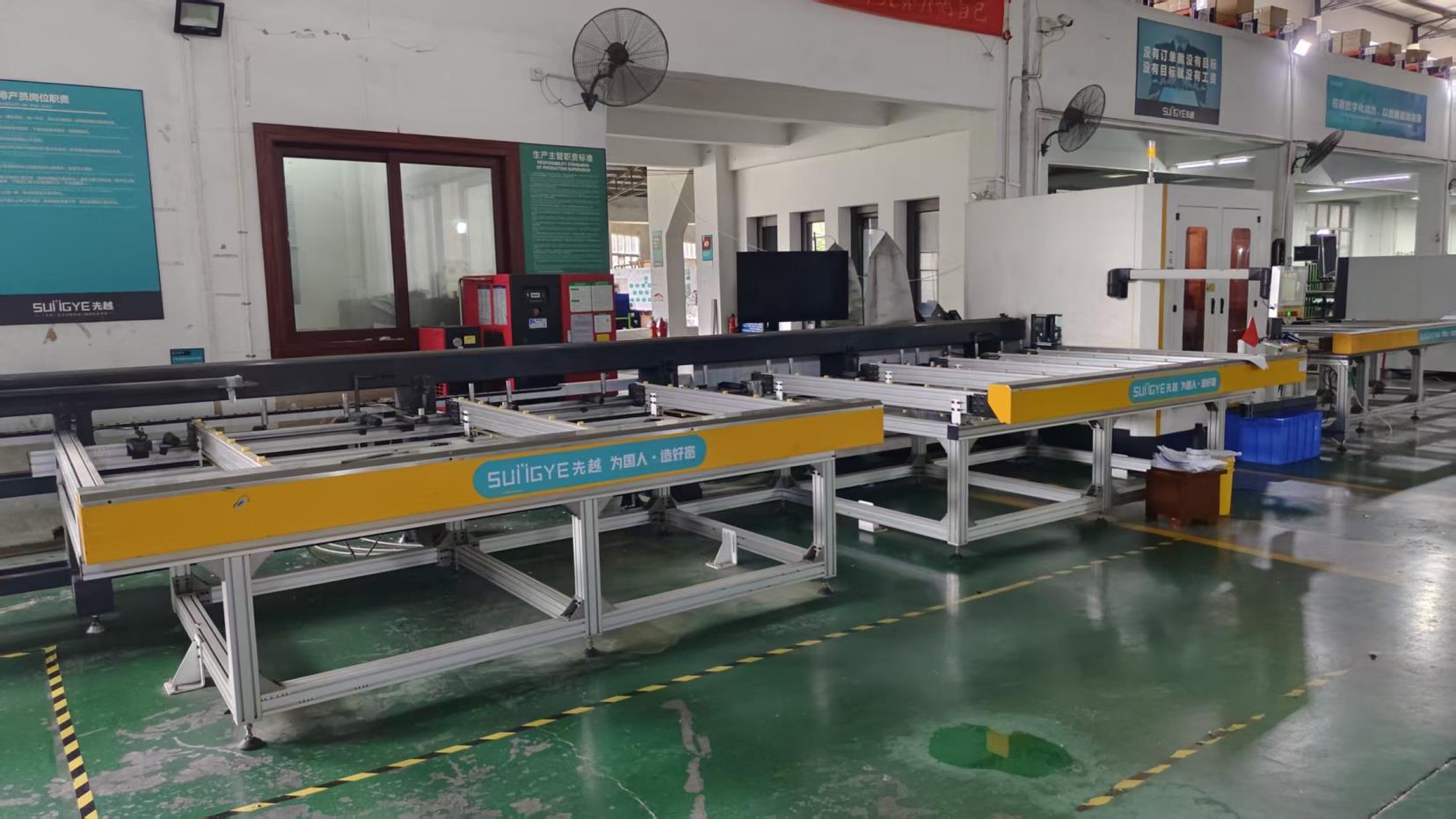
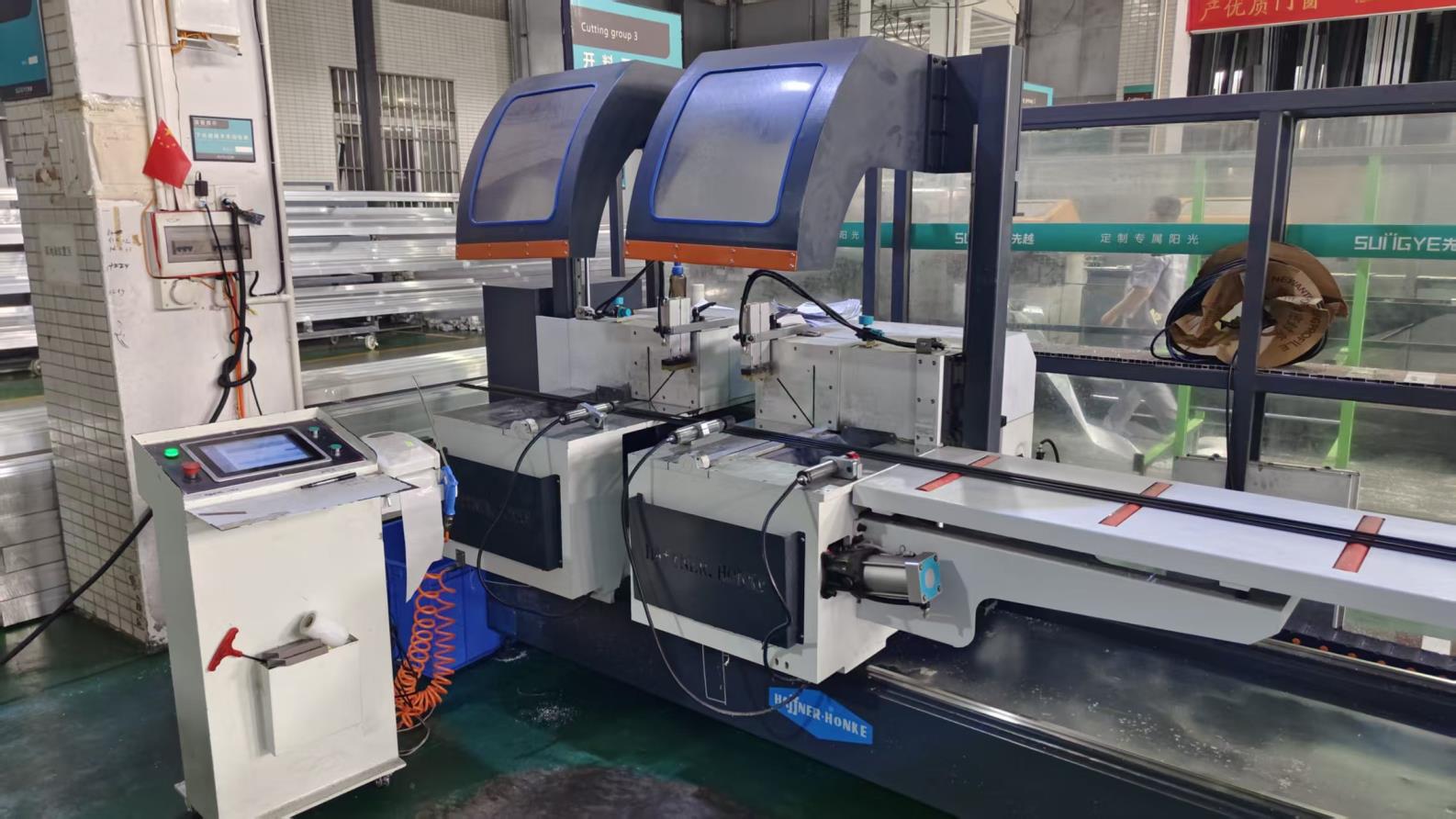
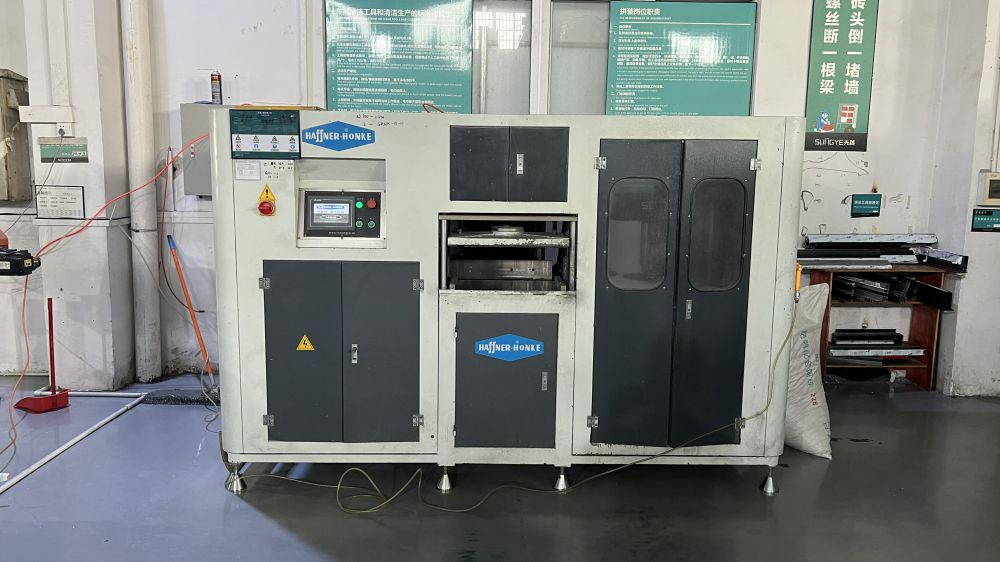
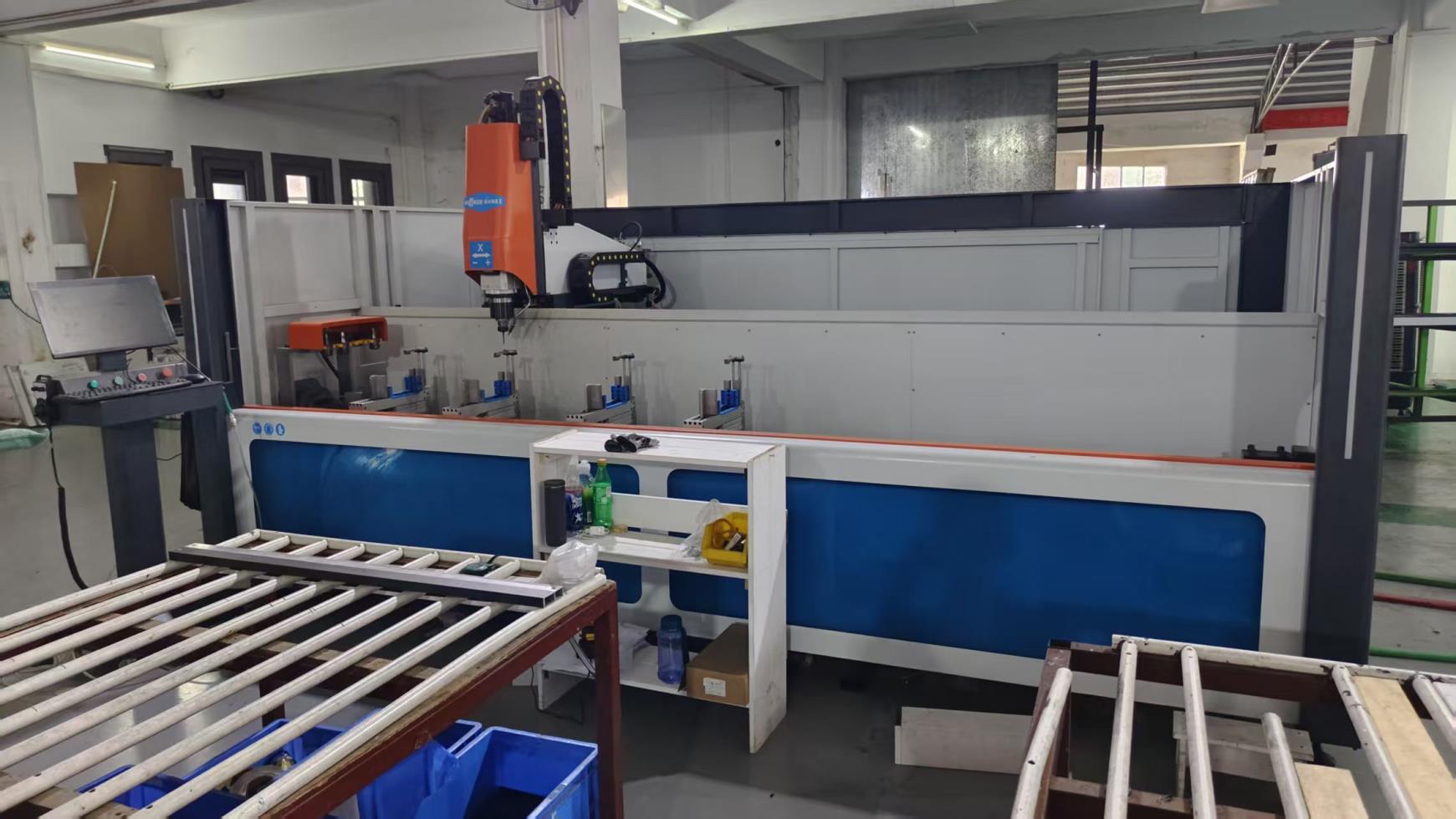
Deploying aluminum casement windows across global territories requires strict compliance with regional building standards. Profile structural engineering, glazing specifications, and hardware selection must adapt to local environmental extremes.
Primary Market Focus: Florida, Coastal US, Canada.
Requires laminated impact-resistant glass (PVB or SGP interlayers) to withstand Missile Level D impact testing. Assemblies must achieve low SHGC (Solar Heat Gain Coefficient < 0.23) for southern sun exposure, or ultra-low U-factors (< 0.20 Btu/h·ft²·°F) for Canadian thermal zones.
Primary Market Focus: Sydney, Melbourne, Coastal Regions.
Systems certified strictly against AS2047 and AS1288 standards. Hardware must comply with BAL (Bushfire Attack Level) ratings up to BAL-40, incorporating stainless steel flyscreens and fire-resistant EPDM seals capable of withstanding dynamic deflection pressures.
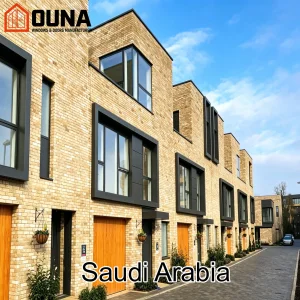
Primary Market Focus: UAE, Saudi Arabia, Qatar.
Profiles utilize extended 34mm polyamide thermal breaks to resist ambient outdoor temperatures exceeding 50°C. Surface treatments require triple-coat fluorocarbon (PVDF) finishes to resist sandstorm abrasion and severe salt-spray atmospheric oxidation.
Driven by our 35-engineer R&D team (which released 38 new architectural product series over the last 12 months), Cresta is pioneering smart window technologies.
Moving beyond traditional gas-filled double glazing, VIG eliminates convection within the glass cavity by utilizing an ultra-thin 0.2mm high-vacuum gap. This reduces overall window profile depth while achieving thermal resistance comparable to solid insulated masonry walls (U-values < 0.4 W/m²K).
Integrating Building-Integrated Photovoltaics (BIPV) directly into fixed and casement window spandrel units. Dynamically tinting electrochromic glass modulates visual light transmittance (VLT) automatically via building management systems (BMS), reducing HVAC cooling loads by up to 32%.
Internalized hidden chain actuators allow zero-profile smart ventilation controlled via mobile app or automated rain/wind sensors. Multi-point magnetic locking sensors feed directly into home security networks, verifying real-time perimeter closure status.
Advancements in high-tensile 6061-T6 aluminum alloys enable frame sightlines to be reduced under 25mm while supporting panel weights up to 250kg, meeting minimalist architectural trends without compromising structural wind load resilience.
Technical answers to critical questions raised by real estate developers, structural consultants, and wholesale buyers.
Casement windows utilize a compression sealing mechanism where the sash presses tightly against the rubber EPDM gasket along the entire perimeter when locked. This provides significantly higher airtightness, watertightness (resisting water penetration up to 1050 Pa), and sound reduction compared to sliding windows, which rely on friction brush seals.
A thermal break separates the interior and exterior aluminum frames using a low-conductive polyamide strip (PA66GF25). This barrier stops thermal conduction, keeping the interior aluminum frame close to room temperature. This prevents the surface temperature from dropping below the dew point, eliminating condensation and interior mold growth.
Yes. Our customized hurricane impact casement window series incorporate reinforced extruded wall profiles paired with SGP (SentryGlas) or heavy-duty PVB laminated glass. They are tested under ASTM E1886/E1996 protocols to endure large missile impacts followed by cyclic wind pressure fatigue loading.
For coastal projects within 5 kilometers of saltwater, we recommend a 3-coat Fluorocarbon (PVDF) liquid coating or Qualicoat Class 2 / Class 3 certified powder coating. These treatments resist salt spray corrosion for over 2,000 to 3,000 hours in continuous salt spray testing without blistering or delamination.
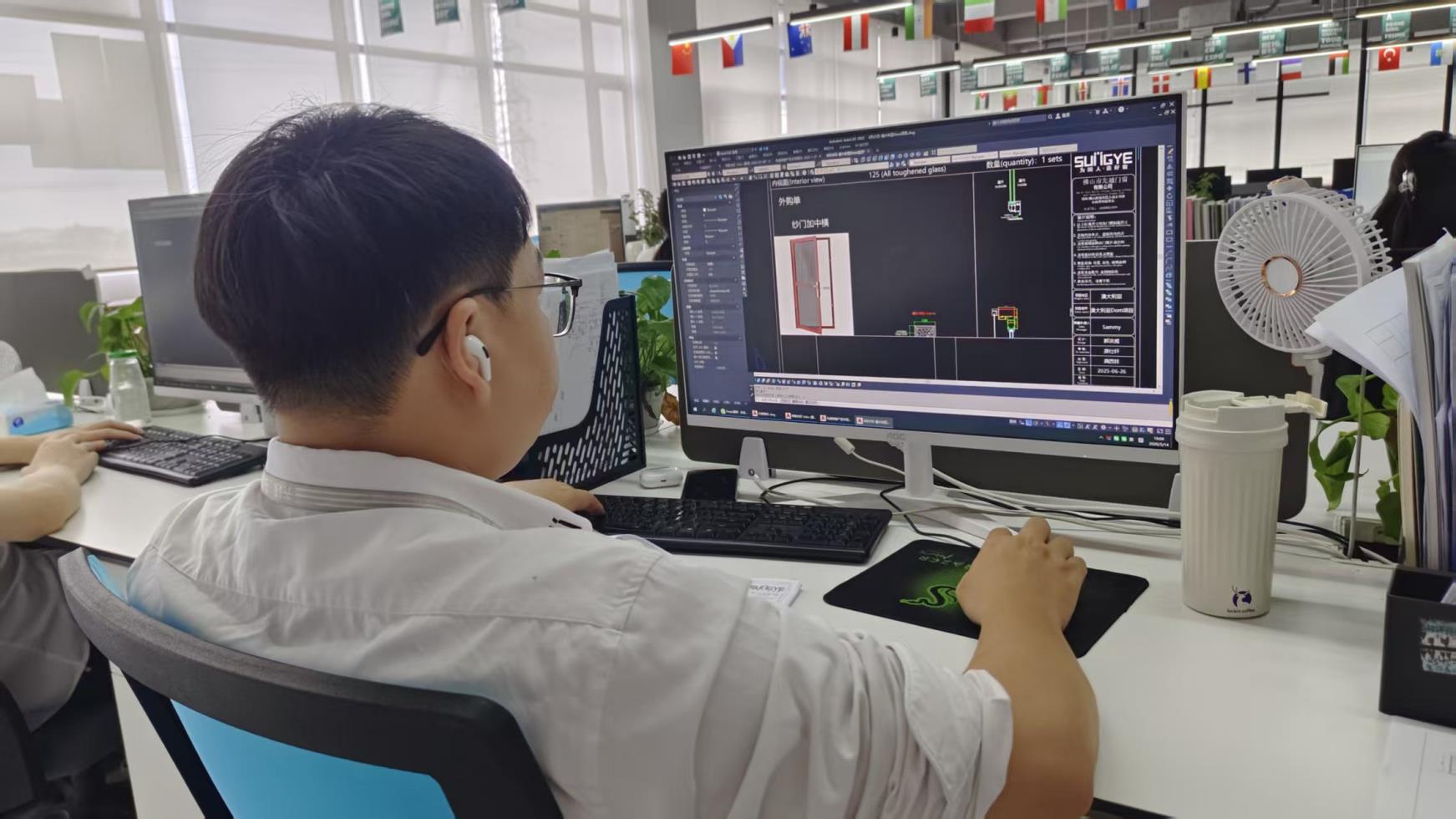
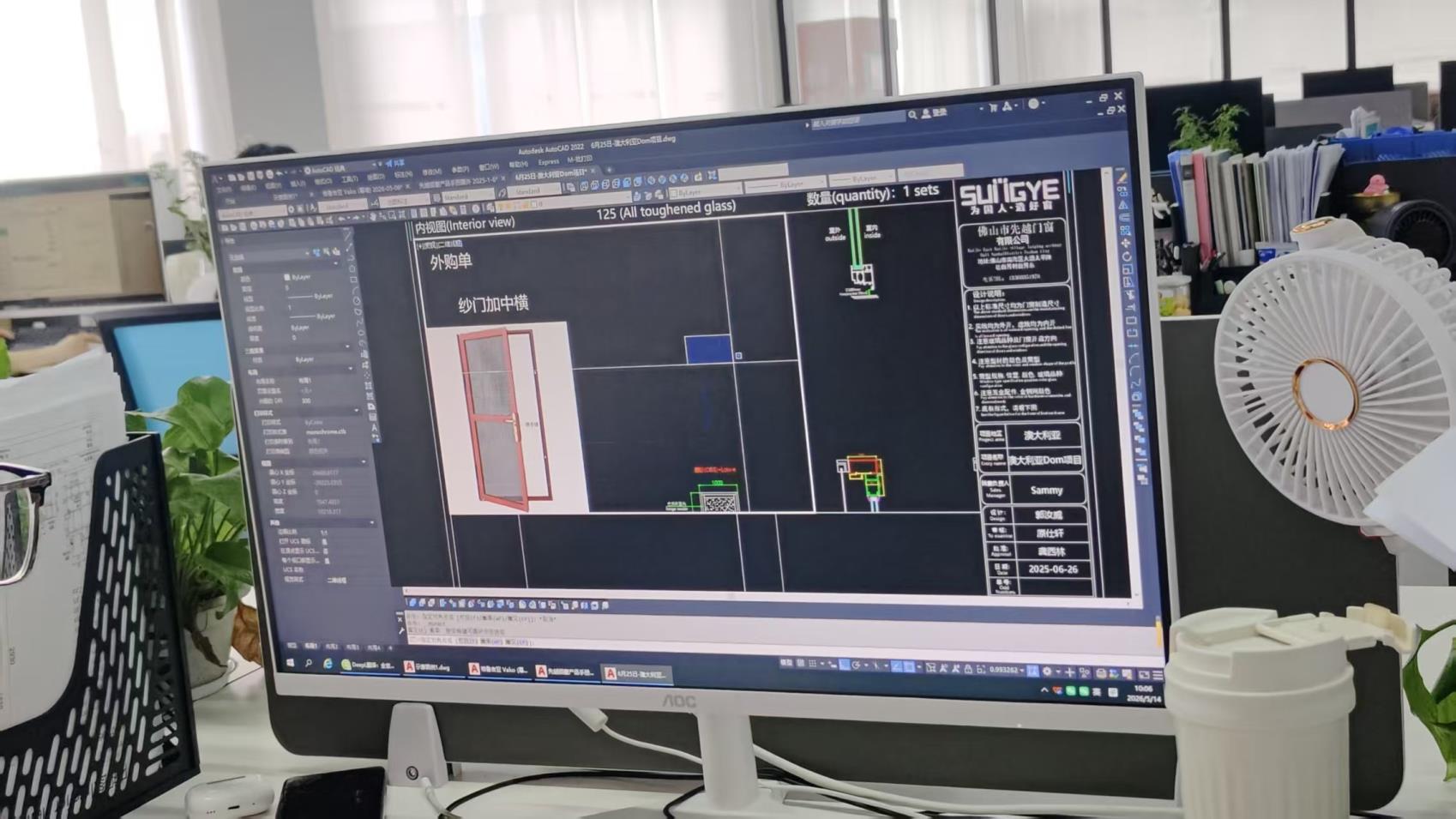
Our 18,000 sqm production facility supports flexible order volumes. Standard lead time for engineered custom orders is 25-35 days following final CAD shop drawing sign-off. We accommodate project-based container shipments as well as consolidated wholesale orders, maintaining 100% pre-shipment assembly inspection.
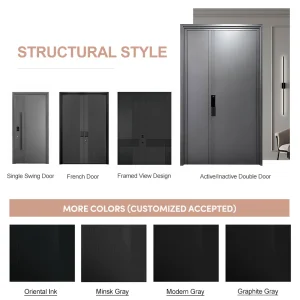
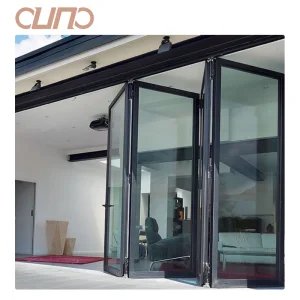
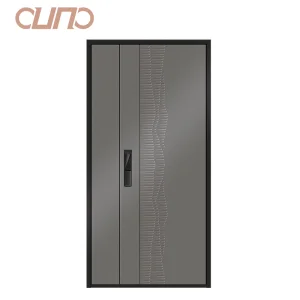
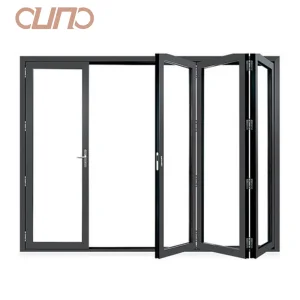
Explore our full line of engineering solutions including double swing French doors, bi-fold systems, entry doors, and high-insulation casements.

 Cresta Window Tech