Explore engineered structural solutions tailored for commercial, residential, and high-rise developments worldwide.
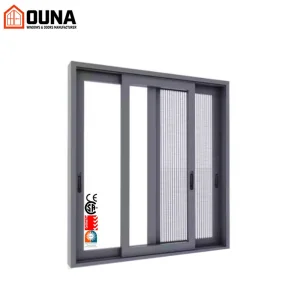
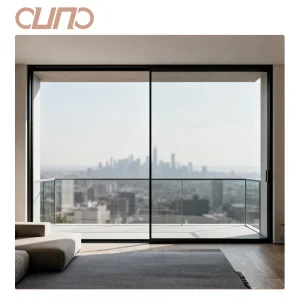
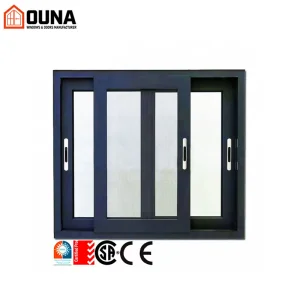
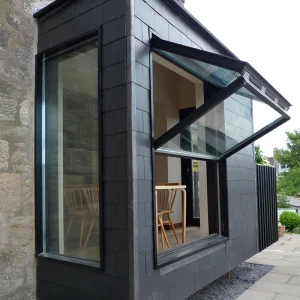
An industrial benchmark in custom architectural fenestration, combining high-speed automated extrusion, strict acoustic/thermal engineering, and robust global delivery networks.
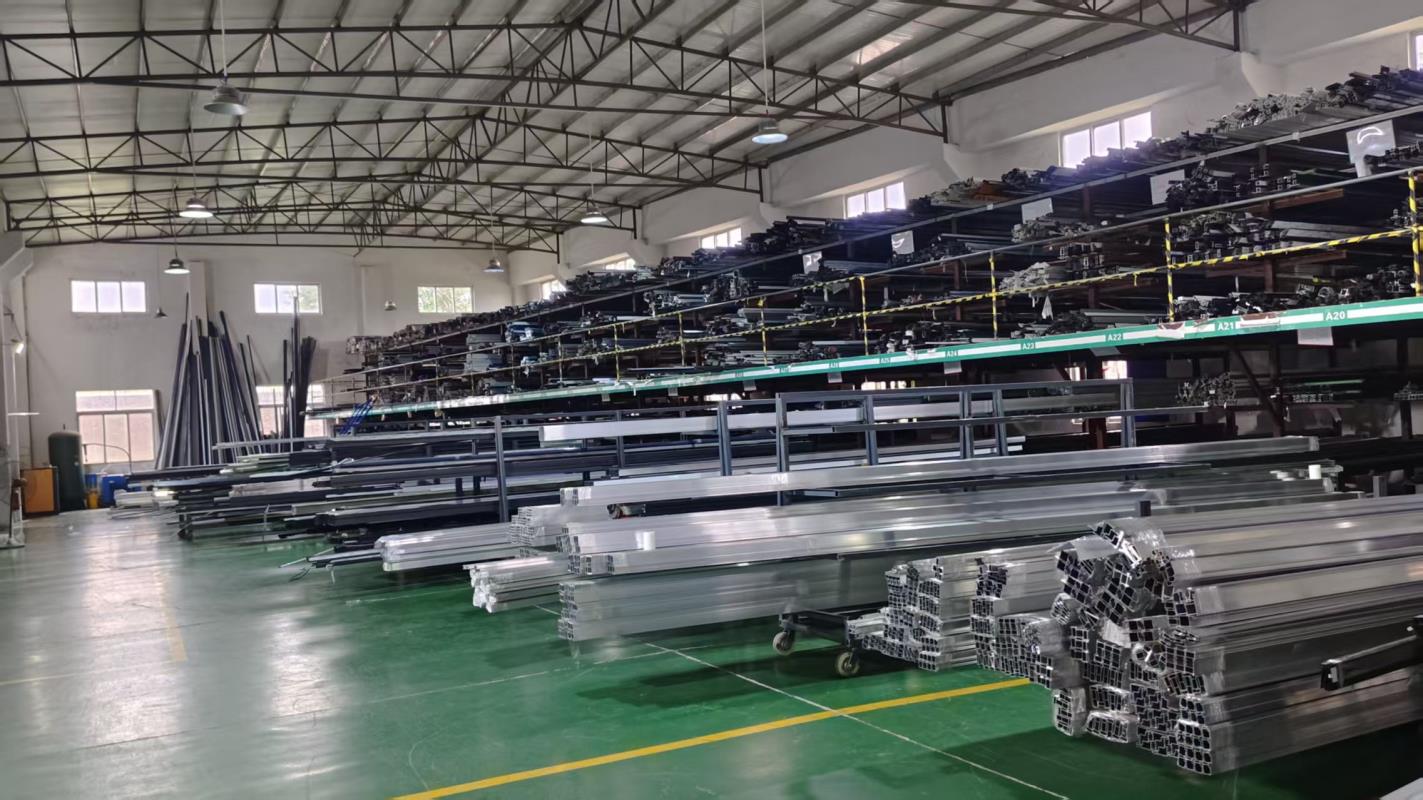
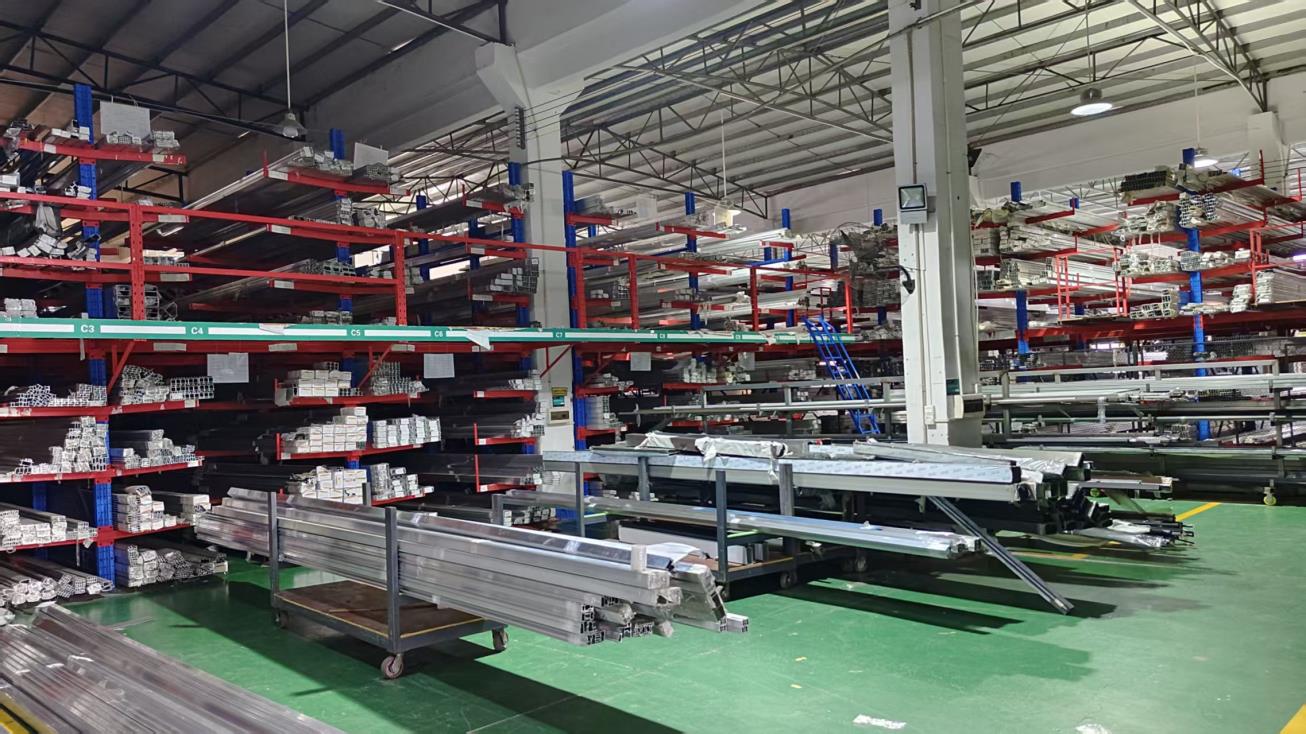
Established in 2015, Guangzhou Cresta Door & Window Co., Ltd. operates an advanced 18,000-square-meter manufacturing facility. Backed by 11 years of deep industry experience and 7 years of international trade operations, we achieve an annual export turnover of $22 million across Southeast Asia, the Middle East, North America, and Oceania. We mainly supply custom home builders, renovation contractors, real estate developers, and regional wholesalers.
To ensure top-tier craftsmanship, our team of 30 dedicated QC inspectors strictly enforces ISO-certified optical surface inspections, structural integrity testing, and weatherproofing seal tests. Supported by an active R&D division of 35 specialized engineers, Cresta released 38 new product series over the past year, driving technological breakthroughs in thermal break extrusion and concealed frame engineering.
With a reliable network of 550 upstream raw material and hardware suppliers, Cresta excels in custom OEM/ODM solutions. Our production matrix handles tailored requests such as custom acoustic insulation glass units (IGUs), integrated motorized insect screens, hurricane impact resistance, and ultra-slim profile panoramic sliding door systems suited for luxury residential and commercial high-rises.
Macroeconomic shifts, stringent carbon-neutral building codes, and structural performance requirements are redefining modern aluminum window manufacturing.
The global demand for high-performance architectural aluminum window and door systems has expanded rapidly. Urbanization, commercial retrofitting, and stringent building energy efficiency regulations (such as ASHRAE 90.1 in North America and EU EPBD directives) have made high thermal efficiency fenestration imperative. Commercial builders no longer look at windows merely as daylight openings, but as critical components of a building’s thermal envelope.
Aluminum's unmatched strength-to-weight ratio, high recyclability, and structural longevity make it the premier choice over uPVC and traditional timber. However, uninsulated aluminum acts as a thermal bridge. Modern architectural specifications mandate Polyamide PA66-GF25 thermal break strips, low-emissivity (Low-E) double/triple glazing, and warm-edge spacers to keep overall system U-Factors below 1.4 W/m²K.
Strategic supply chain concentration, advanced automation, and vertical integration deliver unmatched cost efficiency and speed to market.
China's Pearl River Delta fenestration hub clusters high-purity aluminum ingot smelting, precision 6063-T5/T6 alloy extrusion, anodic oxidation, fluorocarbon (PVDF) powder coating, and hardware forging within a 50-kilometer radius. Guangzhou Cresta leverages this proximity across 550 suppliers to minimize lead times and raw material logistics costs.
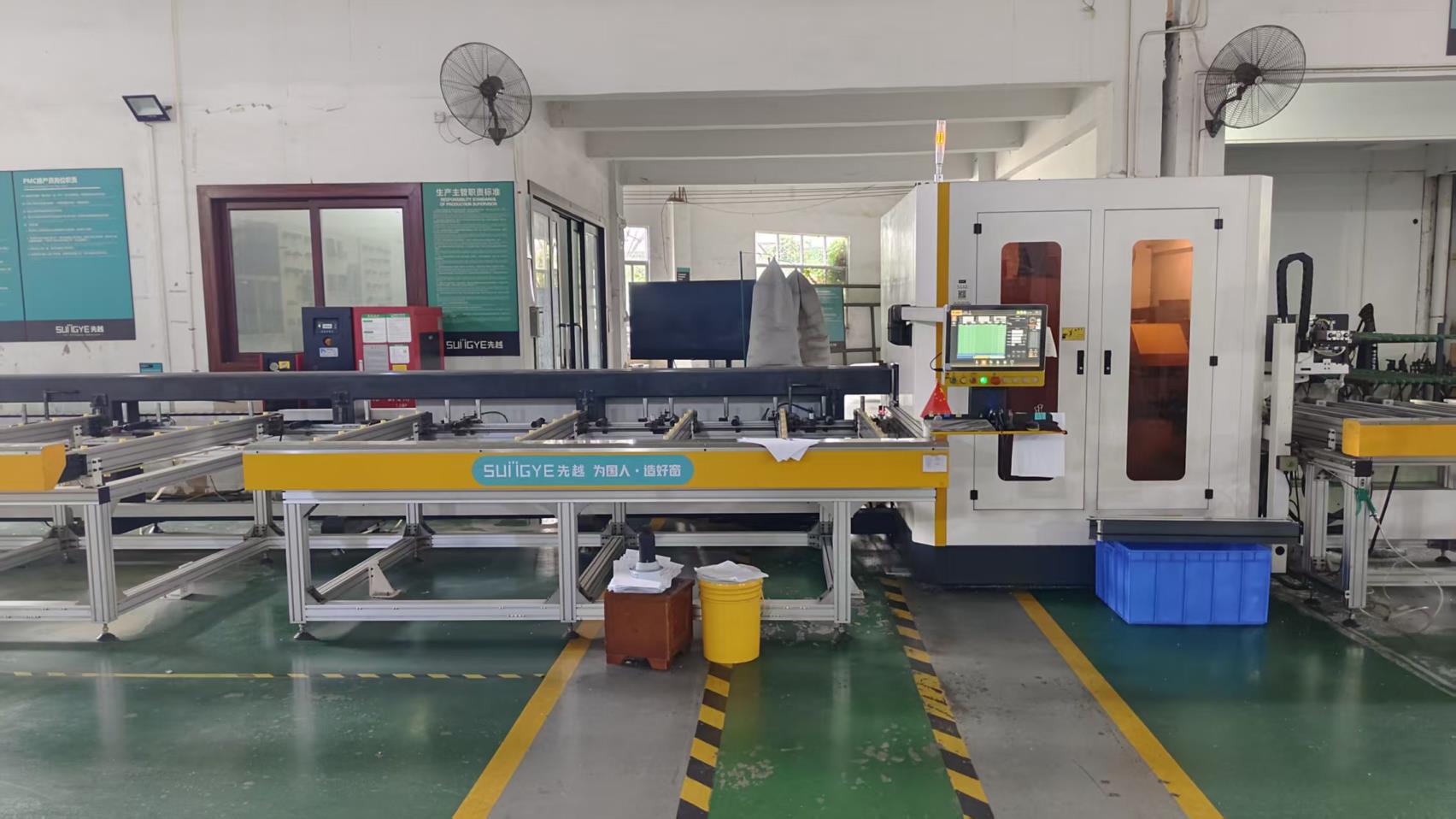
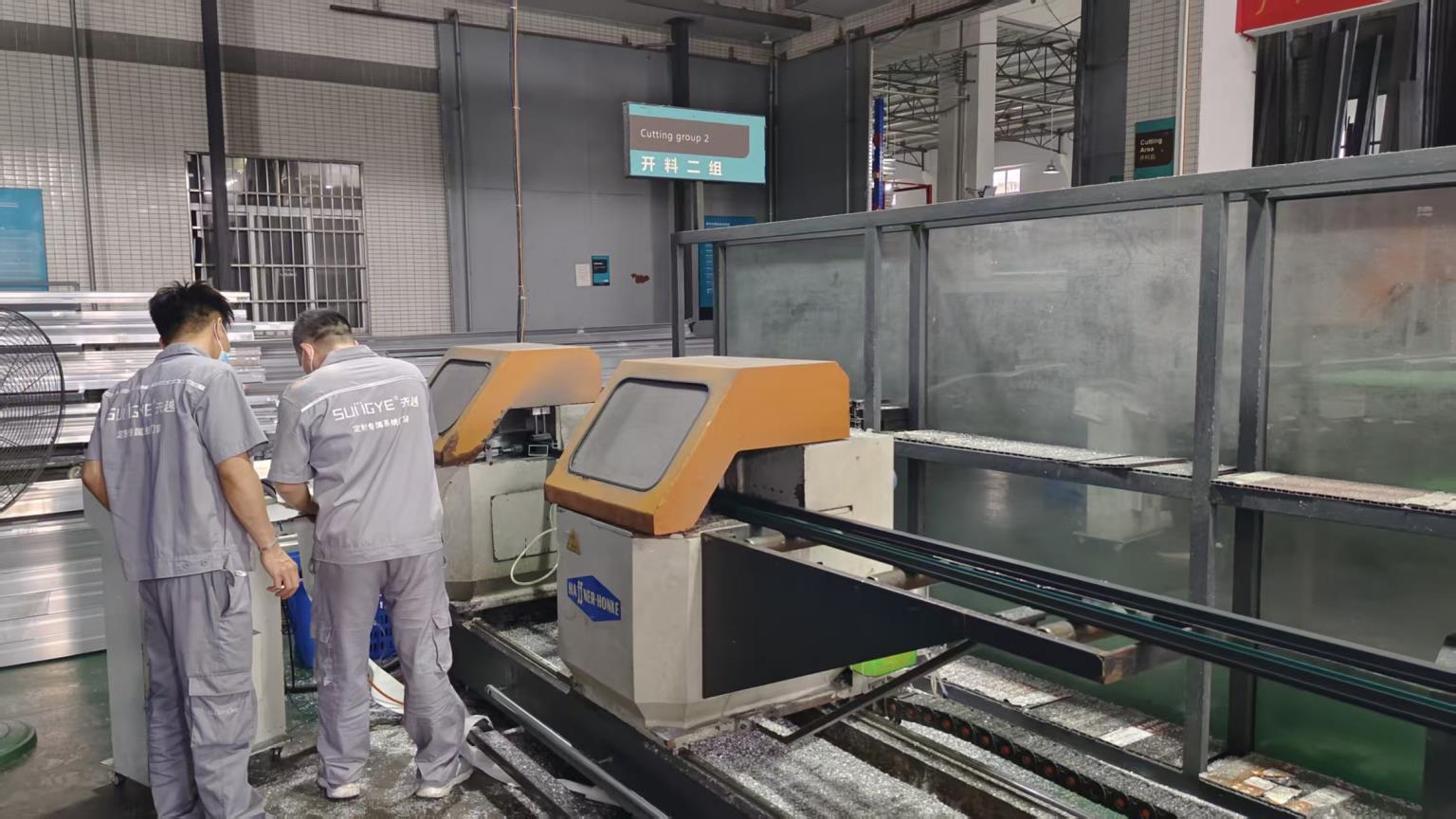
Modern Chinese window factories utilize 4-axis and 5-axis CNC machining centers, automated double-head cutting saws, and automated corner-crimping machines. This eliminates human assembly tolerances, achieving machining accuracy within ±0.1mm. High precision ensures airtight miter joints and seamless hardware mortising for flawless performance.
By coupling continuous capital investment in automated manufacturing with optimized operational workflows, Chinese manufacturers deliver premium European-spec window systems (incorporating German hardware like Siegenia or HOPPE) at 30% to 50% lower total cost than Western fabricators.
Inside our 18,000m² Guangzhou plant: Quality control and precision engineering across every manufacturing step.
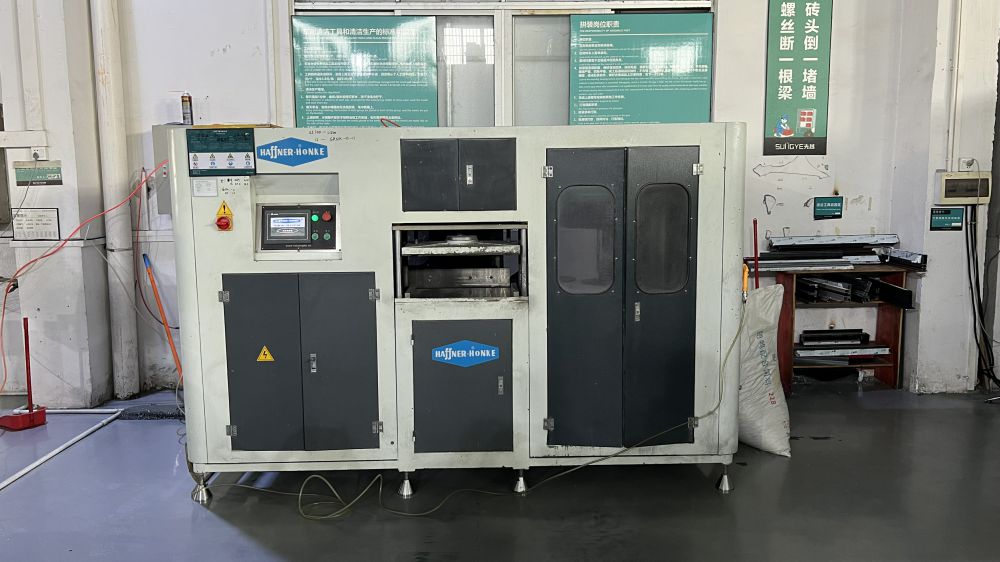
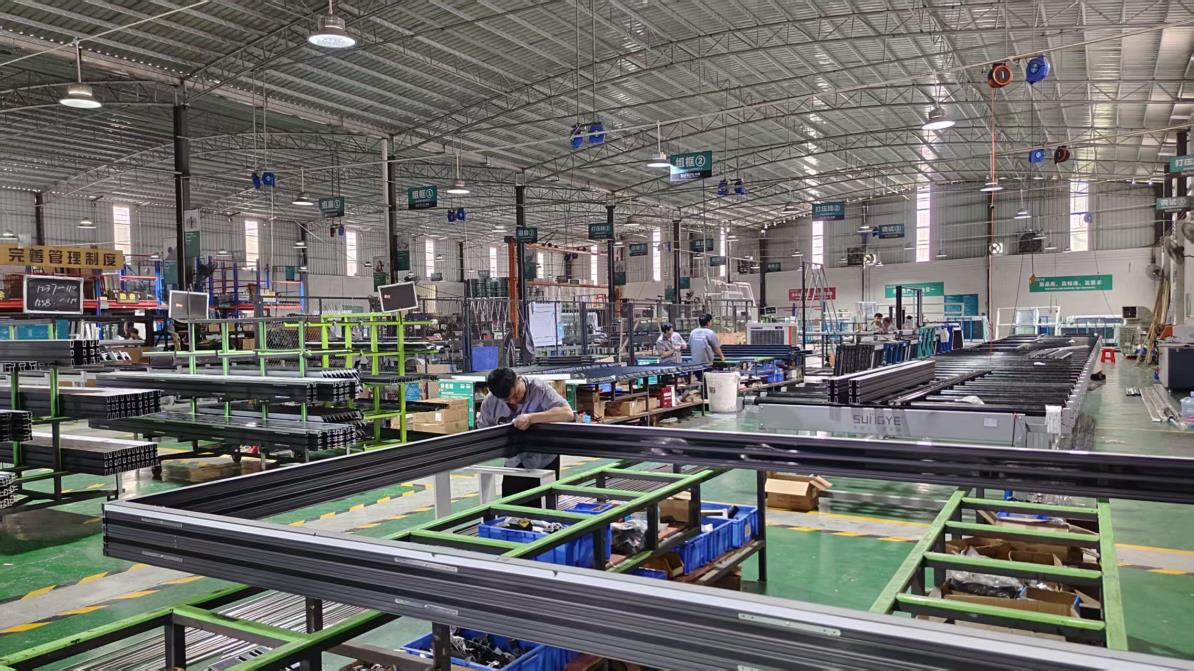
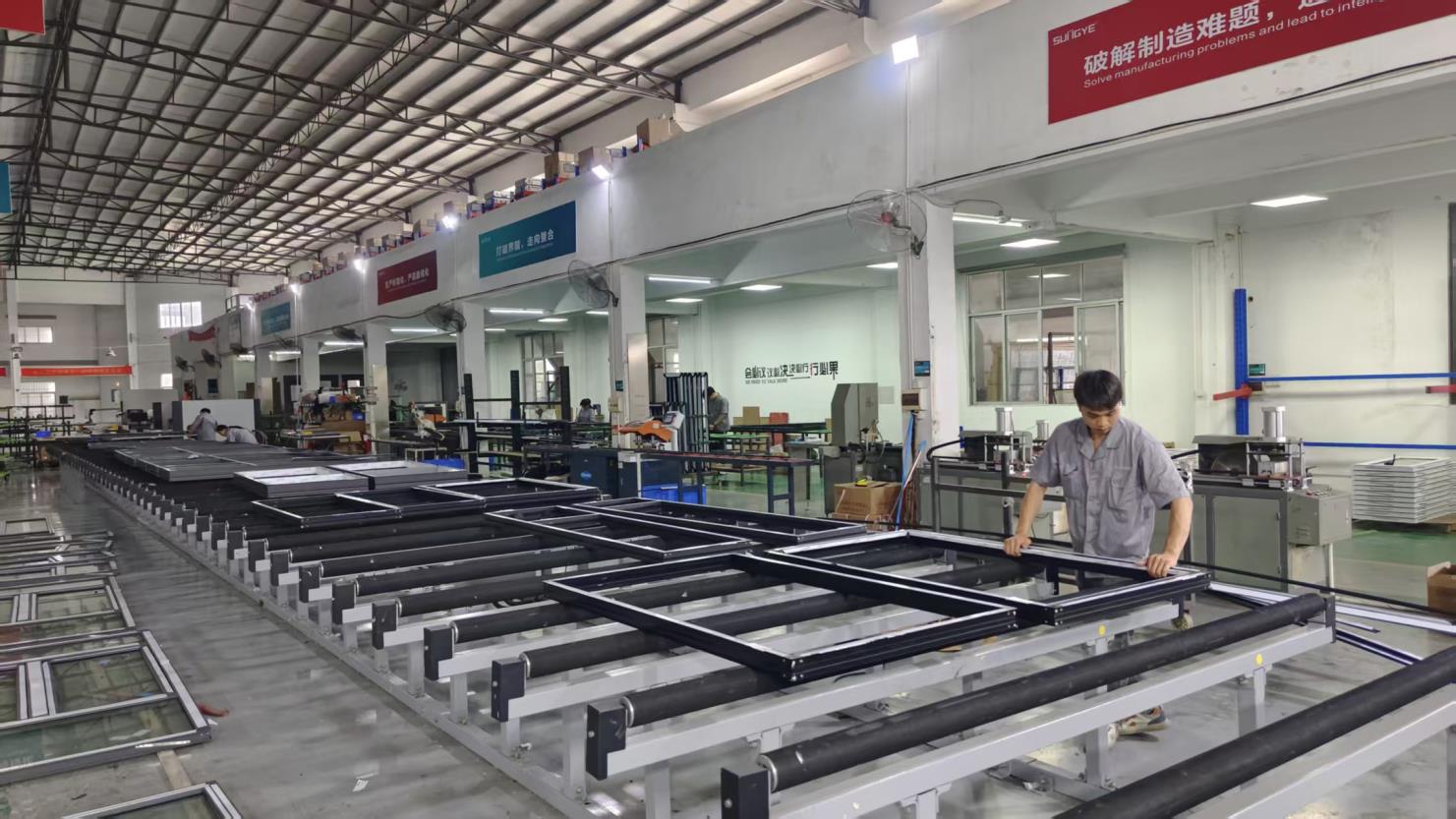
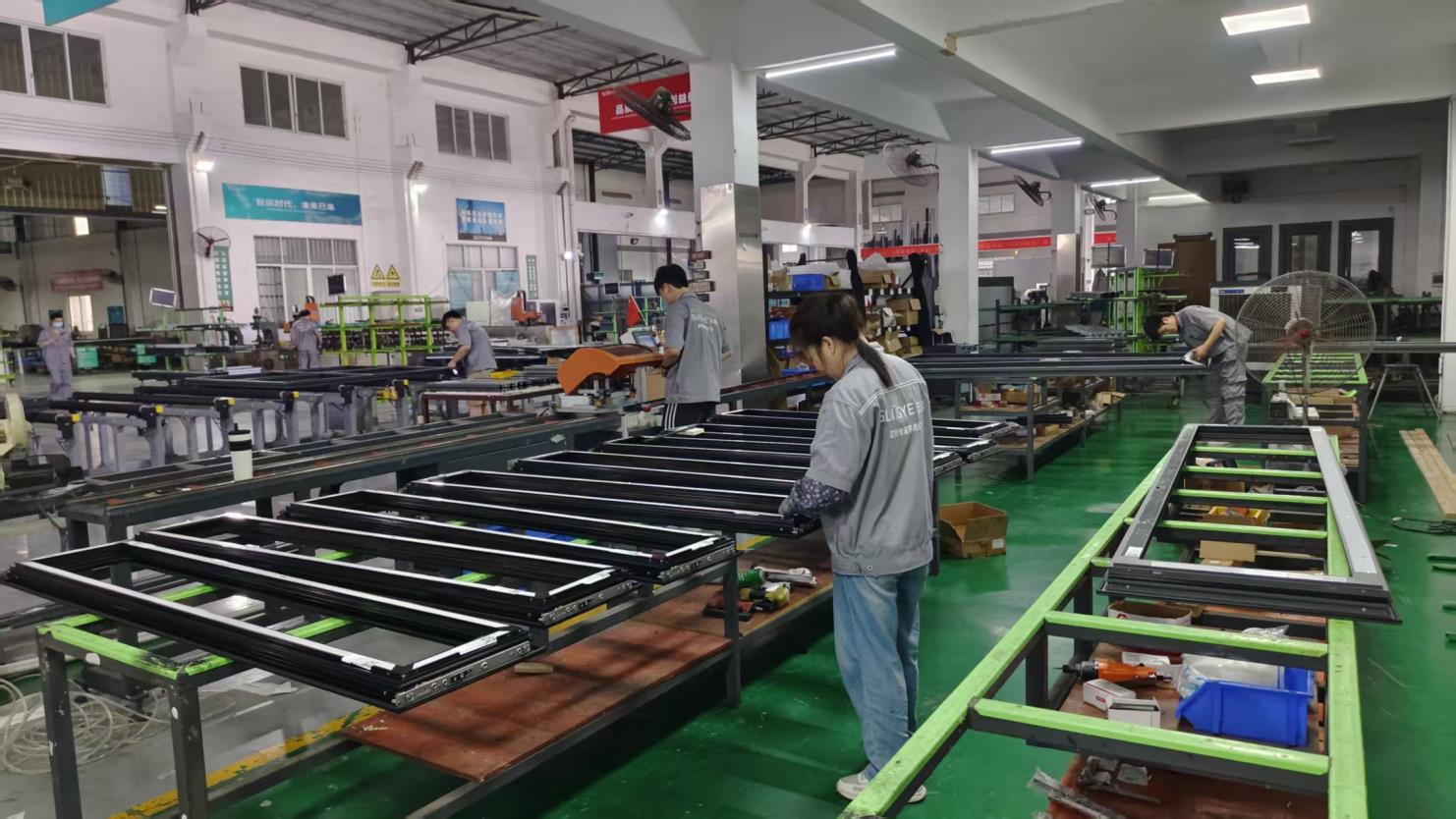
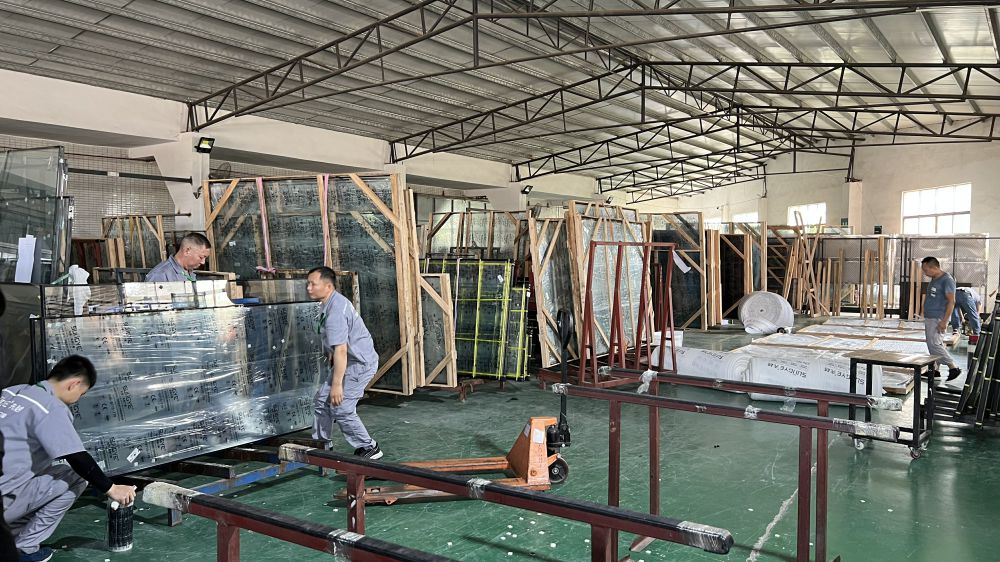
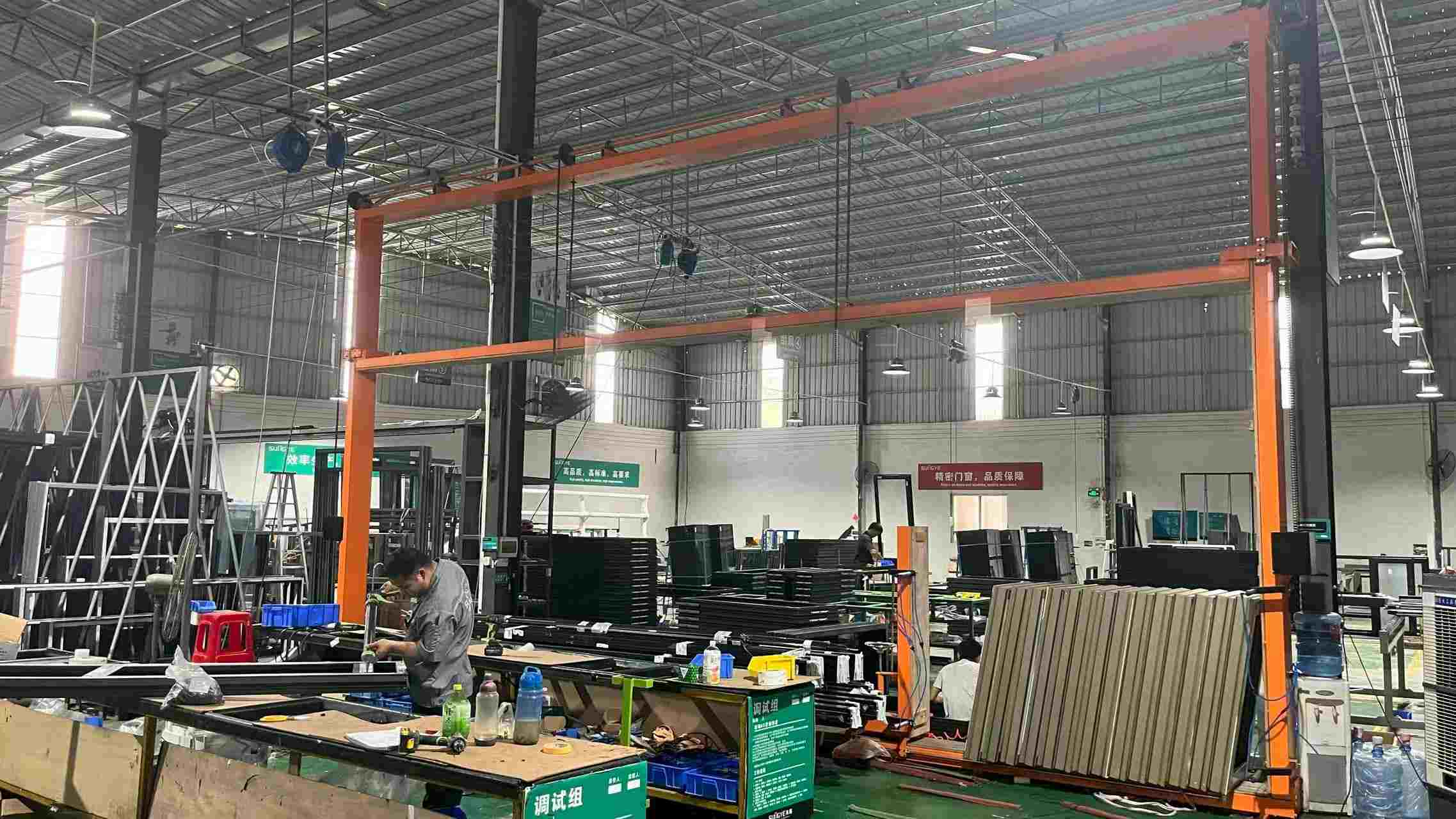
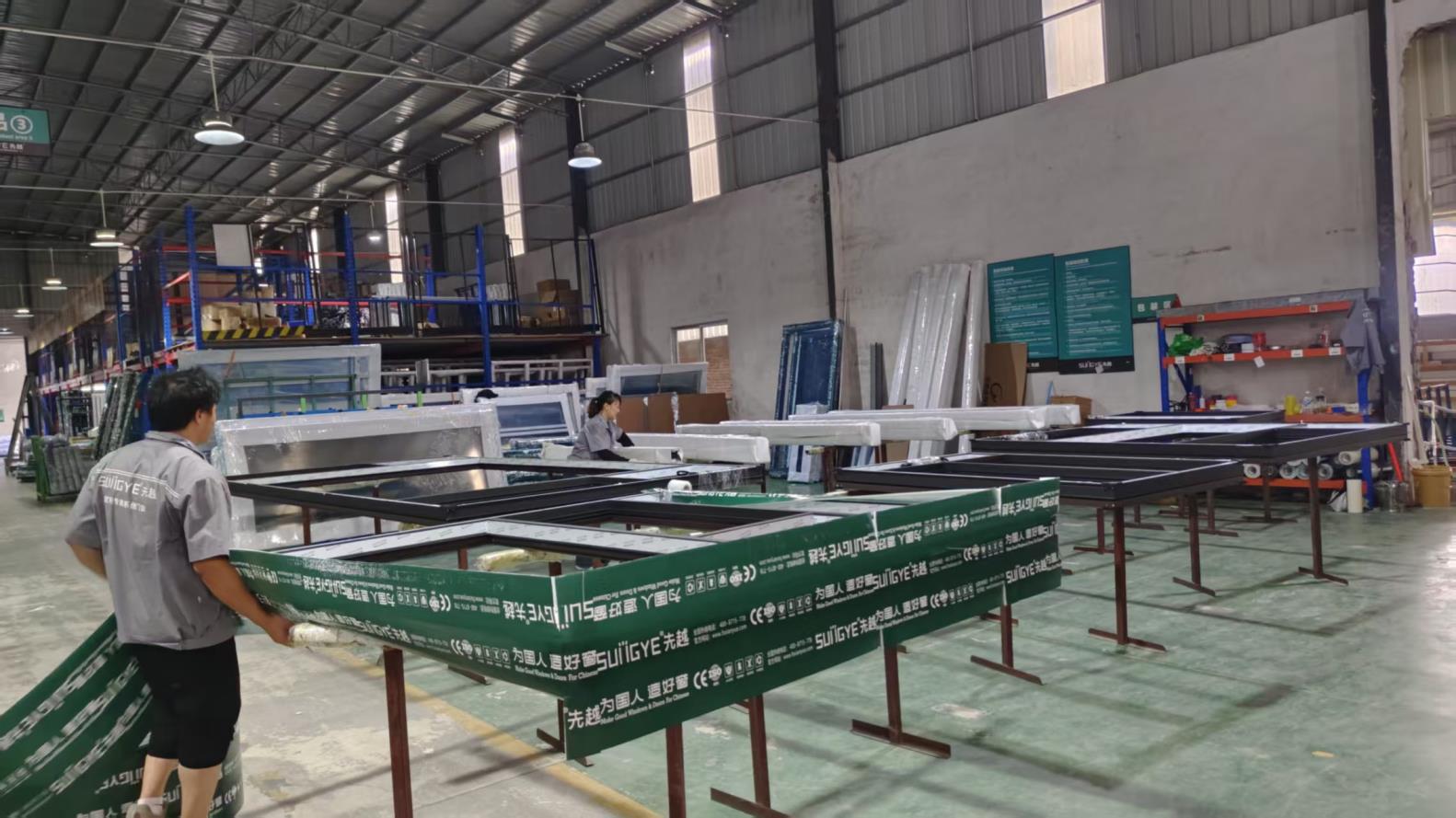
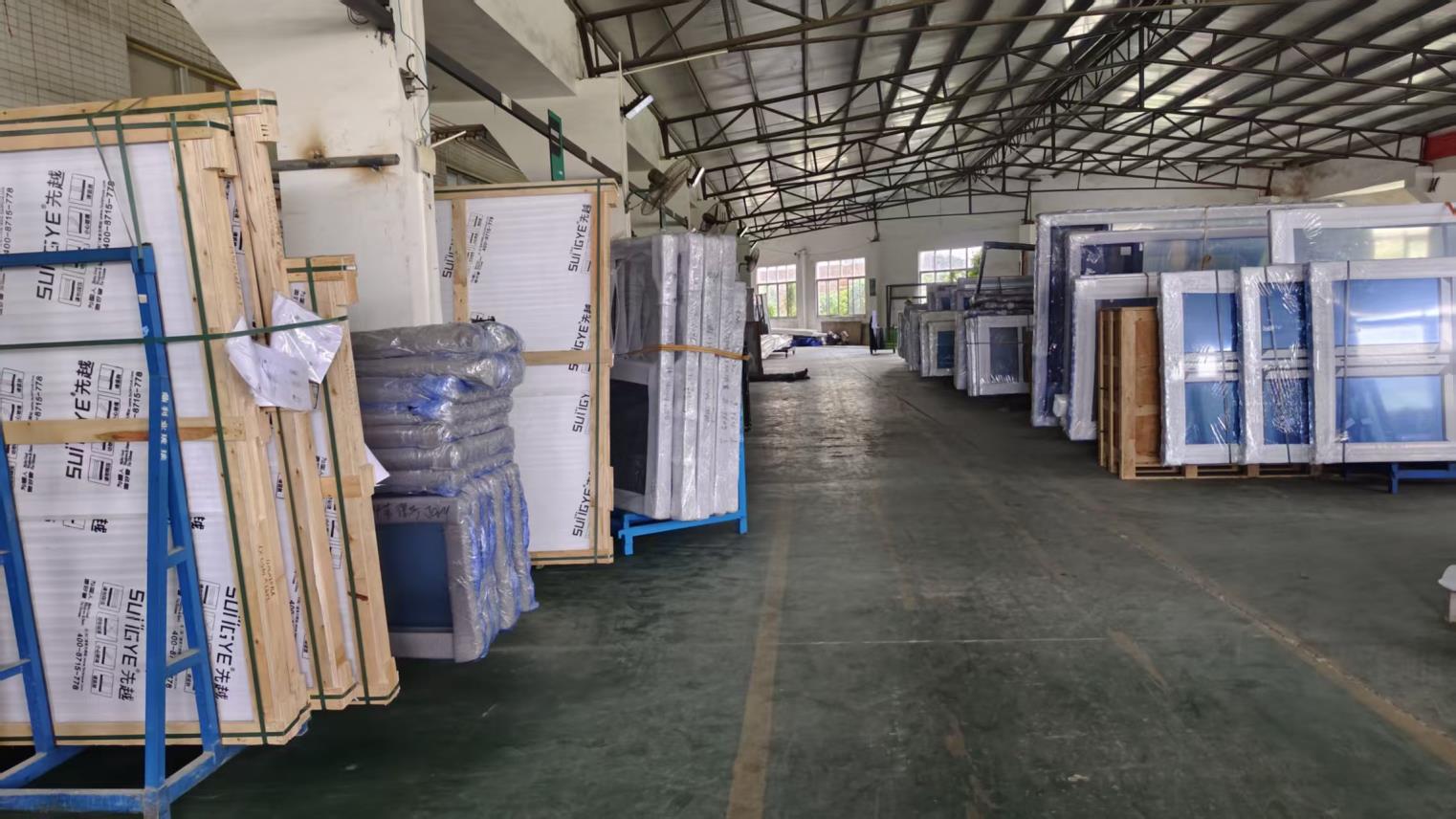
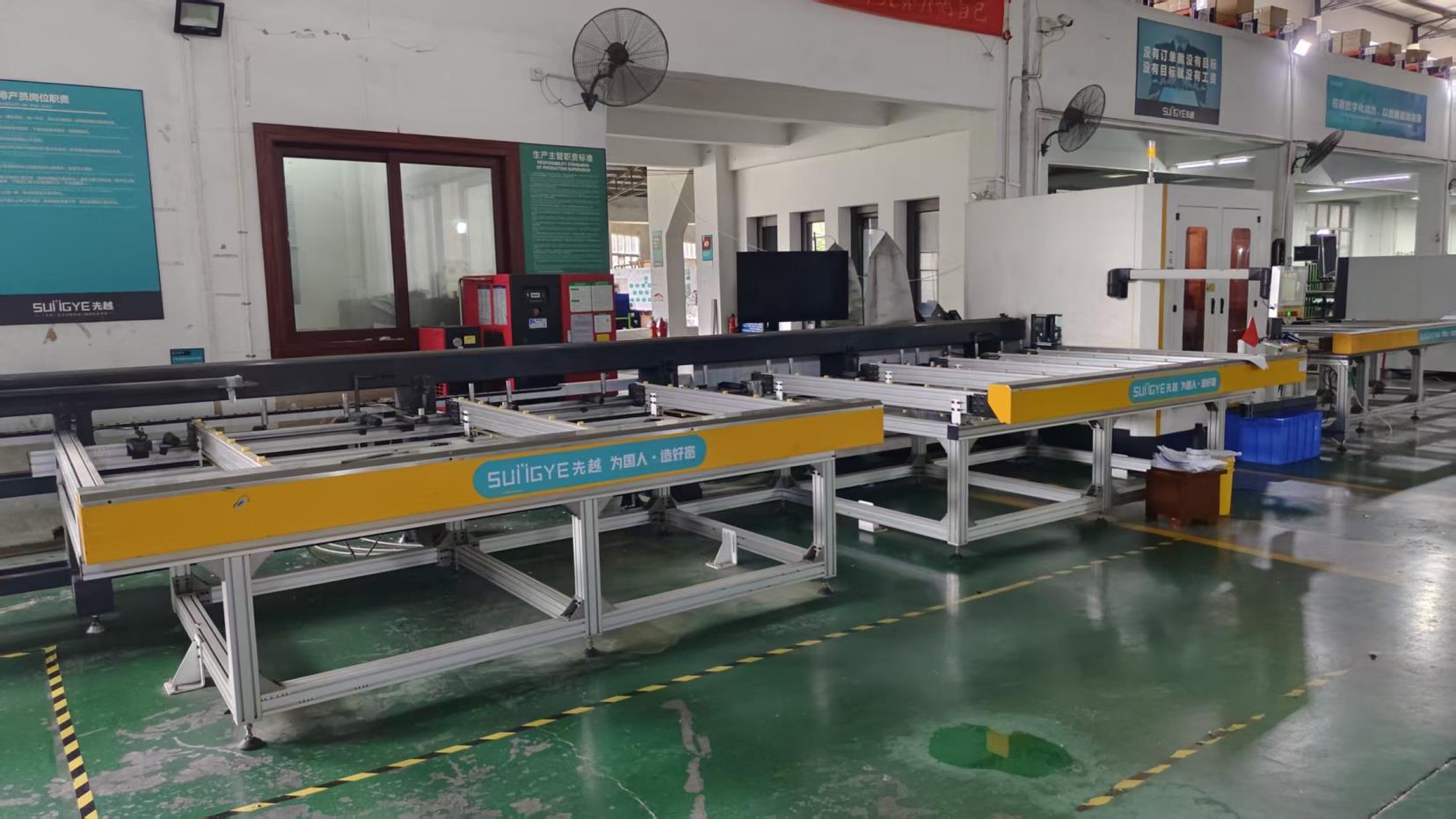
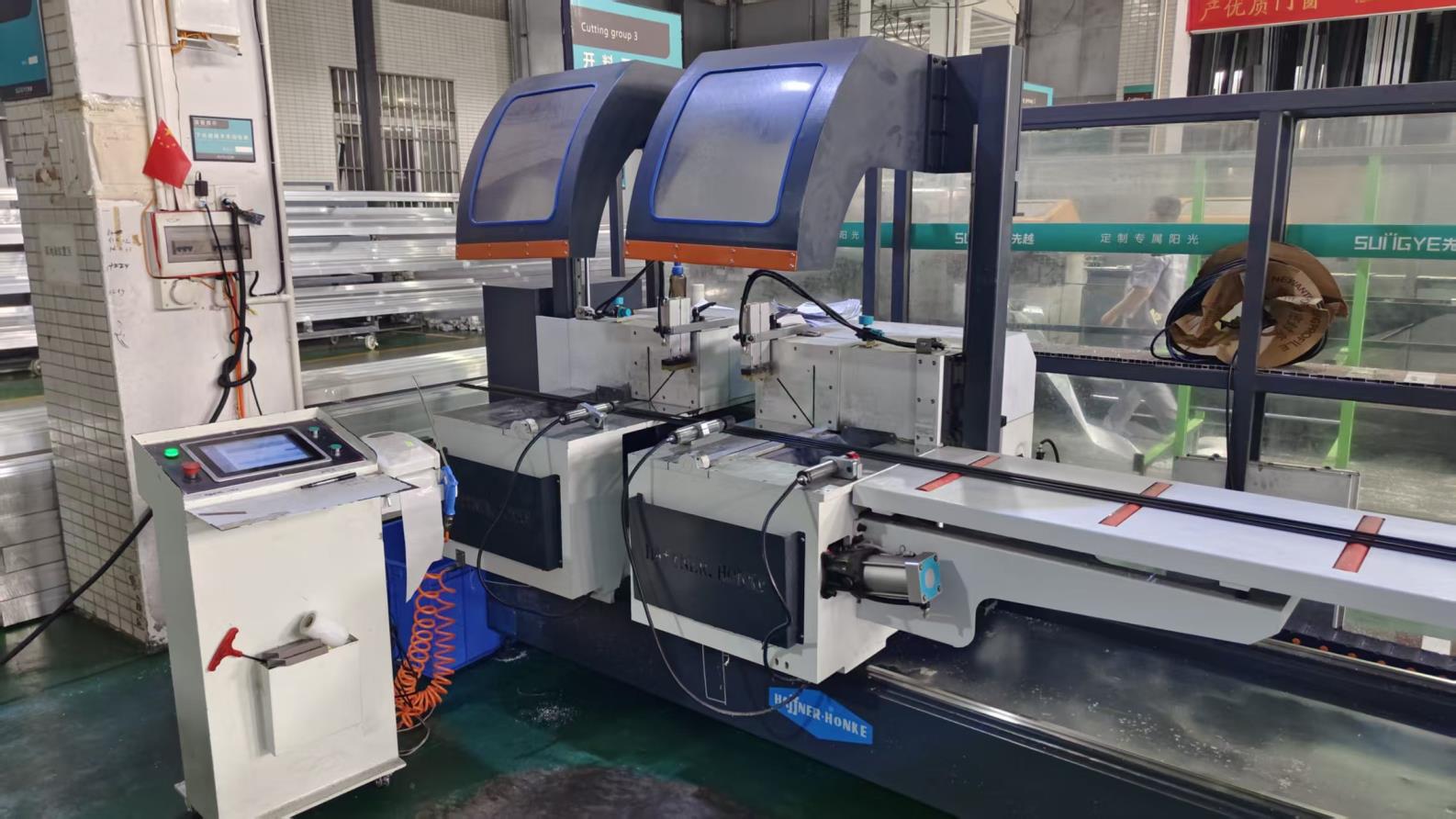
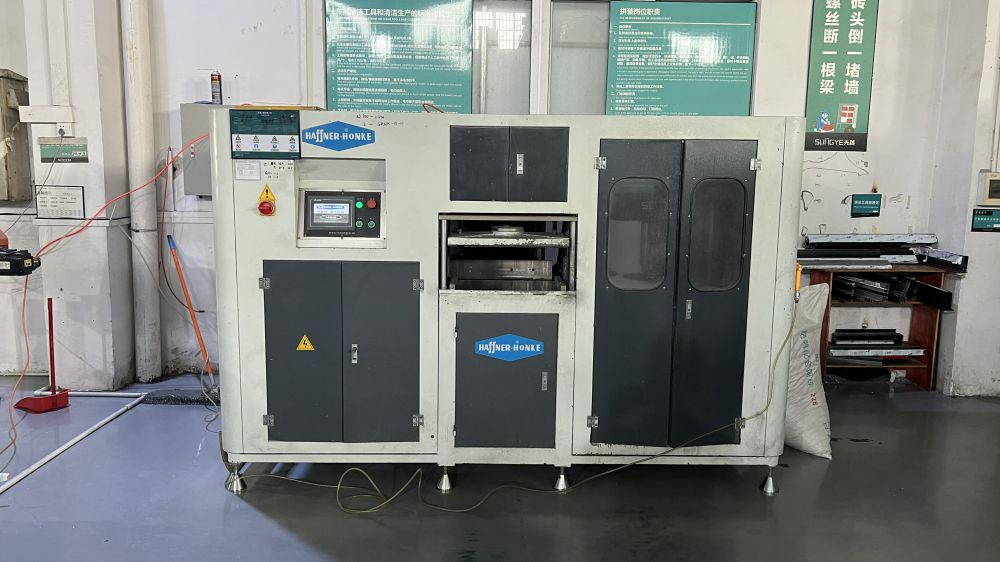
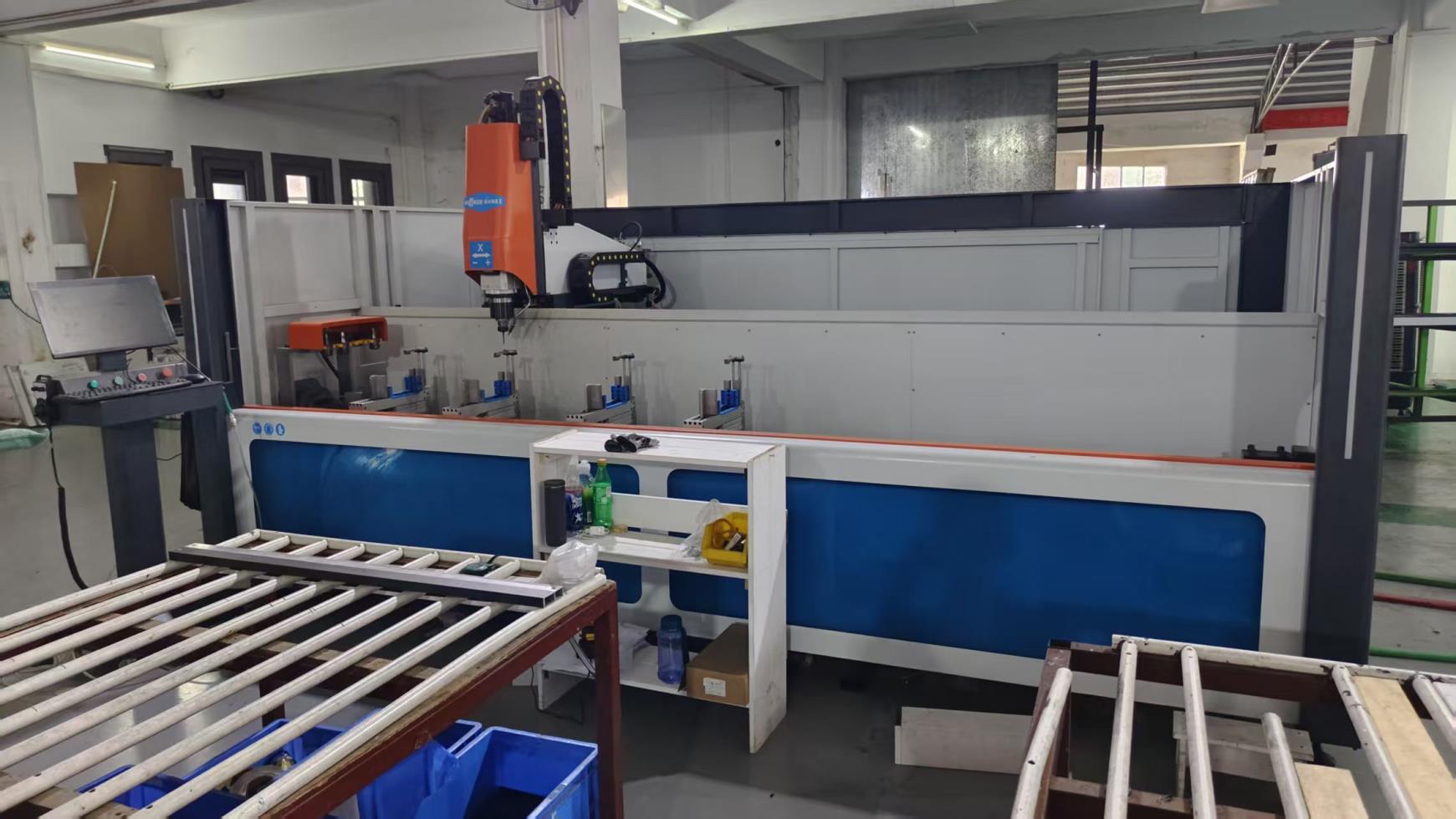
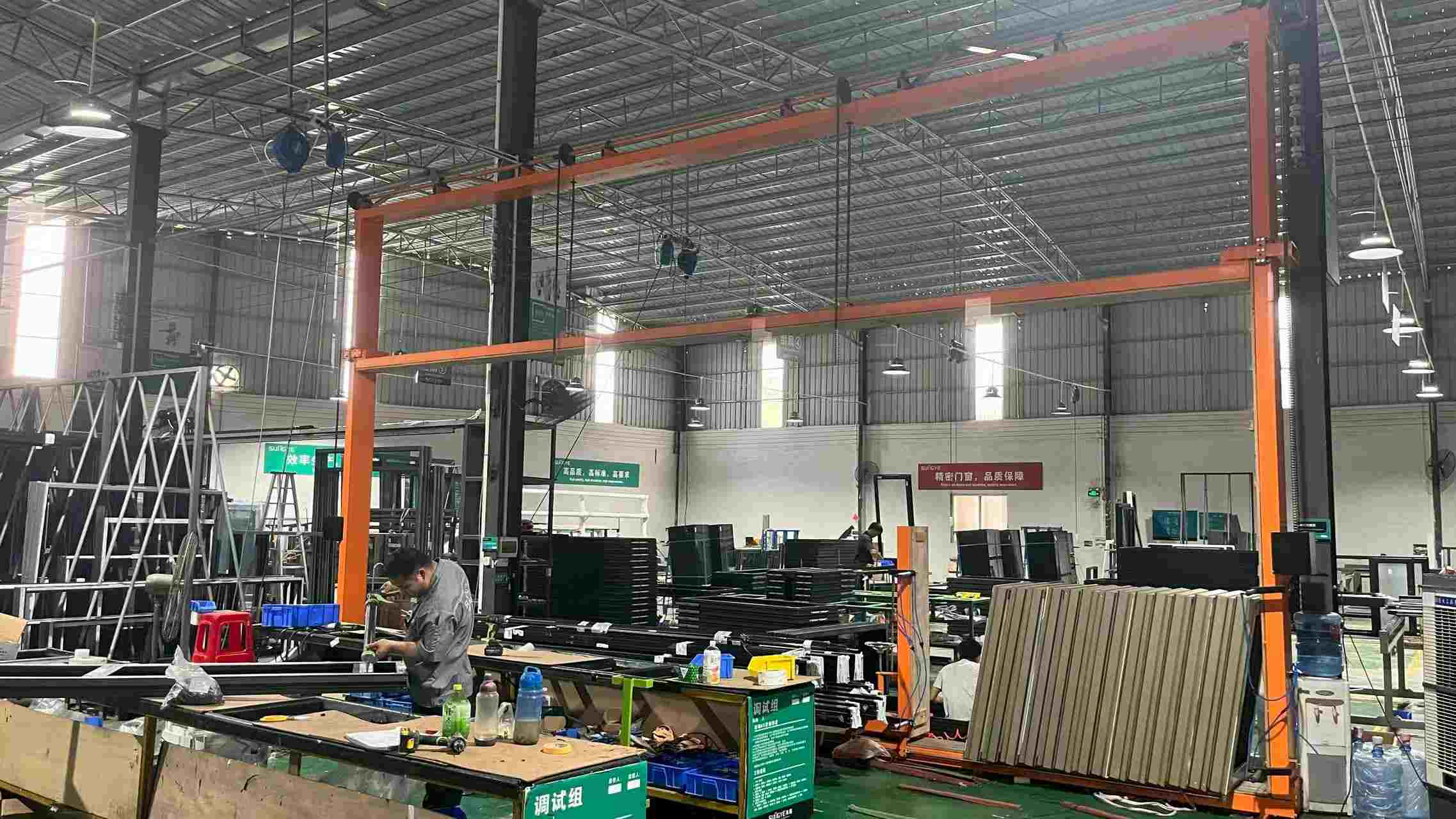
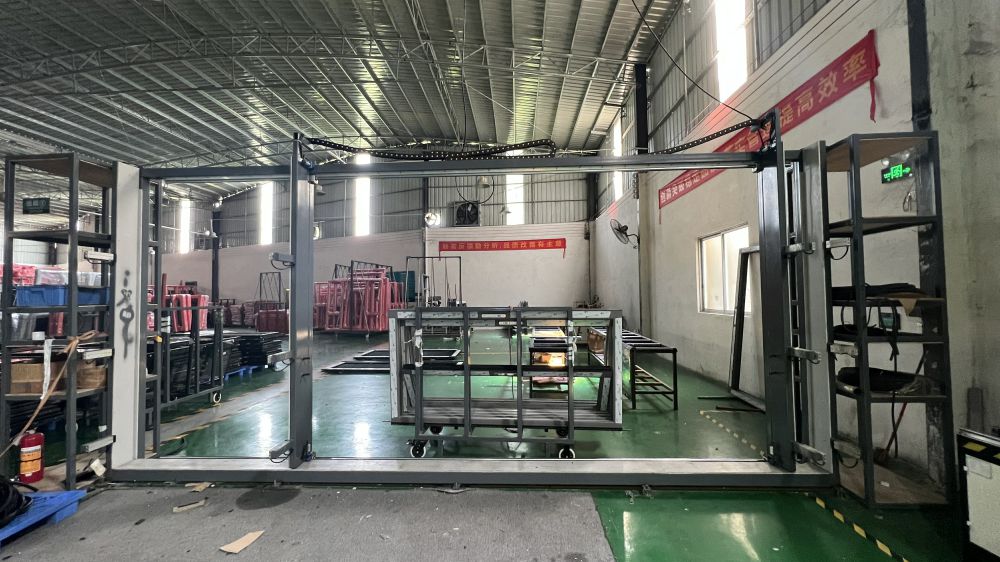
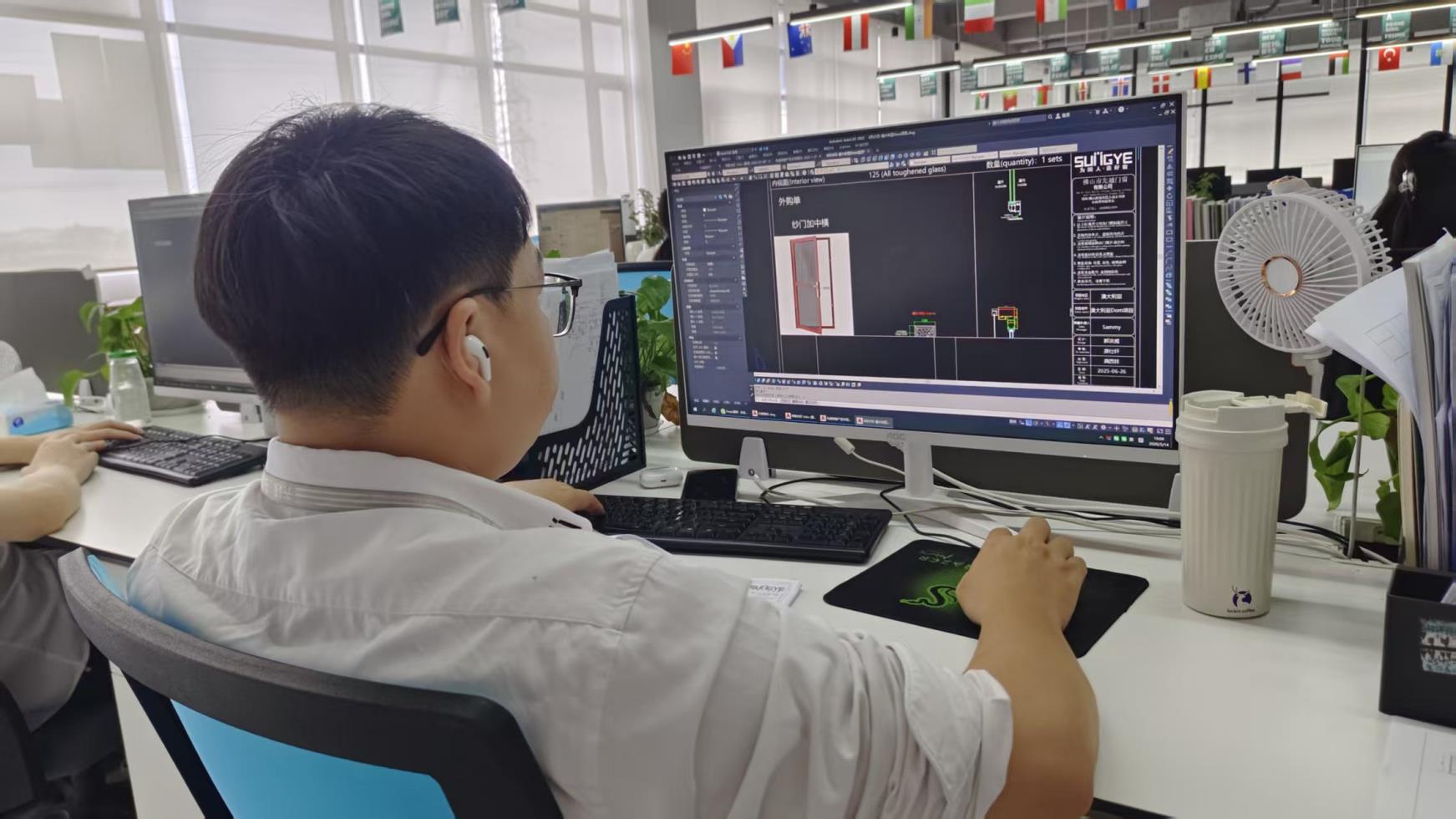
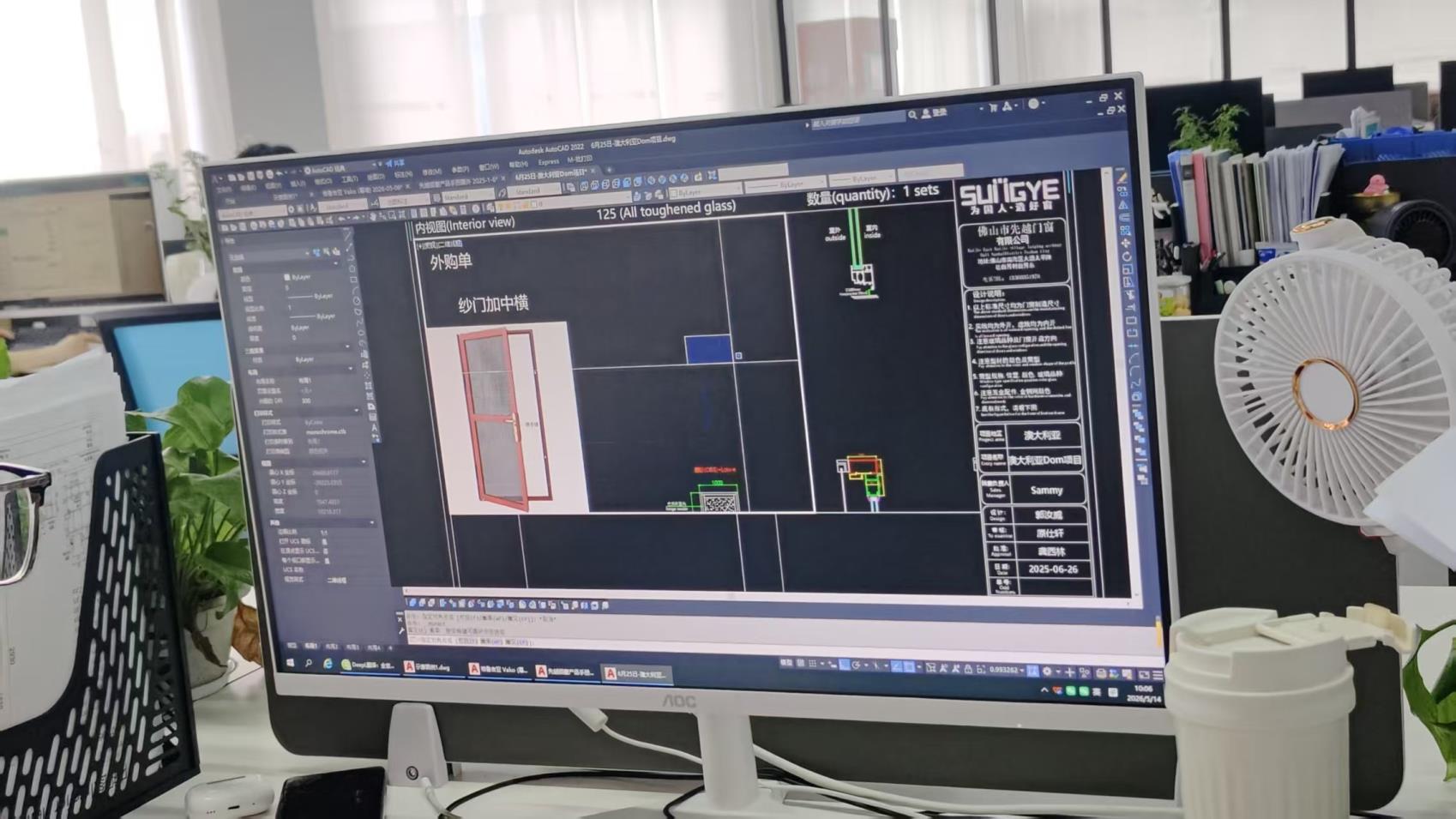
Tailoring window systems to meet specific climatic challenges and stringent international building certifications.
Projects across coastal Florida and North American storm zones require compliance with Miami-Dade HVHZ and NFRC thermal ratings. Cresta engineers heavy-duty casement and sliding systems using SGP laminated impact glass and reinforced mullions capable of withstanding wind loads exceeding 5000 Pa.
Building in Australasia demands strict compliance with AS2047 structural deflection, air infiltration, and water penetration tests (up to 450Pa rating). Our custom villa windows feature specialized stainless-steel mesh flyscreens, thermal break extrusions, and double-glazed low-E coatings optimized for high solar exposure.
For hot, humid, or dusty regions (e.g., Ghana, UAE), fenestration must prevent heat gain and sand ingress. Cresta’s sliding systems incorporate high-performance EPDM weatherstripping, multi-point locking mechanisms, and spectrally selective Low-E glass that blocks up to 78% of solar infrared radiation.
How next-generation engineering is transforming modern building envelopes.
Architects are shifting toward maximum sightlines and minimal frame visibility. Hidden-frame casement windows and zero-threshold panoramic sliding doors integrate frames into floor-to-ceiling structures, maximizing interior natural light while maintaining high structural stability.
Integration with Smart Home IoT ecosystem allows motorized skylights, automated chain actuators for high-reach windows, and concealed magnetic locks to respond to indoor humidity sensors, rain sensors, or smartphone apps automatically.
Combining the natural warmth and insulation of timber on the interior with the weatherproof durability of extruded aluminum on the exterior. Aluminum-wood composite systems represent the peak of luxury residential fenestration.
A framework for general contractors, architectural firms, and wholesalers to vet suppliers and control project risk.
A top-tier factory must provide complete CAD/BIM shop drawings, structural wind-load calculation reports, and thermal simulation (THERM software) before production starts. Guangzhou Cresta's 35-engineer team ensures all drawings match local structural codes.
Ensure the manufacturer maintains in-house testing rigs for water spray testing, wind pressure deflection, and optical surface flaw inspection. Cresta's 30 QC inspectors audit profiles at raw material entry, post-milling, post-glazing, and post-assembly stages.
Ocean freight damage is a major vulnerability. Insist on protective film application, foam corner guards, fumigated non-coniferous wooden crates, and steel-reinforced palletized loading to withstand international container handling.
Expert answers to common engineering, procurement, and technical queries regarding aluminum window manufacturing.
A standard non-thermal break aluminum profile consists of continuous solid metal, which readily conducts heat and cold between exterior and interior spaces. A thermal break profile incorporates a low-thermal-conductivity structural polyamide strip (PA66-GF25 reinforced with 25% glass fiber) physically separating the inner and outer aluminum extrusions. This barrier reduces thermal transfer by up to 60%, drastically reducing HVAC energy costs and preventing interior moisture condensation.
Our manufacturing process uses certified 6063-T5/T6 structural aluminum alloys, high-grade EPDM weather seals, and glass units featuring Low-E coatings with argon gas fills. We perform pre-shipment structural pressure testing (ASTM E330 / AS4420) and water tightness testing in our internal laboratories, backed by third-party certification documentation for key export regions.
We offer architectural-grade surface treatments including Fluorocarbon (PVDF) coating (conforming to AAMA 2605 specifications for 20+ year weatherability), Powder Coating (AkzoNobel/Tiger brand), Anodizing (Class 15 and Class 25 film thickness), and 3D Wood Grain heat transfer finishes for natural aesthetic requirements without wood maintenance.
Standard CAD shop drawing approval takes 3-5 working days. Profile extrusion, powder coating, double glass fabrication, CNC milling, assembly, and quality inspection take 25 to 35 calendar days depending on custom profile requirements and order volume. Express options are available for time-sensitive commercial contracts.
Yes. Our engineering division (35 specialized R&D engineers) designs custom hurricane impact window systems equipped with SGP laminated glass layers (up to 1.52mm SGP film) as well as integrated motorized openers compatible with commercial BMS (Building Management Systems) and home automation systems.
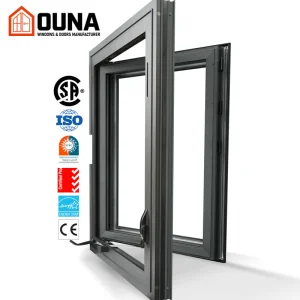
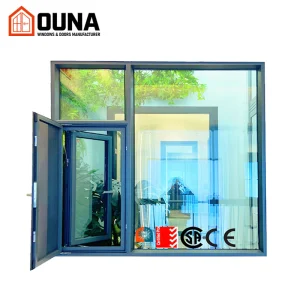
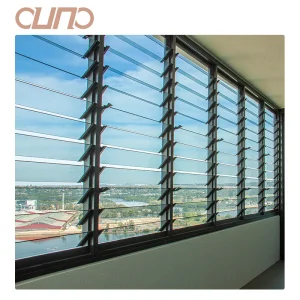
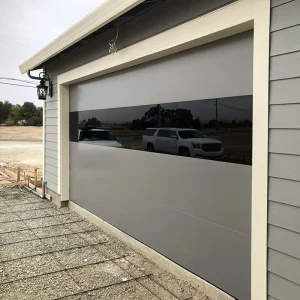
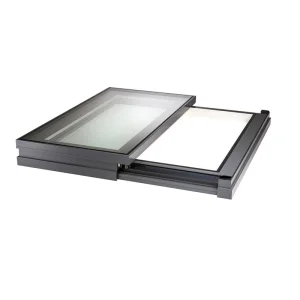
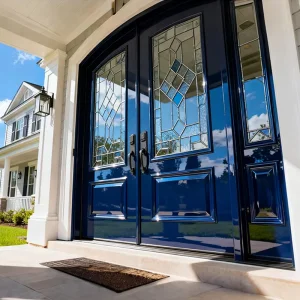
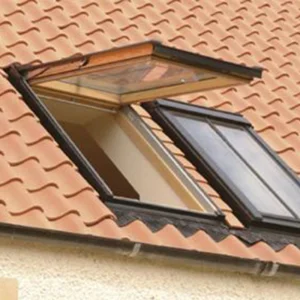
Select from our extensive catalog of certified high-efficiency windows, garage doors, and architectural skylights.
 Cresta Window Tech