Explore our premium grade, weather-sealed, and acoustically insulated fenestration units built to international standards.
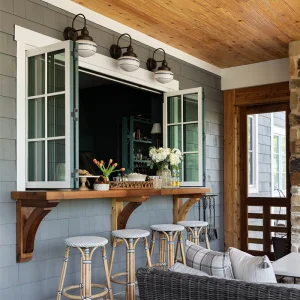
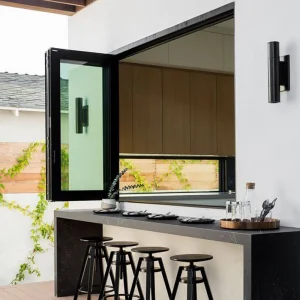
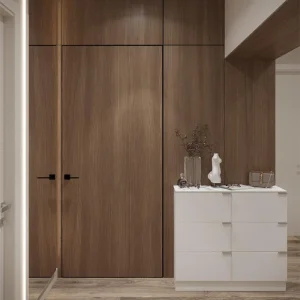
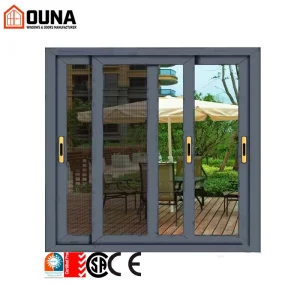
An engineering overview of structural resilience, thermal efficiency, and hygiene-driven metal alloys in modern residential and commercial architecture.
In contemporary architectural design, the kitchen has evolved from a purely functional utility zone into the aesthetic and social hub of modern residential and commercial properties. This paradigm shift has created unprecedented demand for advanced fenestration systems. Key specifications include zero-maintenance durability, high acoustic dampening, micro-moisture resistance, and seamless visual continuity. Traditional timber and low-grade PVC doors often succumb to warp, swelling, mold propagation, and structural degradation caused by constant exposure to airborne grease, elevated humidity, and fluctuating thermal environments. As leading global procurement entities seek sustainable, long-life alternatives, Aluminium Kitchen Doors have emerged as the structural benchmark across high-end developments worldwide.
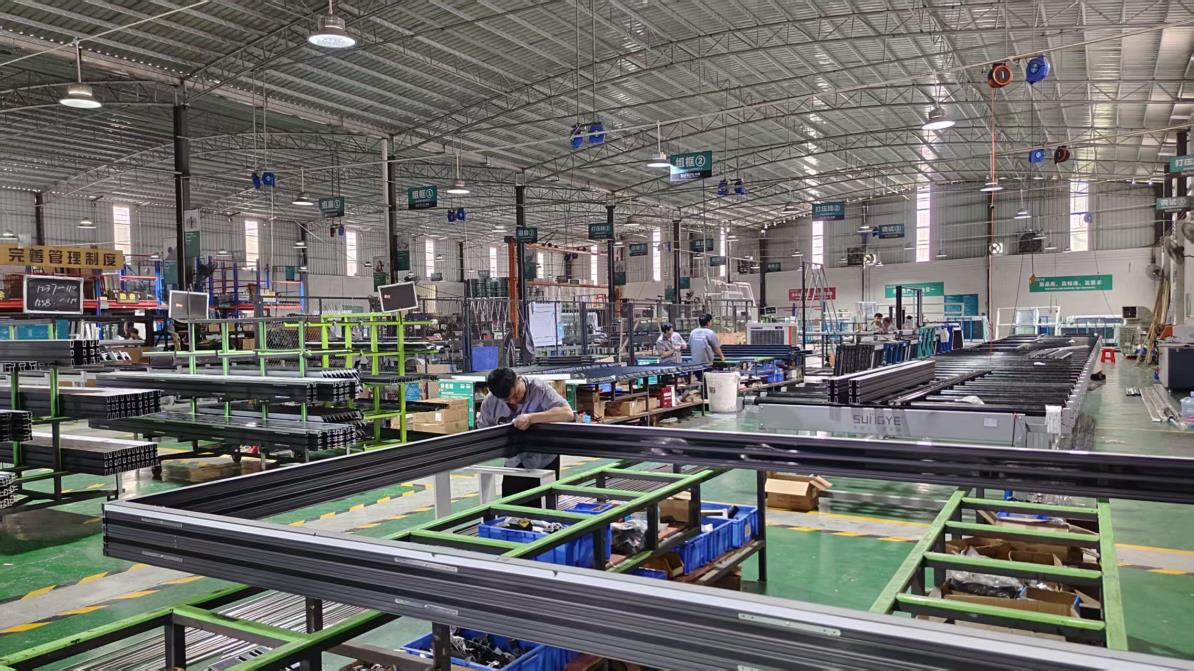
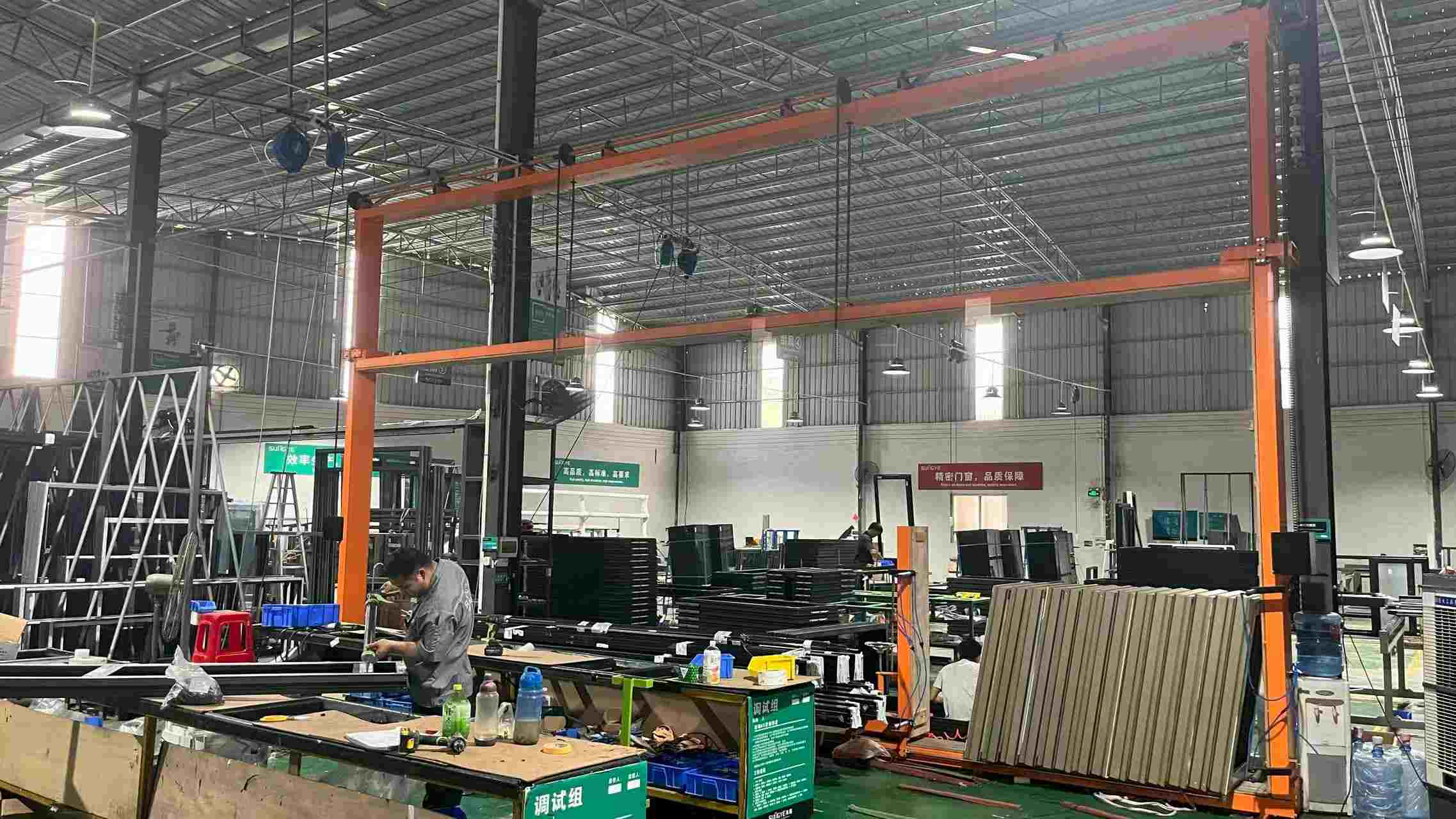
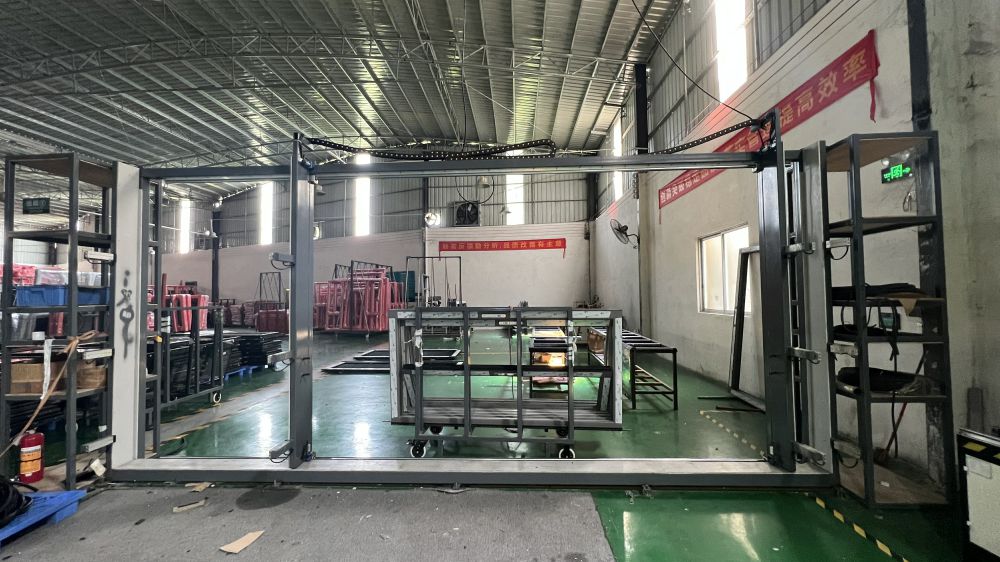
Established in 2015, Guangzhou Cresta Door & Window Co., Ltd. operates a 18,000-square-meter manufacturing facility. Backed by 11 years of industry experience and 7 years of international trade operations, we achieve an annual export turnover of $22 million across Southeast Asia, the Middle East, and Oceania. We mainly supply custom home builders, renovation contractors, and regional wholesalers.
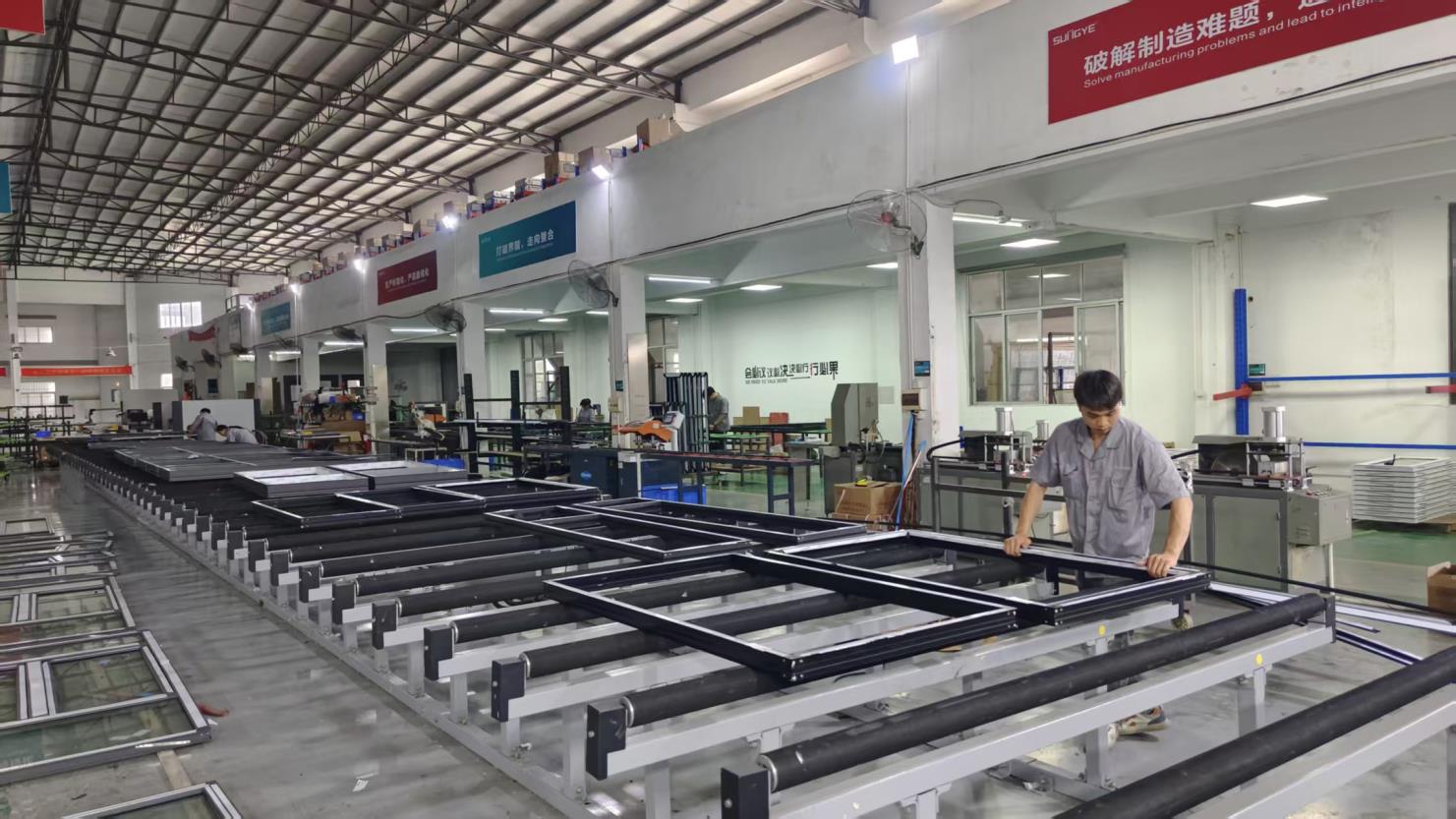
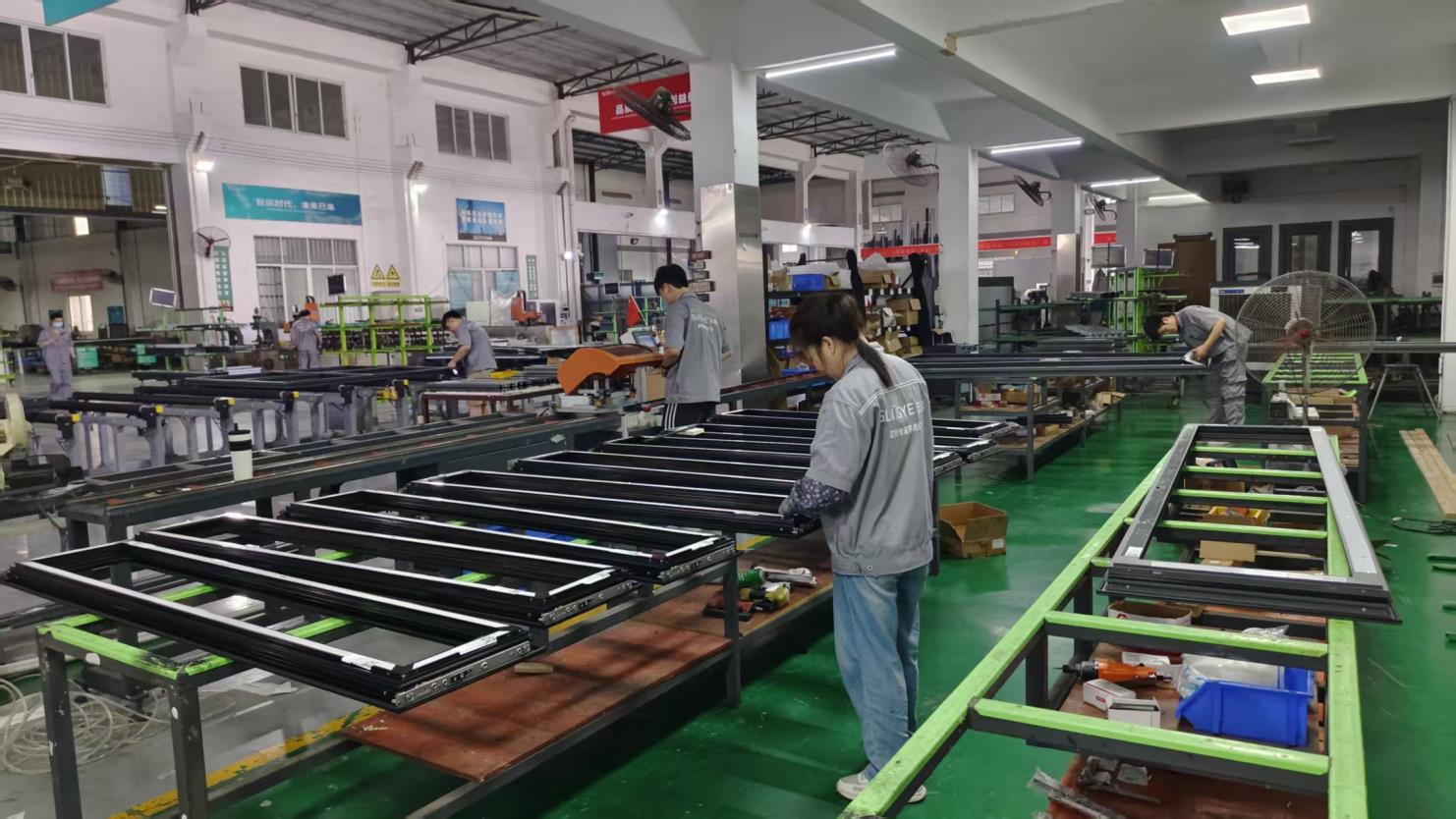
To ensure top-tier craftsmanship, our team of 30 QC inspectors strictly enforces ISO-certified optical surface inspections and weatherproofing seal tests. With a reliable network of 550 upstream suppliers, Cresta excels in tailored solutions such as custom acoustic insulation, motorized insect screens, and slim-frame sliding doors. Supported by an active R&D division of 35 specialized engineers, we released 38 new product series over the past year.
Utilizing 6063-T6 marine-grade aluminum extrusions engineered with multi-chamber thermal breaks for superior structural torque resistance and load stability.
High-density automotive-grade EPDM continuous sealing gaskets block micro-moisture, culinary oil vapors, and acoustic leaks down to Rw 38 dB.
Electrophoretic coating, PVDF fluorocarbon spraying, and anodized finishes ensuring scratch protection, UV resistance, and zero color degradation.
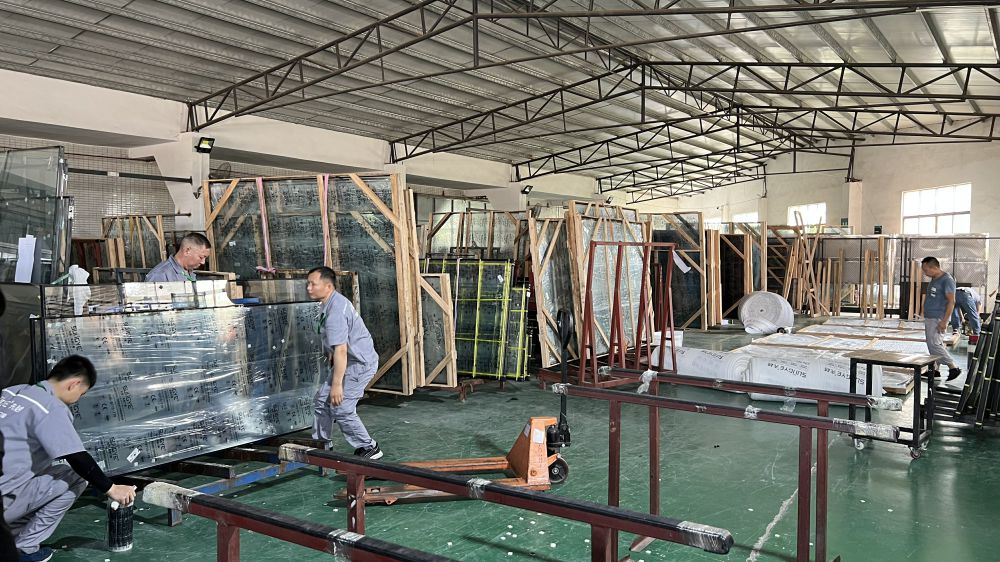
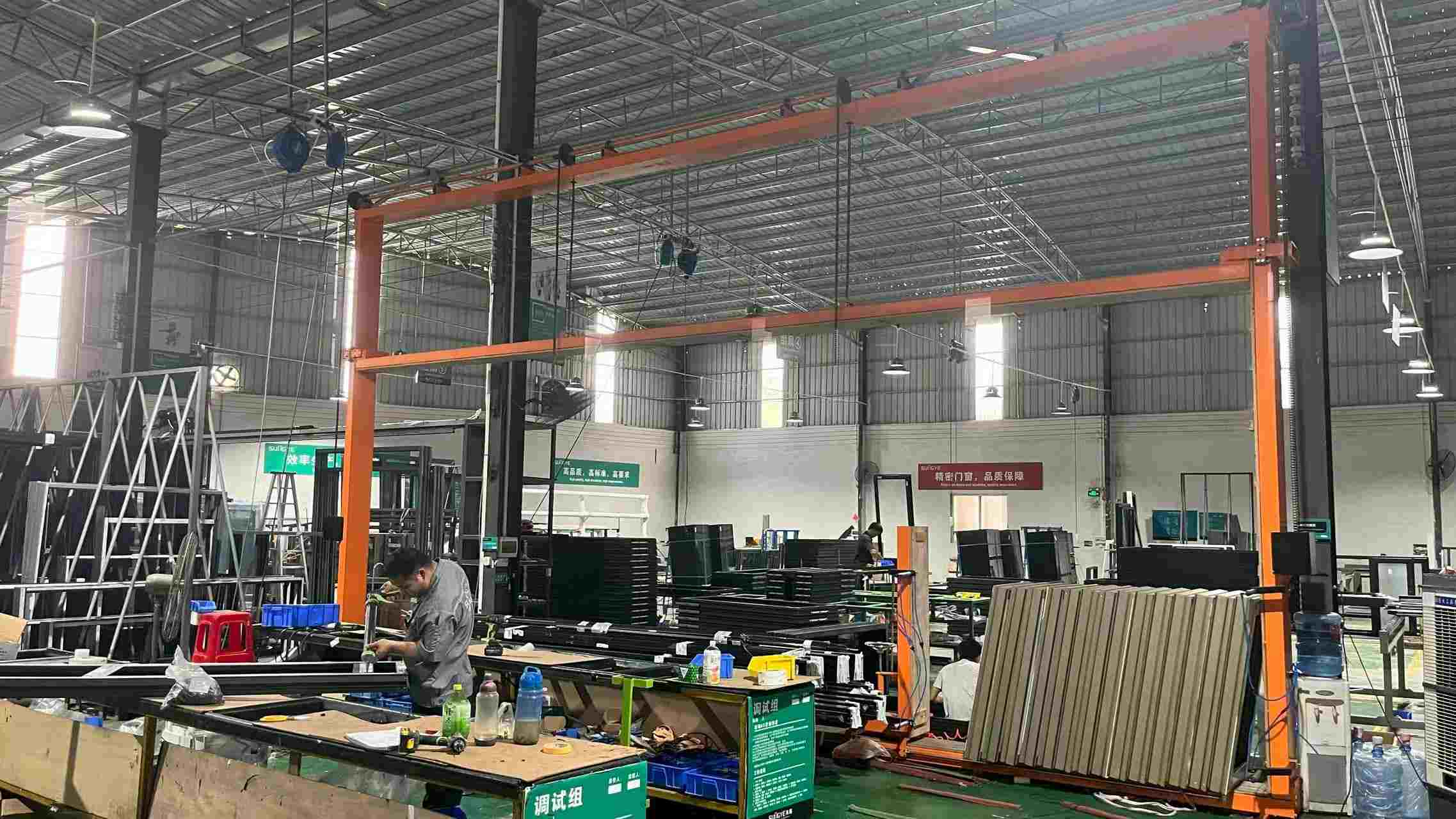
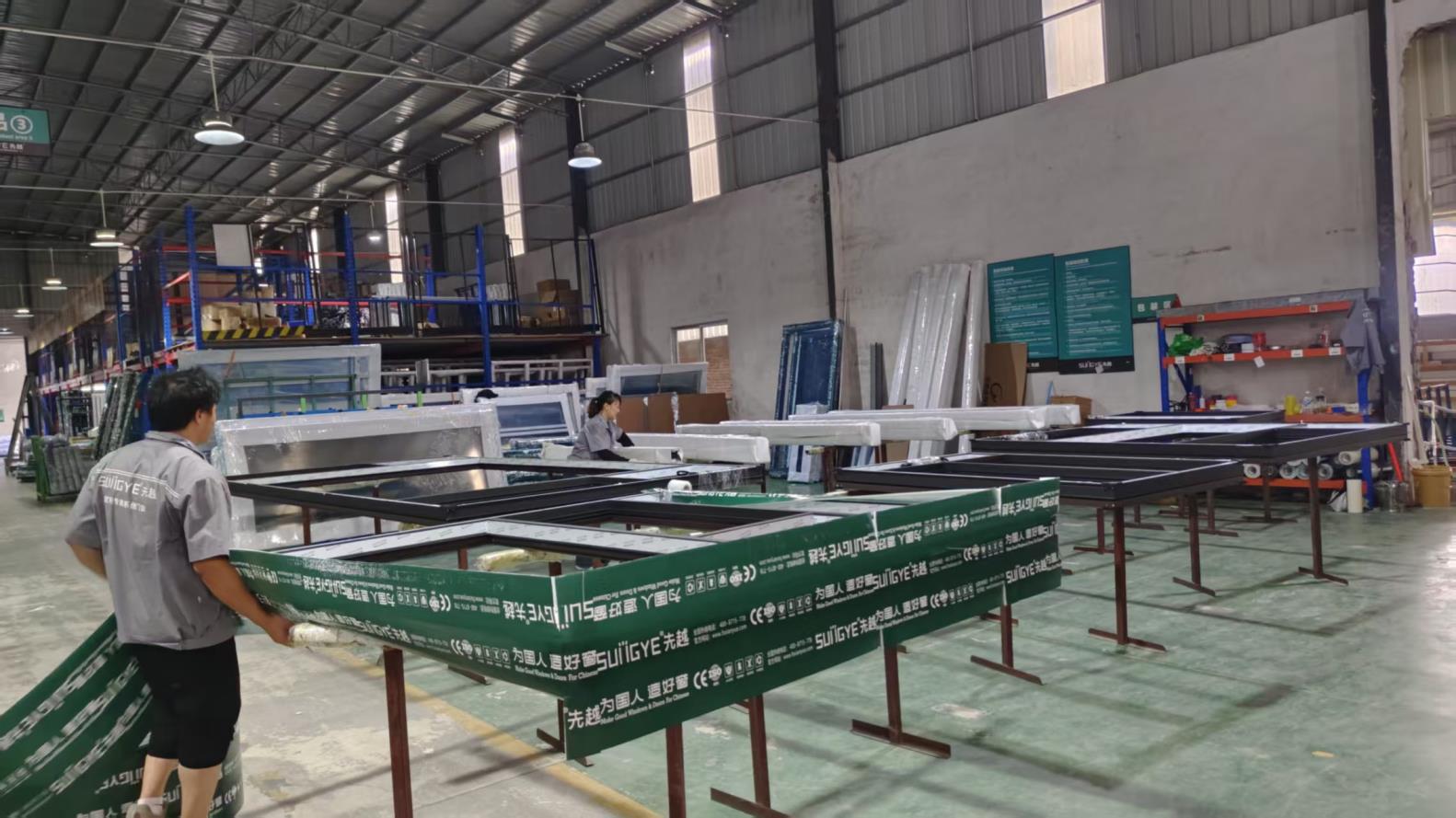
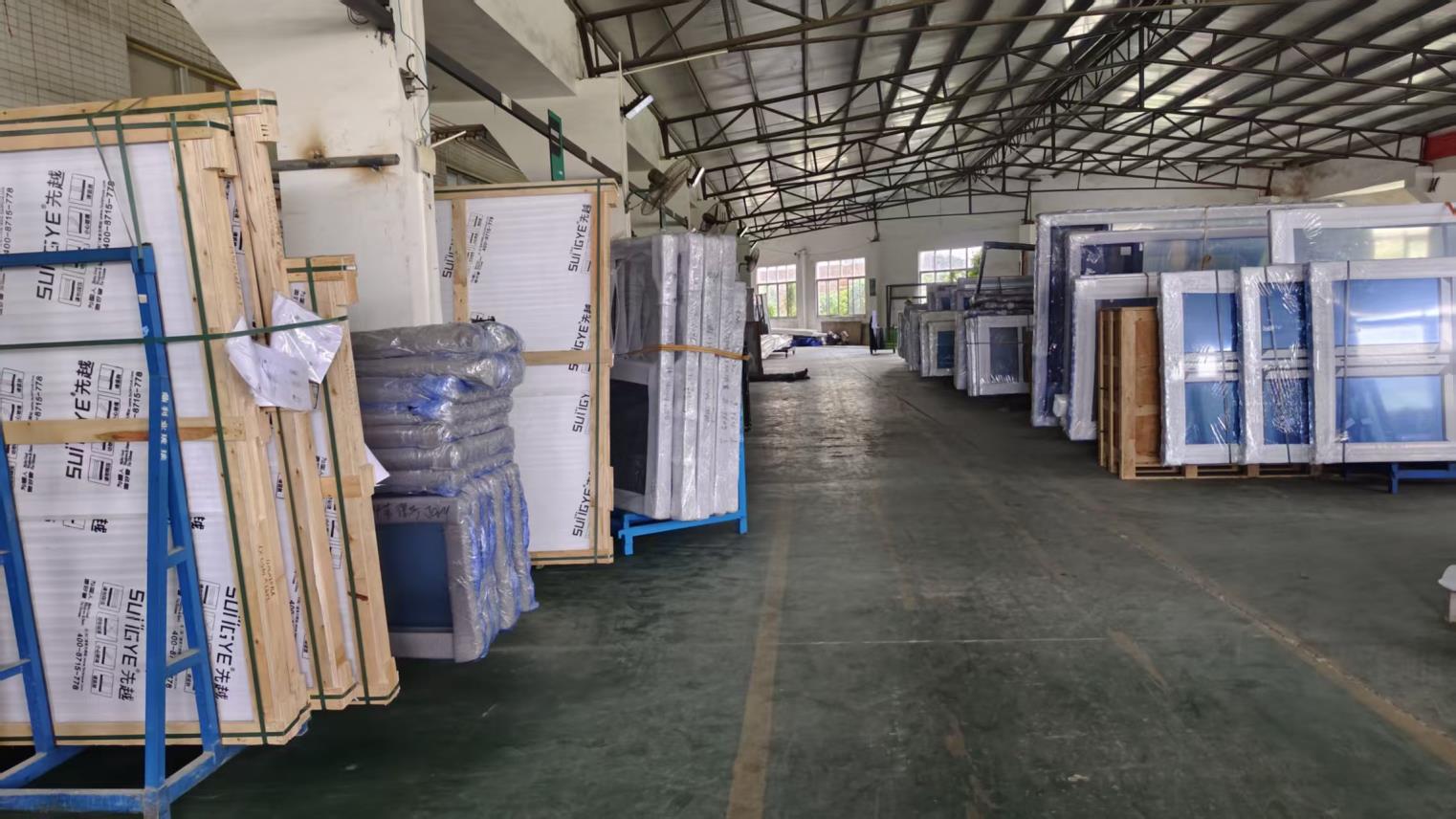
A transparent look inside Cresta's 18,000m² manufacturing line powered by computerized numerical control (CNC) equipment and rigid optical quality checks.
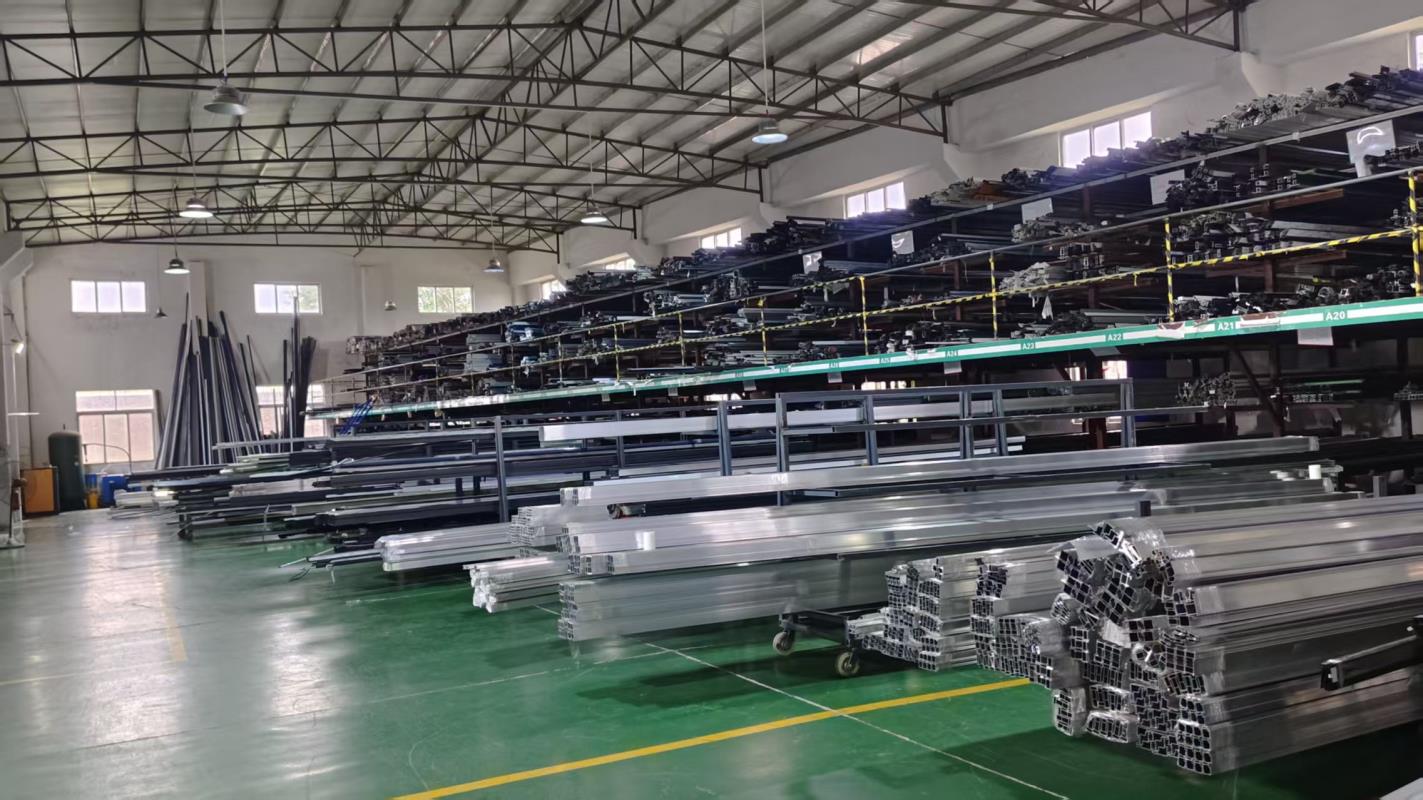
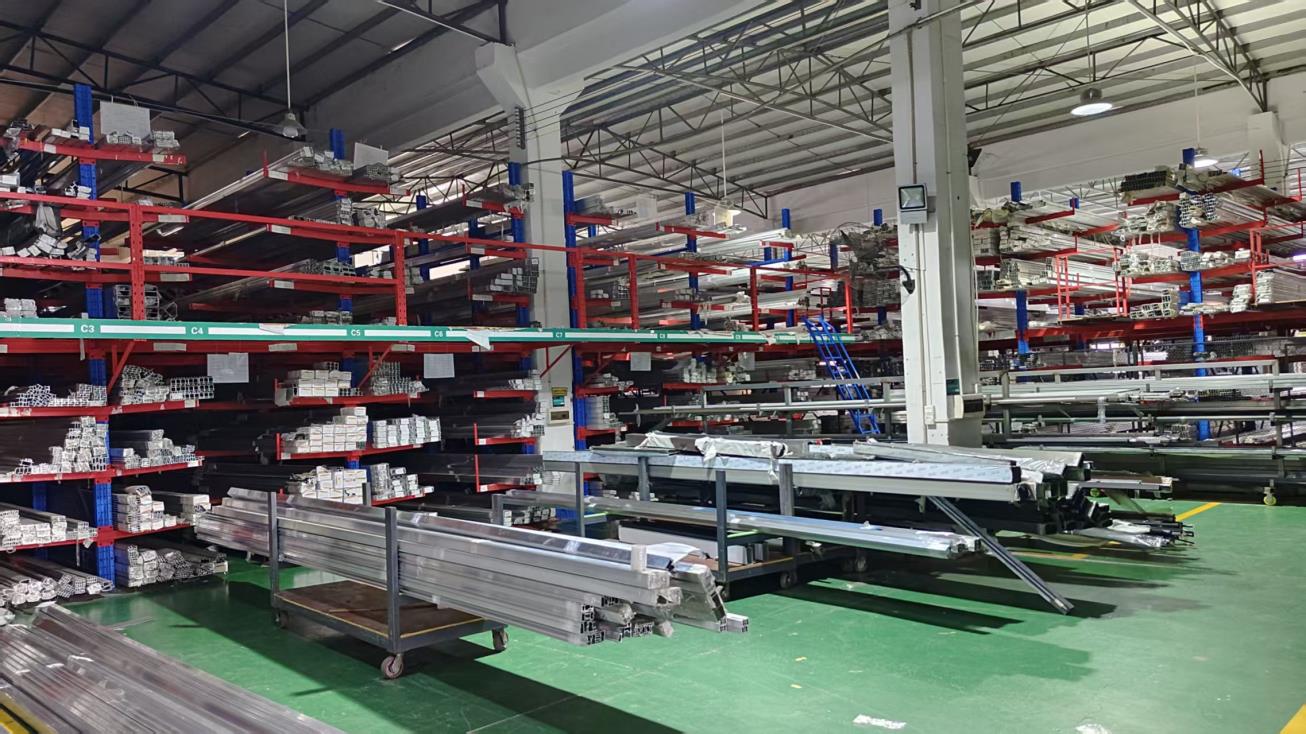
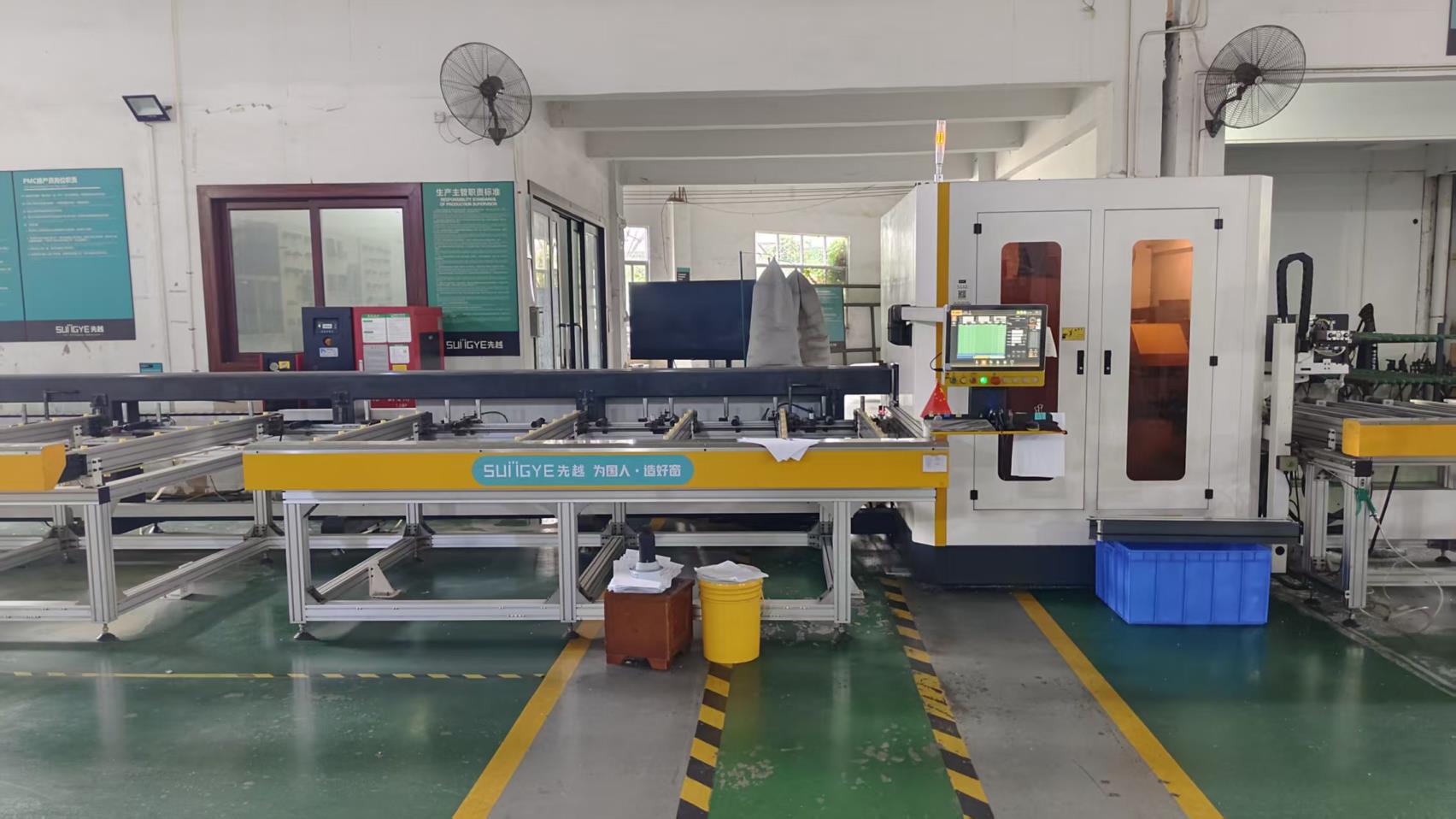
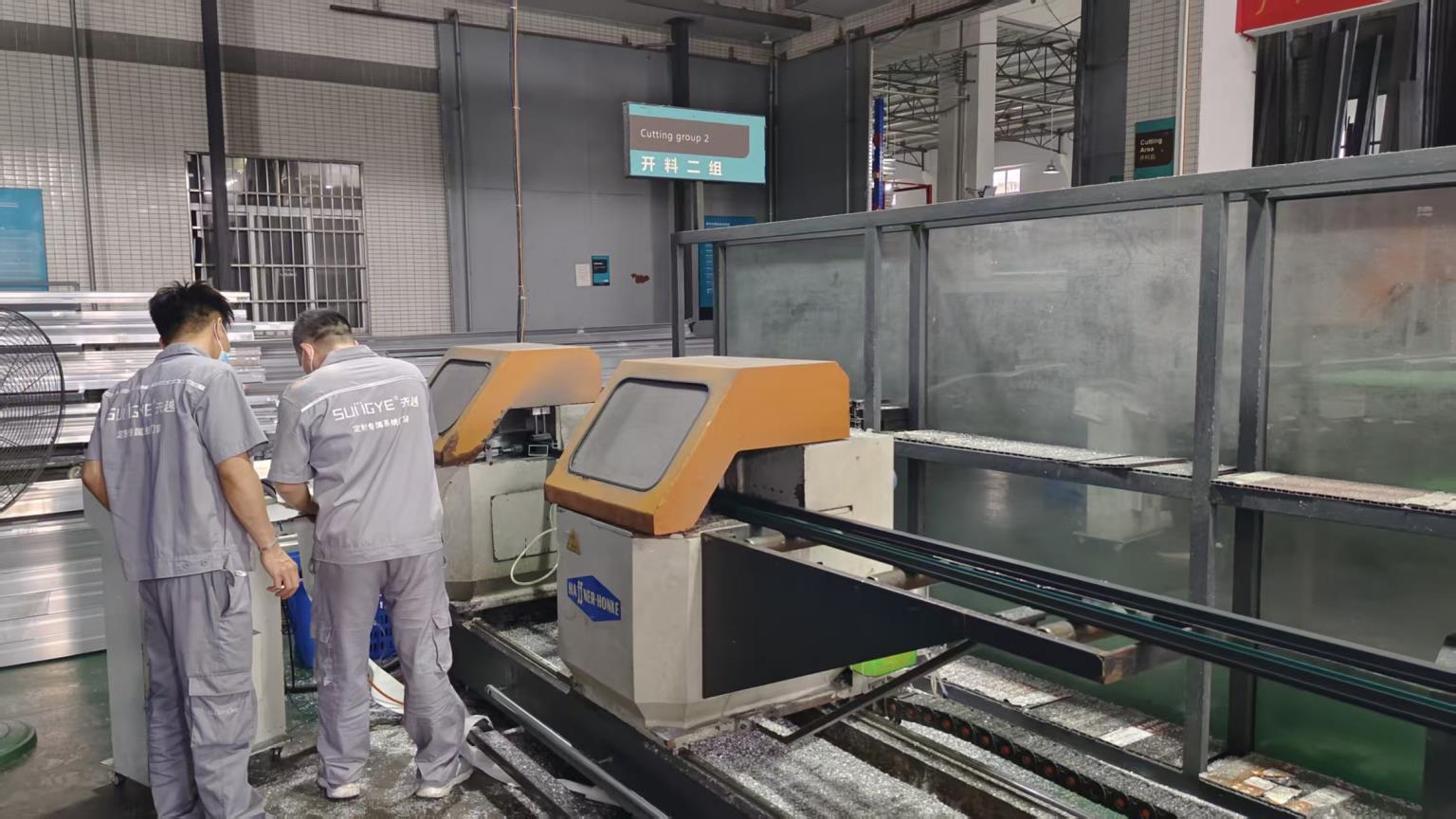
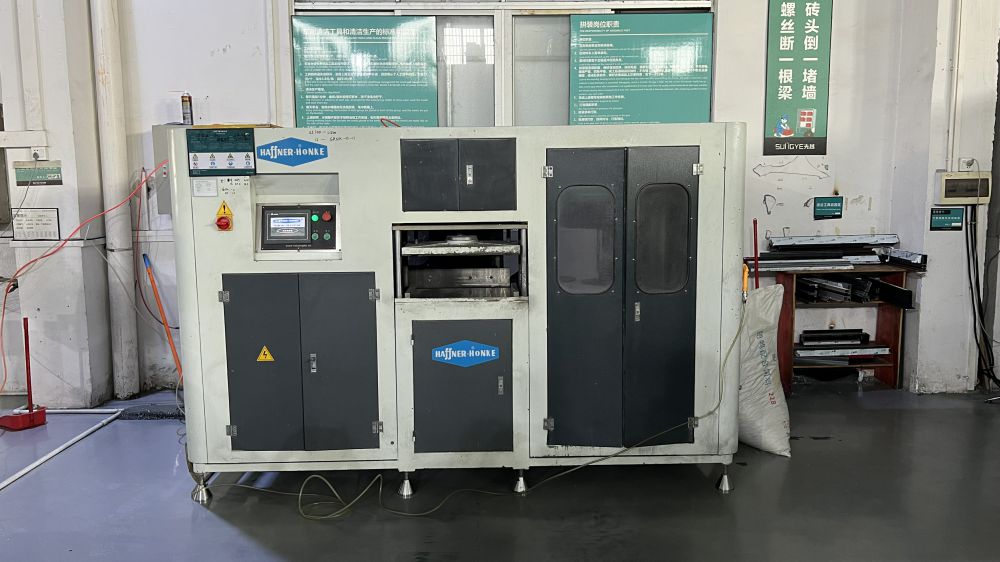
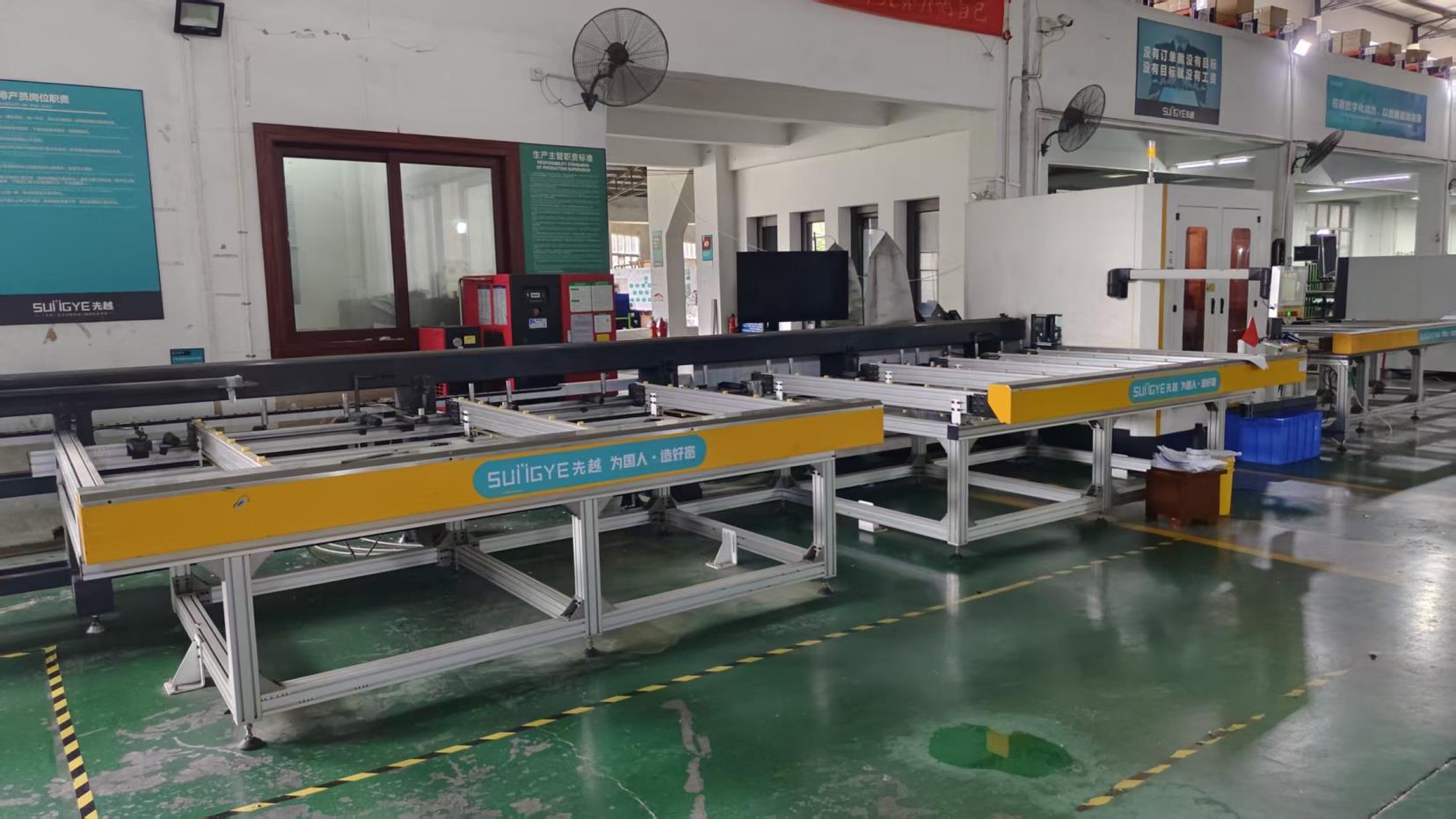
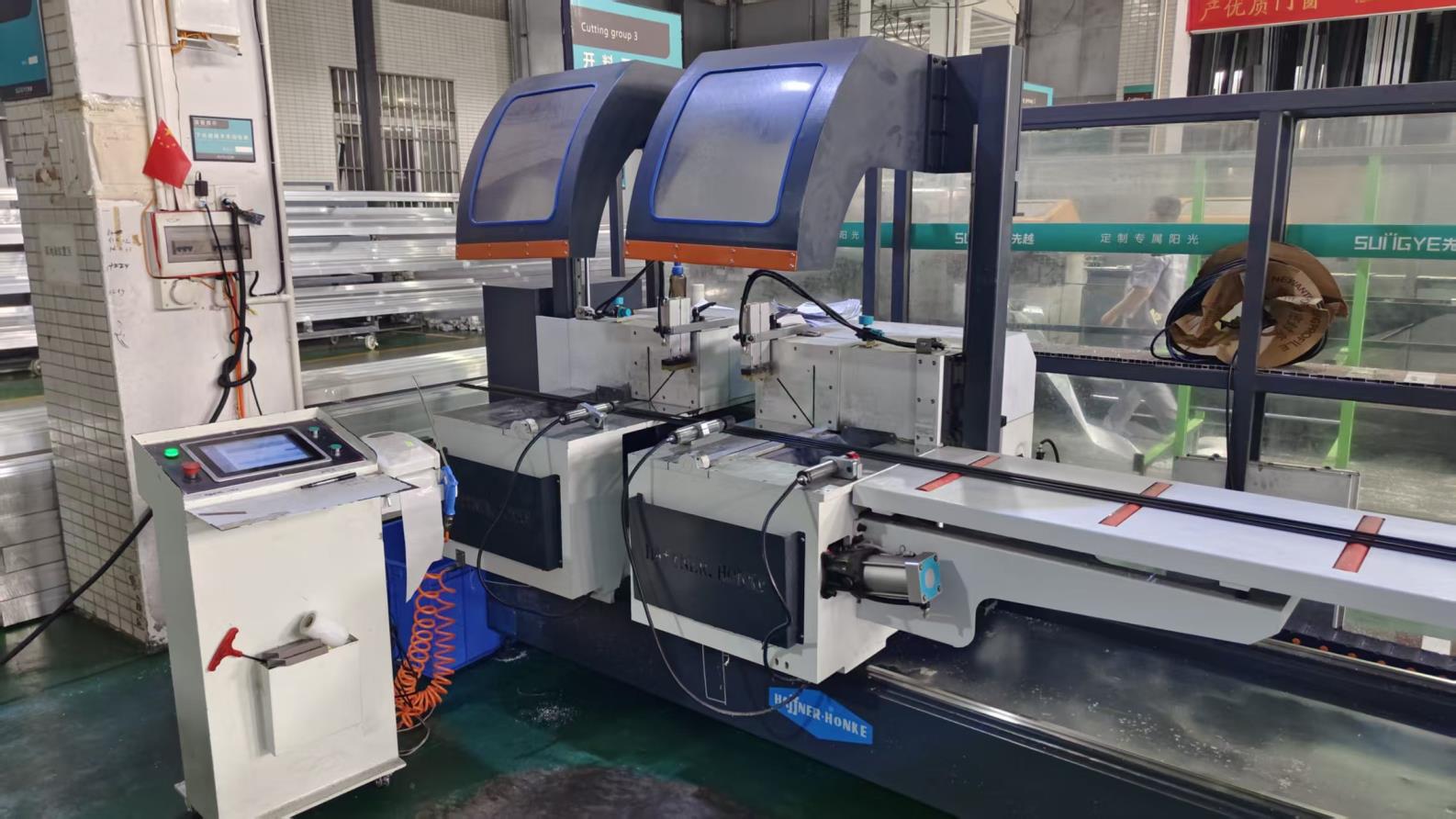
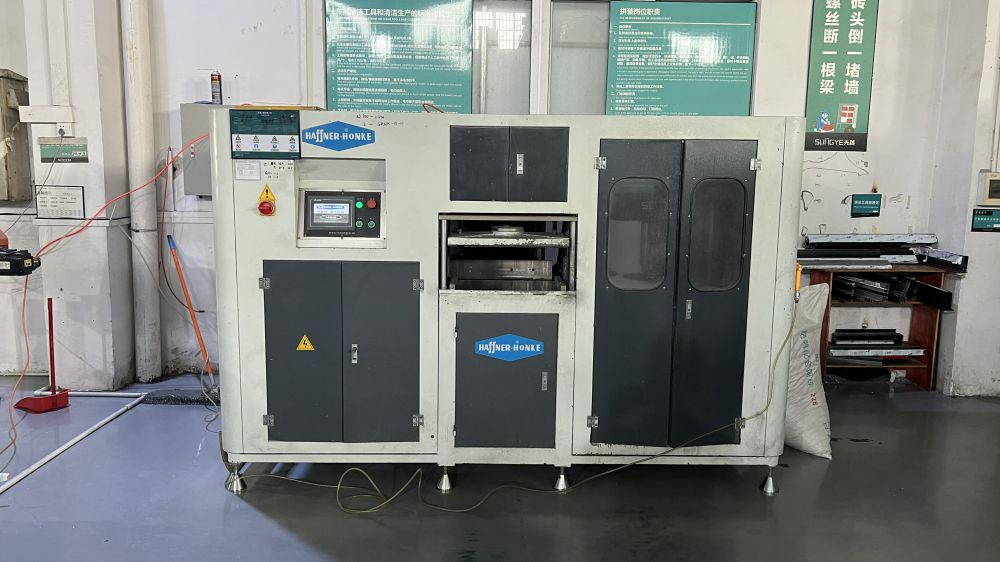
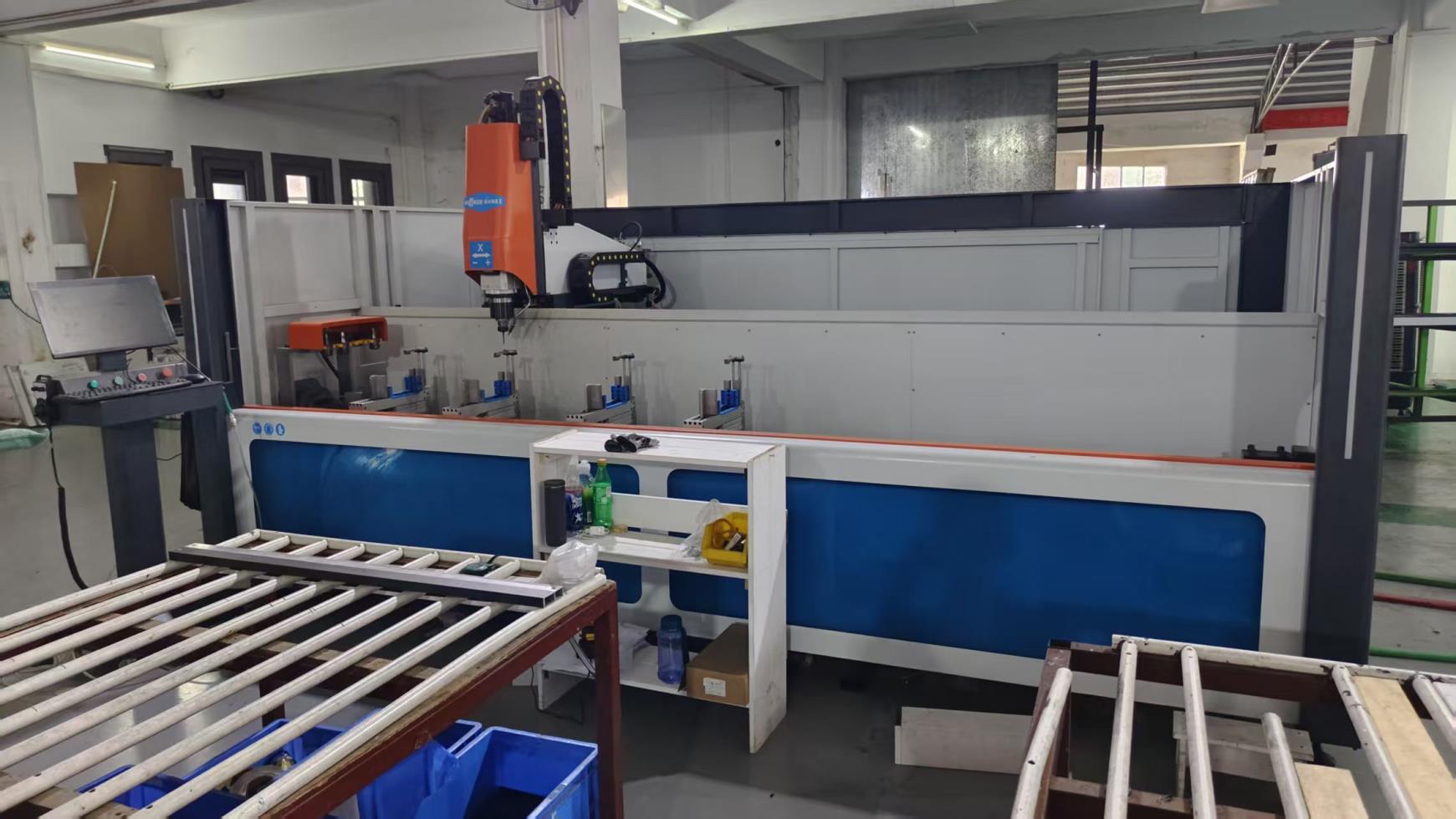
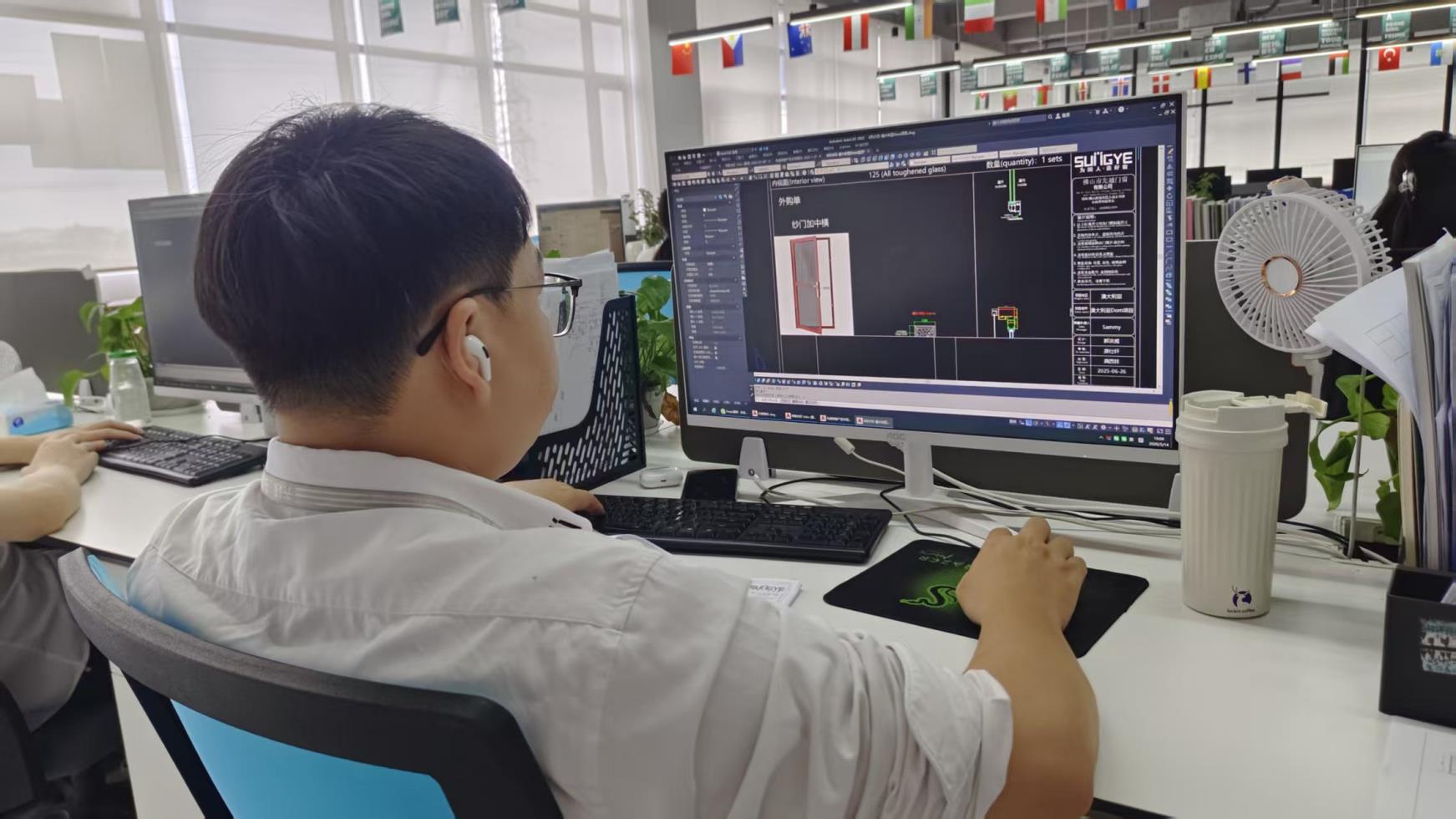
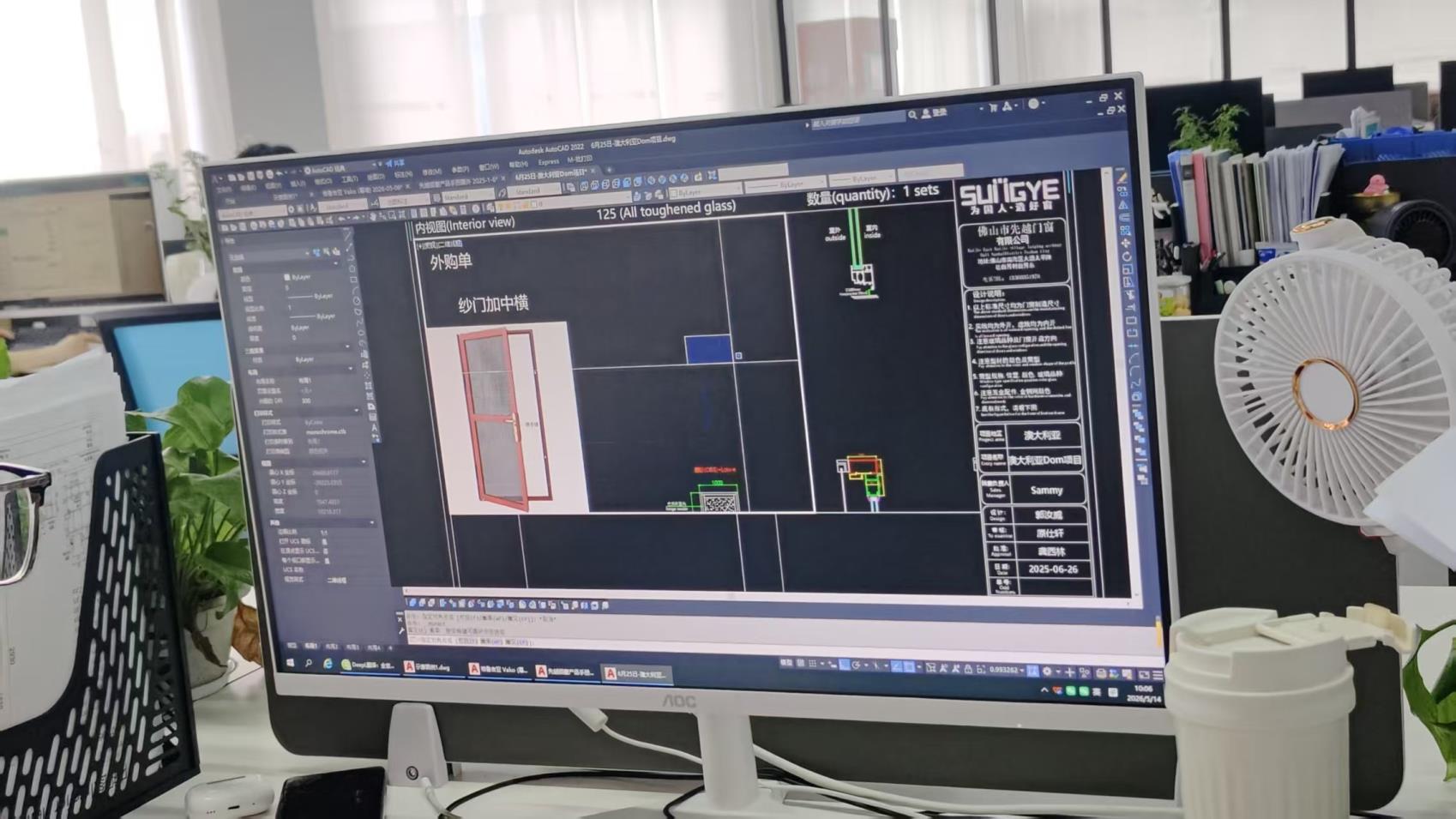
The performance of modern aluminium kitchen doors relies directly on the chemical composition of the alloy substrate and the precision of thermal break isolation. At Cresta Door & Window Co., Ltd., our engineering division leverages high-grade 6063-T6 primary aluminum extrusions. This alloy provides optimal tensile strength (yielding up to 210 MPa) while offering superior resistance to surface pitting and stress corrosion cracking under humid, grease-laden conditions typical of high-volume kitchen operations.
To prevent heat transfer between cooking zones and climate-controlled living quarters, Cresta incorporates high-density PA66-GF25 (25% glass-fiber reinforced polyamide) thermal break strips. This architectural barrier achieves thermal transmittance values (U-values) as low as 1.2 W/m²K, drastically reducing interior HVAC energy losses and preventing thermal condensation on inner door frames.
Culinary activities introduce vaporized oils, steam, and water runoff. Cresta's proprietary sealing architecture integrates continuous, non-aging EPDM gaskets along three concentric planes. Coupled with concealed sloping drainage channels, our kitchen doors prevent moisture entrapment, eliminating oxidation risks to internal hardware and maintaining smooth sliding/folding action over decades.
Recognizing the shift toward smart residential spaces, Cresta offers motorized lifting and folding mechanisms. Driven by silent brushless motors integrated into the head track, these intelligent systems connect with smart home protocols (Zigbee, Matter, RS485). Touchless sensors allow homeowners to open kitchen partitions smoothly when carrying cookware or food trays.
Exporting structural fenestration requires total alignment with destination regulatory codes, climatic conditions, and architectural styles. Guangzhou Cresta maintains comprehensive compliance testing protocols to serve global project managers, contractors, and distribution partners across Oceania, North America, Europe, and the Middle East.
Rigorous structural deflection, water penetration, and air infiltration testing ensuring safety across coastal Australia and cyclone-prone zones.
Thermal insulation and solar heat gain coefficient (SHGC) compliance matching strict North American energy conservation standards.
Conformity with EN 14351-1 safety, structural integrity, soundproofing, and hazardous material emission requirements.
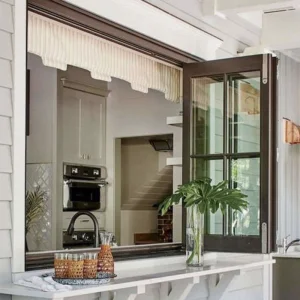
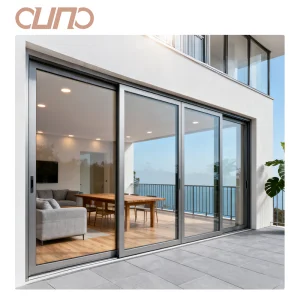
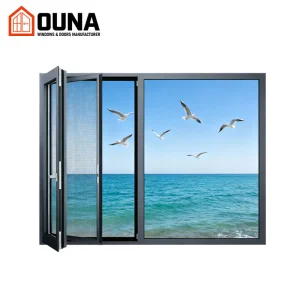
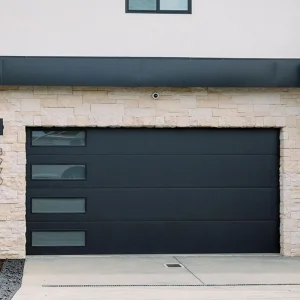
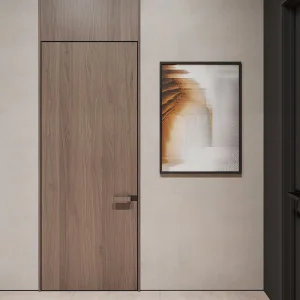
Our aluminium kitchen fenestration systems are engineered for diverse architectural setups:
In-depth responses regarding material properties, customization capabilities, lead times, and global shipping standards.
Complete your build with certified hurricane impact doors, thermal break casement windows, and luxury entryways.
 Cresta Window Tech