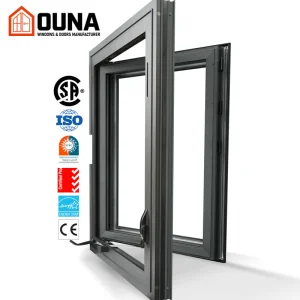
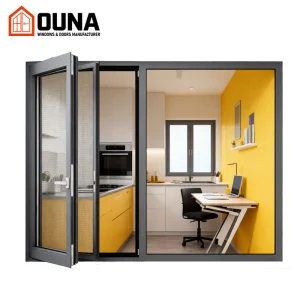
Explore our top-tier architectural casement and awning window series engineered specifically to satisfy strict energy performance codes (SBC 601/602) and extreme ambient weather conditions in the Gulf region.
Riyadh, the fast-expanding capital of the Kingdom of Saudi Arabia, is undergoing an unprecedented architectural renaissance fueled by Saudi Vision 2030 giga-projects such as the King Salman Park, the Diriyah Gate Development, and the New Murabba. However, building in the Najd plateau presents severe meteorological challenges that demand specialized engineering for exterior envelope components.
The Riyadh microclimate is characterized by extreme diurnal temperature fluctuations—where ambient daytime summer temperatures frequently exceed 48°C (with direct structural aluminum surface temperatures topping 70°C) dropping rapidly at night. Furthermore, intense ultraviolet radiation and periodic high-velocity particulate events (Haboob sandstorms) impose heavy mechanical and thermal stress on window systems.
For tier-one commercial developers, facade consultants, and master contractors working in Riyadh, selecting a qualified casement windows exporter requires verifying structural integrity, air-tightness against airborne desert dust, and strict alignment with the Saudi Building Code (SBC 601/602) regarding thermal performance and energy conservation.
Standard uninsulated aluminum window profiles act as thermal bridges, rapidly transferring intense exterior radiant heat into air-conditioned interior spaces. In high-density office towers and luxury villa developments across Riyadh, uninsulated fenestration results in astronomical HVAC energy consumption and thermal stress fractures.
Our casement windows utilize 24mm to 34mm multi-cavity glass-fiber reinforced polyamide (PA66 GF25) thermal barriers, creating a structural break that cuts frame heat conduction by up to 68%.
Integrated with triple-silver Low-Emissivity (Low-E) insulated glass units (IGUs) filled with 90% Argon gas, achieving Solar Heat Gain Coefficients (SHGC) as low as 0.21 to block infrared radiation.
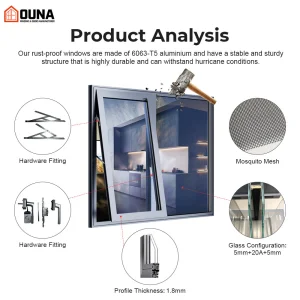
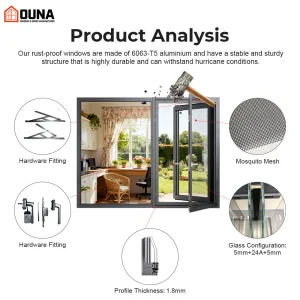
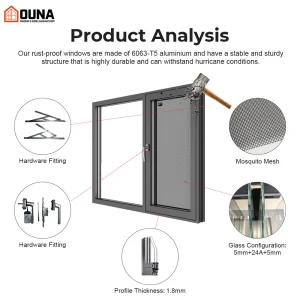
Fabricated using primary architectural-grade 6063-T6 aluminum extrusion alloys, offering yield strengths exceeding 170 MPa to withstand high dynamic wind pressures during desert storms.
| Performance Metrics | Standard Uninsulated Window | OUNA Thermal Break Casement System | Saudi Building Code Target |
|---|---|---|---|
| U-Factor (Overall Frame & Glass) | 4.5 - 5.8 W/m²K | 1.1 - 1.5 W/m²K | ≤ 1.8 W/m²K |
| Solar Heat Gain Coefficient (SHGC) | 0.65 - 0.78 | 0.20 - 0.24 | ≤ 0.25 |
| Air Infiltration Rate (ASTM E283) | 1.2 L/s·m² | 0.05 L/s·m² (Triple Sealed) | ≤ 0.3 L/s·m² |
| Acoustic Attenuation (STC) | 24 - 28 dB | 42 - 48 dB | ≥ 38 dB |
| Sand/Dust Sealing Capability | Single EPDM Gasket | Co-extruded Continuous EPDM Triple Gasket | Multi-seal Barrier |
Procuring custom aluminum fenestration for major projects in Saudi Arabia requires seamless logistics coordination, complete compliance documentation, and guaranteed structural repeatability. Key considerations for procurement teams importing casement windows into the Riyadh market include:
Request detailed technical datasheets, CAD drawings, and factory direct quotes tailored for your upcoming development in Riyadh.
Send Inquiry NowAs architectural styles in Riyadh shift toward minimalist aesthetics paired with smart building autonomy, casement windows are evolving beyond static envelope barriers into multi-functional climate responses.
Motorized casement operators capable of connecting directly with automated Building Management Systems (BMS) for night-purge natural ventilation strategies, lowering HVAC energy loads during milder winter months in Riyadh.
Hermetically sealed magnetic or motorized blind systems embedded within double or triple glazed cavity units, protecting sunshades permanently from abrasive desert dust and mechanical damage.
High-density micro-mesh stainless steel screens (316 Marine Grade) engineered to strain ultrafine sand particles while maintaining clear optical clarity and ventilation integrity.
Entering the Saudi Arabian construction market requires strict compliance with the Saudi Standards, Metrology and Quality Organization (SASO). Non-compliant products face immediate rejection at customs ports. Our manufacturing infrastructure is customized to ensure compliance across all operational stages:
Every product line exported to Riyadh receives an authenticated Product Certificate of Conformity (PCoC) and Shipment Certificate of Conformity (SCoC) via the SABER e-platform prior to factory dispatch.
Surface treatments utilize AkzoNobel or PPG Fluorocarbon (PVDF) 3-coat finishes, tested under accelerated salt spray and UV weathering tests (ASTM G154) to guarantee color retention against intense UV exposure.
Established in 2015, Guangzhou Cresta Door & Window Co., Ltd. operates a state-of-the-art 18,000-square-meter manufacturing facility. Backed by 11 years of industry experience and 7 years of international trade operations, we achieve an annual export turnover of $22 million across Southeast Asia, the Middle East, and Oceania. We mainly supply custom home builders, renovation contractors, and regional wholesalers.
To ensure top-tier craftsmanship, our team of 30 QC inspectors strictly enforces ISO-certified optical surface inspections and weatherproofing seal tests. With a reliable network of 550 upstream suppliers, Cresta excels in tailored solutions such as custom acoustic insulation, motorized insect screens, and slim-frame sliding doors. Supported by an active R&D division of 35 specialized engineers, we released 38 new product series over the past year.
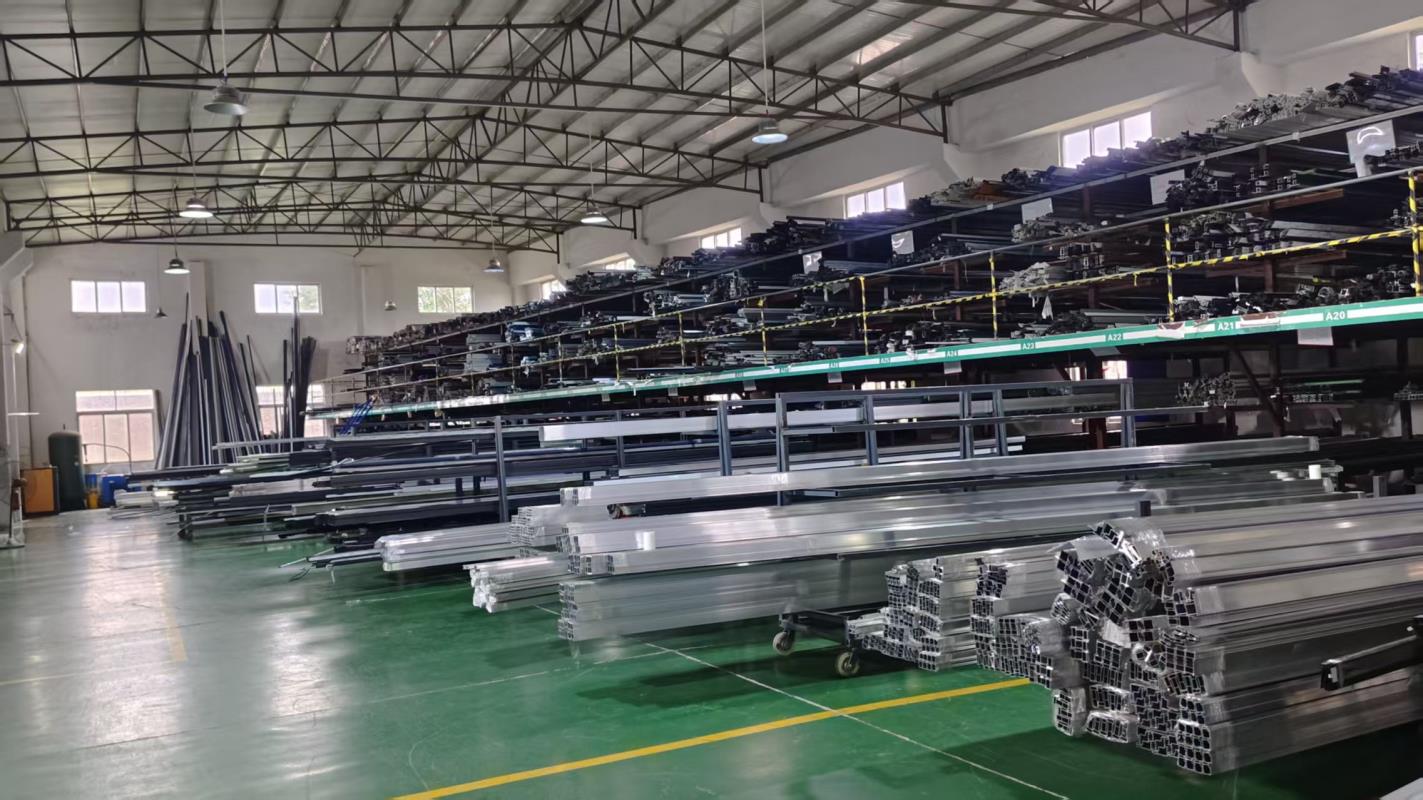 Raw Materials
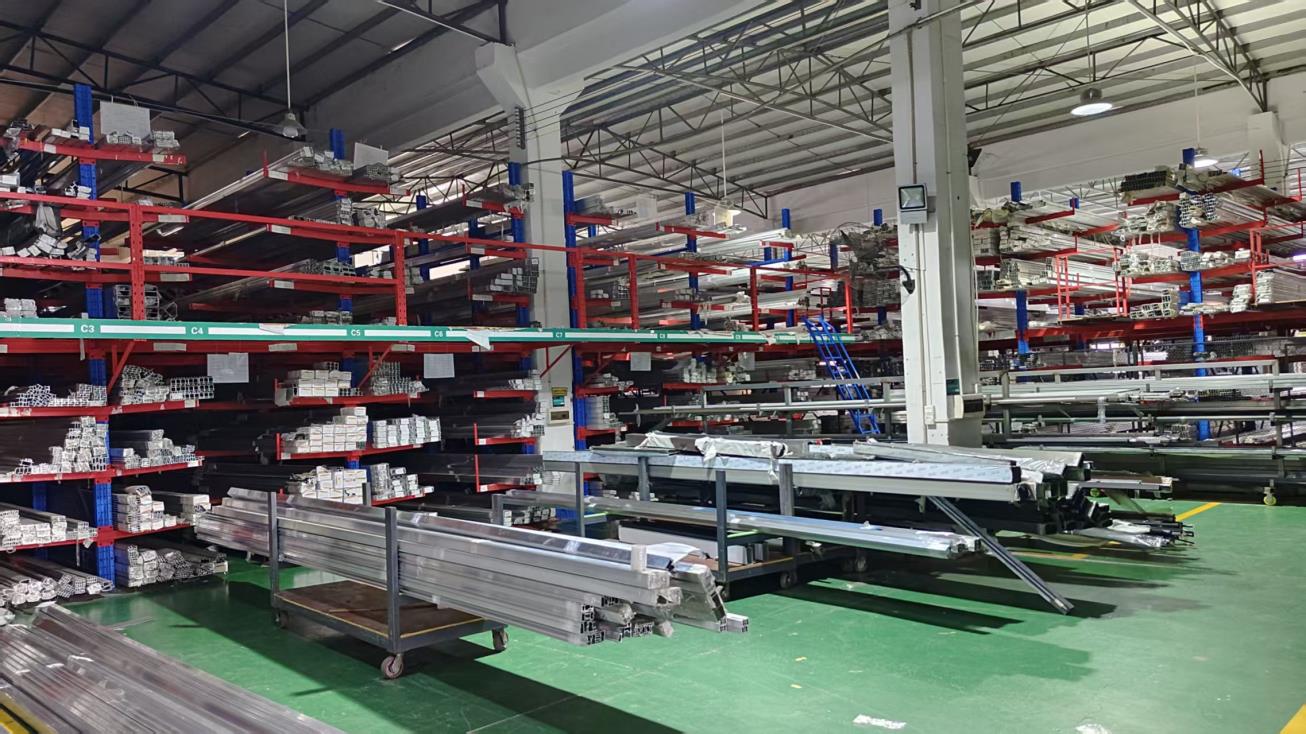 Raw Materials
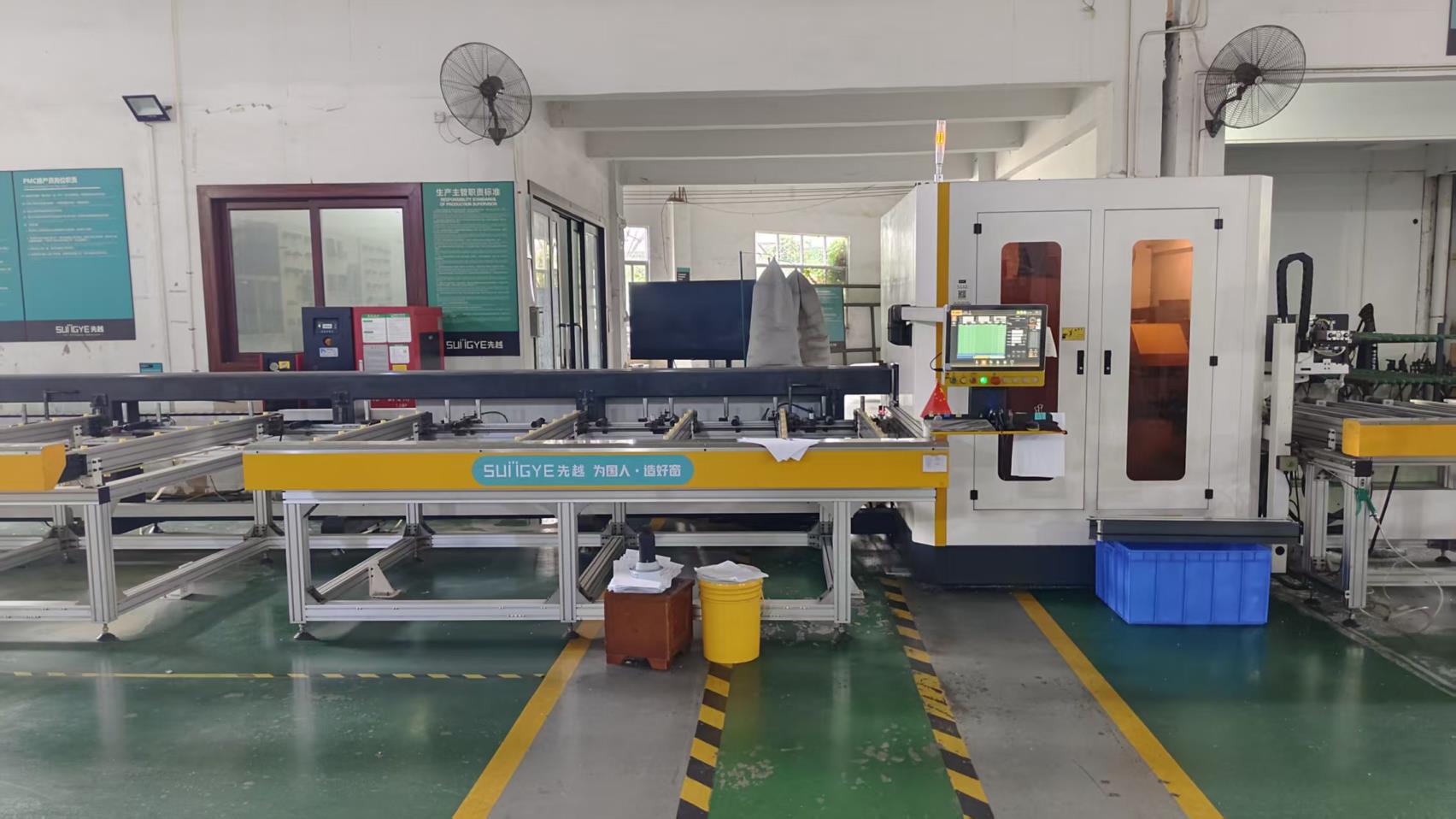 CNC Cutting
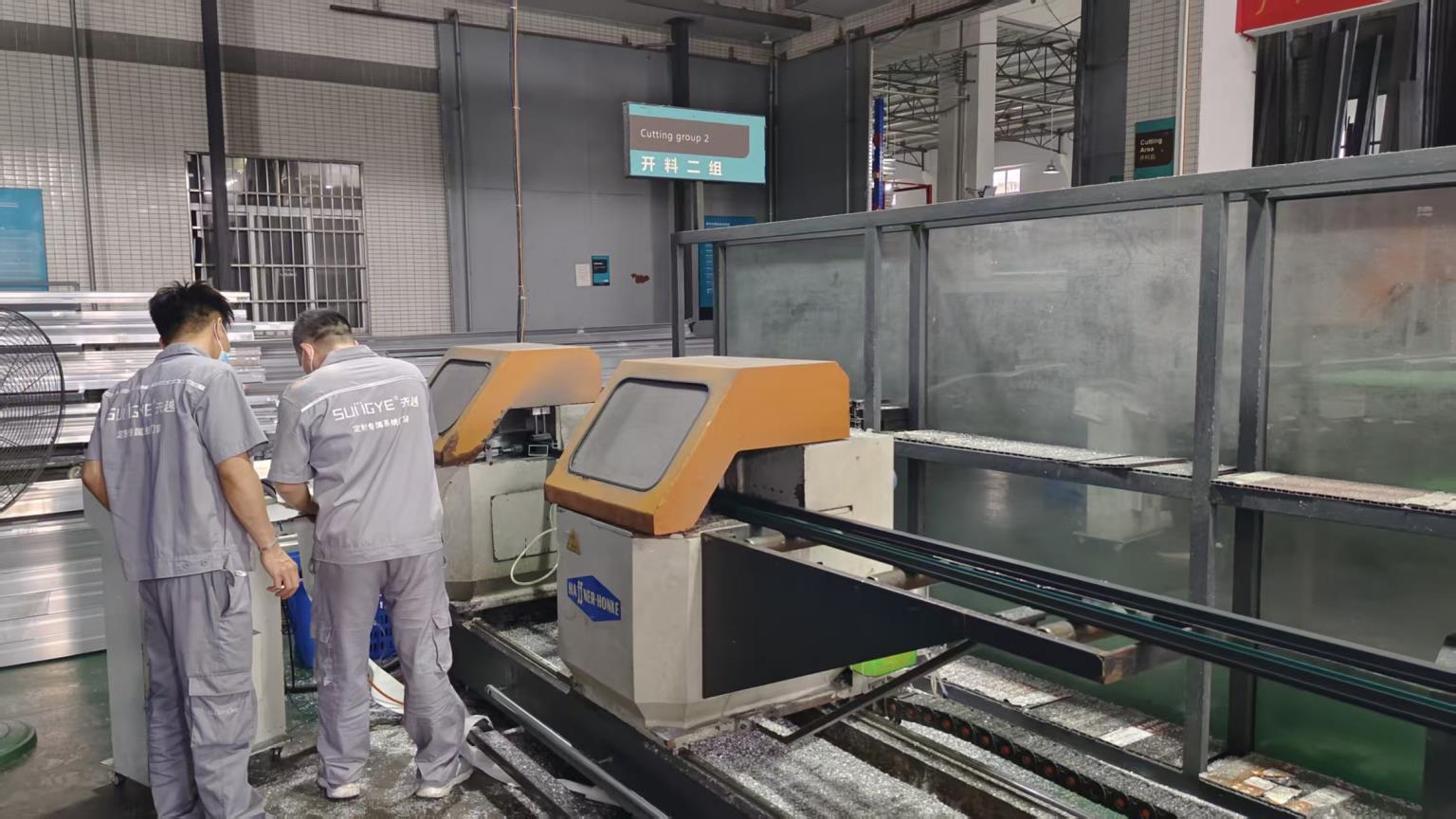 Cutting
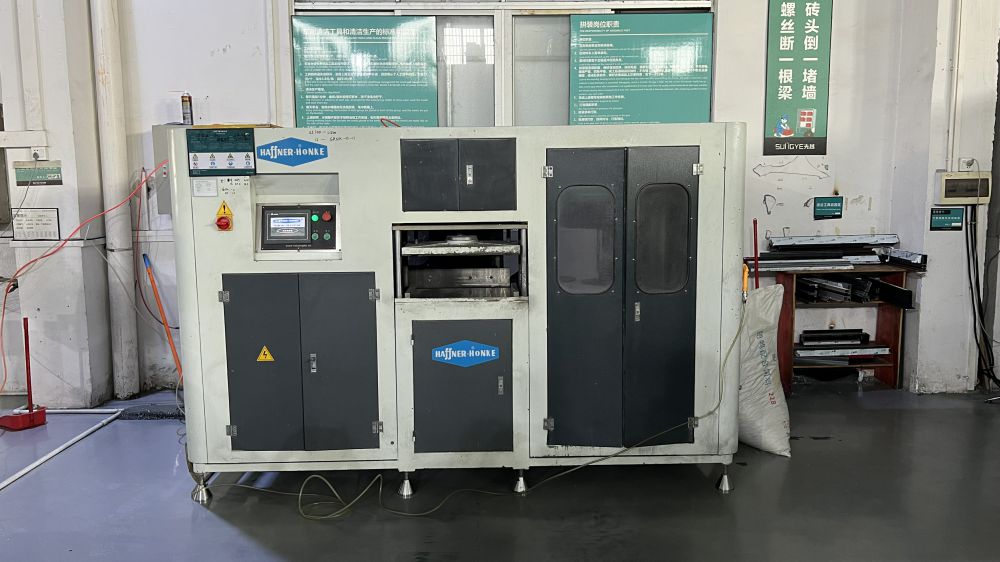 CNC Face Milling
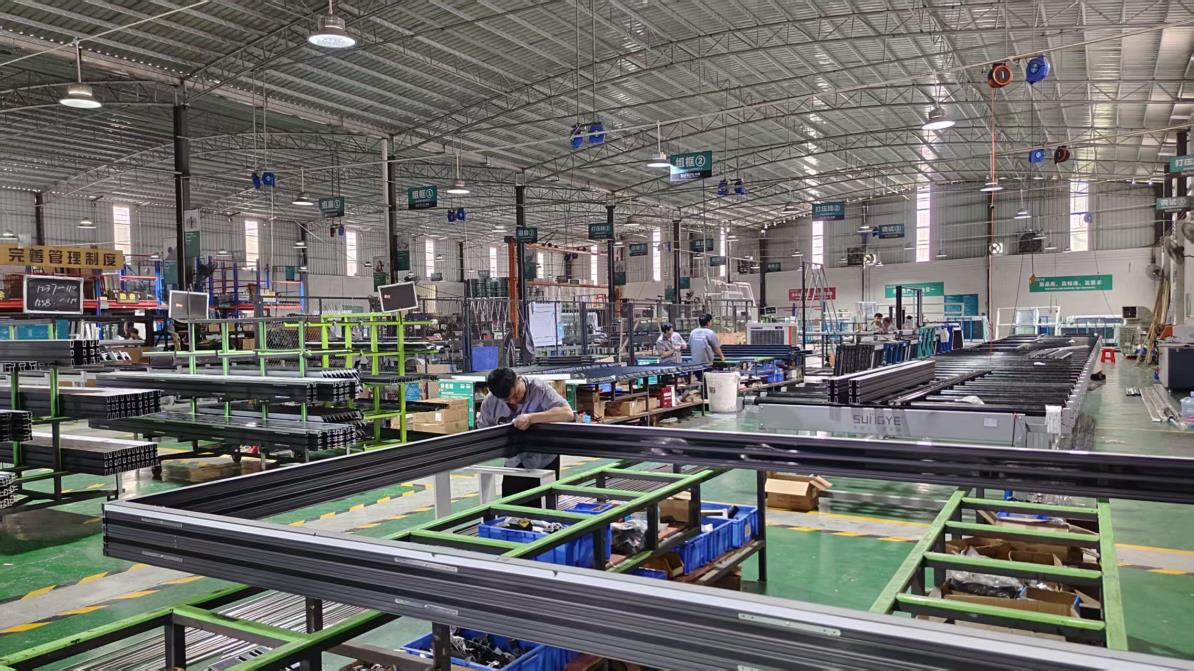 Assembling
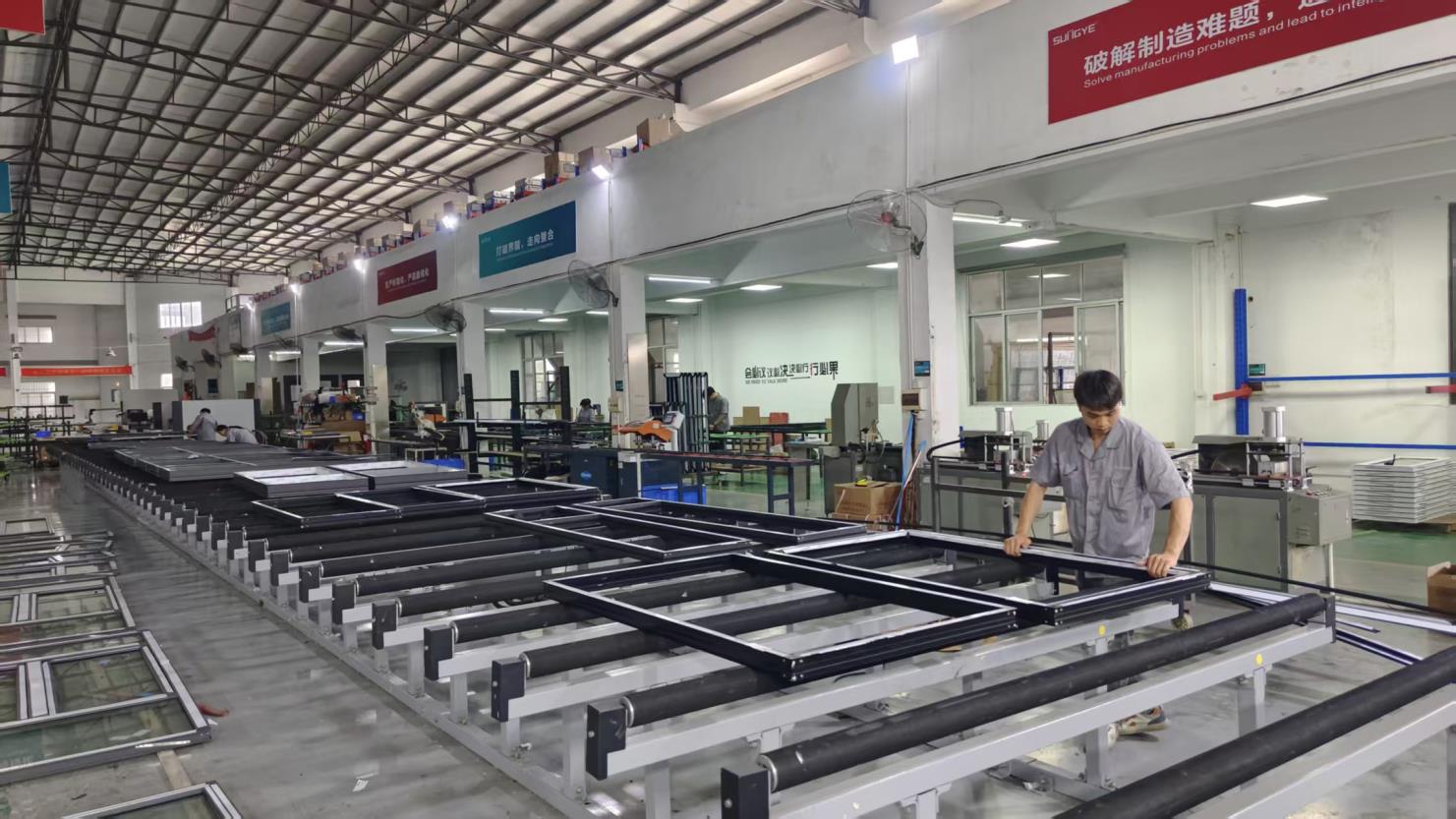 Assembling
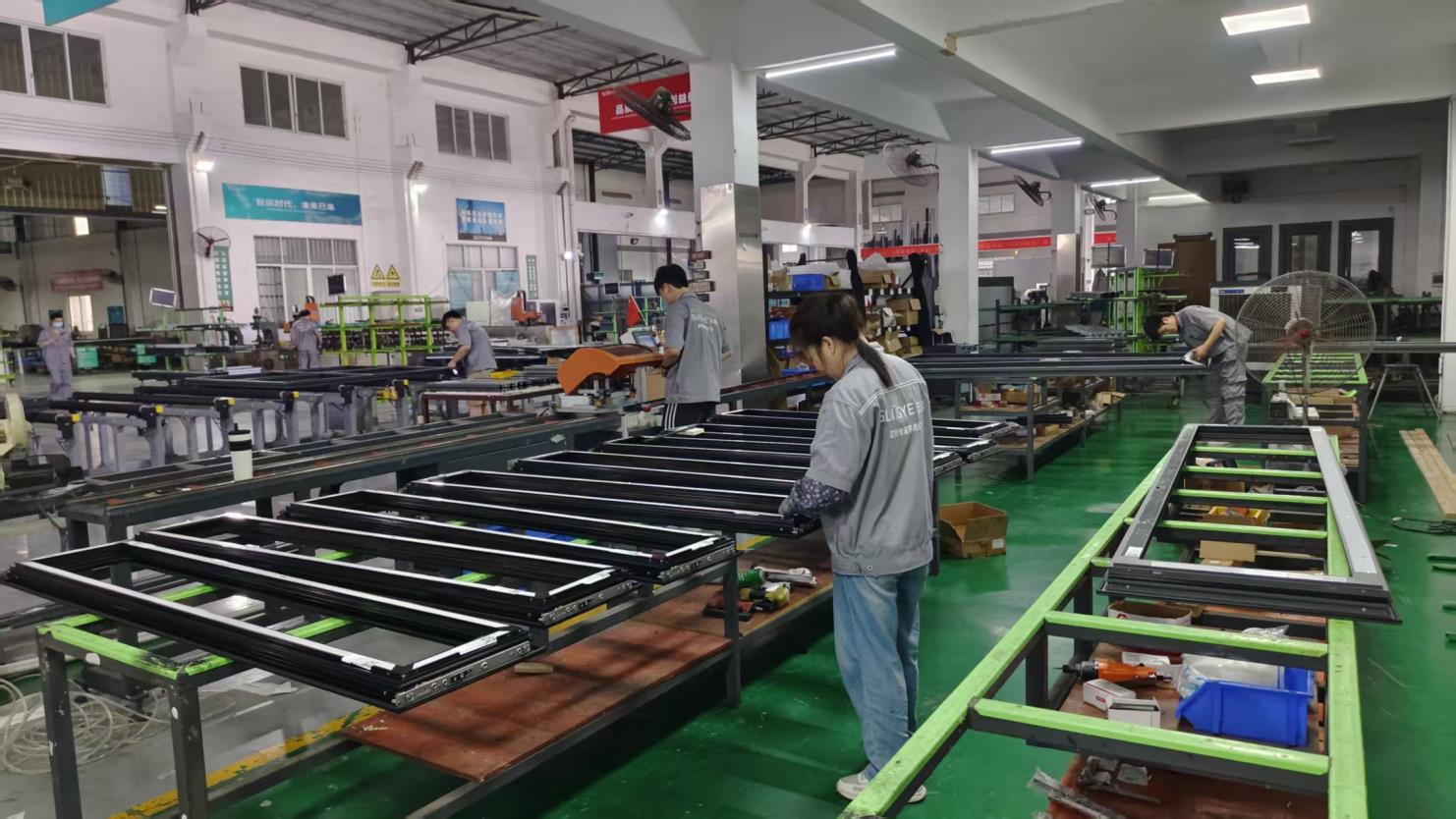 Assembling
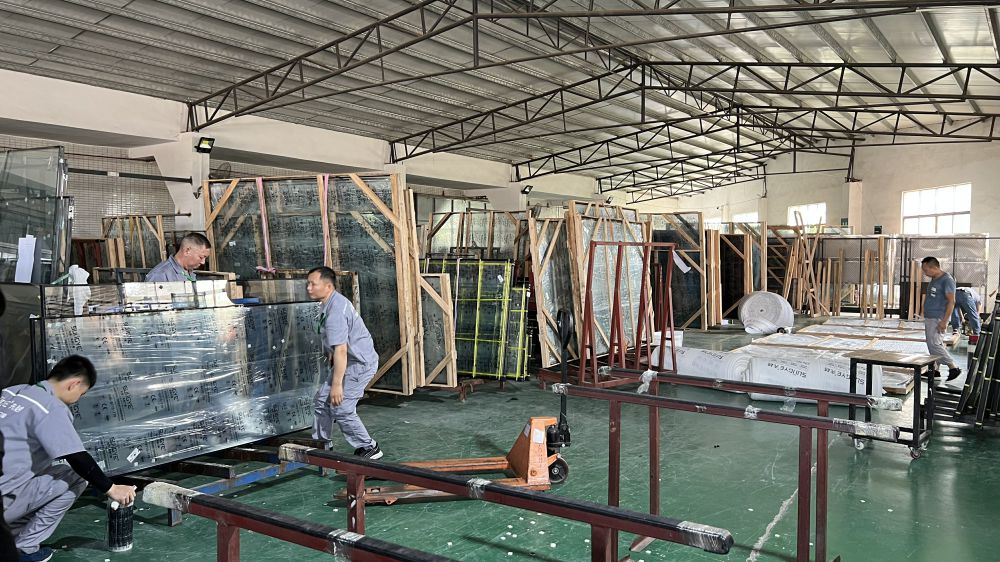 Glass Assembling
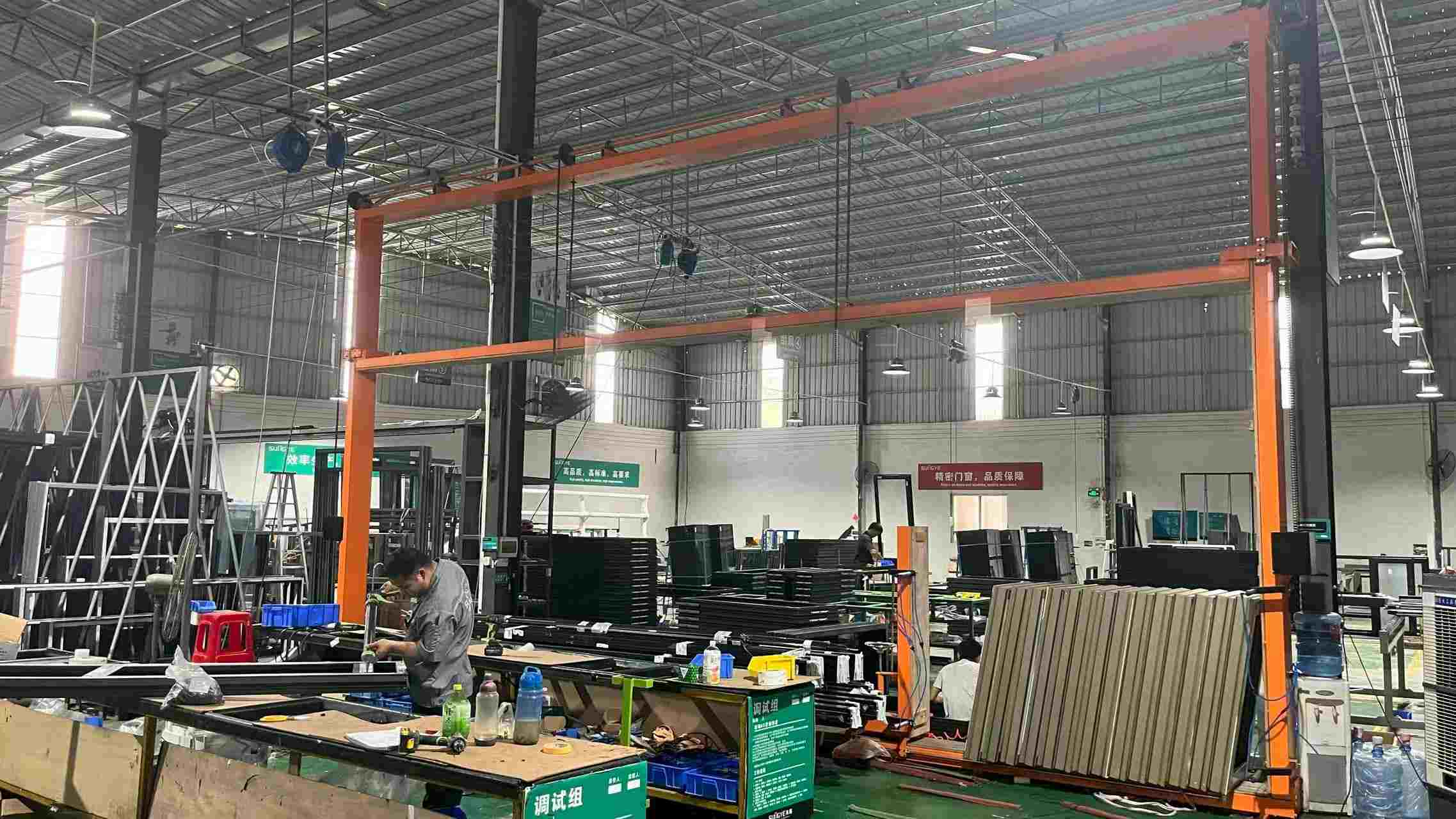 Debugging
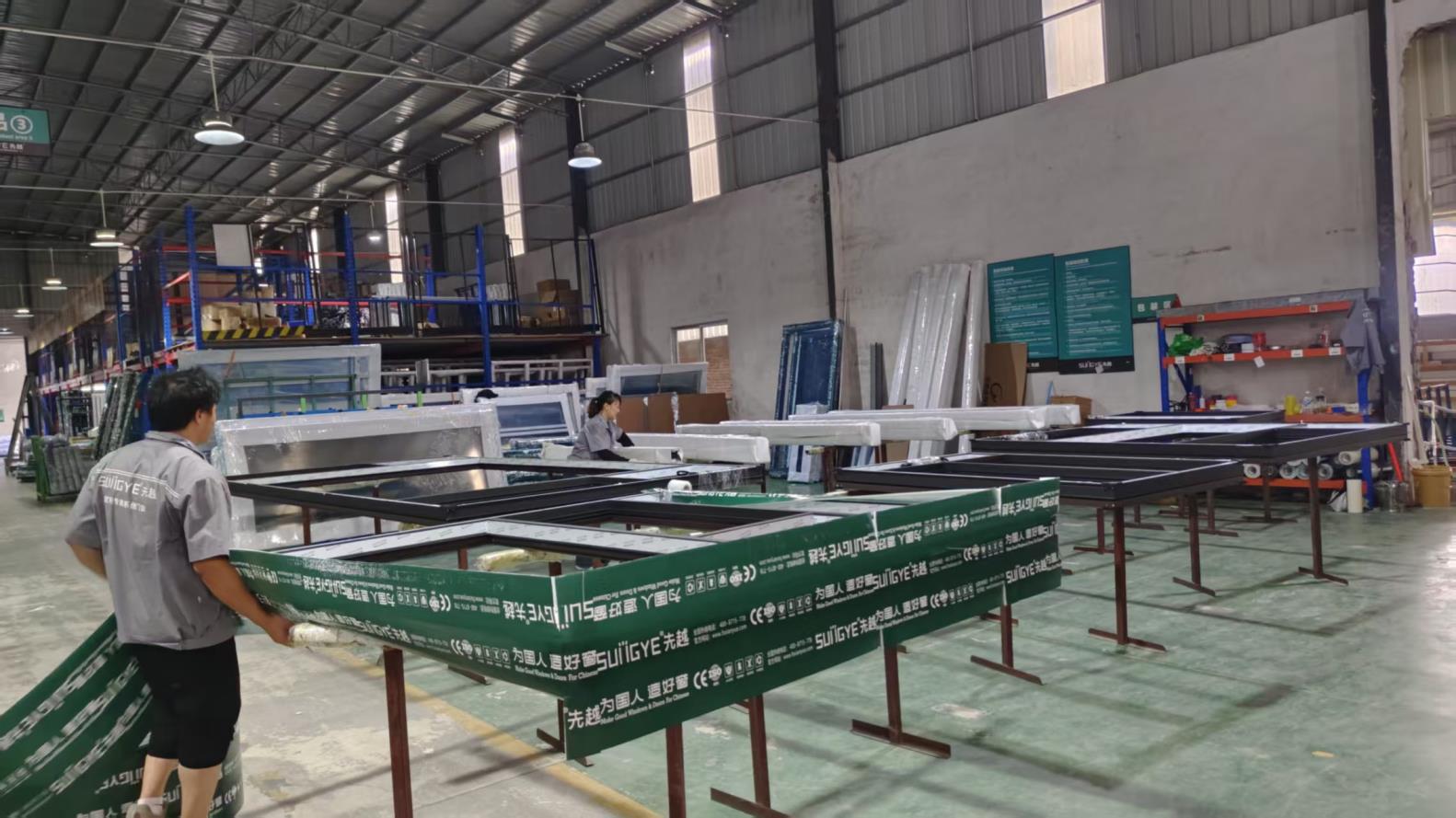 Packaging
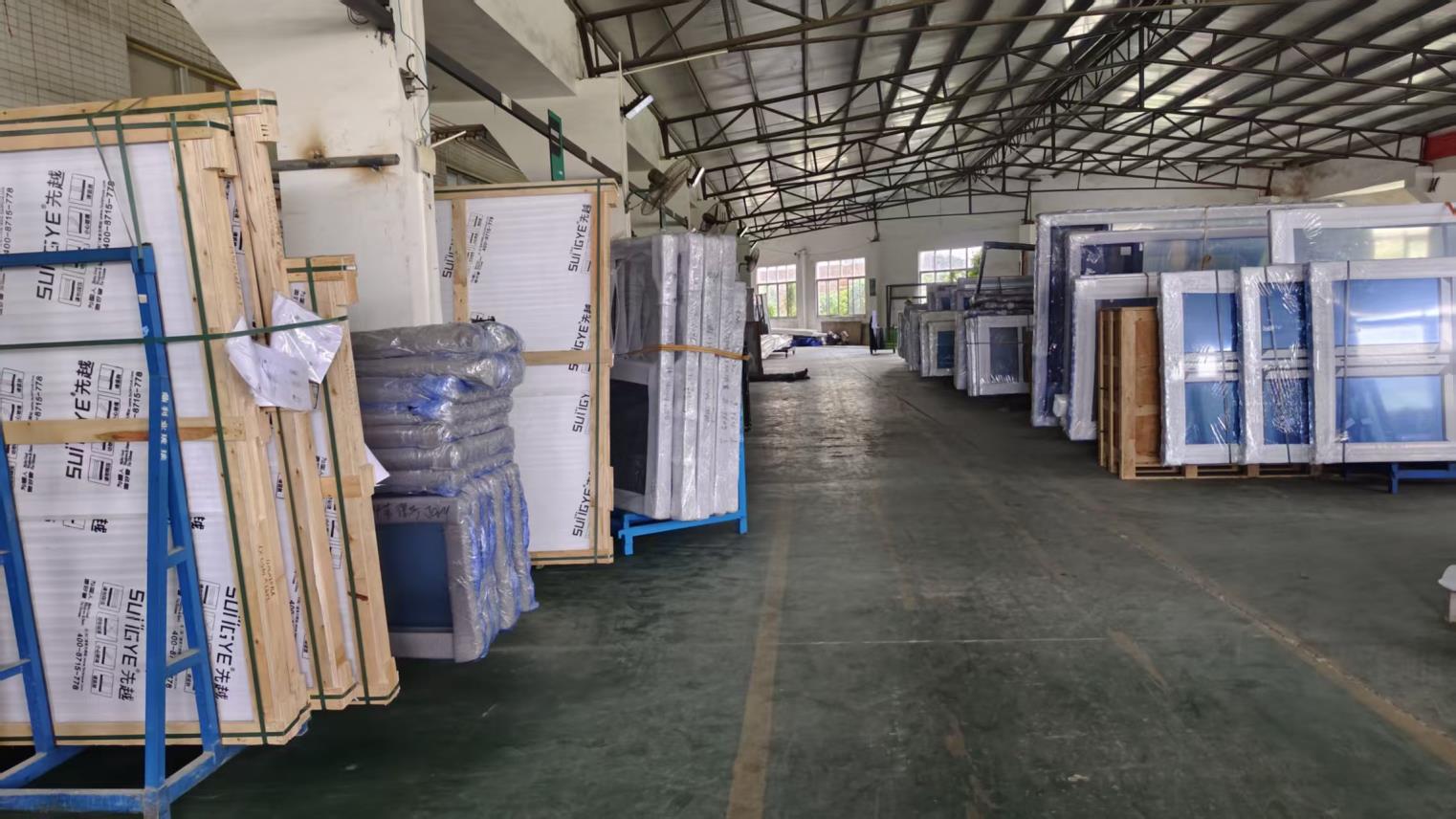 Warehouse
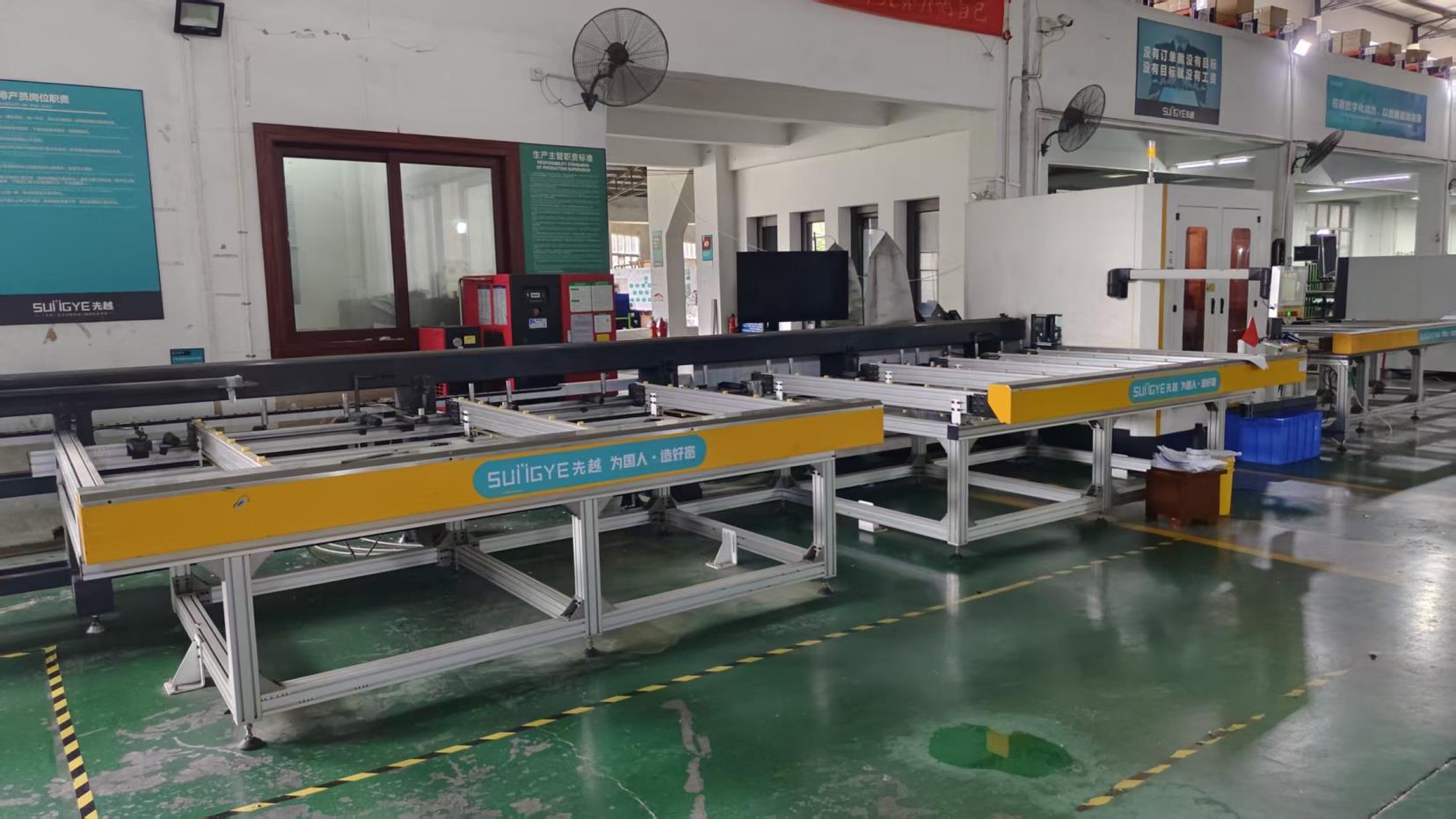 CNC Cutting Machine
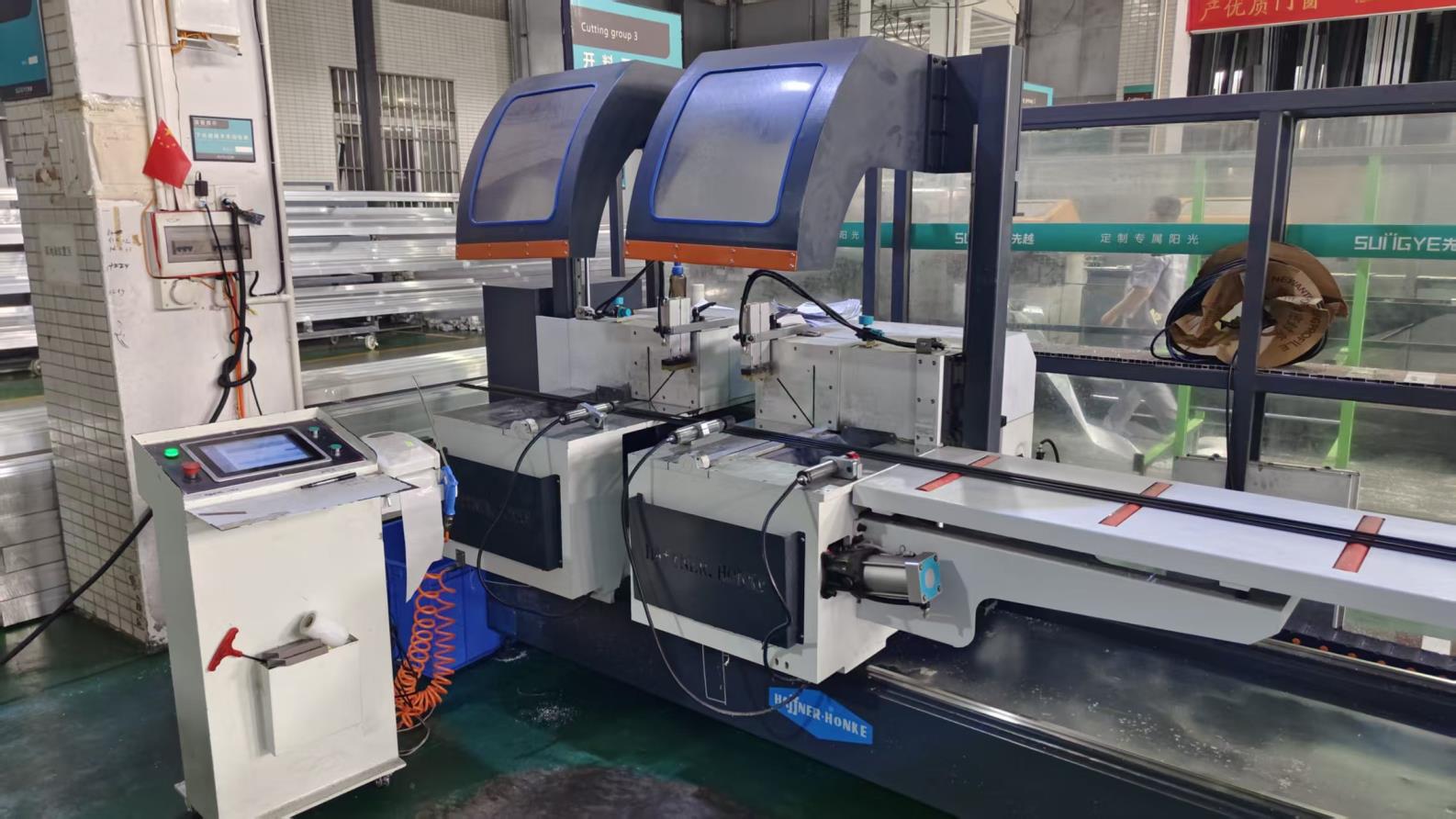 Cutting Machine
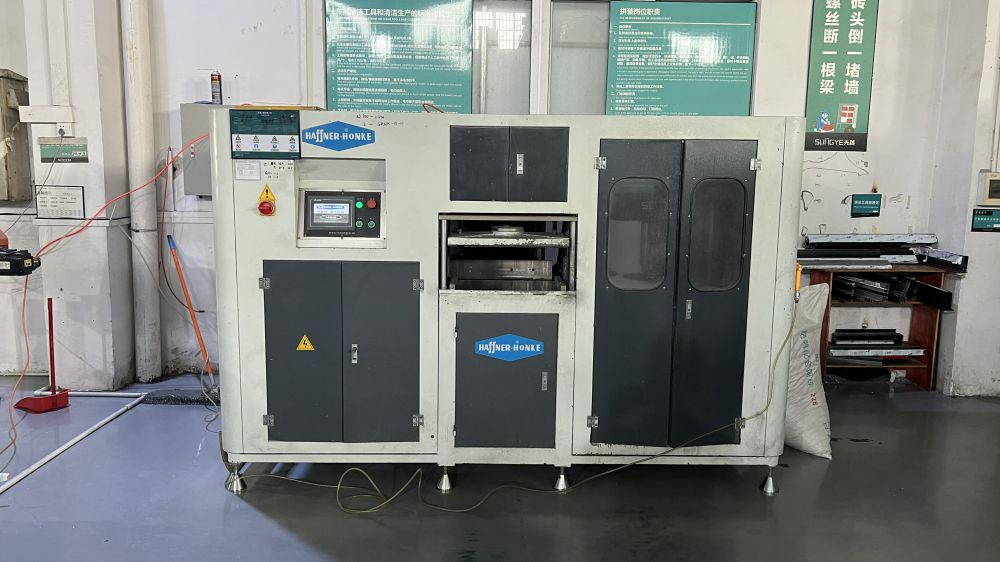 CNC Face Milling Machine
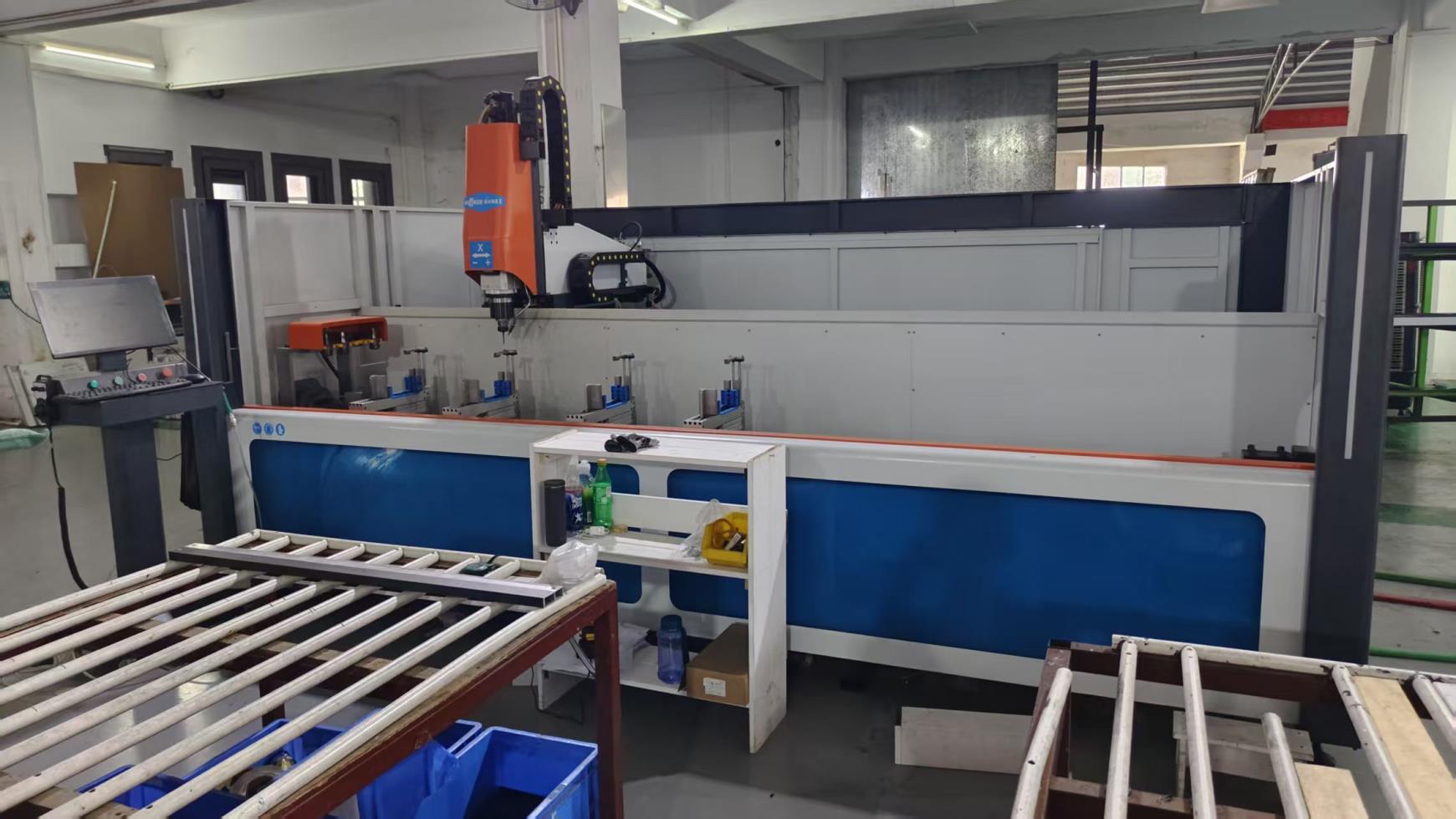 Drilling Machine
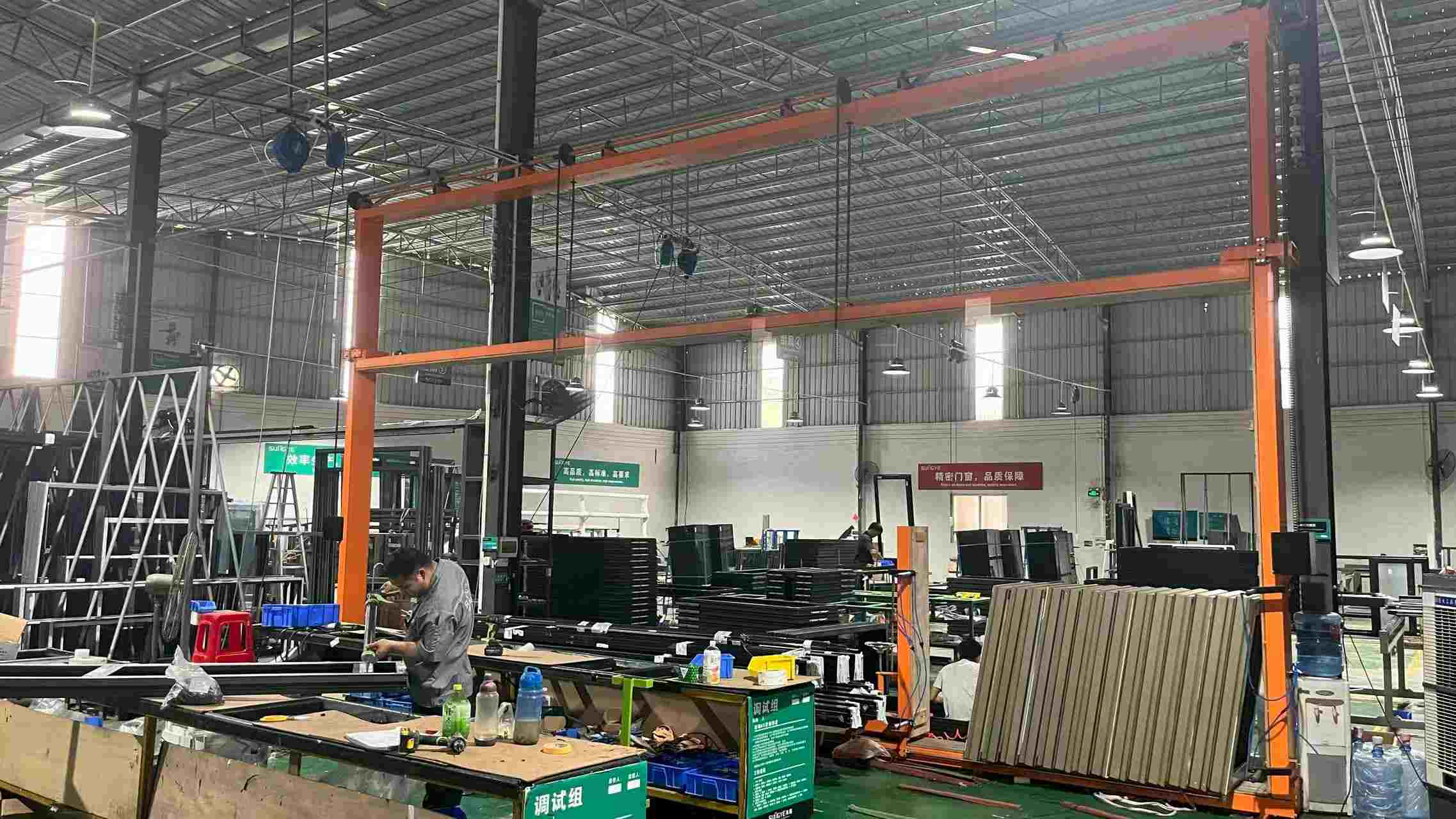 Debugging
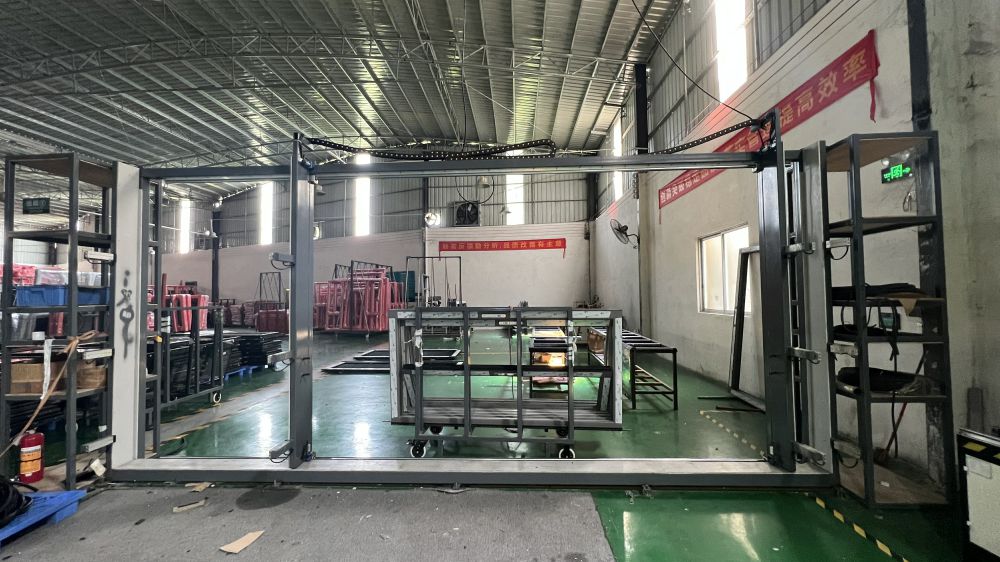 Debugging Frame
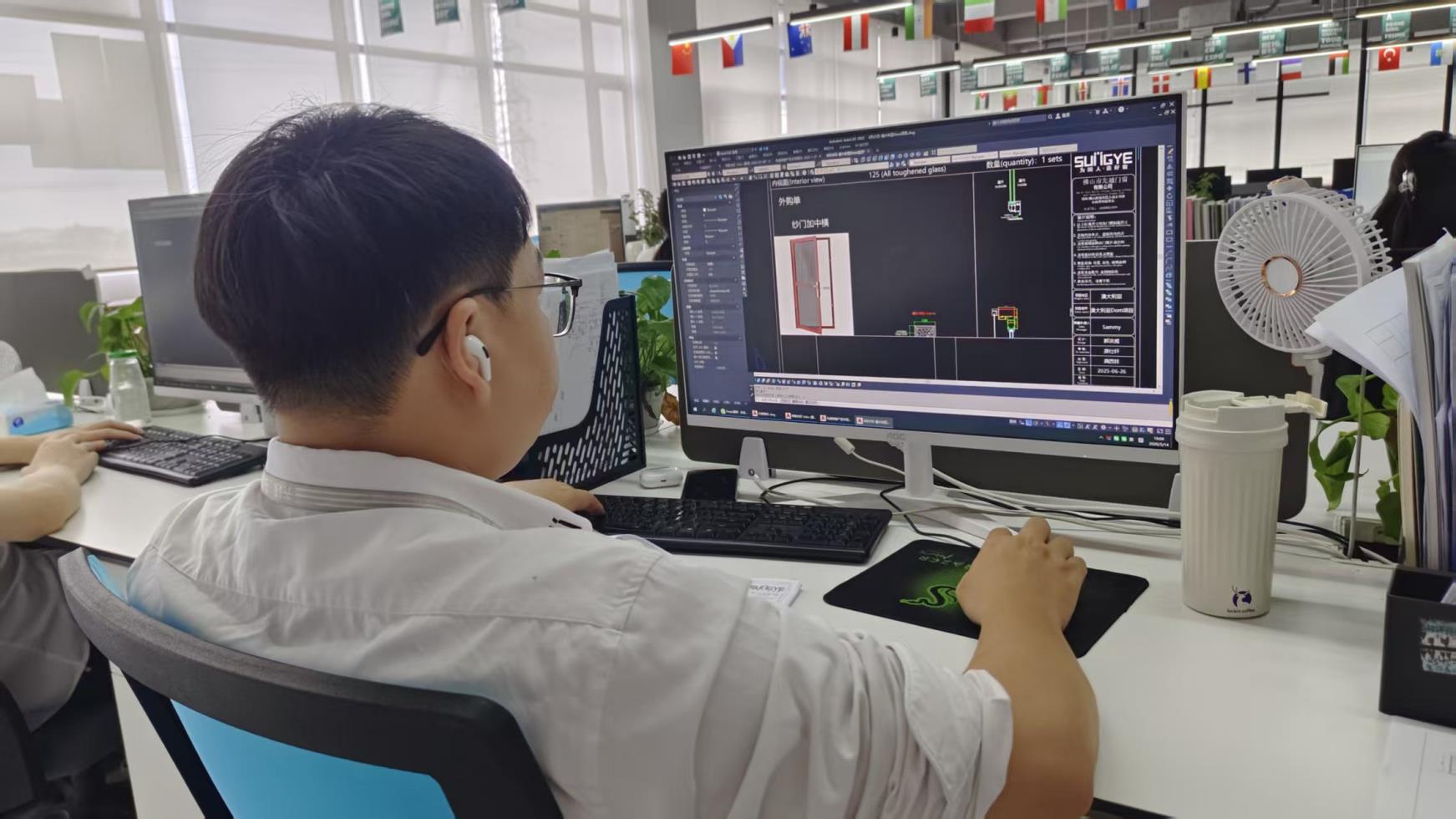 Drawing
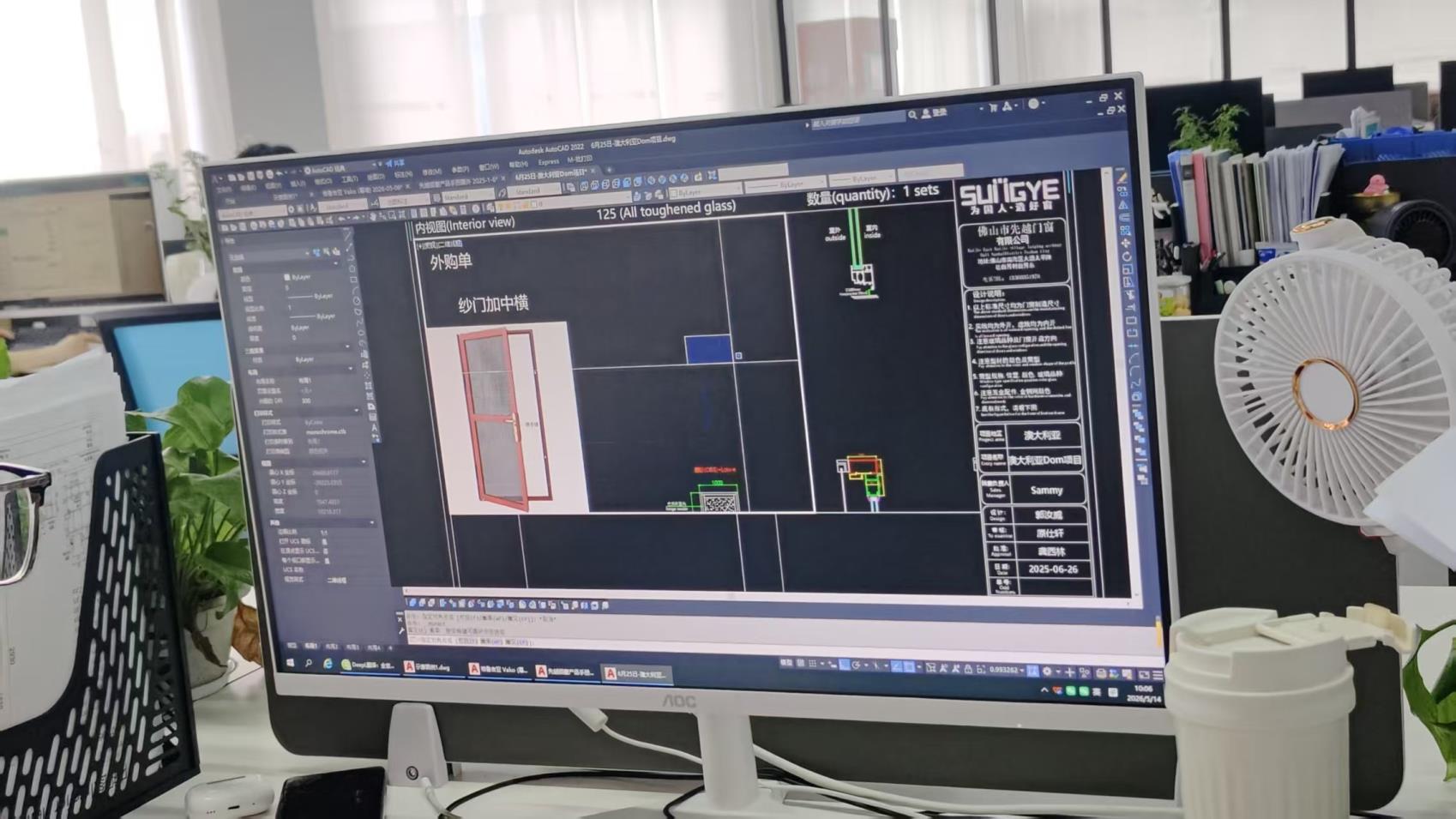 Computer
Looking toward the decade ahead, fenestration technology for hot and dry regional climates is shifting toward hyper-efficient active envelopes. Cresta's R&D team is pioneering breakthroughs in three primary sectors:
Integrating 0.3mm vacuum gaps to eliminate conductive and convective heat transfer completely, providing center-of-glass U-factors below 0.6 W/m²K in ultra-slim profiles.
Developing semi-transparent Building Integrated Photovoltaic (BIPV) casement units that convert intense Saudi solar radiation directly into electrical power for building automation systems.
Smart glass layers that adjust solar heat gain coefficient (SHGC) dynamically based on real-time solar intensity, eliminating the need for exterior mechanical louvers.
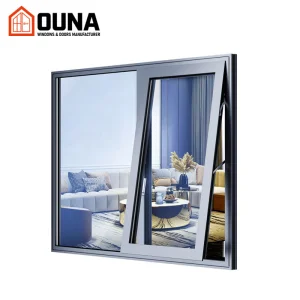
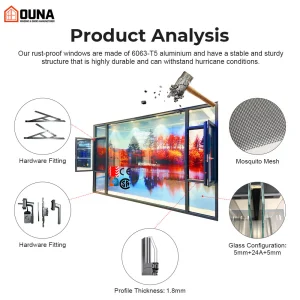
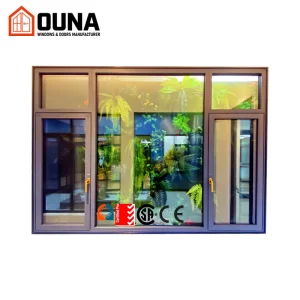
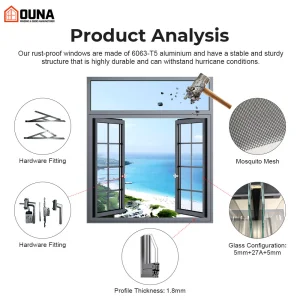
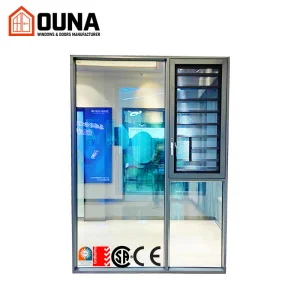
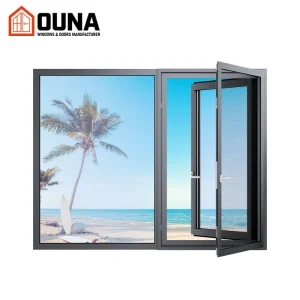
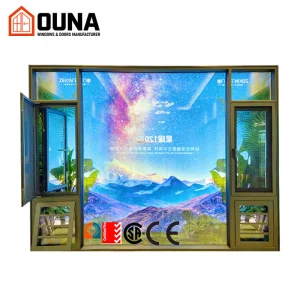
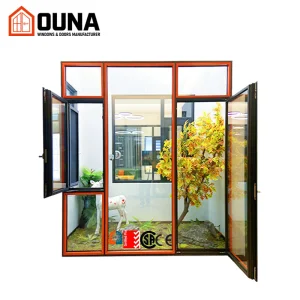
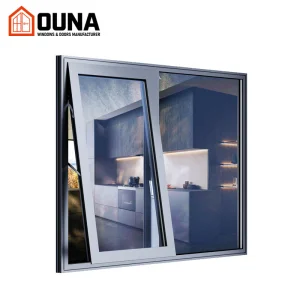
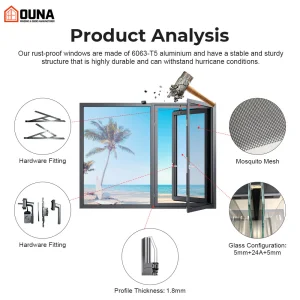
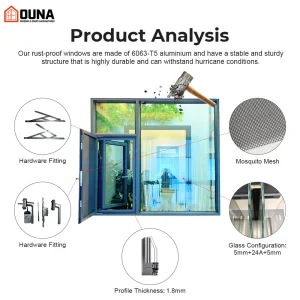
Browse our complete spectrum of certified window profiles, engineered with hurricane-impact resistance, thermal barriers, and custom acoustic glass options.
Get in touch with our engineering team today to review structural shop drawings, request physical samples, or secure bulk pricing for commercial developments in Saudi Arabia.
Send Inquiry Now Cresta Window Tech