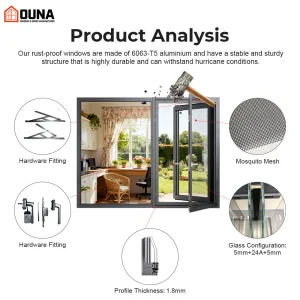
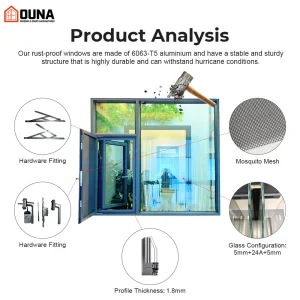
Premium precision-engineered casement and awning windows configured for tropical weather tightness, hurricane wind resistance, and optimal solar energy control.
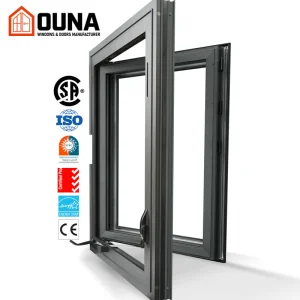
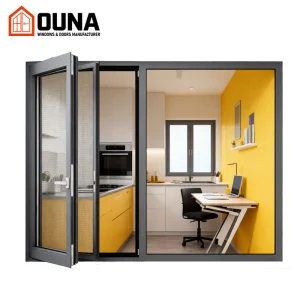
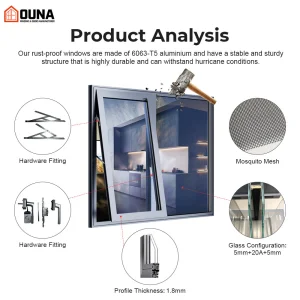
The Democratic Socialist Republic of Sri Lanka is undergoing a transformative structural shift in its real estate and infrastructure landscape. From the ambitious multi-billion-dollar Colombo Port City financial district to expansive luxury hospitality developments along the southern coastline of Galle, Bentota, and Mirissa, architectural specifications are advancing at an unprecedented rate. High-performance aluminum casement windows have emerged as the single most critical structural element for envelope performance, thermal comfort, and acoustic attenuation in South Asian tropical urban environments.
However, Sri Lanka presents a highly demanding macro-environmental profile for building facades. Architects, structural engineers, and real estate developers face triple-threat microclimate challenges:
Coastal developments within 5 km of the Indian Ocean experience severe airborne chloride deposition. Standard non-anodized or low-grade powder-coated aluminum frames undergo rapid pitting and galvanic corrosion without architectural C5-M marine-grade surface treatments.
The South-West (May to September) and North-East (December to February) monsoons unleash severe cyclic wind pressures up to 2.5 kPa to 4.0 kPa on high-rise structures, demanding structural frame deflection criteria of L/175 or higher.
With year-round ambient temperatures averaging 27°C–32°C and humidity exceeding 80%, poorly insulated single-pane windows cause extreme solar heat gain coefficient (SHGC) spikes, overburdening building air conditioning systems and escalating operational costs.
Information Gain Insight for Procurement Directors: By transitioning from unreinforced uPVC or conventional non-thermal break profiles to Polyamide PA66 Thermal Break Aluminum Casement Windows with Low-E double-glazed insulated units, developers in Colombo achieve up to a 34% reduction in overall HVAC energy consumption while elevating sound insulation to STC 42dB.
To assist facade consultants, QS teams, and project managers in making data-driven procurement decisions, the technical matrix below compares standard window frame materials used across commercial and residential projects in Sri Lanka:
| Performance Parameter | Standard uPVC Profile | Standard Aluminum (Non-Thermal) | Cresta Thermal Break Aluminum Casement |
|---|---|---|---|
| Structural Tensile Strength | Low (Requires Steel Reinforcement) | High (6063-T5 Profile) | Ultra-High (6063-T6 Architectural Profile) |
| Coastal Corrosion Resistance | High (UV Degradation Vulnerable) | Moderate (Prone to oxidation) | Maximum (Qualicoat Powder / 25μm Anodized) |
| U-Factor (Thermal Insulation) | 2.8 - 3.2 W/m²K | 4.5 - 5.8 W/m²K | 1.4 - 1.8 W/m²K (NFRC Certified) |
| Acoustic Attenuation (STC) | 28 dB - 32 dB | 26 dB - 30 dB | 38 dB - 45 dB (Double/Triple Glazed) |
| Cyclic Wind Load Rating | 1200 Pa | 2000 Pa | Up to 4500 Pa (AS2047 / Hurricane Rated) |
| Design Service Life | 10 - 15 Years | 15 - 20 Years | 35+ Years Minimal Maintenance |
Empowering Sri Lankan luxury builders, contractors, and regional distributors with direct-from-factory precision engineering, international standard certification, and end-to-end quality assurance.
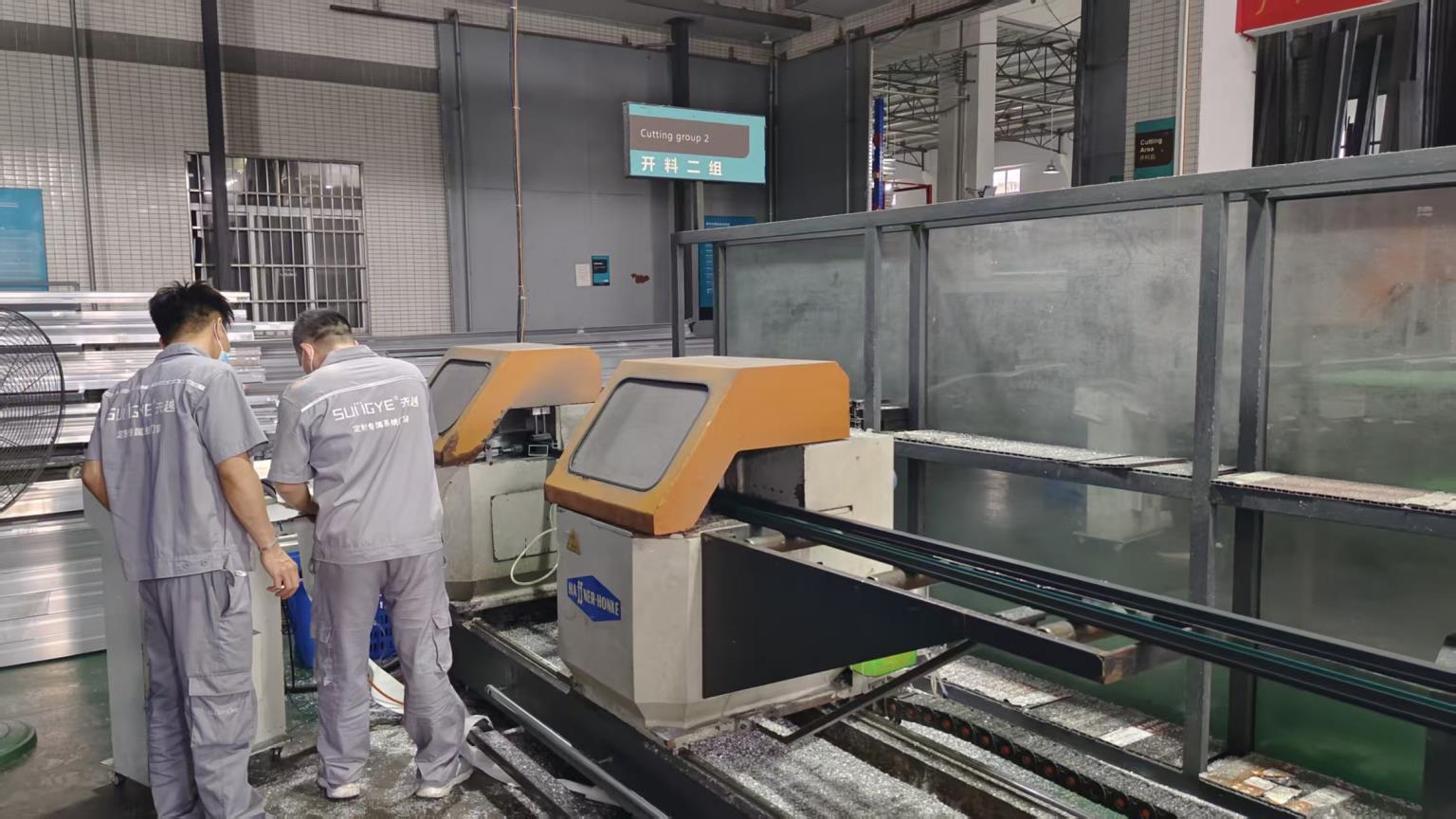
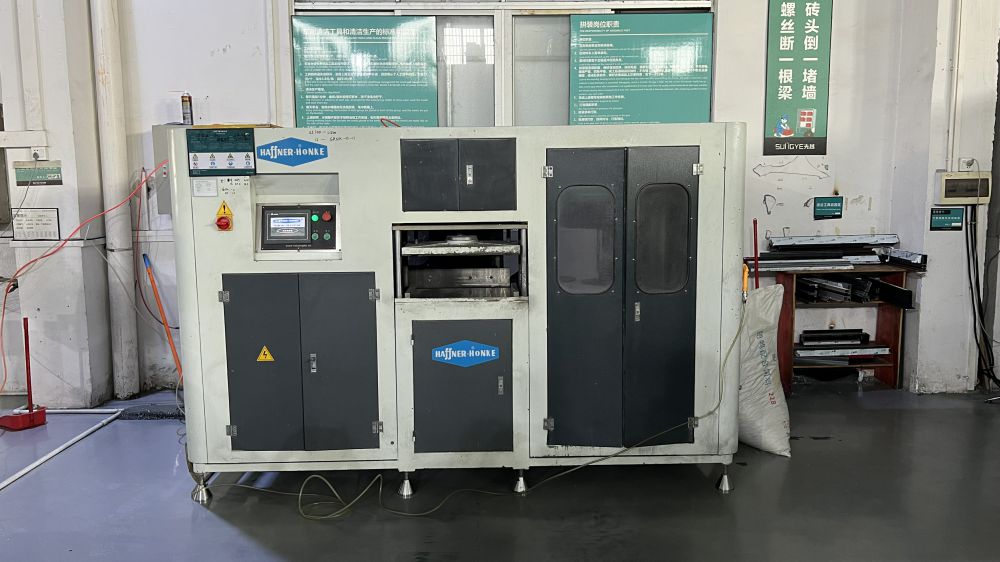
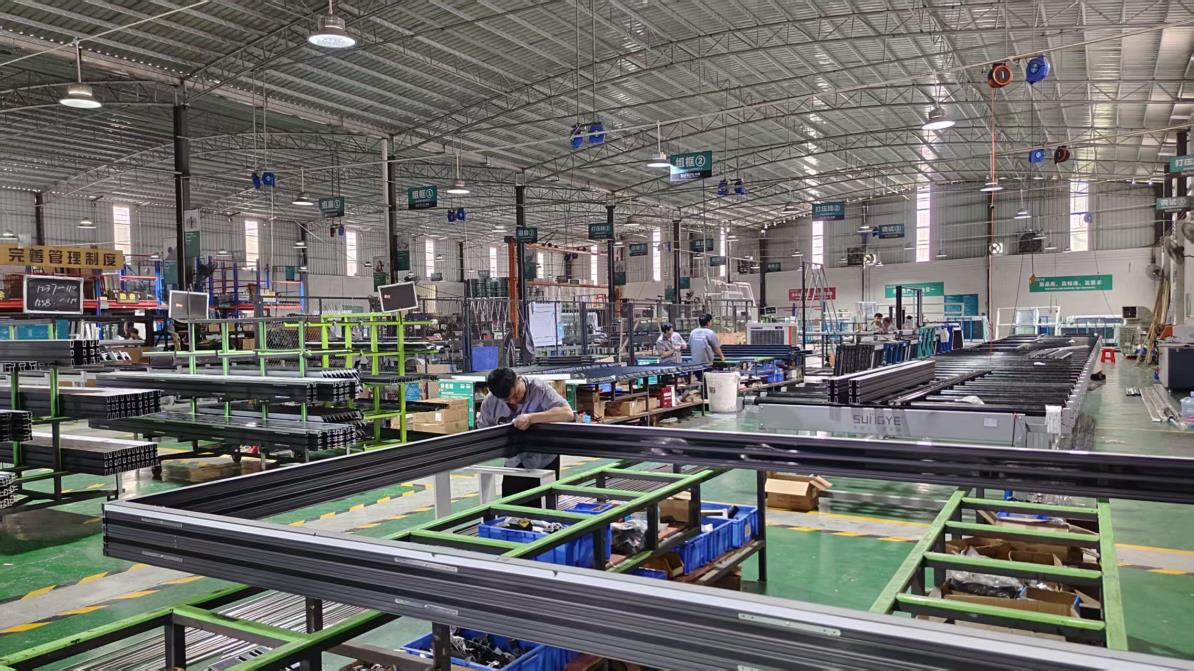
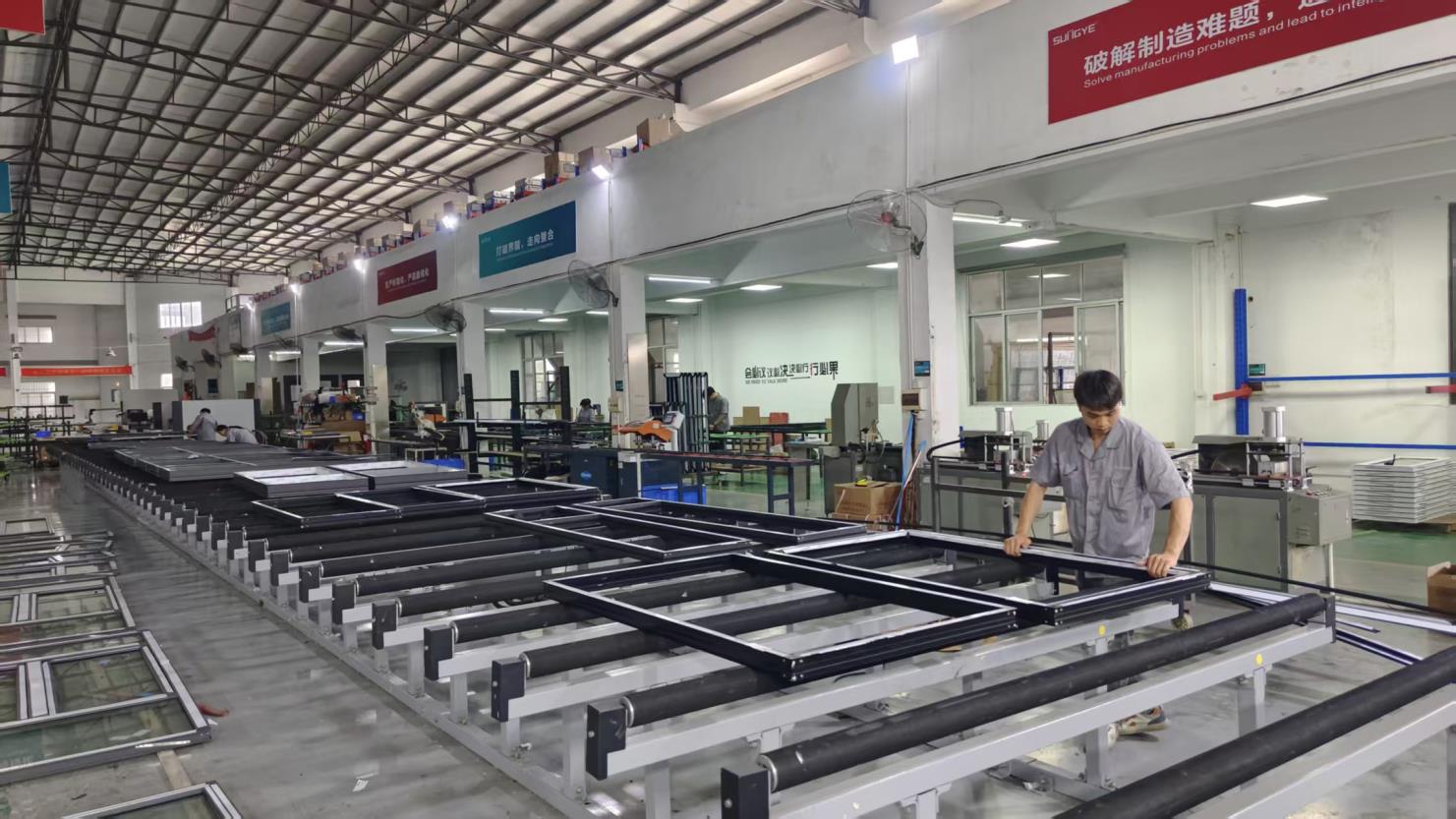
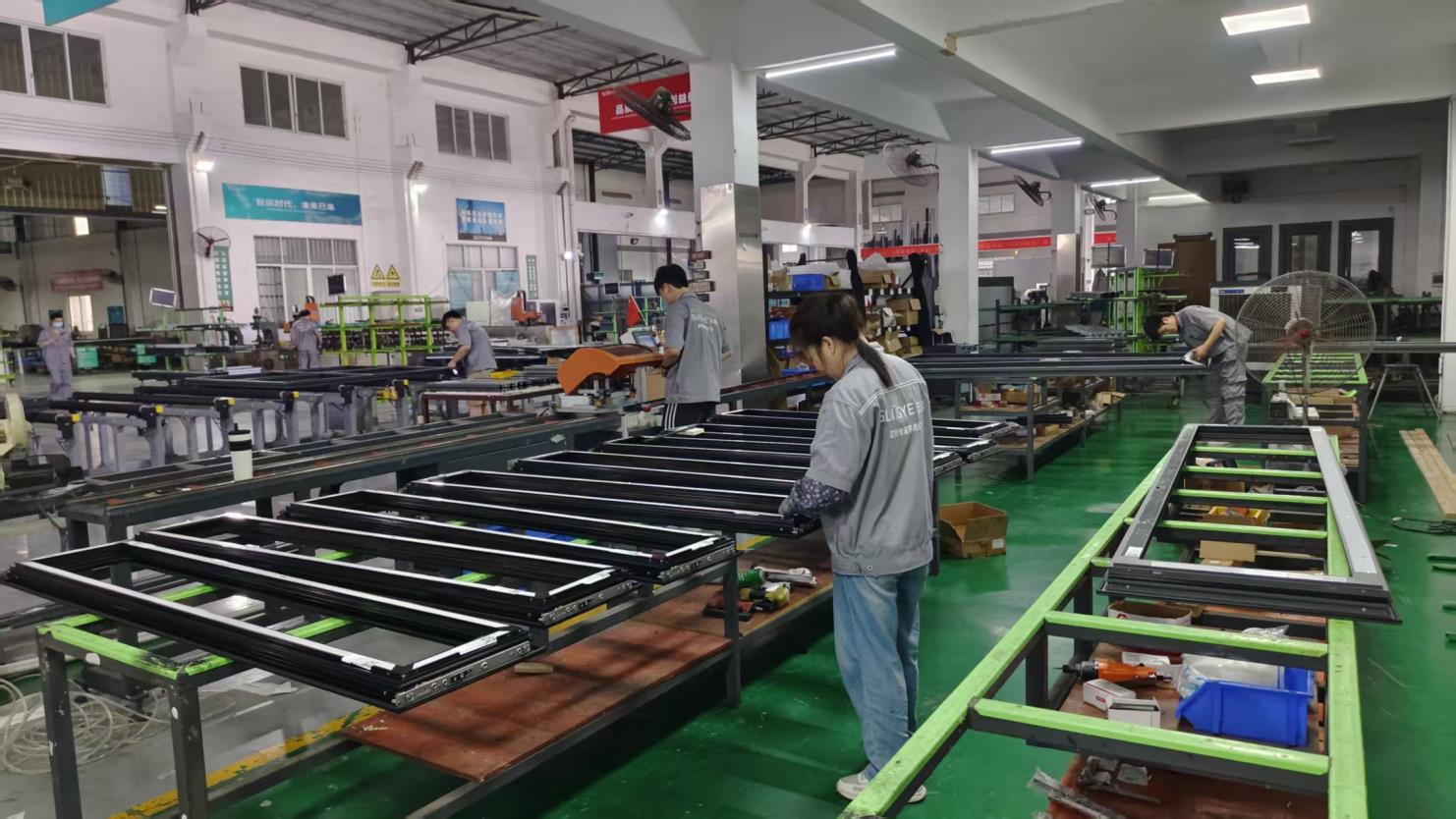
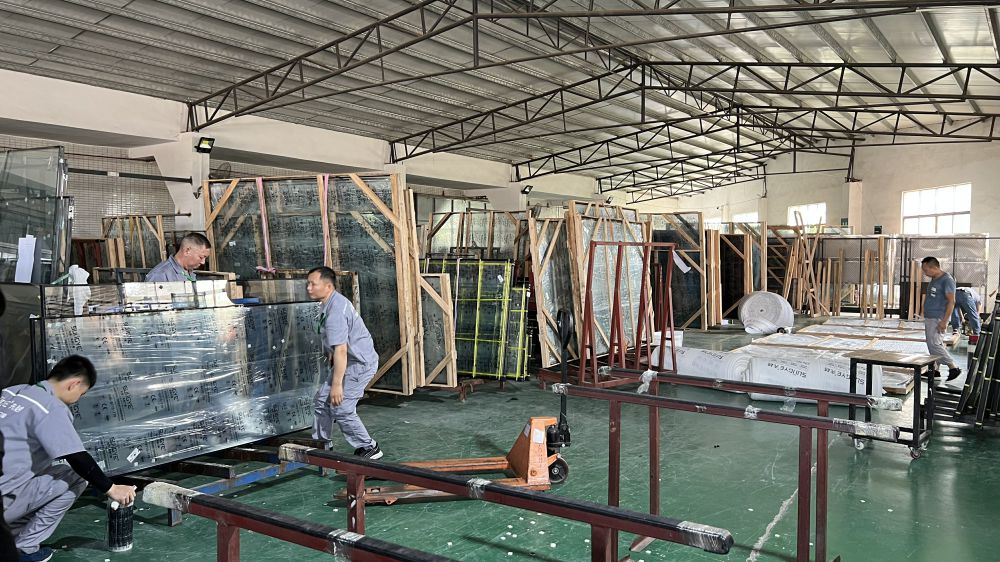
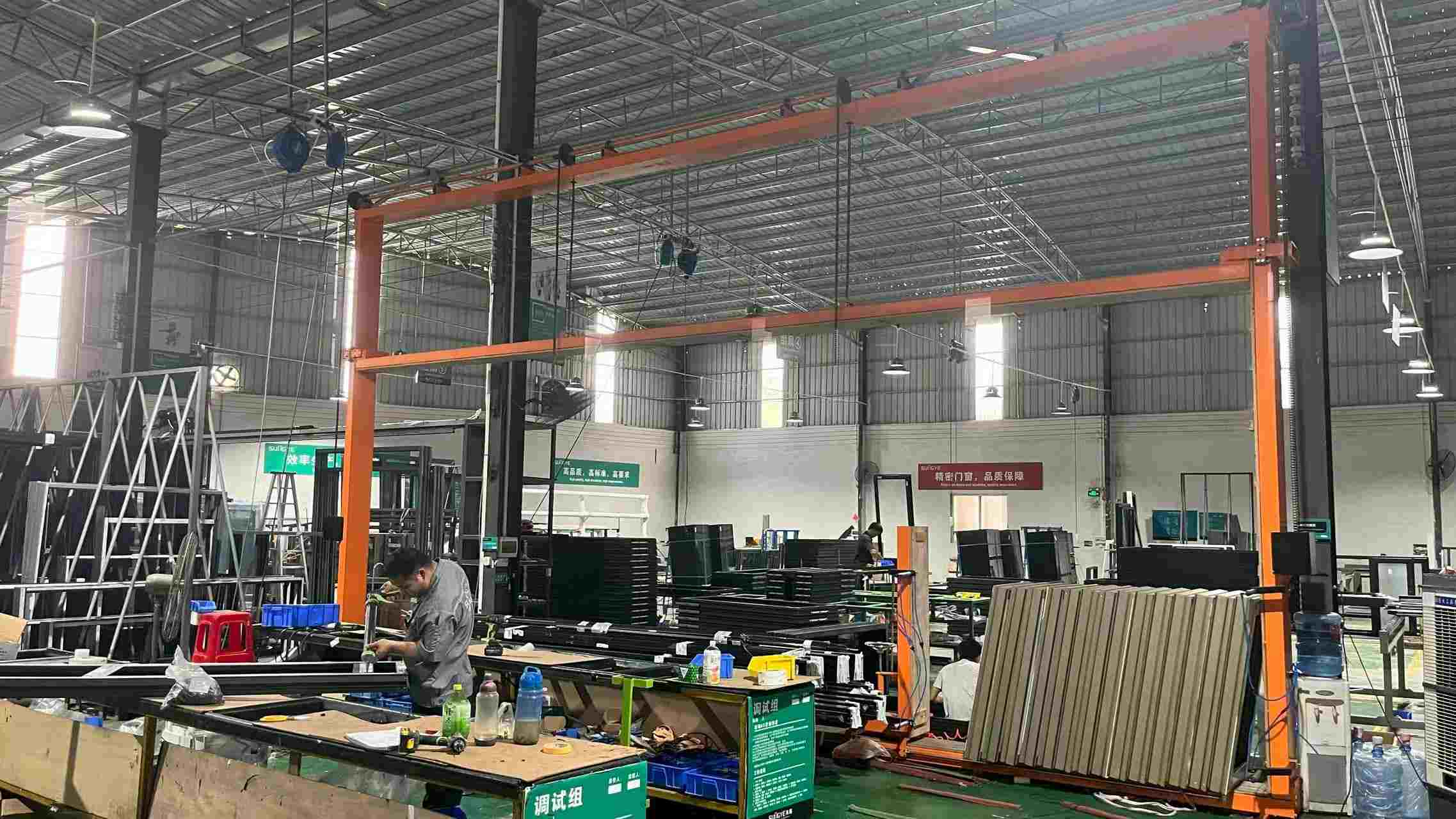
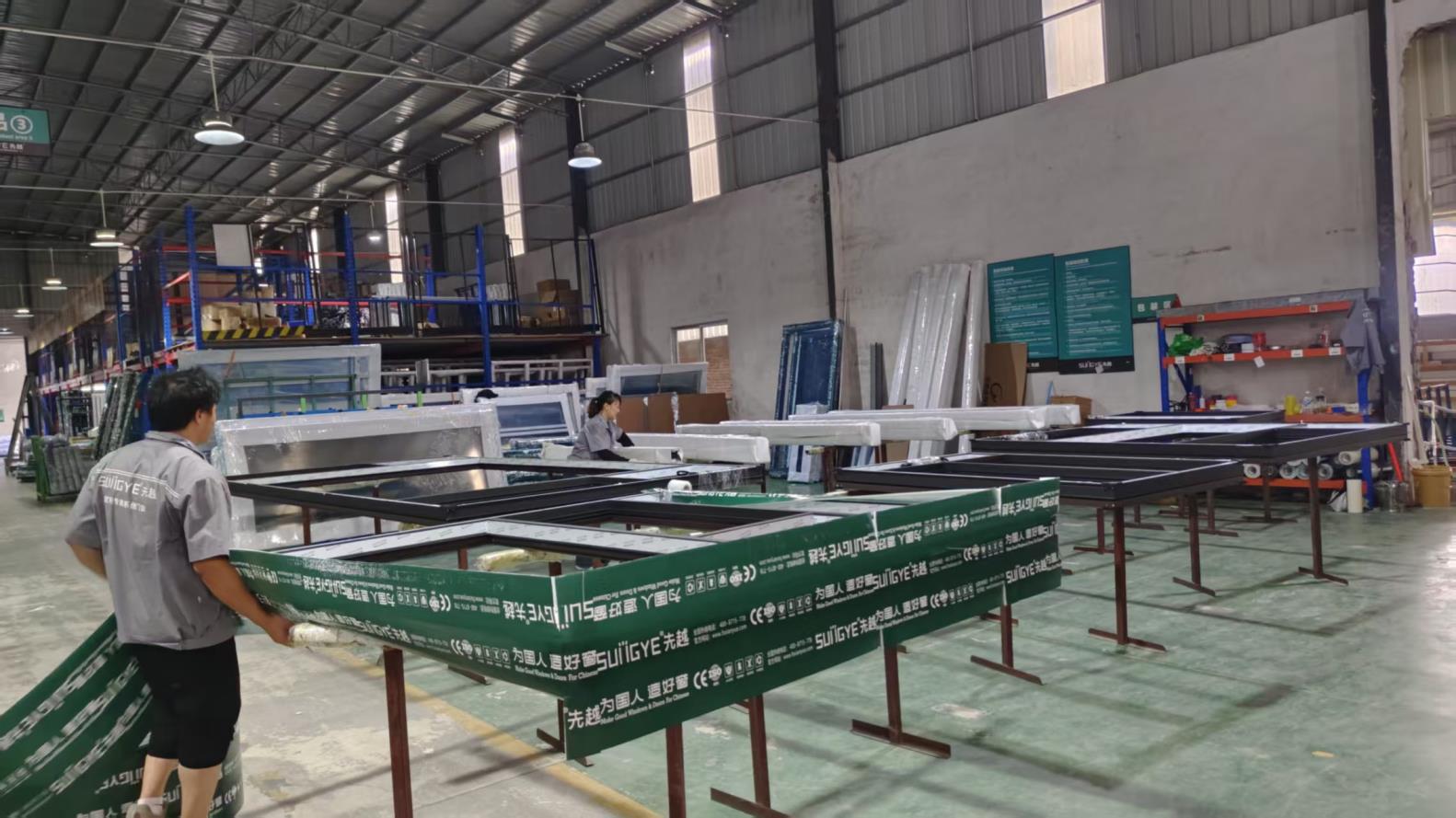
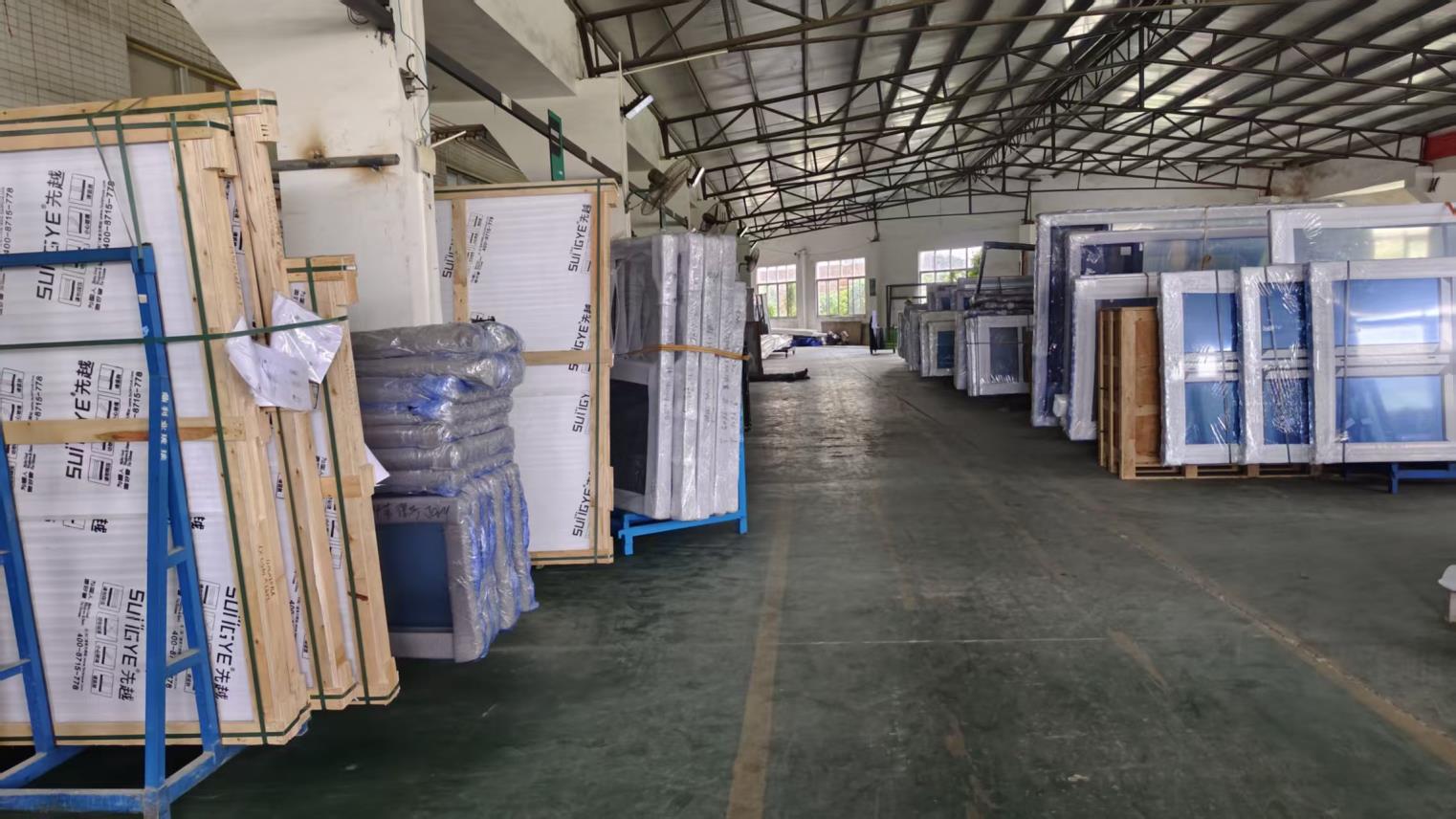
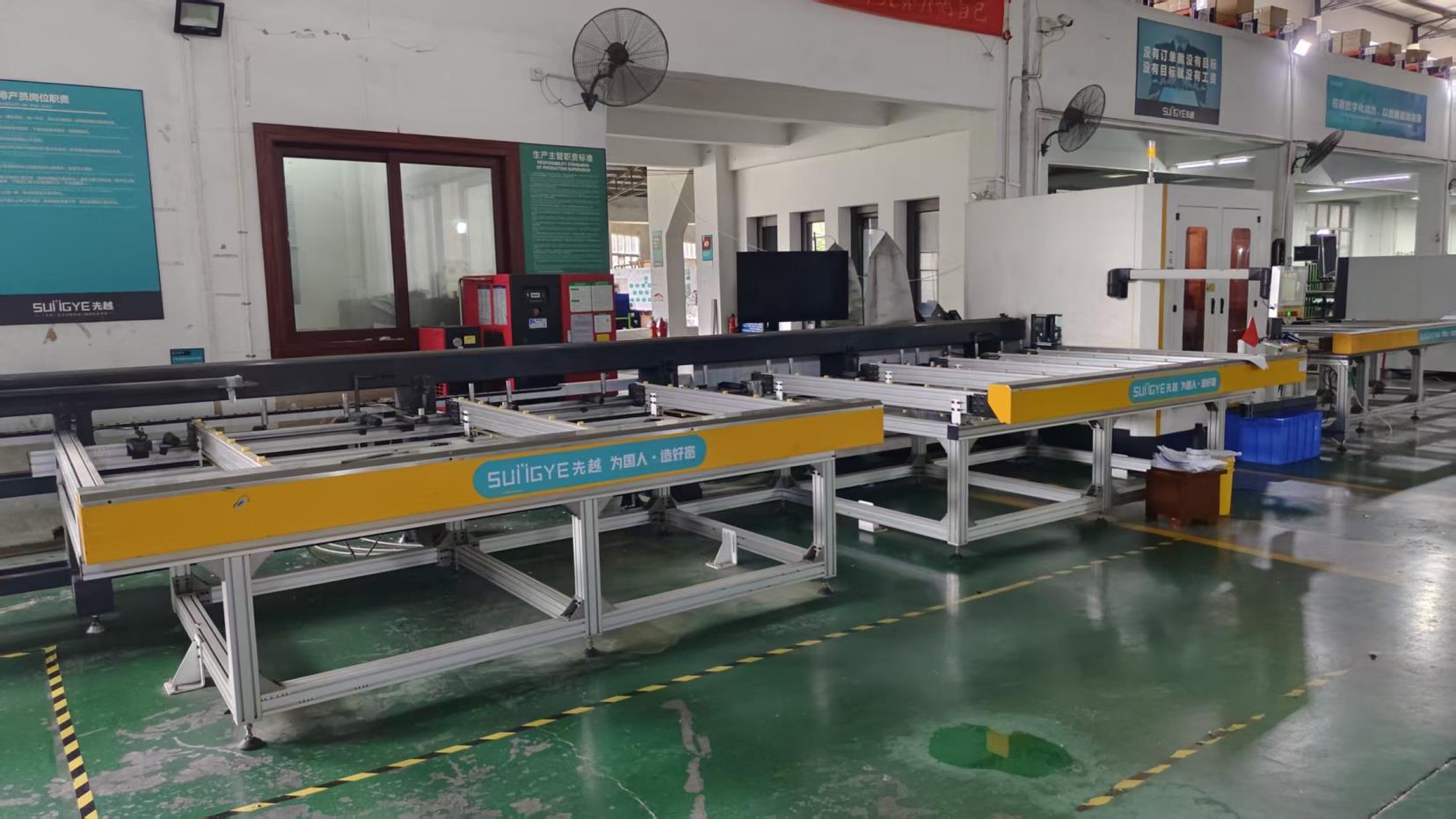
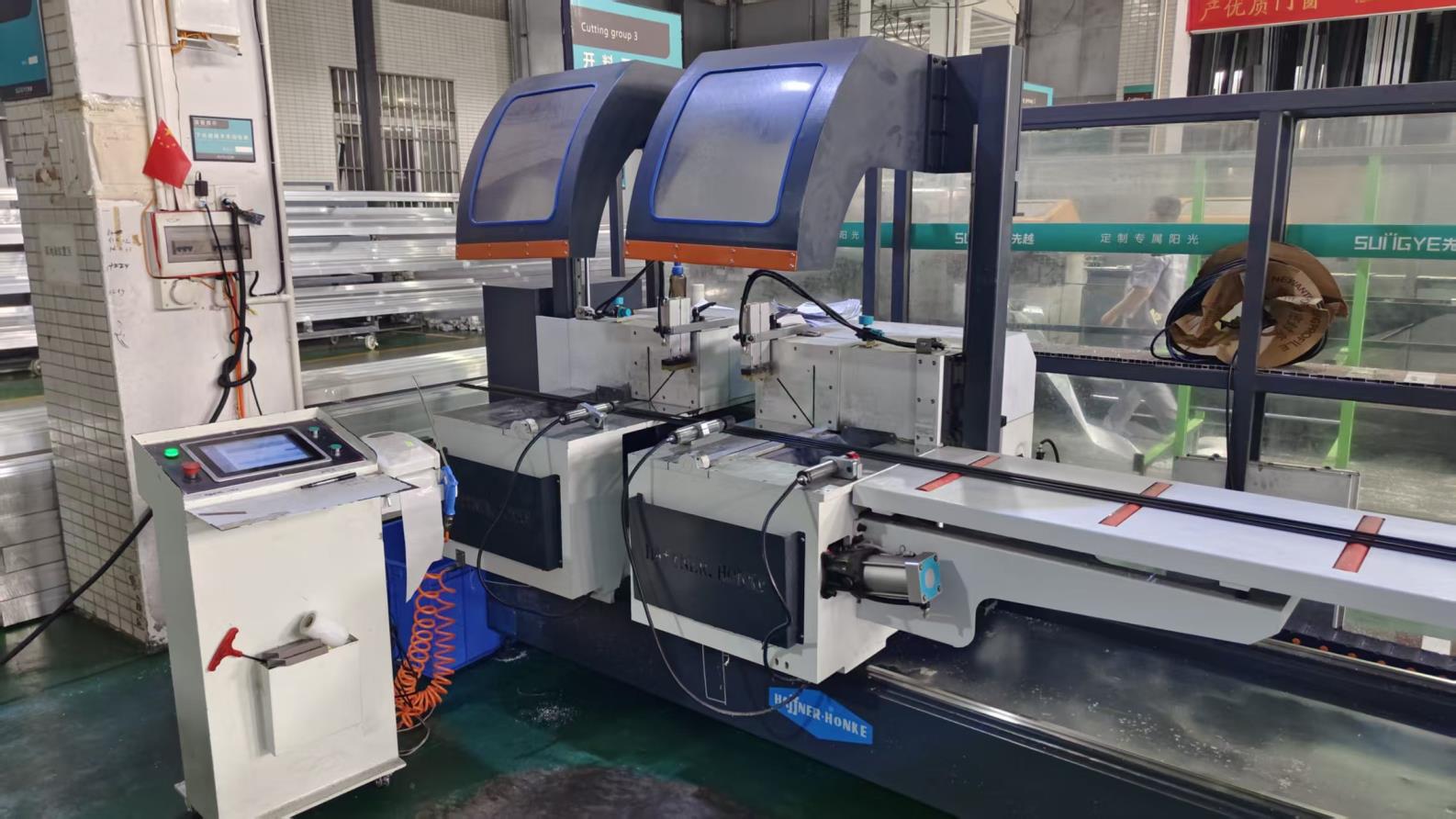
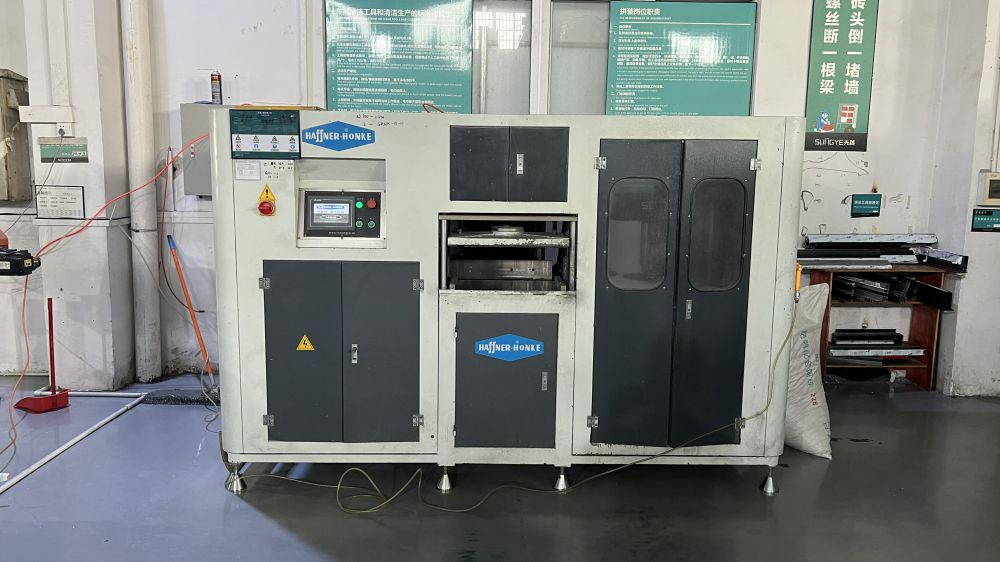
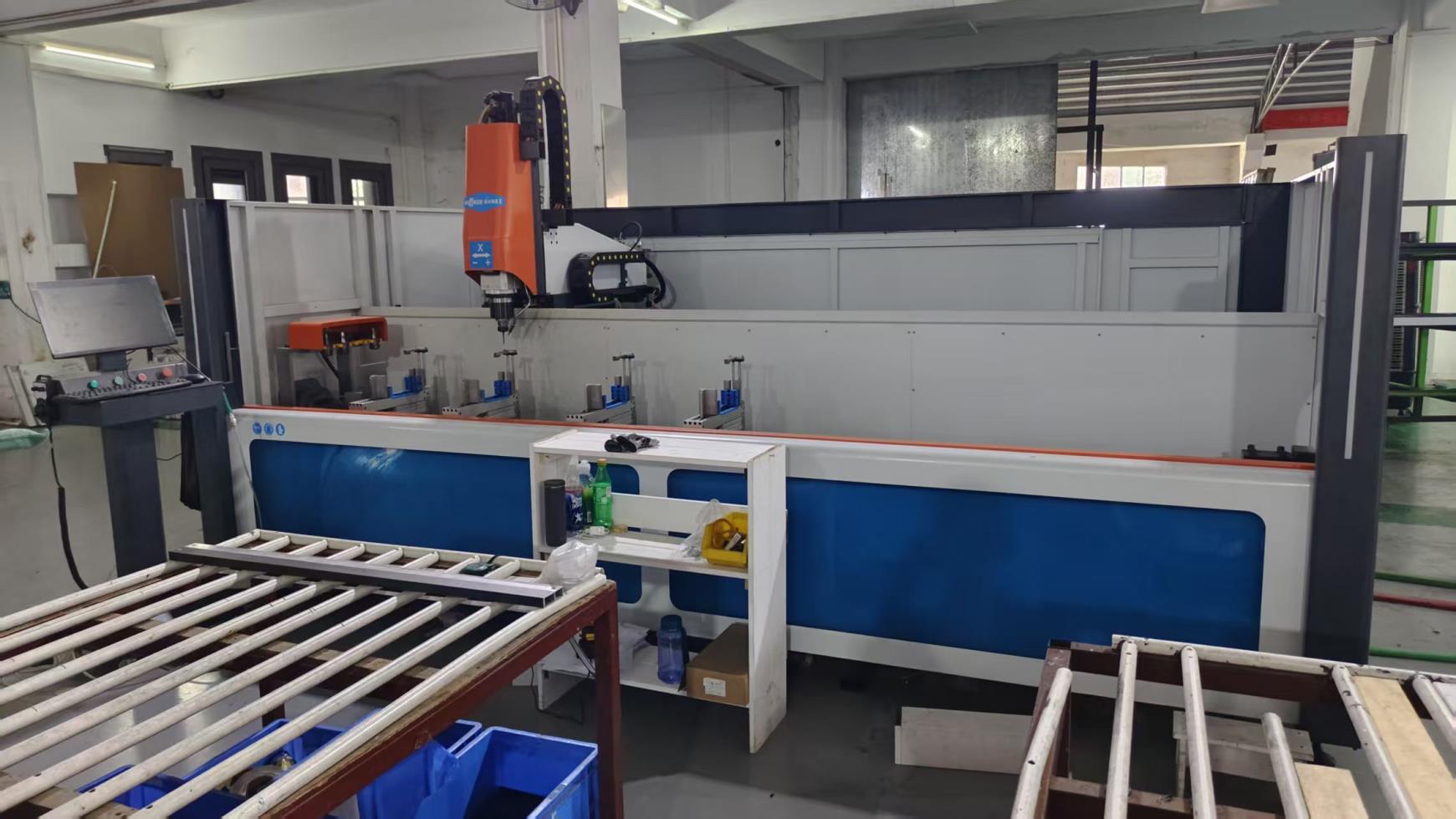
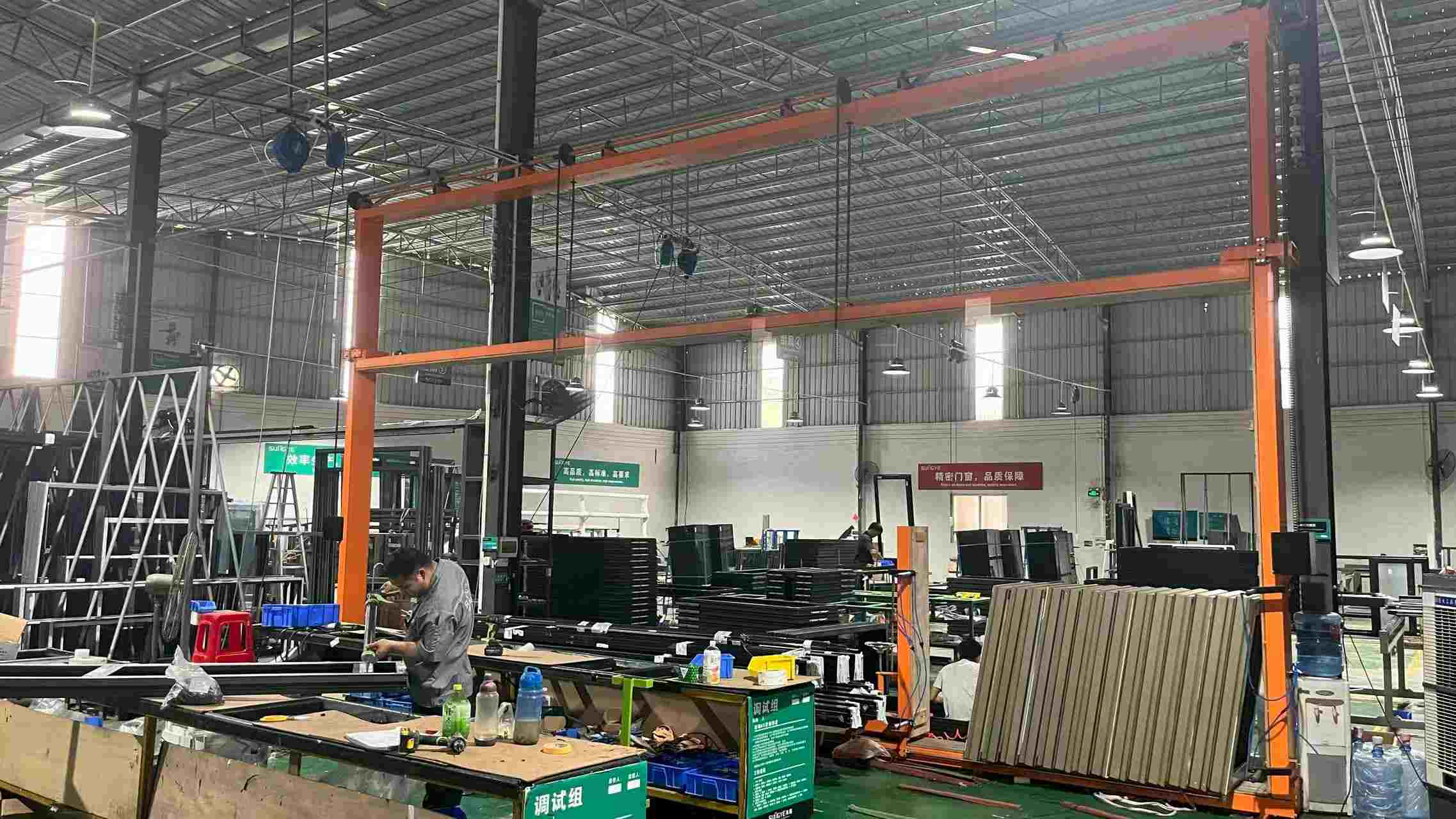
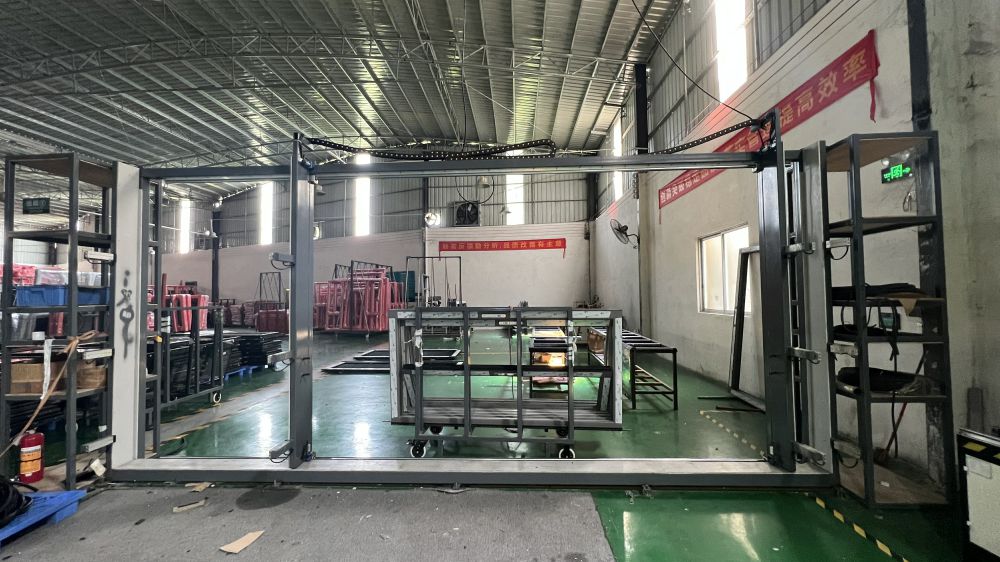
Established in 2015, Guangzhou Cresta Door & Window Co., Ltd. operates a state-of-the-art 18,000-square-meter manufacturing facility. Backed by 11 years of deep industry experience and 7 years of specialized international trade operations, Cresta has achieved an impressive annual export turnover of $22 million across Southeast Asia, the Middle East, Oceania, and the South Asian subcontinent. We primarily serve custom home builders, commercial renovation contractors, structural facade engineers, and regional window wholesalers in Sri Lanka and neighboring maritime hubs.
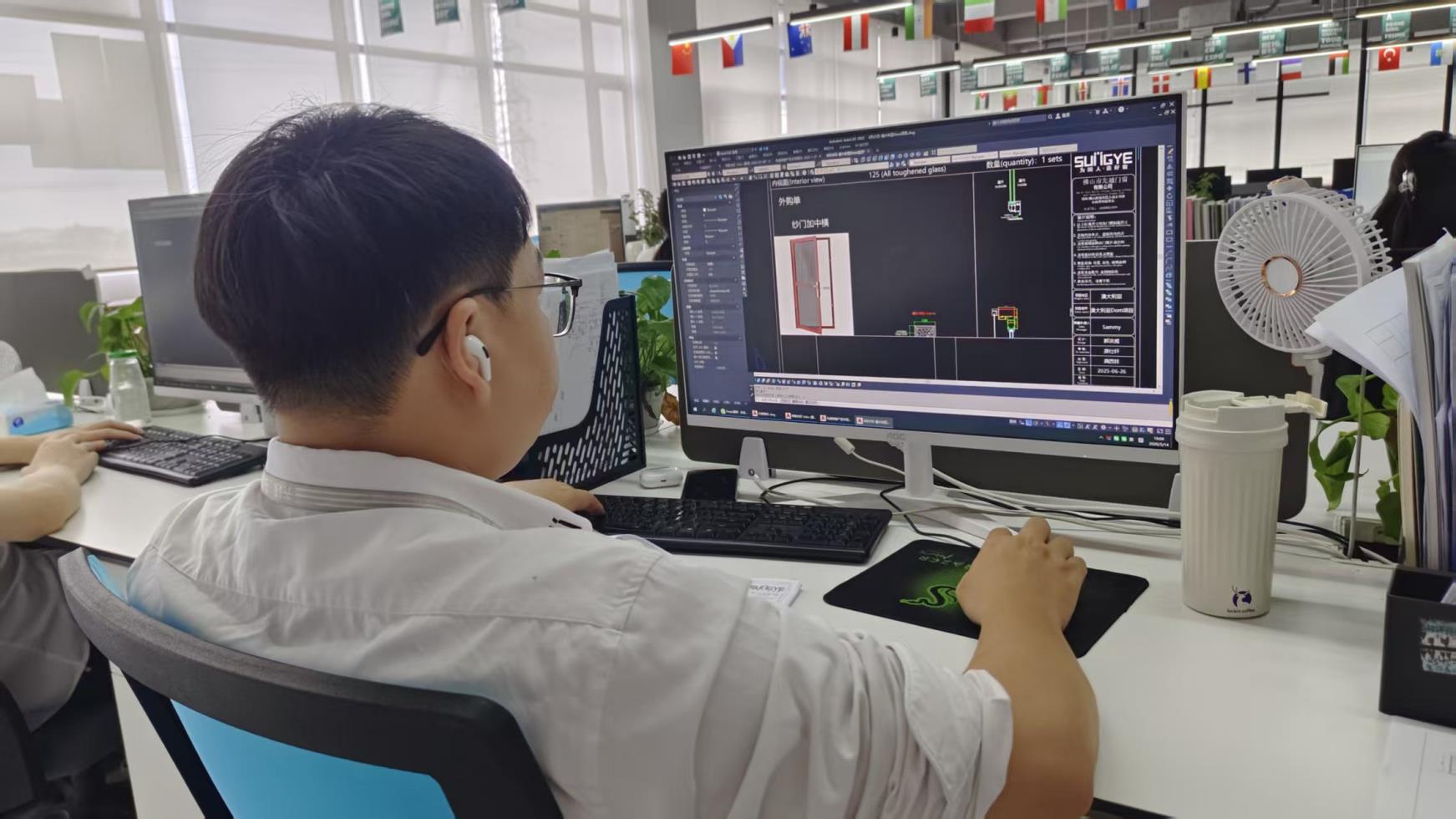
To guarantee top-tier craftsmanship that withstands rigorous oceanic freight and long-term tropical exposure, our dedicated team of 30 QC inspectors strictly enforces ISO-certified optical surface inspections and weatherproofing seal tests. Supported by an expansive, integrated network of 550 upstream material suppliers, Cresta excels in tailored solutions such as custom acoustic insulation glass assemblies, motorized concealed insect screens, and ultra-slim profile sliding and casement systems. Our active R&D division of 35 specialized facade engineers successfully introduced 38 new certified product series over the past 12 months alone.
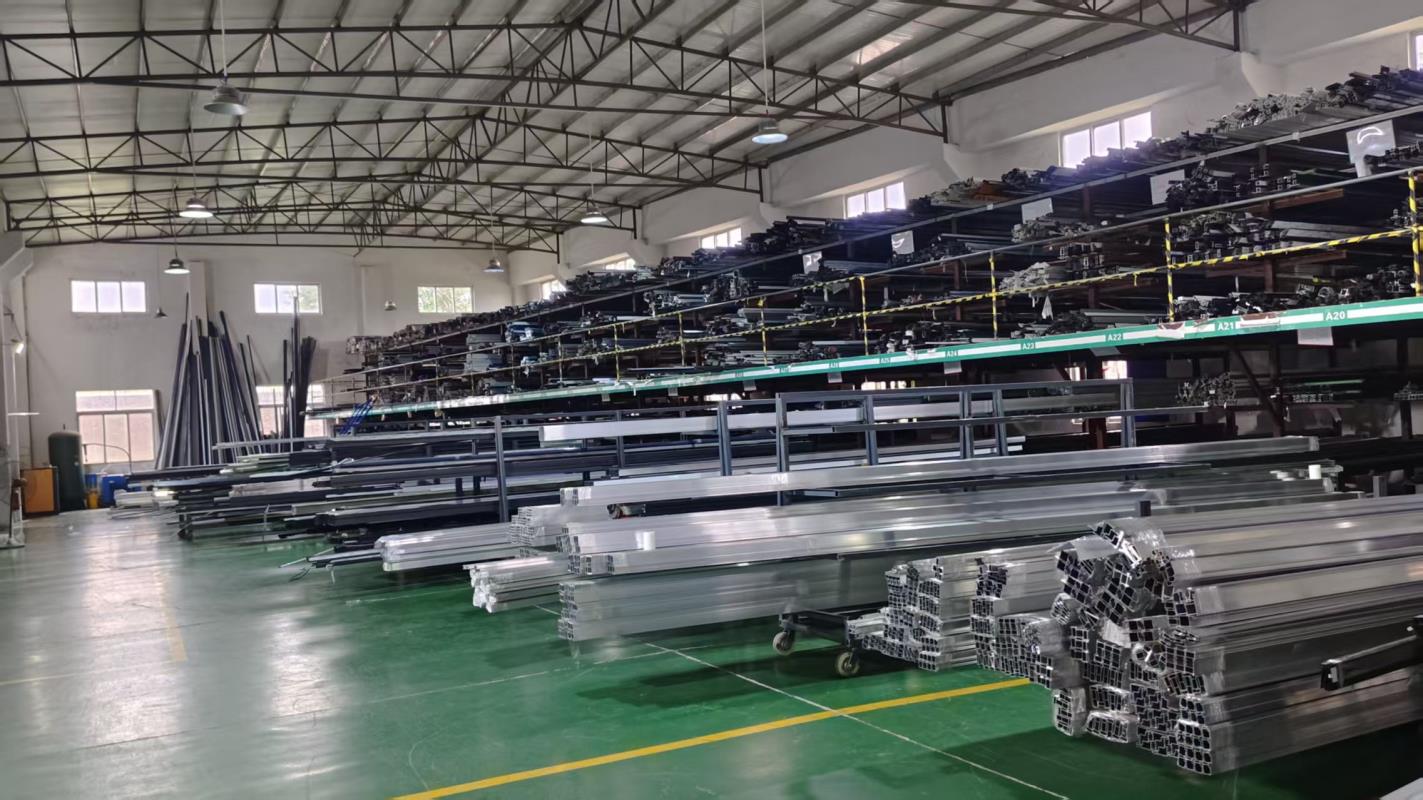
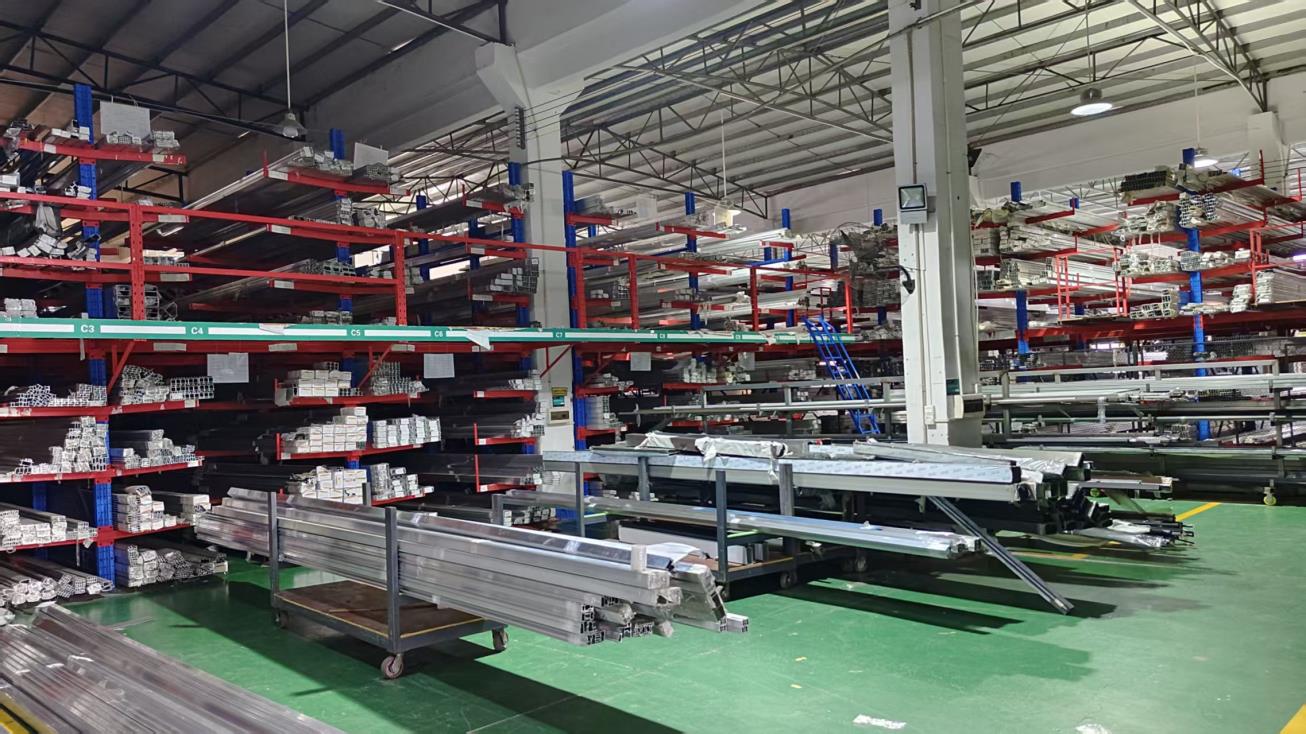
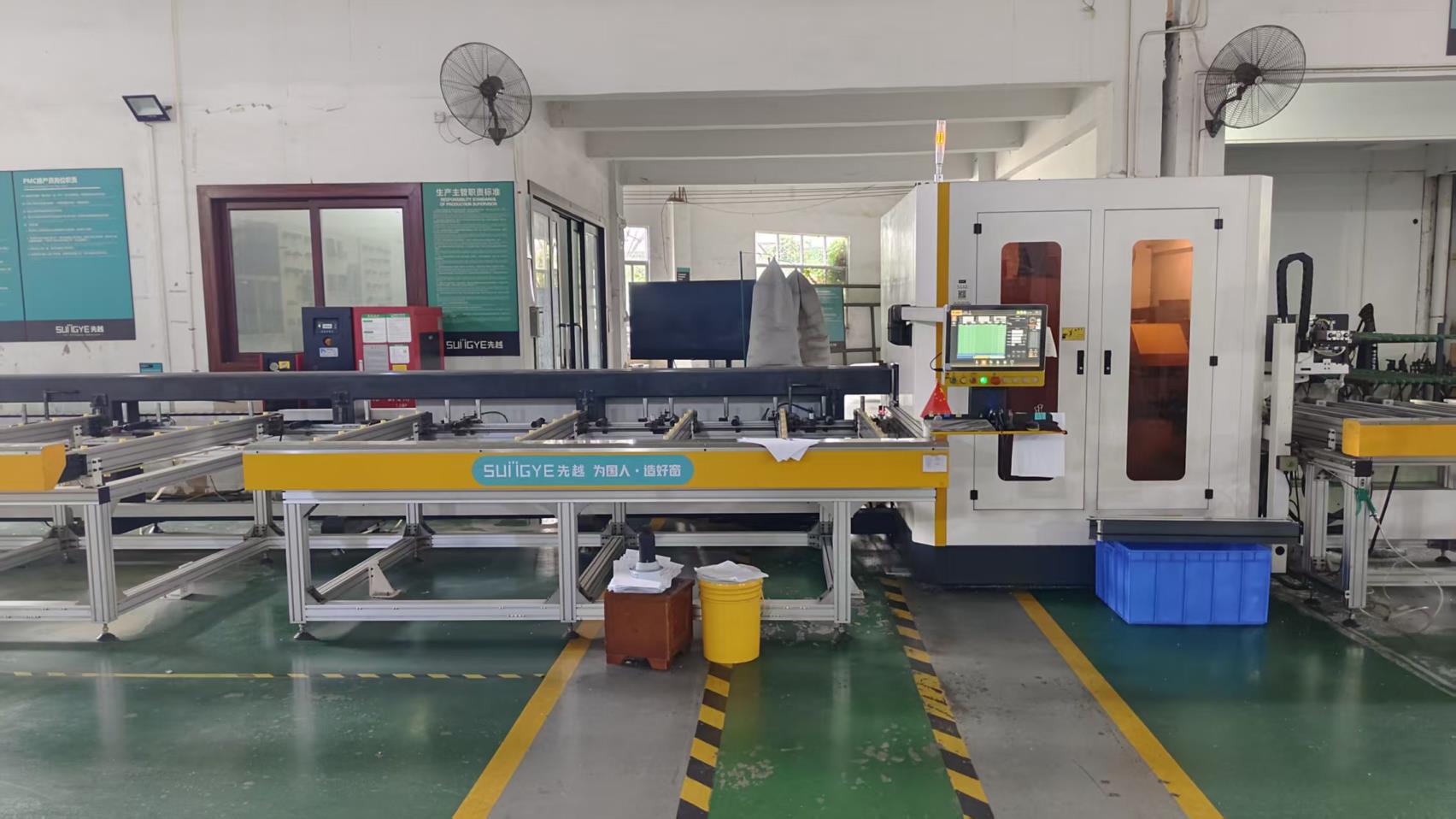
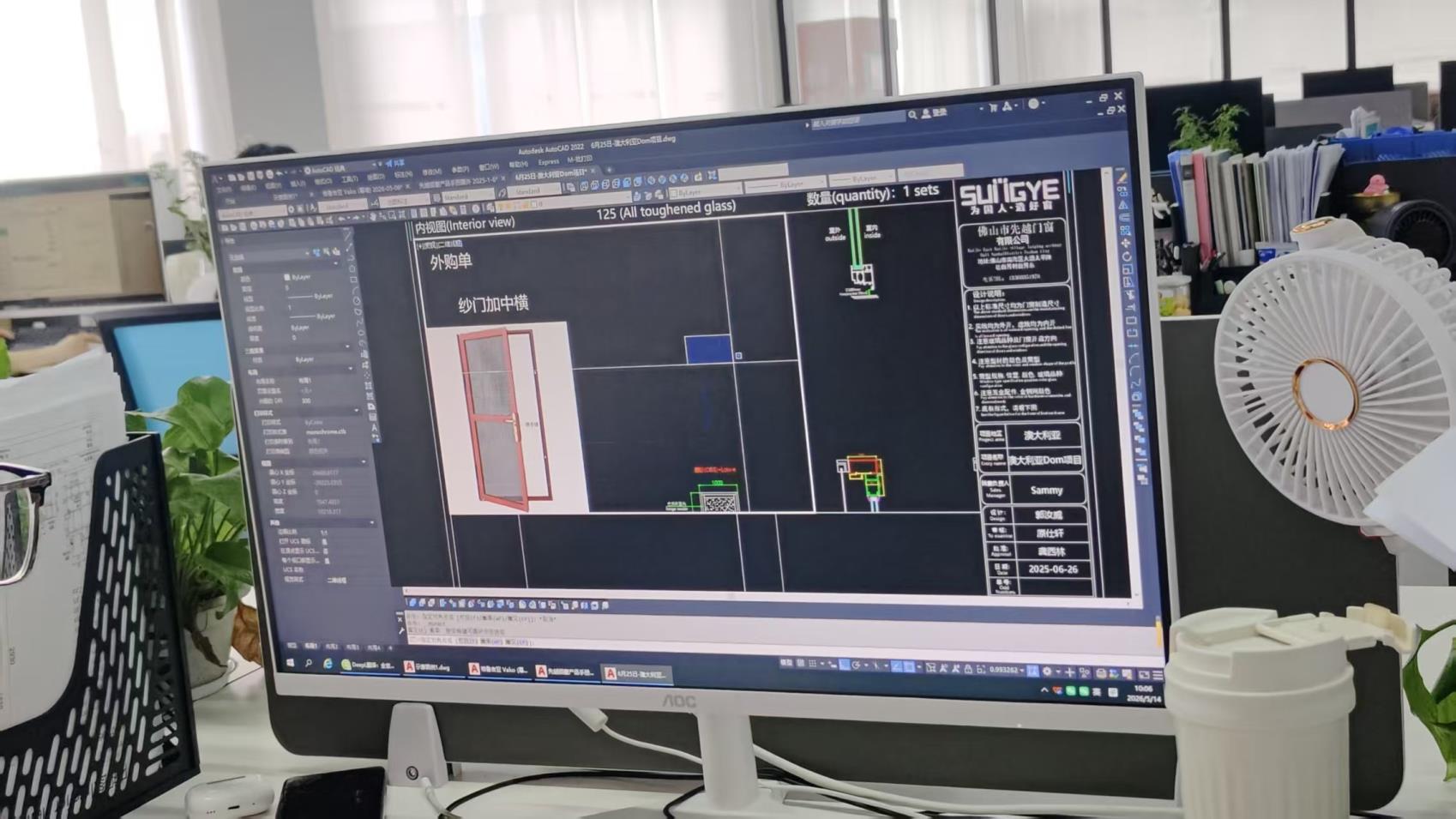
From coastal sea breeze resistance to high-altitude thermal insulation, Cresta configures bespoke window solutions matching regional engineering codes.
The Challenge: High wind loads at 100+ meters elevation, dense urban traffic noise (75-80dB), and unrelenting solar reflection from surrounding towers.
Cresta Solution: Heavy-duty 75mm Thermal Break Casement profiles with 6mm + 12Ar + 6mm Low-E Double Tempered Glass, heavy-duty stainless steel friction hinges, and multi-point perimeter locking for STC 42dB acoustic isolation and wind pressure resistance up to 4.5kPa.
The Challenge: Intensive salt spray causing galvanic oxidation, heavy monsoon downpours leading to water ingress at frame joints.
Cresta Solution: Qualicoat Class 2 Architectural Powder Coating (coat thickness >80μm), 316 Marine-Grade Stainless Steel accessories, continuous triple-sealed EPDM gaskets, and hidden drainage channels preventing water penetration at 700 Pa pressure.
The Challenge: Significant diurnal temperature fluctuations (cool nights vs warm afternoons), high relative humidity causing internal condensation.
Cresta Solution: Polyamide PA66 Thermal Barrier strips combined with Argon-gas filled warm-edge spacer glass units to eliminate frame cold-bridging, preventing glass fogging while minimizing heating and cooling energy loss.
Importing custom architectural windows directly from specialized Chinese manufacturing hubs like Guangzhou provides Sri Lankan developers and contractors with a massive cost advantage—typically reducing total fenestration expenditure by 25% to 40% compared to importing finished European units or buying through middle-tier regional traders.
To ensure flawless execution, Cresta’s international project division follows a systematic 6-step procurement blueprint tailored to Sri Lanka Customs regulations and shipping routes:
Our 35-engineer design team converts your architectural floor plans into detailed 2D/3D BIM shop drawings, specifying profile wall thicknesses, opening sash directions, glass U-values, and hardware configurations for your client's approval.
For major hotel or villa developments, we manufacture a 1:1 physical sample sash for structural, color, and finish testing. We ship corner samples directly to your Colombo or Kandy office via DHL/FedEx.
Upon profile extrusion and thermal strip insertion, our 30 QC inspectors conduct strict optical inspections to detect profile scratches, coating thickness irregularities (>80 microns standard), and corner alignment precision.
To survive maritime transit across the Bay of Bengal, every window unit is wrapped in protective PE film, corner-guarded with high-density foam, and packed inside fully enclosed fumigated plywood crates reinforced with steel strapping.
Ocean Transit Efficiency: Direct shipping routes from Guangzhou/Nansha Port to Colombo International Container Terminal (CICT) take approximately 10 to 14 days in ocean transit, allowing for streamlined construction timeline planning.
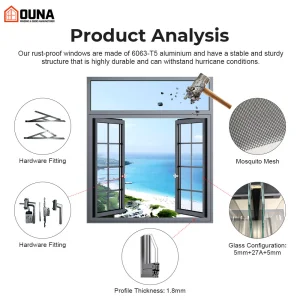
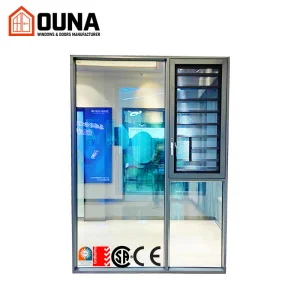
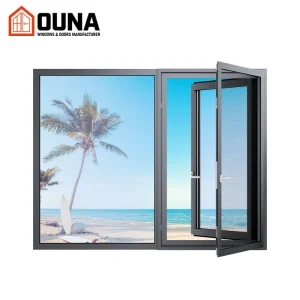
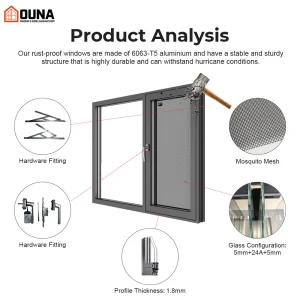
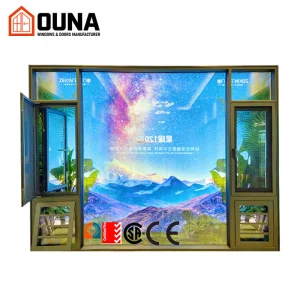
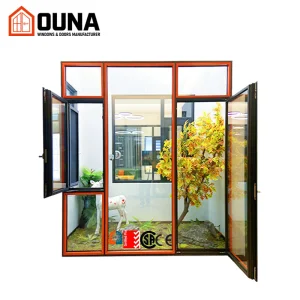
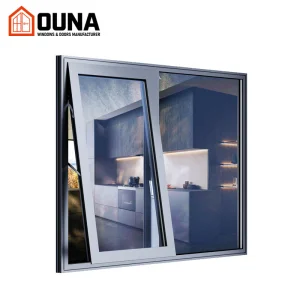
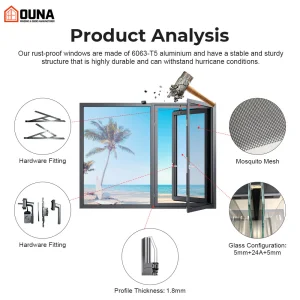
Explore our complete catalog of certified casement, tilt-and-turn, awning, and narrow-frame window configurations designed for high-end residential and commercial projects.
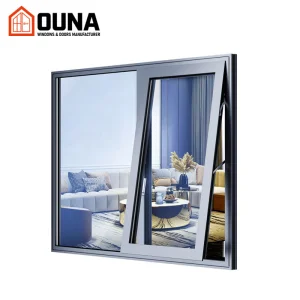
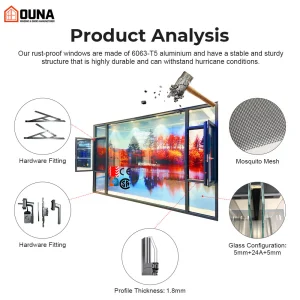
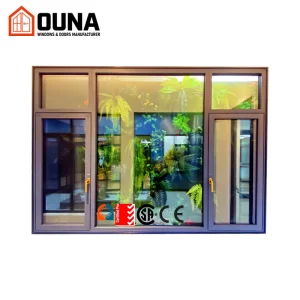
Expert answers regarding importing, engineering standards, anti-corrosion treatments, and custom specifications for Sri Lankan developments.
While uPVC is budget-friendly, Sri Lanka's intense UV radiation causes unreinforced uPVC profiles to yellow, warp, and become brittle over time. Aluminum alloy (6063-T6) offers superior structural rigidity against monsoon winds, maintains ultra-slim frame sightlines, and withstands harsh ocean salinity when treated with Qualicoat marine powder coatings.
For structures located within 5 km of the ocean line, Cresta recommends either Fluorocarbon (PVDF) coating or 25-micron anodized finishes certified to Qualicoat Class 2 standard. This ensures resistance to salt-mist spray, prevents pitting corrosion, and offers a 25-year color retention warranty.
Our casement windows feature multi-chamber profile engineering integrated with continuous EPDM rubber seals and hidden, staggered water drainage outlets. Tested under dynamic pressure up to 700 Pa, water is systematically channeled outward, preventing any interior dampness or frame leakage.
Cresta products are rigorously tested and certified under international fenestration standards, including AS2047 (Australian Standard for Windows and Doors), NFRC (National Fenestration Rating Council), CSA (Canadian Standards Association), and Florida NOA impact certifications for high-velocity hurricane zones.
Yes. We supply integrated high-grade 304 stainless steel security mesh screens, invisible retractable nylon insect nets, and motorized roll-up screens that allow 100% natural ventilation while preventing insects from entering villa or apartment spaces.
Manufacturing typically takes 25 to 35 days depending on profile customization and glass specifications. Direct ocean shipping from Guangzhou/Shenzhen to Colombo Port takes approximately 10 to 14 days, offering a total turnaround time of roughly 6 to 7 weeks from shop drawing sign-off.
Whether you are designing a high-rise tower in Colombo, a luxury eco-resort in Kandy, or an oceanfront villa in Galle, our engineering team provides full shop drawings, structural calculations, and direct factory pricing.
Send Inquiry Now Cresta Window Tech