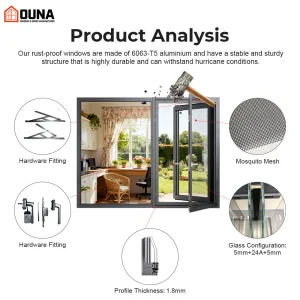
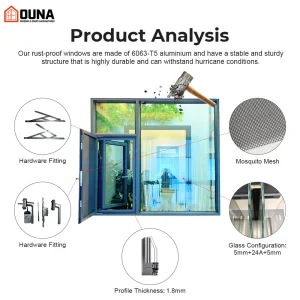
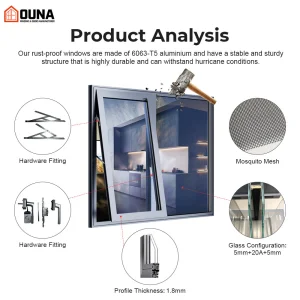
Engineered to meet the stringent demands of Japanese architectural engineering, these flagship casement windows combine hyper-insulating thermal breaks, multi-locking security, and high wind-load endurance.
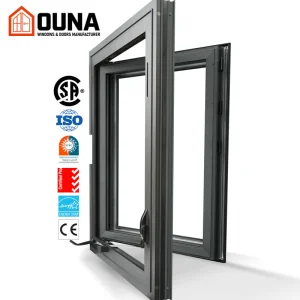
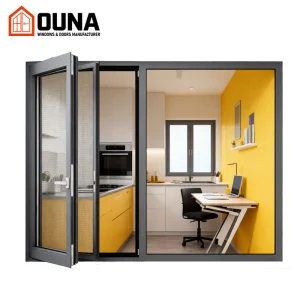
Japan's construction sector is experiencing a paradigm shift driven by stringent decarbonization policies, revised Building Standard Law requirements, and the national mandate targeting Net Zero Energy Houses (ZEH) and Net Zero Energy Buildings (ZEB). As Japan enforces mandatory energy-efficiency compliance across all new residential and commercial structures, window fenestration has become the primary battleground for envelope thermal preservation.
Unlike traditional sliding sash windows (Hiki-chigai) that historically dominated Japanese residential design, modern Japanese architects, general contractors (Zenken), and developers are increasingly prioritizing outward-opening and inward-tilt casement windows. Casement fenestration offers unmatched air-tightness (A-4 performance standard under JIS A 4706), superior acoustic attenuation against urban noise in metropolitan hubs like Tokyo and Osaka, and impenetrable water resistance during violent East Asian typhoon seasons.
Japan presents extreme microclimatic variance. Northern regions such as Hokkaido demand sub-zero heat retention via triple-glazed Argon gas casements with thermal break profiles achieving U-values below 1.1 W/m²K. Conversely, coastal regions across Kyushu and Honshu demand maximum resistance to salt spray corrosion and wind-driven rain from Pacific typhoons, necessitating specialized fluorocarbon (PVDF) surface treatments and multi-point perimeter compression seals.
Due to Japan’s positioning on the Pacific Ring of Fire, architectural envelope components must absorb severe dynamic shear stresses during seismic events. Cresta's custom casement window assemblies incorporate dynamic EPDM glass gaskets and flexible corner joinery that accommodate a story drift angle of 1/100 without glass fracture or frame distortion, ensuring life-safety resilience for high-density urban infill developments.
To succeed in the Japanese B2B procurement ecosystem, imported aluminum casement windows must strictly conform to Japanese Industrial Standards (JIS A 4706: Windows and door sets). Below is a comprehensive engineering comparison outlining Cresta’s technical specs tailored for Japanese architectural specifications.
| Performance Parameter | JIS Standard Standard Target | Cresta Casement Window Specification | Architectural Advantage |
|---|---|---|---|
| Thermal Transmittance (U-Value) | JIS H-6 Grade (< 2.33 W/m²K) | 0.98 - 1.25 W/m²K (Triple Low-E) | Exceeds ZEH/ZEB strict insulation standards for government subsidies. |
| Wind Pressure Resistance | JIS S-5 (2400 Pa) / S-6 (2800 Pa) | Up to 3600 Pa (Structural Alloy 6063-T6) | Withstands Category 5 super typhoons and extreme wind gusts in high-rises. |
| Air Infiltration (Air Tightness) | JIS A-4 Grade (2 m³/h·m²) | Class A-4 Certified (< 0.8 m³/h·m²) | Eliminates draft currents and energy loss, dramatically lowering HVAC operational costs. |
| Water Tightness (Rainfall) | JIS W-5 Grade (500 Pa) | W-5 Grade (750 Pa Continuous Load) | Stepped internal drainage channel prevents water ingress under violent rainstorms. |
| Acoustic Soundproofing | JIS T-2 Grade (30 dB reduction) | JIS T-3 / T-4 (35 - 42 dB reduction) | Ideal for urban residential towers near shinkansen tracks or high-density roadways. |
Utilizing 25% glass fiber reinforced Polyamide (PA66GF25) thermal barrier strips inside high-grade extruded aluminum 6063-T6 profiles. This drastically curtails conductive heat transfer while matching the thermal expansion coefficient of aluminum to eliminate warping under seasonal temperature swings.
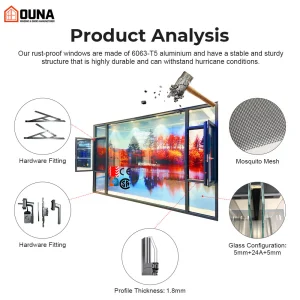
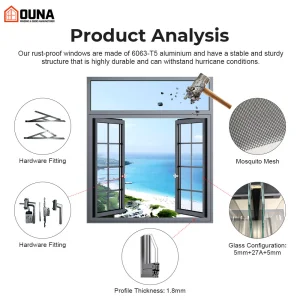
Equipped with premium European hardware integration (HOPPE, CMECH, Siegenia) featuring multi-point mushroom cam gear locks. Provides multi-directional compression against perimeter gaskets, enhancing air tightness while delivering high-tier anti-burglary protection.
To combat Japan's high-humidity coastal saline environments, profile surfaces undergo electrophoretic coating (JIS H 8602 standard) or AkzoNobel PVDF fluorocarbon spraying, guaranteeing color stability and corrosion resistance for 25+ years.
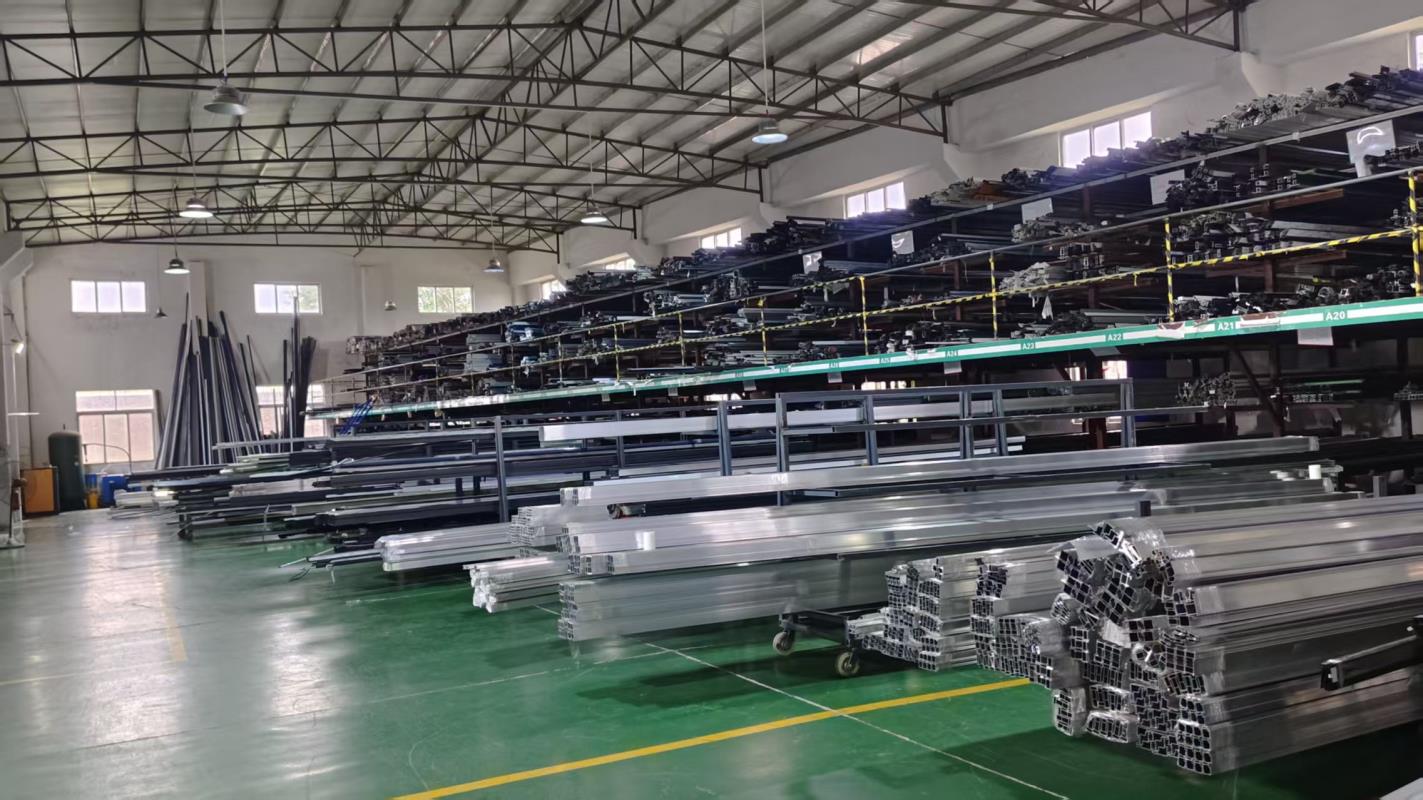
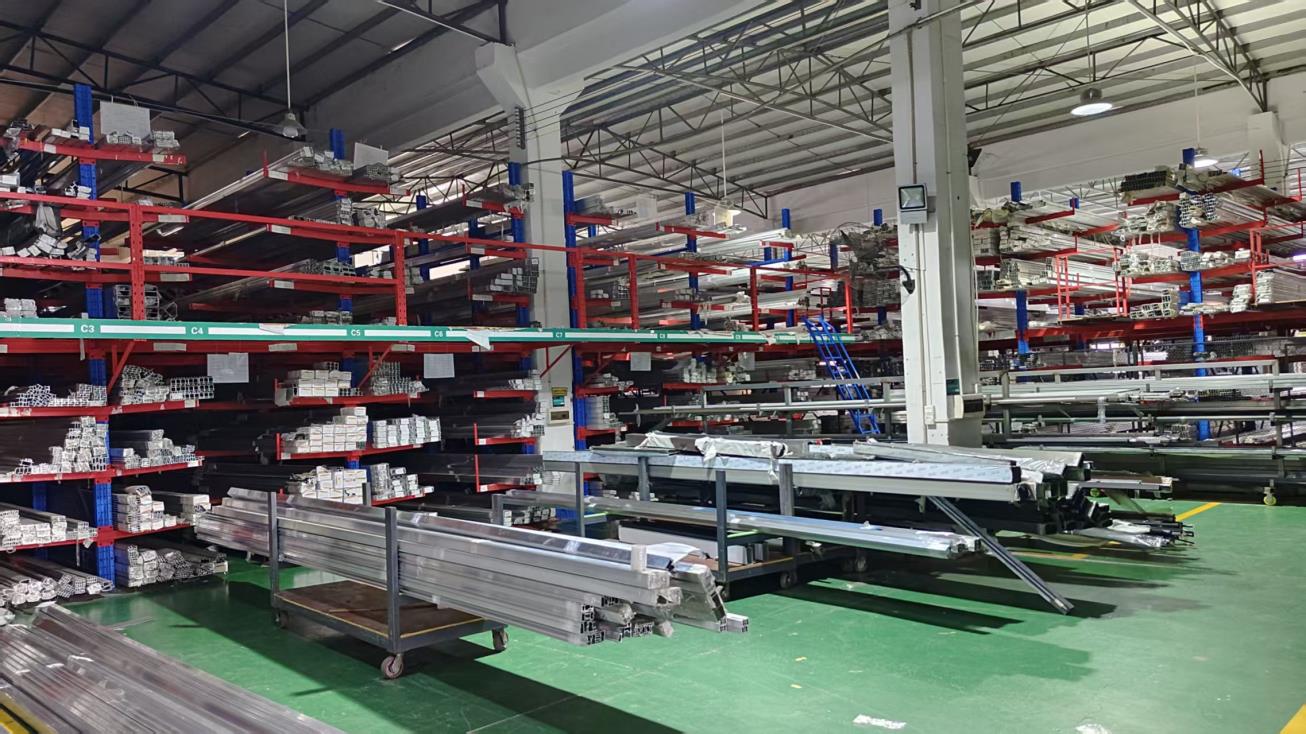
Established in 2015, Guangzhou Cresta Door & Window Co., Ltd. operates a 18,000-square-meter manufacturing facility. Backed by 11 years of industry experience and 7 years of international trade operations, we achieve an annual export turnover of $22 million across Southeast Asia, the Middle East, and Oceania. We mainly supply custom home builders, renovation contractors, and regional wholesalers.
To ensure top-tier craftsmanship, our team of 30 QC inspectors strictly enforces ISO-certified optical surface inspections and weatherproofing seal tests. With a reliable network of 550 upstream suppliers, Cresta excels in tailored solutions such as custom acoustic insulation, motorized insect screens, and slim-frame sliding doors. Supported by an active R&D division of 35 specialized engineers, we released 38 new product series over the past year.
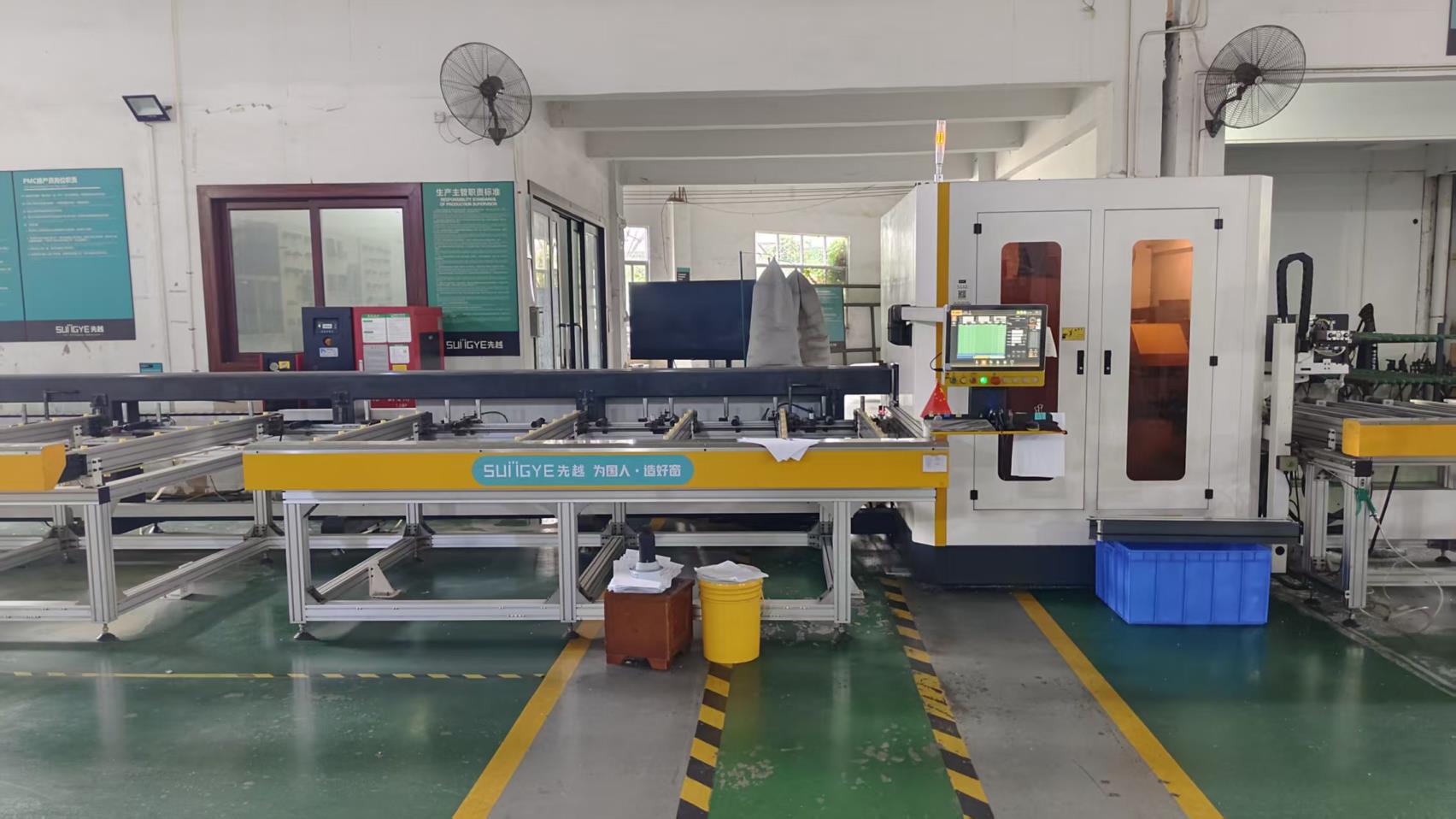
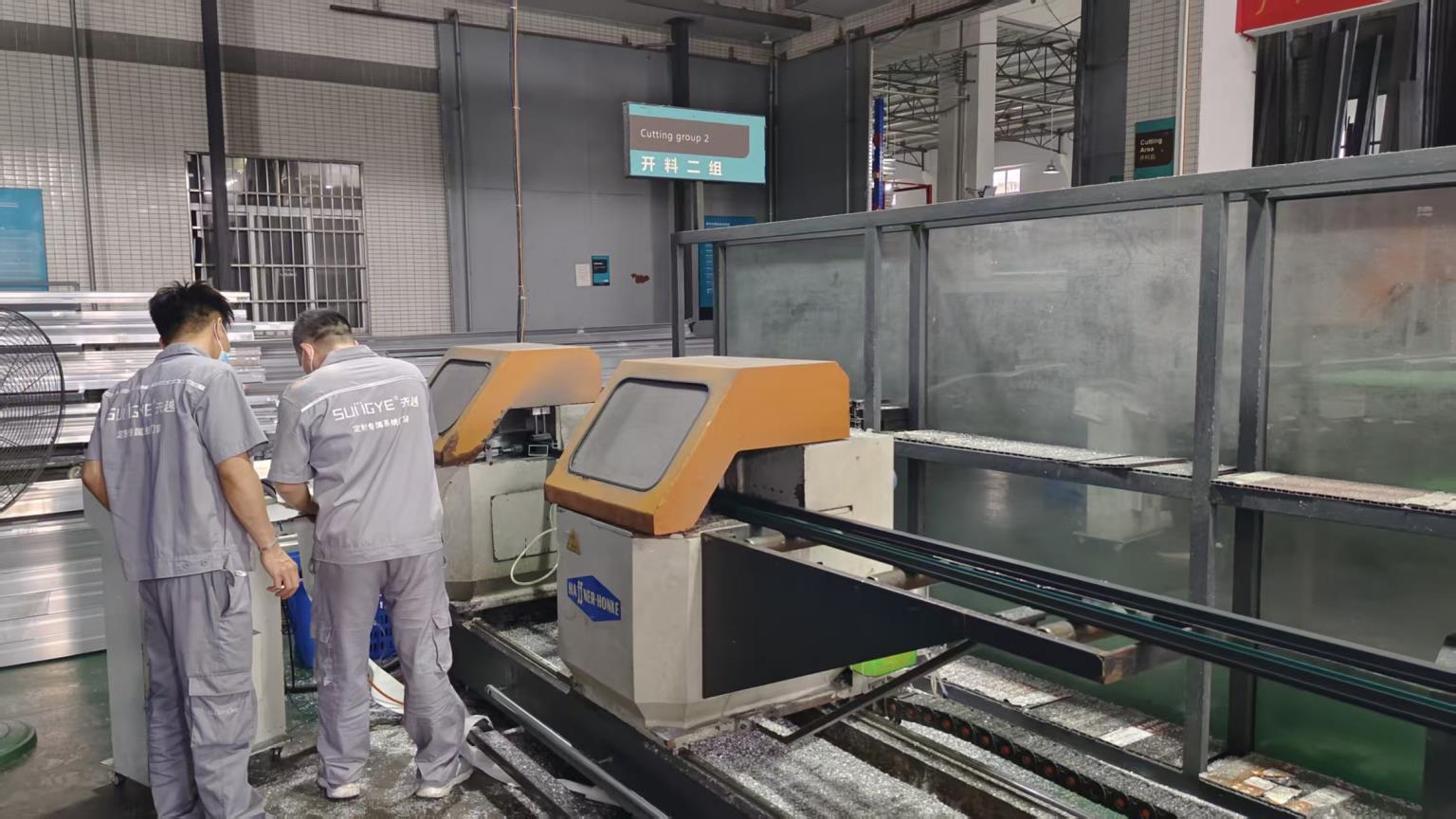
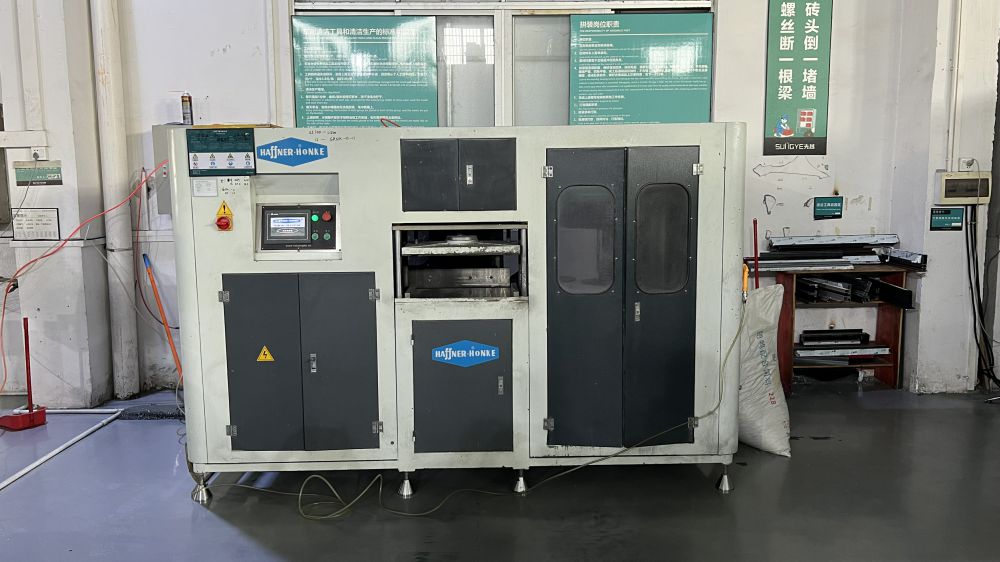
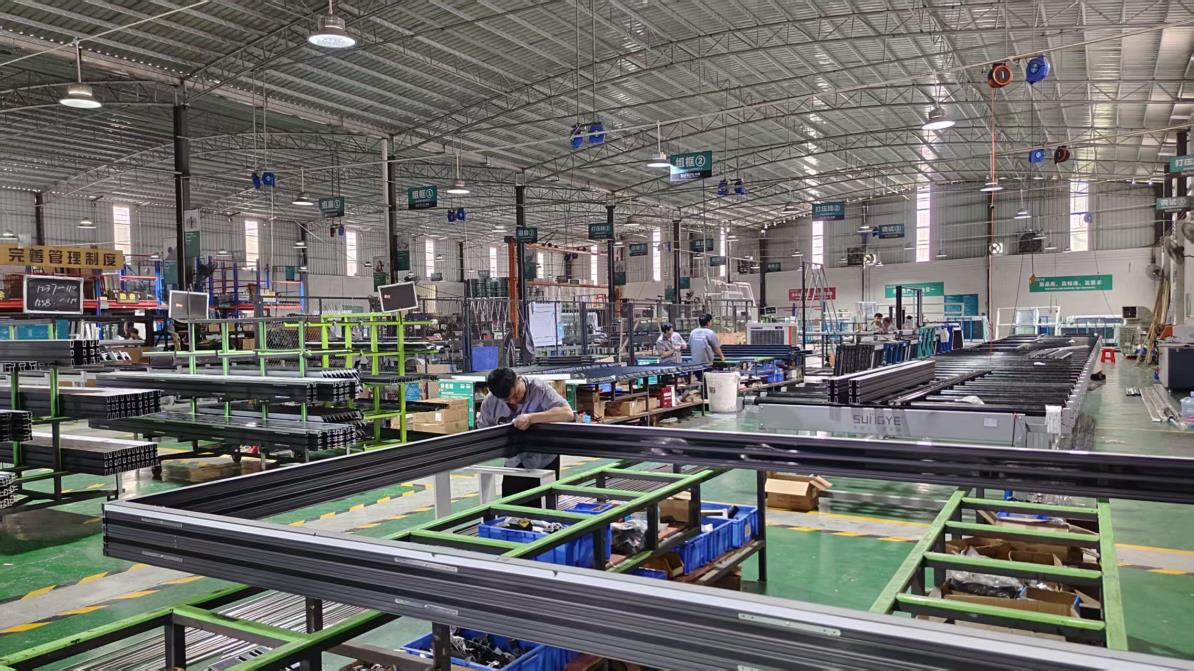
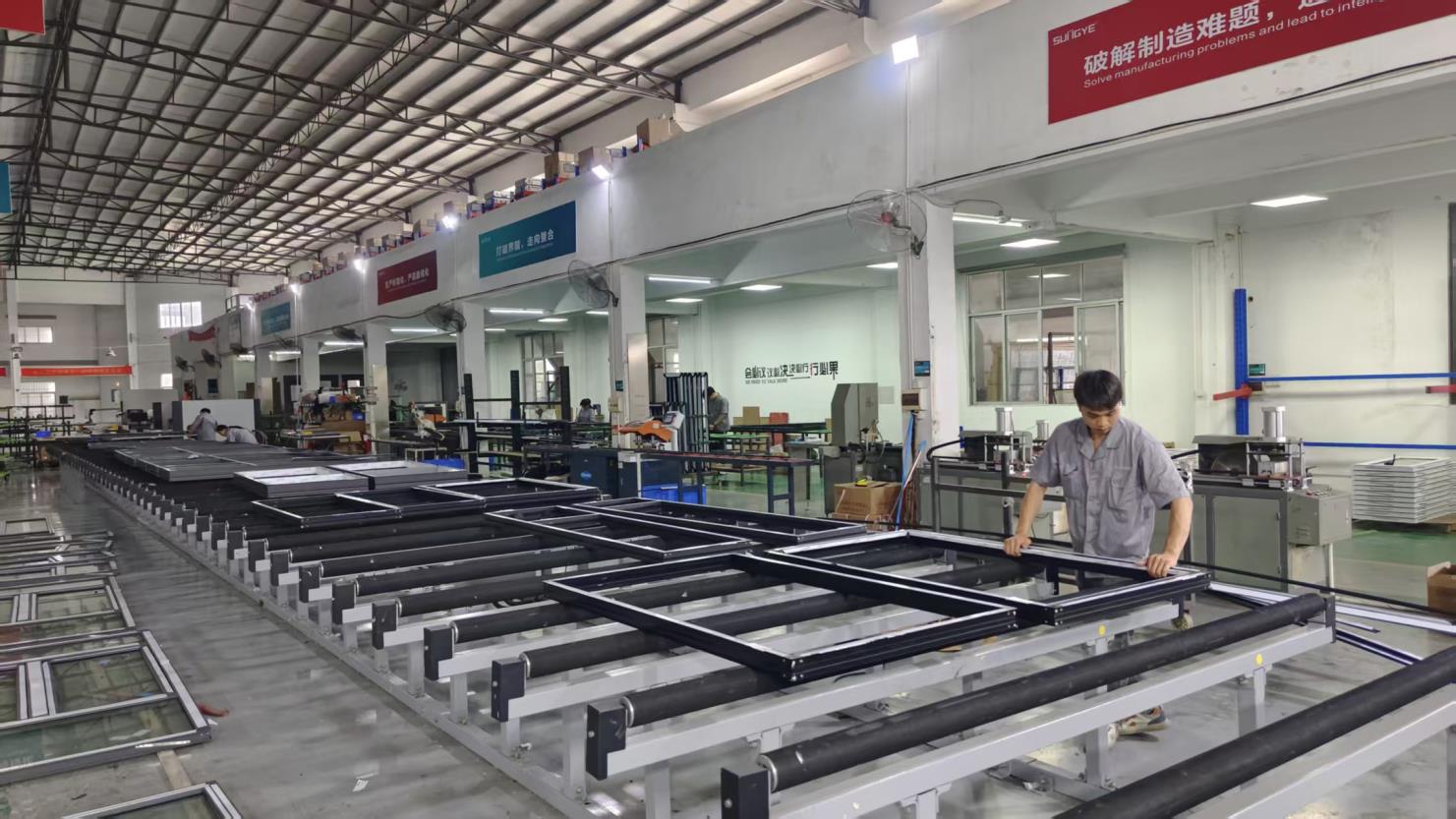
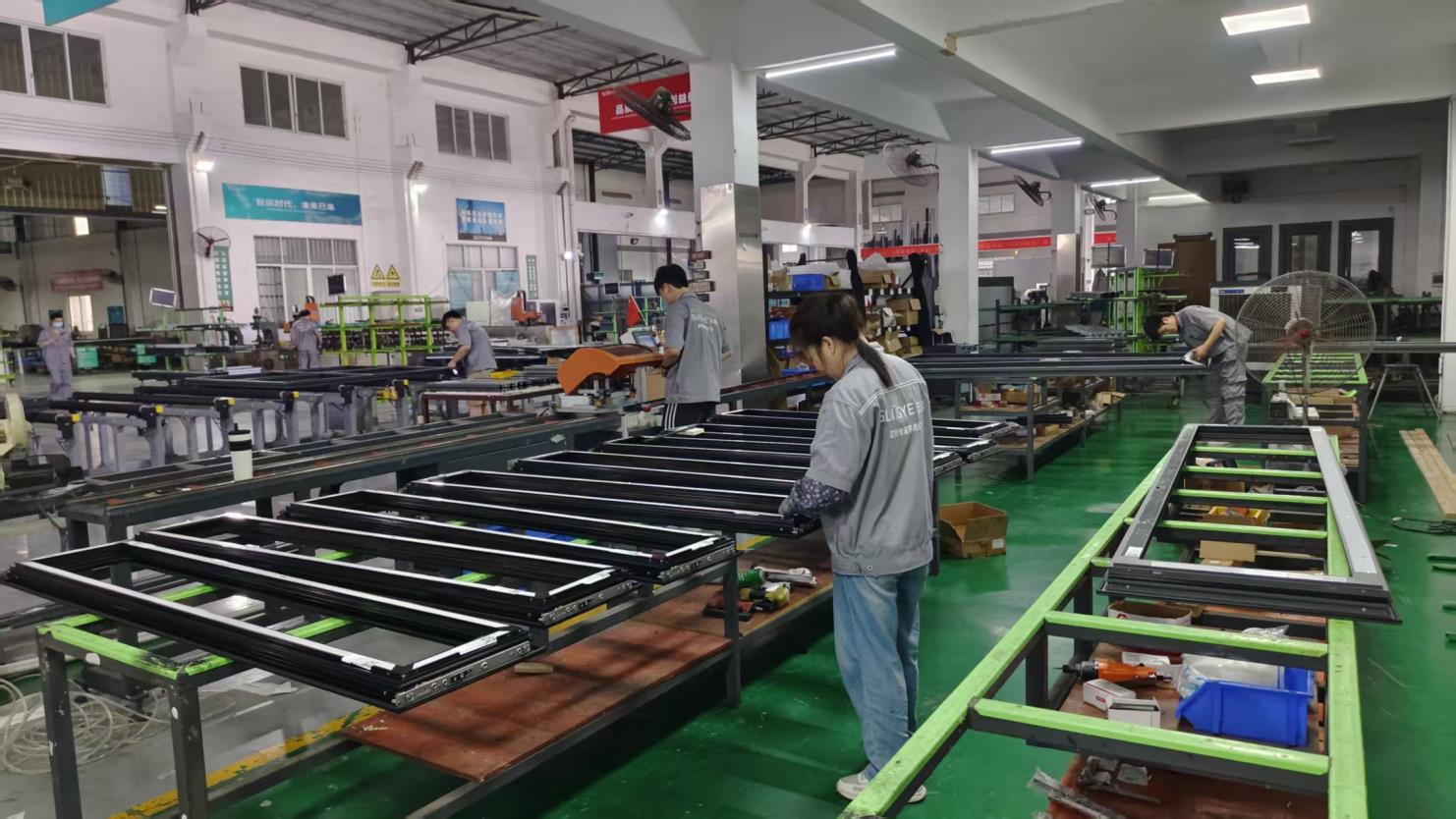
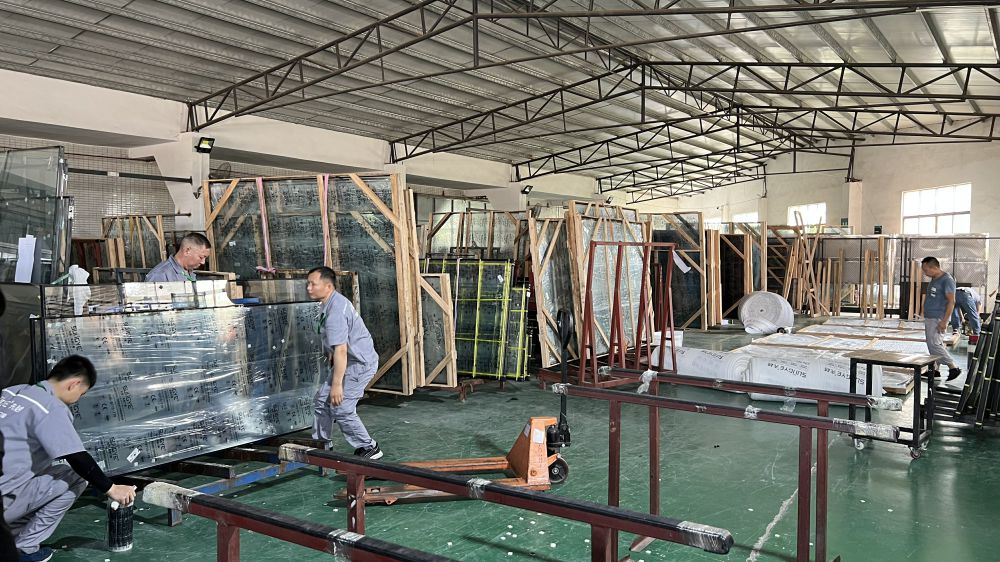
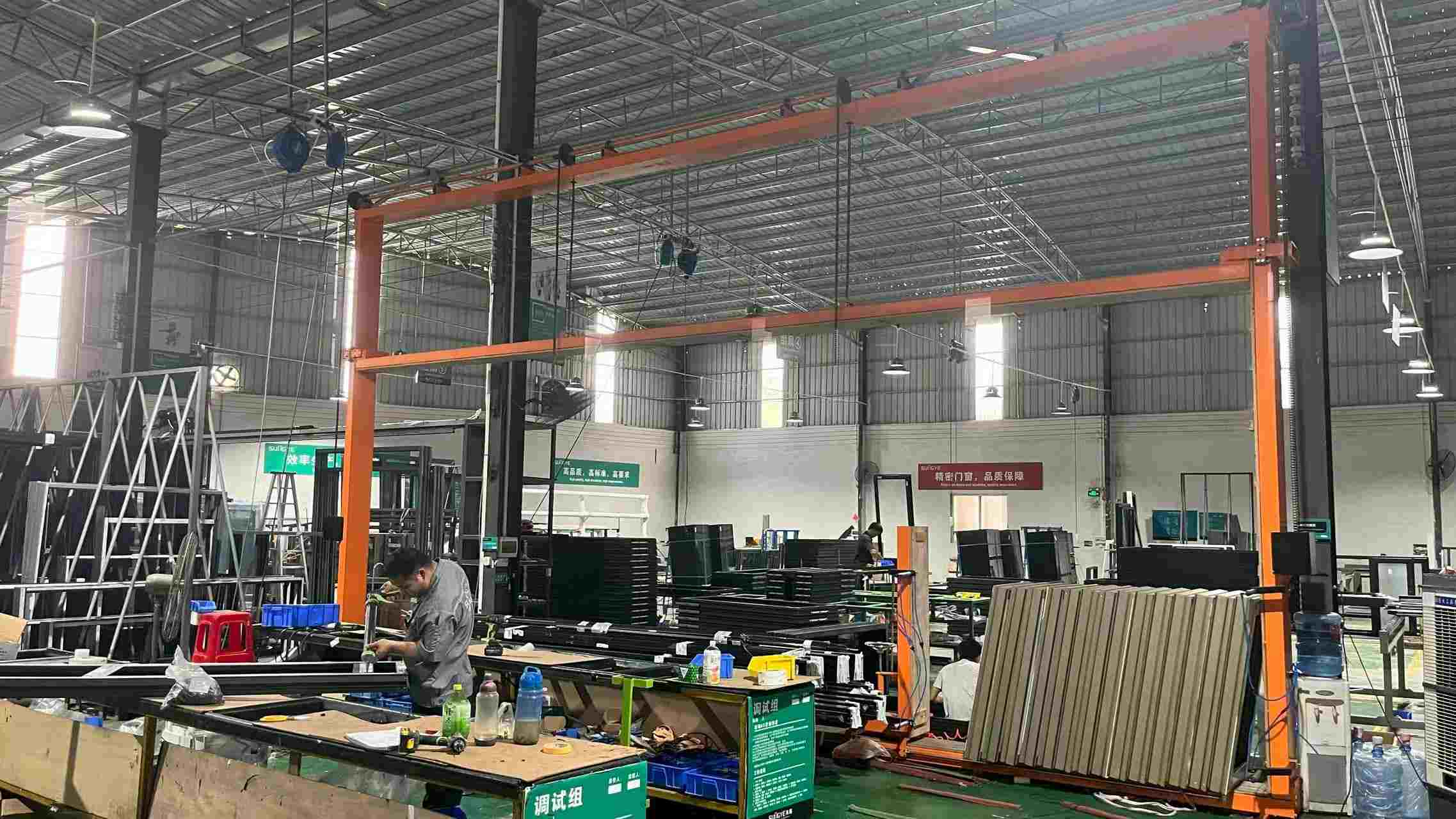
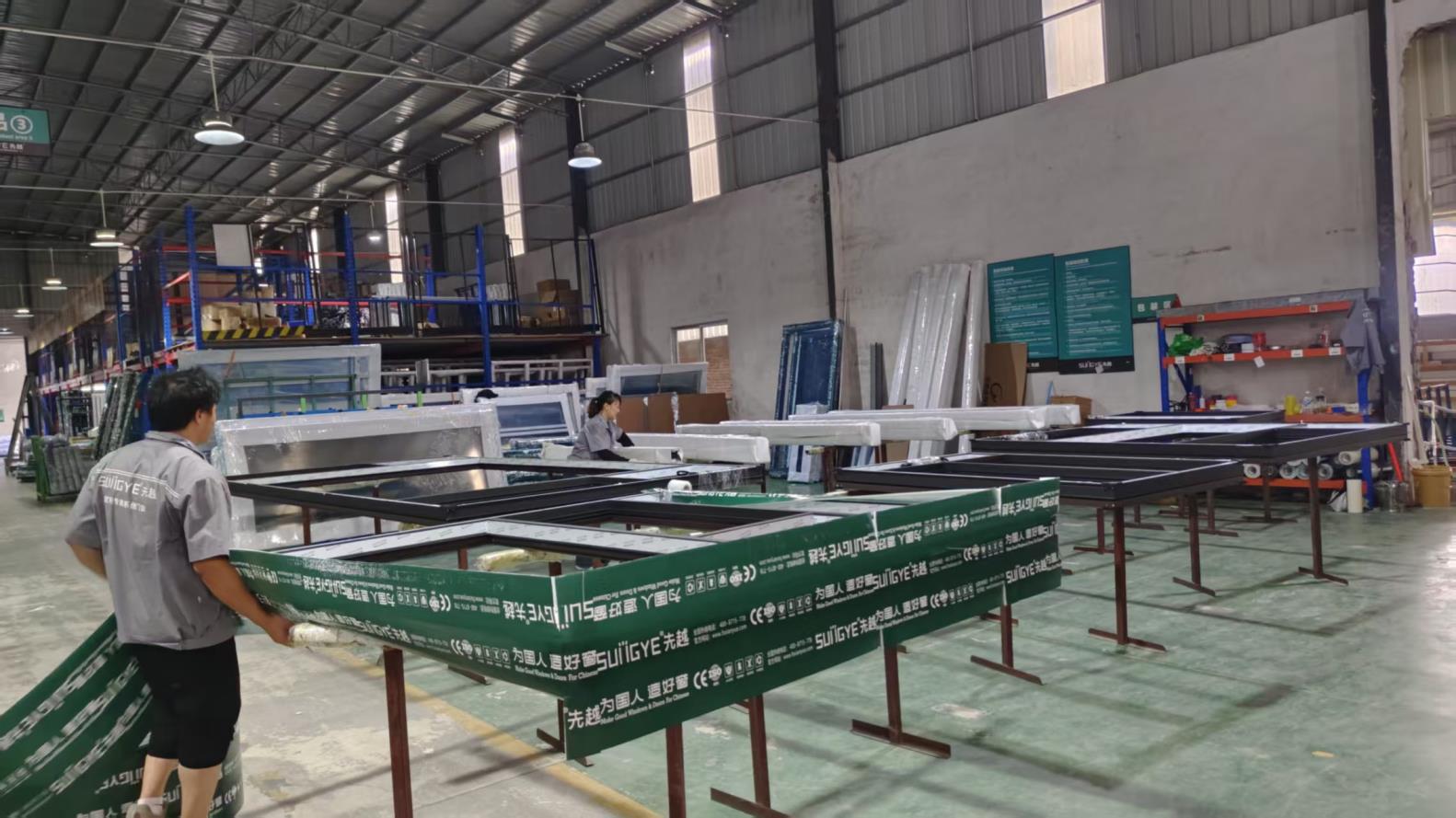
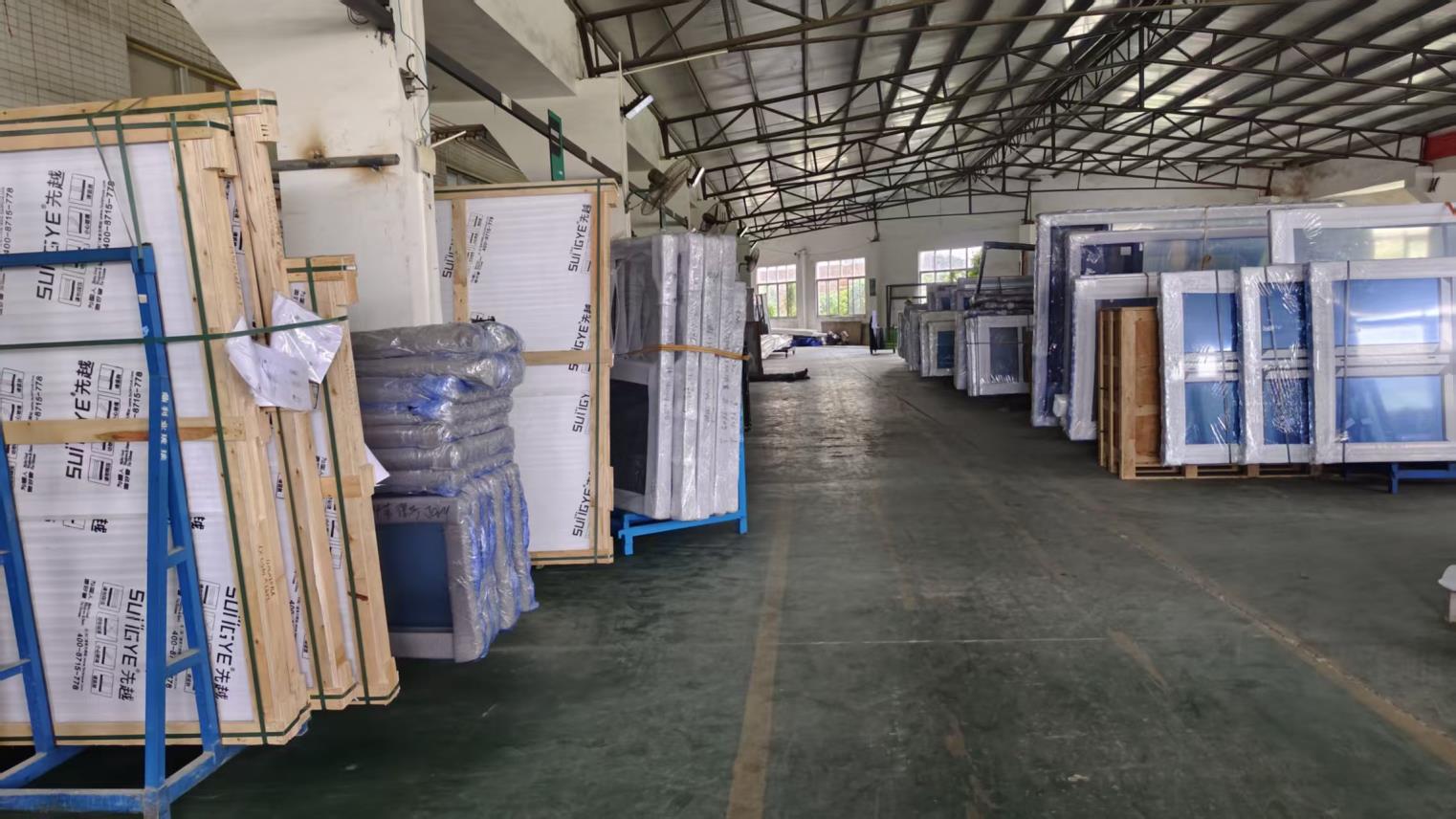
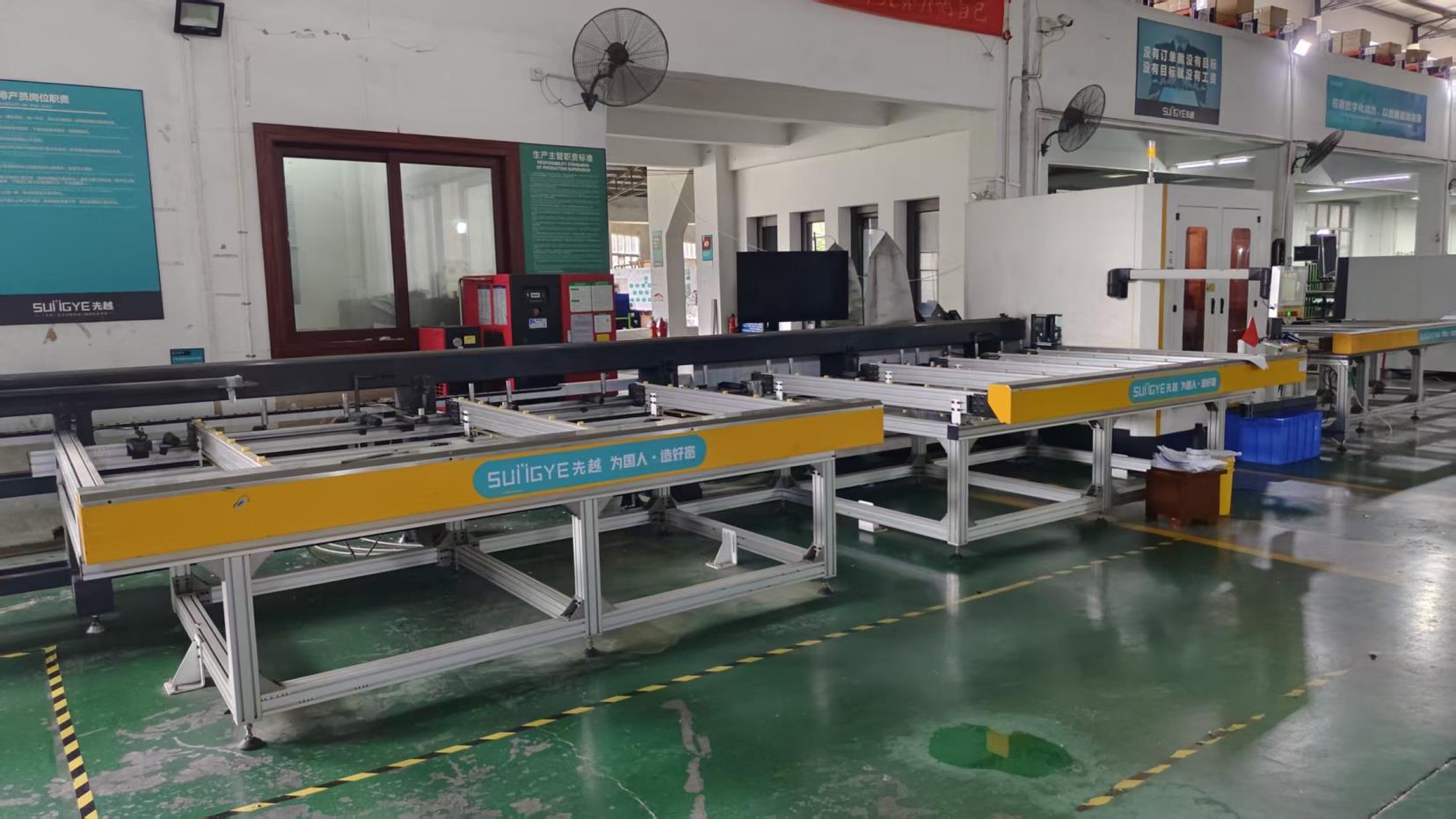
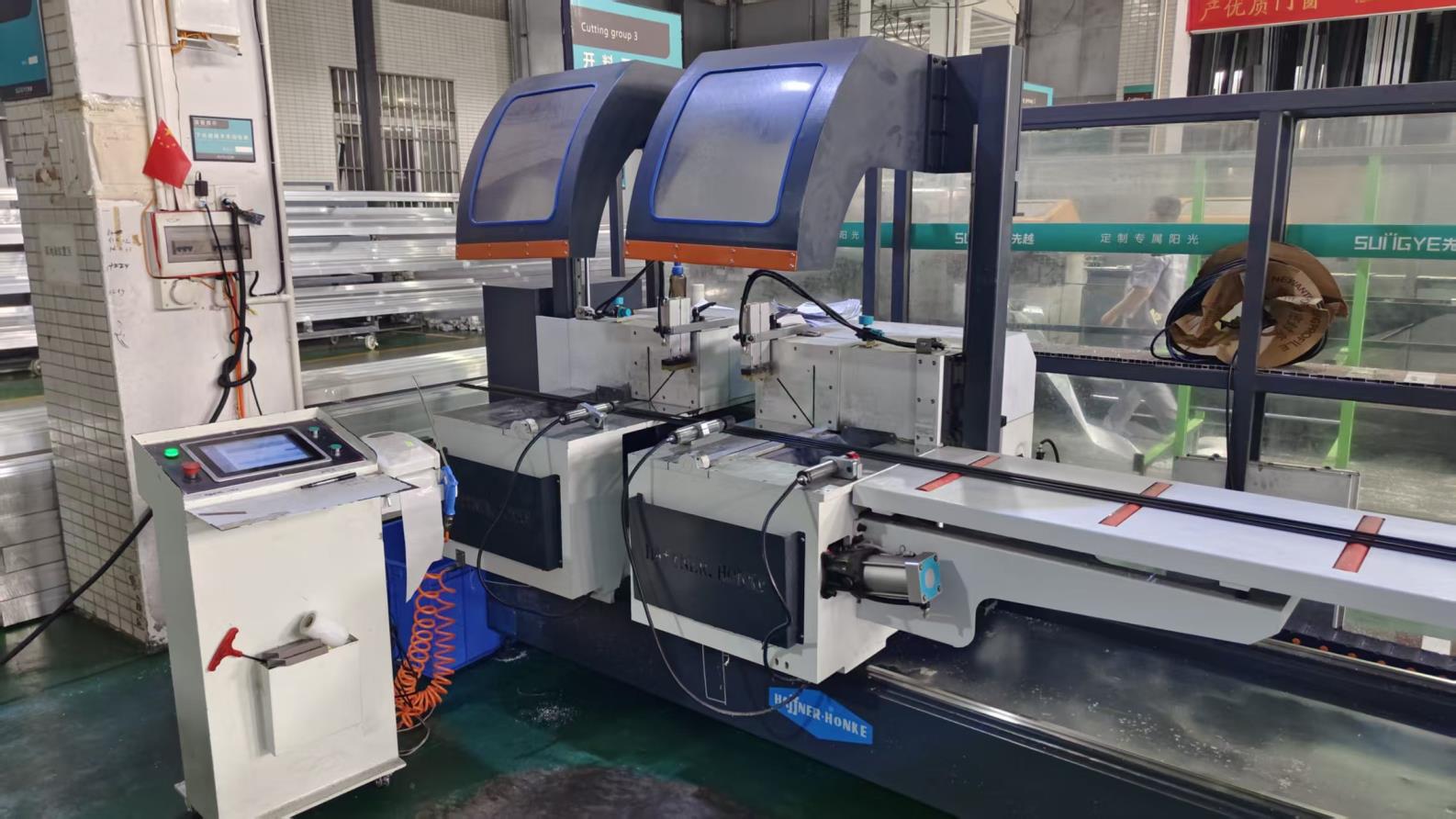
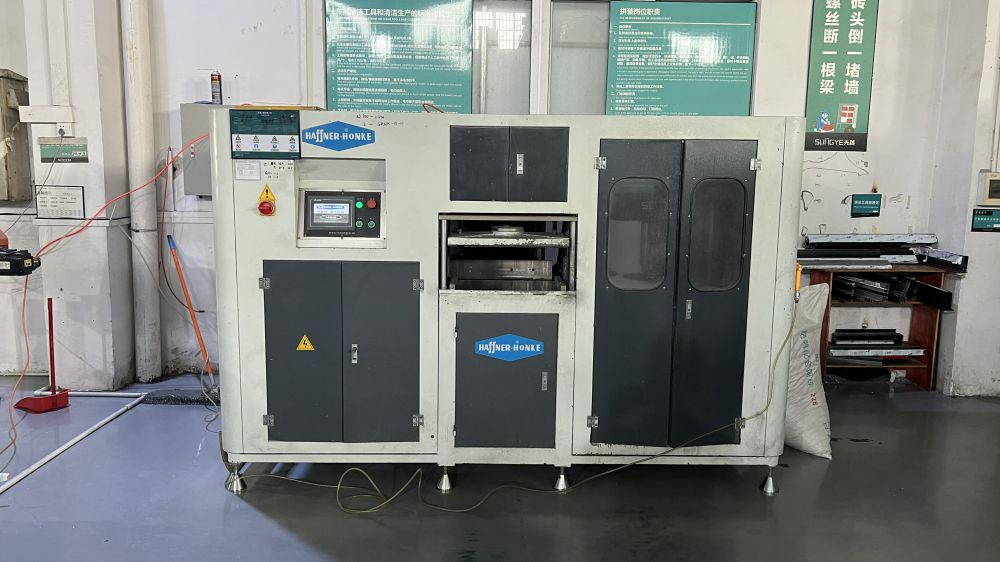
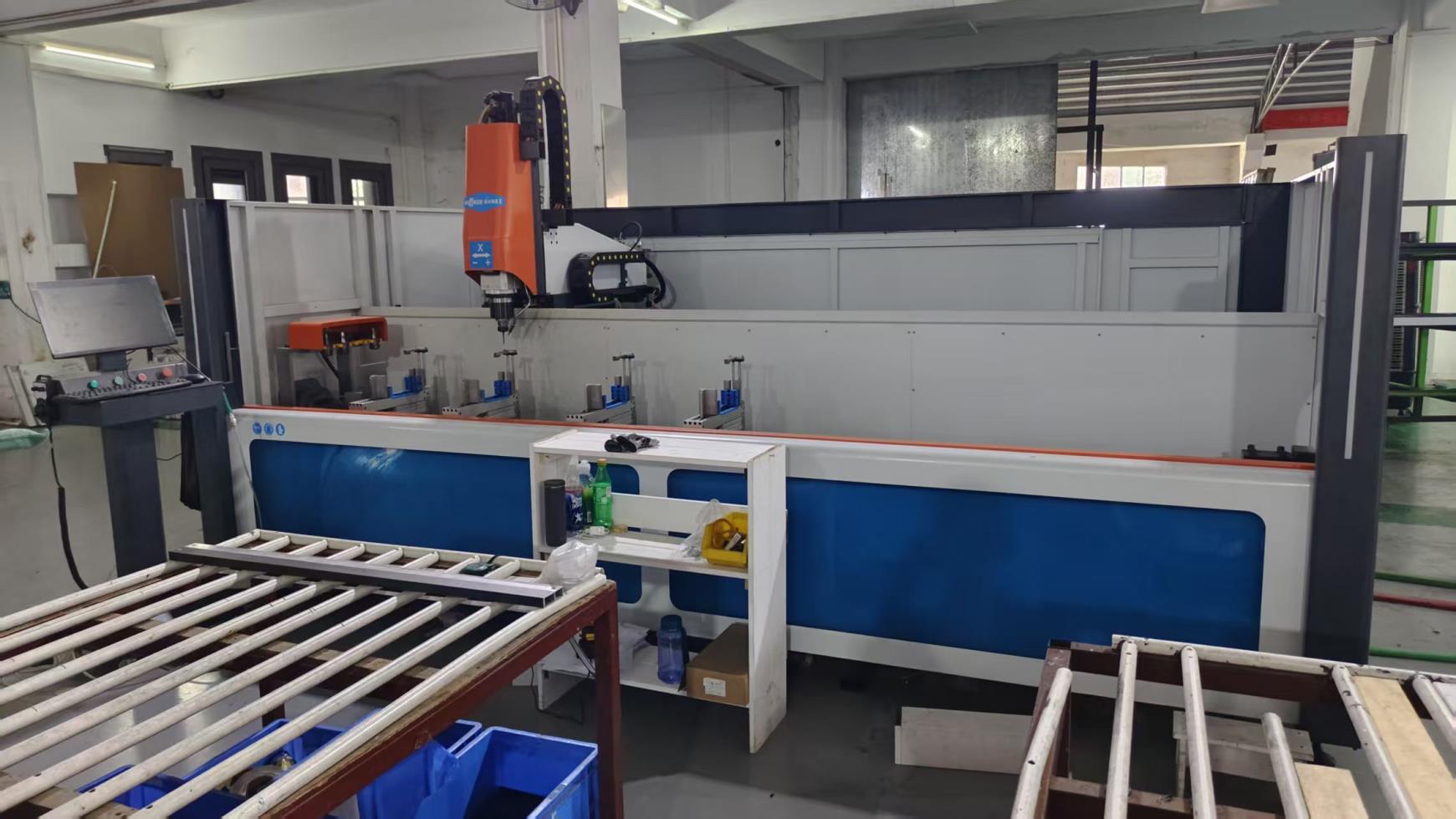
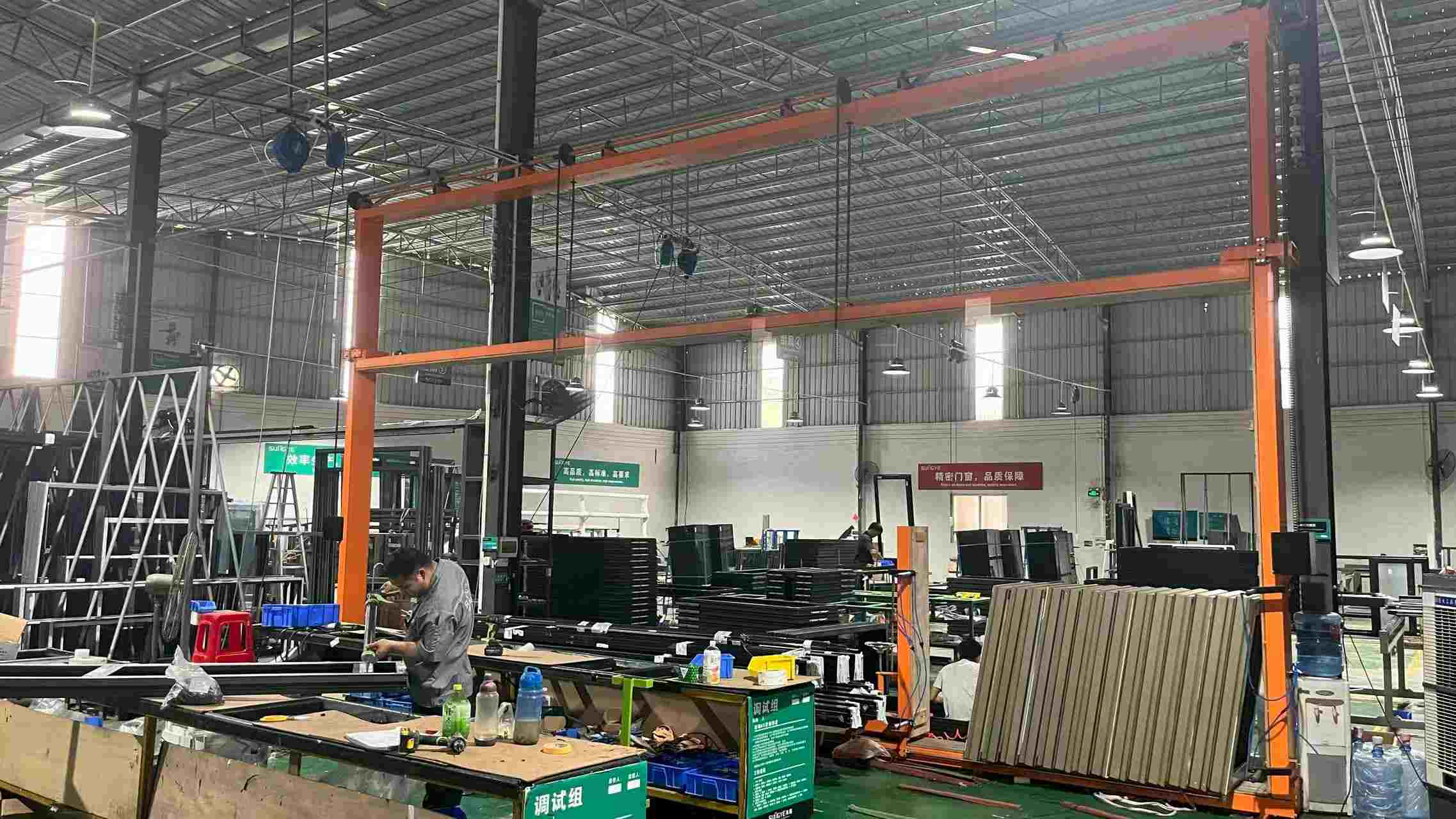
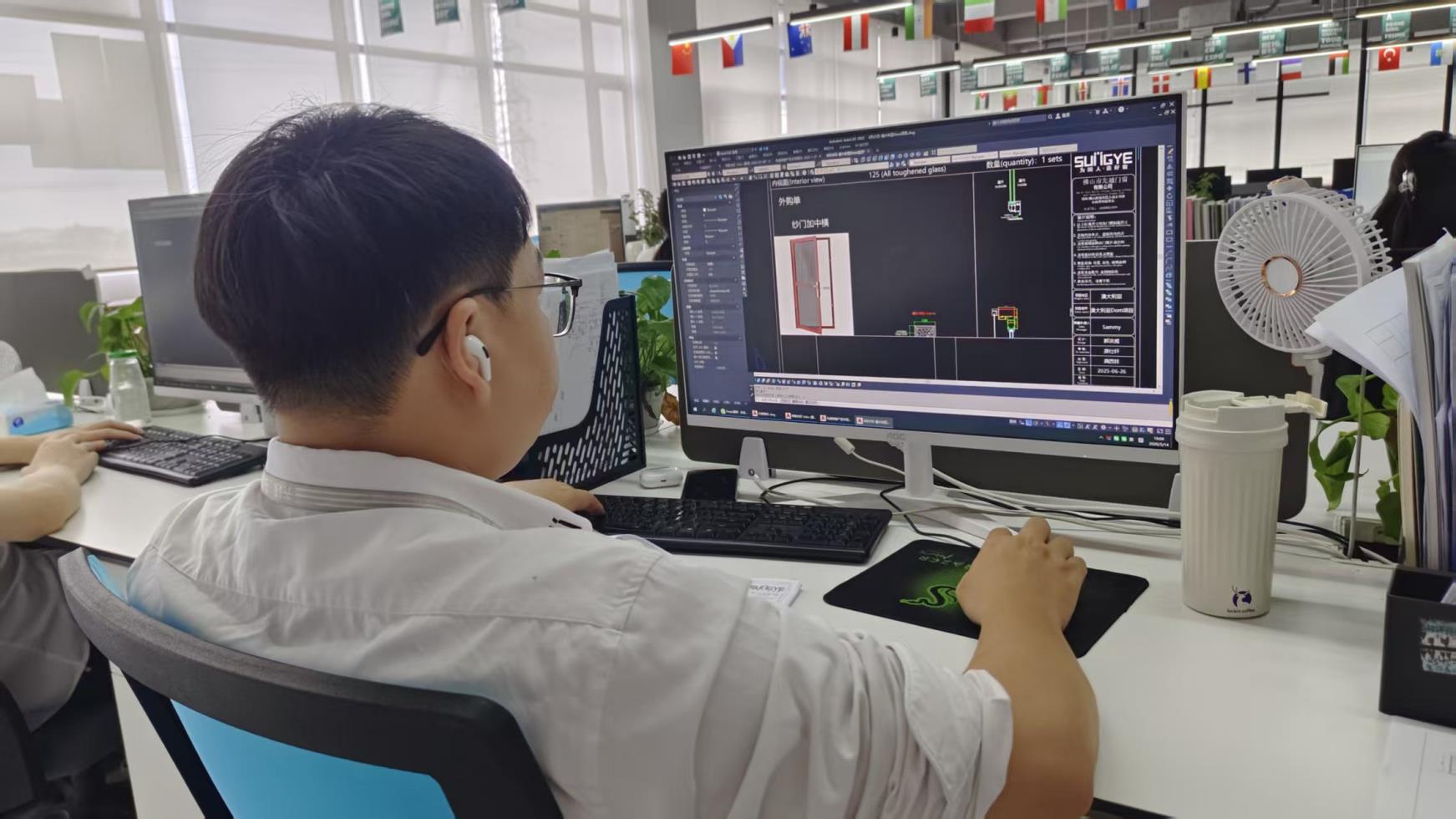
Our automated Industry 4.0 facility utilizes precise CNC milling, laser cutting, automated corner crimping, and triple-stage quality verification at every node of fabrication. Below is our direct visual production sequence:
Navigating foreign procurement in Japan requires overcoming logistics, compliance, design customization, and strict site delivery timing (Just-In-Time / JIT). Cresta delivers turnkey fenestration packages designed specifically for Japanese contractors and commercial procurement houses.
Ultra-slim aluminum profiles maximizing natural daylighting, concealed hinges, tilt-and-turn functionality, and built-in motorized retractable insect screens (Flyscreen Mesh) designed for premium homes in Karuizawa, Hakone, and suburban Tokyo.
Heavy-duty, wind-load certified structural casement units with limited opening restrictors (child safety locks) and acoustic dampening glazing setups designed to fulfill severe municipal zoning noise requirements in urban Tokyo.
Full support for custom die extrusions matching exact Japanese module dimensions (1-Ken = 1818mm grid systems). Our internal engineering hub provides instant CAD/BIM modeling support to convert architectural specs into factory-ready shop drawings.
Our specialized Japanese export division offers complete technical submittal packages including shop drawings, thermal simulation reports, and sample profile kits delivered within 7 business days.
As the global building industry shifts toward carbon neutrality and smart automated environments, Cresta’s R&D center is advancing several key technologies specifically designed to meet future Japanese architectural standards:
By replacing standard double-glazing with 8.3mm ultra-thin Vacuum Insulated Glass, Cresta is targeting U-values as low as 0.60 W/m²K. This technology provides triple-pane performance at a fraction of the frame weight, dramatically easing installation ergonomics for Japanese builders.
Incorporating motorized chain actuators fully integrated with Japanese smart home ecosystems (such as KNX and Zigbee protocols). Automated window opening based on ambient indoor CO2 levels and weather-station feedback optimizes passive ventilation during mild seasons.
Expert answers to critical technical and trade questions regarding casement window importation into Japan.
Our casement windows are manufactured in strict compliance with JIS A 4706 (Windows and door sets). We test and rate our systems for Wind Pressure Resistance (S-5 to S-7 ratings), Air Tightness (Class A-4), Water Tightness (W-5), and Sound Insulation (T-2 to T-4). Formal laboratory test reports can be furnished during the submittal phase.
Cresta casement windows utilize high-tensile 6063-T6 aluminum alloys with reinforced wall thicknesses (up to 2.0mm structural walls). Combined with continuous multi-point hardware locks and heavy-duty corner-crimping with dual-component adhesive sealant, our window frames withstand design wind pressures up to 3600 Pa, vastly exceeding standard typhoon wind load requirements.
Yes, as a specialized manufacturer, we frequently engineer custom profiles tailored to Japanese modular grids (such as 910mm or 1820mm center-to-center dimensions). Our engineering team converts traditional architectural drawings into automated CNC tooling paths to achieve millimeter-accurate custom fabrication.
Standard production turnaround for batch commercial orders is 25–30 calendar days following shop drawing approval. Ocean shipping from Guangzhou/Shenzhen to Yokohama or Osaka takes approximately 4–6 days, providing Japanese builders with an exceptionally responsive supply chain compared to European suppliers.
We enforce a 5-layer protective packaging standard: 1) Protective blue anti-scratch film on aluminum faces, 2) EPE foam corner bumpers, 3) Bubble wrap wrap-around, 4) Heavy-duty corrugated cardboard boxing, and 5) Fully sealed fumigated plywood crates with internal moisture-absorbing desiccant.
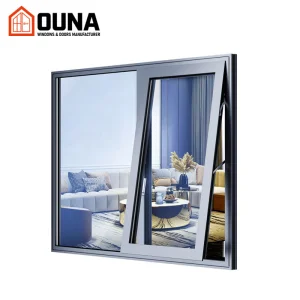
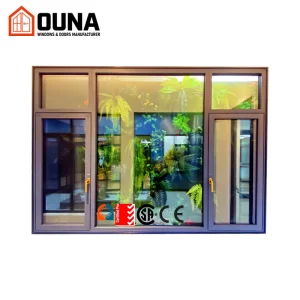
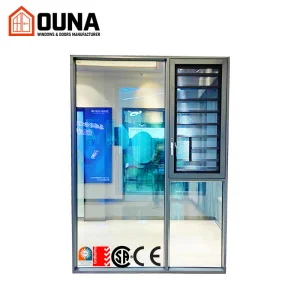
Explore our comprehensive catalog of NFRC, CSA, and AS2047 certified casement and awning window models engineered for high-end residential and commercial builds.
Partner directly with Guangzhou Cresta Door & Window Co., Ltd. for factory-direct wholesale pricing, guaranteed JIS compliance, and specialized engineering support.
Send Inquiry Now Cresta Window Tech