High-performance vertical electric sliding windows optimized for Boston residential retrofits, commercial facades, and oceanfront developments.
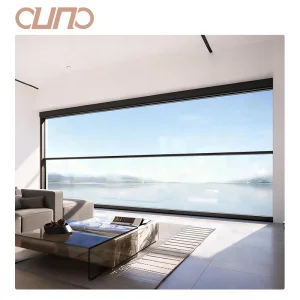
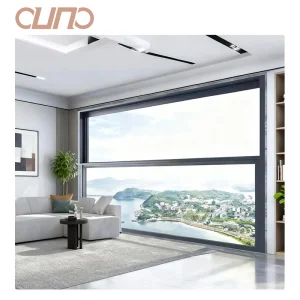
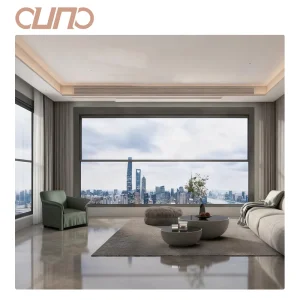
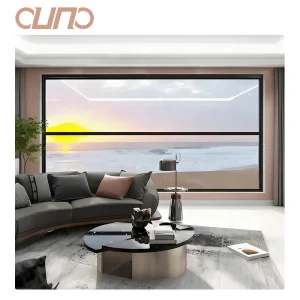
The Greater Boston architectural landscape presents a demanding intersection of historical preservation, stringent municipal building codes (such as the Massachusetts State Building Code 780 CMR and IECC 2021 energy standards), and aggressive sub-arctic coastal climate pressures. From the historic brownstone renovations of Beacon Hill and Back Bay to high-density commercial developments in the Seaport District and Cambridge's biotech hubs, fenestration systems must deliver uncompromising structural integrity, superior thermal insulation (Low U-Factors), and sophisticated architectural aesthetics.
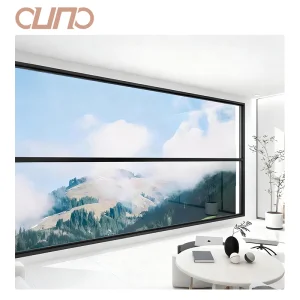
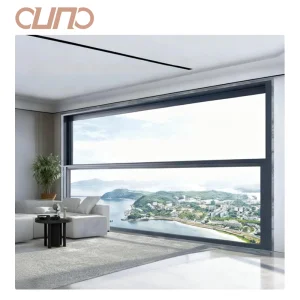
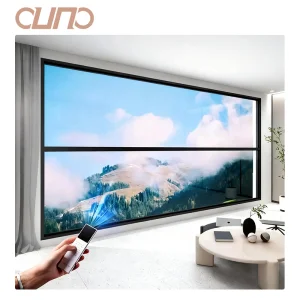
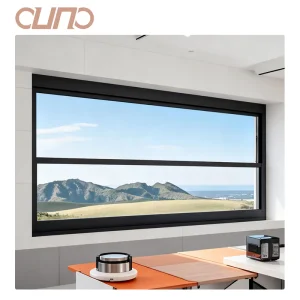
Electric lifting windows—frequently designated as motorized vertical sliding windows or automated guillotine glass systems—have transitioned from luxury novelties to essential architectural solutions. By leveraging precision servo-motorized actuation, multi-chambered thermal break aluminum profiles, and smart building integration (BACnet, KNX, Lutron, and IoT home automation), modern electric lifting windows optimize spatial efficiency, enhance natural stack ventilation, and create seamless indoor-outdoor commercial environments.
The global commercial fenestration market is undergoing a structural transition toward dynamic building envelopes. Traditional horizontal sliding or outward-swinging casement windows present operational limitations in urban environments with restricted floor plates or tight exterior setback clearances. In contrast, vertical guillotine electric lifting windows operate completely within their own vertical plane, preserving 100% of usable floor space and outdoor balcony real estate.
In the commercial hospitality sector across Boston—particularly outdoor dining spaces in the North End, rooftop venues in Downtown Crossing, and waterfront dining in Fort Point—electric lifting glass systems serve a dual function. When fully lowered, they provide safety balustrades and wind shelter; when elevated automatically via push-button or automated sensor, they create open-air dining environments without manual labor or bulky mechanical folding doors.
Seamlessly transform sidewalk cafes and elevated dining rooms into open-air experiences. Motorized lower panels drop to form glass balustrades while upper panels lift silently, allowing Boston venues to maximize year-round seat turnover.
Built for the severe wind loads and salt spray of Boston Harbor and Massachusetts Bay. Multi-point locking mechanisms paired with double or triple-glazed Low-E argon glass prevent drafts and moisture ingress during winter storms.
Integration with Cambridge building management systems (BMS). Automated night-flush cooling cycles leverage thermal chimney effects to lower energy consumption during hot summer months in compliance with Boston's BERDO regulations.
When procuring motorized fenestration systems for US East Coast developments, general contractors and architects require verifiable performance credentials. Cresta's window systems are engineered to surpass standard North American fenestration requirements:
| Technical Parameter | Standard Commercial Specification | Cresta Industrial Grade Performance | Boston Code Relevance |
|---|---|---|---|
| Thermal Transmittance (U-Factor) | 0.35 - 0.45 BTU/h·ft²·°F | 0.22 - 0.26 BTU/h·ft²·°F (NFRC Certified) | Meets IECC Climate Zone 5A Energy Envelope Specs |
| Acoustic Insulation (STC Rating) | 28 - 32 dB | 38 - 45 dB (Double/Triple Glazed Acoustic Interlayer) | Critical for Boston Logan Flight Path & City Traffic |
| Wind Pressure Resistance | 1.5 kPa (Design Pressure 30) | 3.0 - 4.5 kPa (Design Pressure 65+) | Withstands Coastal Nor'easter Storm Loads |
| Actuation Drive System | Manual Counterweight / Basic Belt | Dual Synchronized Tubular Servo Motors with Obstacle Detection | Ensures Safety & ADA Compliant Push-Button Control |
| Aluminum Profile Finish | Standard Anodized (10-15 Microns) | AkzoNobel PVDF Fluorocarbon Coating (25+ Microns) | Prevents Salt-Spray Corrosion in Coastal Environment |
Guangzhou Cresta Door & Window Co., Ltd. bridges high-end European design standards with China's unmatched advanced manufacturing supply chain infrastructure. Operating an 18,000-square-meter precision manufacturing hub, Cresta leverages automated CNC cutting, robotic multi-axis milling, and automated glass assembly lines to maintain extreme dimensional tolerances (±0.5mm).
Backed by 11 years of structural engineering expertise, 7 years of international trade execution, and an annual export volume reaching $22 million, Cresta maintains direct relationships with over 550 upstream material suppliers. This scale enables raw material quality controls, such as sourcing high-grade 6063-T6 virgin aluminum extrusions, Technoform thermal break polyamide strips, and premium Somfy or customized smart servo drives.
Factory Execution & Quality Control PipelineTo guarantee complete optical clarity, absolute weatherproofing seal performance, and whisper-quiet motor operation, every unit undergoes rigorous testing across 12 distinct automated stages:
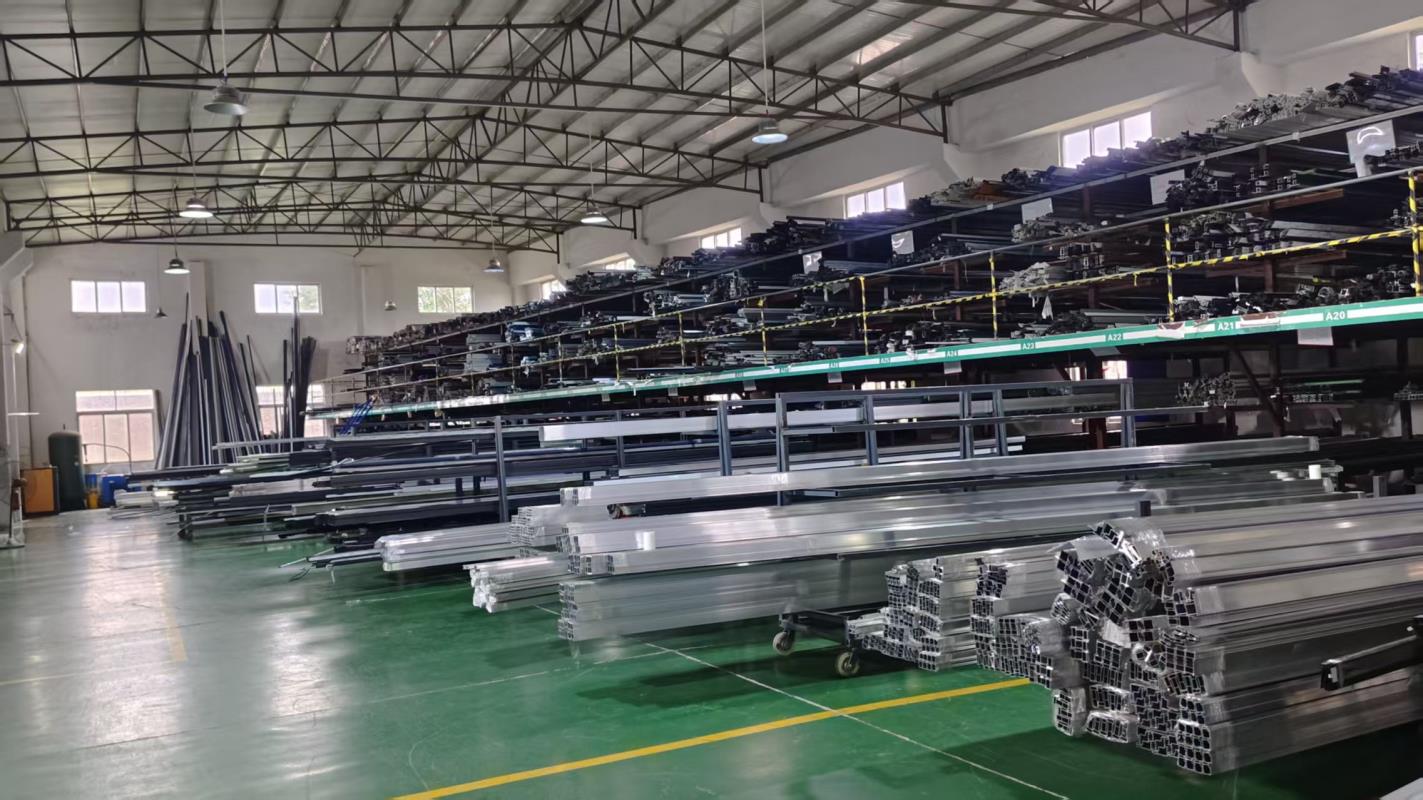
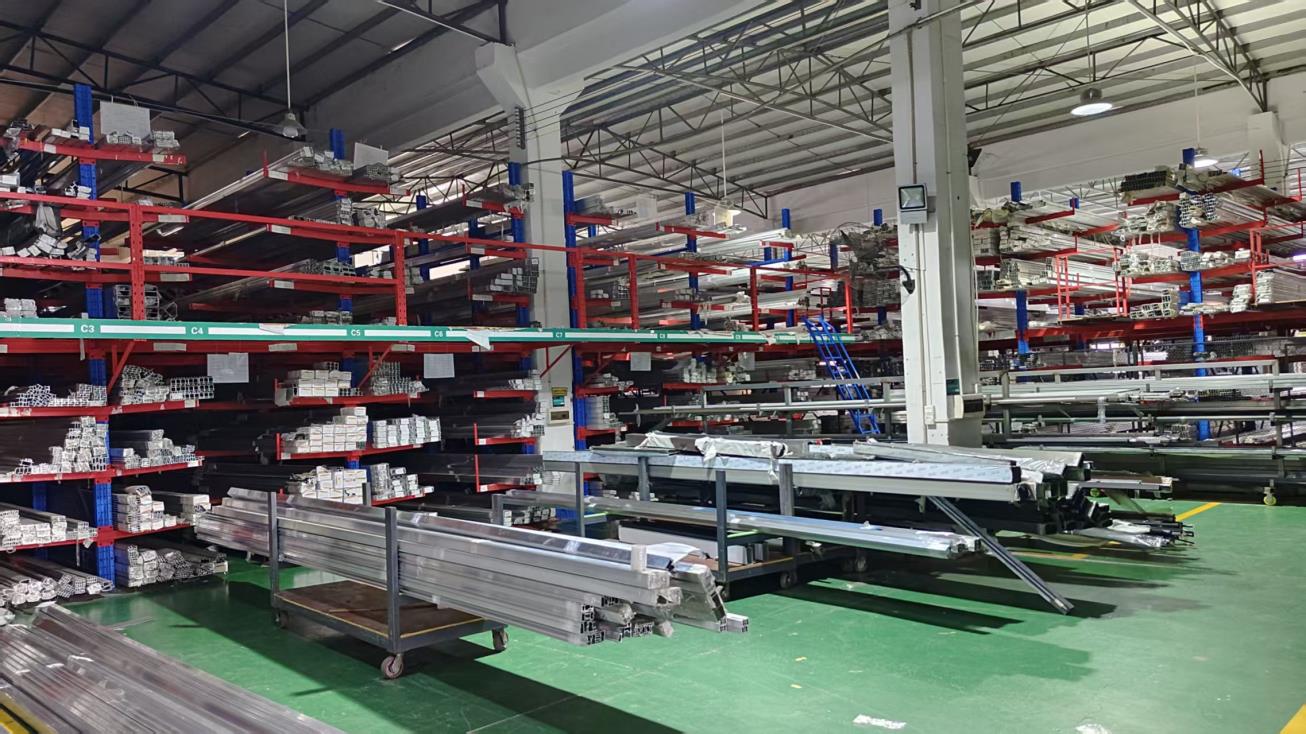
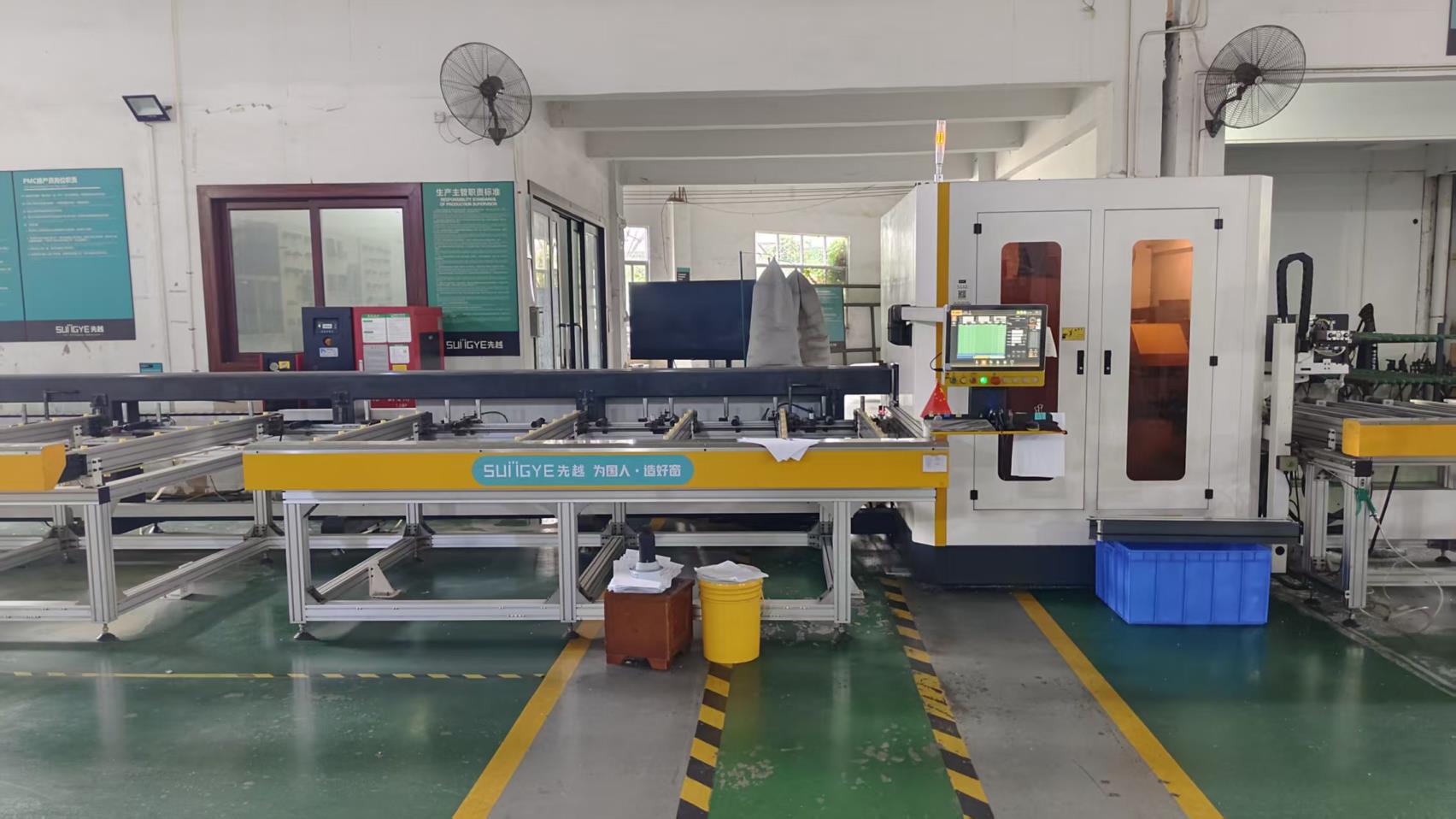
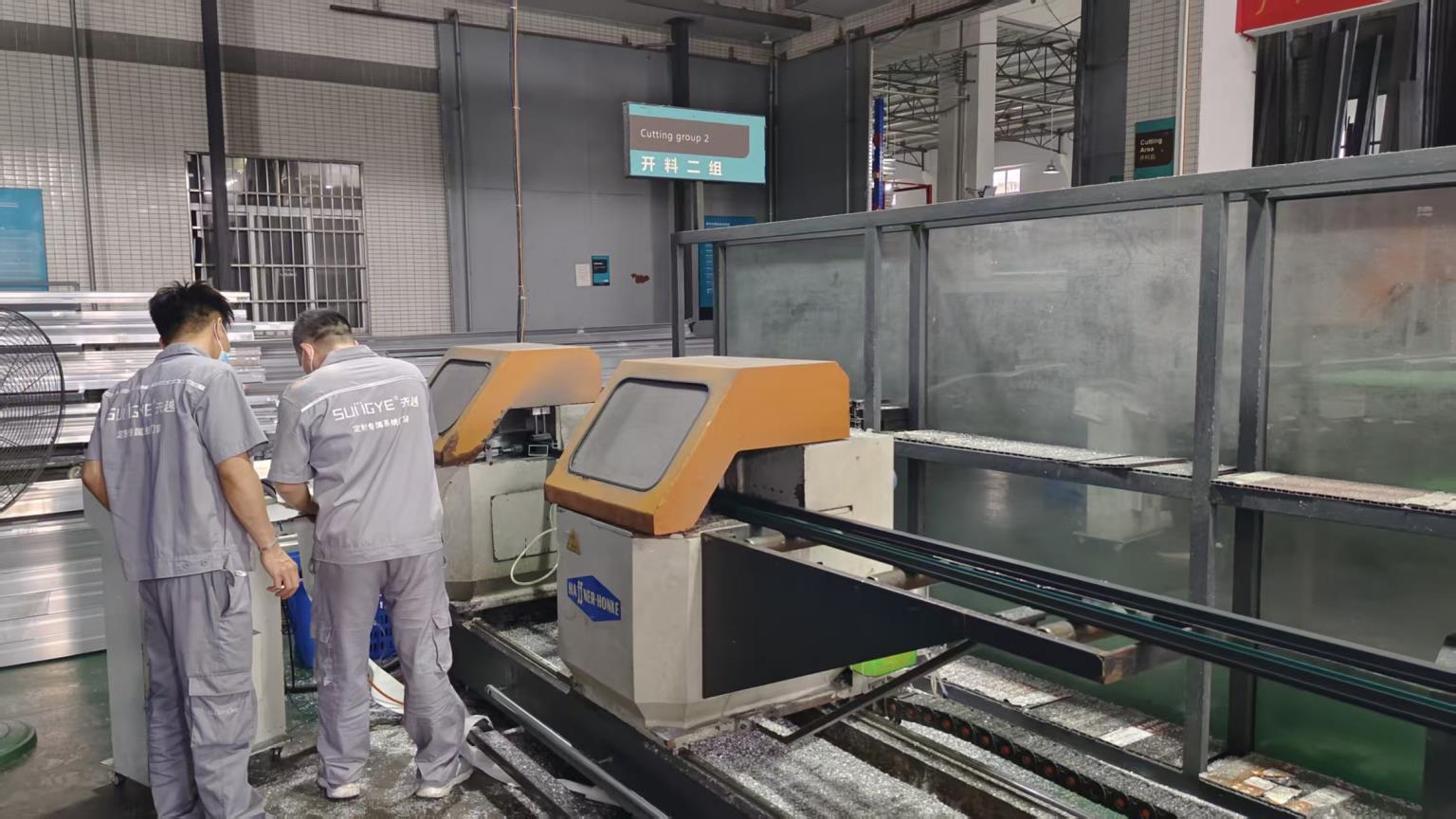
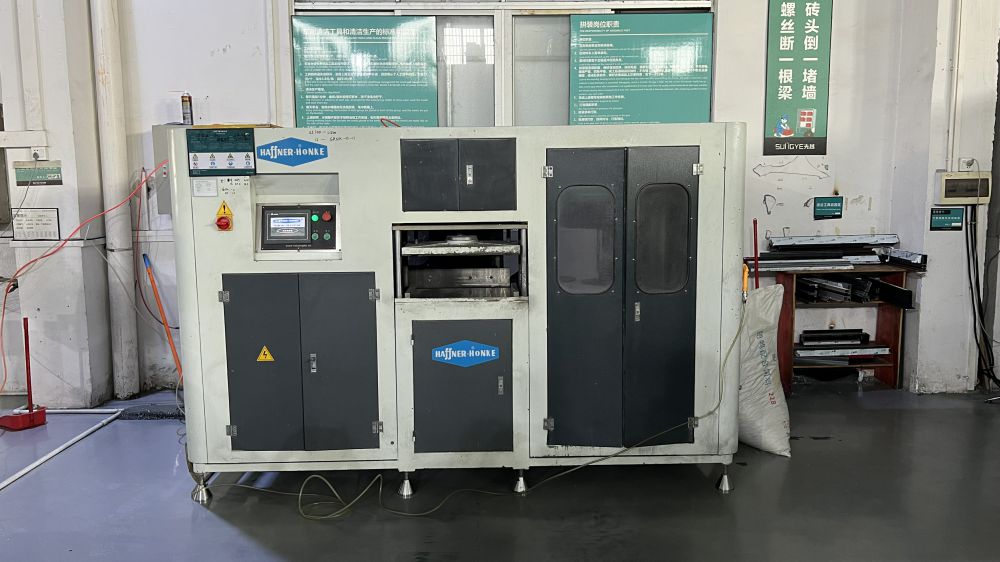
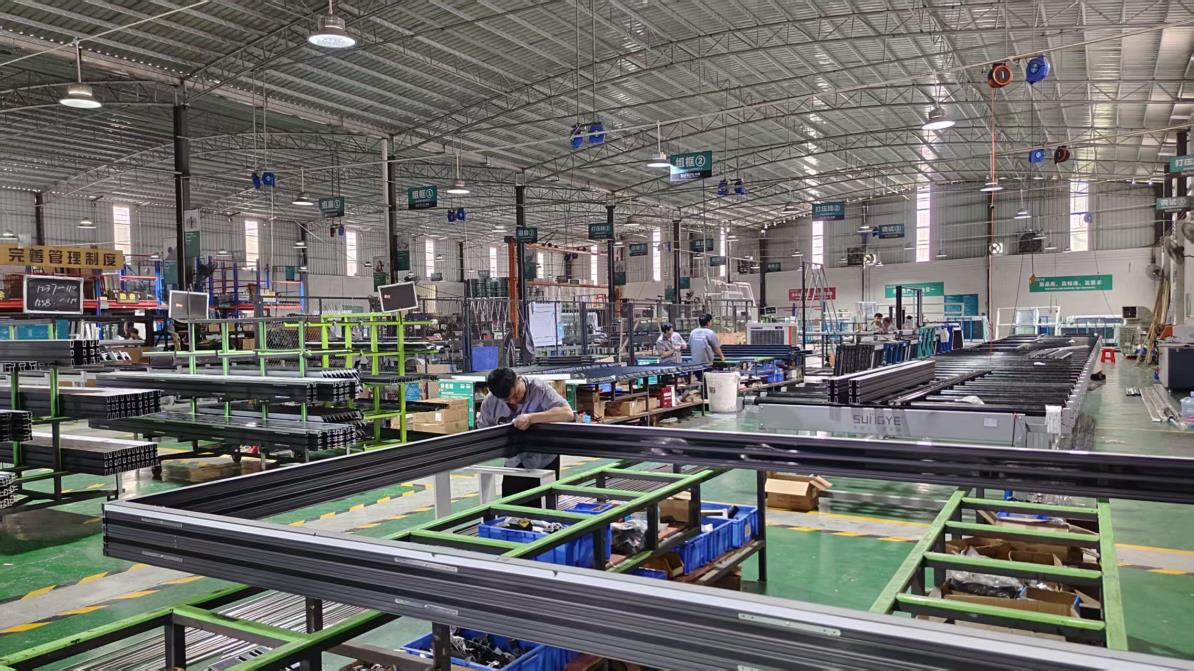
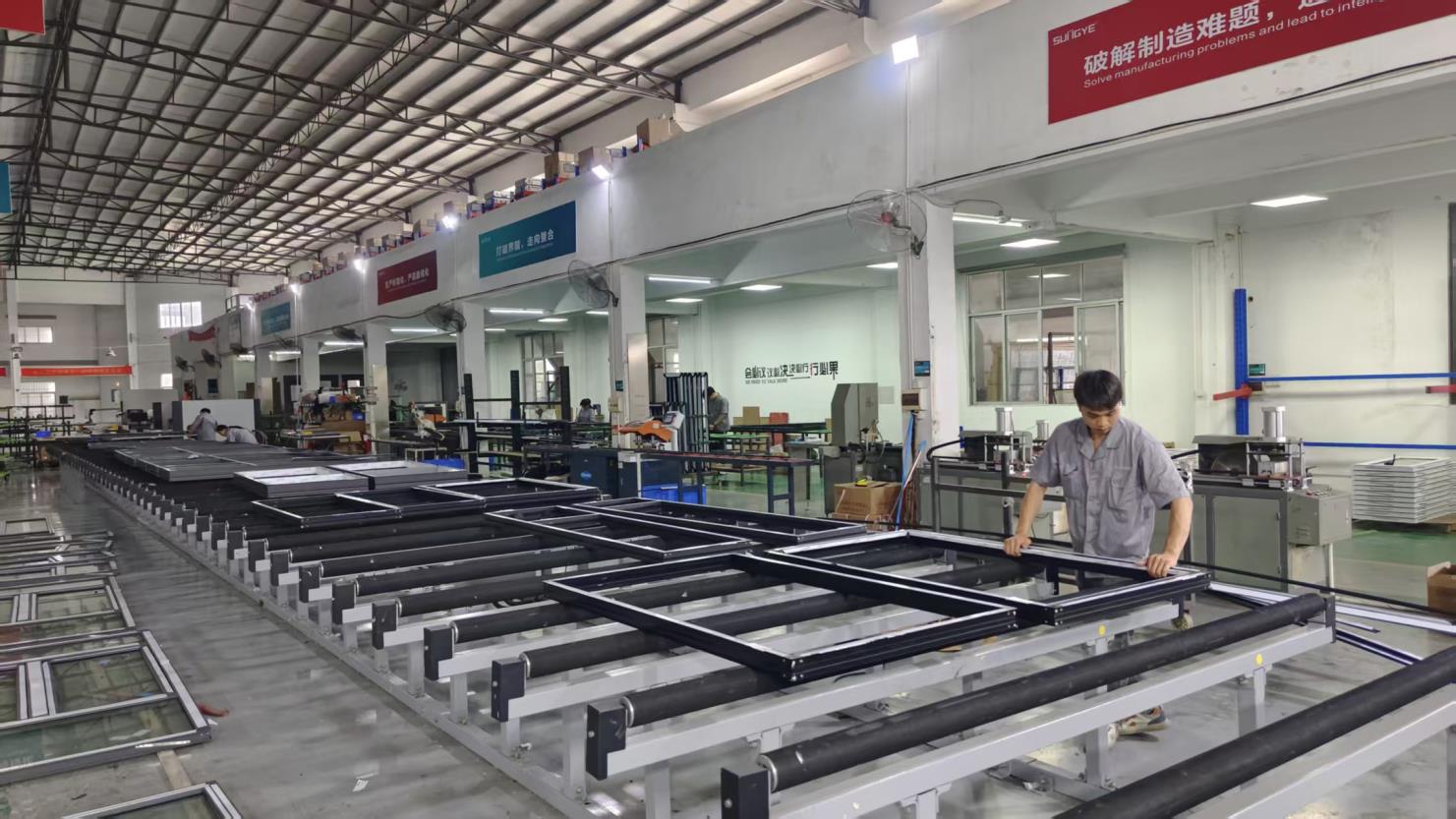
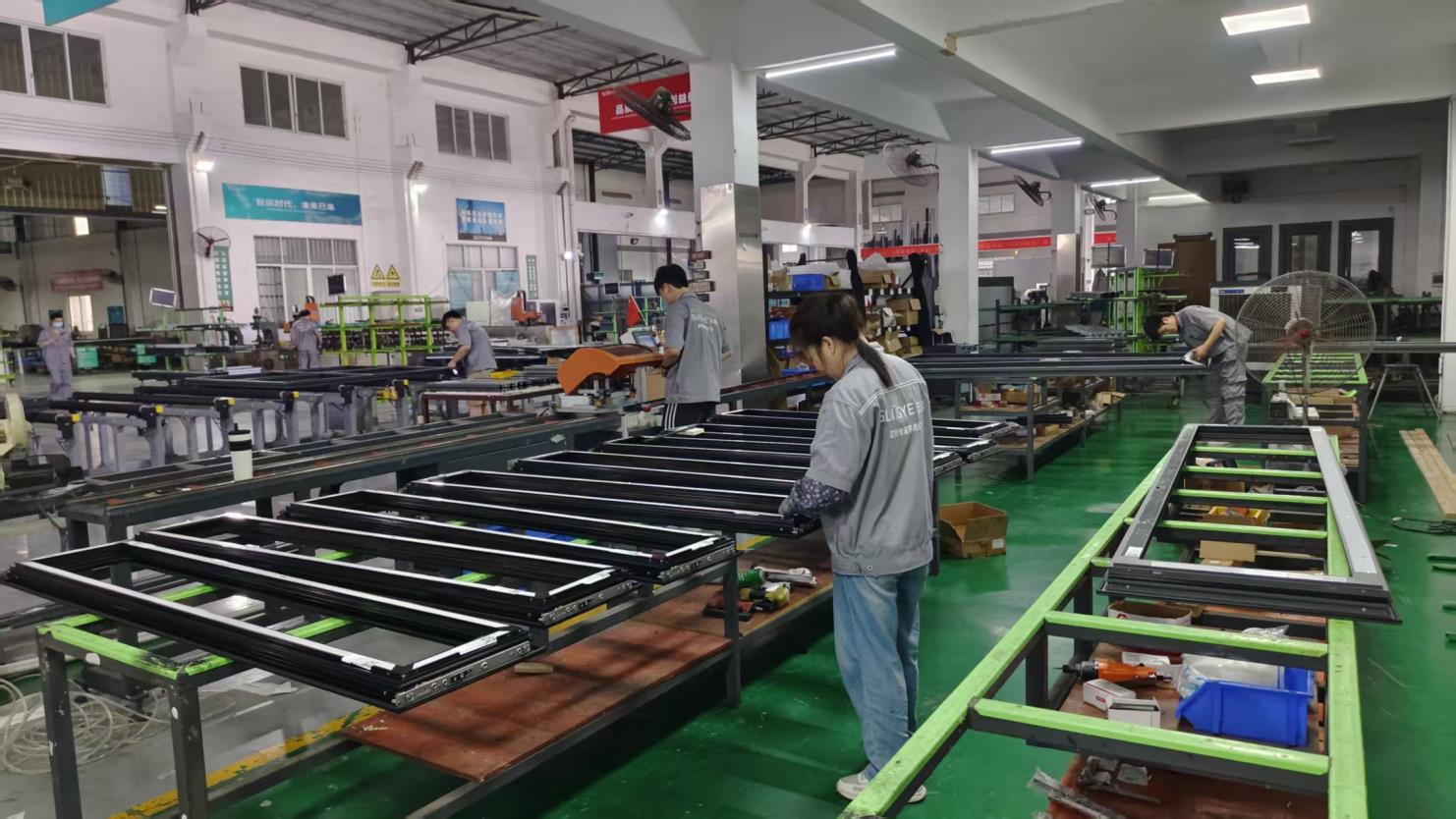
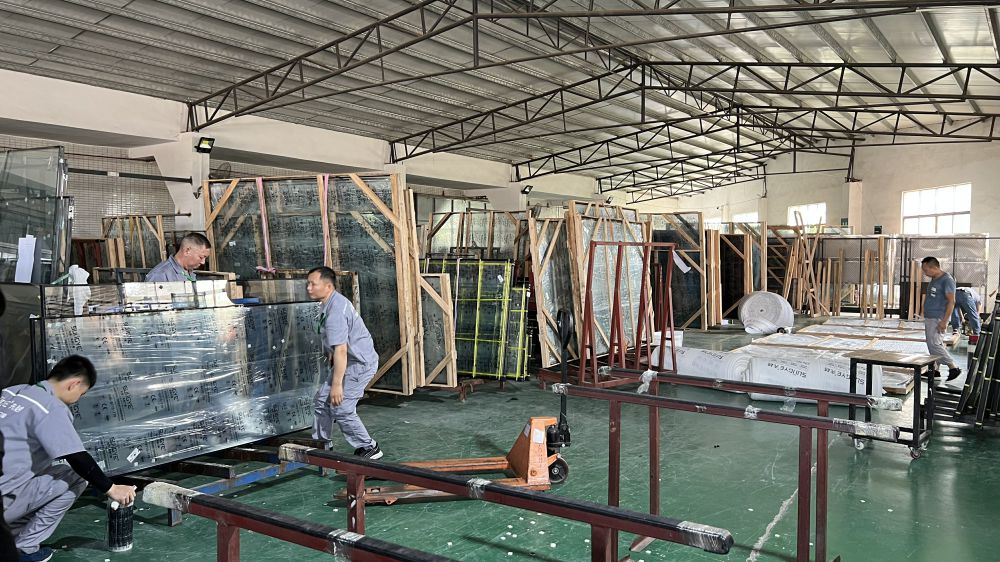
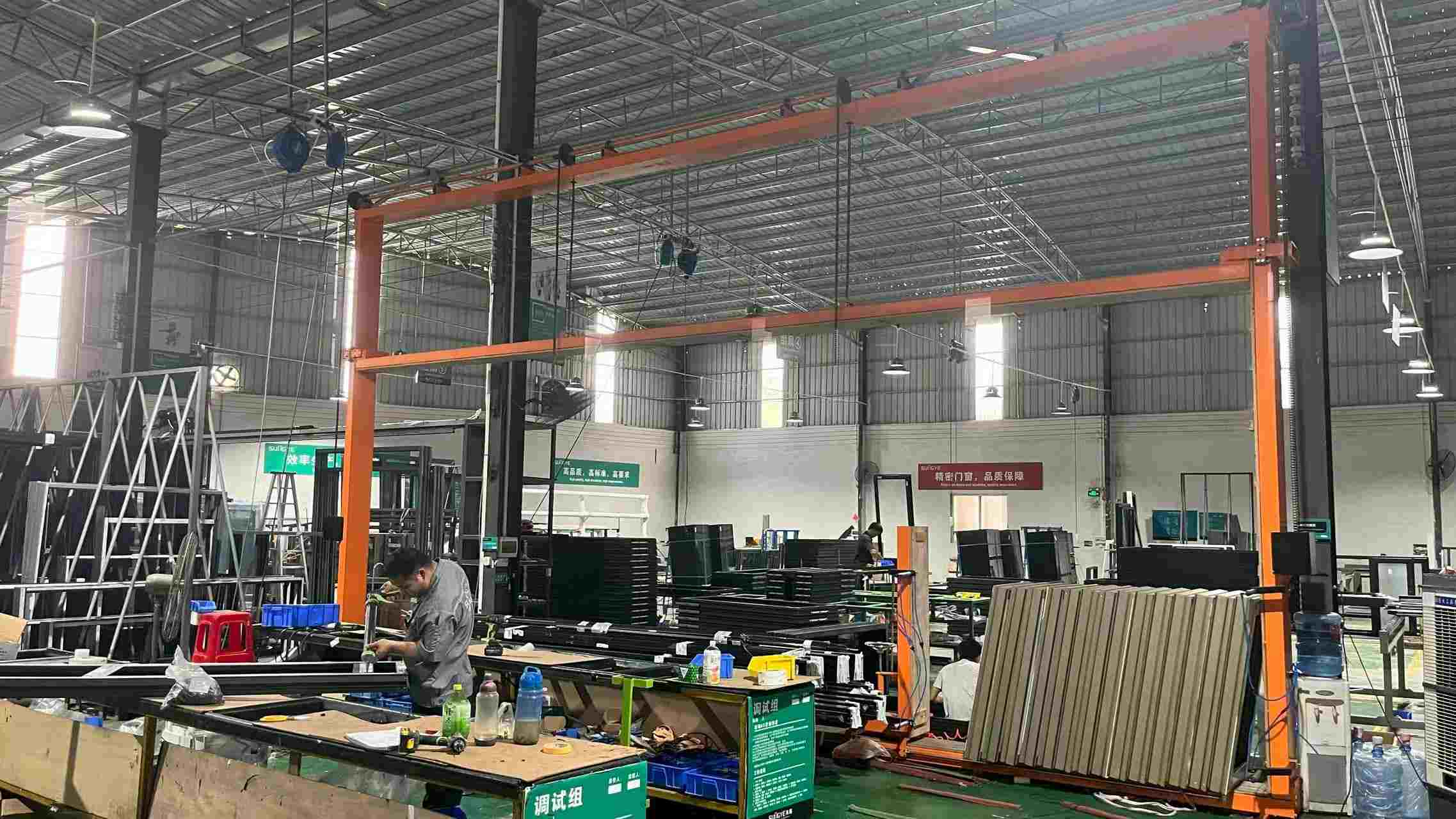
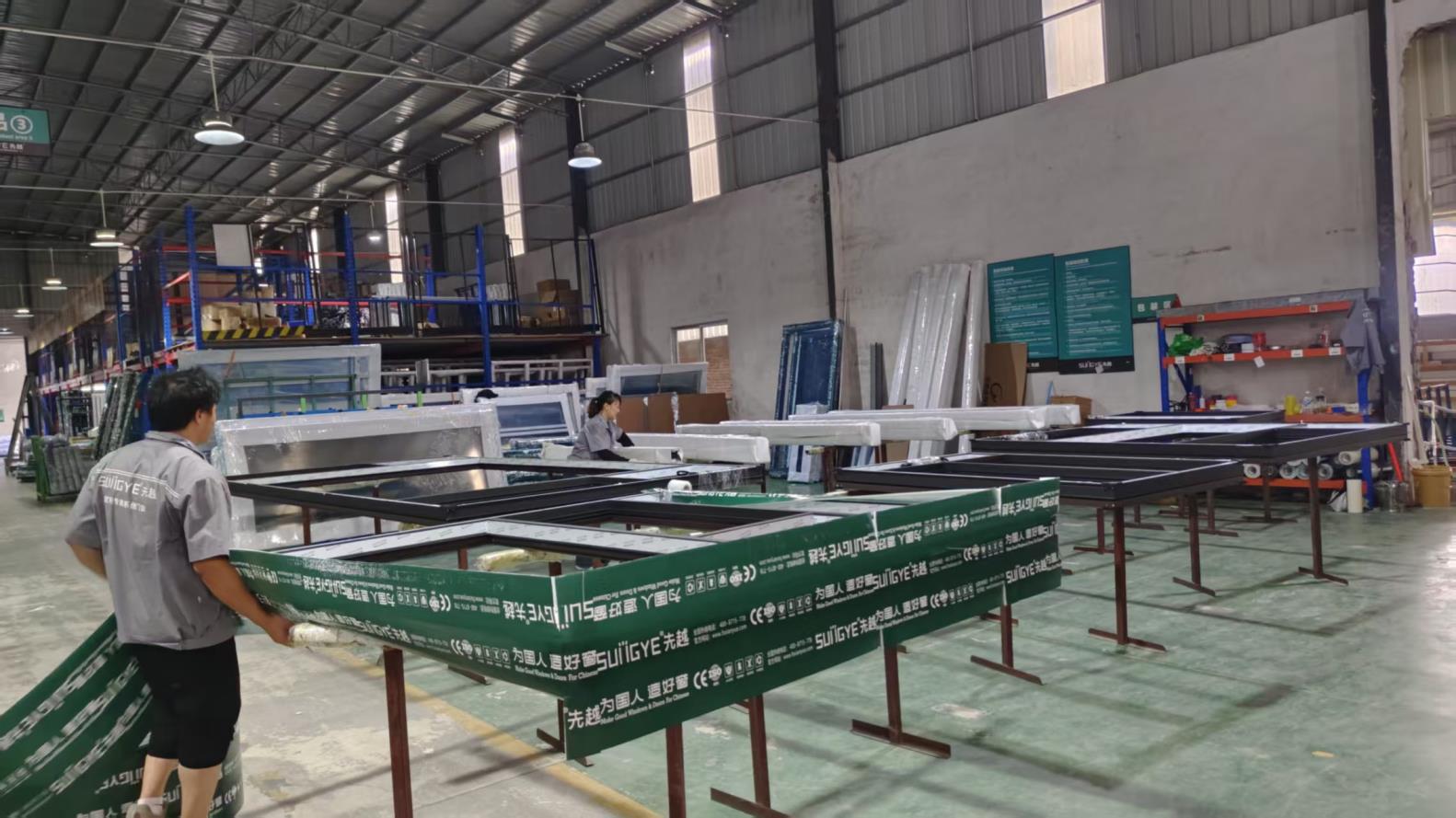
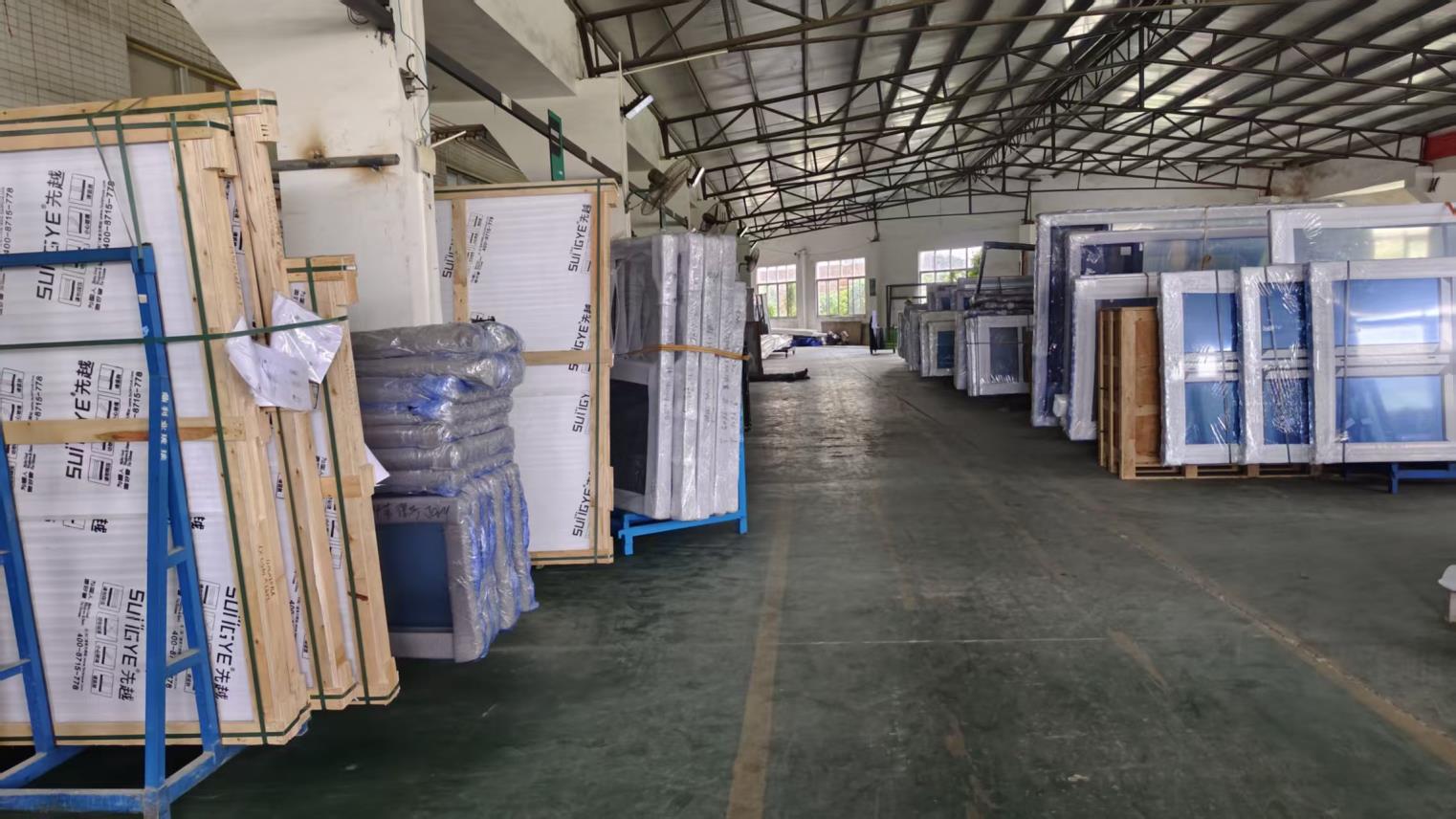
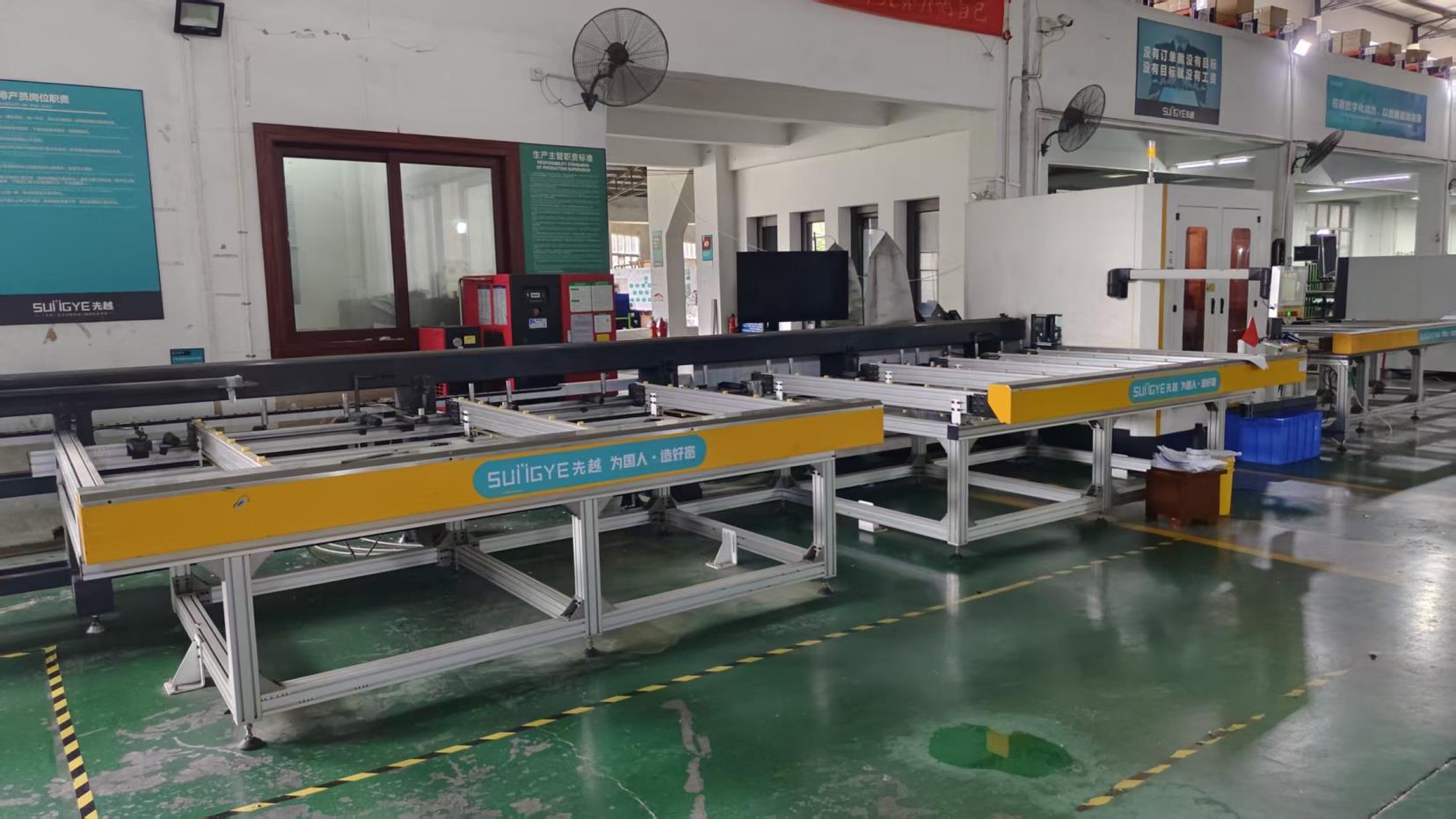
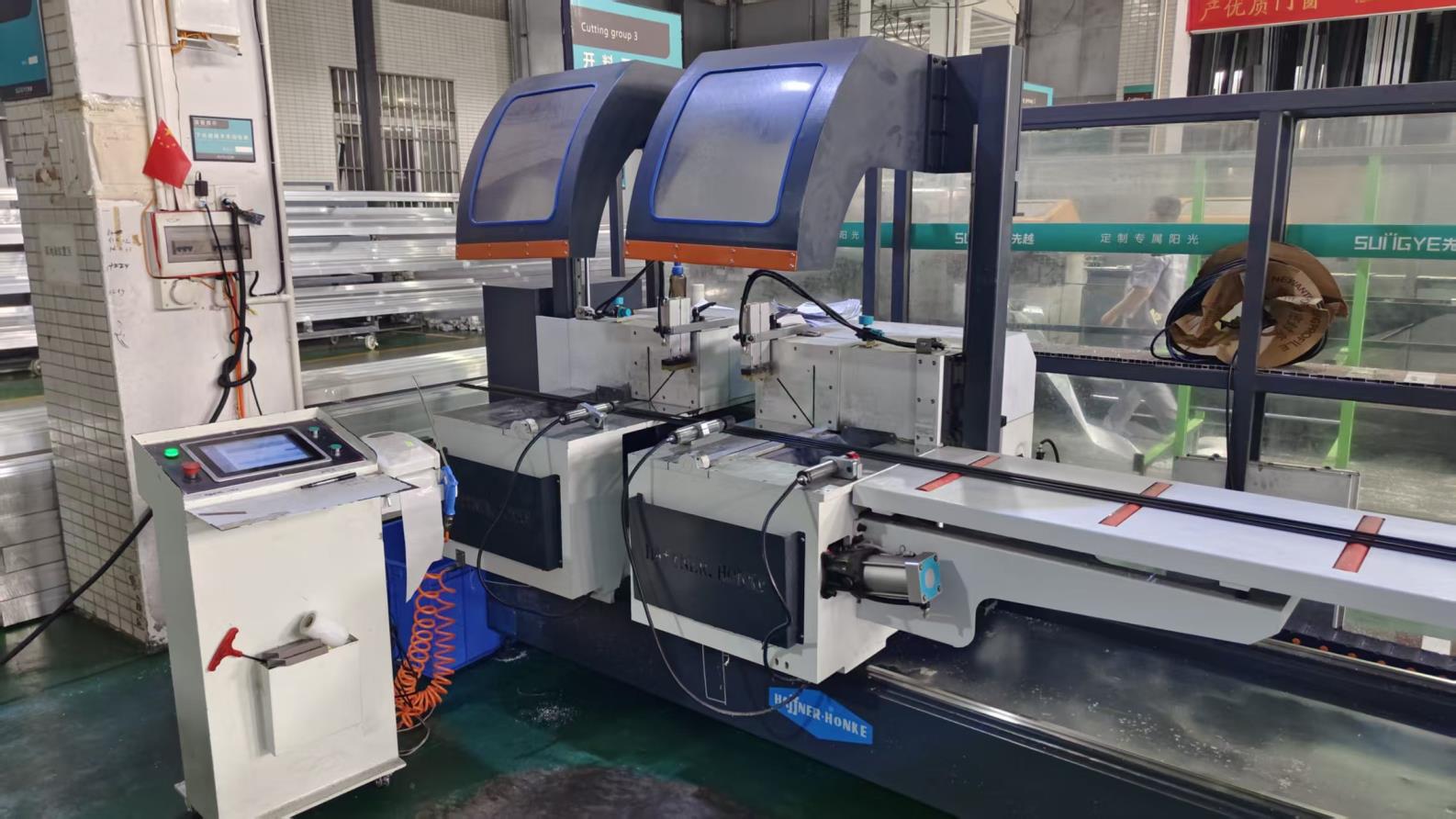
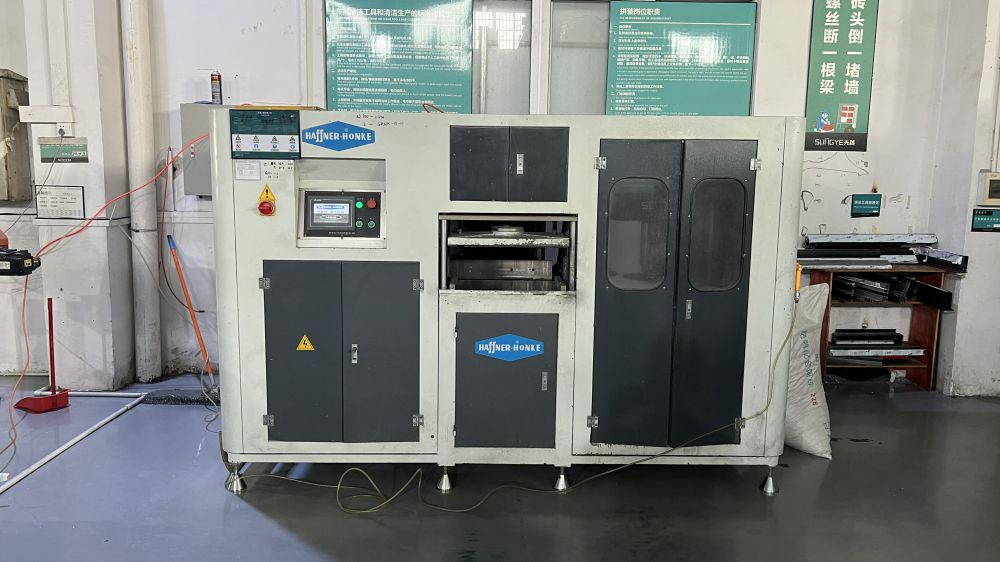
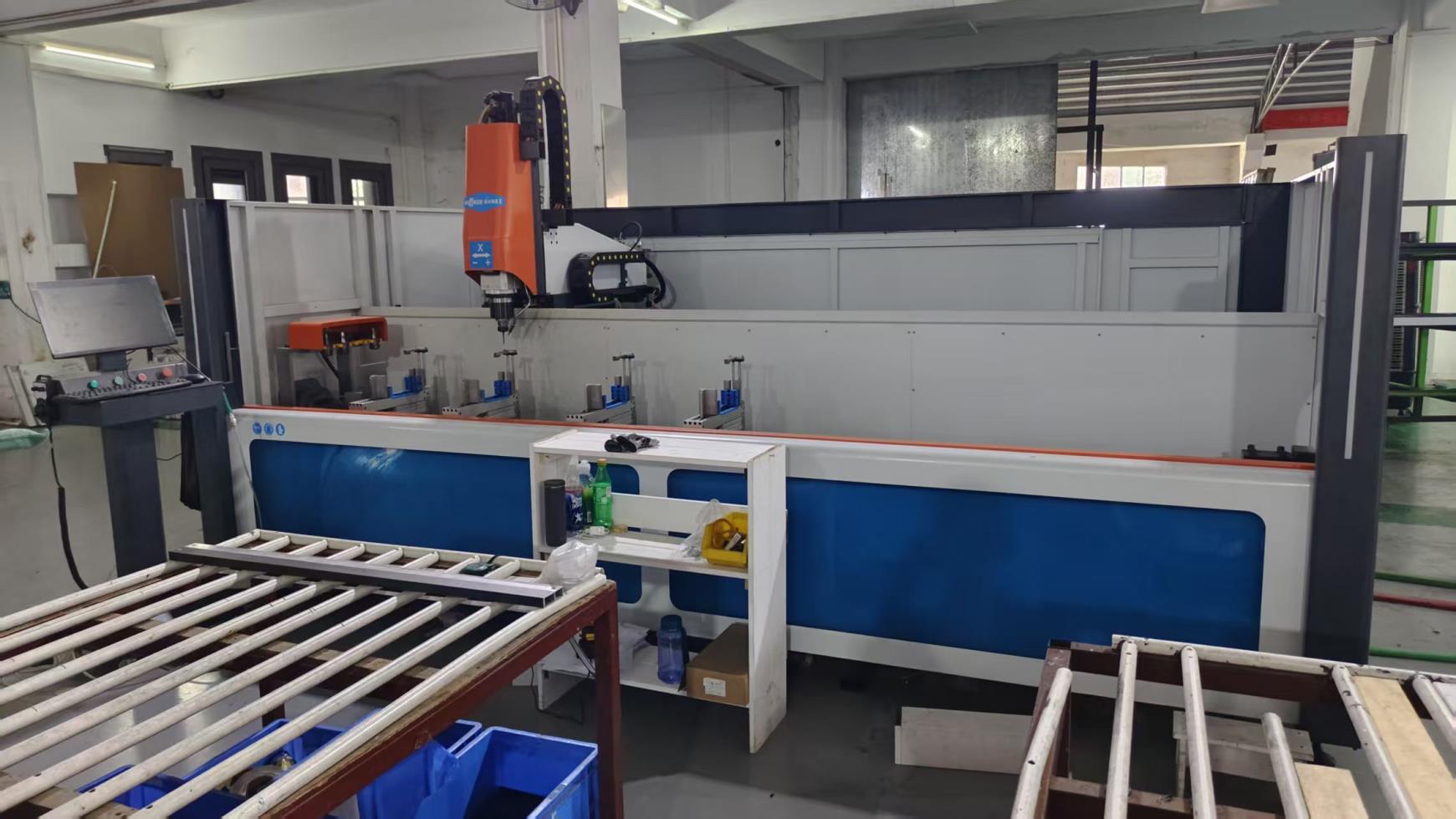
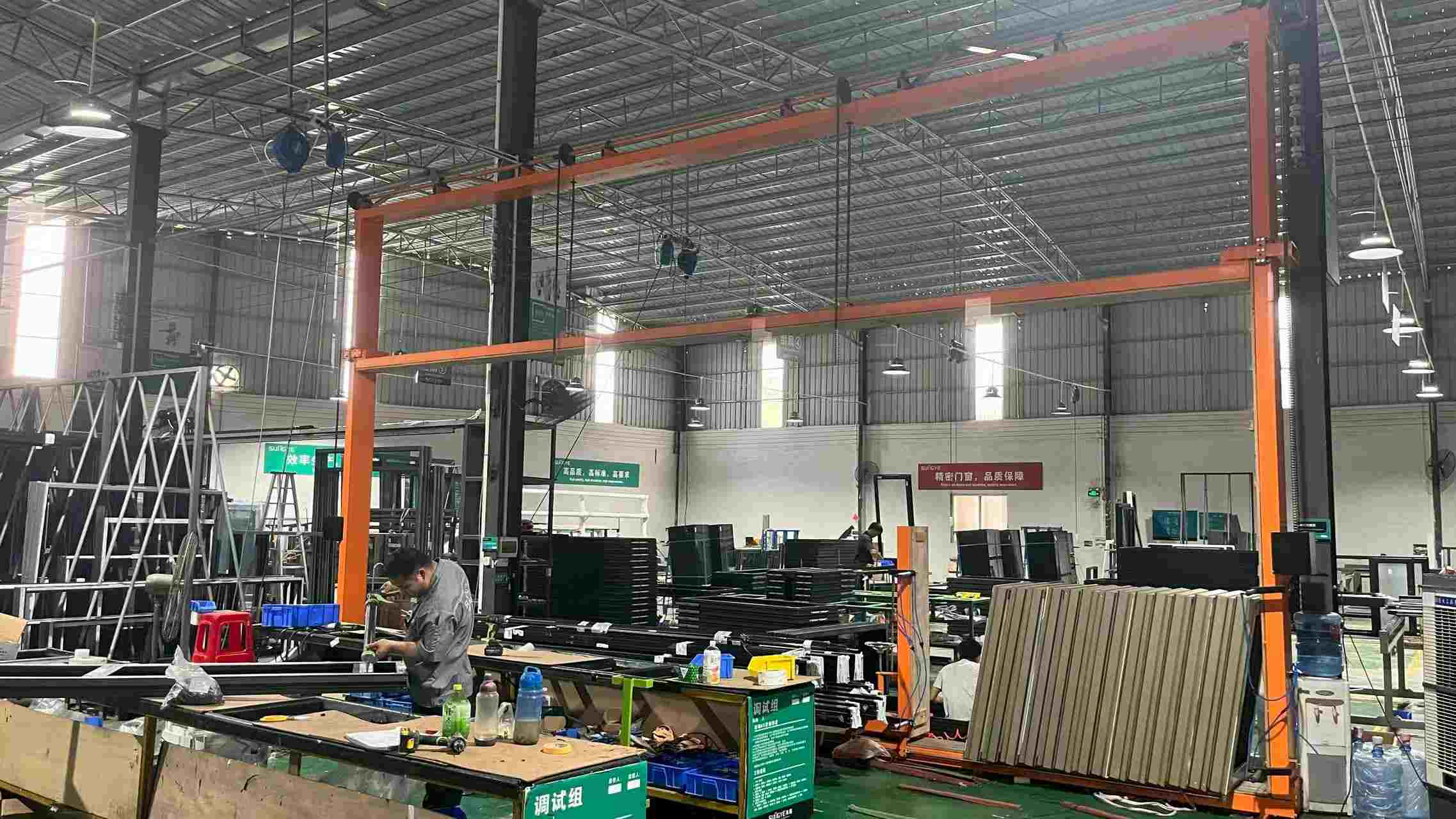
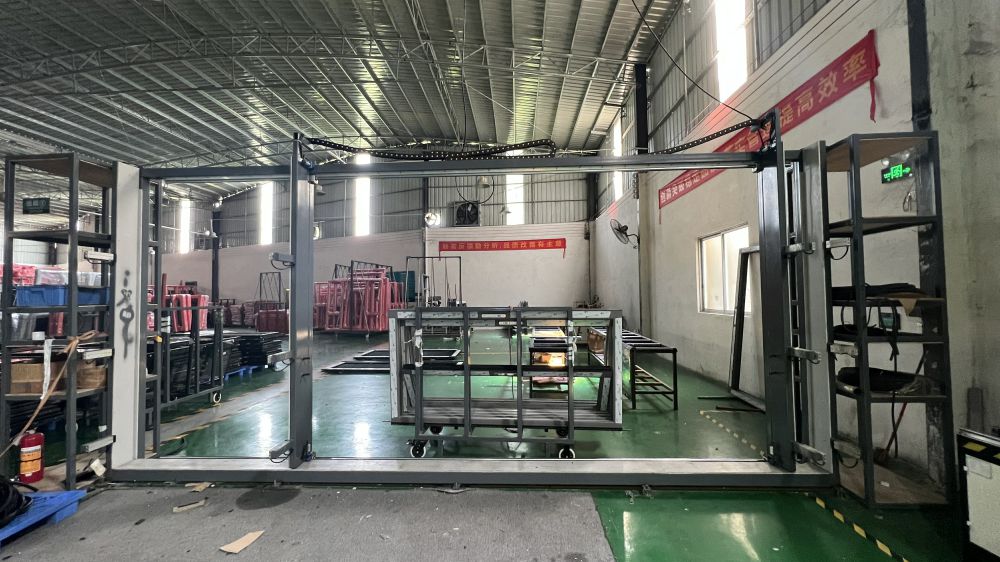
Every production batch is overseen by a dedicated team of 30 certified QC inspectors. They enforce strict ISO-certified optical surface defect scans, laser-guided squareness checks, and pressurized water intrusion seal testing before units are packed in custom IPPC-certified ISPM-15 wooden crates for ocean transport to the Port of Boston.
In-depth guidance on engineering compliance, structural integration, and international shipping to New England.
Our motorized vertical lifting windows feature heavy-duty polyamide thermal break barriers (PA66-GF25) and multi-layered EPDM weather stripping. The motor drive mechanism is completely sealed within an insulated structural head box fitted with thermal heating ribbons (optional for sub-zero zones) to prevent ice build-up along the track, ensuring smooth, freeze-resistant operation throughout New England winters.
Safety is critical in both commercial hospitality and residential environments. Cresta electric lifting systems incorporate dual safety mechanisms: an integrated infrared safety light curtain and intelligent motor current resistance sensors. If any obstruction (such as a hand or object) is detected in the movement path, the window instantly halts and reverses direction within milliseconds.
Yes. All electrical components, including tubular motors, transformers, and control boards, can be configured for standard US voltage (110V-120V / 60Hz) with UL or CE certifications. Systems support dry-contact integration, RS485 communication, Wi-Fi/Zigbee protocols, and are compatible with Crestron, Lutron, Savant, or commercial BACnet building management systems.
Absolutely. Cresta’s 35 R&D engineers specialize in custom profile extrusion tooling. We can replicate traditional sash window sightlines, historic muntin bar layouts, and custom powder-coated colors (including custom RAL and PPG metallic matches) while providing full motorized guillotine functionality inside modern thermal-break aluminum structures.
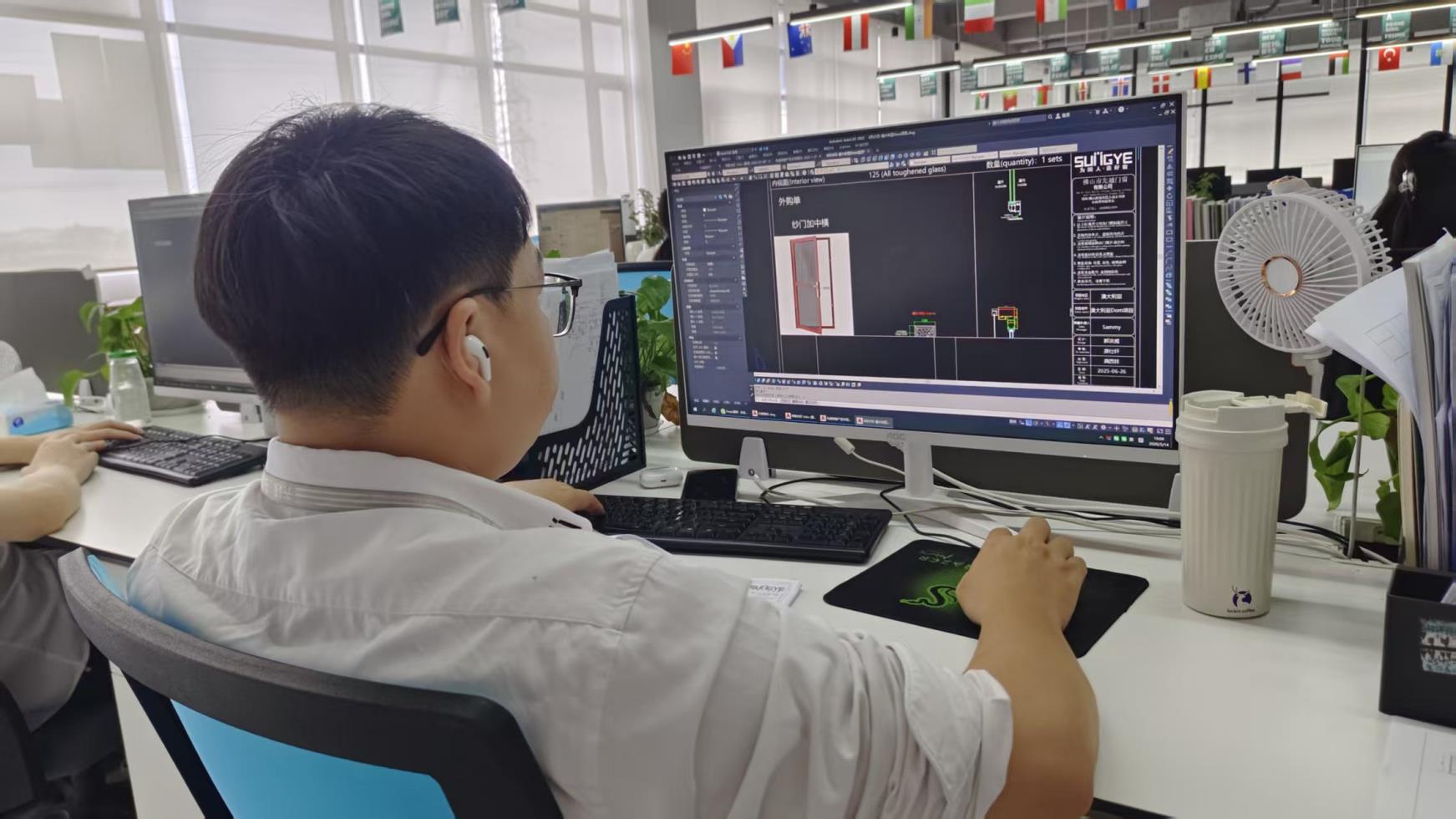
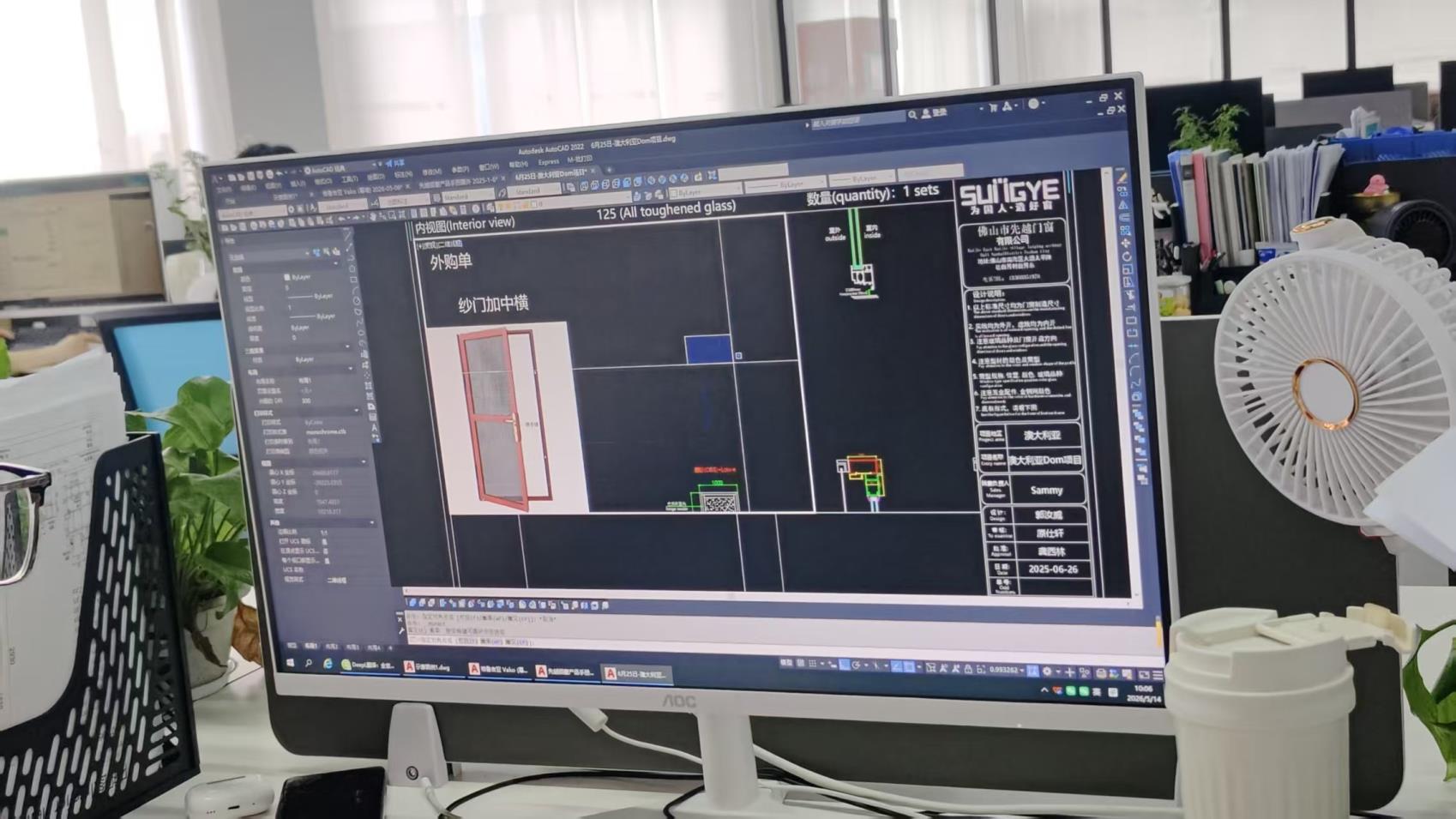
Manufacturing lead time standardly ranges between 25 to 35 days from approved CAD drawings. Ocean freight from our Guangzhou export facilities to Conley Terminal at the Port of Boston takes approximately 30 to 38 days. We provide full DDP (Delivered Duty Paid) or FOB shipping services, complete with custom plywood crate protection to eliminate transit risk.
Explore our complete range of certified automated guillotine windows, smart sliding balconies, and acoustic architectural doors.
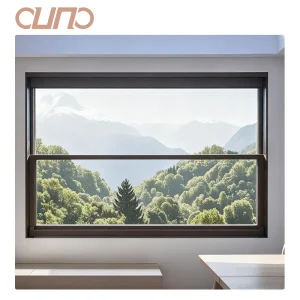
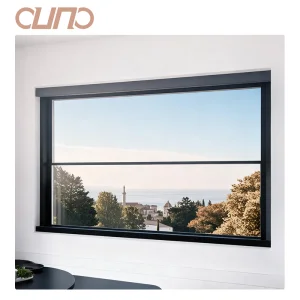
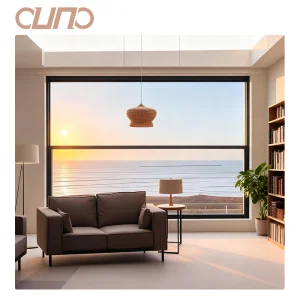
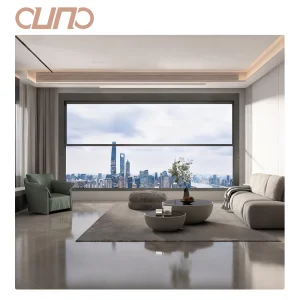
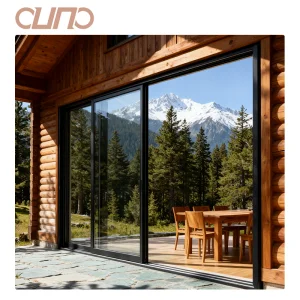
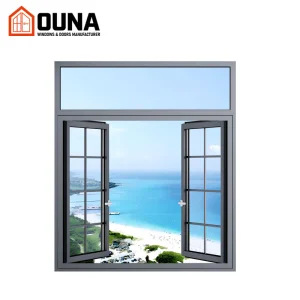
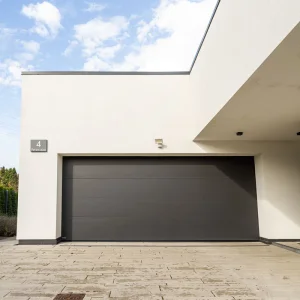
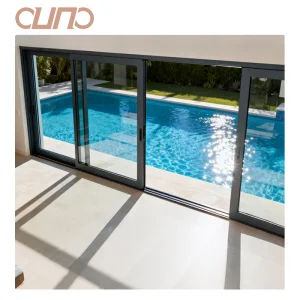
High-performance lift-and-slide doors, impact casement systems, and insulated sectional garage solutions tailored for commercial and high-end residential projects.
Partner directly with Cresta's senior structural engineering team. Request customized CAD drawings, NFRC thermal performance calculations, and factory-direct B2B quotation packages within 24 hours.
Send Inquiry Now Cresta Window Tech