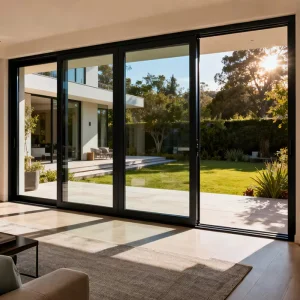
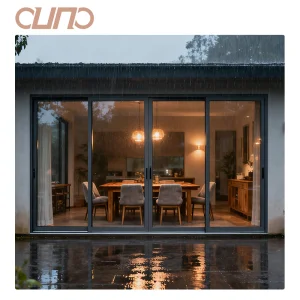
High-performance, thermal-break sliding door systems specifically engineered for residential and commercial developments across Canada.
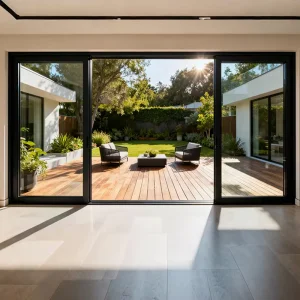

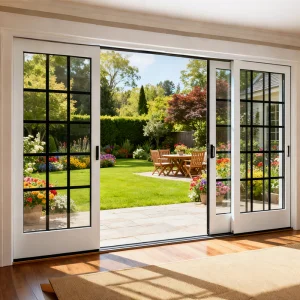
Canada represents one of the world's most demanding fenestration environments. Spanning from the temperate, high-precipitation coastal regions of British Columbia to the sub-zero freezing winters of Ontario, Quebec, and the Prairie provinces, sliding doors imported into Canada must satisfy stringent energy codes and structural loading demands. Architectural buyers, custom home contractors, and commercial developers require complete alignment with the National Building Code of Canada (NBC), North American Fenestration Standard (NAFS / CSA A440), and ENERGY STAR® Canada qualifications.
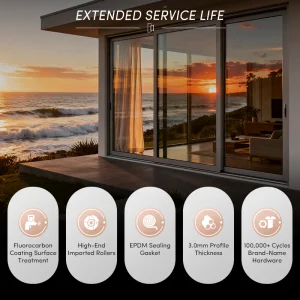
Standard non-thermal aluminum sliding doors create severe thermal bridges in cold Canadian winters, leading to internal frost buildup, high heating energy consumption, and interior glass condensation. Our specialized manufacturing lines integrate multi-cavity thermal break extrusions reinforced with 24mm to 34mm PA66-GF25 (25% Glass Fiber Reinforced Polyamide). Combined with Low-E double or triple-pane insulated glass units (IGUs) filled with 90%+ Argon gas, our systems achieve ultra-low Overall U-factors designed to lower HVAC energy load year-round.
High-rise residential units in Toronto or coastal developments in Vancouver face extreme wind pressures and driving rain. Our lift-and-slide door series feature multi-point stainless steel locking systems, continuous triple-EPDM weatherstripping gaskets, and heavy-duty sill drainage channels. This prevents water penetration during atmospheric rivers and eliminates air leakage (A3 rating), protecting structural wood frames and interior drywall from mold and moisture damage.
| Performance Specification | Standard Import Sliding Doors | Cresta Canadian Grade Thermal-Break Systems | Impact on Canadian Projects |
|---|---|---|---|
| Thermal Break Profile | Non-Thermal / Single PVC Strip | Multi-Cavity PA66-GF25 Polyamide (24-34mm) | Eliminates interior frame frost; reduces heat loss by up to 45%. |
| Glass Configuration | Standard Clear Double Pane (5mm+12A+5mm) | Triple Low-E + Warm Edge Spacer + Argon Gas | Meets ENERGY STAR® Zone 1 & 2 energy efficiency standards. |
| Air / Water Tightness | Basic Brush Seals (A1 / B2 rating) | Continuous EPDM Gaskets + Lift-and-Slide Compression | Resists 700 Pa wind-driven rain; prevents air draughts in sub-zero weather. |
| Hardware & Load Capacity | Standard Zinc Alloy Rollers (150kg max) | German-engineered Heavy Duty Rollers (400kg+ per sash) | Enables oversized floor-to-ceiling glass sashes without sagging or sticking. |
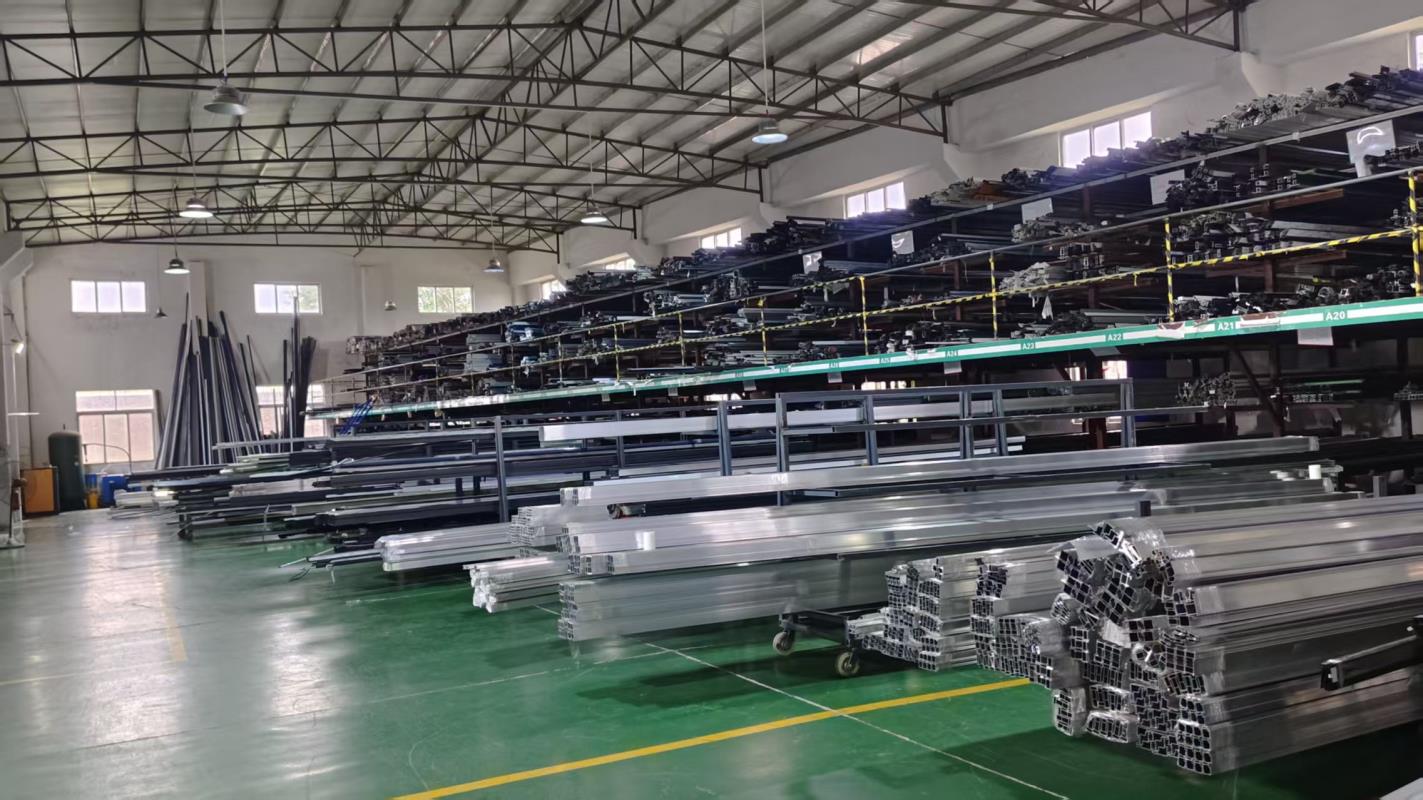
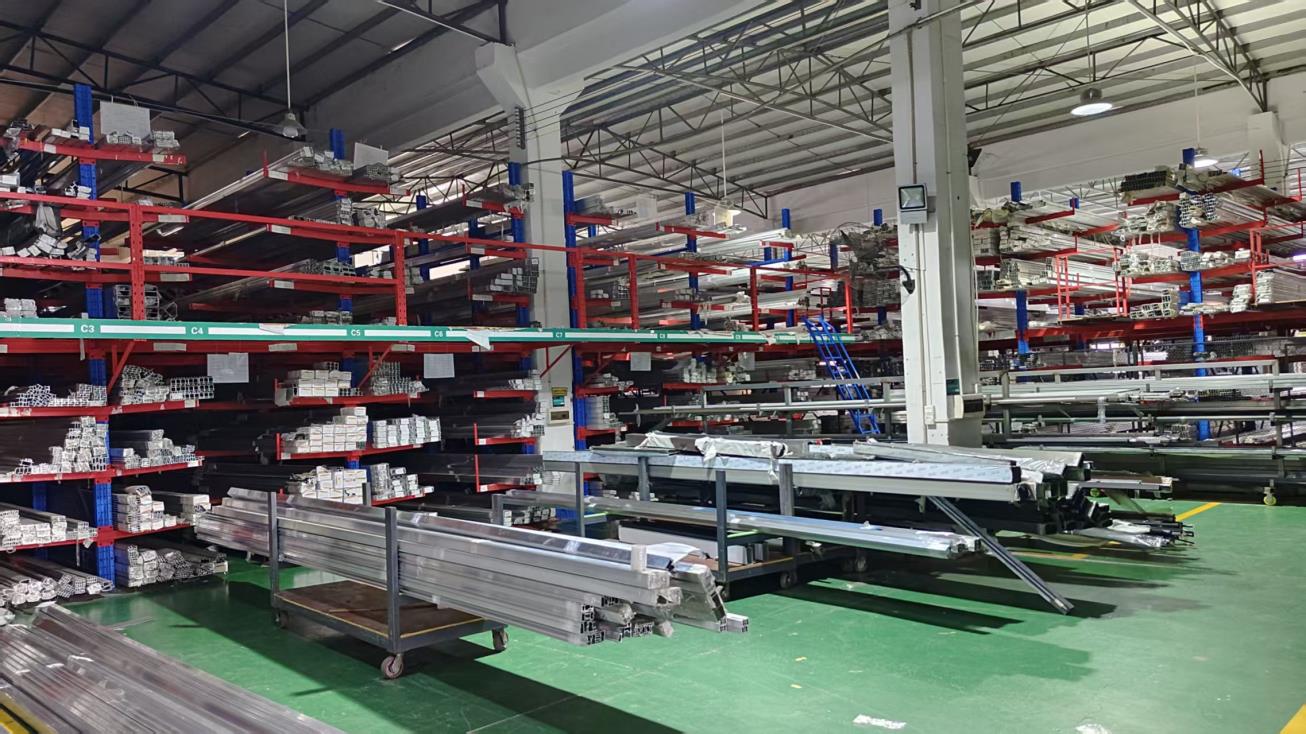
Established in 2015, Guangzhou Cresta Door & Window Co., Ltd. operates a state-of-the-art 18,000-square-meter manufacturing facility. Backed by 11 years of deep industry expertise and 7 years of high-volume international trade operations, Cresta achieves an annual export turnover exceeding $22 million USD across North America, Oceania, and global markets. We act as a strategic OEM/ODM manufacturing partner for custom home builders, commercial contractors, and regional building material wholesalers in major Canadian metropolitan markets including Vancouver, Calgary, Toronto, Ottawa, and Montreal.
Our dedicated internal quality department features 30 full-time QC inspectors who enforce strict ISO-certified protocols. Every sliding door unit undergoes automated optical surface inspections, extrusion tolerance checks, and simulated high-pressure weatherproofing seal tests prior to ocean container loading.
With direct supply agreements across 550 certified upstream raw material suppliers, Cresta guarantees prime-grade 6063-T5/T6 aluminum alloys, premium glass from global leaders (CSG, Xinyi), and high-durability hardware components. This scale delivers unparalleled cost efficiencies without compromising material density or surface anodizing depth.
Supported by an active R&D division of 35 specialized fenestration engineers, Cresta released 38 custom product series last year alone. We excel in tailored solutions such as custom acoustic soundproofing, hidden drainage tracks, motorized insect screens, and ultra-slim profile sightlines required by modern Canadian architectural firms.
Canada’s diverse geography demands tailored fenestration configurations. Cresta sliding door systems are modular and custom-configurable to meet regional structural load and thermal insulation requirements:
Key Focus: Rainwater Management & Corrosion Resistance.
In Vancouver and Victoria, heavy rainfall requires flush-threshold drainage sills and fluorocarbon (PVDF) coated aluminum profile finishes to resist coastal salt mist and high humidity.
Key Focus: Extreme Temperature Swings & High Wind Loads.
Calgary and Edmonton demand heavy-gauge aluminum walls (2.0mm+) paired with triple Low-E argon-filled IGUs to combat extreme freezing conditions (-30°C) and Chinook wind fluctuations.
Key Focus: Sound Insulation, Modern Aesthetics & Energy Efficiency.
Luxury infill homes and multi-family modern residences in Toronto and Montreal prioritize ultra-narrow sightlines, high acoustic STC ratings, and multi-lock burglary protection.
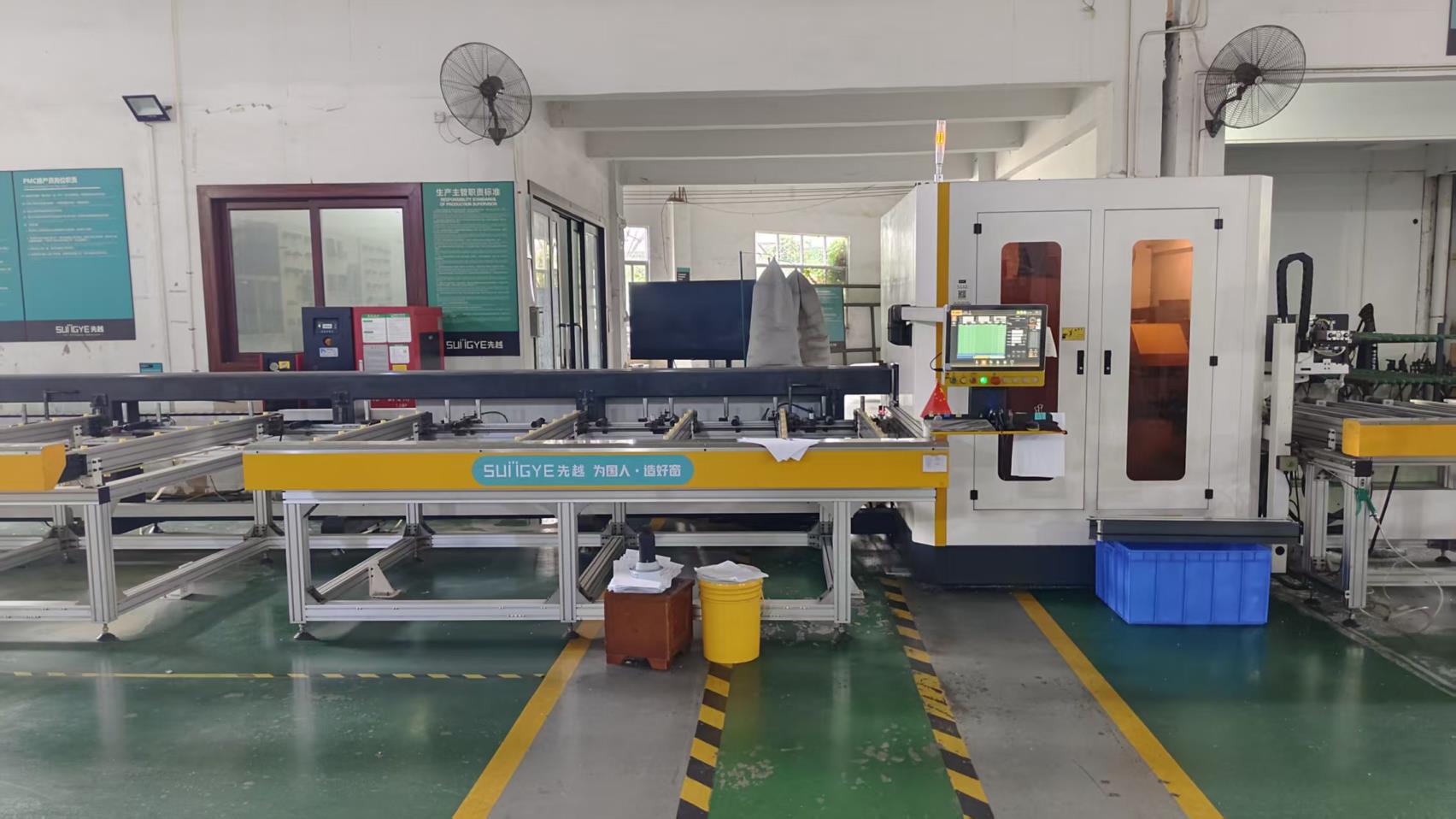
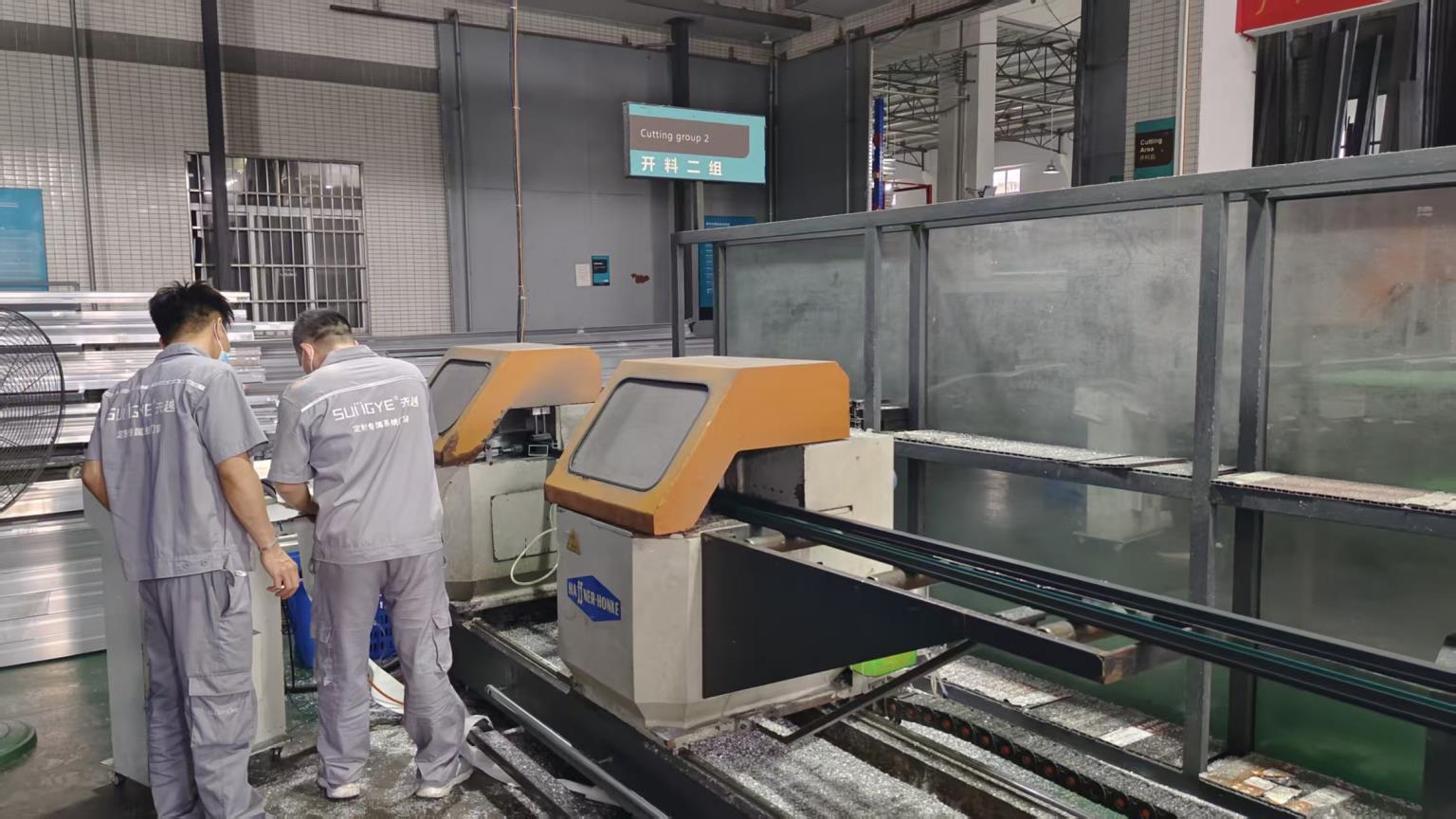
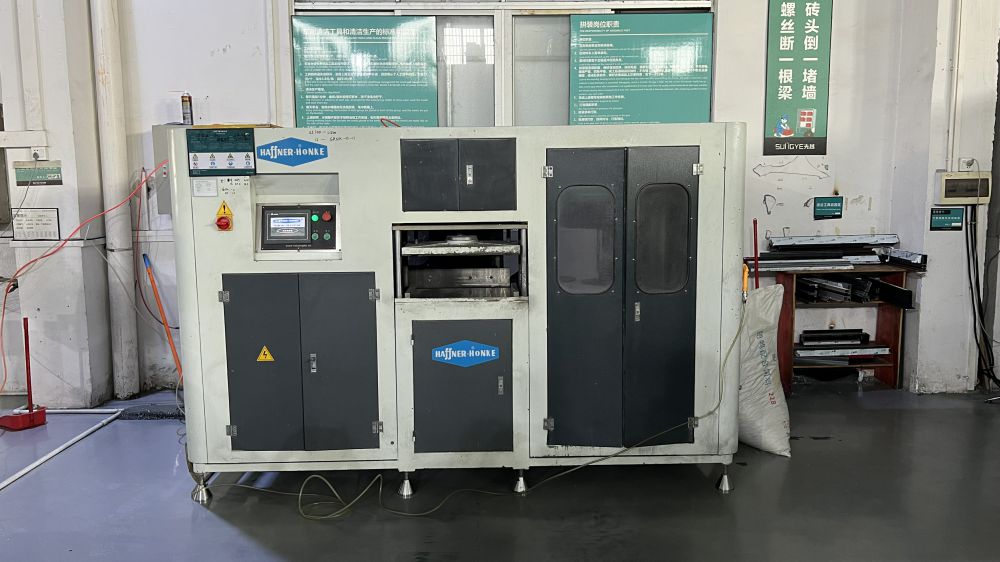
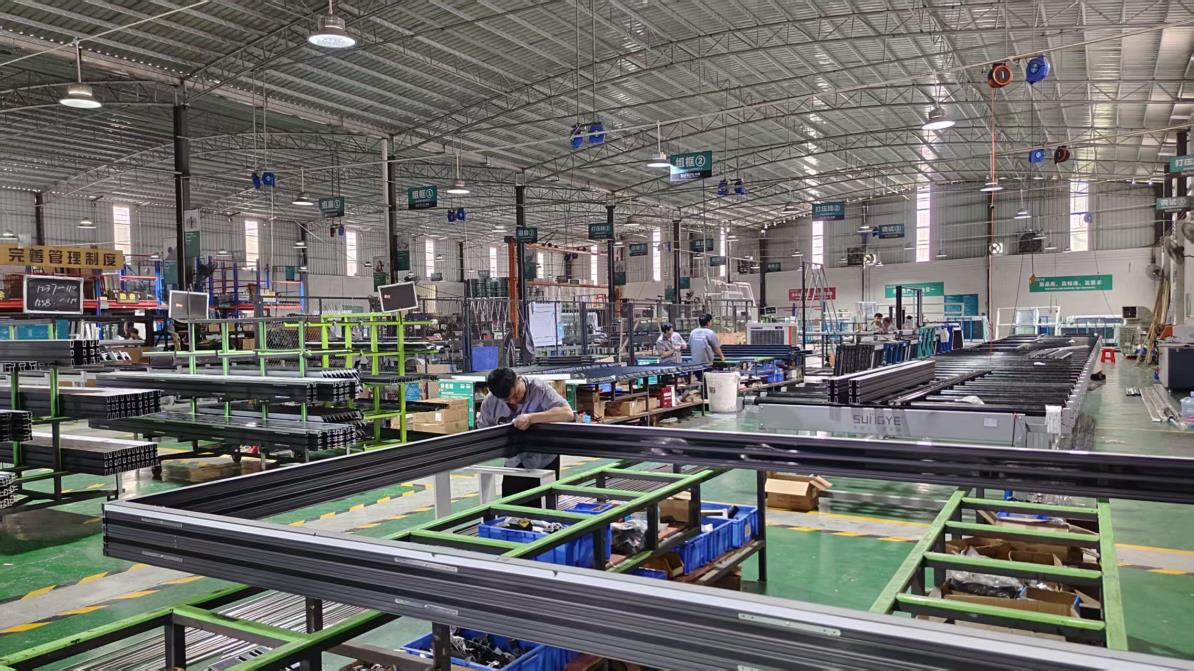
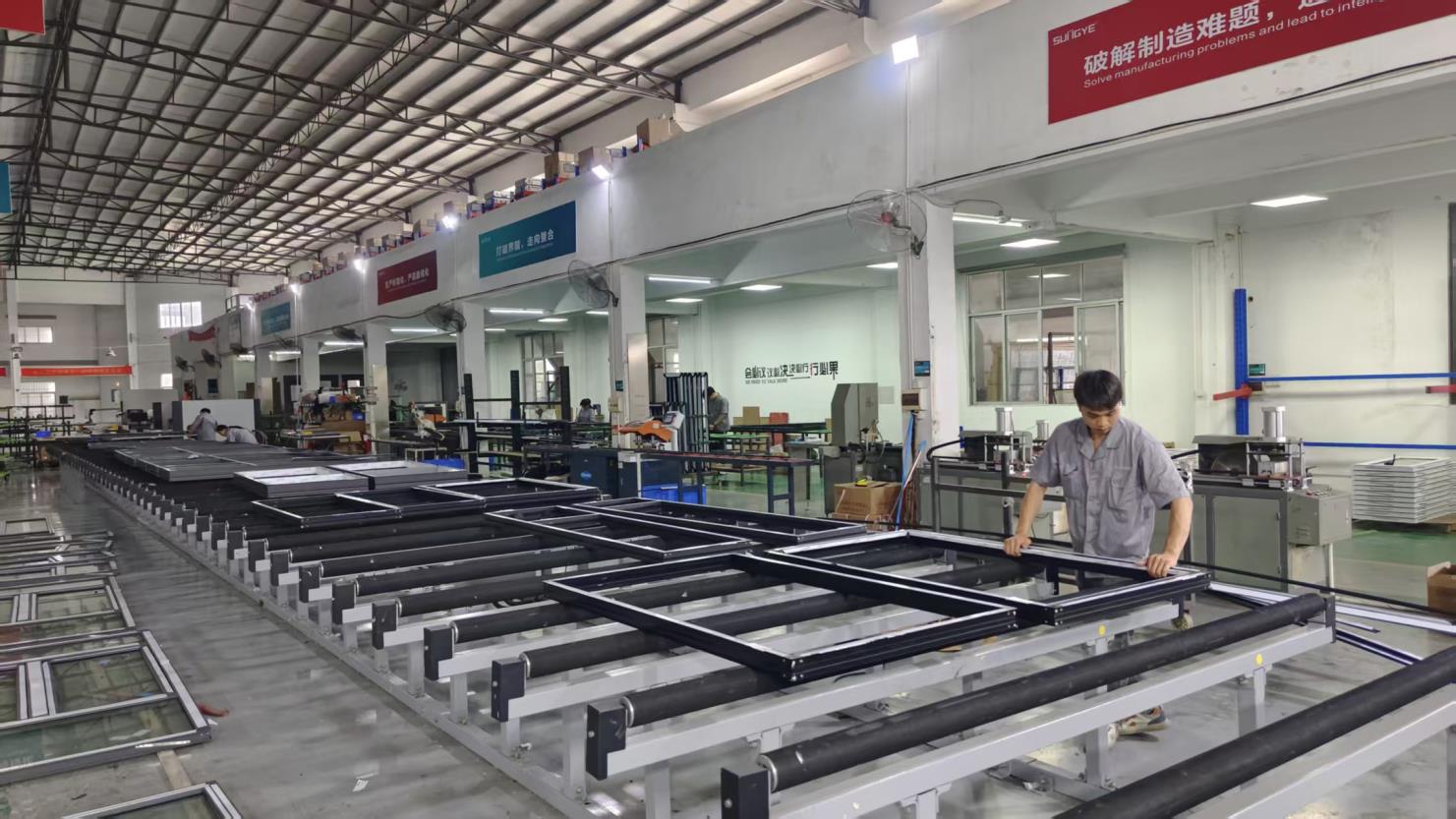
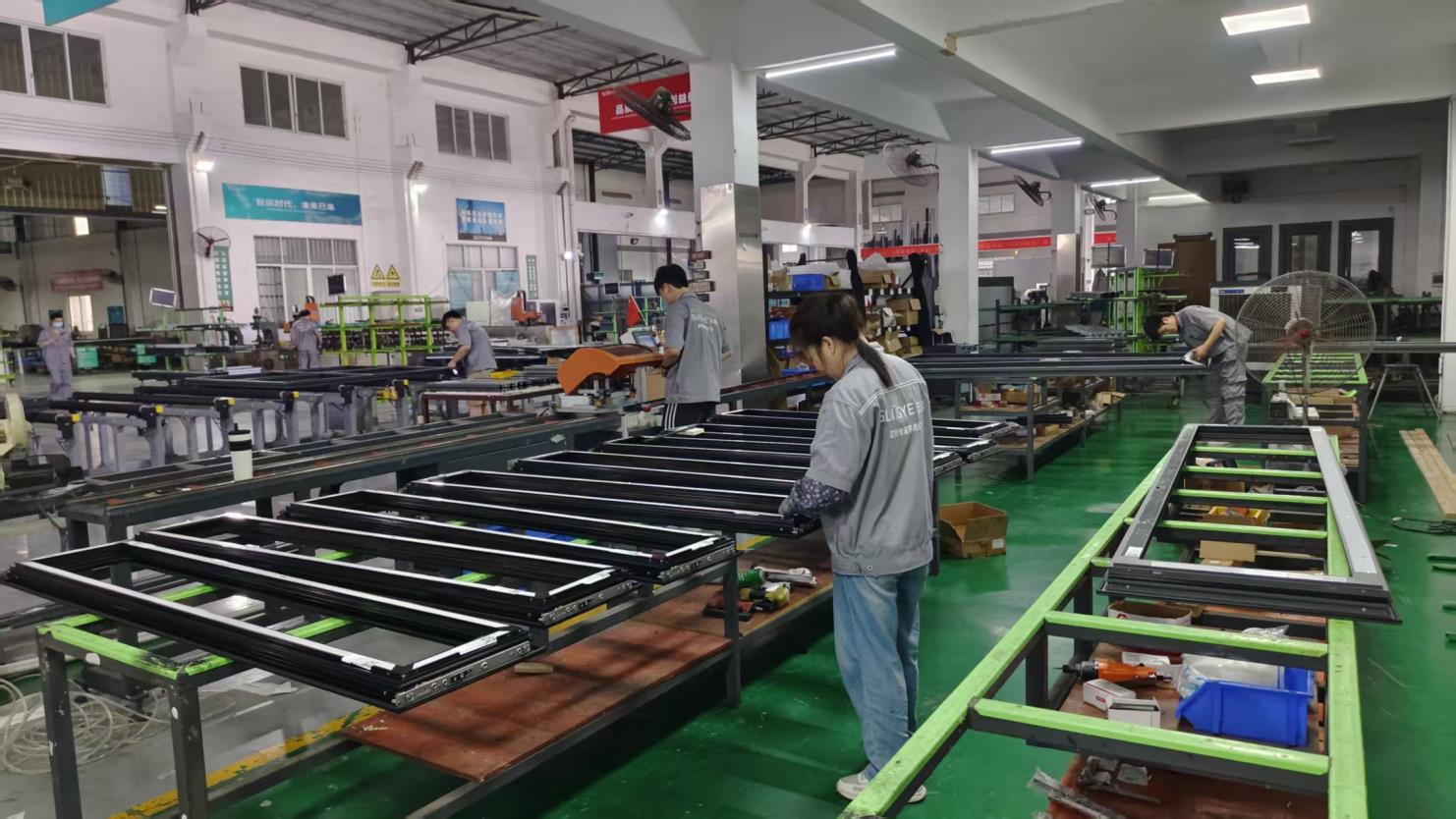
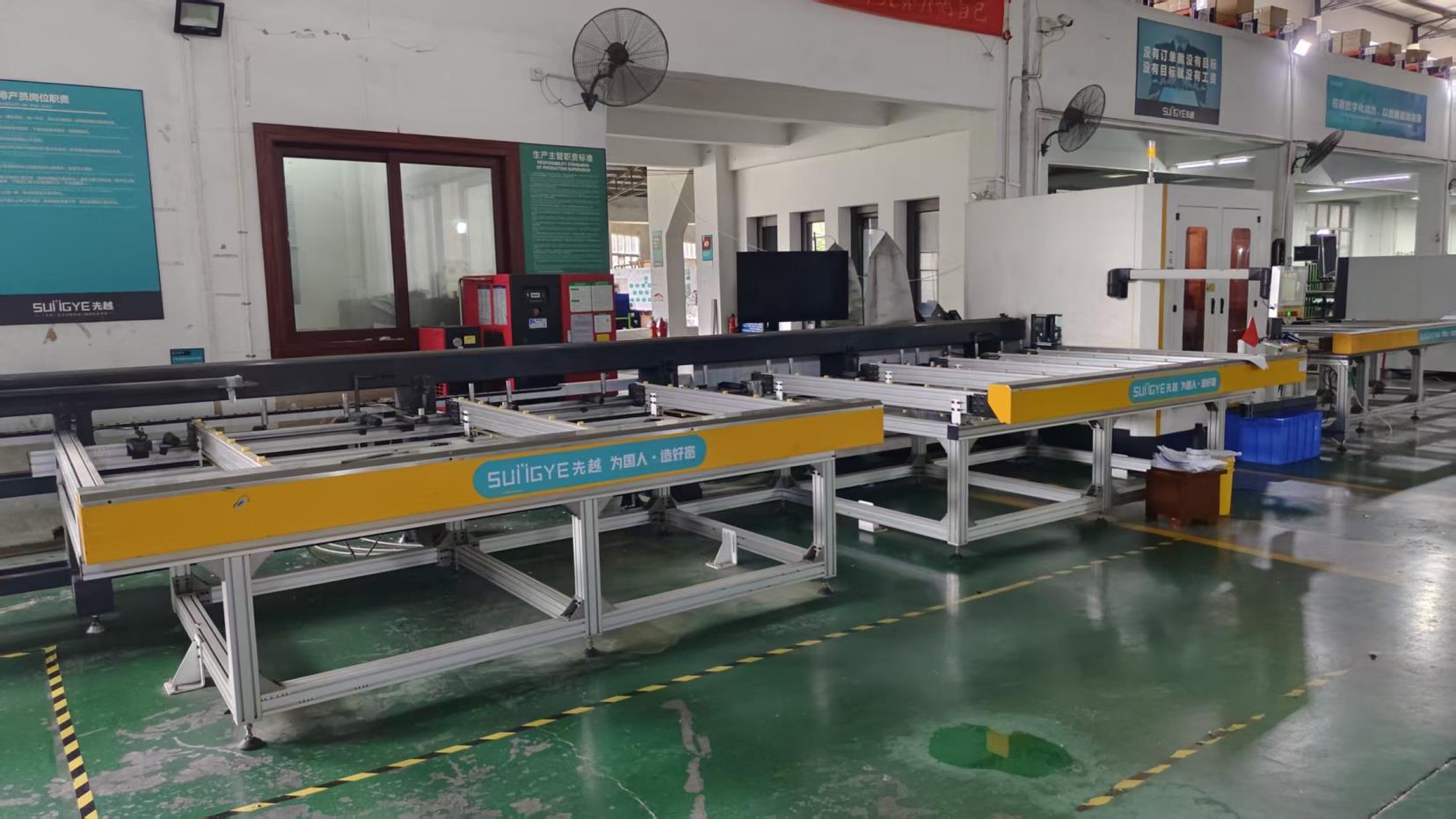
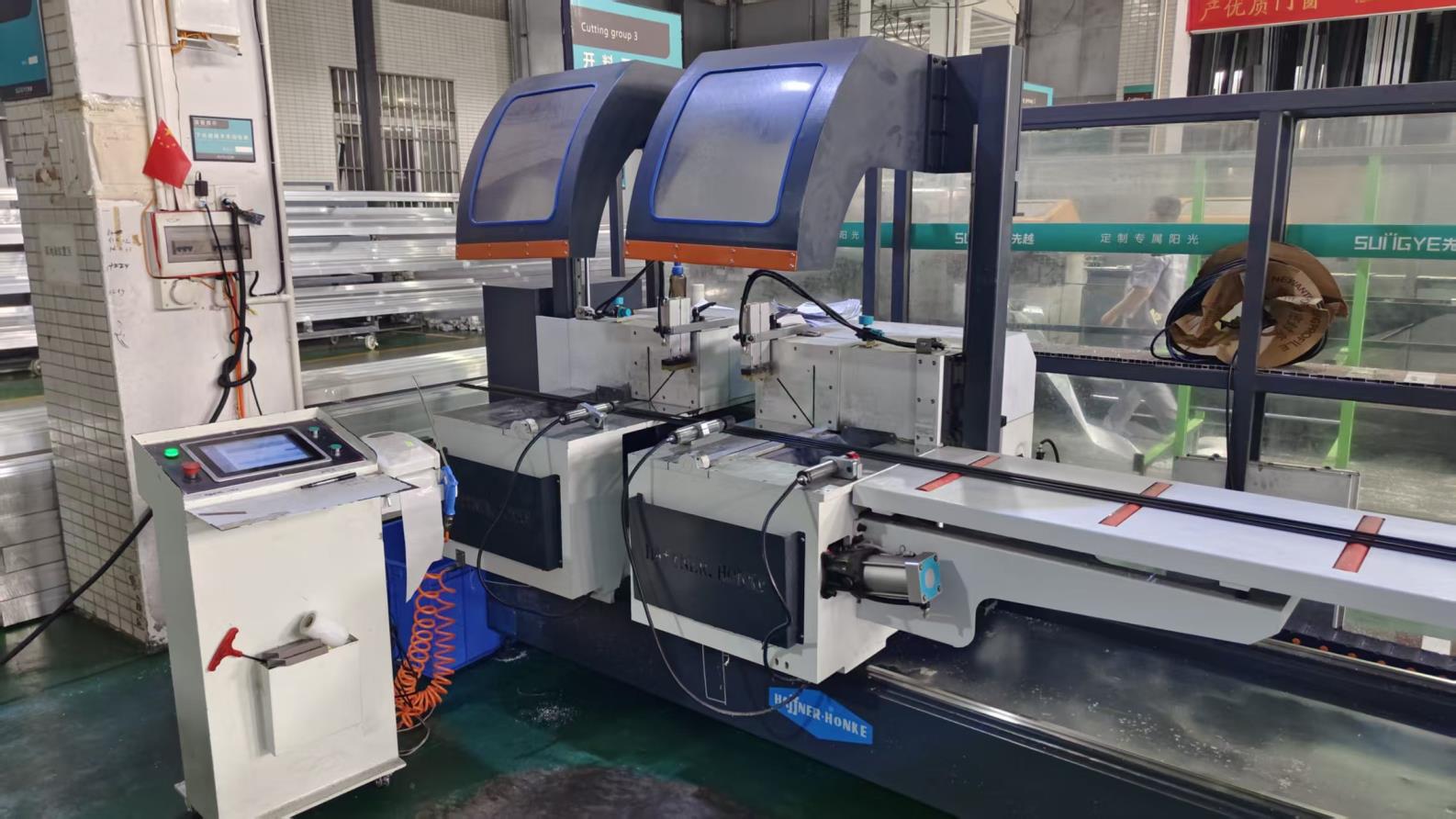
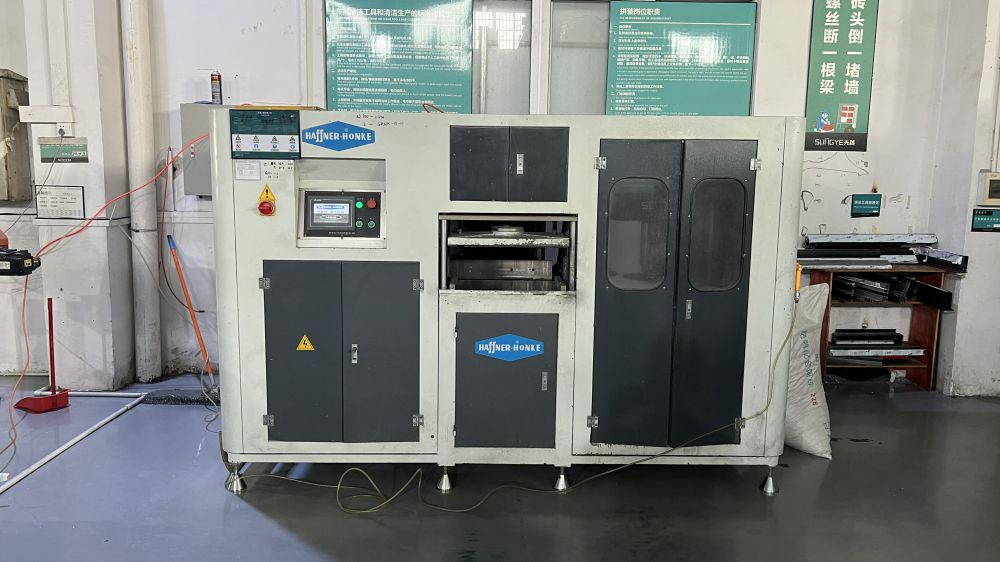
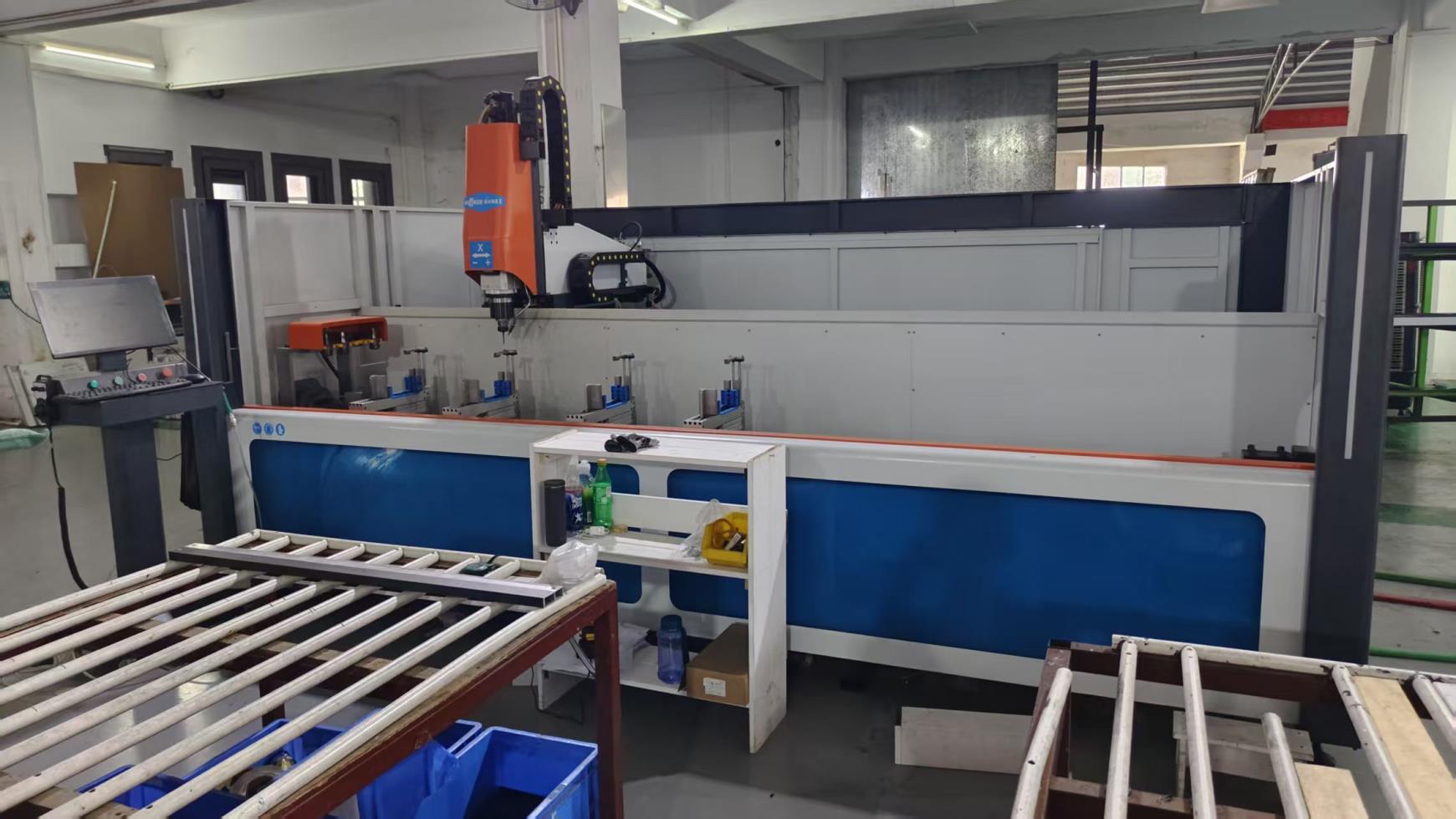
Every sliding door exported to Canada undergoes strict precision processing inside our 18,000㎡ factory. Below is a detailed view of our CNC cutting, face milling, glass assembly, frame debugging, and international packaging operations:
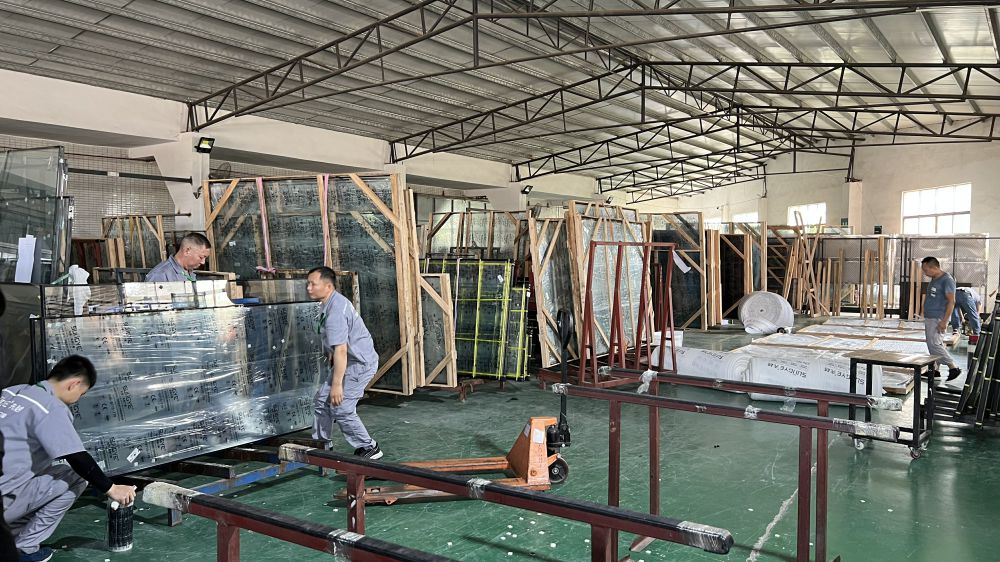
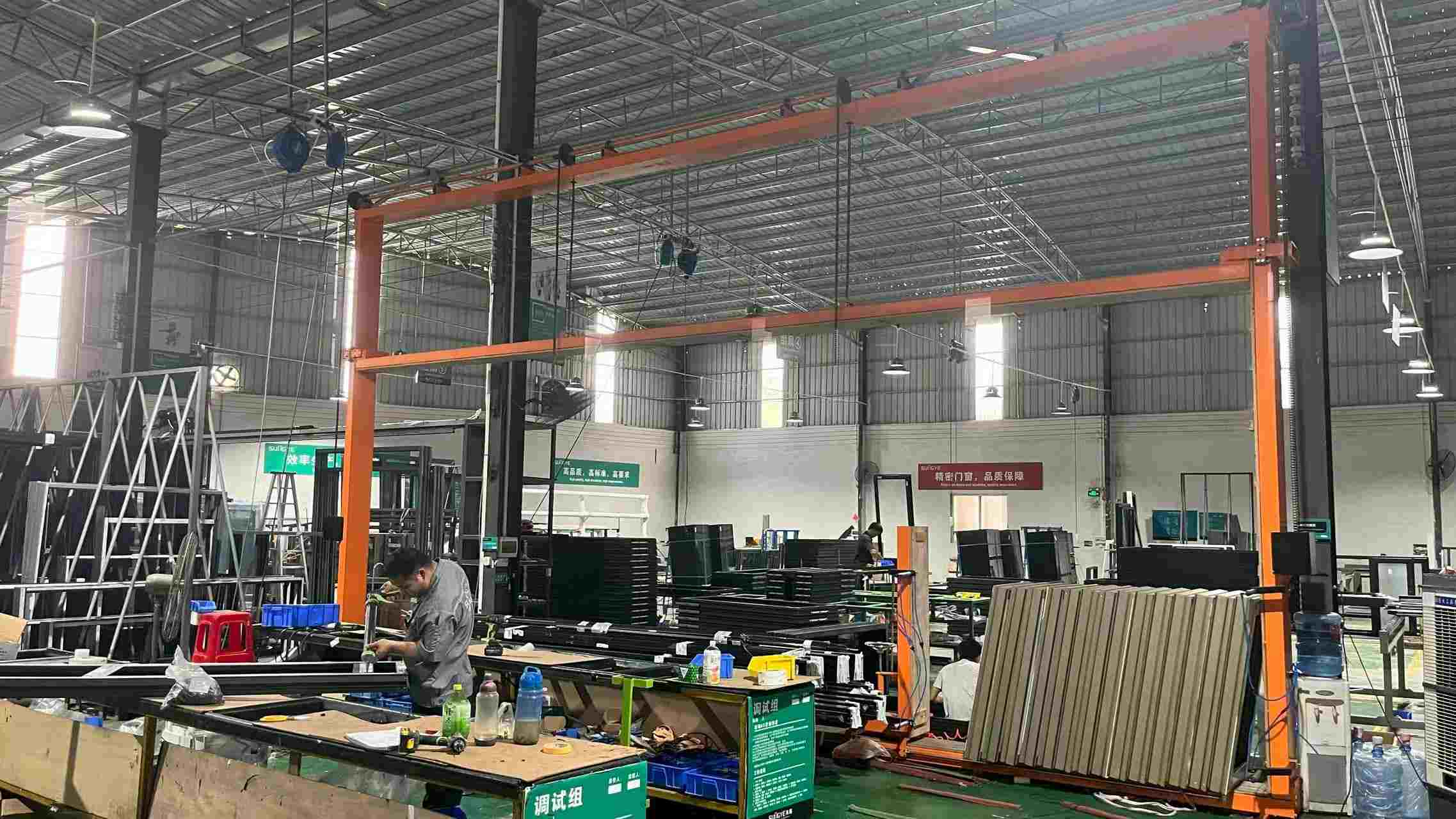
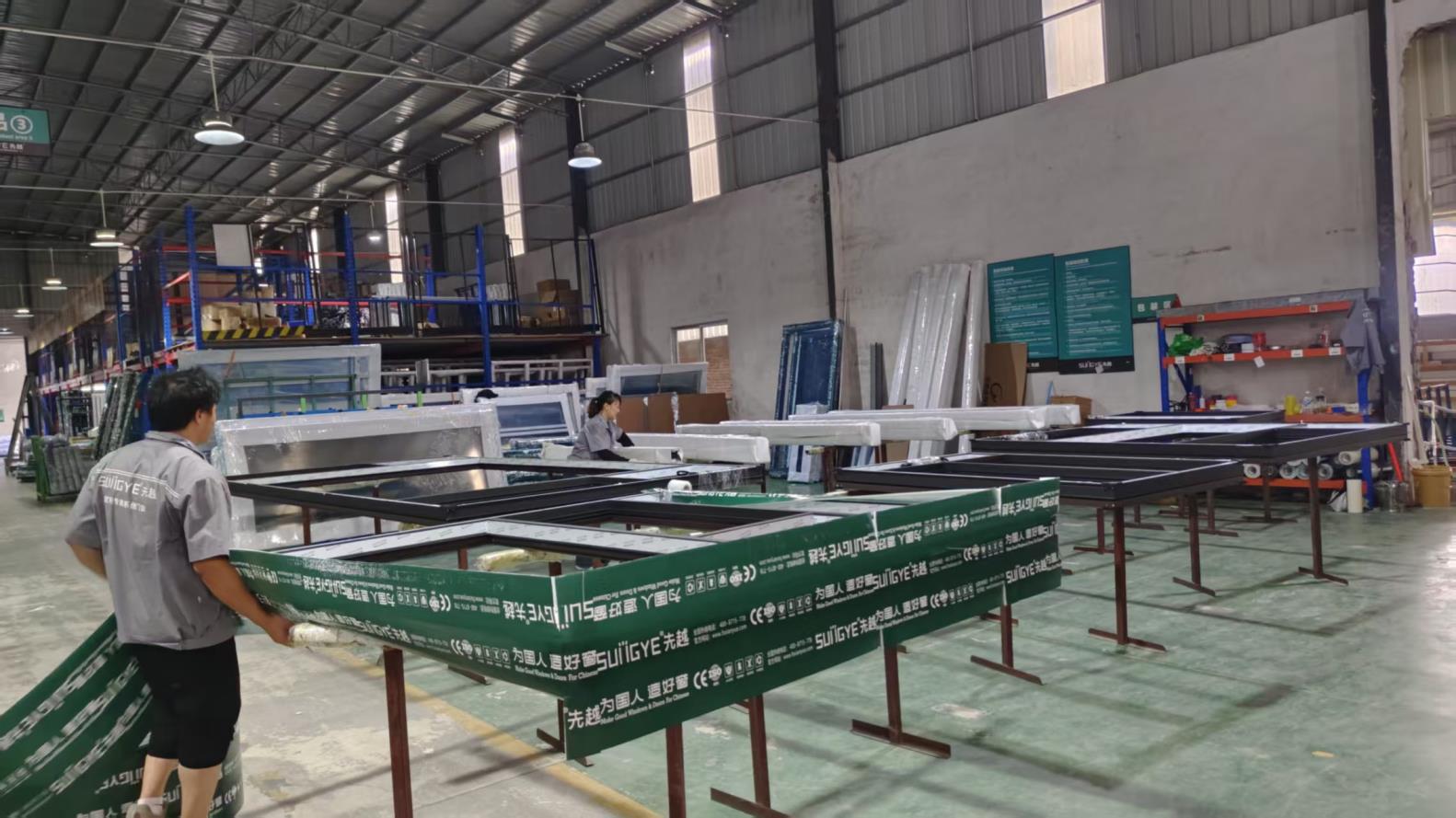
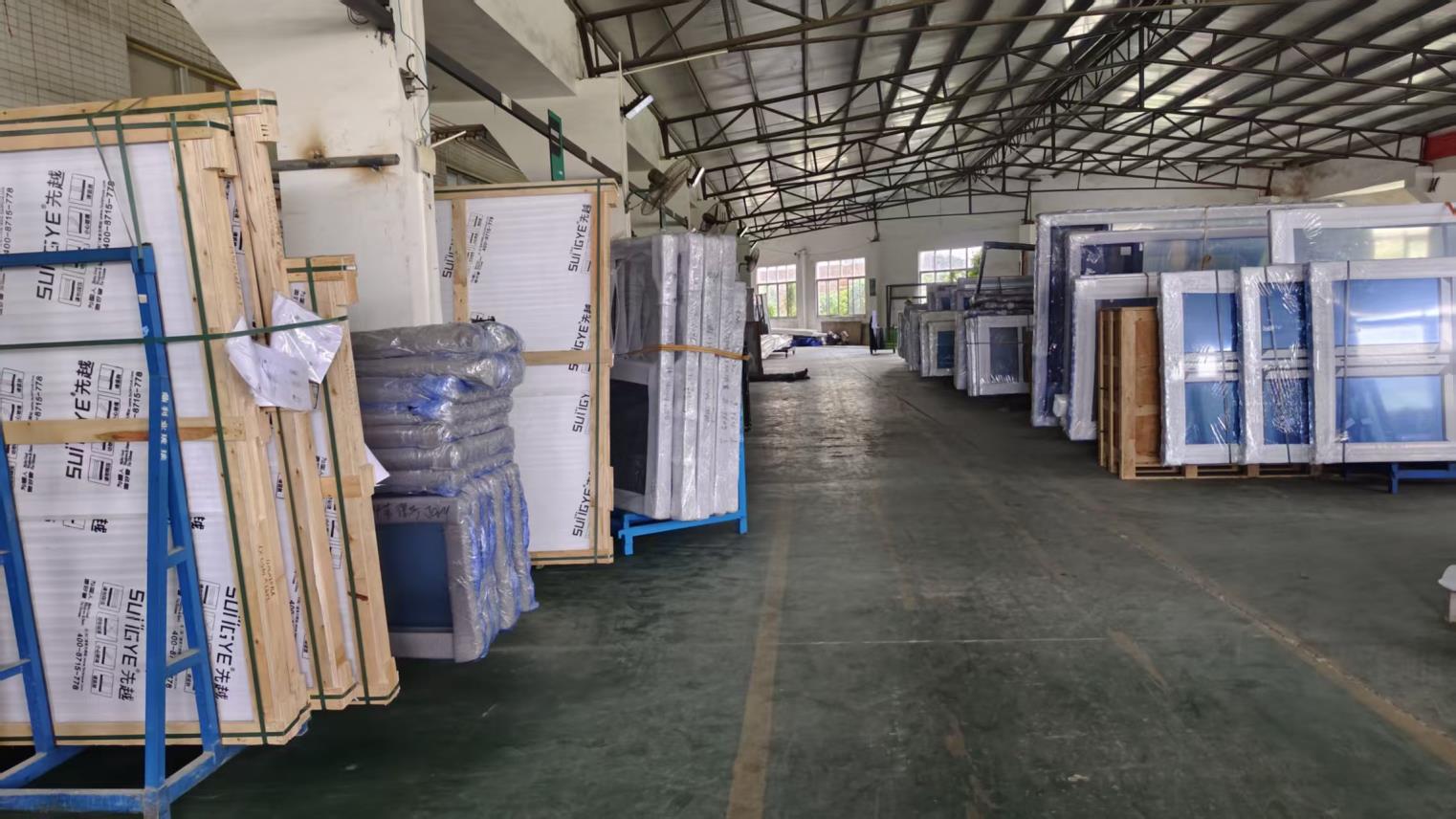
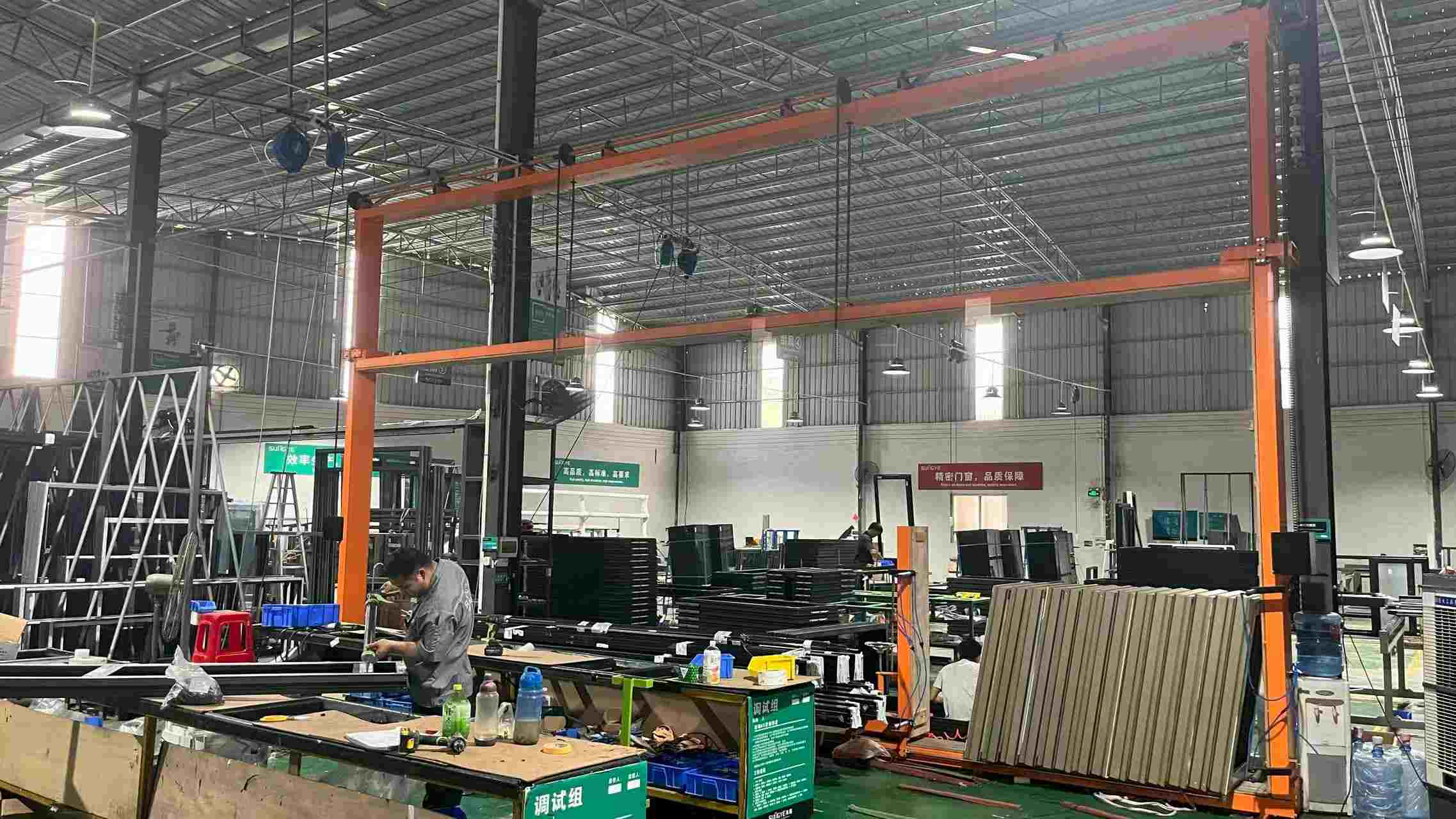
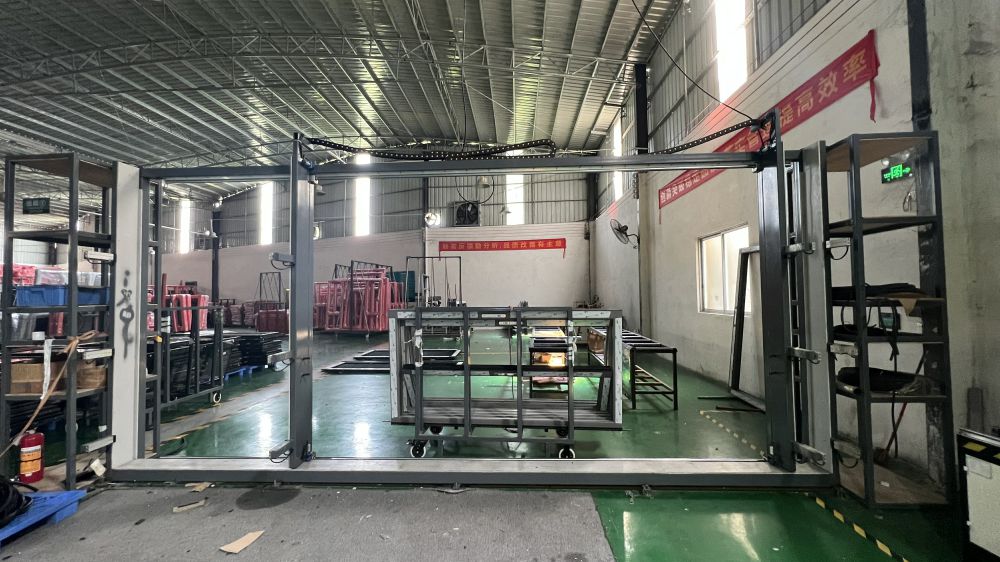

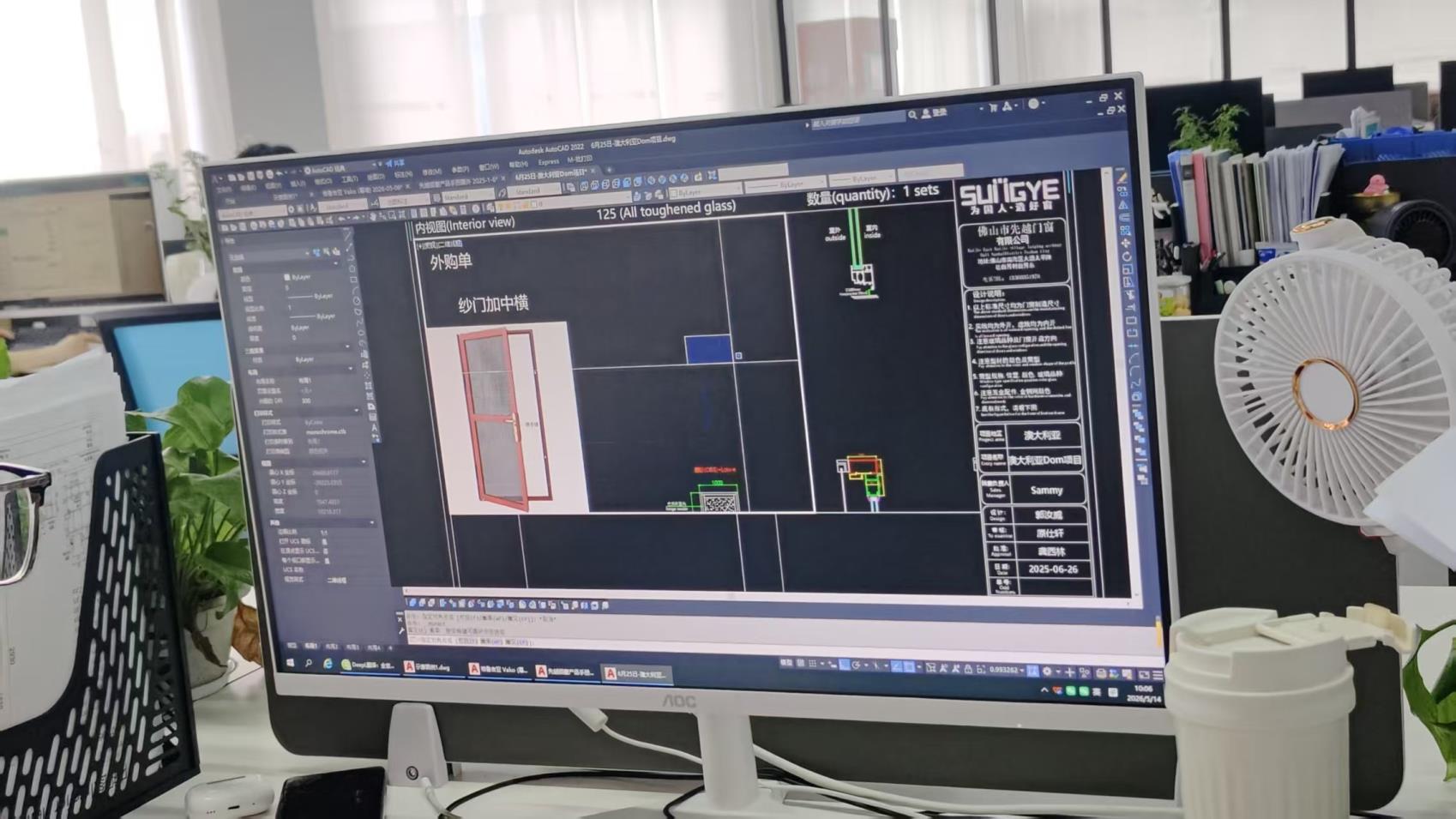
Explore our full line of soundproof, thermal break, lift-and-slide, and panoramic dynamic sliding doors crafted for wholesale and commercial project orders.
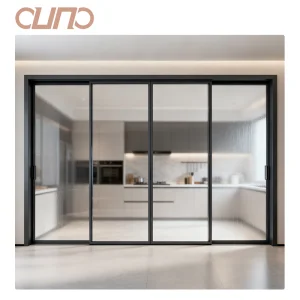
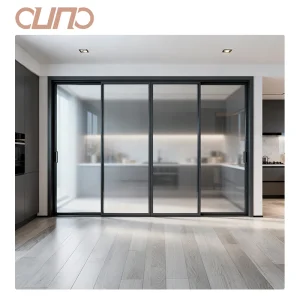
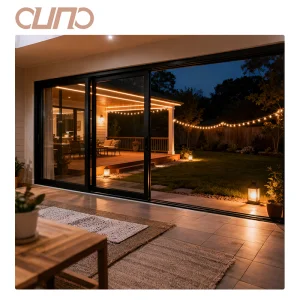
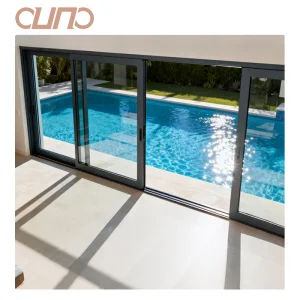
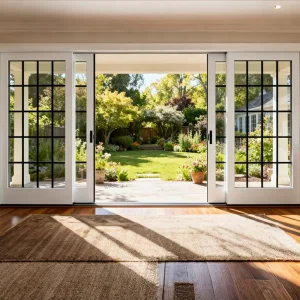
Essential technical and procurement insights for architects, builders, and importers importing commercial sliding doors into Canada.
Our Canadian export series are engineered with structural thermal break aluminum extrusions (2.0mm+ wall thickness) and double/triple tempered glass units. We provide NFRC thermal performance ratings, SGCC certified tempered safety glass, and wind pressure testing reports aligned with CSA A440 benchmarks to ensure seamless building inspector approvals across Canadian municipalities.
We provide comprehensive FOB, CIF, and DDP (Delivered Duty Paid) shipping solutions to major Canadian ports including Vancouver (Deltaport), Montreal, and Halifax, as well as inland rail delivery to Toronto and Calgary. Manufacturing lead time averages 25 to 35 days, with sea transport taking approximately 16 to 22 days depending on destination port logistics.
Lift-and-Slide mechanisms utilize a specialized gear hardware system that lifts the door panel off the track when operating for effortless sliding, and drops the panel tightly onto double EPDM gaskets when closed. This compression mechanism creates an airtight seal that eliminates cold air infiltration and prevents sill track freezing in sub-zero climates.
Yes, 100% of our production runs are tailored to architectural project specifications. We offer custom powder coating (AkzoNobel / PPG), anodized finishes, fluorocarbon (PVDF) coatings for coastal rain zones, custom sash configurations (2-track, 3-track, pocket doors), and integrated motorized stainless steel flyscreens.
All sliding door units are packed in fully enclosed non-fumigation plywood crates with corner protective caps, high-density EPE foam buffering, and moisture-absorbing desiccant packs. Our container loading teams apply steel cable tie-downs to eliminate movement during oceanic transits.
Contact our structural glazing engineering team today for CAD shop drawings, wholesale price lists, and technical compliance data sheets.
Send Inquiry Now Cresta Window Tech