Explore our engineering-grade architectural facade and louver window solutions tested for hurricane-load resistance, acoustic suppression, and maximum thermal efficiency.
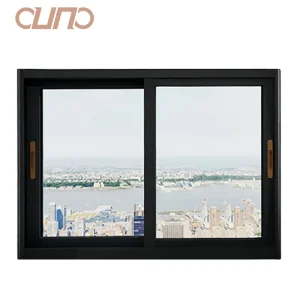
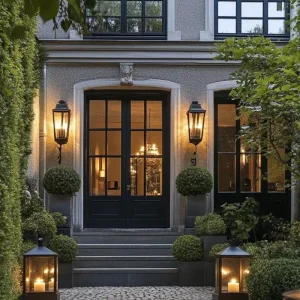
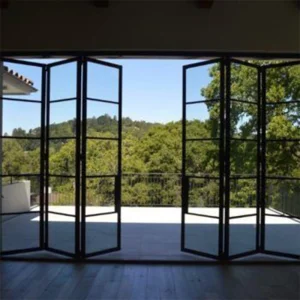
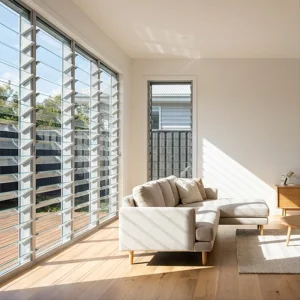
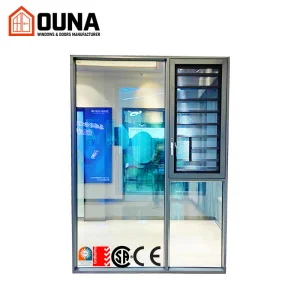
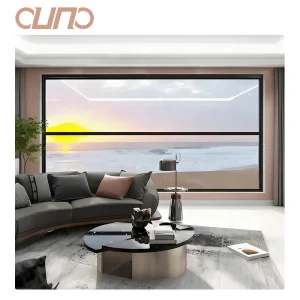
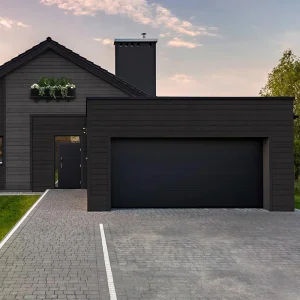
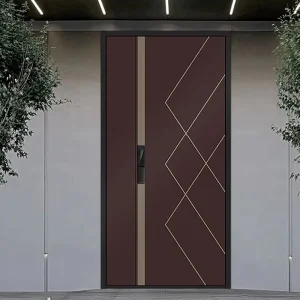
The global building envelope market is undergoing an unprecedented evolution. Driven by strict international carbon-neutrality mandates, extreme weather anomalies, and demanding urbanization requirements, modern architectural envelope designs have moved beyond static fenestration. Today, aluminum louver windows are no longer viewed merely as passive ventilation slots; they are recognized as highly engineered structural elements dynamic in microclimate control, optical comfort, and kinetic facade design.
According to recent structural engineering data and global building energy consumption studies, commercial and high-density residential structures equipped with automated, high-performance extruded aluminum louvers experience up to a 34% reduction in HVAC energy consumption. This efficiency is driven by the dynamic control of solar heat gain coefficients (SHGC) while maintaining optimal natural air movement.
1. Acoustic & Thermal Separation Innovations: Traditional louver systems historically suffered from sound leakage and thermal bridging. Advanced manufacturing now incorporates structural PA66 nylon thermal breaks combined with extruded EPDM dual-durometer blade seals. This integration transforms openable louvers into fully weather-tight acoustic barriers capable of mitigating high-frequency urban sound pollution.
2. Smart Motorization & IoT Building Integration: Modern structural louvers are rapidly integrating BMS (Building Management Systems) via RS485, KNX, or wireless IoT protocols. Linear actuators adjust blade pitch angles autonomously based on solar tracking algorithms, indoor CO2 concentration sensors, and local anemometer weather alerts.
3. Extreme Weather & Hurricane Resilience: Coastal developments across the Caribbean, Florida, Southeast Asia, and Oceania require fenestration capable of withstanding severe atmospheric turbulence. Heavy-gauge T6-temper aluminum alloys combined with reinforced structural pivot pins ensure louver blades resist extreme structural deflections without permanent yield deformation.
Not all extruded aluminum louvers perform identically. Superior durability relies on structural profile selection: 6063-T5 provides excellent surface finish fidelity for complex architectural powder coating, while high-tensile 6060-T66 or 6005A-T6 profiles are engineered specifically for high-rise span wind pressures exceeding 3.0 kPa. Leading Chinese manufacturers utilize precision billet homogenizing to guarantee long-term dynamic hinge alignment and eliminate structural blade fatigue.
Commercial facade developers, structural engineering contractors, regional wholesalers, and architectural firms face complex trade-offs when procuring aluminum louver systems globally. Sourcing strategies have evolved beyond simple unit-cost evaluation to prioritize total lifecycle reliability, international compliance certification, engineering customization flexibility, and factory operational transparency.
Focus on engineering compliance, deflection structural calculations, factory shop drawing approvals, BIM object availability, and rigid delivery timelines to prevent site downtime penalties.
Prioritize narrow sightlines, custom anodized finishes, concealed actuation hardware, low SHGC ratings, and flexible blade profiles (aerofoil, Z-blade, elliptico, operable glass-louver hybrid).
Demand consistent extrusion quality control, modular KD (Knock-Down) assembly packaging to maximize shipping container space, and white-label branding options.
Seek premium aesthetic detailing, smart motorized integration, automated insect screen integration, zero-leak weatherproofing, and high acoustic attenuation (Rw 38dB+).
| Parameter / Requirement | Commercial High-Rise Facades | Industrial Ventilation Louvers | Residential Acoustic Louvers |
|---|---|---|---|
| Material Grade | Aluminum Alloy 6063-T6 / 6005-T6 | Aluminum Alloy 6063-T5 | Thermal Break Aluminum 6063-T5 |
| Surface Finishing | PVDF Coating (3-Coat, 25-yr warranty) | Mill Finish / Standard Anodized 15µm | Qualicoat Powder Coating (60-80µm) |
| Wind Load Resistance | ASTM E330 Structural (3.5 kPa+) | AS2047 / EN 12210 (1.5–2.0 kPa) | Hurricane Impact NFRC / CE Standard |
| Water Penetration | AMCA 500-L Class A (Zero penetration) | Standard Gravity Drain Blade | Sub-sill Gasket Weathering Seal |
| Acoustic Rating | Acoustic Baffle Lined (Rw 35–45dB) | N/A (Standard Air Flow) | Double-Glazed / Sealed Edge (Rw 38dB+) |
China's dominance in architectural aluminum production is rooted in an integrated supply chain network, industrial automation, and stringent quality assurance frameworks. Spearheading this manufacturing evolution is Guangzhou Cresta Door & Window Co., Ltd., an industry leader that blends scale, engineering expertise, and international trade reliability.
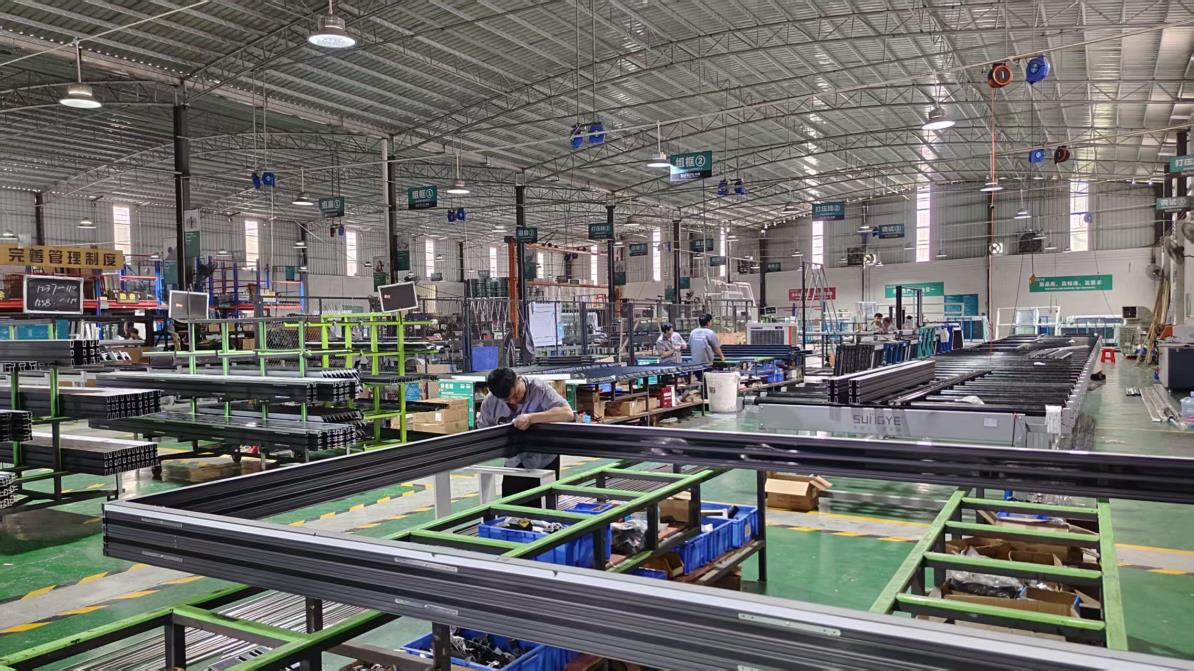
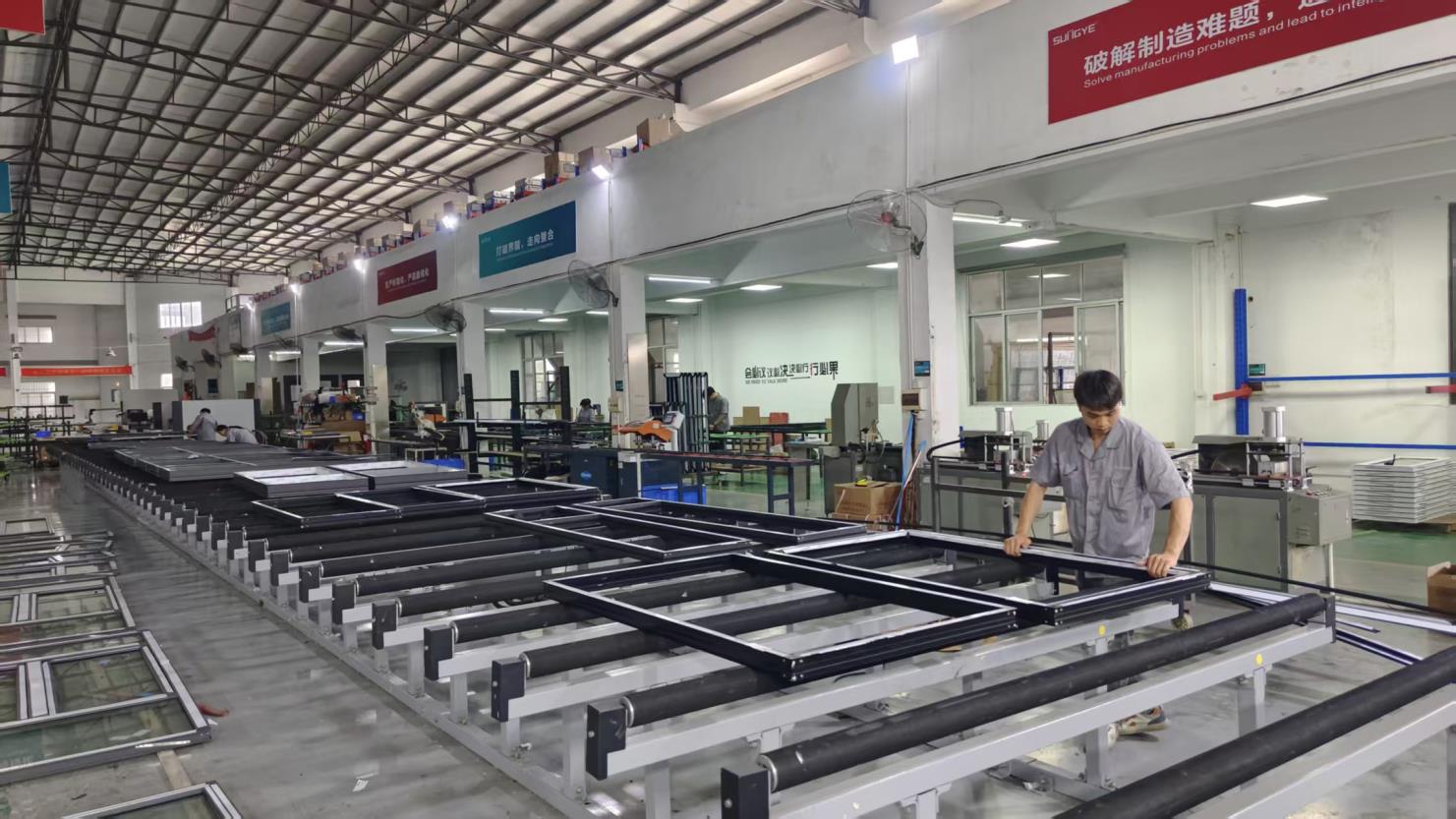
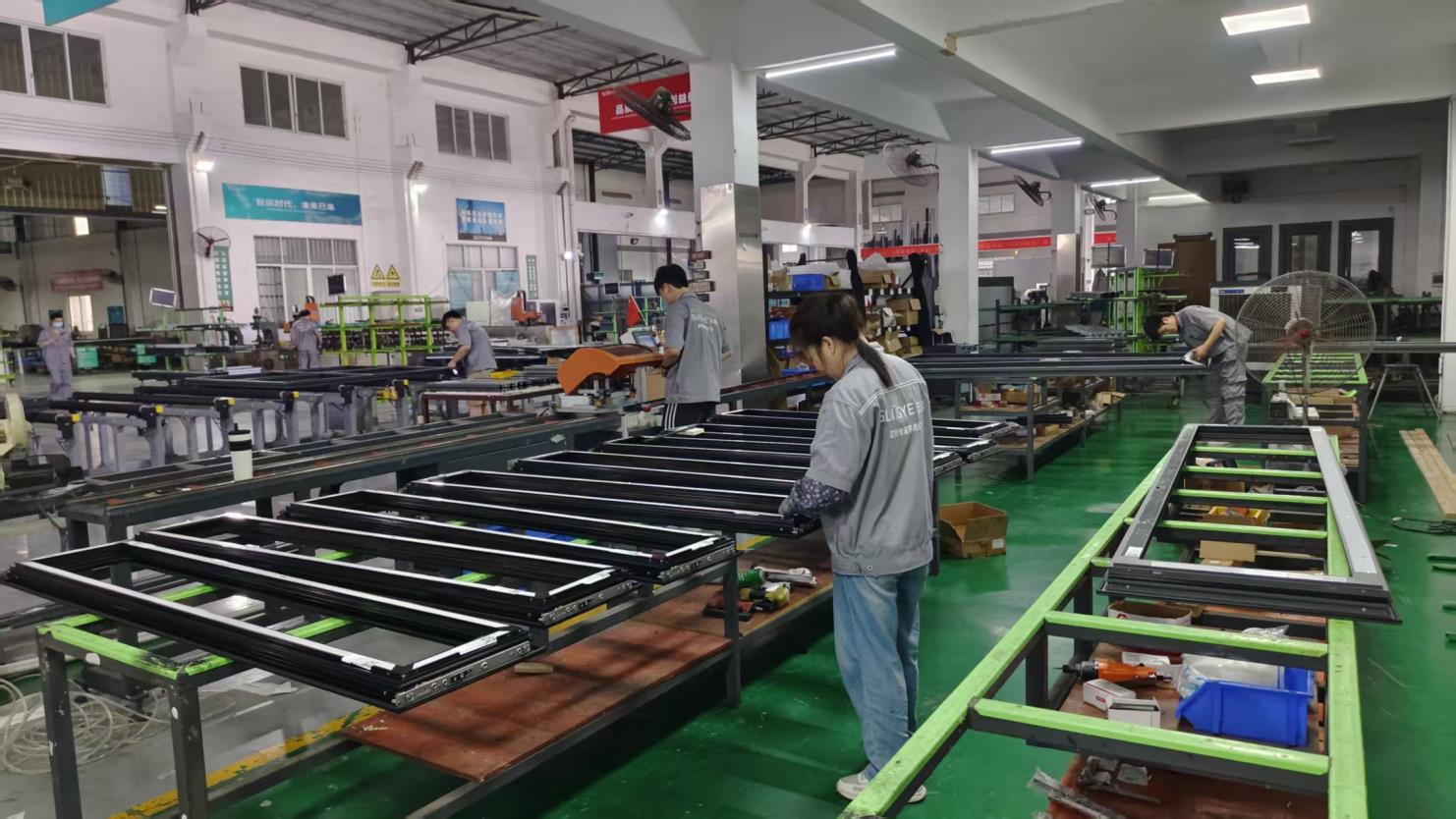
Established in 2015, Guangzhou Cresta operates an advanced 18,000-square-meter production facility. Backed by 11 years of deep industry experience and 7 years of optimized international trade logistics, Cresta mainly supplies custom home builders, commercial renovation contractors, structural facade engineers, and high-volume regional wholesalers.
To ensure high product stability and precise structural tolerances, Cresta’s quality management framework utilizes multi-stage ISO-certified inspections. A team of 30 specialized QC inspectors enforces rigorous optical surface integrity checks, micro-defect laser profiling, hydrostatic weatherproofing seal tests, and load-bearing hinge shear assessments. Supported by an active R&D division of 35 specialized engineers, Cresta designed and launched 38 new certified product series over the past year alone, meeting evolving energy ratings and hurricane building codes worldwide.
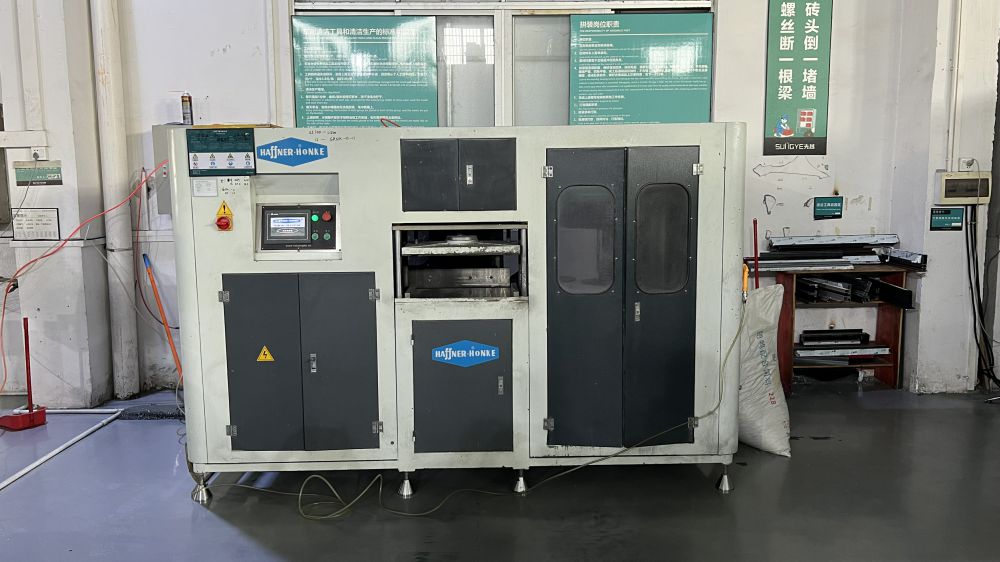
Inside Guangzhou Cresta's state-of-the-art facility: From raw material billet inspection to automated CNC machining, structural assembly, glass insertion, and dynamic load testing.
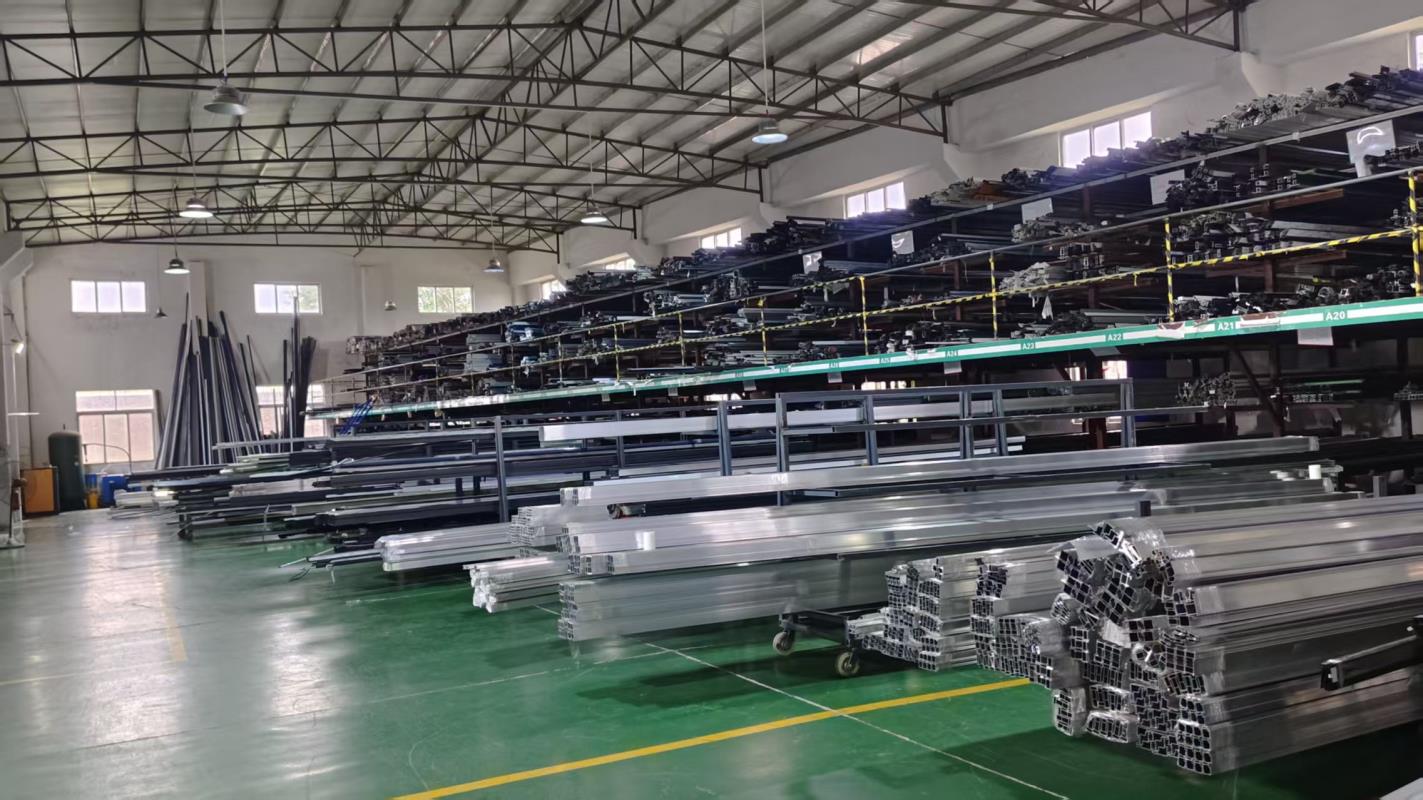
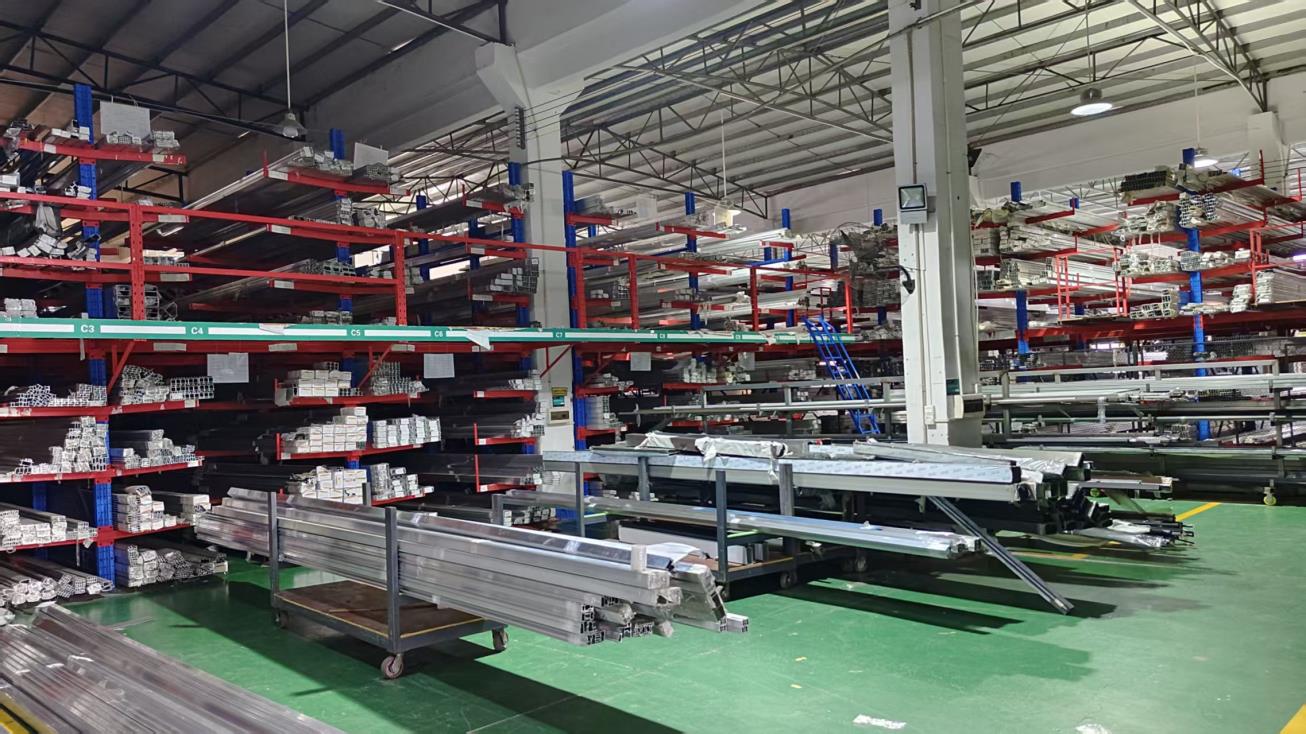
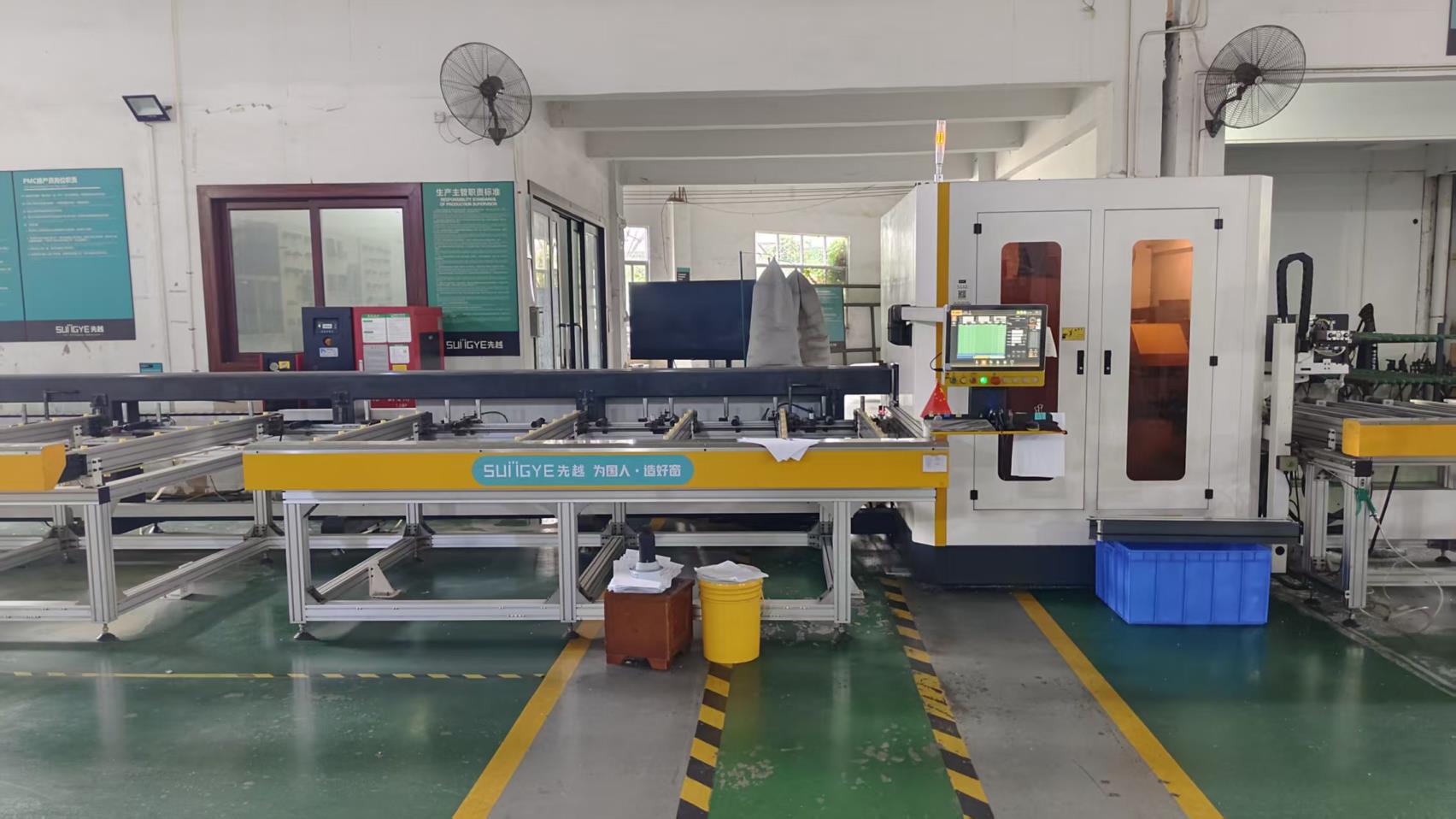
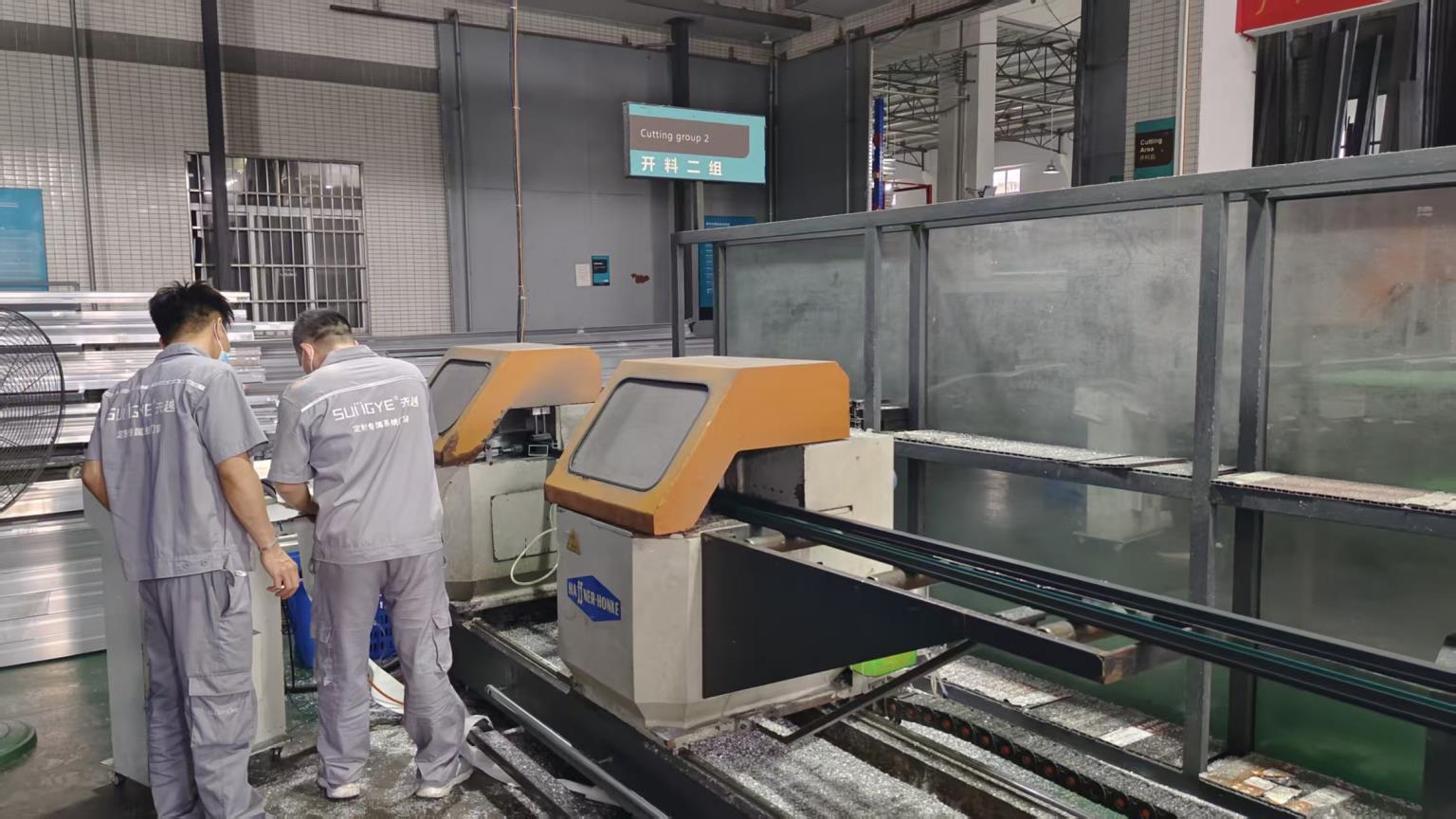
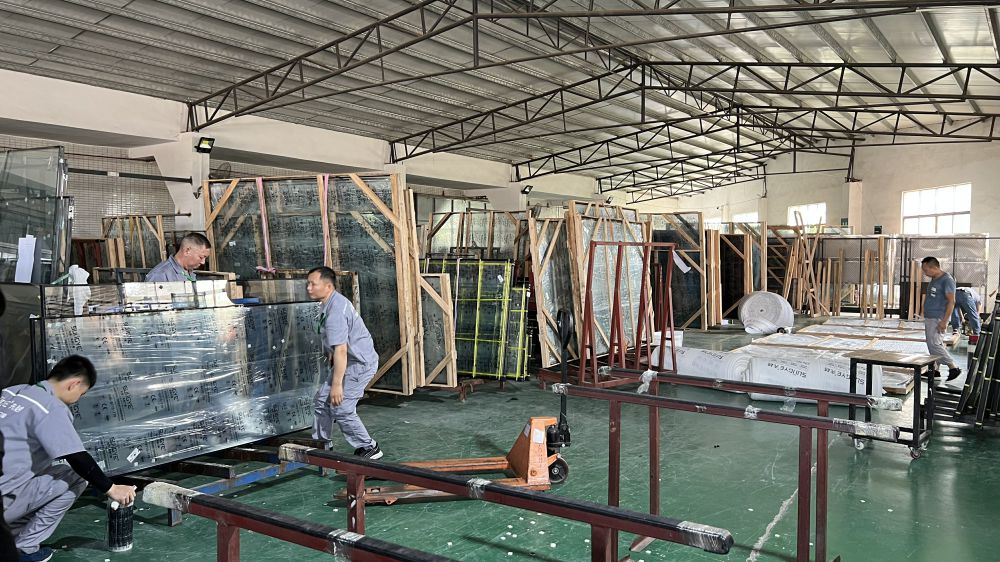
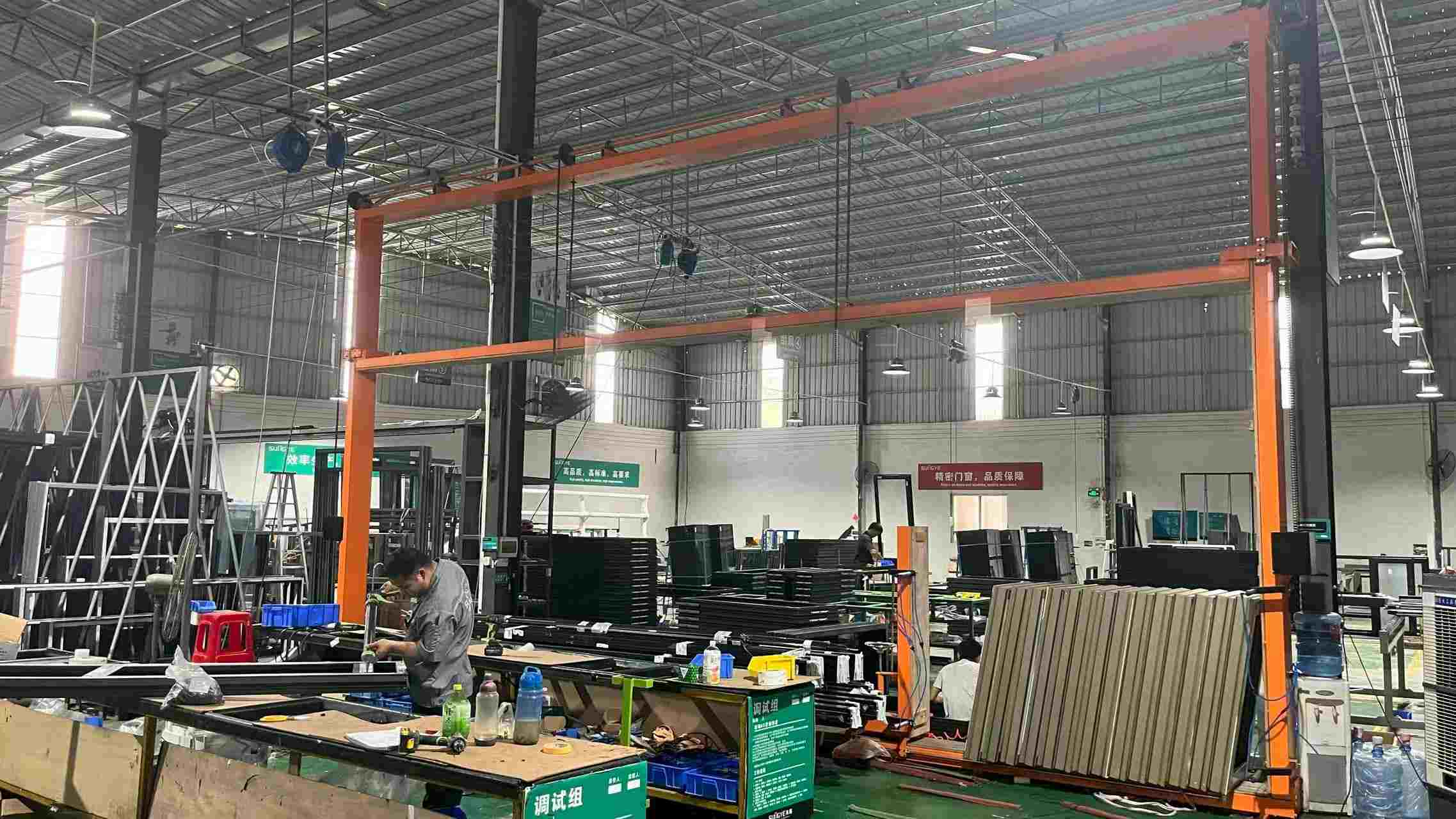
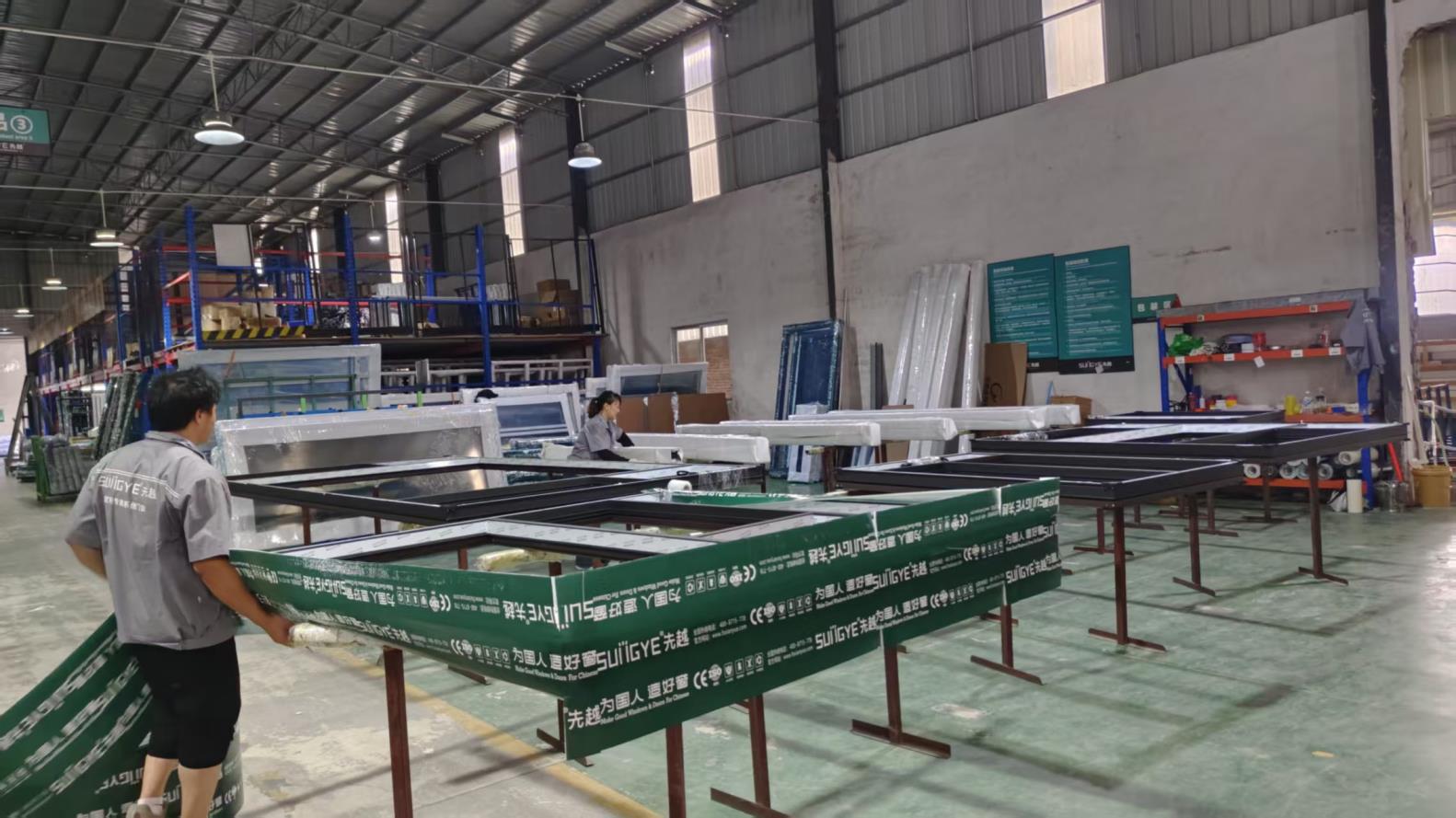
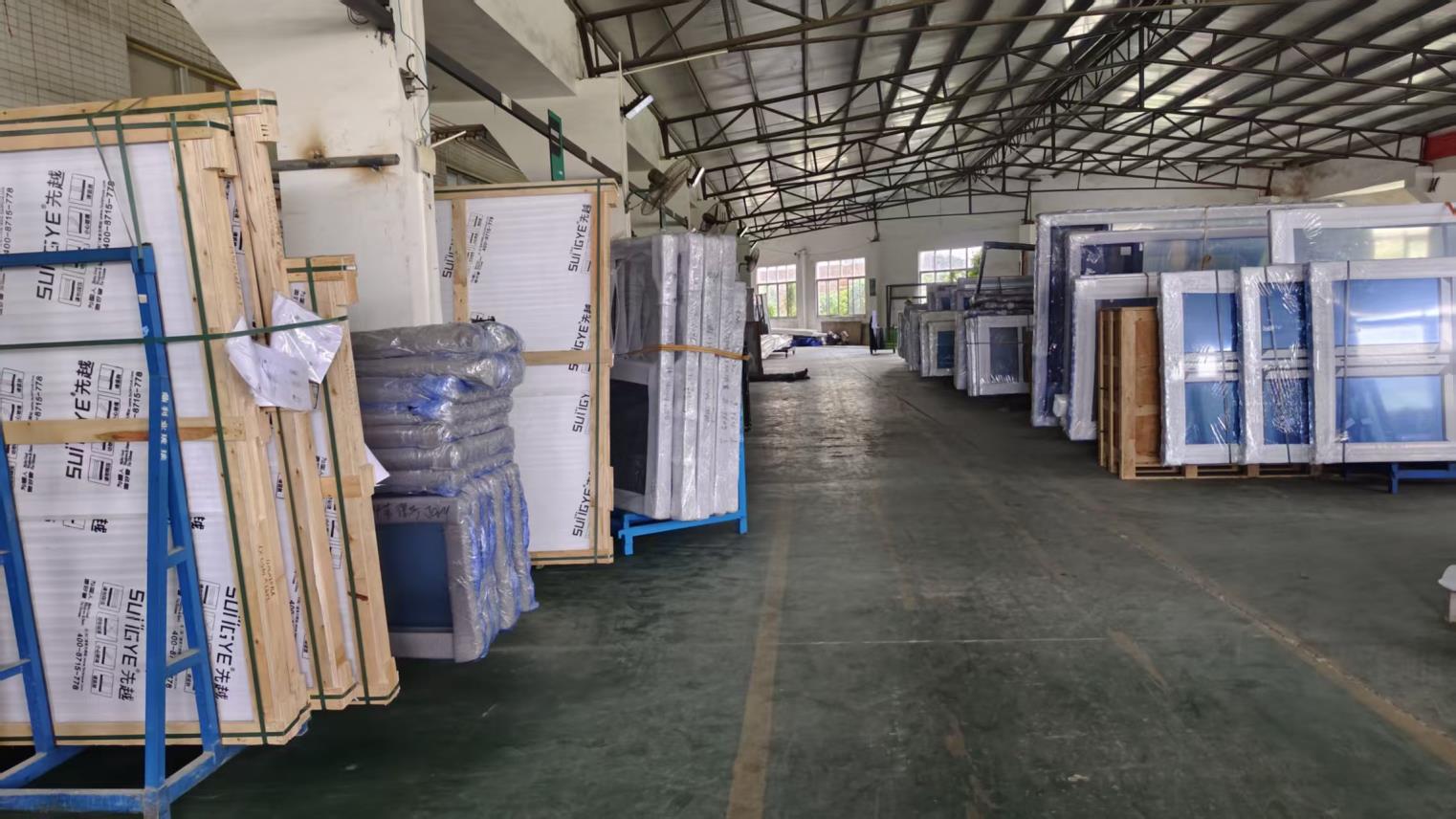
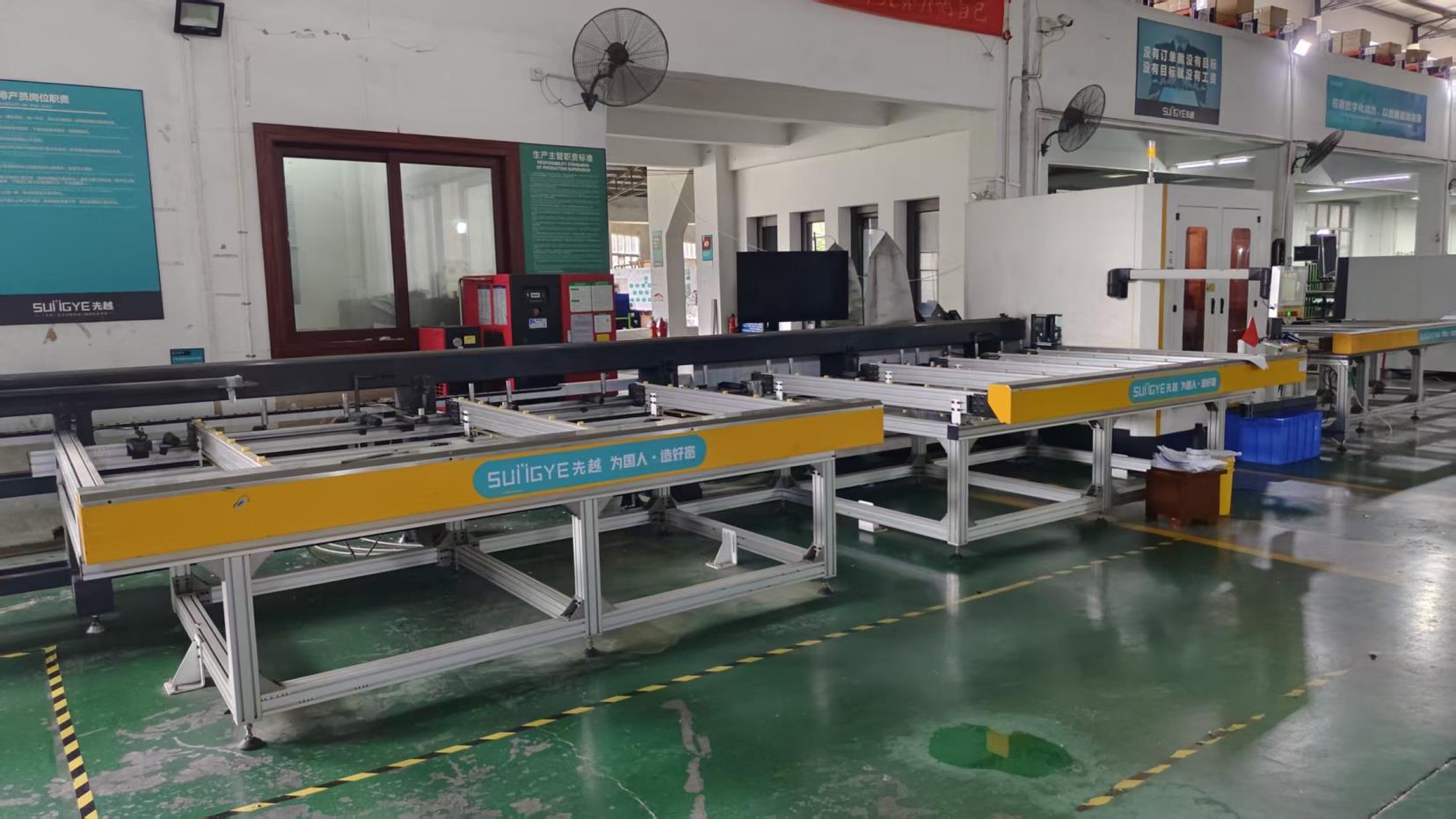
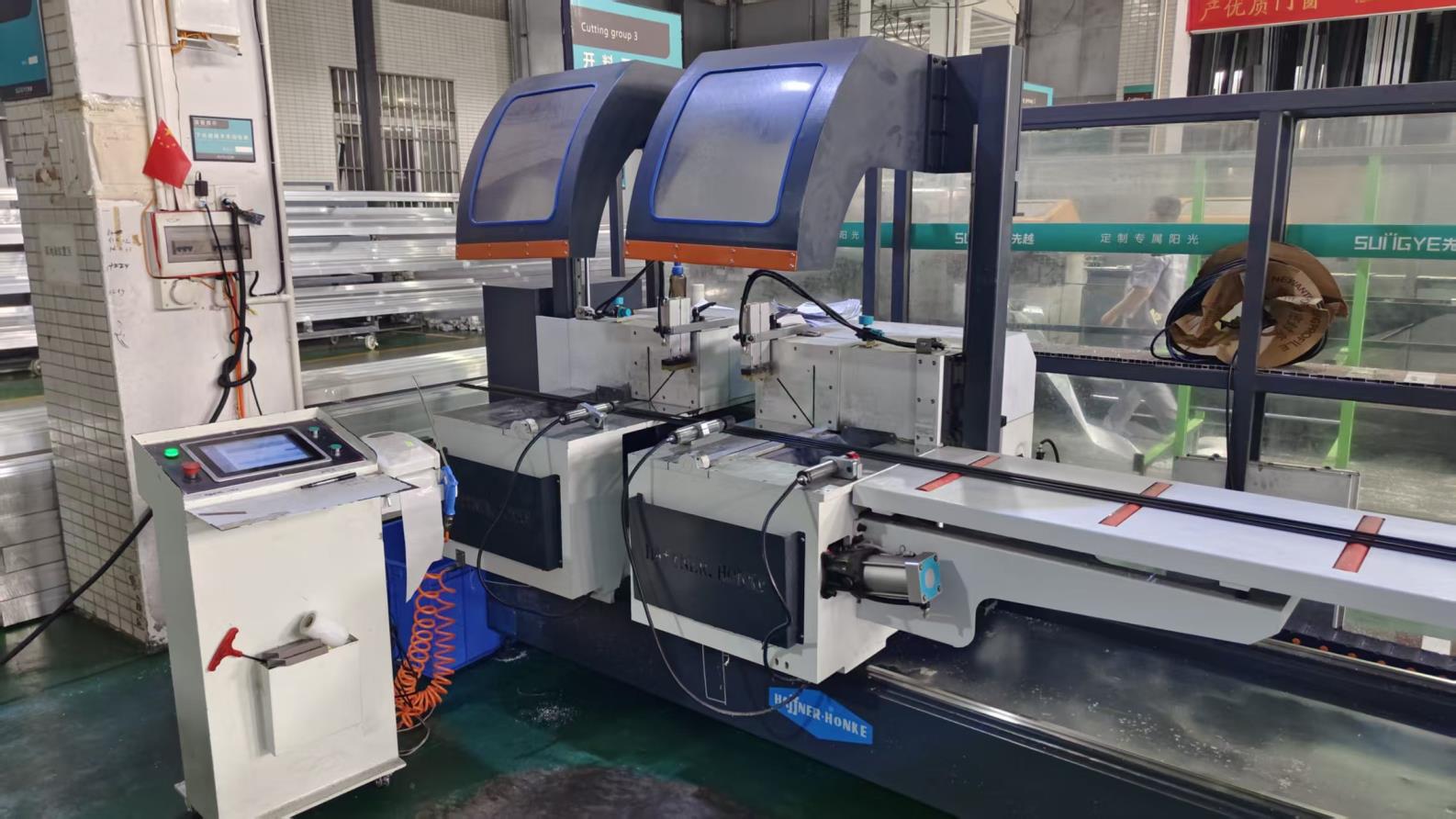
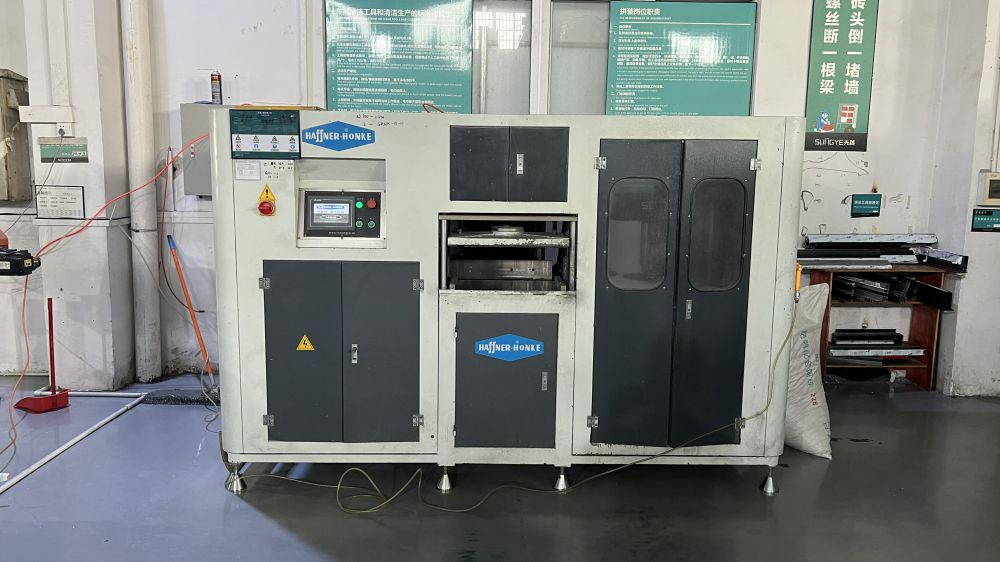
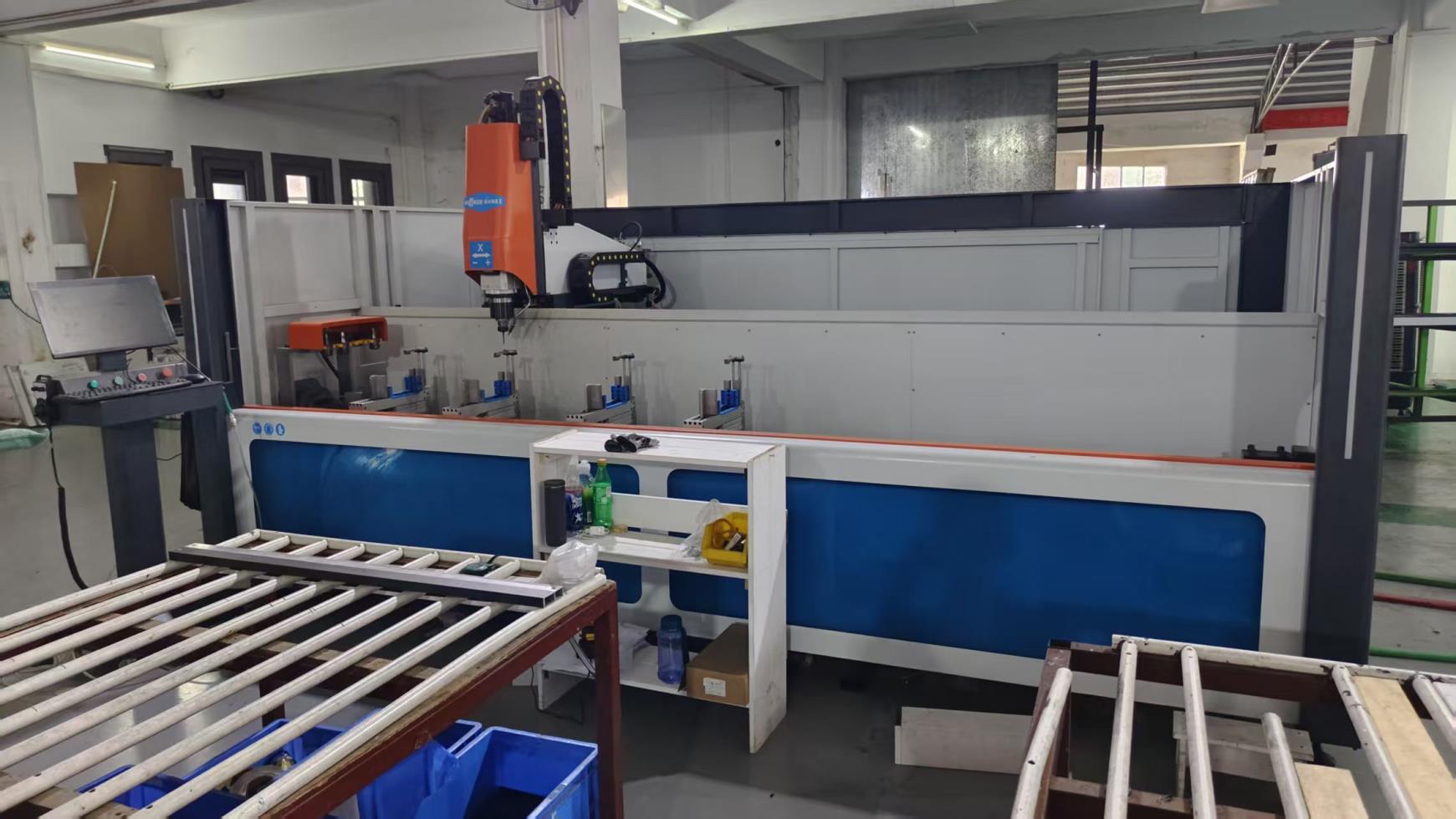
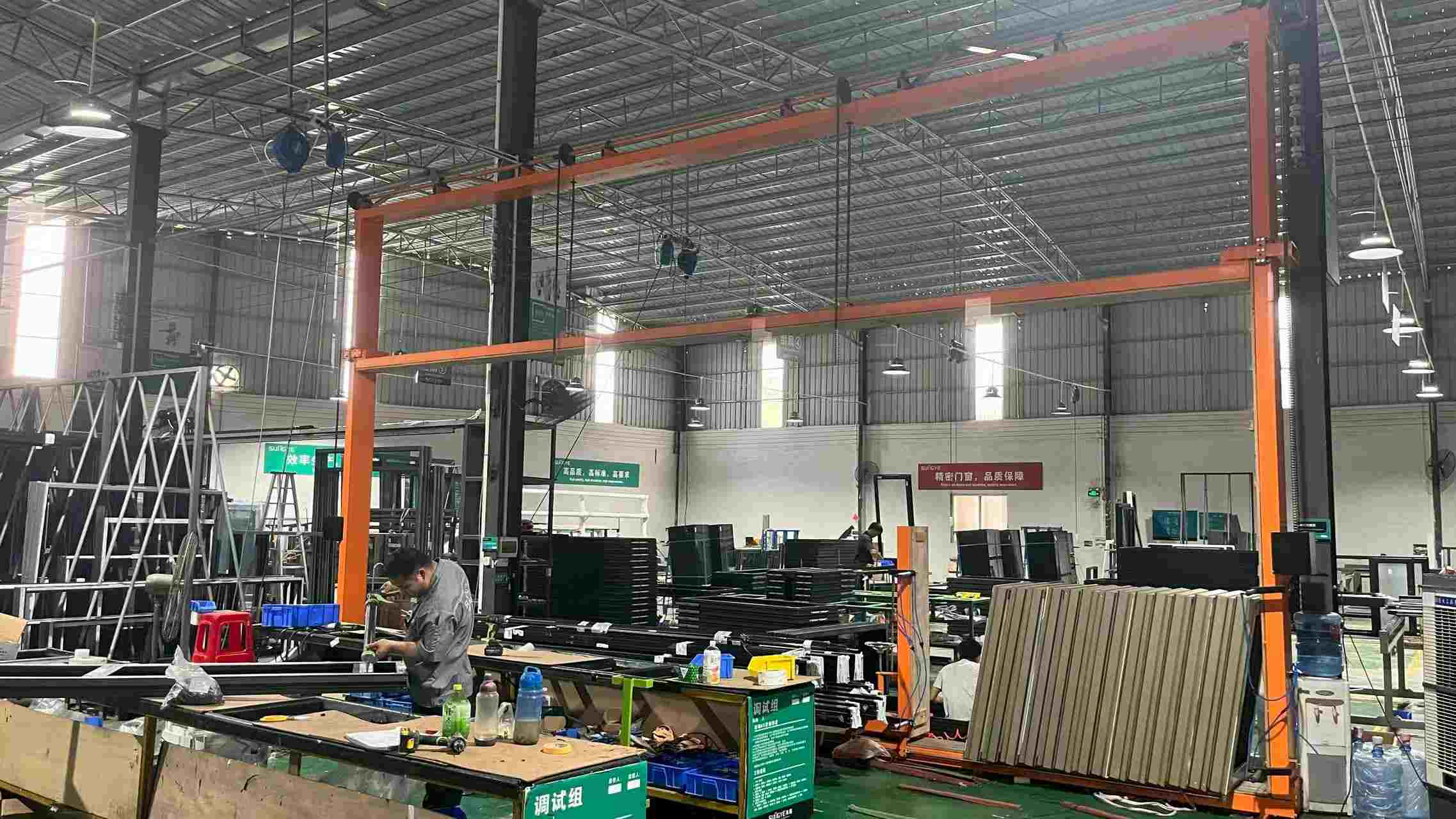
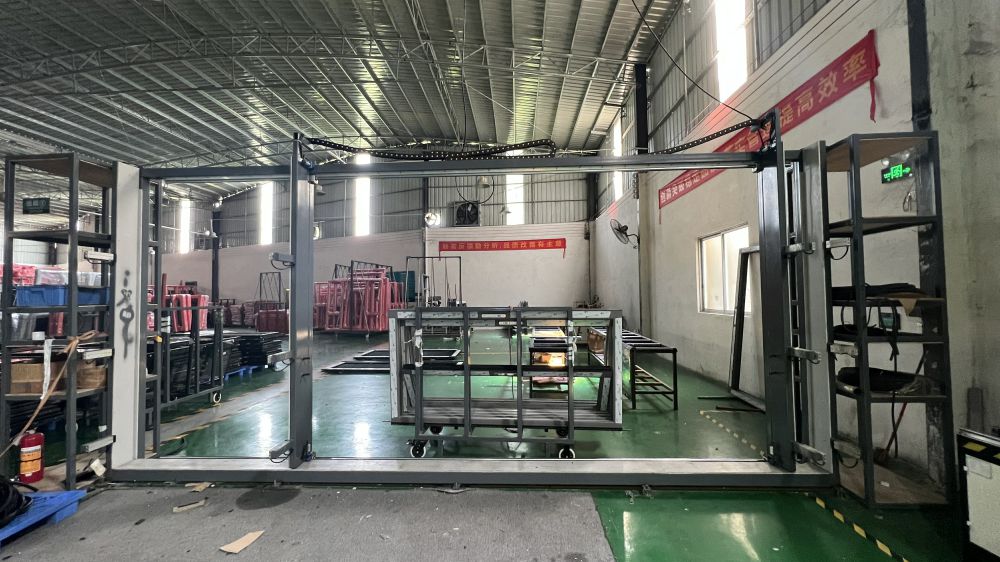
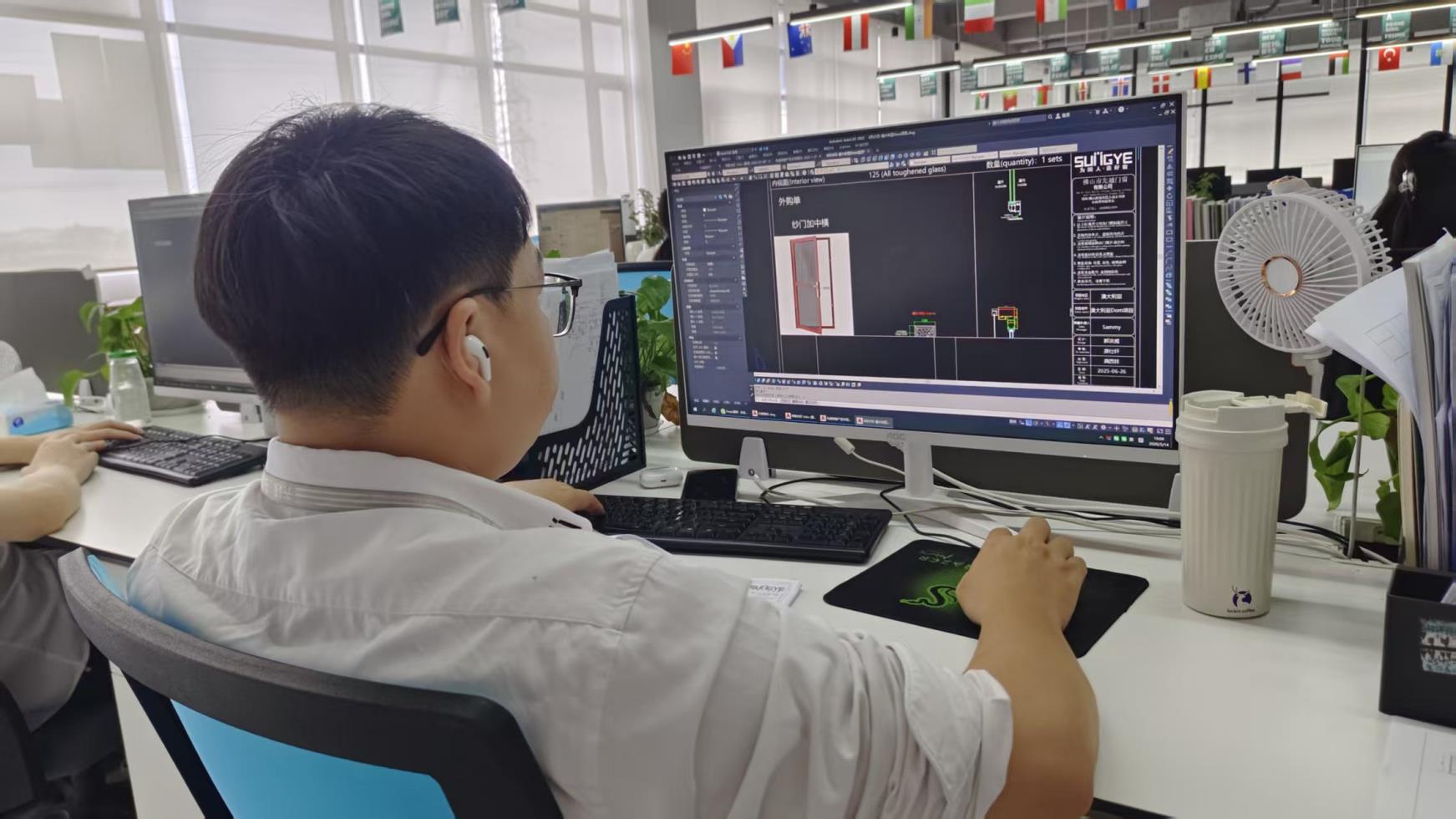
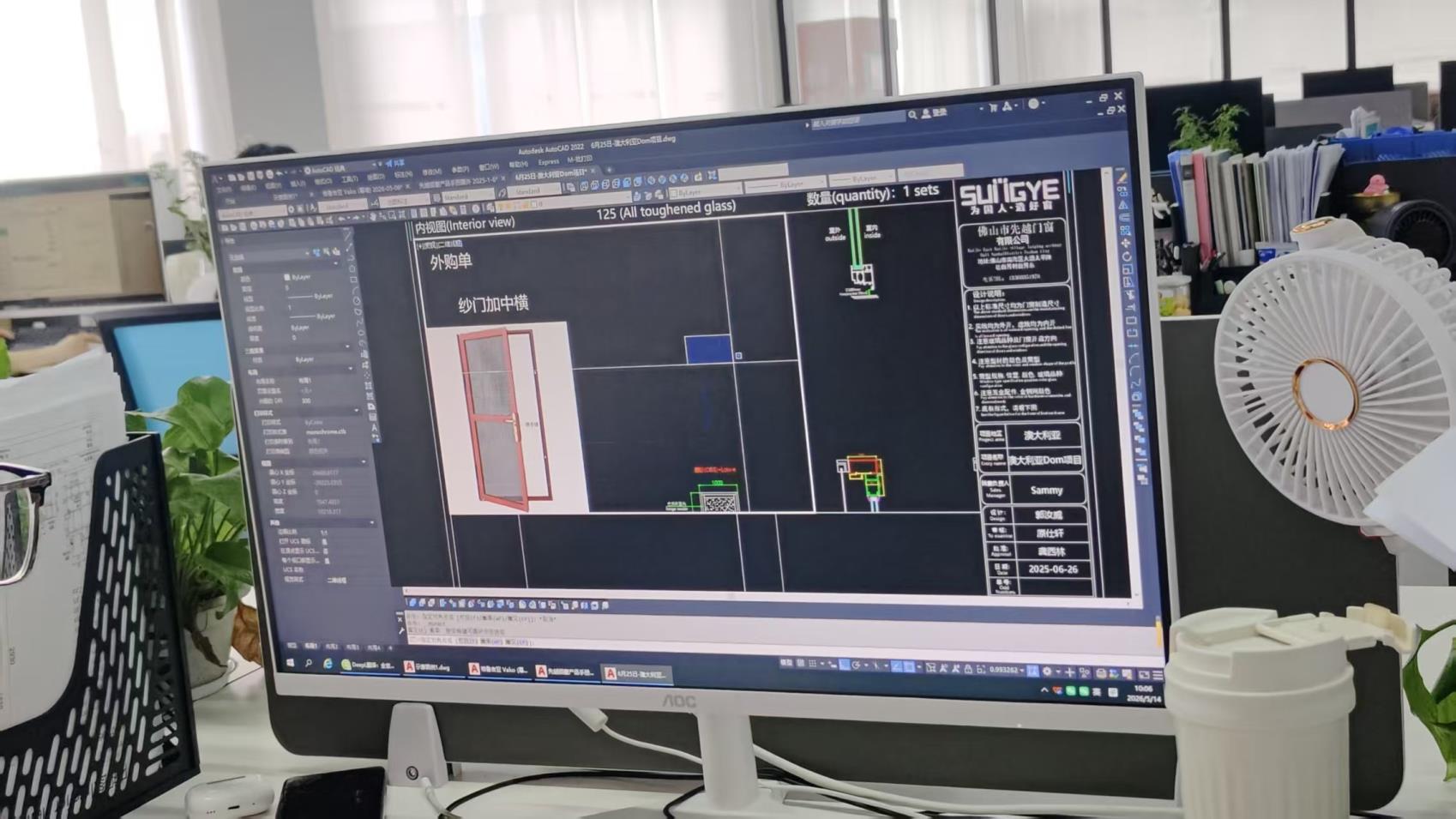
Aluminum louver systems must be designed to adapt to microclimates worldwide. Guangzhou Cresta customizes profile geometry, gasket durometers, motor torque ratings, and powder surface chemistry based on regional environmental conditions.
Environmental Threat: High salinity air, continuous humidity, severe tropical storms, and wind-borne debris.
Engineering Solution: Heavy-duty extruded aluminum louvers treated with 3-coat 70% Kynar 500 PVDF coating exceeding AAMA 2605 specifications. Fitted with heavy-gage stainless steel 316 internal linkage rods and NFRC-certified hurricane-rated dual blade glass or solid aluminum louvers.
Environmental Threat: Intense solar radiation, surface thermal expansion, fine sandstorms, and extreme ambient temperature fluctuations.
Engineering Solution: Aerofoil profile louvers integrated with thermal break PA66 profiles to eliminate conductive heat gain into building interiors. Sand-trap geometry combined with motorized actuators operating on dust-sealed IP67 gearboxes ensures smooth operation.
Environmental Threat: Traffic noise pollution, privacy concerns in narrow urban corridors, and strict zero-carbon building mandates.
Engineering Solution: Slim-frame operable louver windows equipped with double-glazed insulated glass panels, integrated motorized insect screens, and acoustic damping chamber pockets achieving Rw sound insulation exceeding 40 decibels.
Direct answers to critical structural engineering, supply chain logistics, and specification questions asked by international B2B buyers.
Aluminum louver windows offer significantly higher strength-to-weight ratios, dimensional stability, and resistance to environmental degradation compared to timber or PVC. Aluminum profiles will not warp, rot, swell, or crack under intense thermal cycling or high humidity. Additionally, aluminum supports wider span profiles, precision anodized or powder-coated finishes (with warranties up to 25 years), and higher wind load resistance suitable for high-rise facades.
Cresta integrates multi-barrier weatherproofing architecture. This includes custom-molded EPDM synthetic rubber blade gaskets, continuous inter-locking blade lips, subterranean sub-sill drainage tracks, and pressure-equalized internal chambers that channel driven rainwater away from interior surfaces. Systems are tested under pressure to meet international standards such as AMCA 500-L and EN 12208.
Guangzhou Cresta products are engineered to comply with major global architectural standards, holding certifications including NFRC (National Fenestration Rating Council) thermal ratings, CE Mark (European Conformity for safety, health, and environmental protection), ISO 9001 quality management standards, and Australian AS2047 structural window compliance tests.
Yes. Cresta’s motorized louver series feature high-torque linear or rotary 24V DC / 230V AC electric actuators compatible with standard BMS protocols (KNX, BACnet, RS485). They can be linked directly to rain sensors, wind speed meters, wall switches, or smart home automation hubs for synchronized building microclimate control.
Backed by a 35-engineer R&D team and 550 upstream material suppliers, Cresta offers full OEM/ODM flexibility. Custom options include profile wall thickness adjustments (1.4mm to 3.0mm+), specialized blade geometry (aerofoil, Z-shaped, glass louvers, wood-grain finish aluminum), custom powder colors (RAL palette), acoustic insulation liners, dynamic insect screen integrations, and Knocked-Down (KD) or Fully-Assembled packaging options.
Standard production lead times range from 25 to 35 business days following final shop drawing approval and deposit receipt. For complex custom structural dies or specialized PVDF color matching, initial sampling requires approximately 10 additional days. Cresta's annual export volume of $22 million ensures prioritized sea freight booking logistics across major shipping lines.
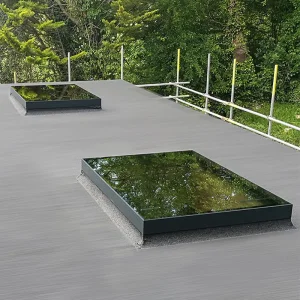
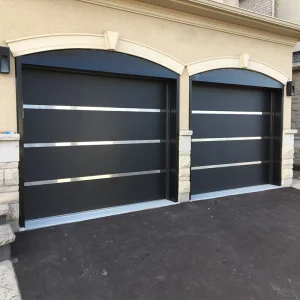
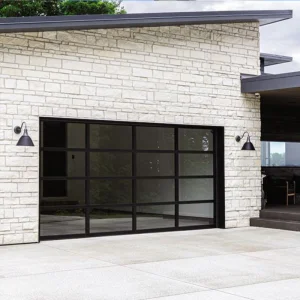
Browse our extended range of high-wind load garage doors, frameless skylights, curved facade systems, and thermal break folding doors manufactured to custom engineering specifications.
 Cresta Window Tech