Explore our top-tier precision-engineered aluminum entrance, casement, sliding, and bi-folding door solutions certified for global export.
Navigating the technical requirements, structural capabilities, and supply chain dynamics of custom exterior aluminum door manufacturing for high-value real estate projects worldwide.
In modern architectural engineering, exterior entryways serve as the critical interface between building physics, spatial aesthetics, and structural envelope security. The global demand for high-performance aluminum outside doors has shifted drastically from standardized mass production toward high-precision OEM (Original Equipment Manufacturer) and ODM (Original Design Manufacturer) frameworks. This paradigm evolution is driven by increasingly stringent energy compliance mandates (such as NFRC and EU EPBD directives), extreme weather resilience imperatives (including hurricane impact NOA standards), and architectural trends favoring ultra-slim profiles with maximal daylighting visual real estate.
Procurement leaders, commercial general contractors, and regional building supply distributors face complex decisions when selecting an OEM/ODM aluminum outside door factory. Beyond simple price-per-square-meter calculations, enterprise buyers must audit a facility's metallurgic extrusions, structural polyamide thermal barrier integrations, surface coating longevity (fluoropolymer PVDF vs. Qualicoat anodizing), multi-point mechanical hardware integration, and international regulatory compliance vectors.
Rigorous industrial engineering, robust quality assurance infrastructure, and global supply chain integration.
Established in 2015, Guangzhou Cresta Door & Window Co., Ltd. operates a state-of-the-art 18,000-square-meter integrated manufacturing facility engineered specifically for high-capacity, precision-customized architectural fenestration production. Backed by 11 years of deep industry technical experience and 7 years of optimized international trade operations, Cresta achieves an annual export turnover of $22 million, serving prominent commercial developments and luxury residential projects across Southeast Asia, the Middle East, and Oceania. We primarily supply custom home builders, commercial renovation contractors, and elite regional wholesalers who require absolute precision and guaranteed structural reliability.
To ensure top-tier craftsmanship across all OEM/ODM aluminum outside door assemblies, our dedicated team of 30 QC inspectors strictly enforces ISO-certified optical surface inspections and high-pressure weatherproofing seal tests. Supported by an extensive network of 550 vetted upstream suppliers, Cresta excels in tailored structural solutions such as custom acoustic insulation matrixes, motorized insect screen integration, and ultra-slim heavy-duty frame sliding doors. Our active R&D division of 35 specialized mechanical and architectural engineers successfully developed and released 38 new product series over the past year alone, staying at the cutting edge of global architectural trends.
Our 30-person inspection team conducts multi-stage audits including optical finish checks, structural corner joint torque tests, and hydrostatic water tightness validations under 600 Pa pressure differentials.
With 35 dedicated engineers, we transform bespoke architectural drawings into structural aluminum profile extrusions, delivering 38 new patentable door and window product series annually.
Direct integration with primary 6063-T5 aluminum alloy smelters, German hardware manufacturers, and automated glass tempering facilities guarantees uninterrupted raw material pipelines.
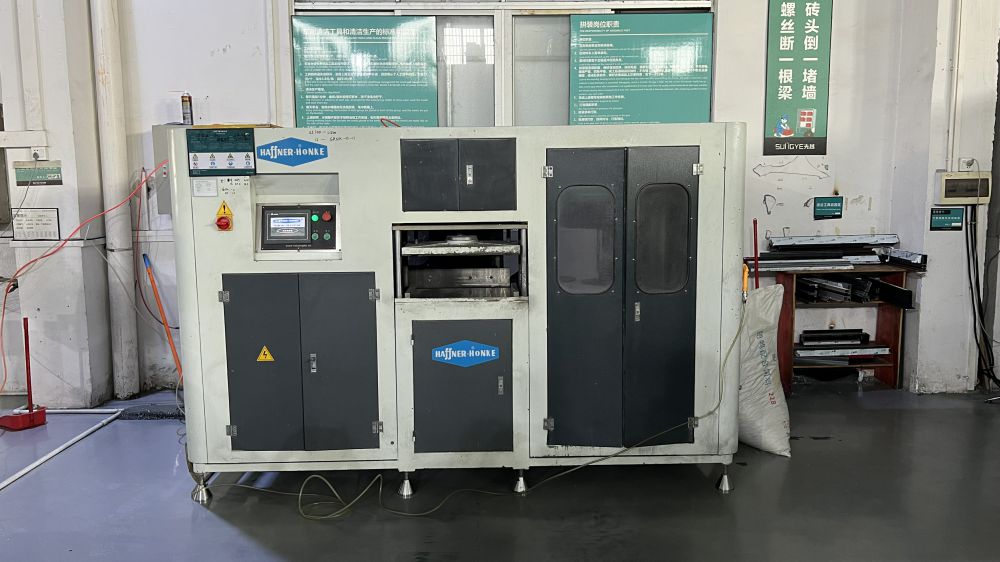
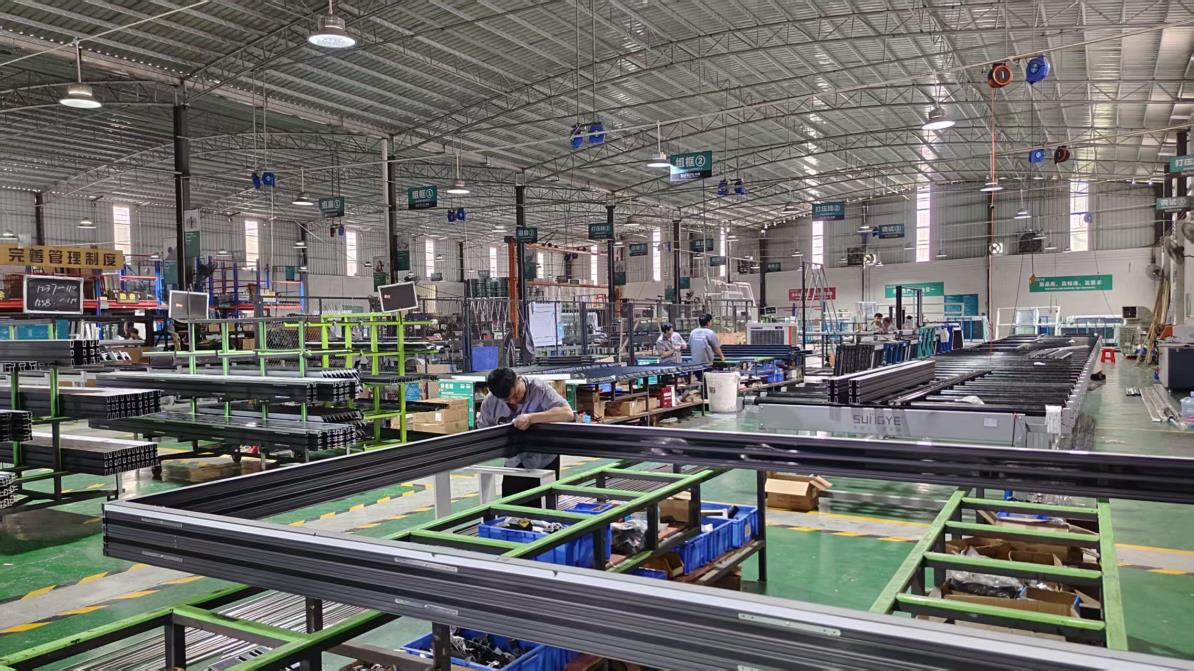
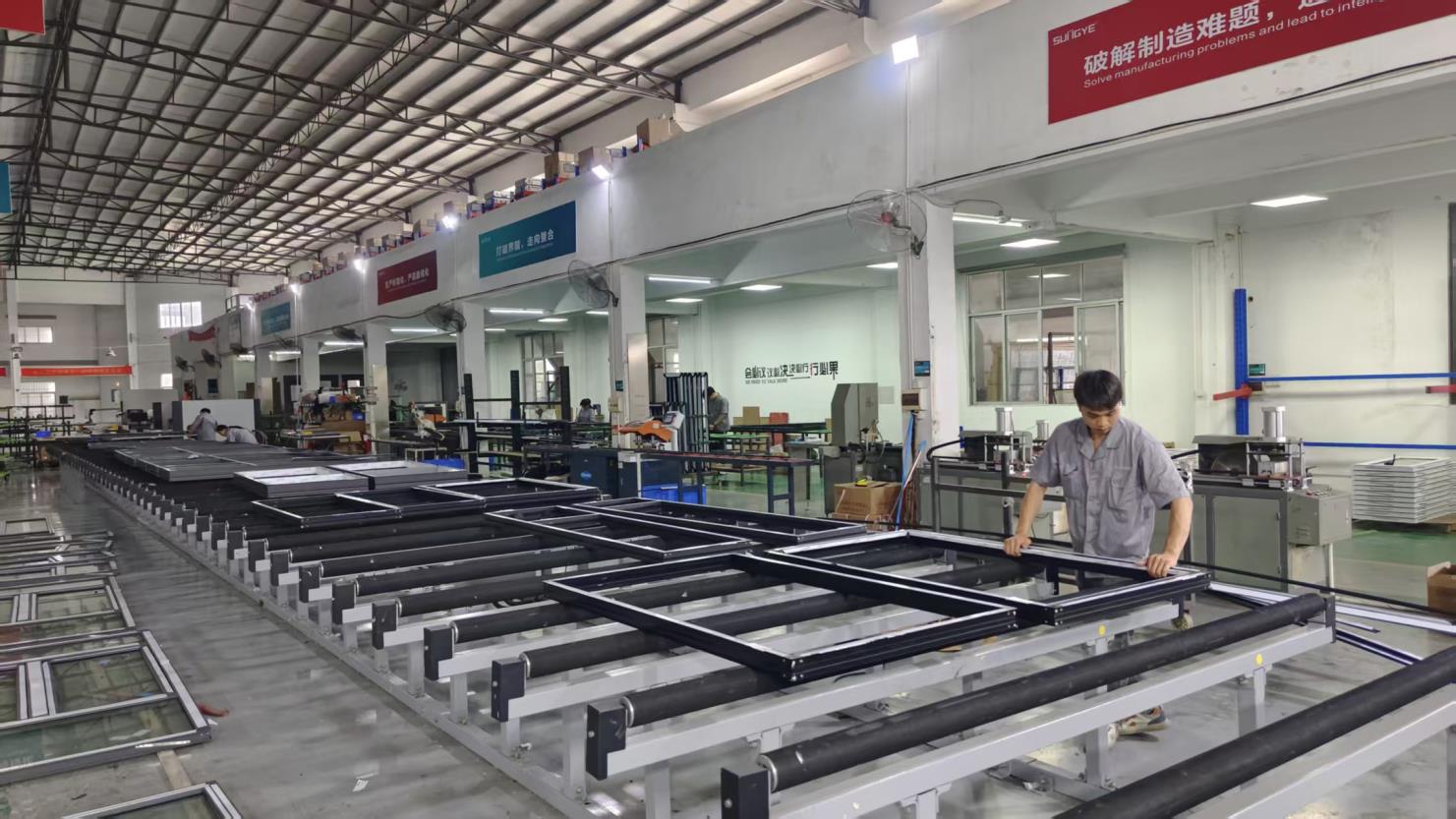
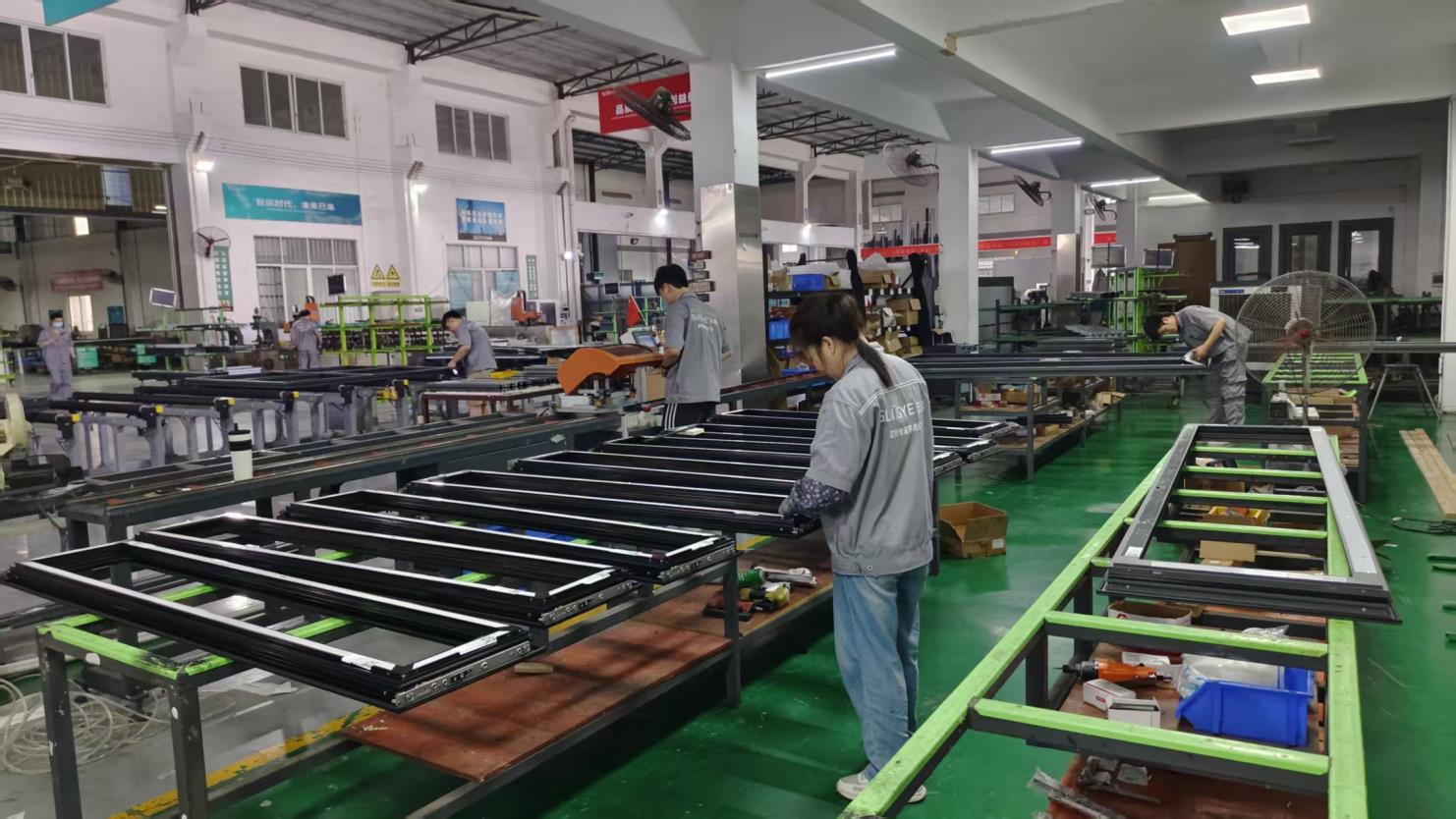
Inside our 18,000m² manufacturing facility: Detailed workflow visual documentation showcasing raw material handling, CNC cutting, automated assembly, and stringent packaging routines.
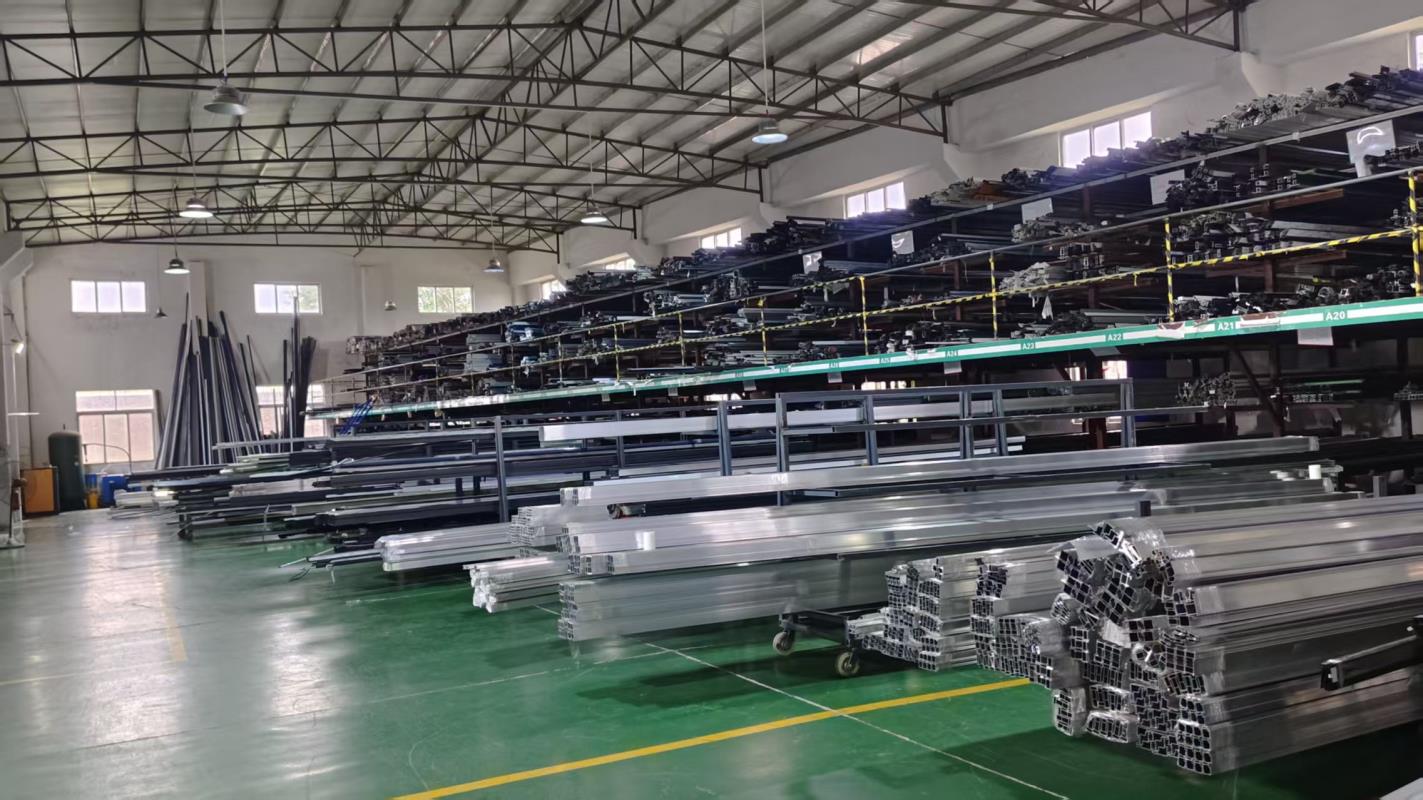
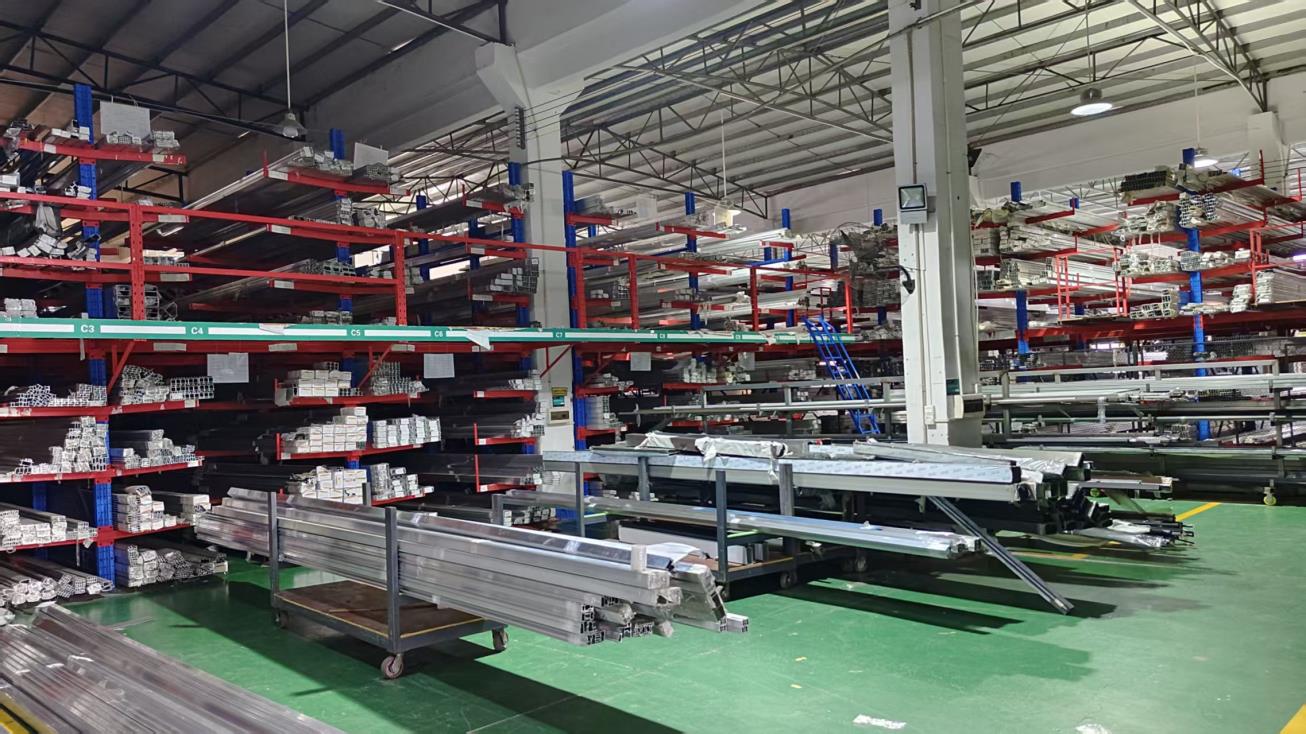
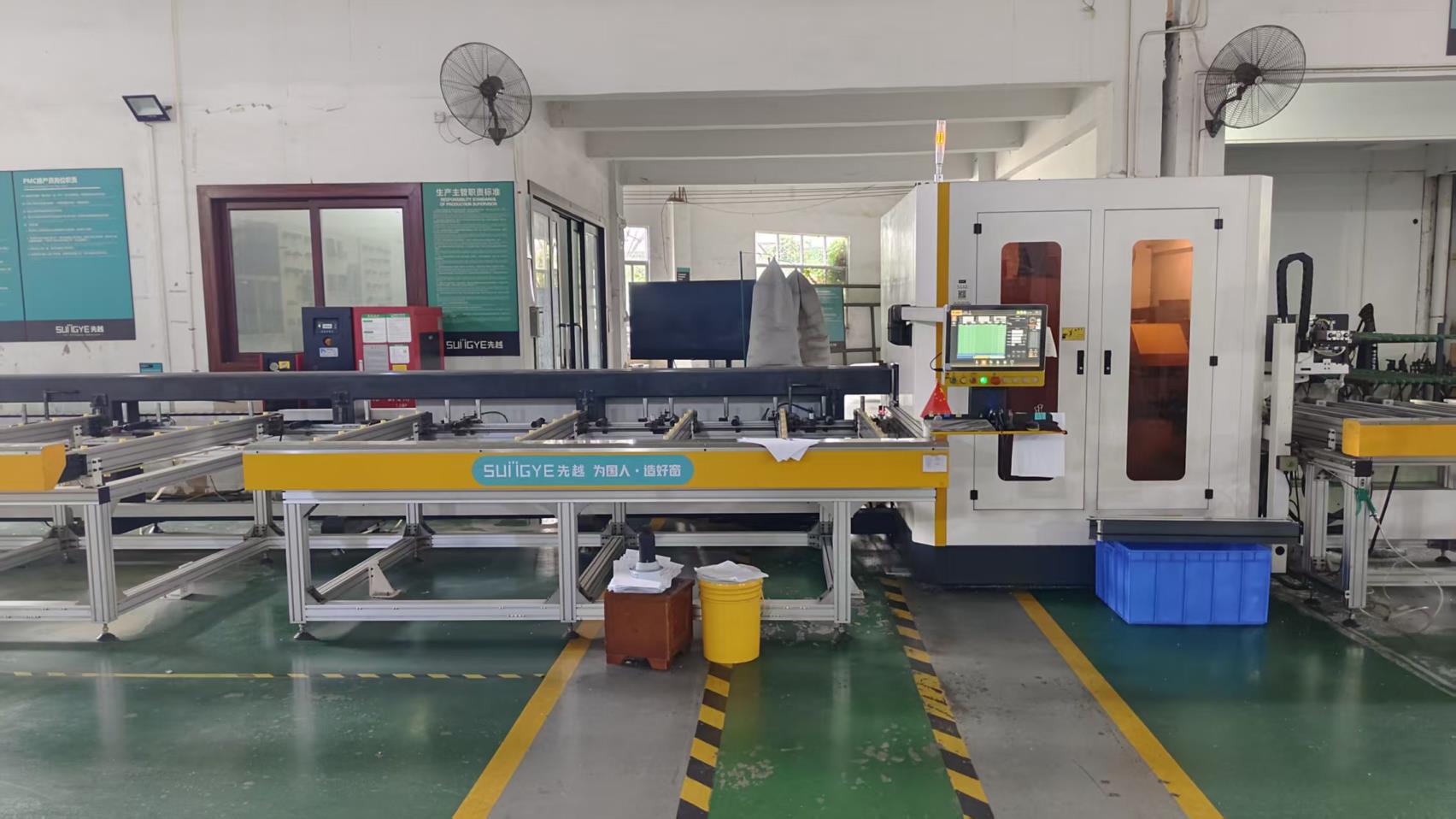
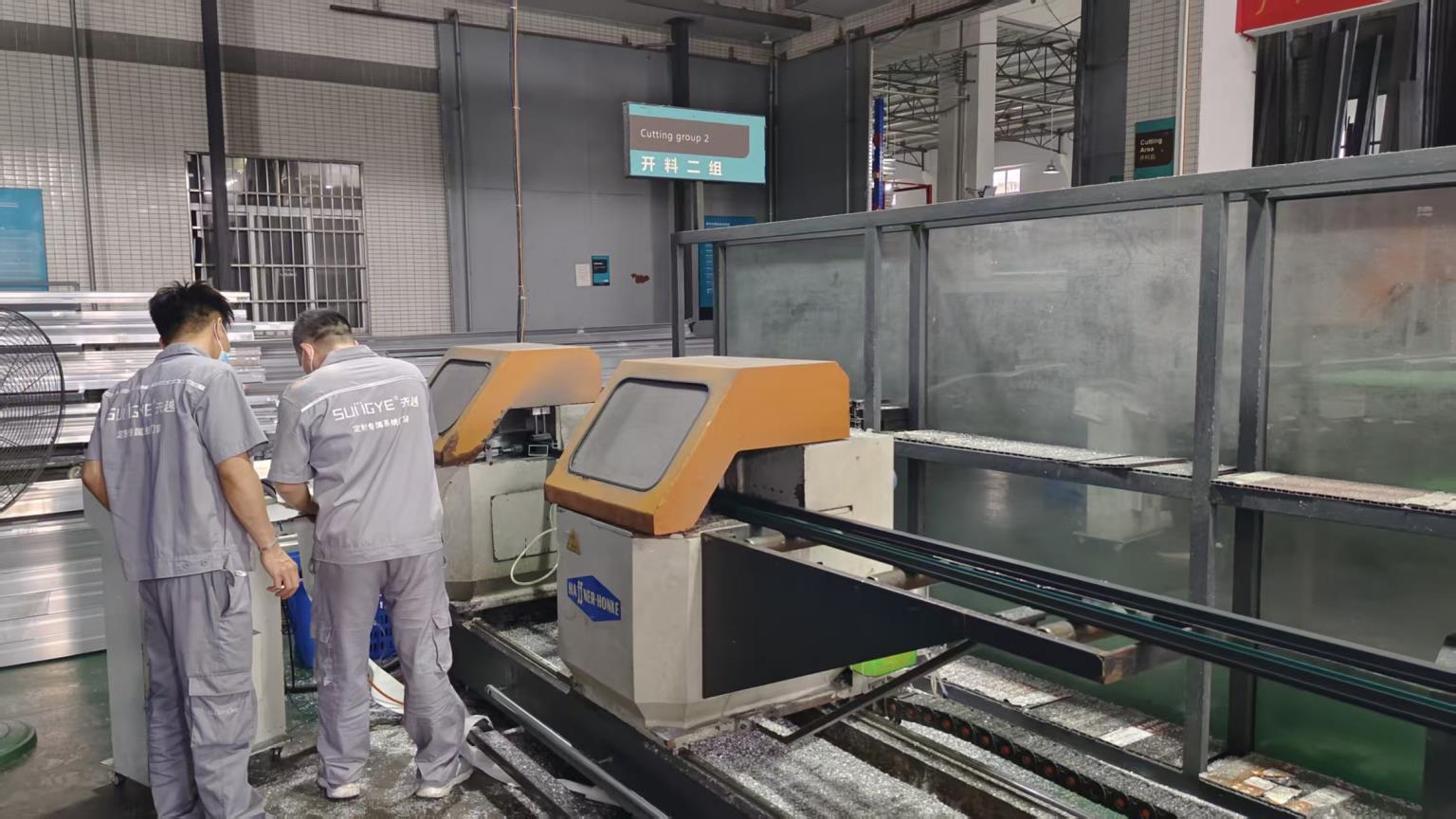
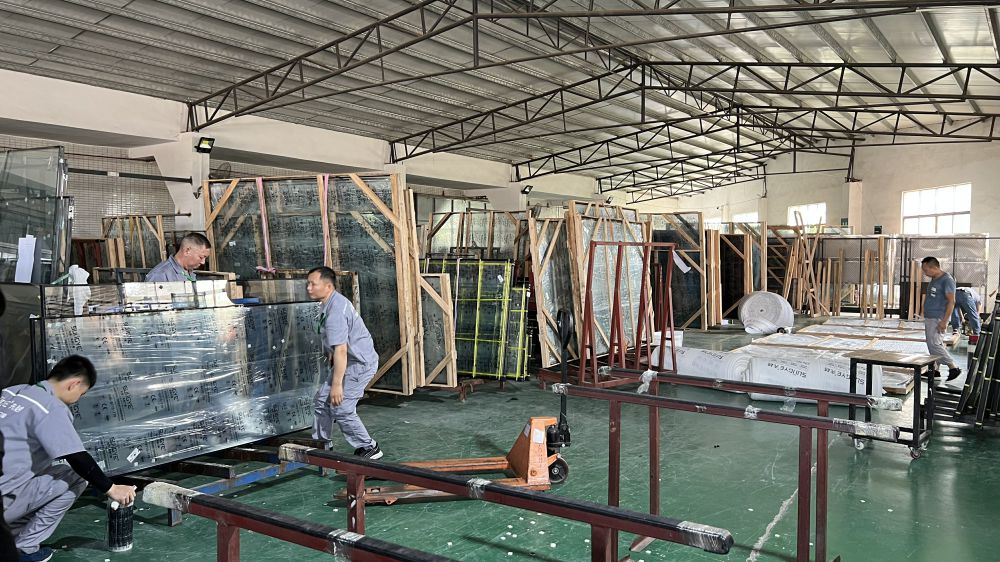
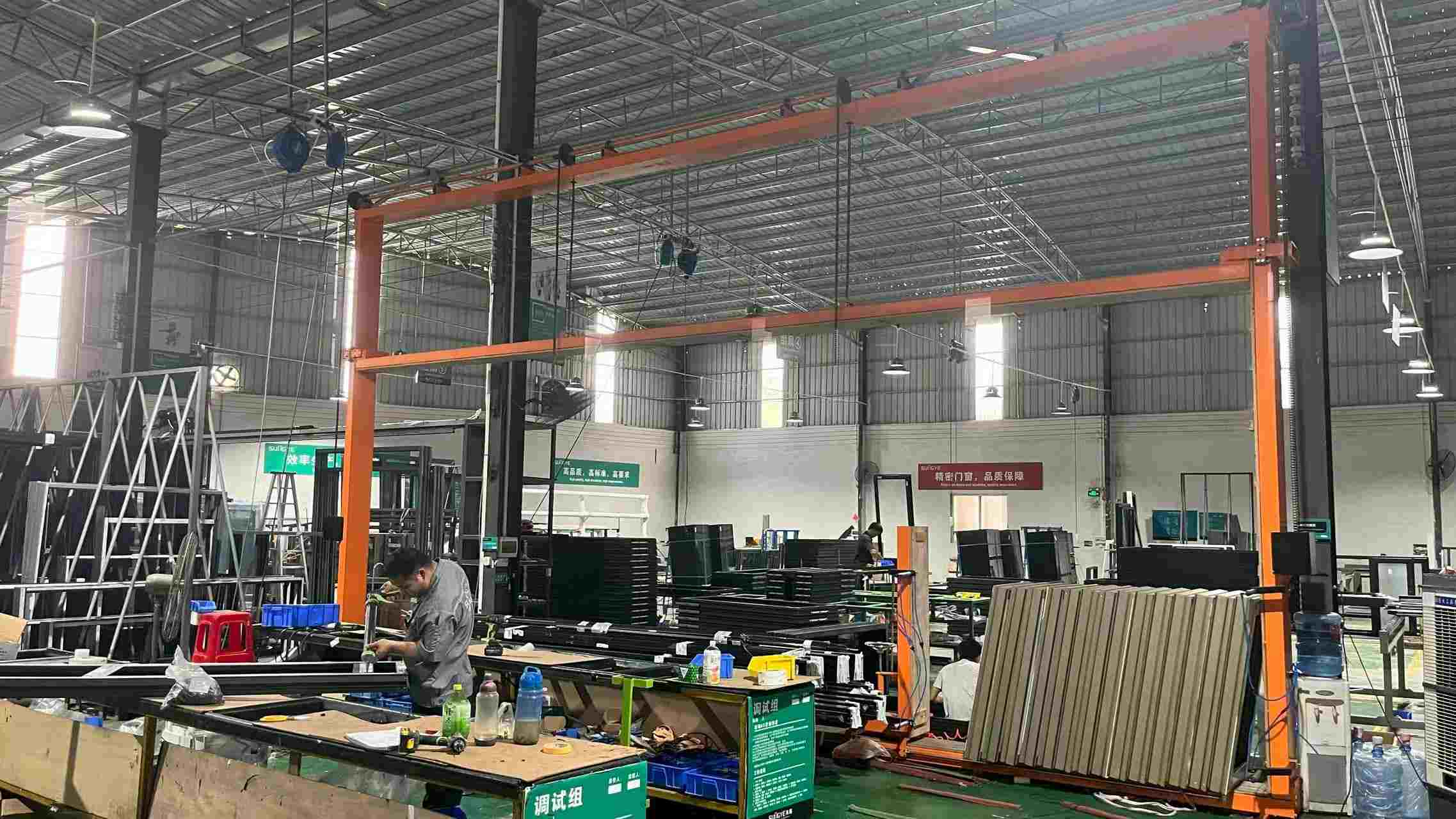
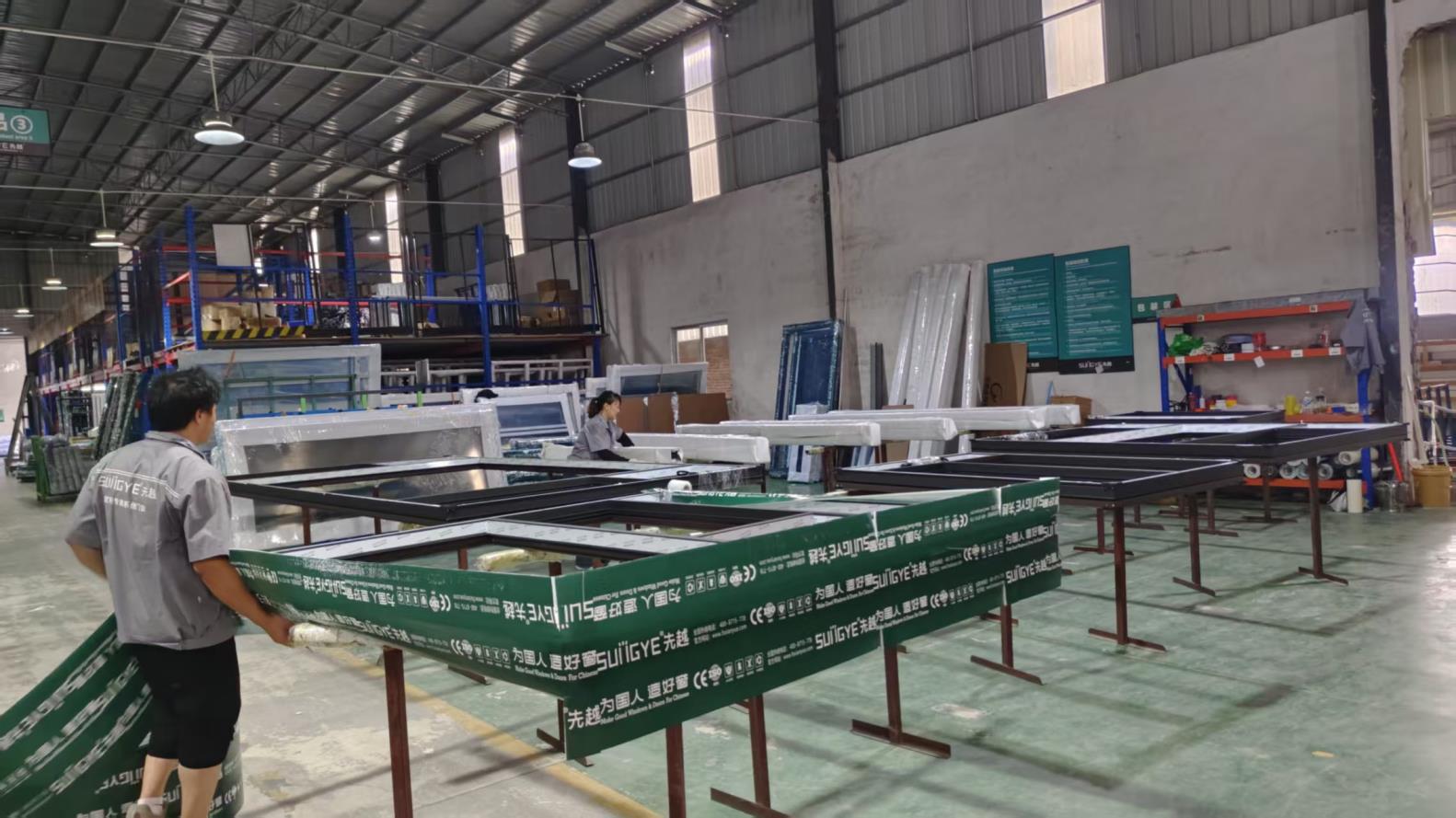
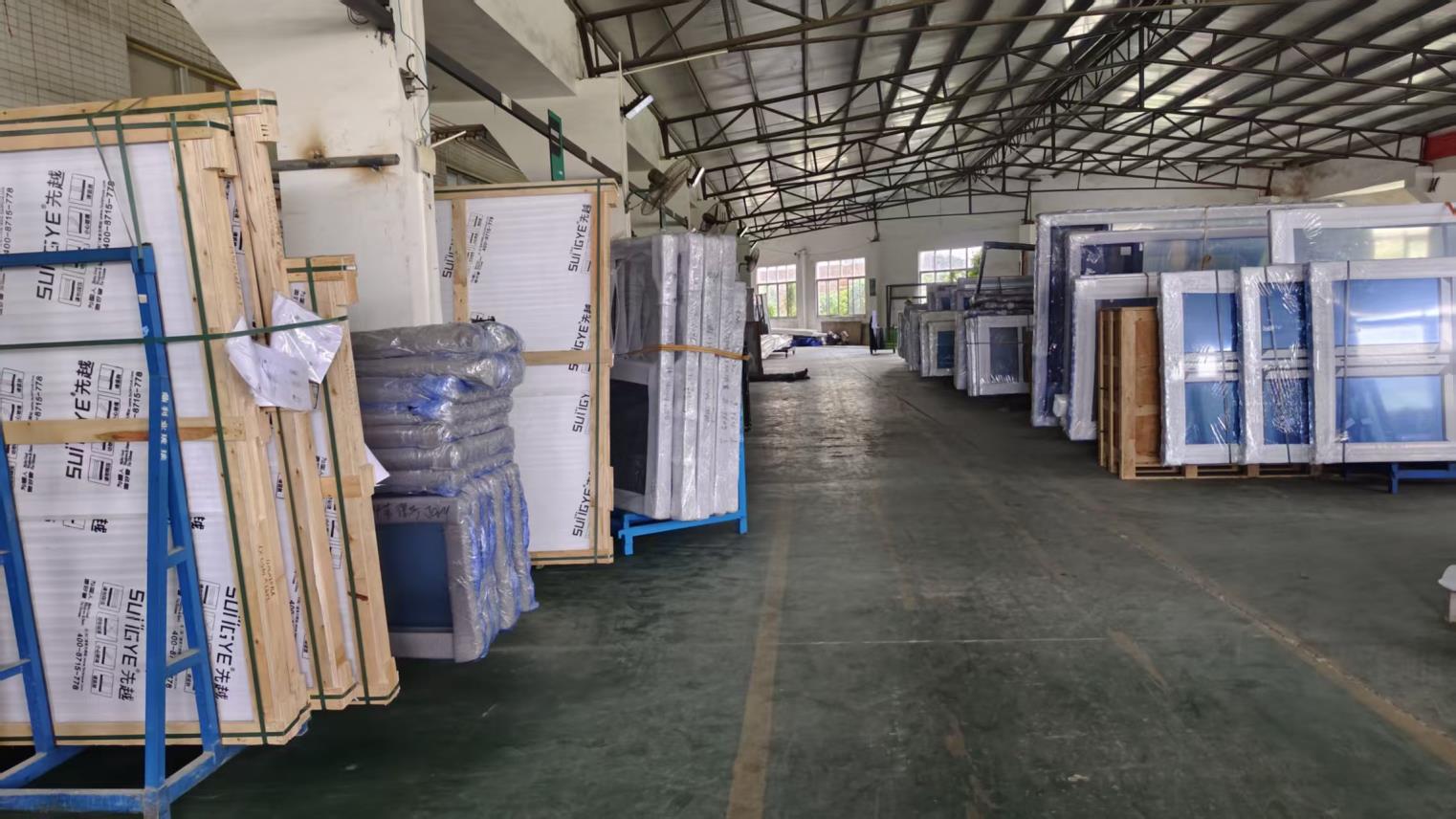
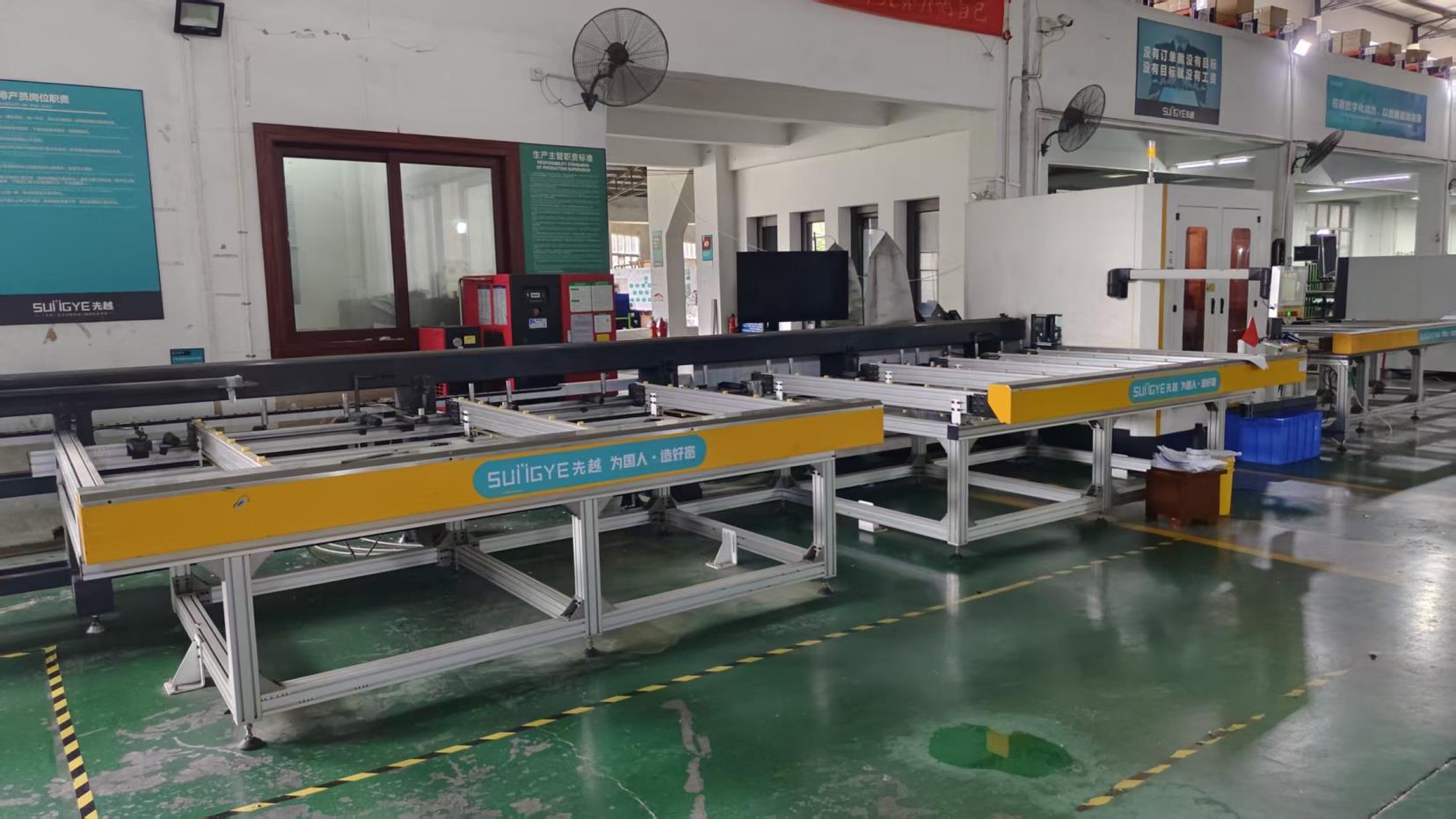
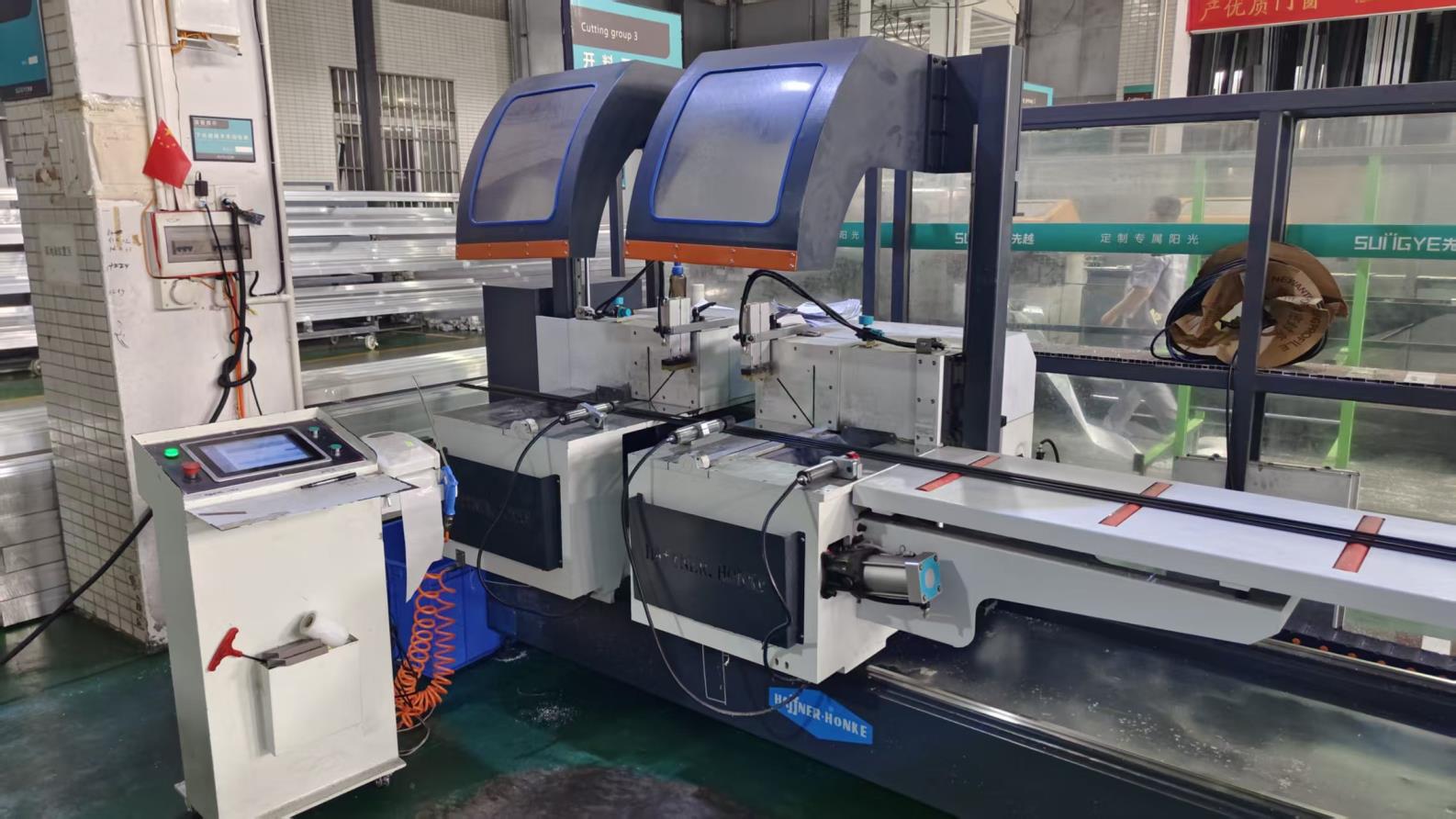
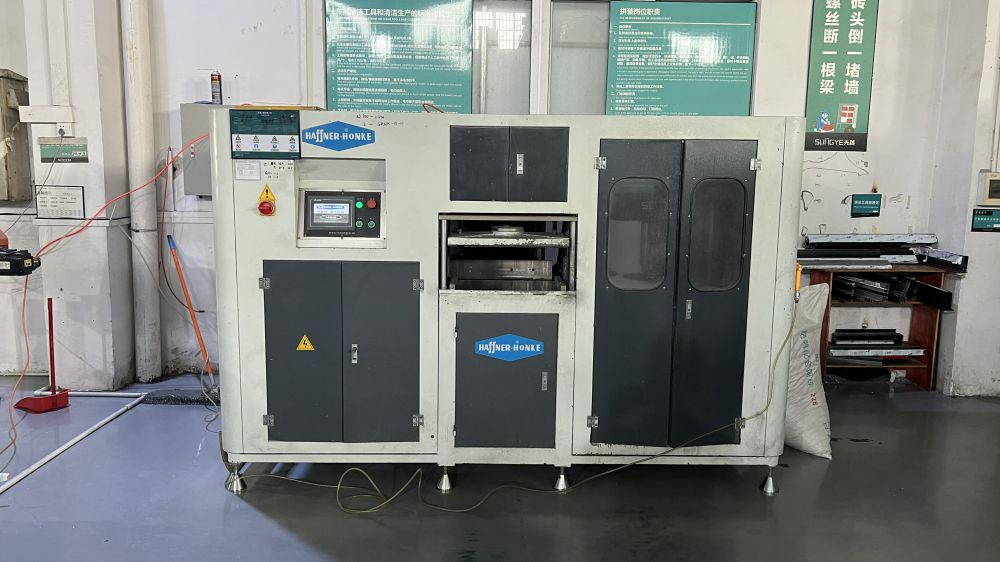
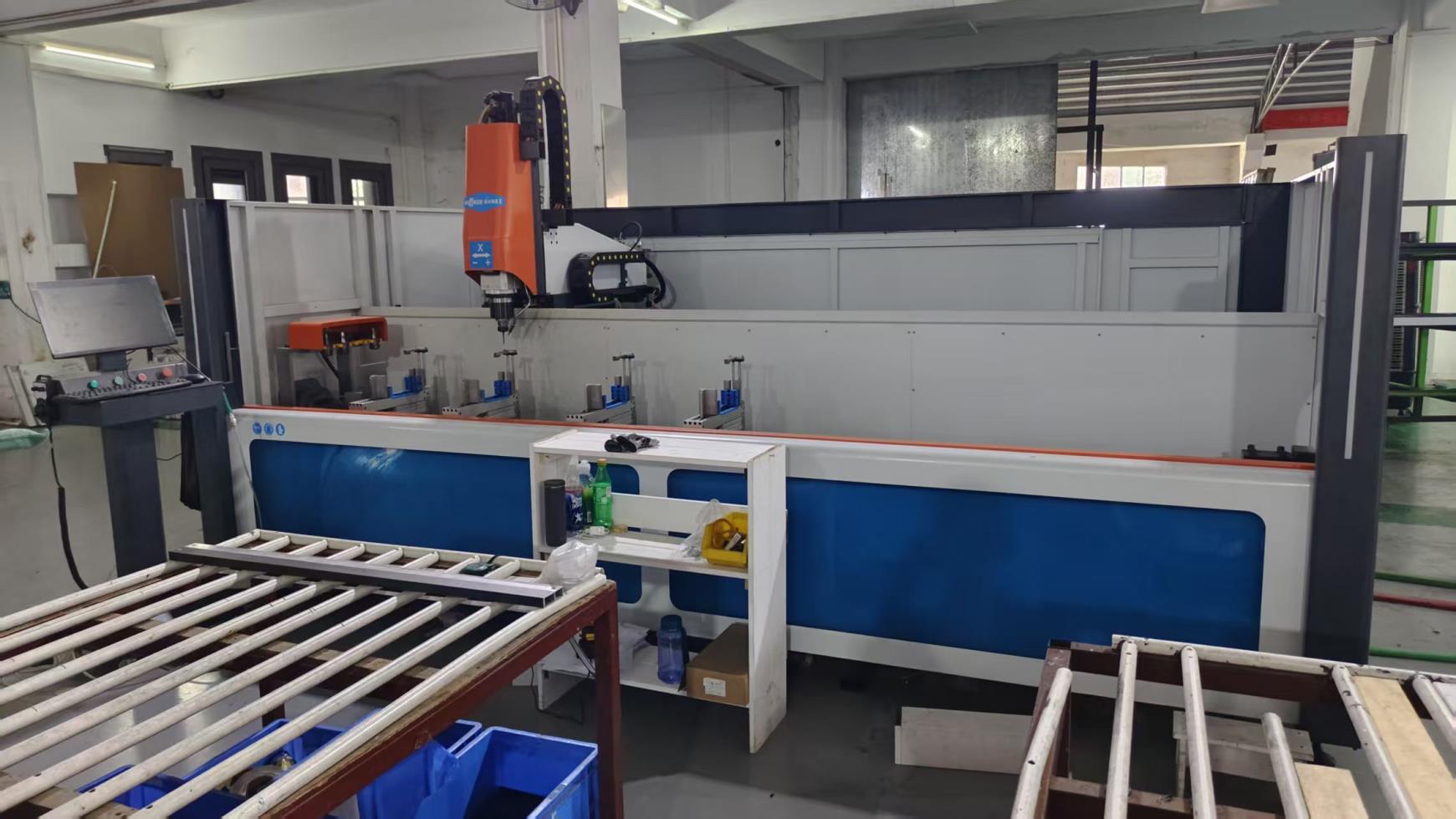
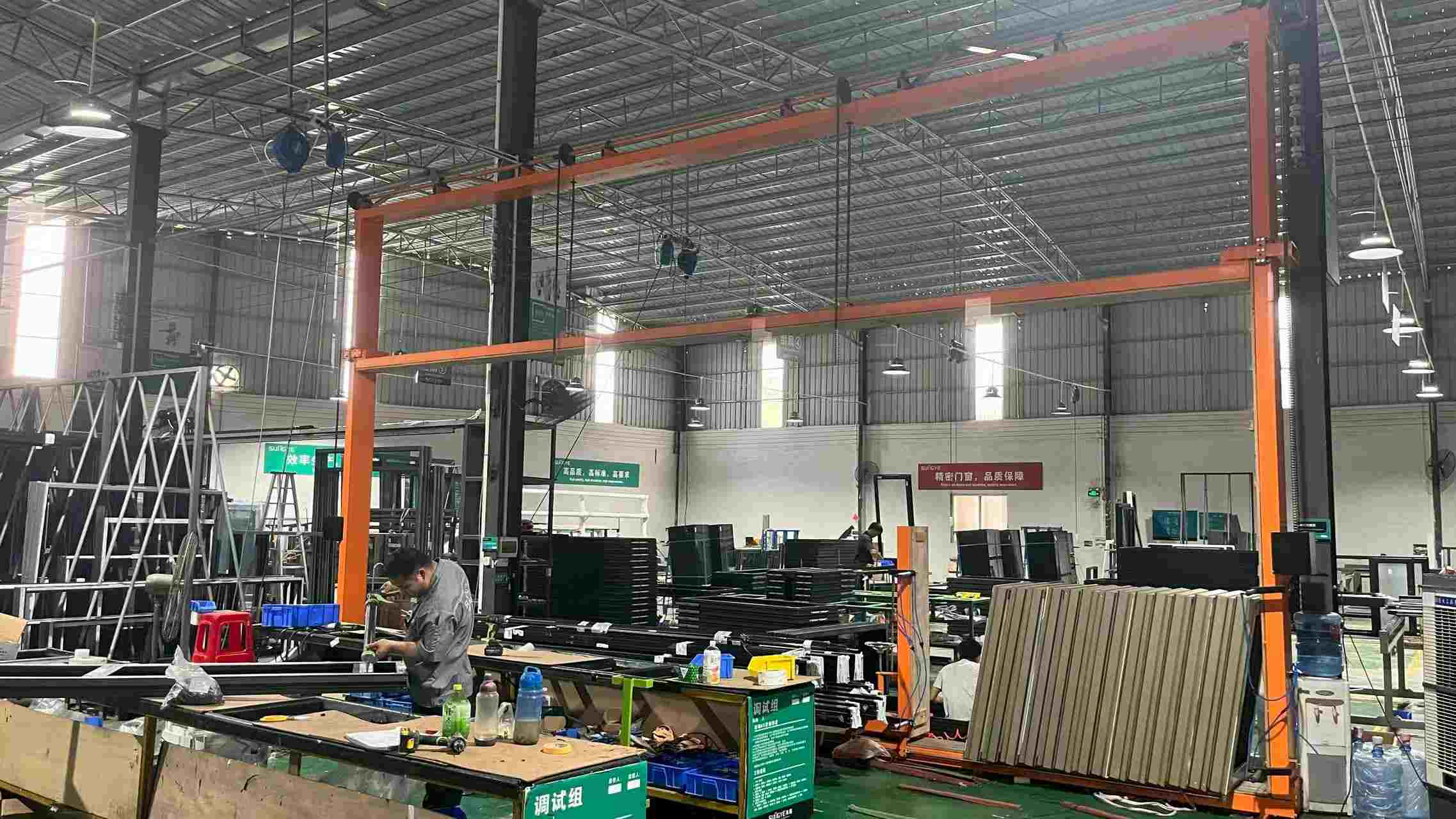
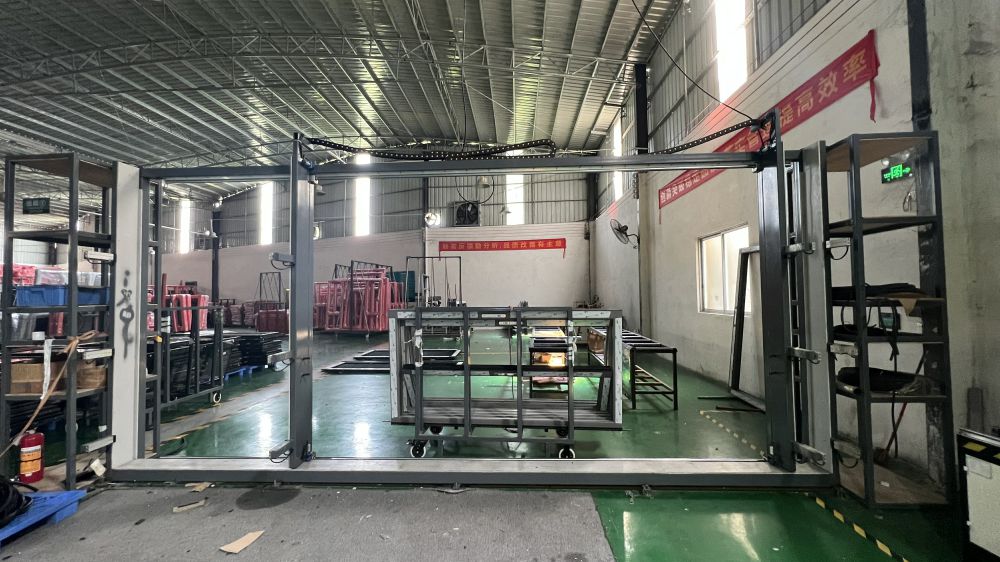
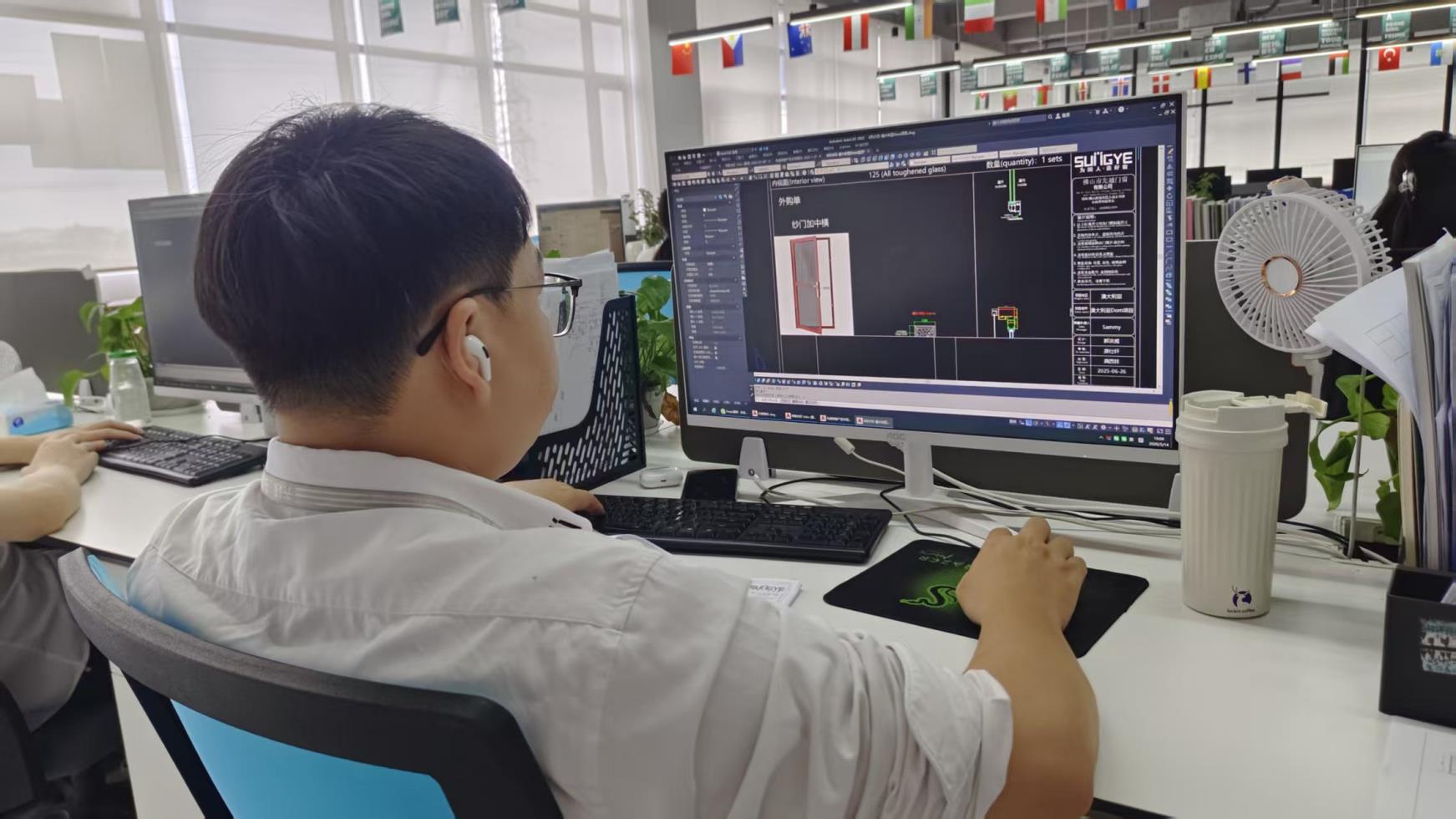
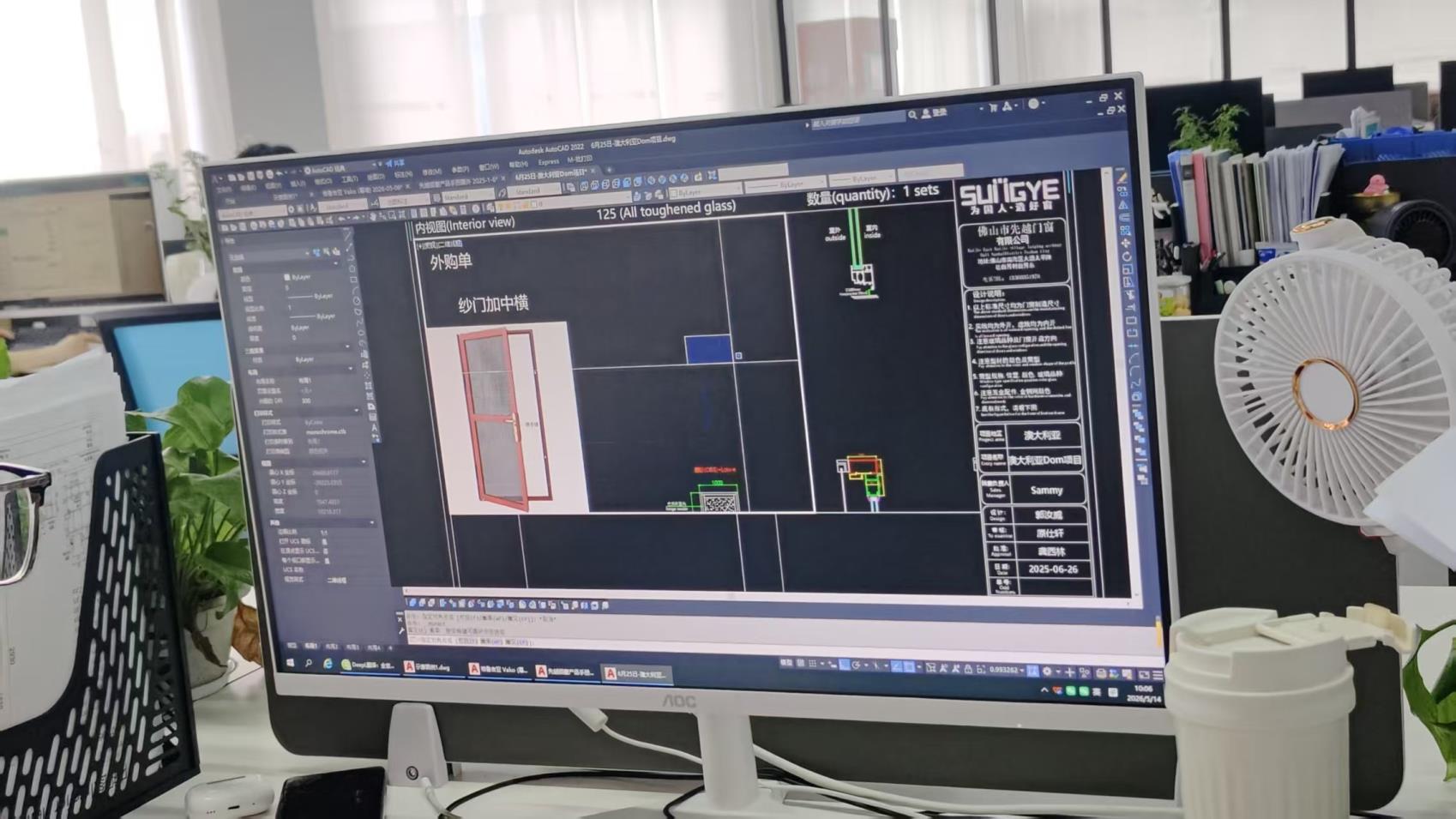
Understanding why premium 6063-T5/T6 extrusions, Polyamide PA66GF25 thermal breaks, and structural glazing are non-negotiable for high-end exterior doors.
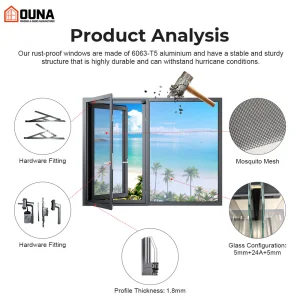
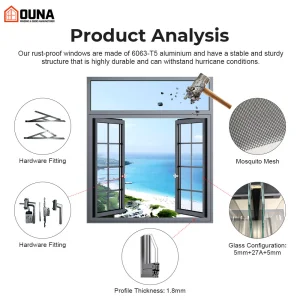
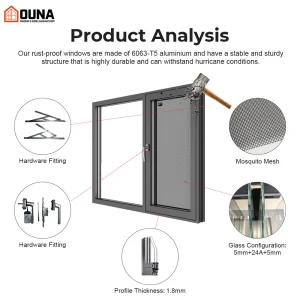
When sourcing from an aluminum outside door factory, structural engineers and B2B buyers must evaluate the underlying metallurgical standards and mechanical joinery. Premium exterior doors utilize primary 6063-T5 or 6063-T6 architectural grade aluminum extrusions, offering tensile strengths exceeding 205 MPa and yield strengths over 170 MPa. This provides the structural rigidity necessary to resist high wind deflection (ASTM E330 testing) without warping or compromising perimeter air-tightness.
Standard non-thermal aluminum is highly conductive, leading to significant thermal loss and interior surface condensation. High-performance OEM exterior doors incorporate a dual-chamber profile system joined by 24mm to 34mm wide Polyamide PA66-GF25 (25% Glass Fiber Reinforced) thermal barrier strips. This structural isolation breaks the conductive path, reducing profile U-factors down to 1.2 - 1.8 W/m²K (compared to 5.8 W/m²K for non-thermal frames).
Exterior doors are subject to aggressive environmental stressors, including salt spray oxidation in coastal regions and intense UV exposure. Premier factories utilize two main coating pathways:
| Performance Parameter | Standard Residential Door | Cresta OEM Commercial Standard | Cresta Heavy-Duty Villa Standard |
|---|---|---|---|
| Alloy Grade & Temper | Recycled 6063-T5 (1.2mm wall) | Primary 6063-T5 (1.8mm - 2.0mm wall) | Primary 6063-T6 (2.0mm - 3.0mm wall) |
| Thermal Break Profile | PVC / Low-grade Nylon | PA66-GF25 Structural Bar (24mm) | Multi-cavity PA66-GF25 Insulated (34mm) |
| Glazing Configuration | 5mm + 6A + 5mm Clear Double | 6mm Low-E + 12Ar + 6mm Toughened | 8mm Triple Glazed / Laminated Impact |
| Overall Thermal U-Value | ~2.8 - 3.2 W/m²K | ~1.4 - 1.8 W/m²K | ≤ 1.0 W/m²K (Passivhaus Compatible) |
| Acoustic Attenuation (Rw) | 25 - 28 dB | 38 - 42 dB | 45+ dB Soundproofing Insulation |
| Water Penetration Resistance | 250 Pa | 450 Pa | ≥ 600 Pa (ASTM E331 High Rating) |
Why sourcing OEM/ODM exterior doors from Guangzhou and the Greater Bay Area provides unmatched cost efficiency, scale, and technical precision.
Global enterprise buyers frequently evaluate procurement hubs across Europe, North America, and Asia. China—specifically the Pearl River Delta industrial cluster in Guangdong Province—holds a commanding advantage in architectural aluminum door manufacturing. This cluster integrates every tier of the supply chain within a 50-kilometer radius: from raw bauxite refining and primary aluminum ingot smelting to custom extrusion die creation, automated powder coating lines, and hardware assembly.
Access to domestic primary aluminum smelters mitigates raw material price volatility, allowing factories like Cresta to secure long-term price locks for high-volume commercial contracts.
While Western die manufacturers require 6 to 8 weeks for custom section tooling, Guangdong factories produce, calibrate, and test precision extrusion dies in as few as 10 to 14 business days.
Proximity to deep-water ports (Nansha, Shenzhen, Hong Kong) streamlines ocean freight logistics, lowering transit risk and shortening delivery schedules for overseas projects.
Meeting localized international building codes: North America (NFRC, NOA, CSA), Europe (CE, EN 14351-1), and Oceania (AS2047, AS1288).
Exporting exterior doors internationally requires strict adherence to localized structural and thermal performance standards. A failure in compliance can result in customs delays, failed site inspections, or costly structural failures. Cresta’s engineering workflow incorporates pre-certified testing protocols tailored to specific international target markets:
Products destined for the USA and Canada must meet NFRC (National Fenestration Rating Council) standards for U-Factor, Solar Heat Gain Coefficient (SHGC), and Visible Transmittance (VT). For coastal hurricane zones like Florida, Cresta offers structural laminated impact glass systems certified to meet Miami-Dade County NOA (Notice of Acceptance) impact resistance testing (ASTM E1886/E1996 missile level D).
For EU projects, door systems must carry full CE marking under EN 14351-1 (Windows and Doors Product Standard). This includes rigorous testing for air permeability (EN 12207 Class 4), watertightness (EN 12208 Class E900), and resistance to wind load (EN 12210 Class C5/B5).
Oceania compliance requires physical sample testing to AS2047 (Windows and External Glazed Doors in Buildings) and safety glass compliance under AS1288. Cresta systems pass deflection, air infiltration, water penetration, and ultimate strength pressure tests certified by NATA-accredited laboratories.
From ultra-slim minimalist sightlines to automated smart home integration and carbon-neutral production pathways.
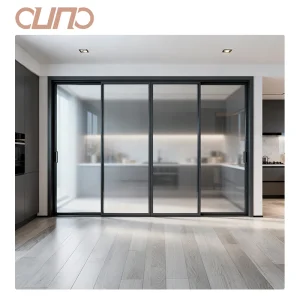
Modern architectural aesthetics demand ultra-thin interlocking stiles (down to 18mm visible width) with structural recessed outer frames, maximizing clear glass visibility while maintaining structural integrity via concealed structural steel reinforcements.
Integration of heavy-duty electric concealed drives, biometrics (fingerprint/facial recognition), and automated sensors linked directly to central smart building management systems (BMS) or mobile controllers.
Adoption of certified low-carbon aluminum billets produced via hydroelectric power (under 4.0 kg CO2/kg Al), assisting developers in obtaining LEED Platinum and BREEAM environmental green building status.
Technical, logistical, and commercial inquiries answered by our structural engineering and export division.
For custom structural dies, engineering shop drawings take 3-5 working days. Die creation and profile extrusion sample approval require approximately 15-20 days. Once shop drawings and finishes are confirmed, full production lead times typically range from 25 to 35 days depending on hardware customization and glass processing (e.g., specialized ceramic frit or laminated impact glass).
Our 30-person internal Quality Assurance team executes a 5-stage quality gate procedure: 1) Raw profile alloy spectrometer verification, 2) Surface coating micrometer film thickness and adhesion cross-hatch testing, 3) Precision squareness and diagonal dimension checks post-cutting, 4) Complete dry-assembly and mechanical hardware debug in dedicated framing rigs, and 5) Hydrostatic pressure chamber testing for random lot samples.
We offer standard integrated multi-point locking hardware from world-renowned brands such as Siegenia, Hoppe, GU, and Roto (Germany), as well as premium domestic architectural hardware line items. Custom hardware options include flush-mounted handles, anti-lift security hooks, motorized automatic openers, and biometric smart access systems.
Yes. Our hurricane-impact door series utilizes heavy-gauge 6063-T6 aluminum extrusion profiles (up to 3.0mm wall thickness) combined with SentryGlas (SGP) laminated safety glass. These systems are structurally engineered to withstand wind loads exceeding +/- 4500 Pa, satisfying Florida Miami-Dade County NOA and coastal hurricane impact mandates.
For standard catalog profile extrusions in standard anodized or powder-coated finishes, our MOQ is flexible (starting from a single villa project order or approximately 50 m²). For custom structural extrusion dies requiring dedicated aluminum profile tooling, the standard MOQ is 5 metric tons of aluminum profiles, or die creation fees can be waived upon reaching specified volume milestones.
All door frames and sashes undergo a multi-layer protective packaging protocol: First, profiles are wrapped with protective PE scratch-resistant film. Corners are reinforced with heavy-duty rubber edge protectors. Entire assemblies are sealed in polyethylene shrink film, padded with shock-absorbing EPE foam, and packed inside fully enclosed fumigated plywood crates or steel-framed export pallets.
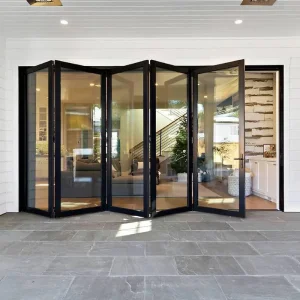
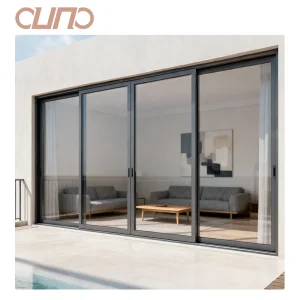
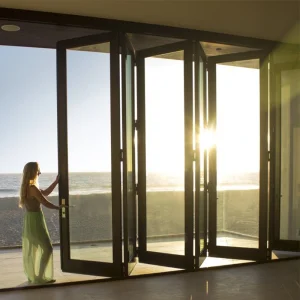
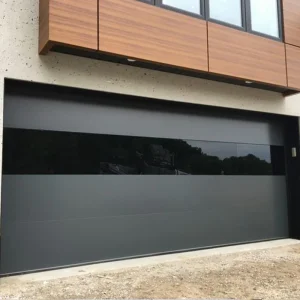
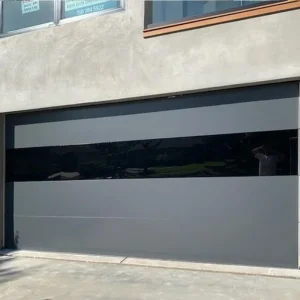
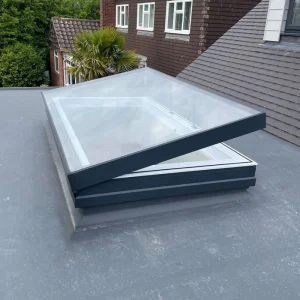
Discover our comprehensive collection of heavy-duty bi-folding doors, ultra-slim sliding systems, frameless garage doors, and automated daylighting skylights.


 Cresta Window Tech