Engineered to withstand Tokai region seismic accelerations and Ise Bay typhoon wind pressures while meeting rigorous Japanese energy standards.

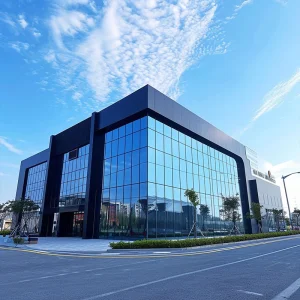
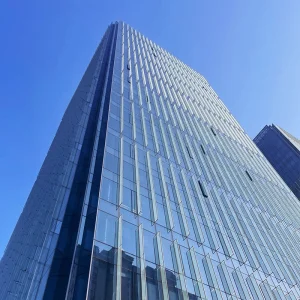
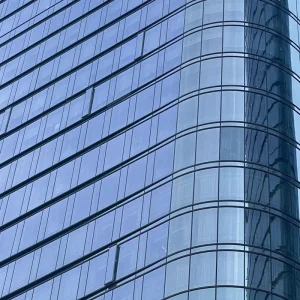
A comprehensive analysis of structural requirements, thermal regulations, and procurement strategies for developers, architects, and main contractors in Aichi Prefecture.
Nagoya lies in the heart of Japan's Tokai industrial zone, adjacent to active seismic zones requiring stringent Nankai Trough earthquake preparedness. Curtain wall assemblies deployed across Nagoya high-rises must accommodate severe inter-story displacement without structural failure or glass fallout. Our unitized curtain wall systems feature engineered dynamic expansion slip-joints capable of handling inter-story drift angles ranging from 1/100 to 1/200, ensuring full architectural integrity under extreme seismic shearing forces.
Situated near Ise Bay, Nagoya experiences severe seasonal typhoon paths that trigger high velocity wind loads combined with torrential wind-driven rain. Cresta curtain wall profiles are hydrodynamically designed based on the Pressure-Equalized Rainscreen Principle. Multi-chamber EPDM gaskets paired with secondary internal drainage channels withstand extreme wind pressures up to 5,000 Pa and water resistance thresholds complying strictly with JIS A 4702/4706 benchmarks.
The City of Nagoya mandates rigorous environmental ratings under the CASBEE Nagoya system. Furthermore, Japan’s national Building Energy Efficiency Act requires enhanced thermal performance for commercial structures. Cresta supplies advanced thermal-break profiles utilizing high-density Technoform Polyamide PA66 struts, triple-pane Low-E argon-filled dynamic glazing, achieving U-values as low as 0.85 W/m²·K to significantly lower building lifecycle HVAC operating expenditure.
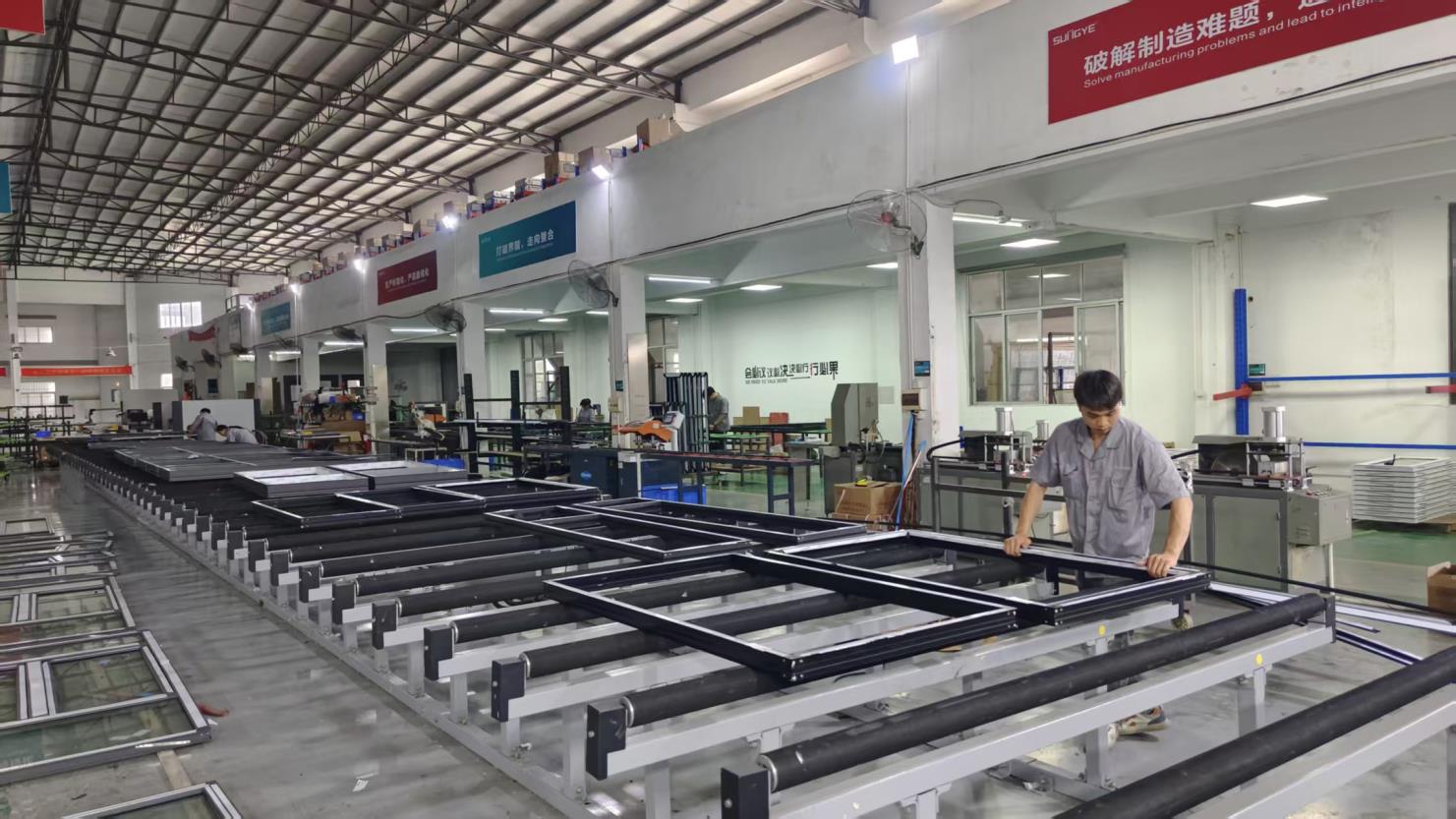
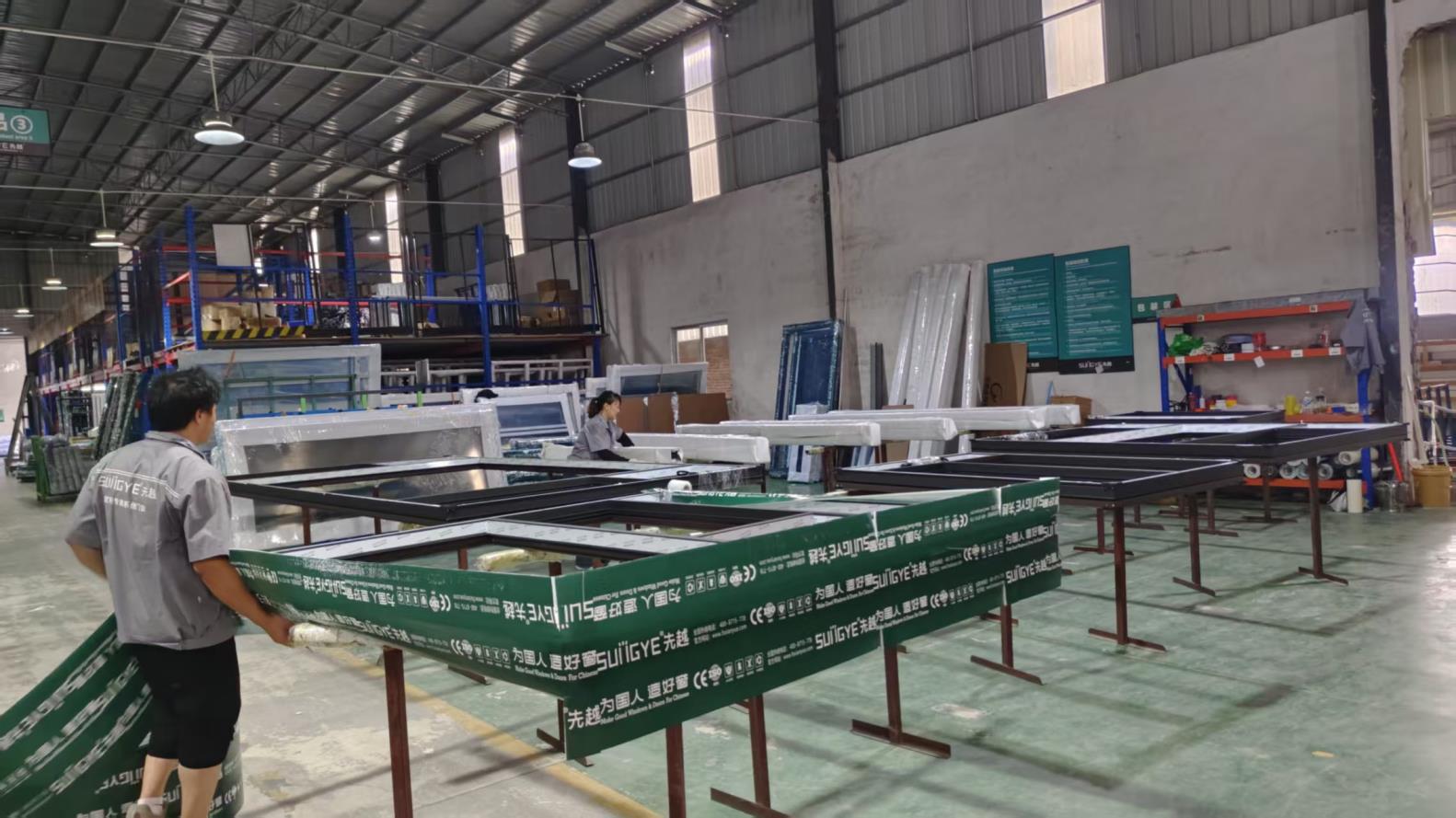
Redevelopment areas such as Meieki (Nagoya Station District) and Sakae feature tight staging grounds and strict noise/traffic controls. Cresta’s pre-glazed unitized curtain wall modules are manufactured 100% off-site in cleanroom-controlled plant conditions. This minimizes downtown site storage requirements, reduces crane hoisting schedules by up to 45%, and streamlines coordination with Japanese general contractors (*Zencon*).
Combining 11 years of structural facade manufacturing expertise with world-class quality controls and export logistics direct to Port of Nagoya (Kinjo Pier).
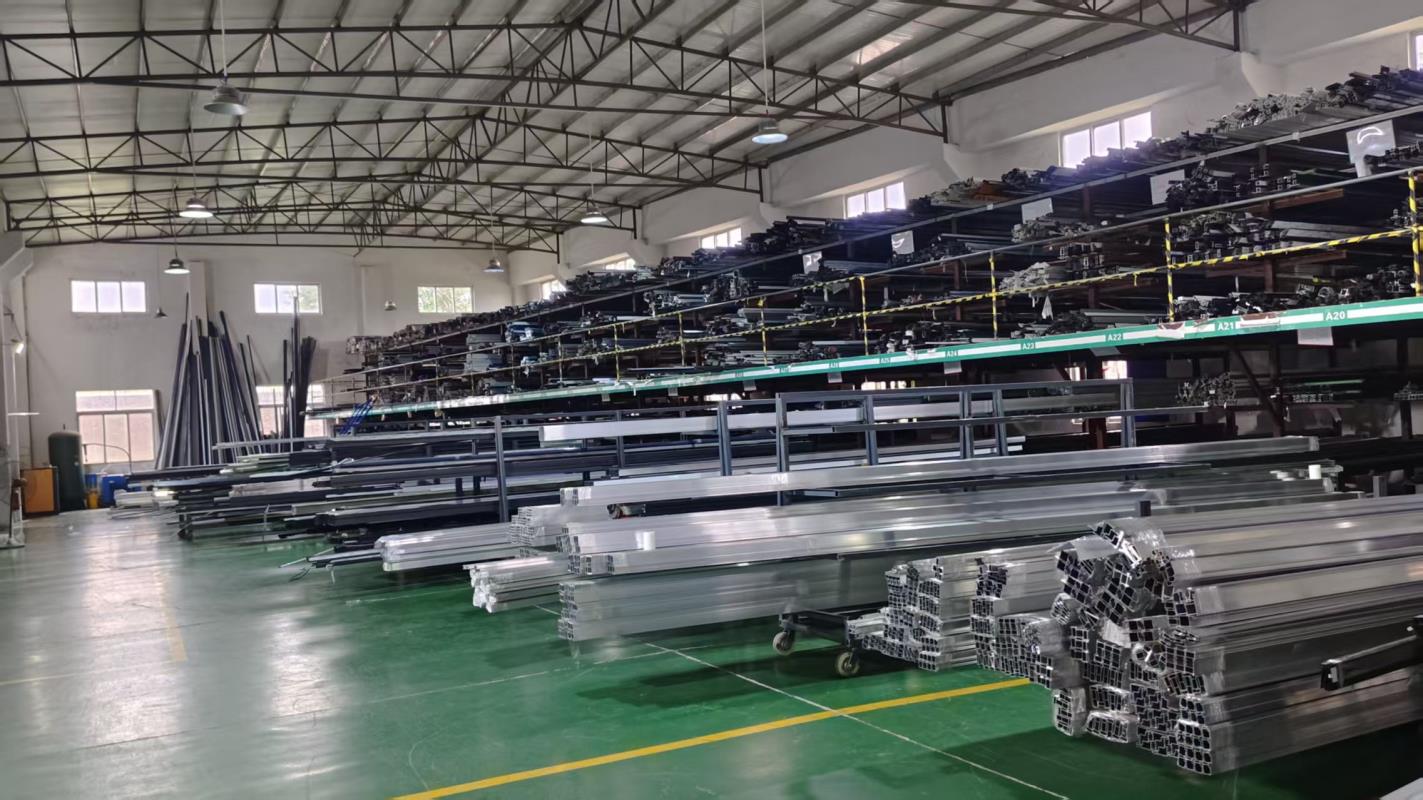
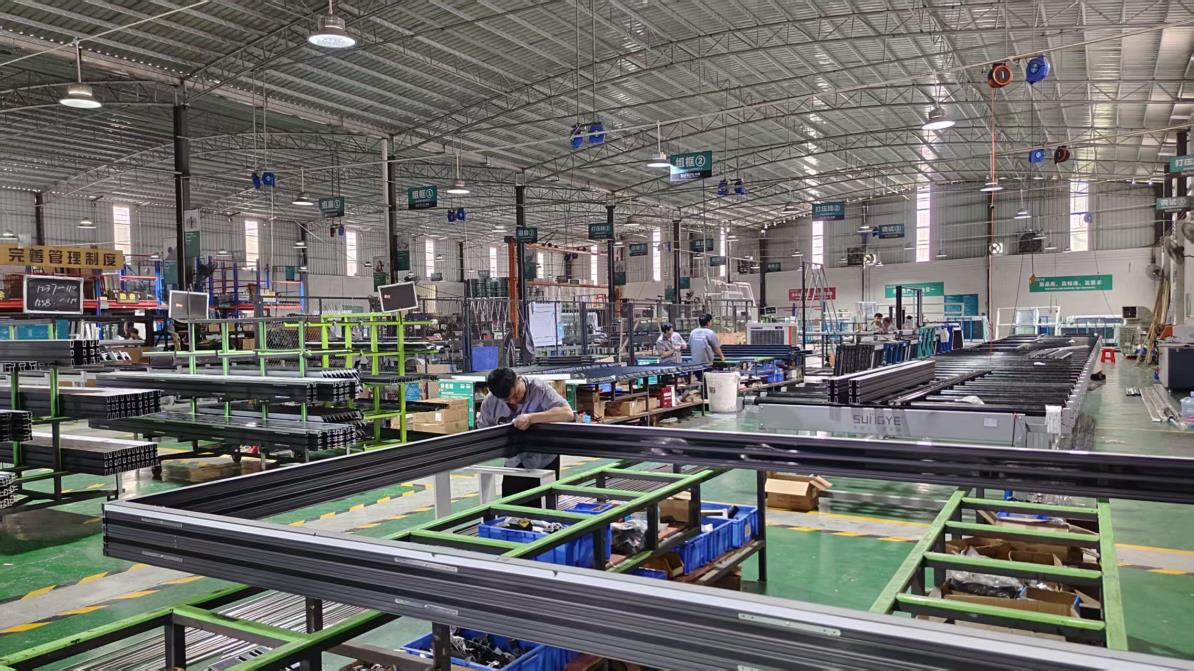
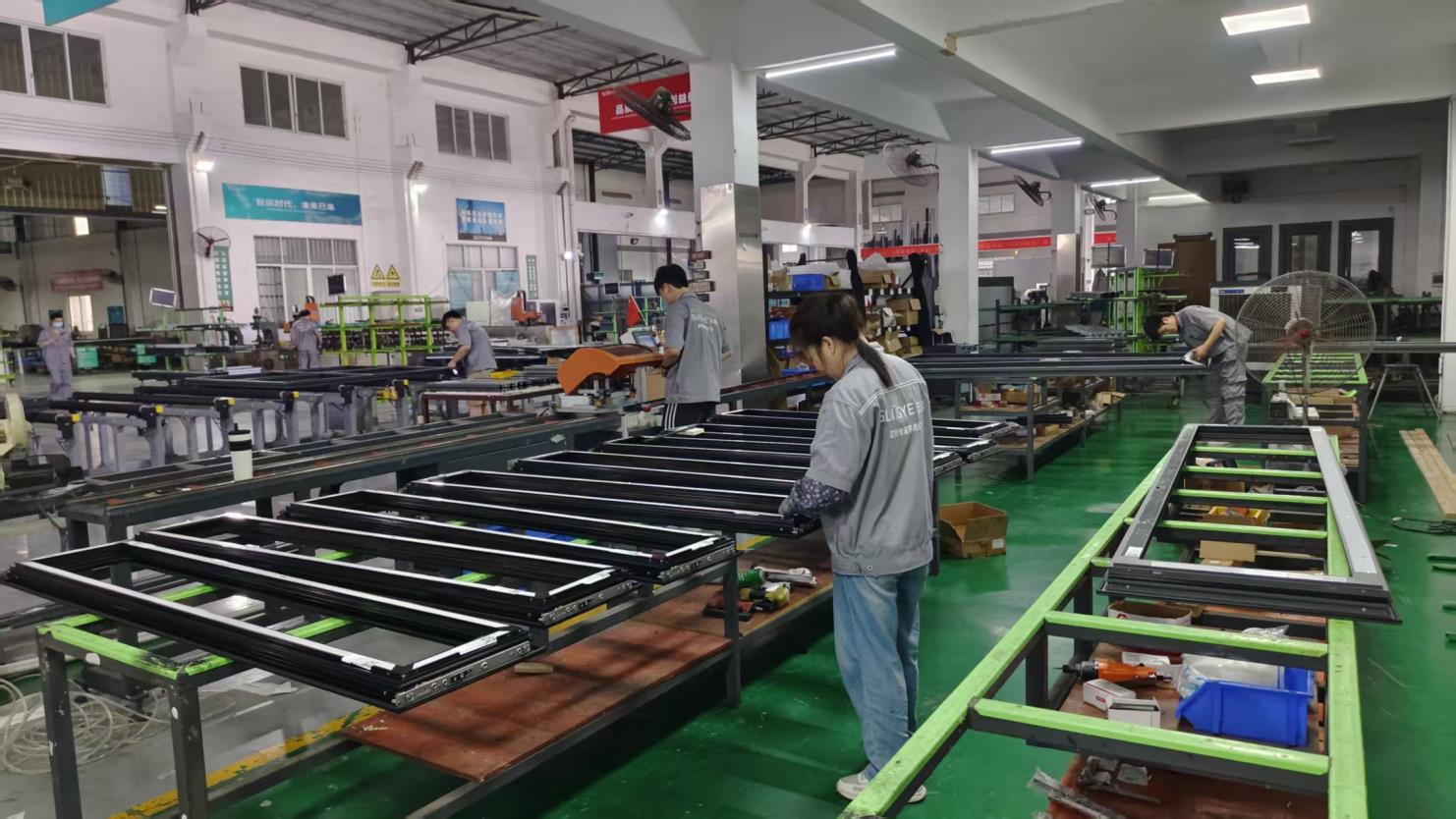
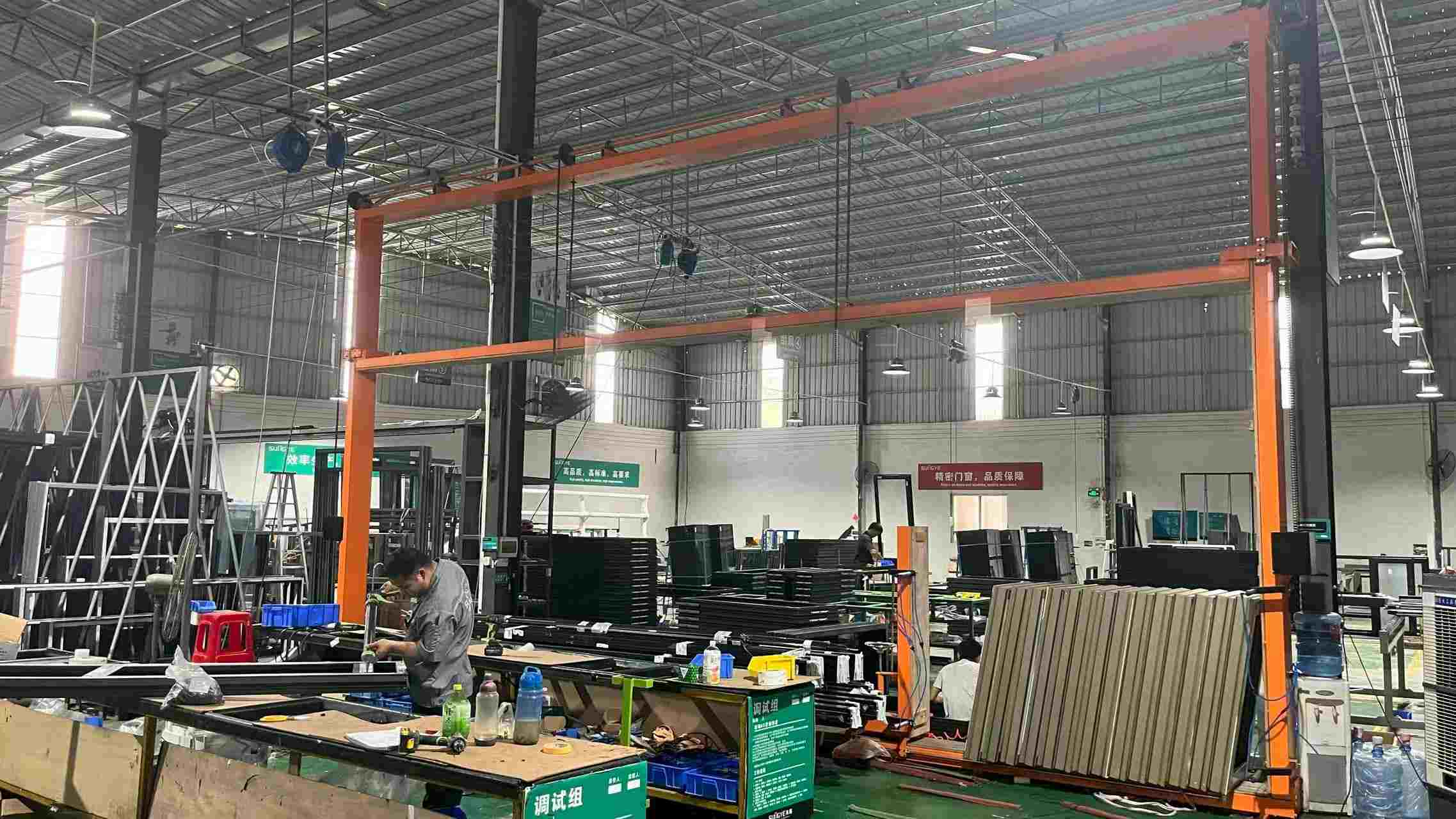
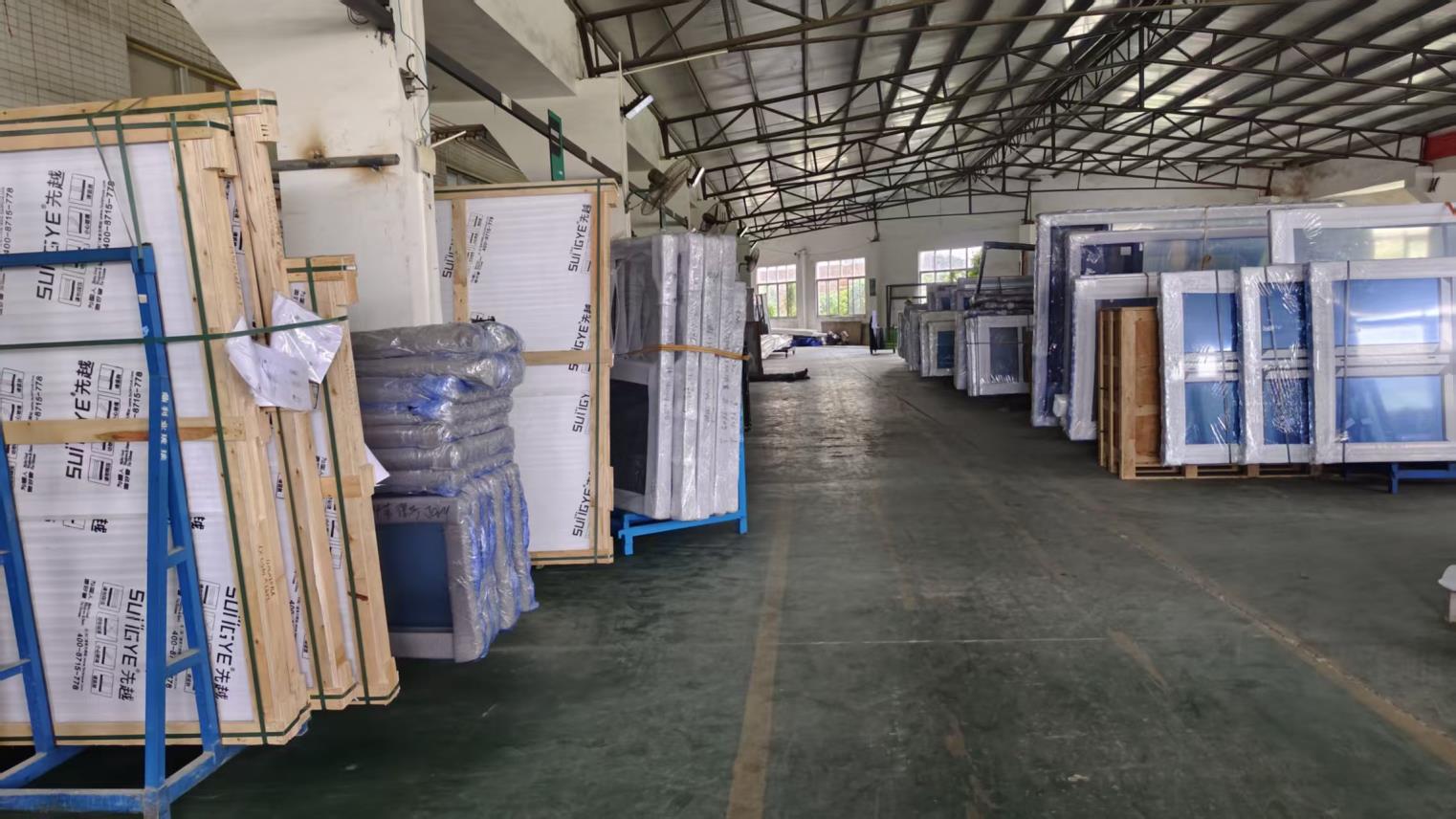
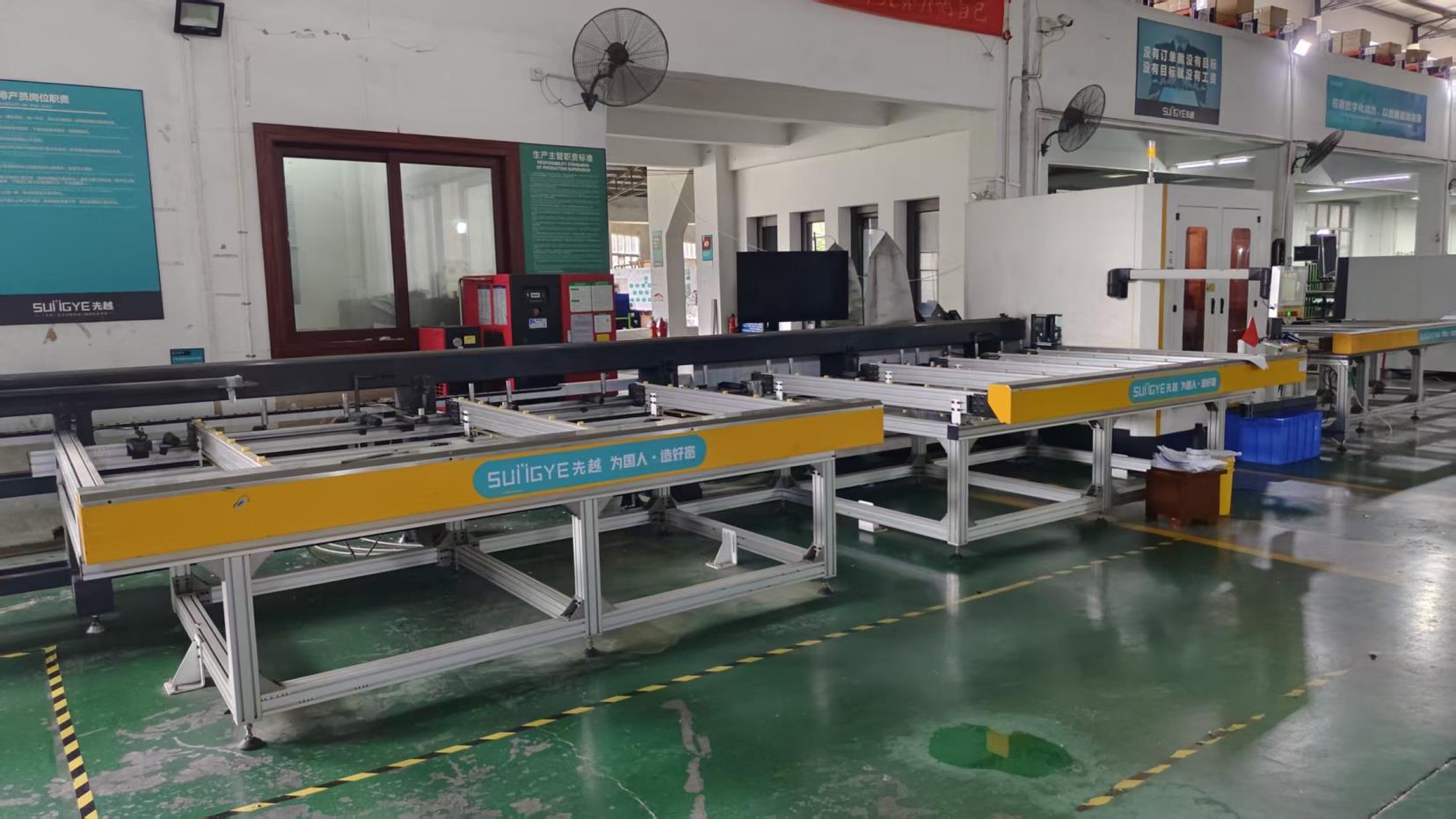
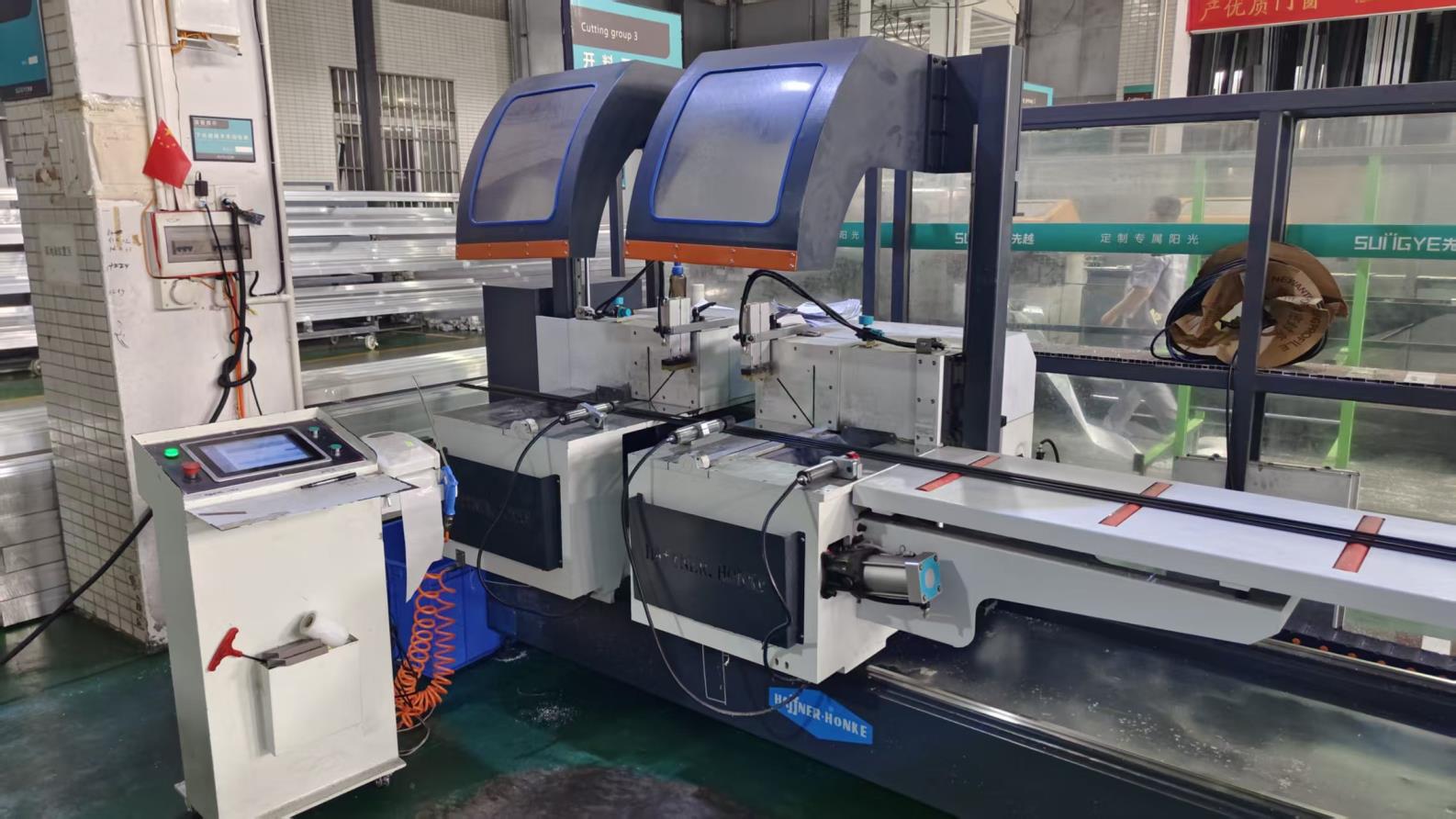
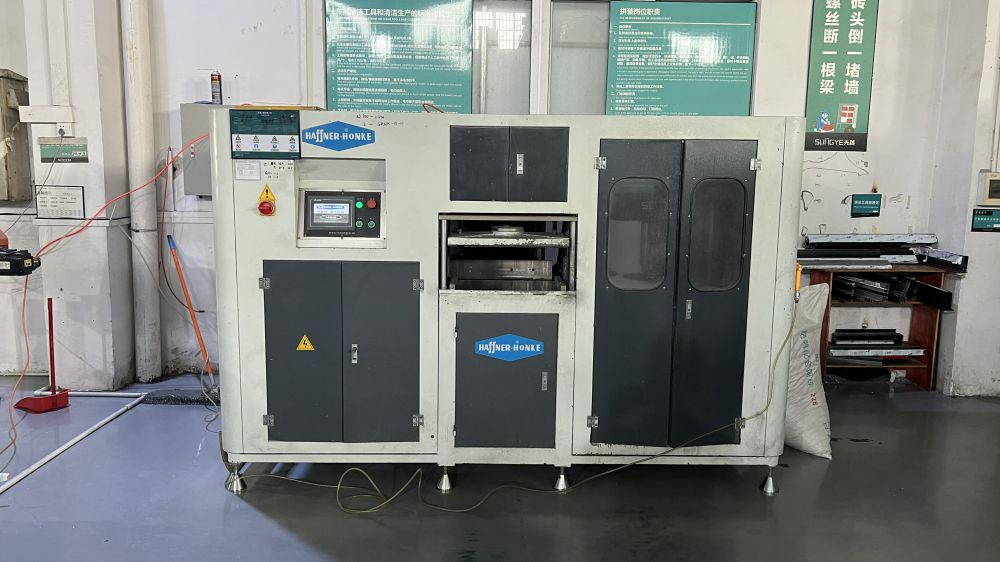
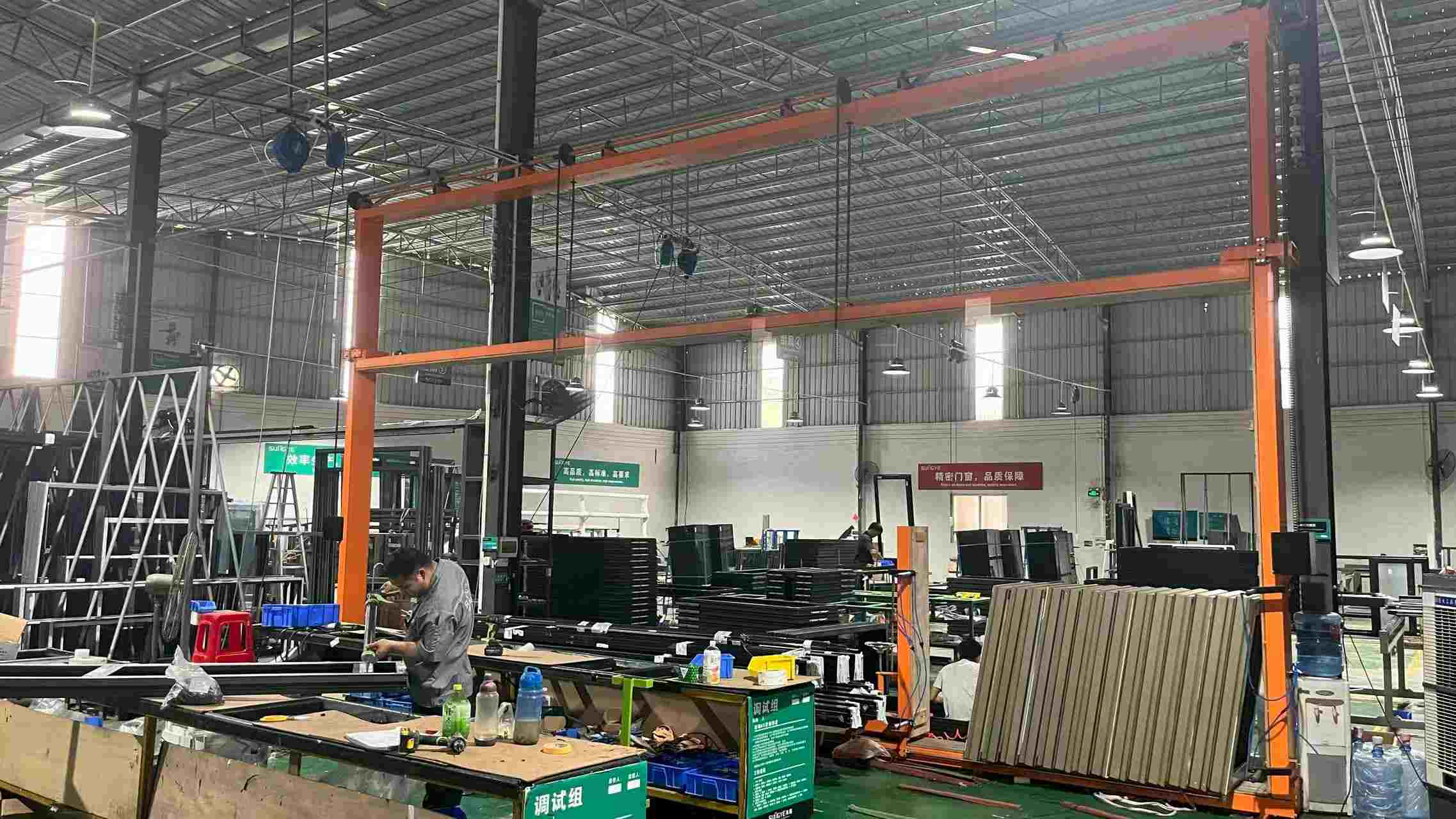
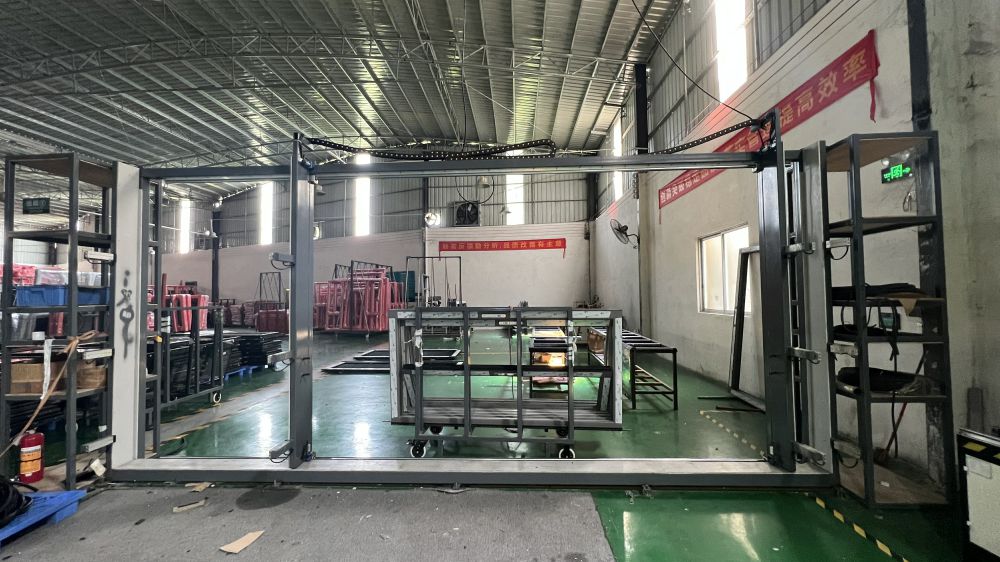
Established in 2015, Guangzhou Cresta Door & Window Co., Ltd. operates an 18,000-square-meter state-of-the-art manufacturing facility. Backed by 11 years of industry experience and 7 years of international trade operations, we supply custom home builders, commercial contractors, and regional architectural distributors with certified high-precision curtain walls and joinery systems.
Request Engineering Consultation for Nagoya ProjectsHow Cresta Unitized Systems optimize overall project budgets while meeting Japan's high architectural performance standards.
| Performance Metrics | Cresta Off-Site Unitized Facade | Traditional Stick-Built Systems | Nagoya Architectural Code Compliance |
|---|---|---|---|
| Seismic Inter-Story Drift | ± 1/100 Dynamic Slip Capability | ± 1/300 Limited Joint Movement | Complies with JIS A 5513 / Nankai Standard |
| Thermal Transmittance (U-Value) | 0.85 – 1.20 W/m²·K (Triple Low-E) | 1.80 – 2.40 W/m²·K | CASBEE Nagoya / ZEB Ready Grade |
| Wind Load Resistance | 3,500 Pa to 5,000 Pa Certified | 2,000 Pa to 3,000 Pa Standard | Exceeds Ise Bay Typhoon Design Load |
| Site Erection Speed | 300 – 500 m² / day per crane team | 80 – 120 m² / day manual stick erection | Ideal for dense Sakae/Meieki sites |
| Quality Control Standard | 100% Factory Optical & Structural Seal Test | On-site weatherproofing dependent | ISO 9001 + JIS Certified Manufacturing |
| Direct Logistics Route | 6-9 Days Sea Transit to Port of Nagoya | Varying domestic fabricator queues | Streamlined Customs Clearing |
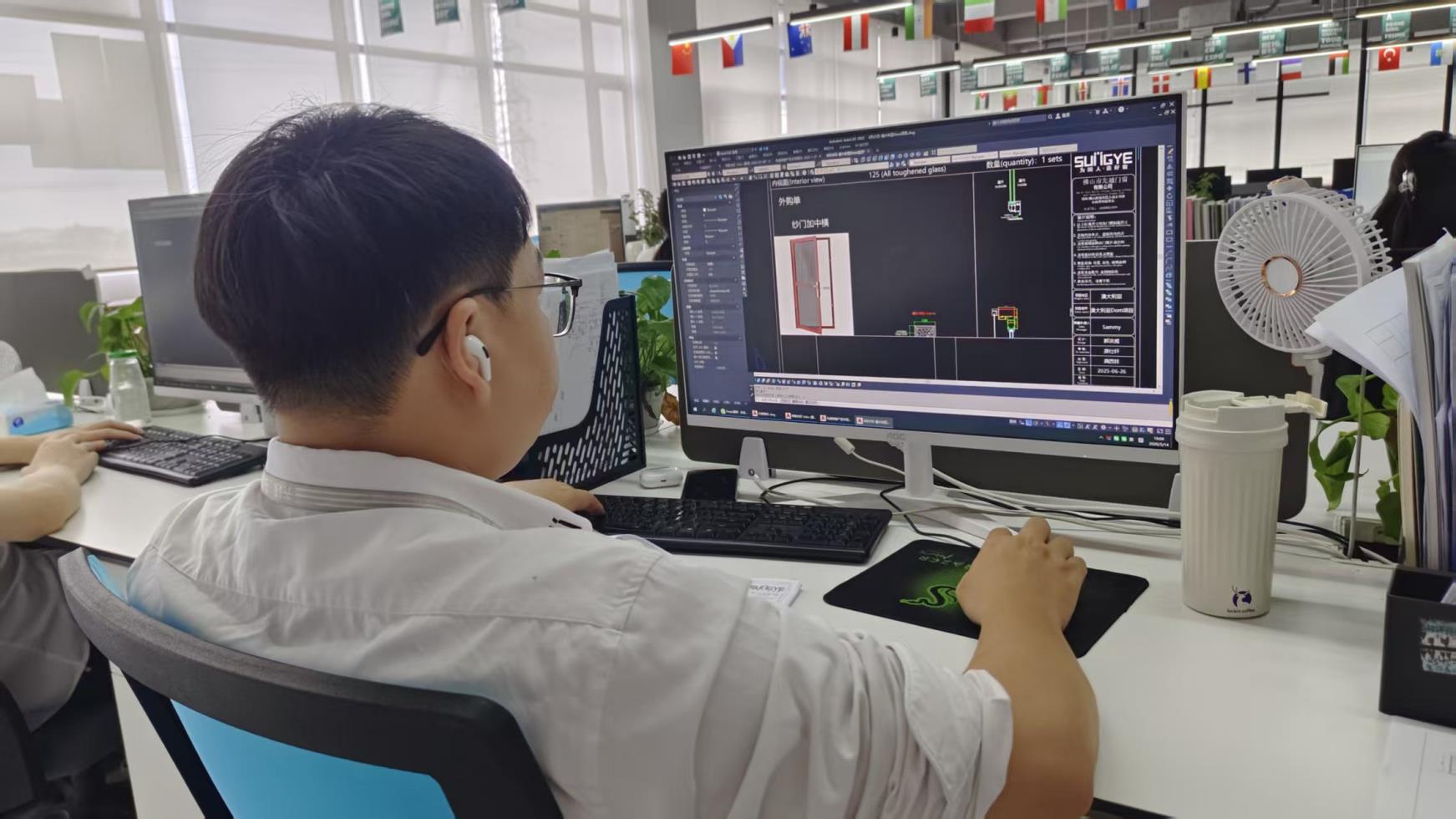
With a reliable network of 550 upstream suppliers and an R&D team of 35 engineers, Cresta ensures flawless machining execution from structural aluminum extrusions to final assembly.
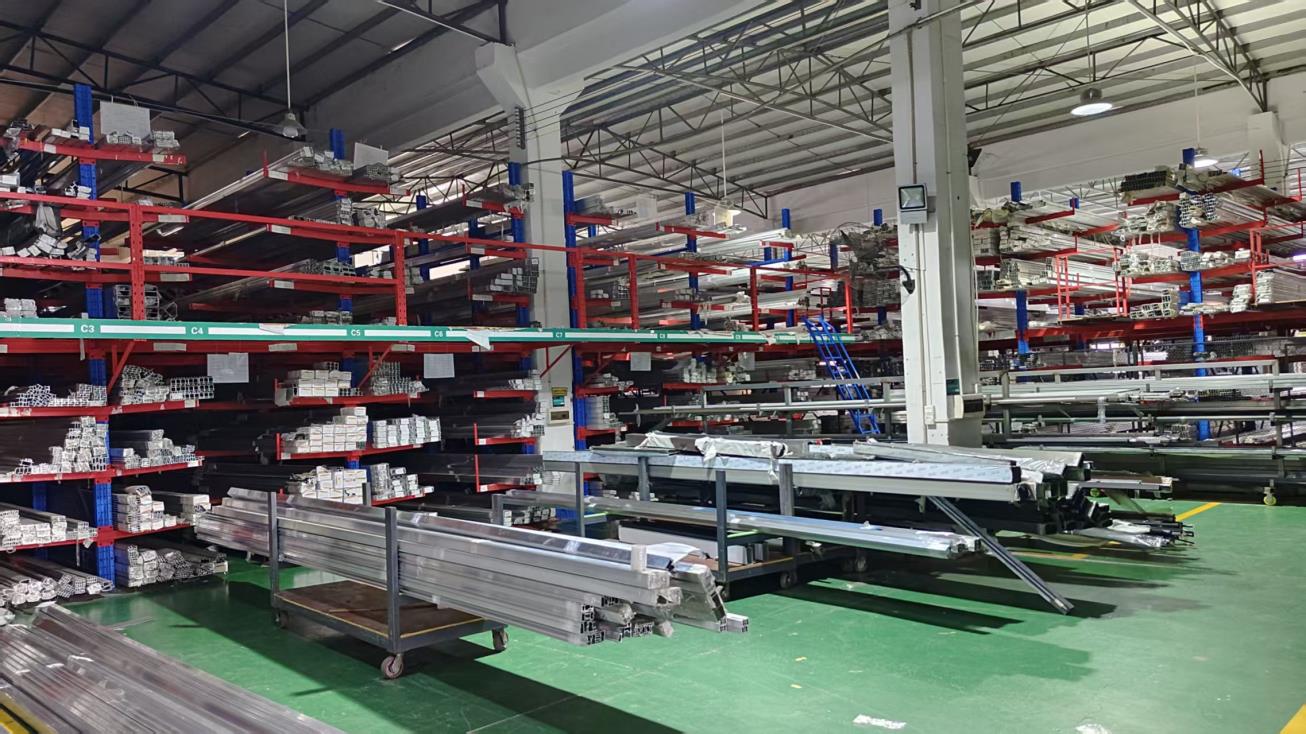
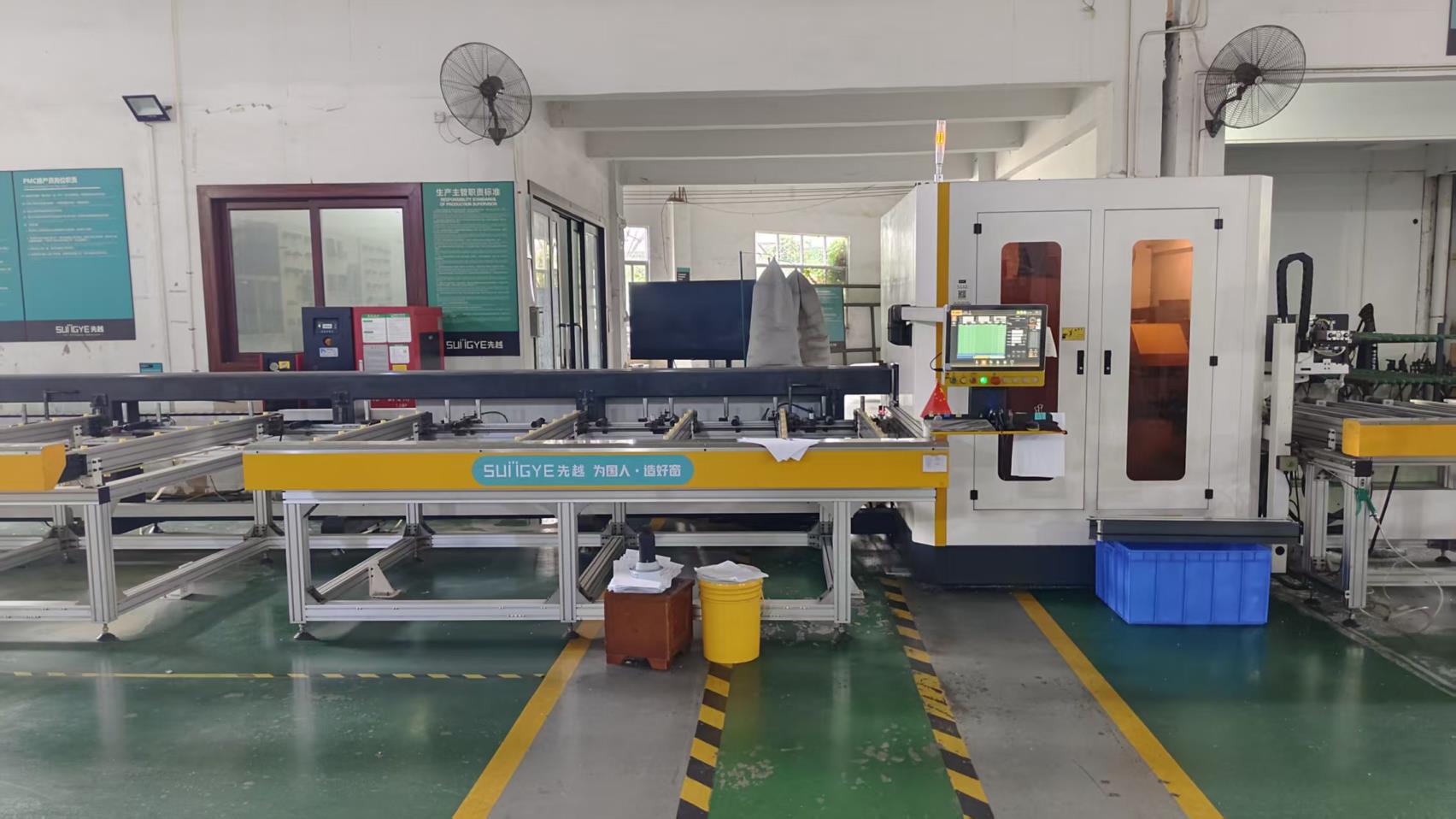
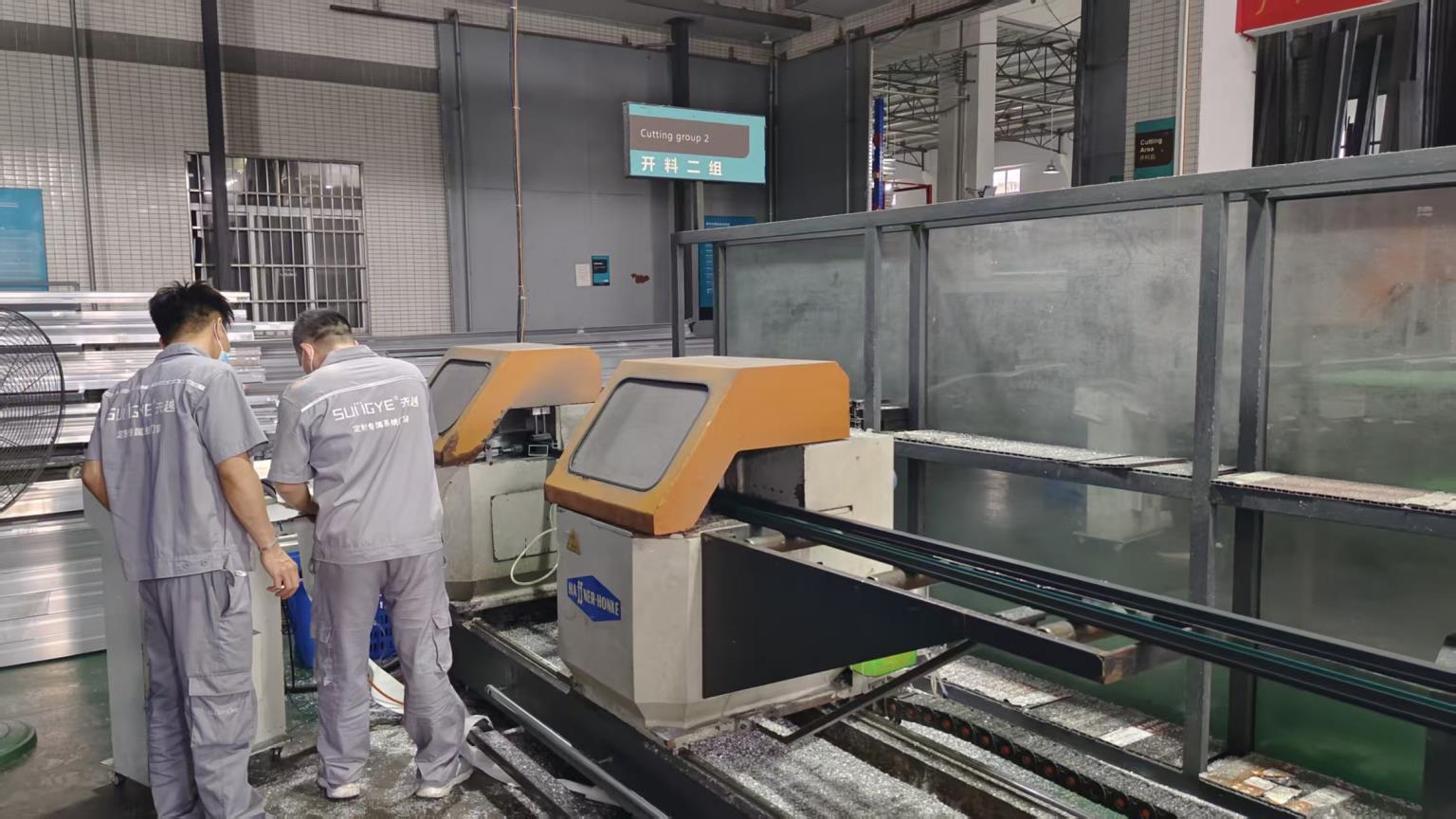
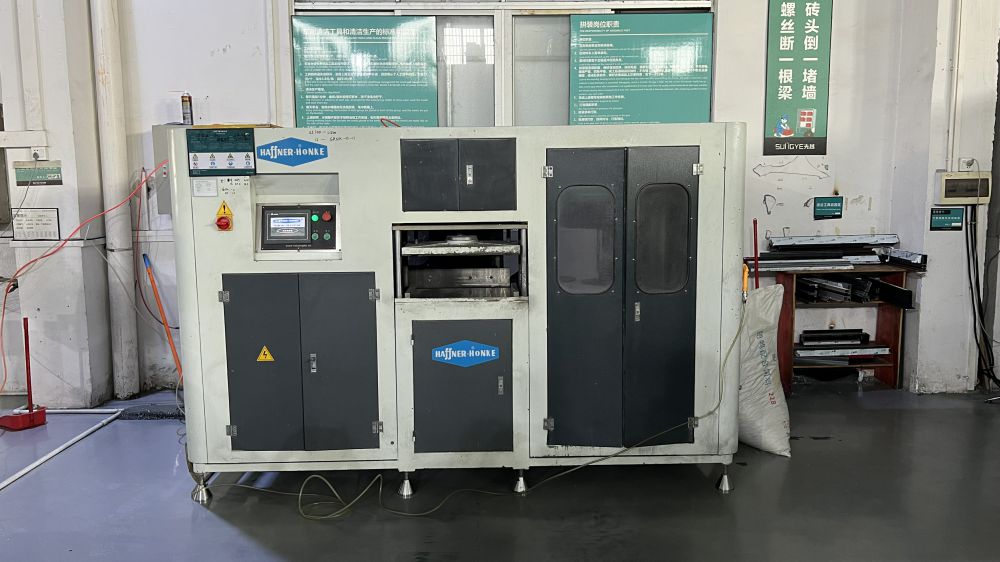
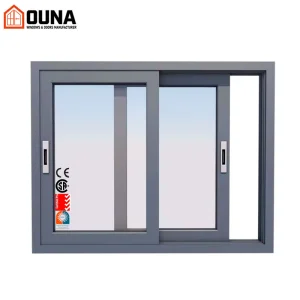
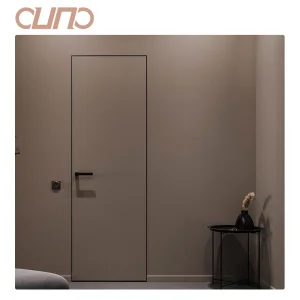
Fully customizable aluminum profiles, soundproof glazing solutions, and residential/commercial entry systems adapted for Japanese building codes.

Addressing engineering certifications, logistics into Aichi prefecture, structural calculations, and OEM fabrication.
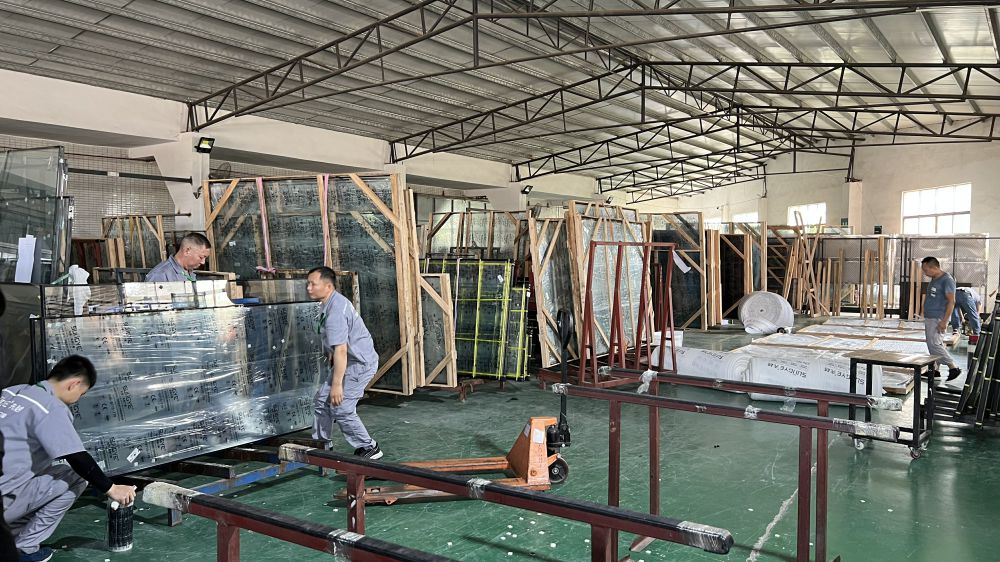
Our aluminum extrusion alloys (6063-T6 / 6061-T6) and tempered glass units undergo strict quality audits meeting JIS A 4702 (performance of doors and windows) and JIS A 4706 standards. We work closely with Japanese structural consultants to provide verified mill certificates, wind tunnel test data, and finite element analysis (FEA) reports accepted by local municipal building authorities in Nagoya.
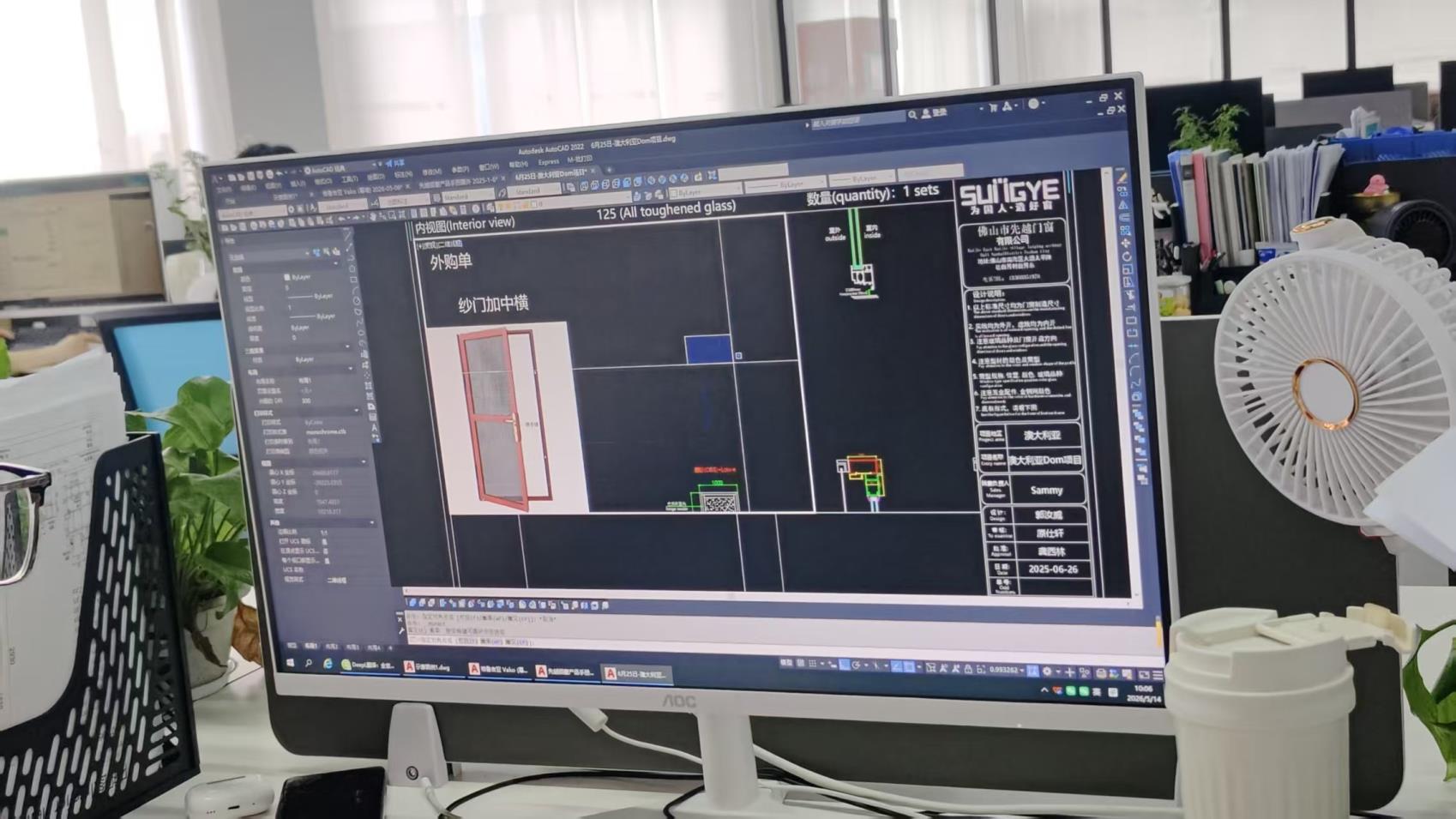
Once final 3D BIM/CAD shop drawings receive engineering approval from your project’s 1st-Class Registered Architect (*Kenkakushi*), off-site production typically requires 25 to 35 days. Direct ocean container shipping from Guangzhou/Shenzhen to the Port of Nagoya (Kinjo Pier) takes approximately 6 to 9 days, offering significantly shorter lead times compared to European or North American imports.
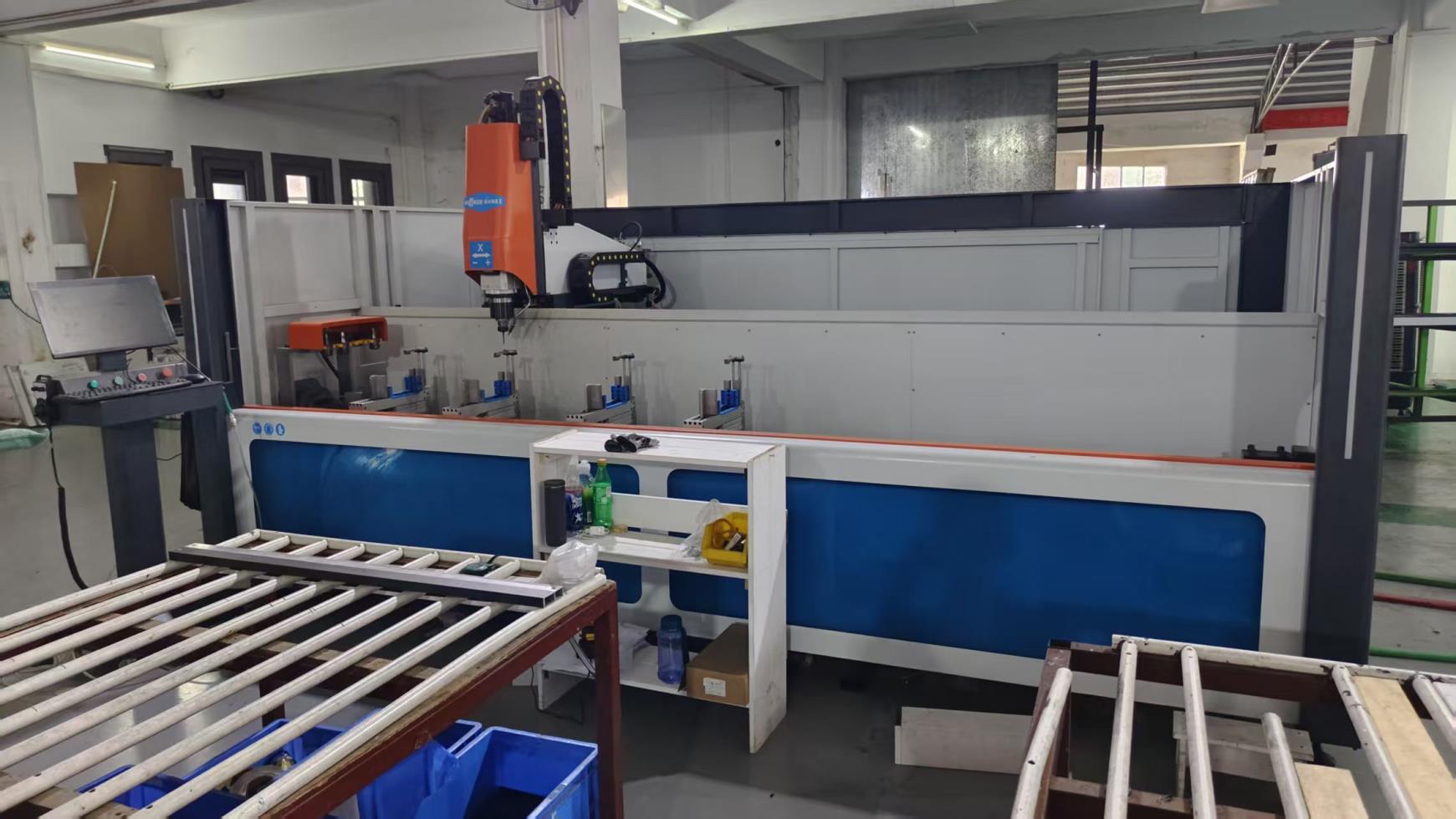
Yes. Supported by our 35-engineer R&D division and 5-axis CNC machining centers, we specialize in custom-extruded aluminum profiles, hyper-boloid curved curtain wall units, double-skin facades, and customized powder-coated or PVDF (Kynar 500) surface treatments capable of resisting Nagoya’s industrial atmosphere and coastal humidity.
Our team of 30 dedicated QC inspectors strictly executes ISO-certified optical surface inspections, glass seal dew-point testing, corner crimping pull-tests, and air/water tightness chamber testing. We welcome third-party inspection agencies (SGS, TUV, Intertek) or client representatives to perform pre-shipment audits at our Guangzhou facility.
Contact our technical sales team today to request engineered facade proposals, estimated cost per square meter, shop drawing reviews, or physical material samples.
Send Inquiry Now Cresta Window Tech