Cresta Window Tech
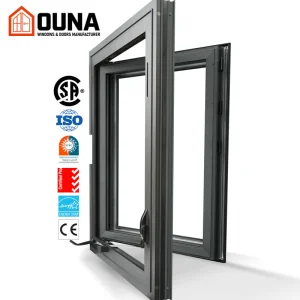
Engineered for extreme wind loads, thermal efficiency, and soundproof architectural envelopes.
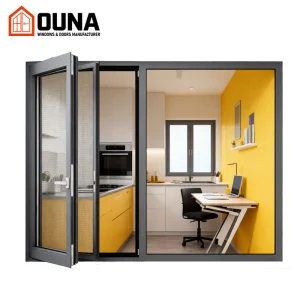
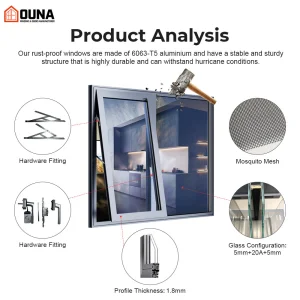
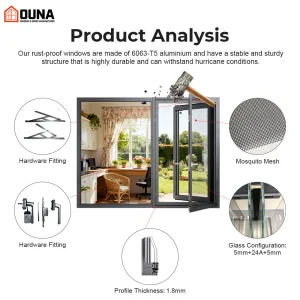
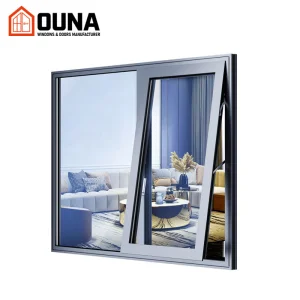
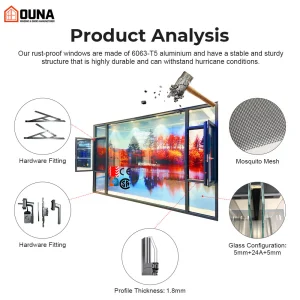
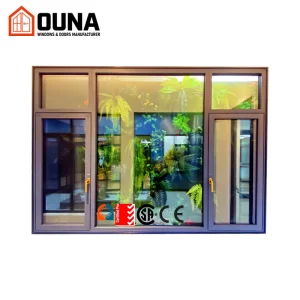
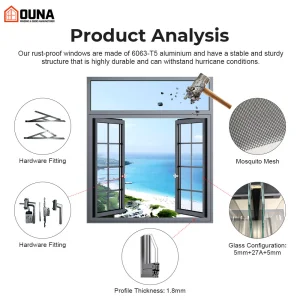
Guangzhou Cresta Door & Window Co., Ltd. delivers institutional-grade fenestration hardware and structural glazes across high-growth international markets.
Understanding the technical shift toward high-performance building envelopes, structural thermal breaks, and extreme weather resilience.
Modern structural codes mandate radical reductions in building operational energy consumption. Premium casement window systems serve as the primary defensive barrier against building envelop thermal transfer. Utilizing multi-cavity Polyamide 66 with 25% glass fiber (PA66 GF25) thermal break barriers, modern aluminum profiles effectively decouple internal and external thermal conduction, drastically lowering overall HVAC building loads.
As high-rise urban density increases, exterior curtain walls and casement systems are exposed to extreme localized wind pressure dynamics. Architectural casement designs utilize continuous EPDM gaskets and multi-point locking gear work to achieve Ultimate Limit State (ULS) positive and negative load performance exceeding 5000 Pa, satisfying stringent coastal structural engineering criteria.
Global climate volatility has accelerated demand for severe weather fenestration. Laminated impact glass integrated with high-tensile 6063-T6 aluminum frames ensures complete envelope structural integrity against flying debris during hurricane events, complying with Florida Building Code Miami-Dade NOA testing protocols (TAS 201, 202, and 203).
Comparative metrics across modern architectural casement window engineering specifications.
| Performance Category | Standard Aluminum Casement | Thermal Break Double Glazed | Severe Impact & Triple Glazed |
|---|---|---|---|
| U-Factor (W/m²·K) | 3.5 – 4.8 | 1.6 – 2.2 | 0.8 – 1.2 (Passive House Standard) |
| Solar Heat Gain (SHGC) | 0.55 – 0.70 | 0.25 – 0.40 | 0.18 – 0.30 (Custom Low-E Stack) |
| Acoustic Isolation (STC Rating) | 26 – 30 dB | 35 – 40 dB | 42 – 48+ dB (Laminated Interlayer) |
| Air Infiltration Rating | Class 2 (300 Pa) | Class 4 (600 Pa) | ASTM E283 Level A (0.01 cfm/ft²) |
| Wind Load Pressure (Pa) | 1500 – 2500 Pa | 3000 – 4500 Pa | 5000+ Pa (Hurricane NOA Rated) |
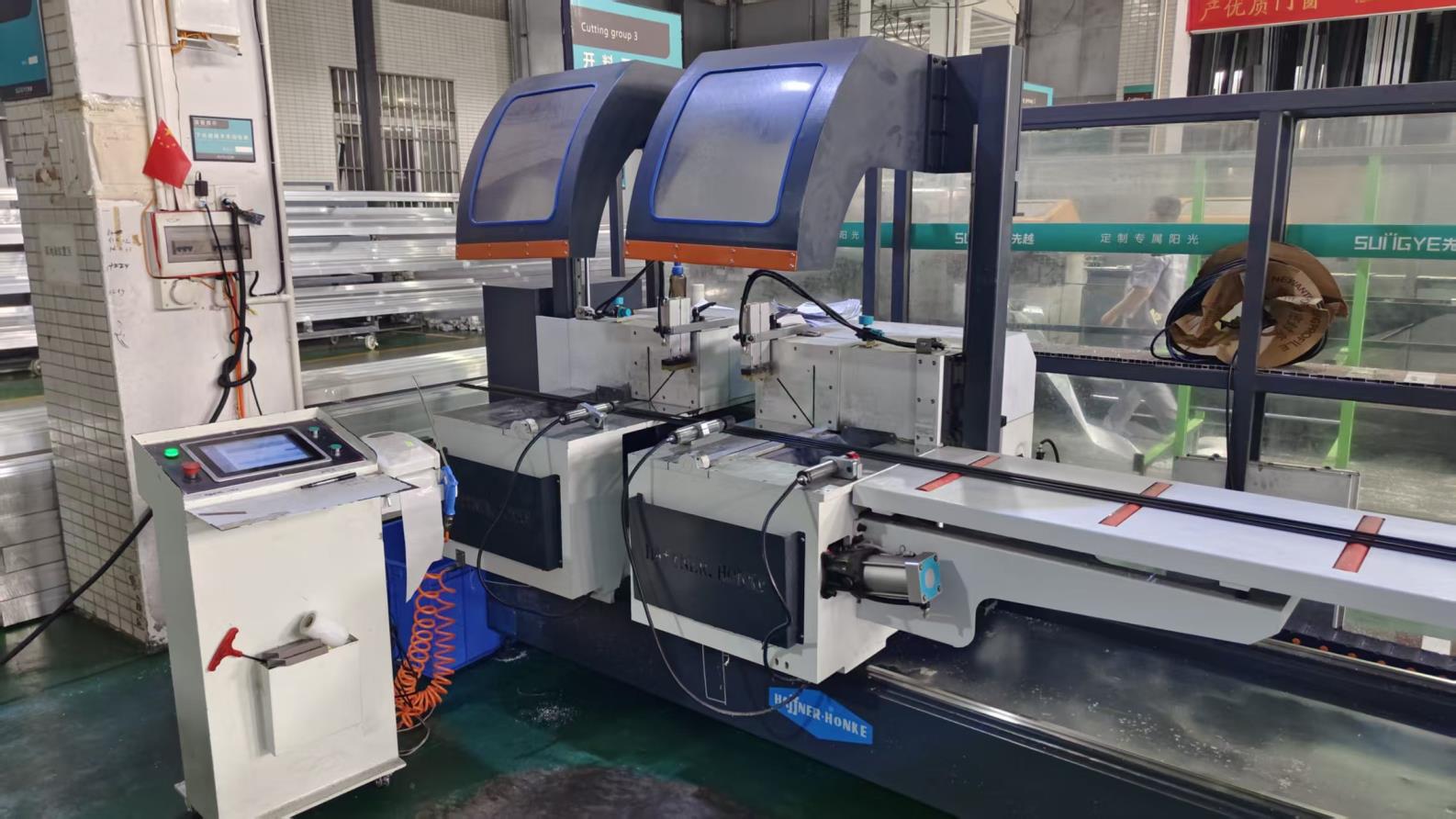
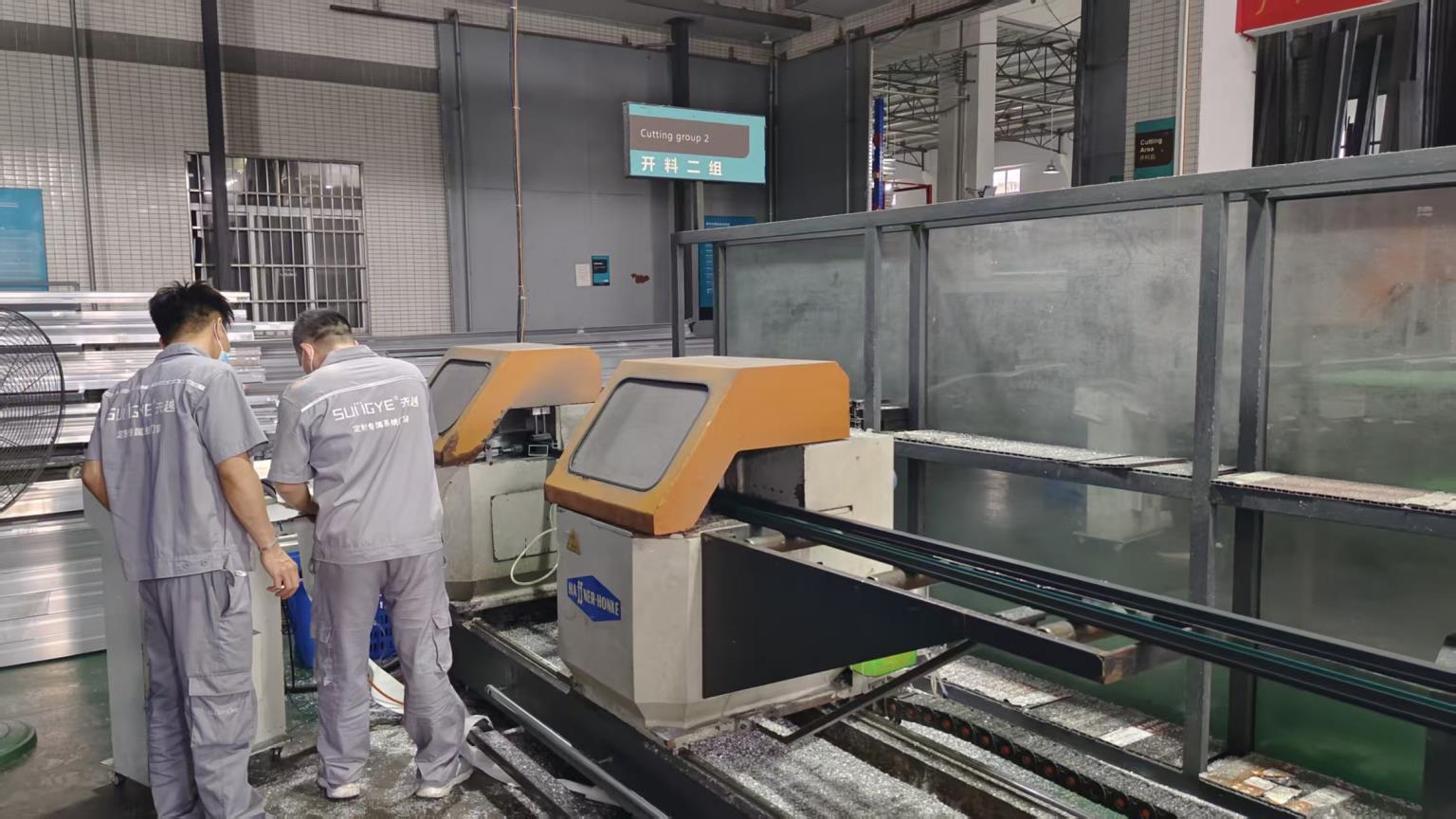
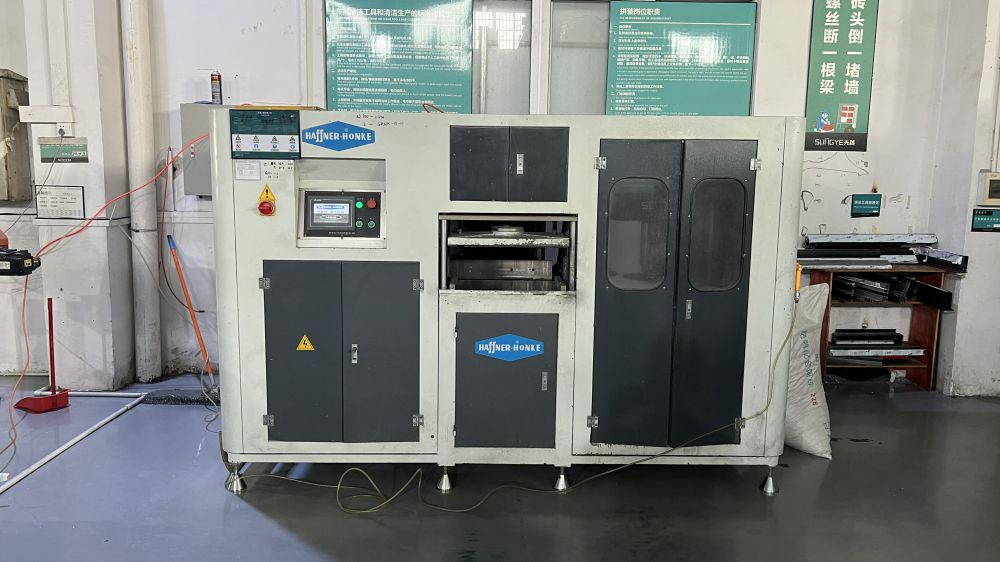
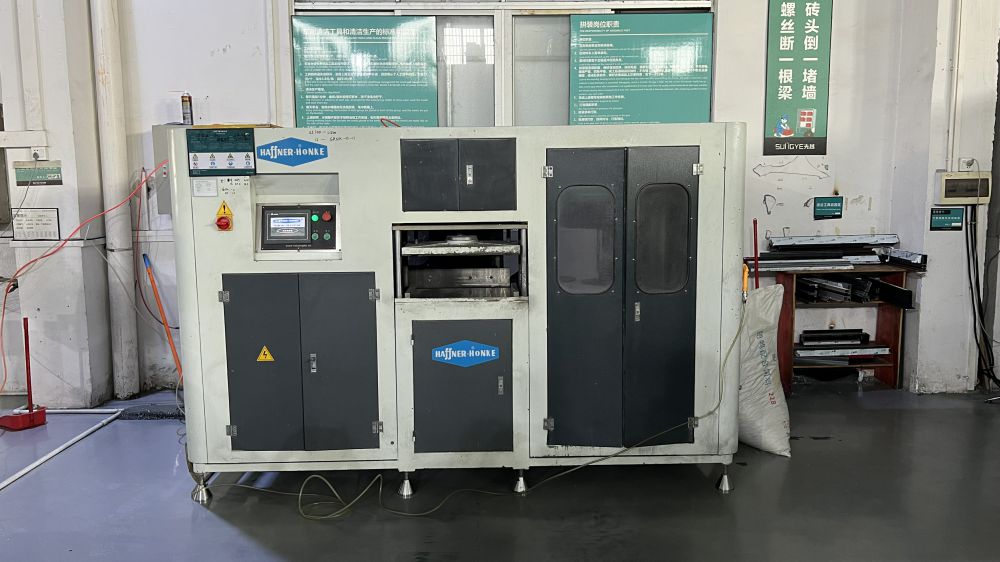
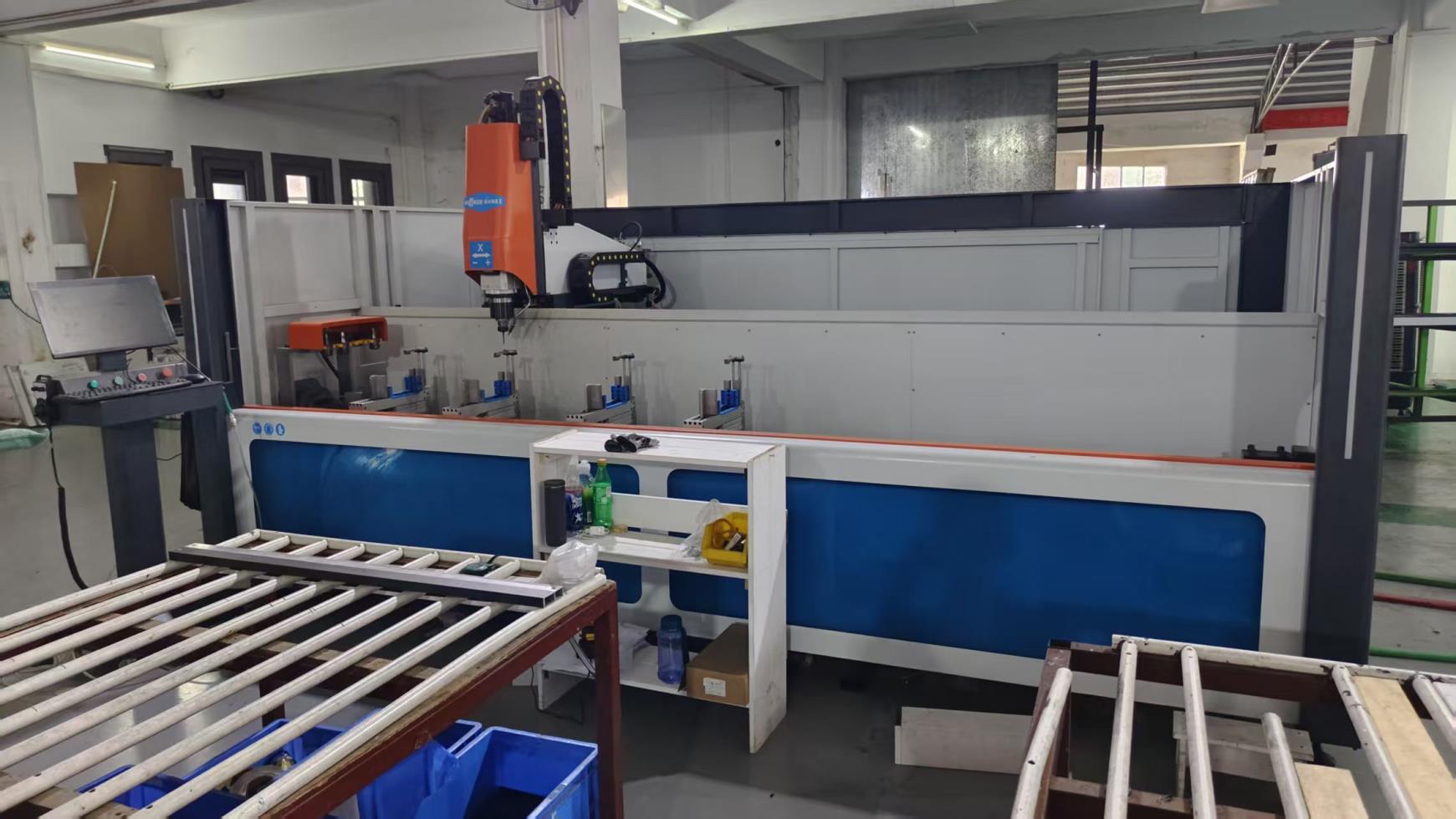
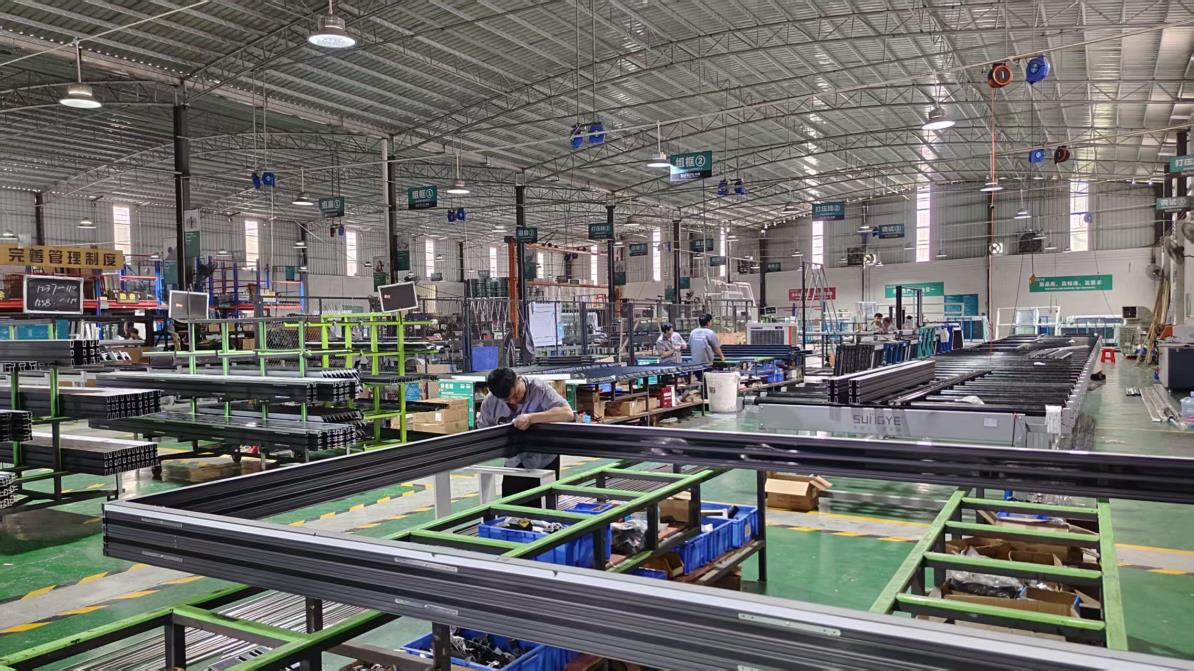
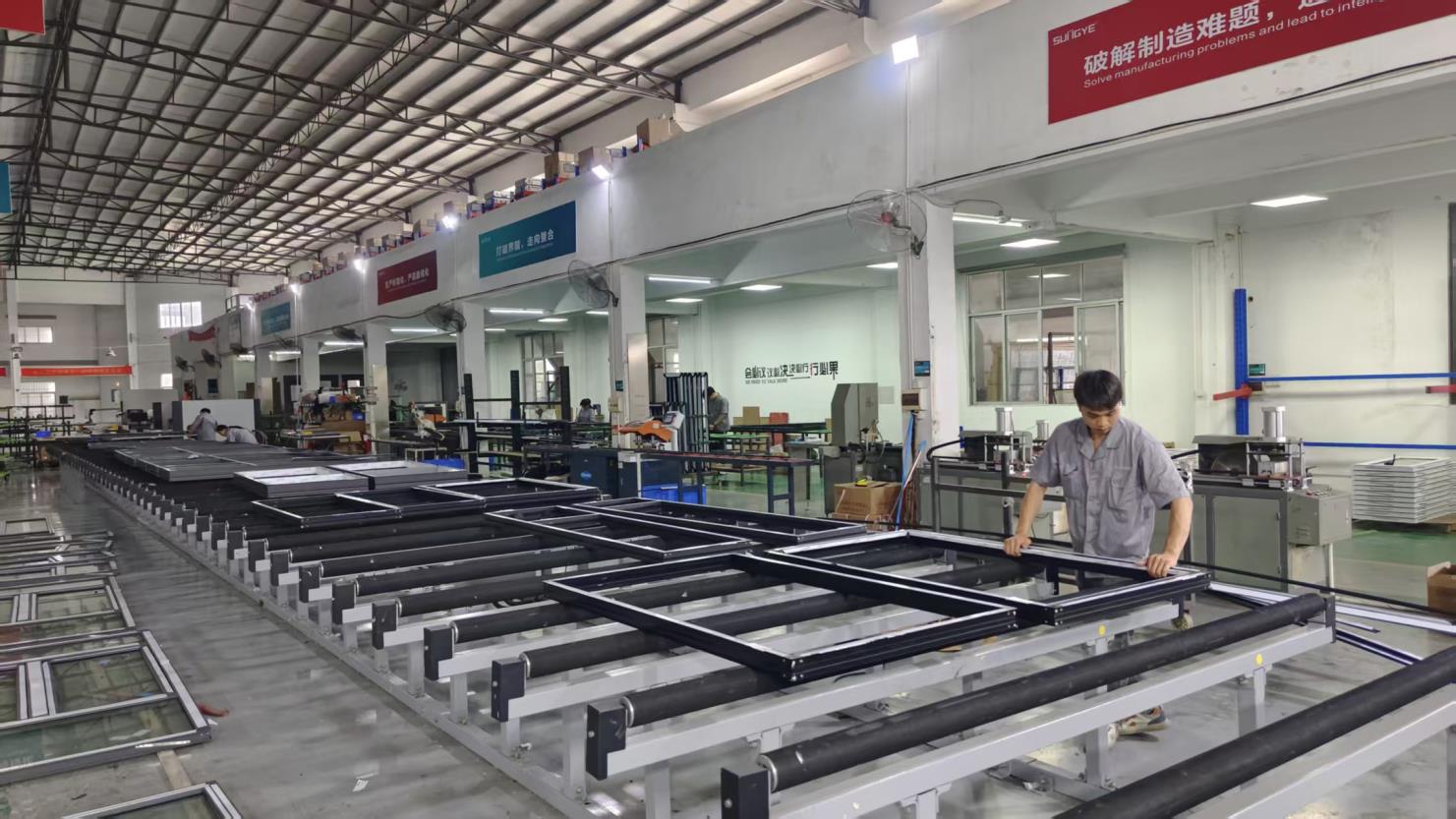
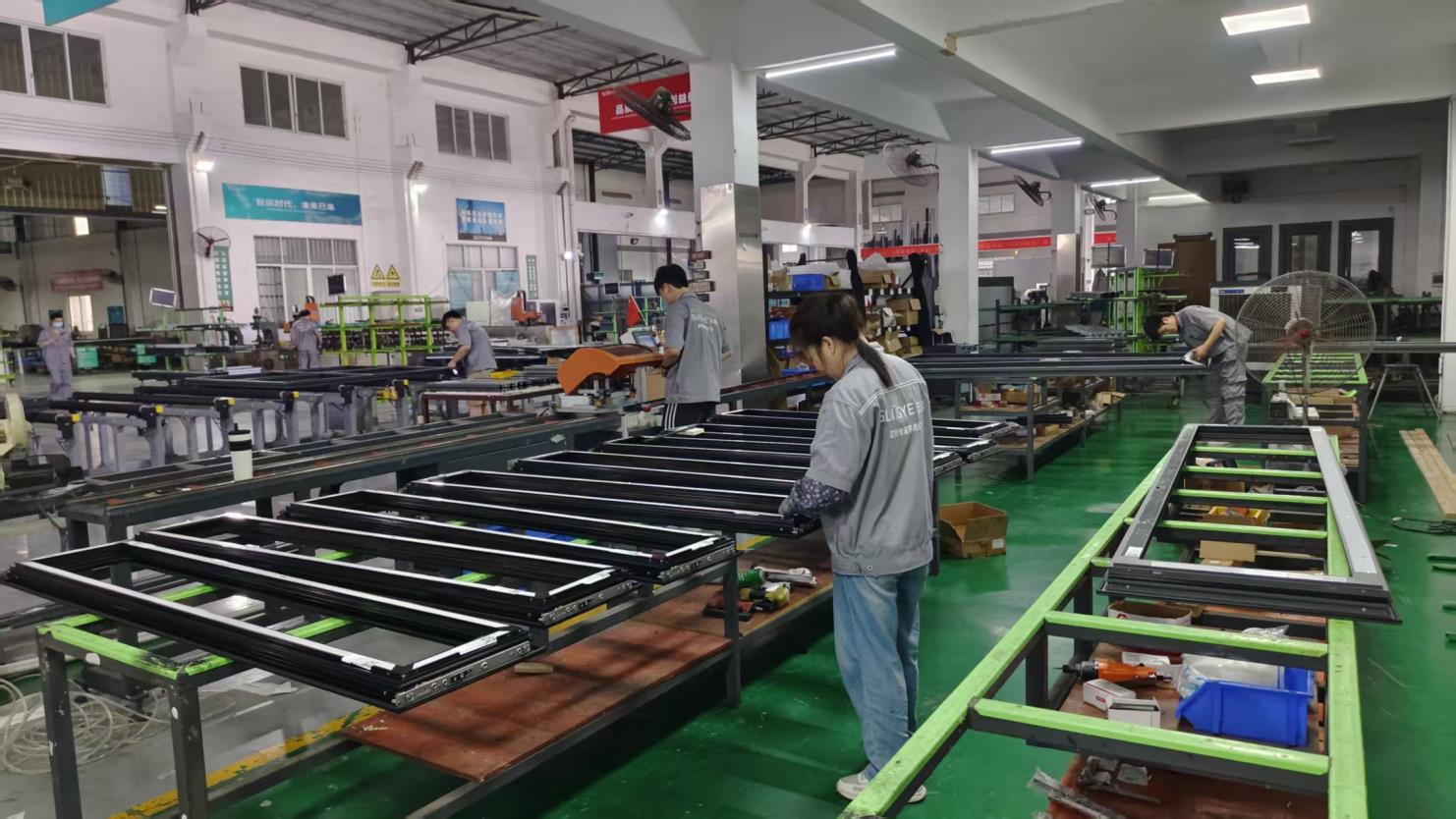
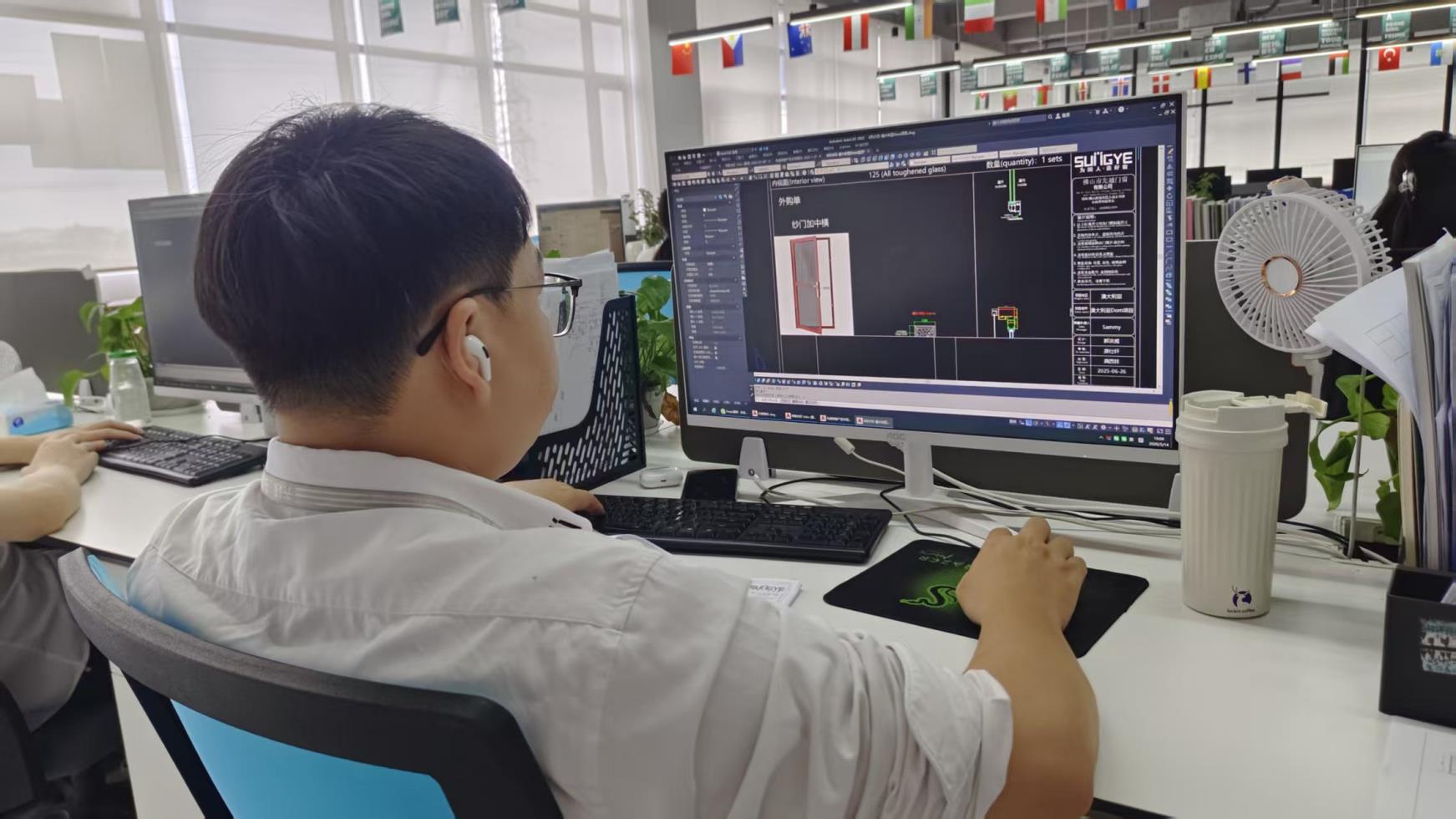
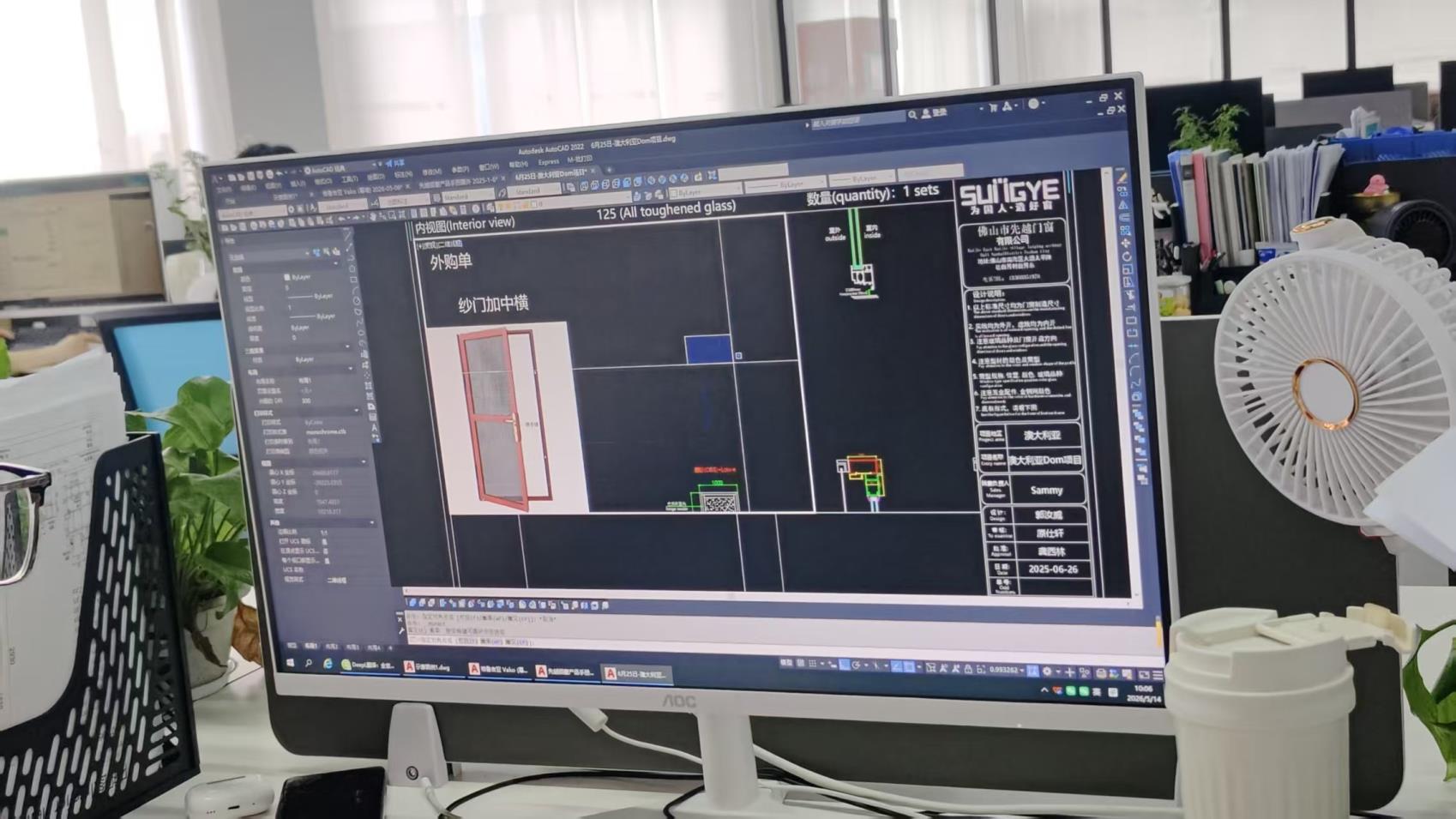
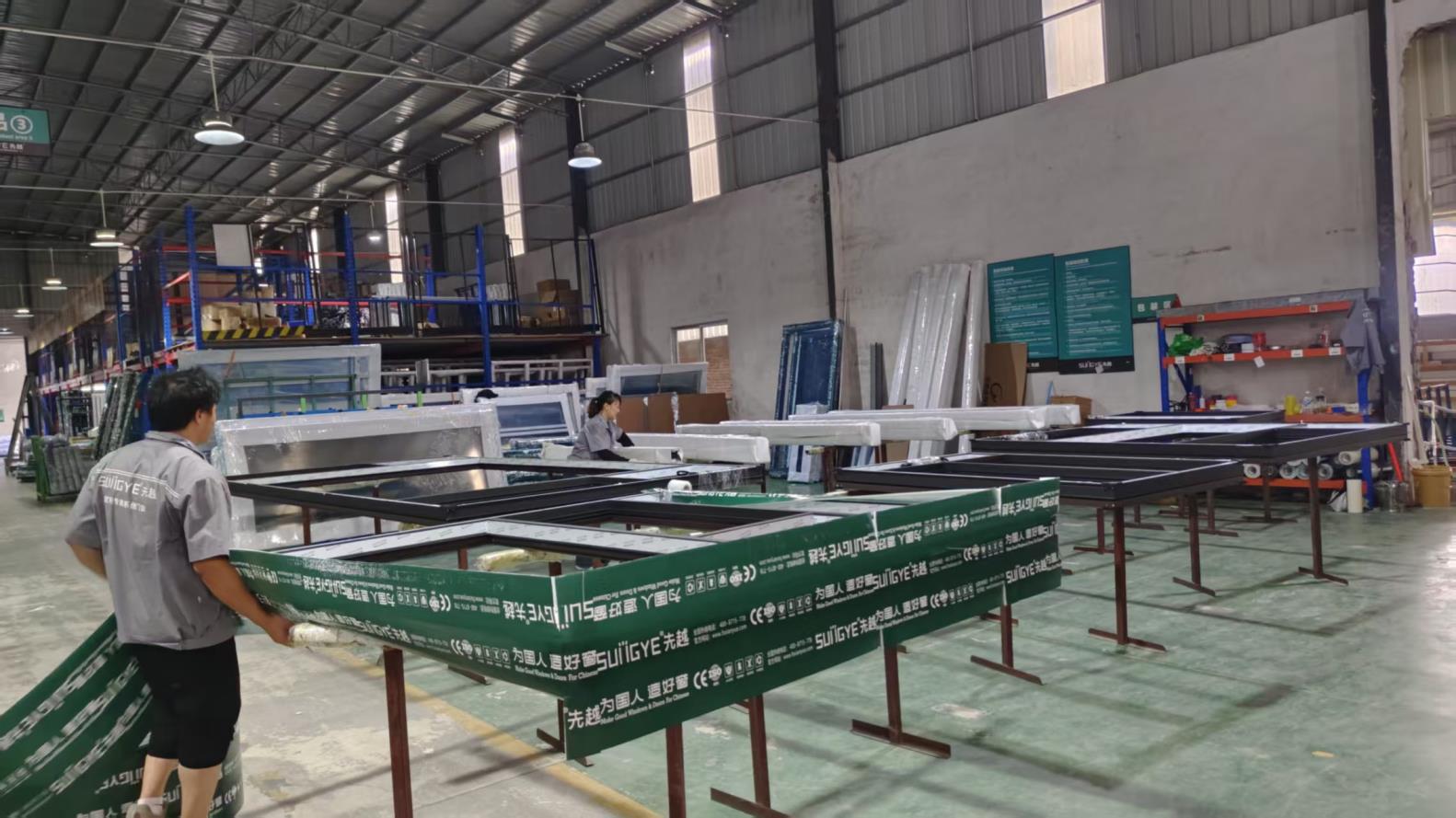
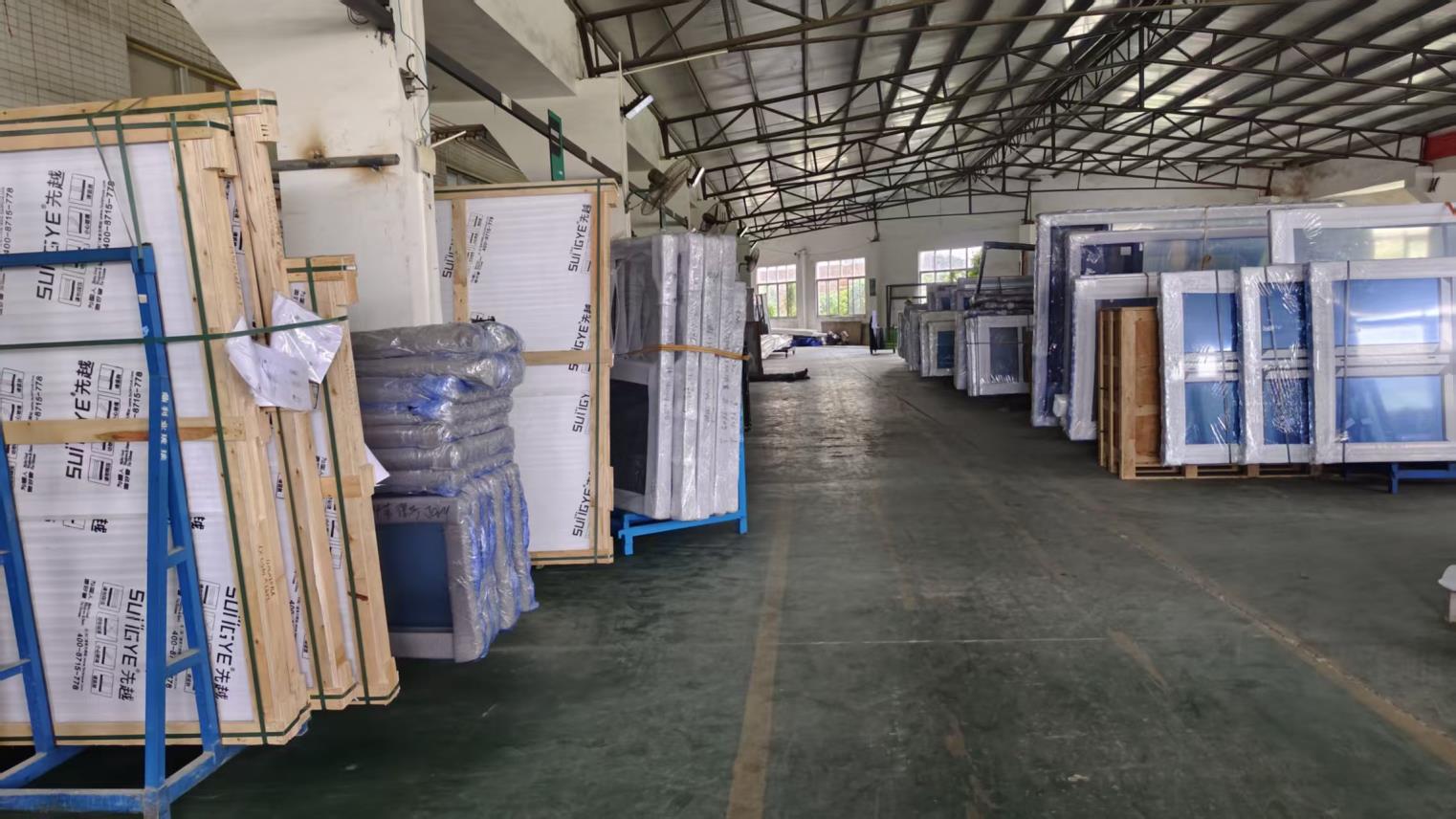
Inside Cresta's 18,000m² automated production floor: From raw alloy extrusion processing to digital dimensional calibration.
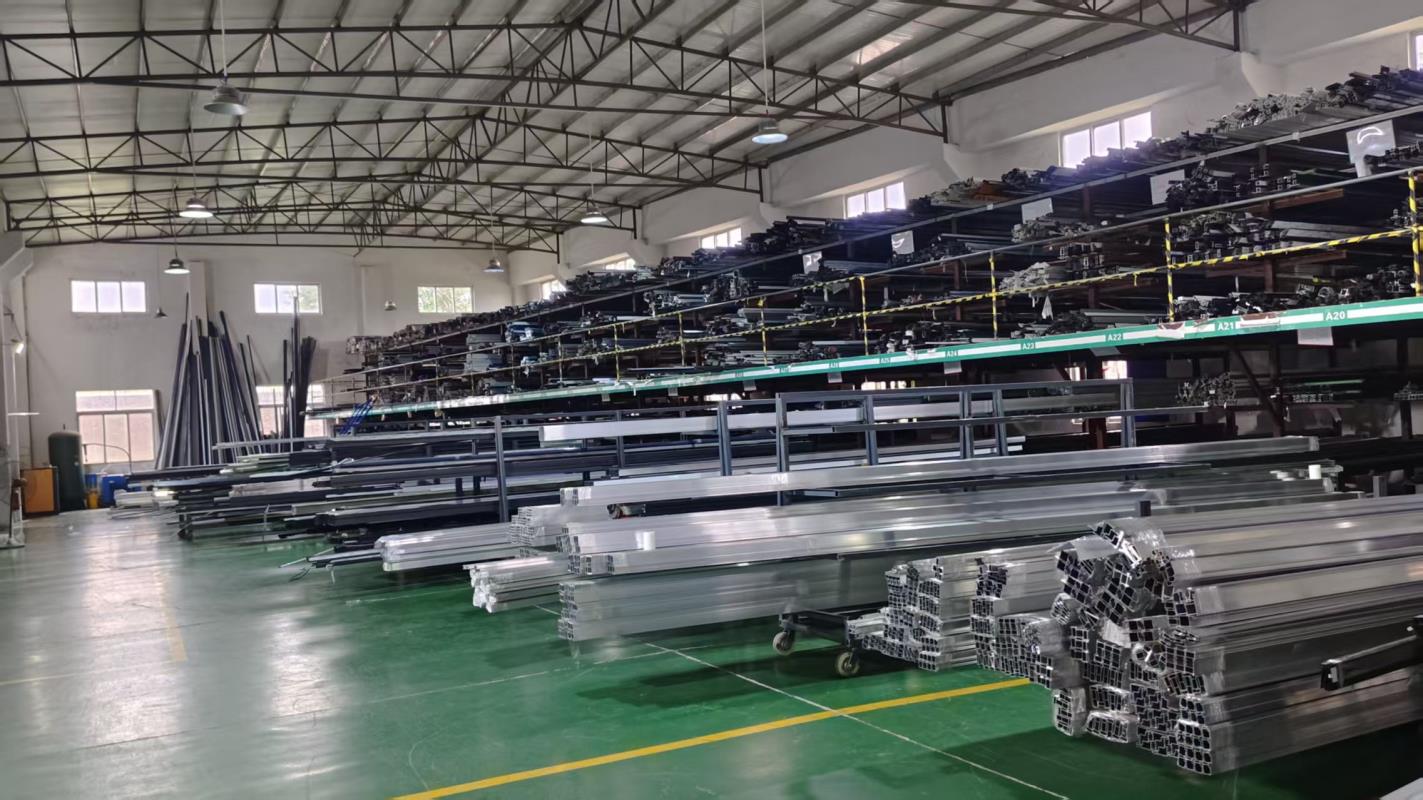
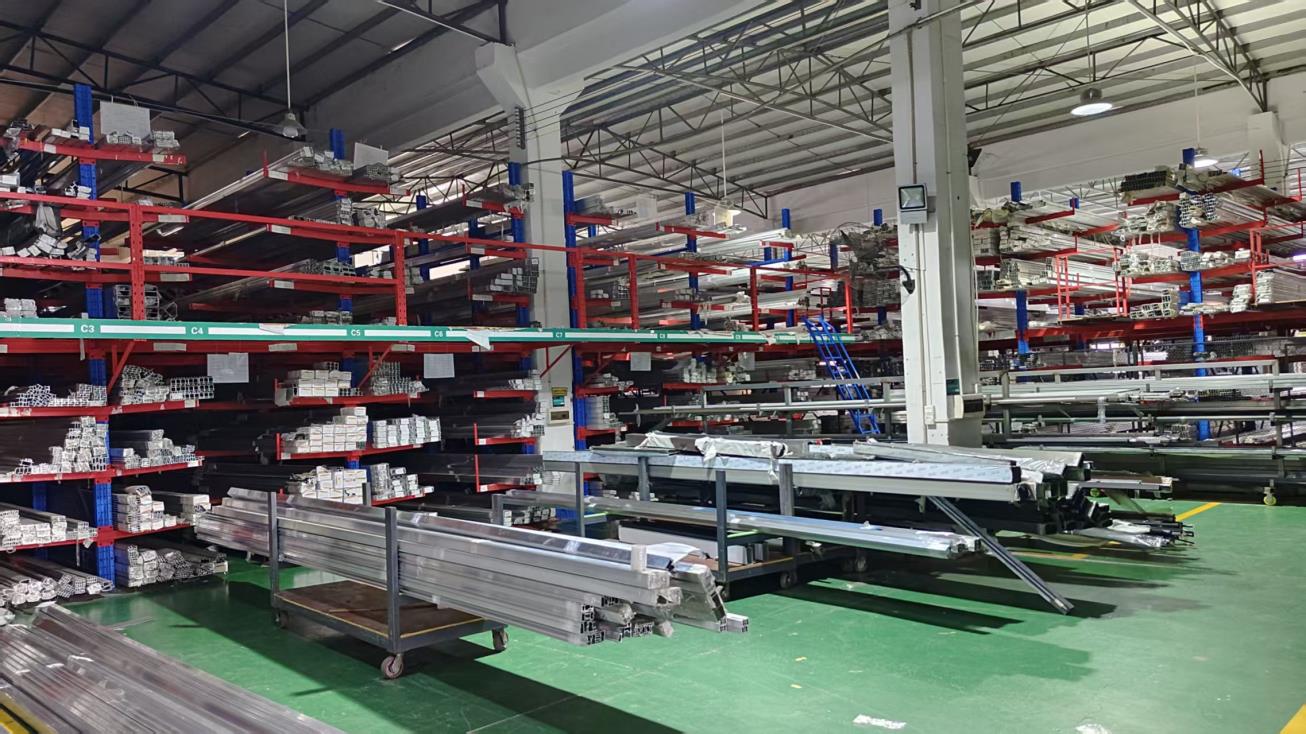
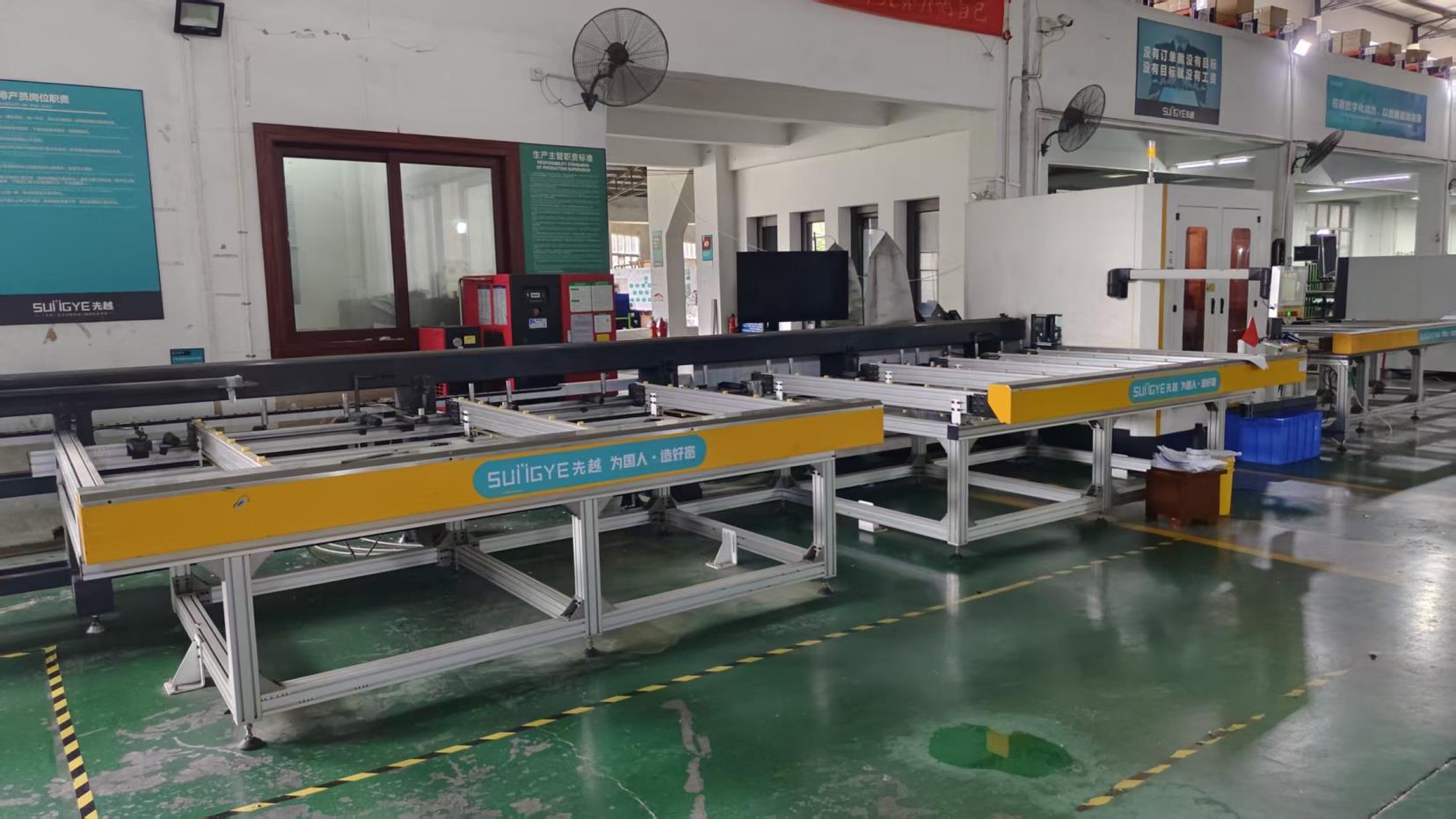
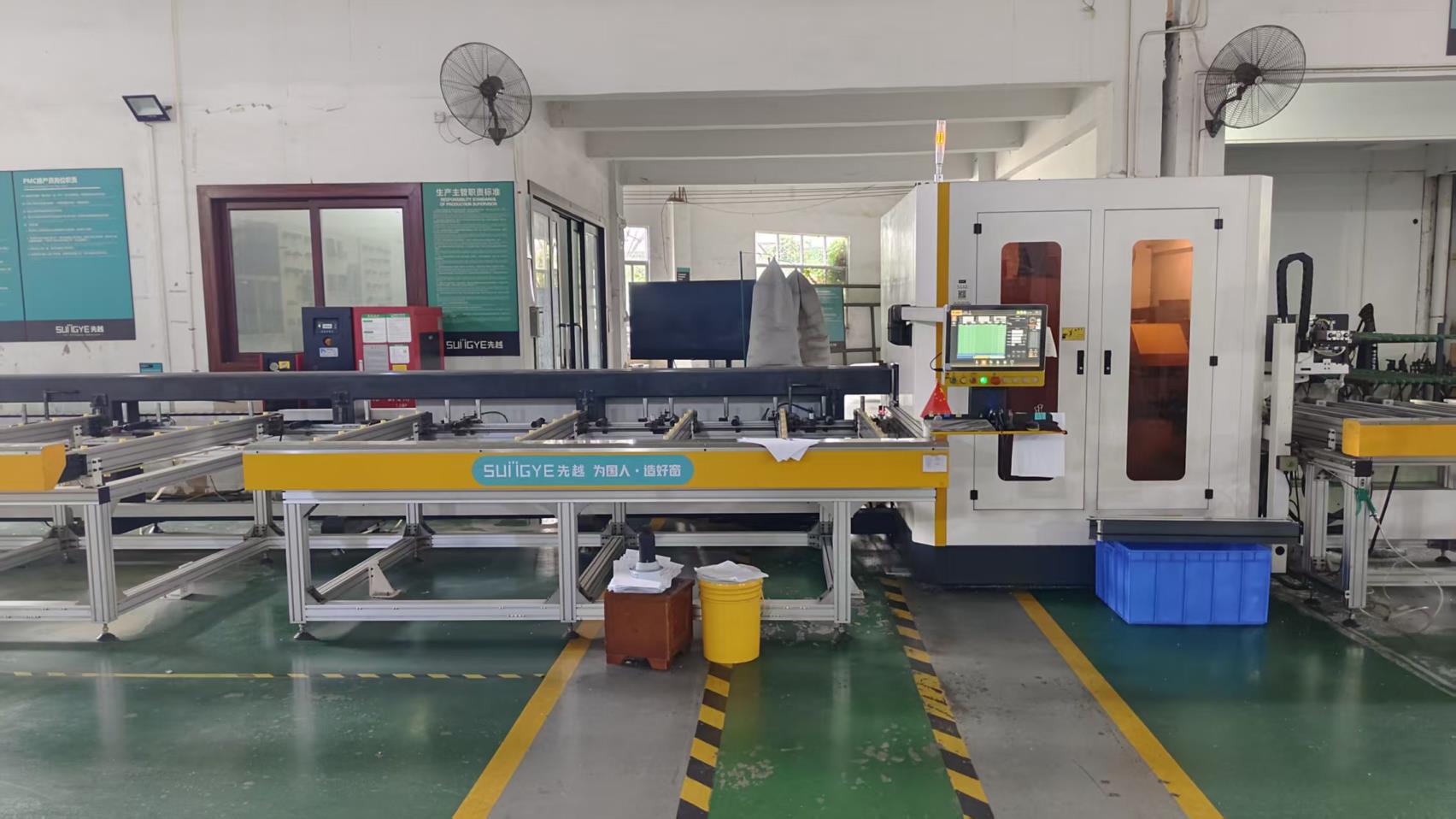
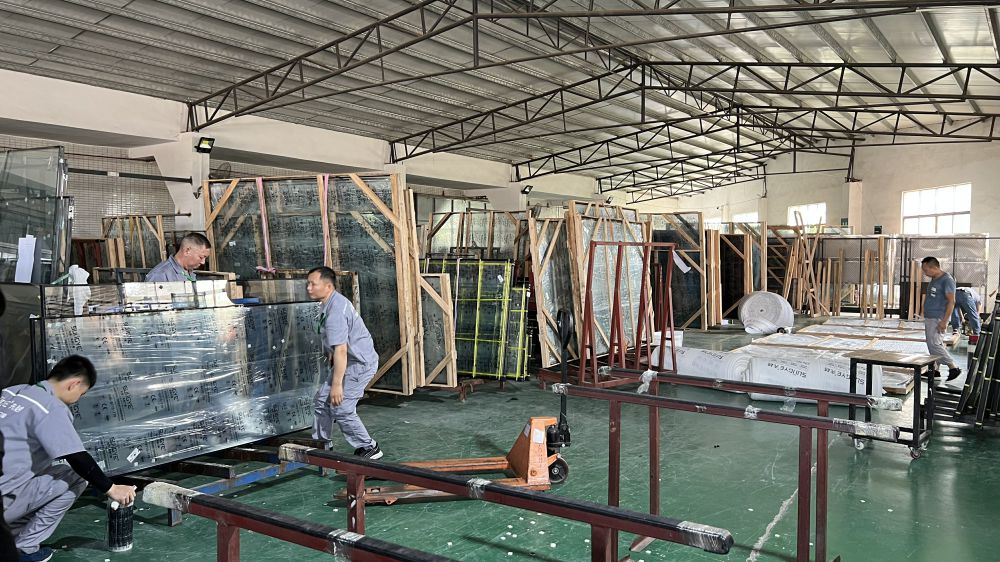
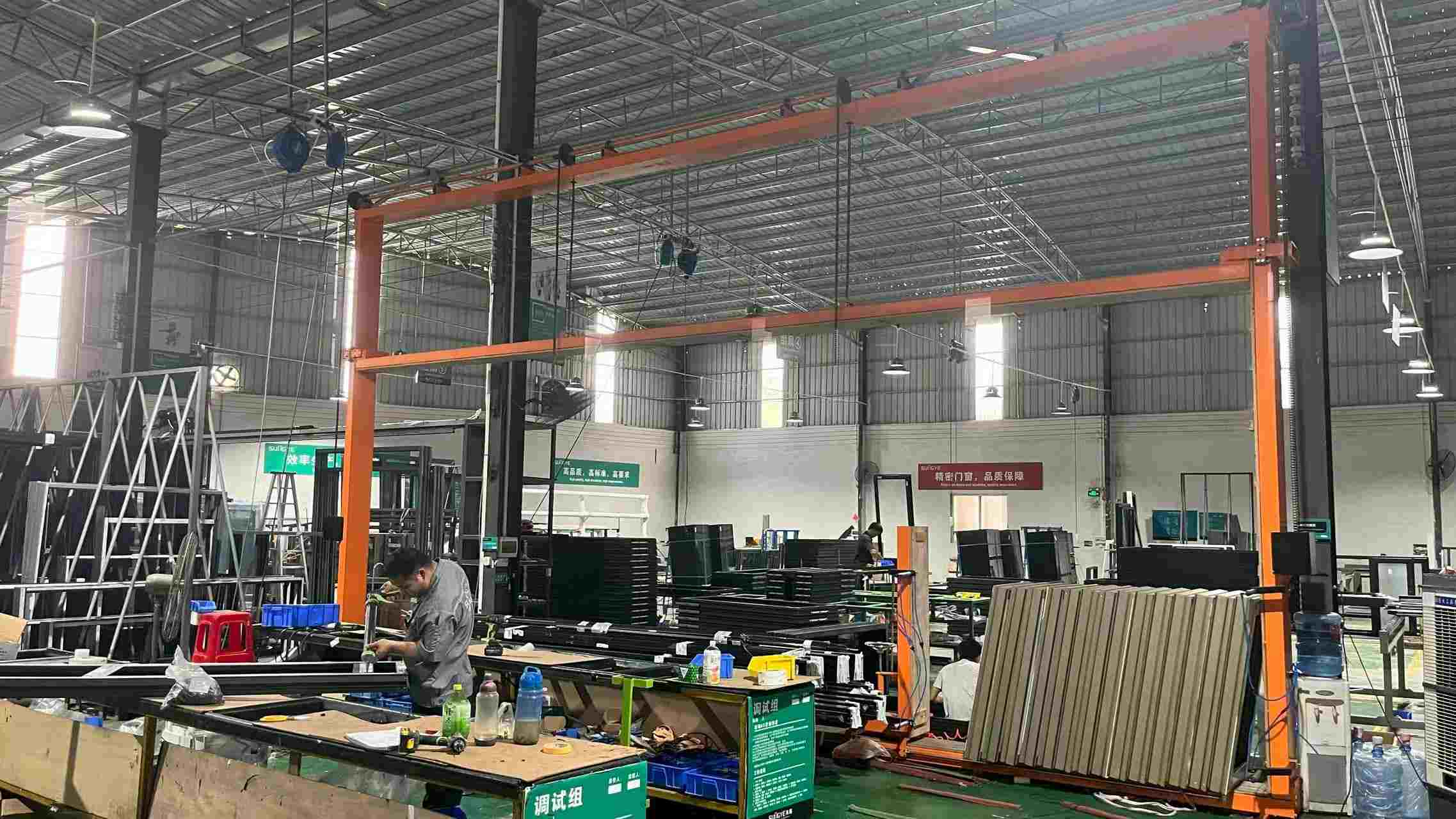
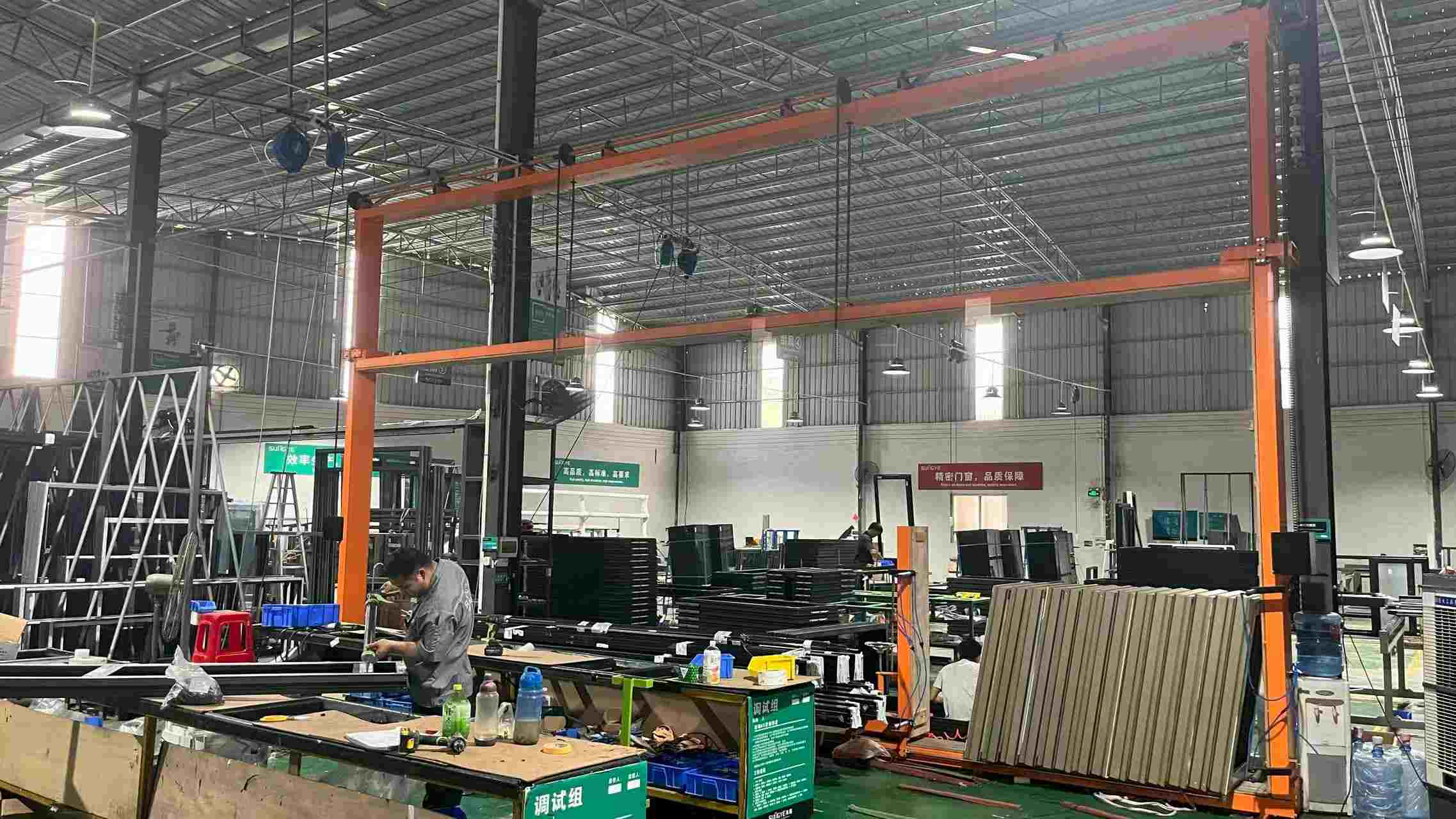
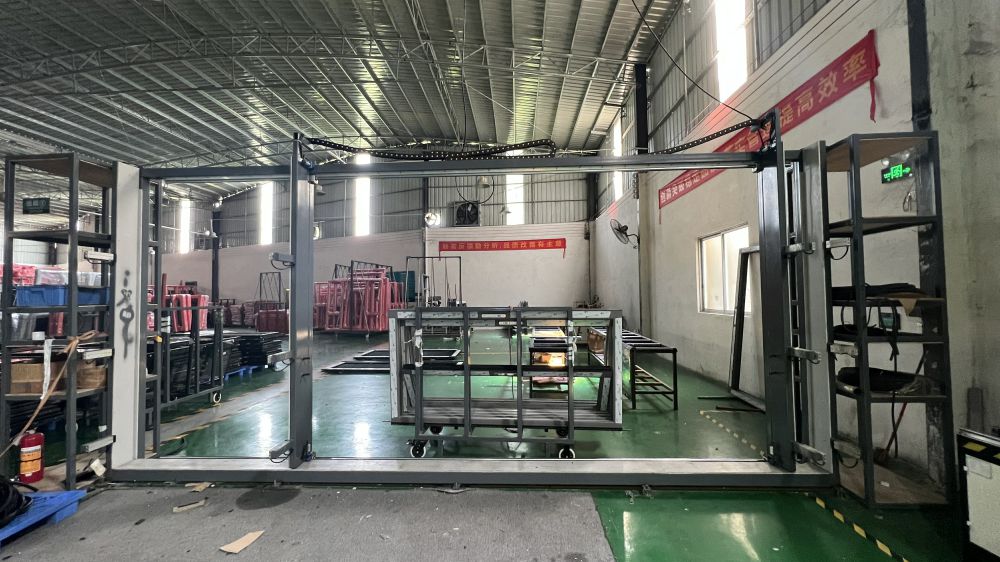
Engineered to exceed strict regional building codes across North America, Australia, Europe, and the Middle East.
Products destined for North America undergo structural loading under ASTM E330, air infiltration under ASTM E283, and water penetration resistance under ASTM E331. Thermal performance is certified via NFRC simulation models. For hurricane zones such as Florida and the Caribbean, Cresta offers full Notice of Acceptance (NOA) compliant structural configurations equipped with heavy-gauge laminated impact glass resistant to large missile impacts (TAS 201/203).
Export lines to Australia and New Zealand undergo rigorous physical testing in NATA-accredited laboratories to fulfill AS2047 (Windows and doors in buildings) and AS1288 (Glass in buildings). Parameters evaluated include deflection under structural wind load (up to 4500 Pa positive/negative), operating force tests, air infiltration, and water penetration resistance up to 600 Pa, making them suitable for extreme bushfire (BAL ratings) and cyclonic zones.
European market lines feature CE marking compliant with EN 14351-1 standards, targeting acoustic insulation values above STC 40 dB and U-factors compliant with EnEV requirements. Middle Eastern exports feature specialized high-solar-reflectance powder coatings (Interpon/AkzoNobel Qualicoat Class 2) designed to withstand high UV exposure and sand abrasion without thermal degradation or surface chalking.
Tailored structural window profiles designed for high-density, high-load, and high-aesthetic architectural projects.
High-rise oceanic environments demand extreme weather resistance. Cresta custom casement windows utilize marine-grade 6063-T6 aluminum alloys combined with multi-point locking gear hardware (Siegenia/G-U/Roto). Dual-sealed continuous EPDM gaskets prevent salt-spray intrusion and maintain structural integrity during elevated wind-pressure events.
Modern residential architecture requires expansive clear glass areas paired with minimal frame profiles. Our slim-frame thermal break casement series delivers wide sightlines with hidden hinges and concealed drainage systems, allowing seamless integration with modern smart home automation systems.
Commercial projects require high acoustic damping to block urban ambient noise. Cresta’s double and triple insulated glass units (IGUs) utilize acoustic laminated PVB/SGP interlayers, reducing external sound pressure levels by up to 45 dB, creating quiet interior work environments.
Prefabricated construction relies on consistent manufacturing tolerances. Cresta’s automated CNC production ensures millimeter-accurate dimensional precision, simplifying site integration and reducing envelope installation times for modular developments worldwide.
Driving the future of intelligent building envelopes through advanced materials science and automated smart hardware.
Next-generation casement series will incorporate ultra-thin Vacuum Insulated Glass units. By replacing argon-filled IGUs with a micro-spacer vacuum chamber, thermal conductivity drops to near zero ($U \le 0.40 \text{ W/m}^2\text{K}$), setting new benchmarks for zero-energy building envelopes.
Integrating dynamic tint electrochromic layers directly linked to automated Building Management Systems (BMS). Glass opacity automatically adjusts based on real-time solar irradiance, drastically lowering building cooling loads during peak daytime heat exposure.
Transitioning profile thermal barriers toward low-carbon bio-polymers and 100% recycled aluminum alloys (scrap-to-extrusion loop), helping projects gain maximum LEED v4.1 and BREEAM sustainability credits.
Detailed answers to critical engineering, manufacturing, and procurement inquiries for facade specifiers and project managers.
Heavy-duty swing, awning, tilt & turn, and ultra-slim profile variants tailored for export specifications.