Certified for AS2047, NFRC, CSA, and CE global architectural standards. Optimized for thermal insulation, hurricane impact protection, and extreme wind load capacity.
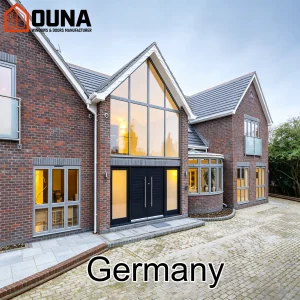
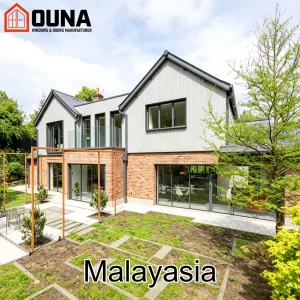
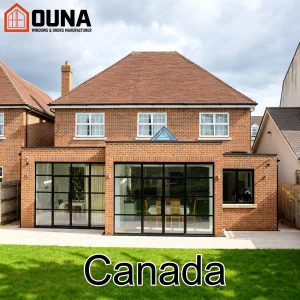

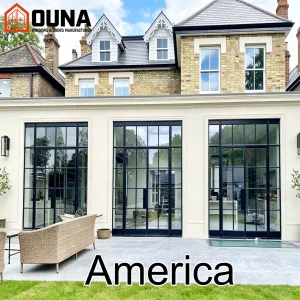
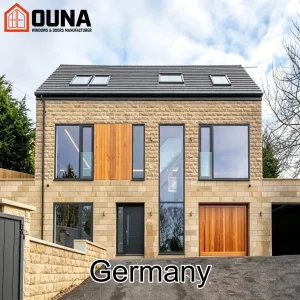

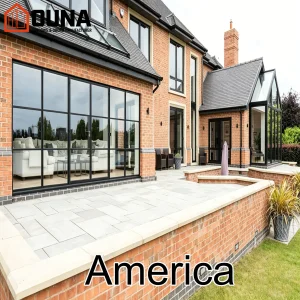
In modern architectural engineering and low-carbon building design, fixed windows—commonly categorized as picture windows or non-operable fenestration units—serve a crucial structural and thermal role. Unlike operable sash configurations (such as casement, awning, or sliding systems), fixed windows eliminate mechanical friction hinges, perimeter weatherstrip gaps, and operating tracks. This fundamental structural simplification yields an impermeable envelope seal capable of delivering unmatched air-tightness, high acoustic isolation, and superior structural wind load resistance.
As global building codes shift toward net-zero operational carbon emissions (promoted by initiatives like the EU Energy Performance of Buildings Directive, North American ASHRAE 90.1, and Australia's NCC Section J), structural engineers and facade designers increasingly rely on engineered fixed window systems to optimize building thermal envelopes. By pairing high-tensile 6063-T5/T6 extrusions with precision multi-cavity thermal barrier strips, contemporary fixed windows achieve ultra-low U-factors while allowing expansive spans of daylighting, maximizing passive solar gain strategies without compromising environmental control.
The core thermal limitation of conventional operational fenestration lies within the perimeter seal interface. Under positive or negative wind pressures, flexible EPDM gaskets on movable sashes experience microscopic deflection, leading to air infiltration rates between 0.5 and 1.5 L/s·m². Fixed window designs engineered by Guangzhou Cresta Door & Window Co., Ltd. utilize continuous structural glazing tapes combined with cold-applied neutral structural silicone glazing (SSG) protocols. This eliminates mechanical joint leakage entirely, bringing air infiltration rates below 0.05 L/s·m² under ASTM E283 testing parameters.
Furthermore, energy transfers via conduction are suppressed through the integration of Technoform® glass-fiber-reinforced Polyamide 66 (PA66-GF25) thermal breaks. By separating the interior and exterior aluminum profiles with a 24mm to 34mm insulation cavity, thermal bridging is effectively broken, enabling whole-window U-values to drop as low as 0.78 W/m²·K when outfitted with triple-glazed Low-E argon-filled units.
Designed for high-rise commercial facades and coastal hurricane zones. Profile wall thickness options up to 3.0mm provide ultimate structural integrity up to 9000 Pa wind load pressures.
Fixed window glass units utilize asymmetric double-laminated PVB/SGP acoustic interlayers, neutralizing low-frequency urban traffic noises and airport jet frequencies.
Spectrally selective double Low-E coatings selectively reflect infrared thermal radiation while transmitting over 72% of visible natural sunlight into deep structural interiors.
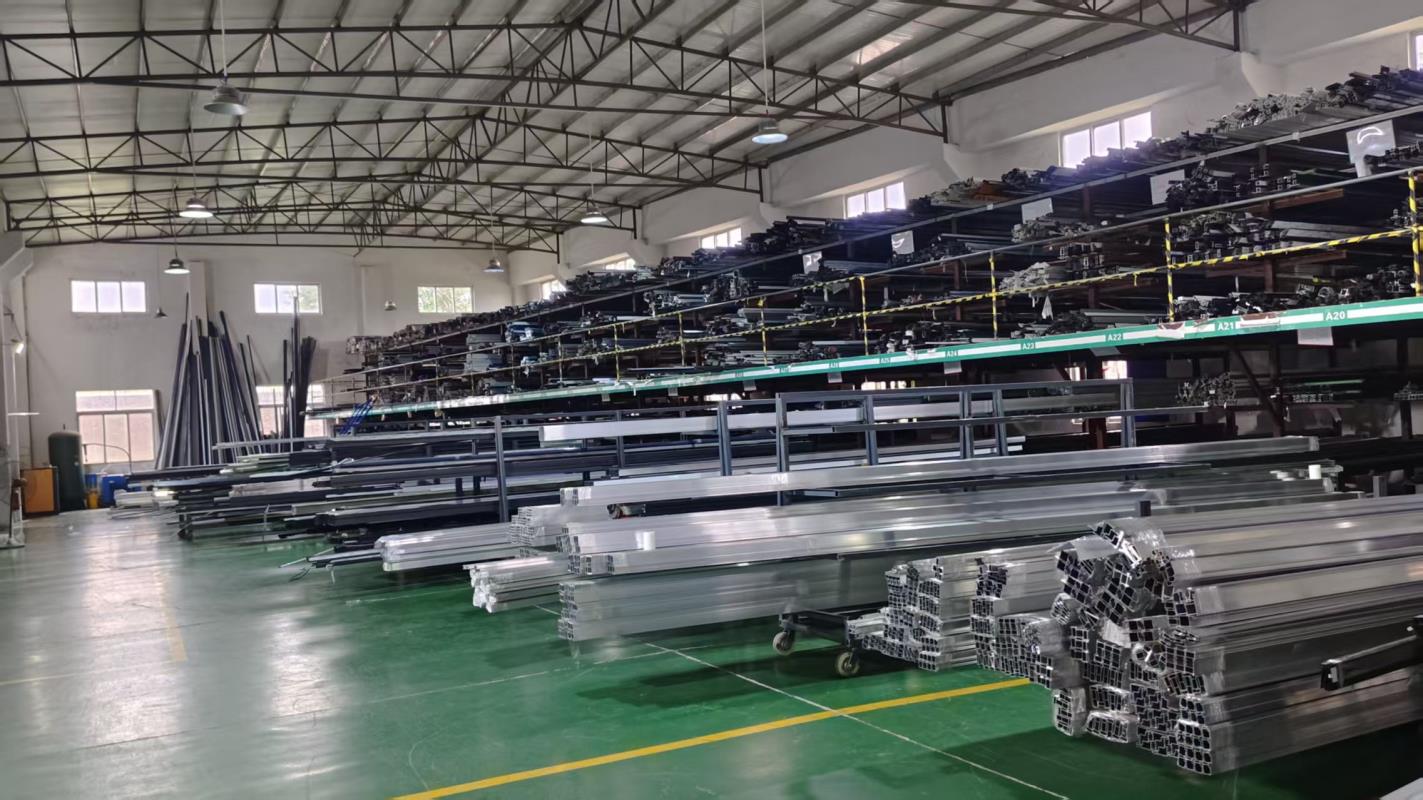
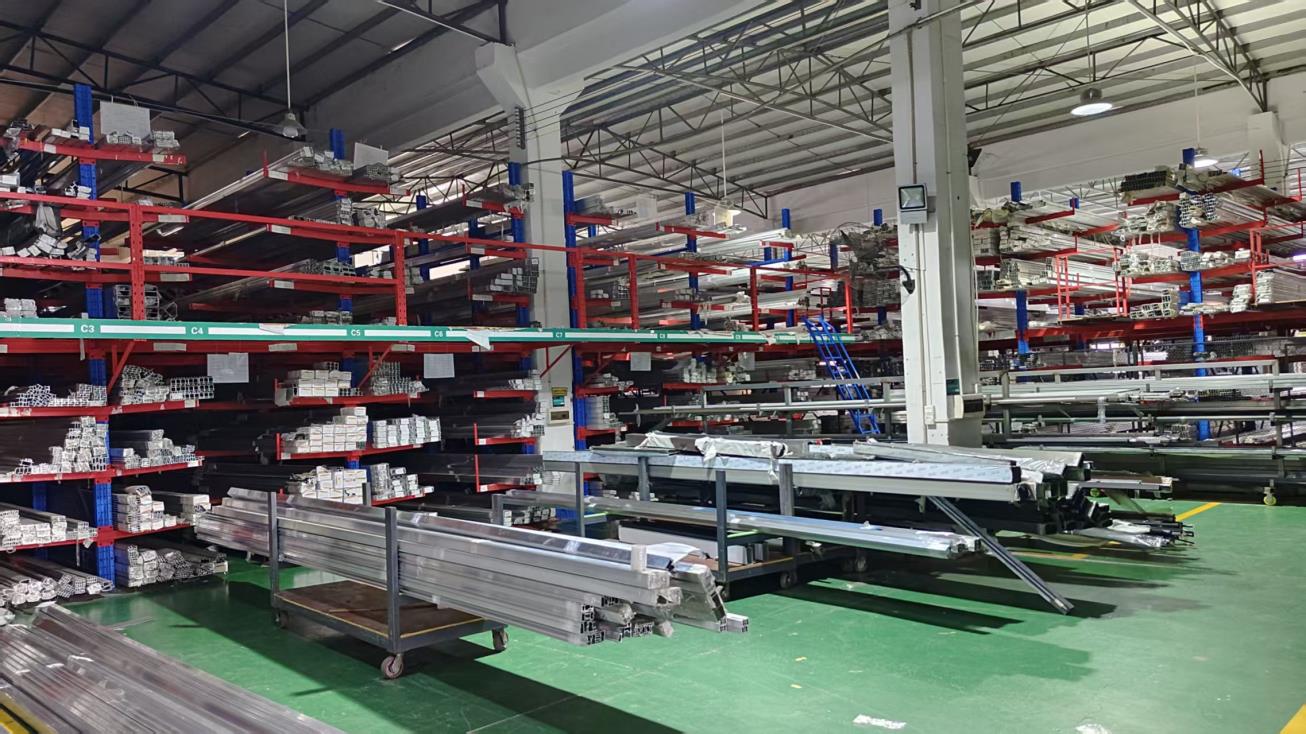
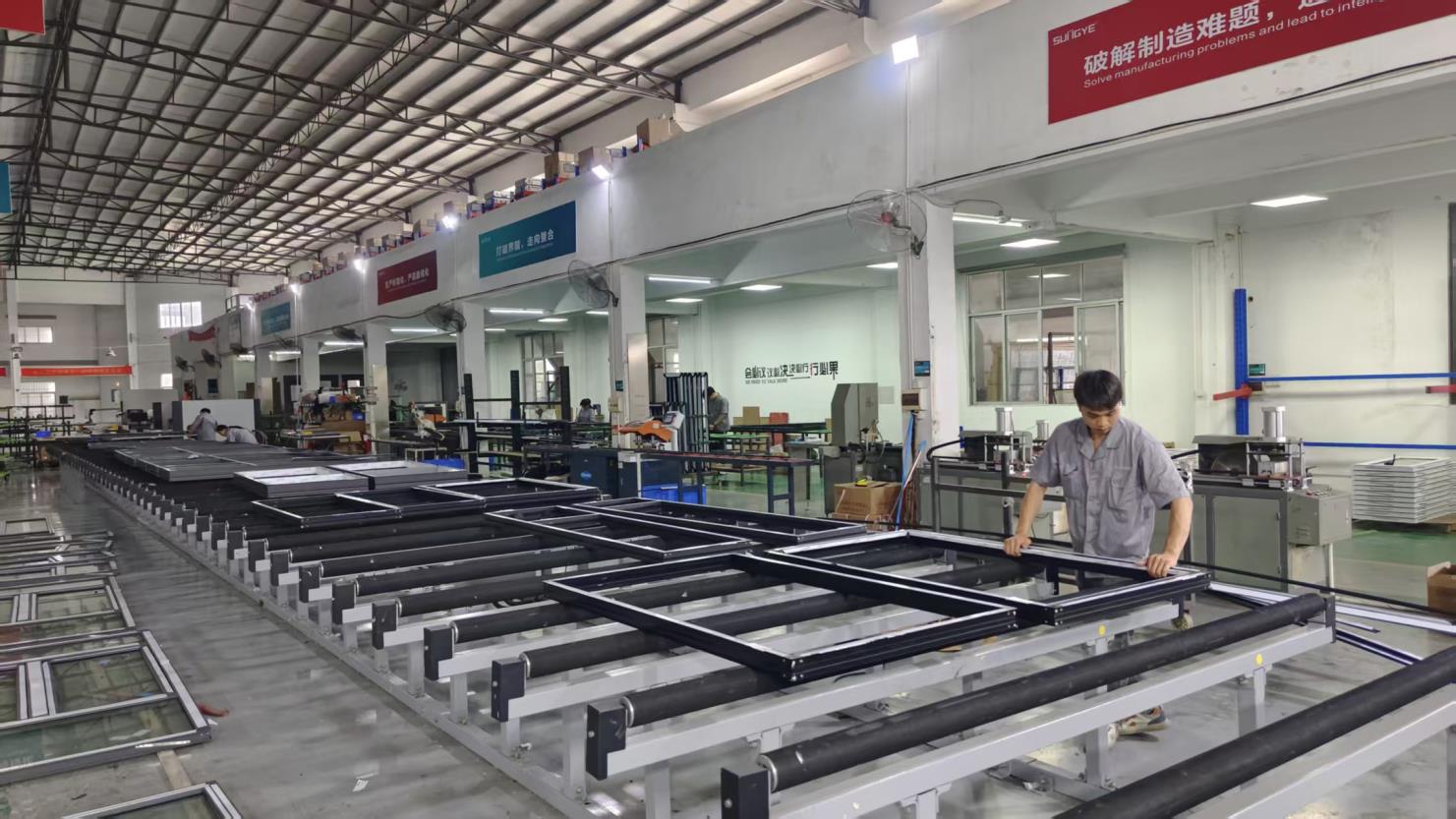
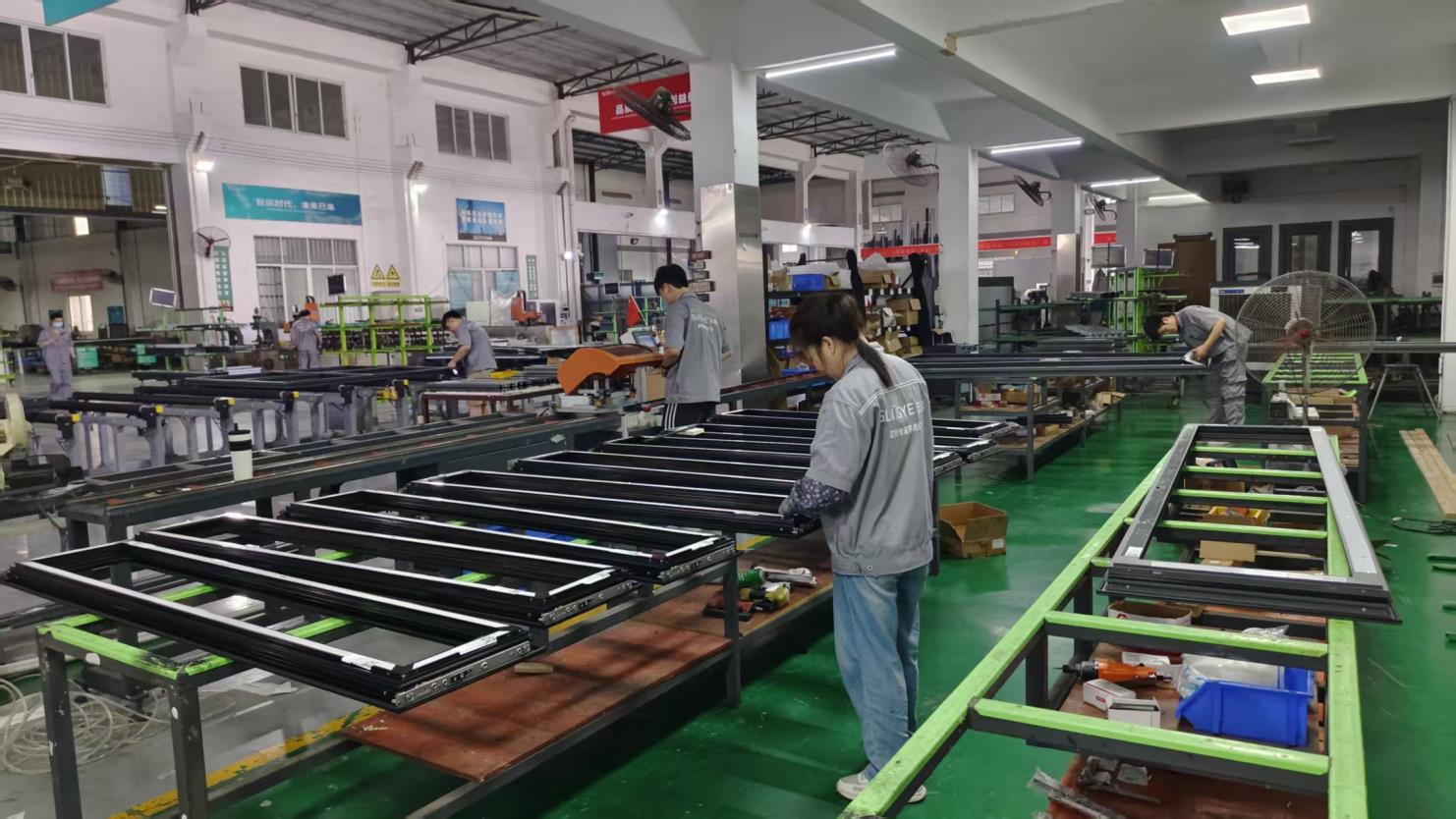
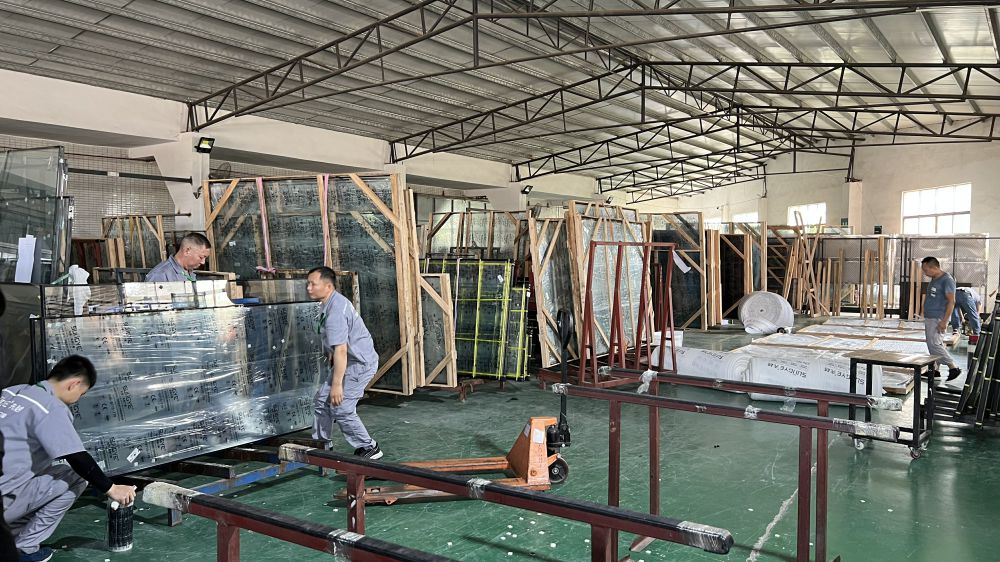
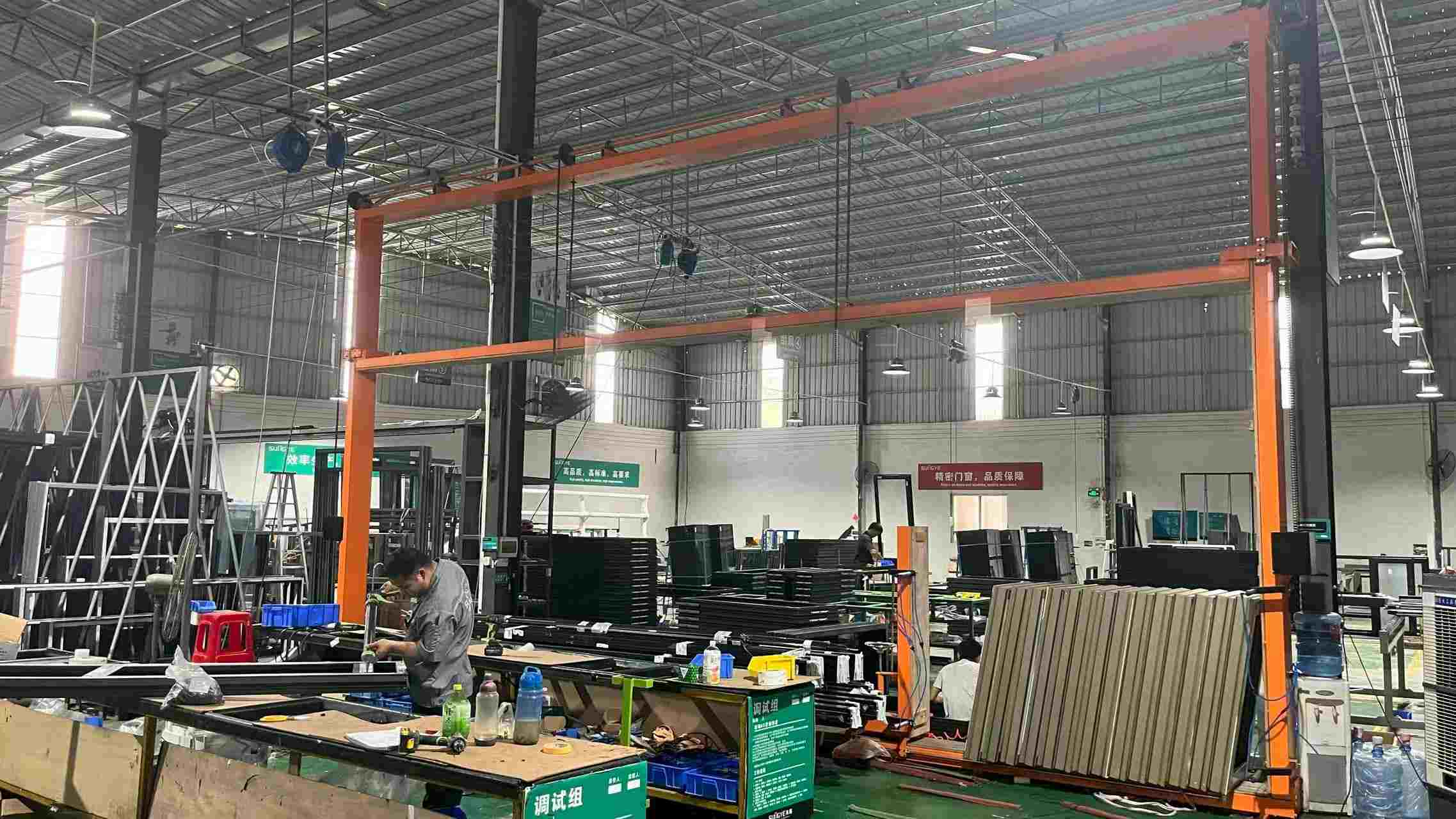
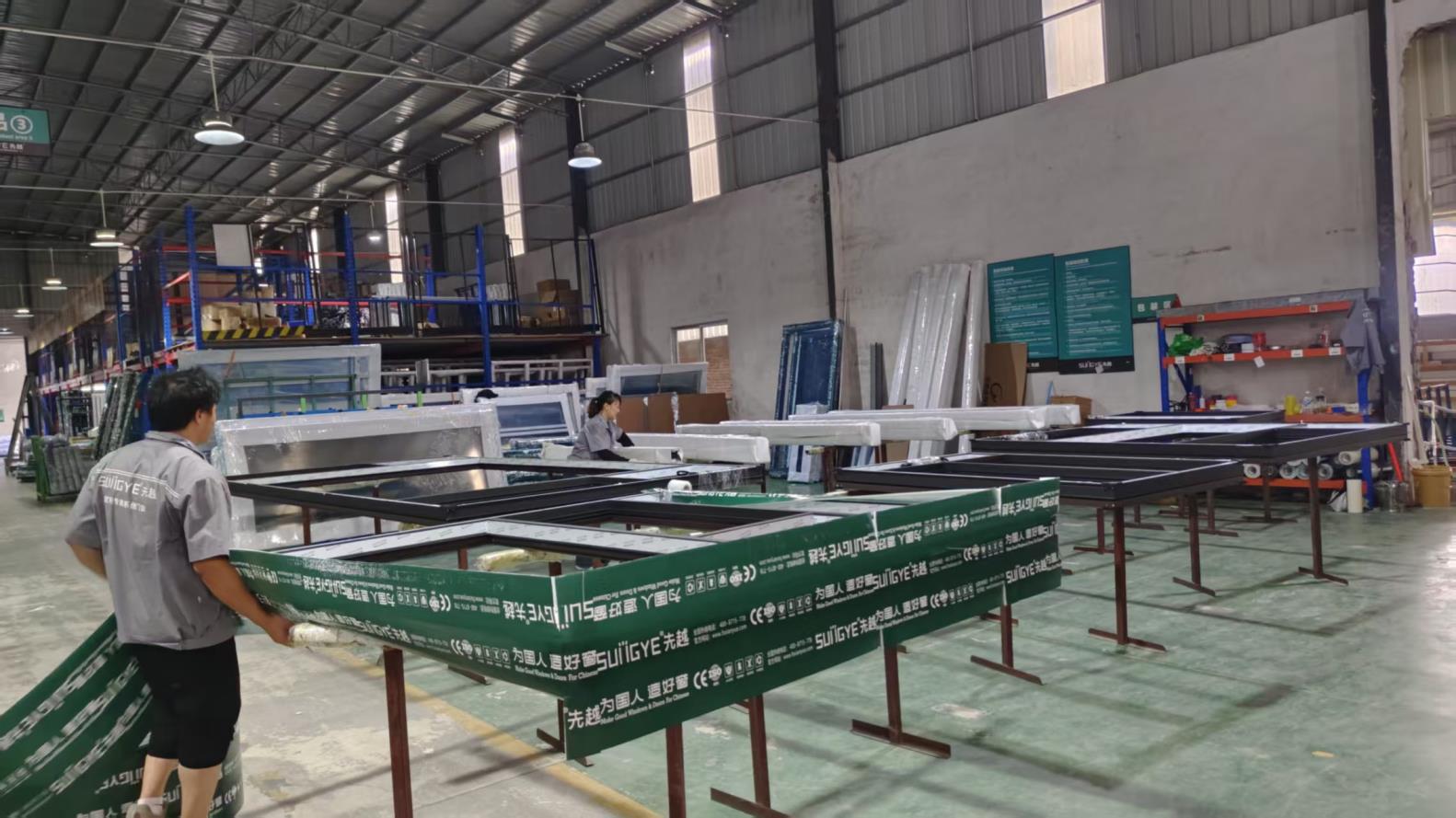
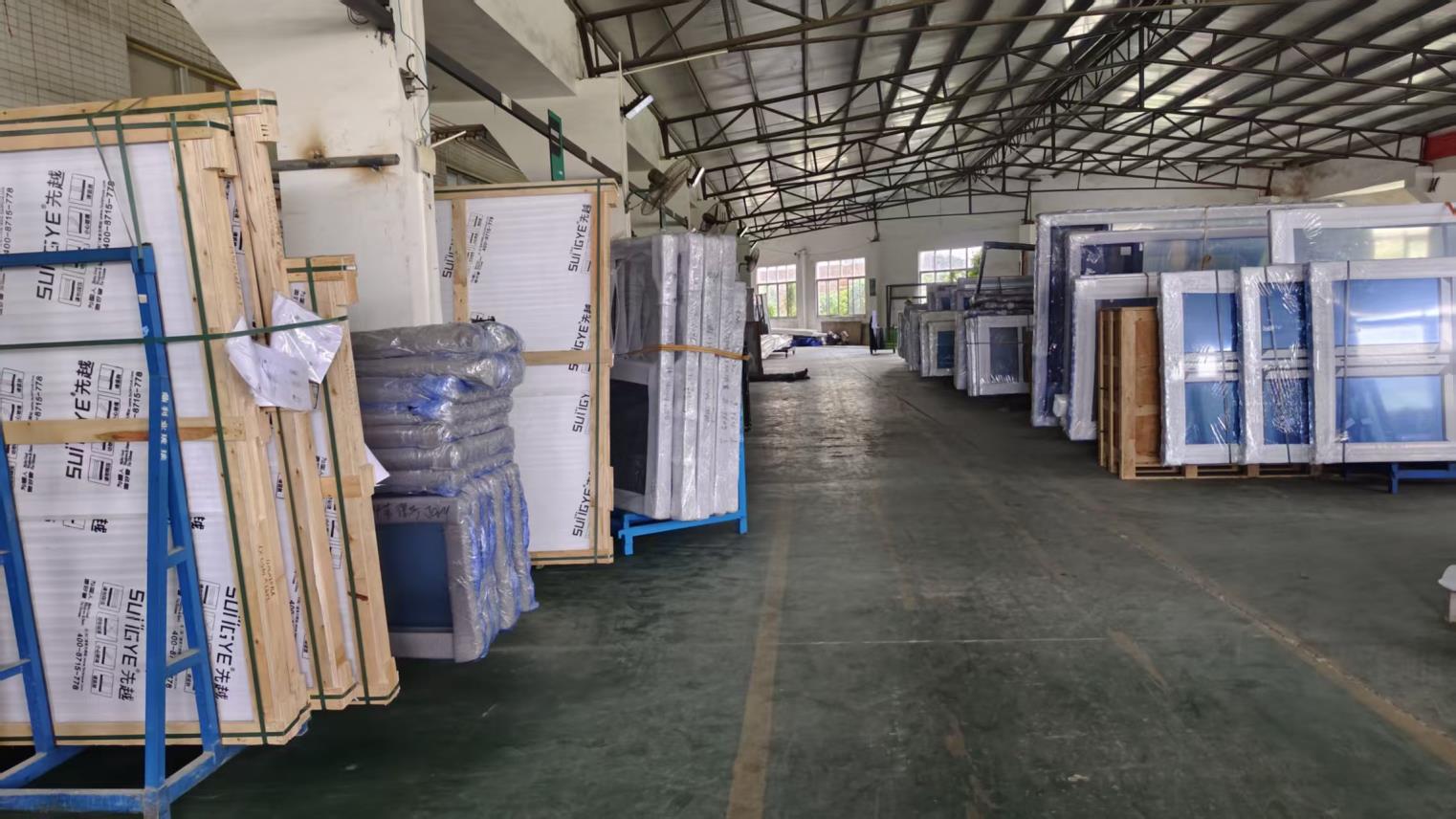
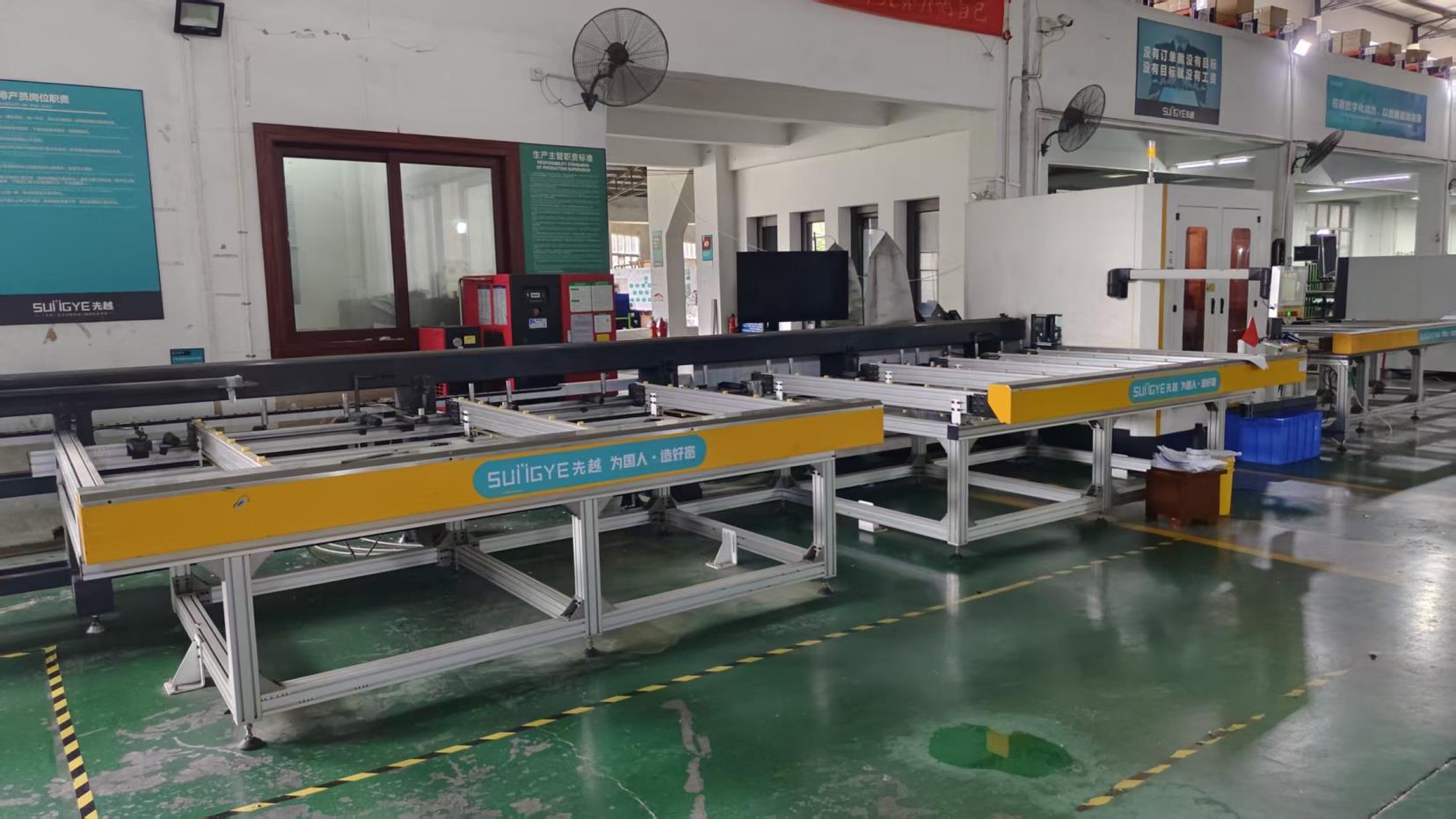
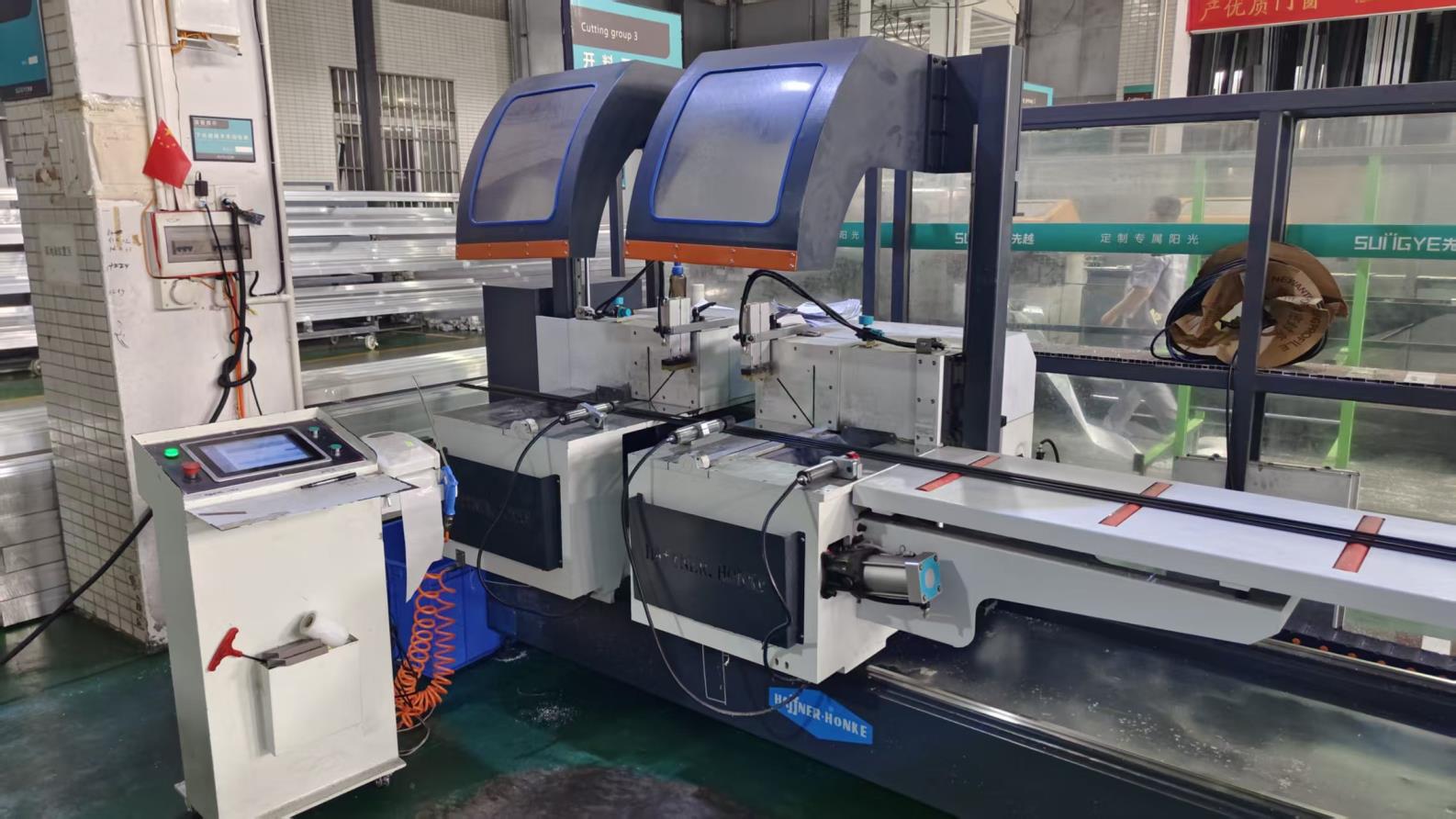
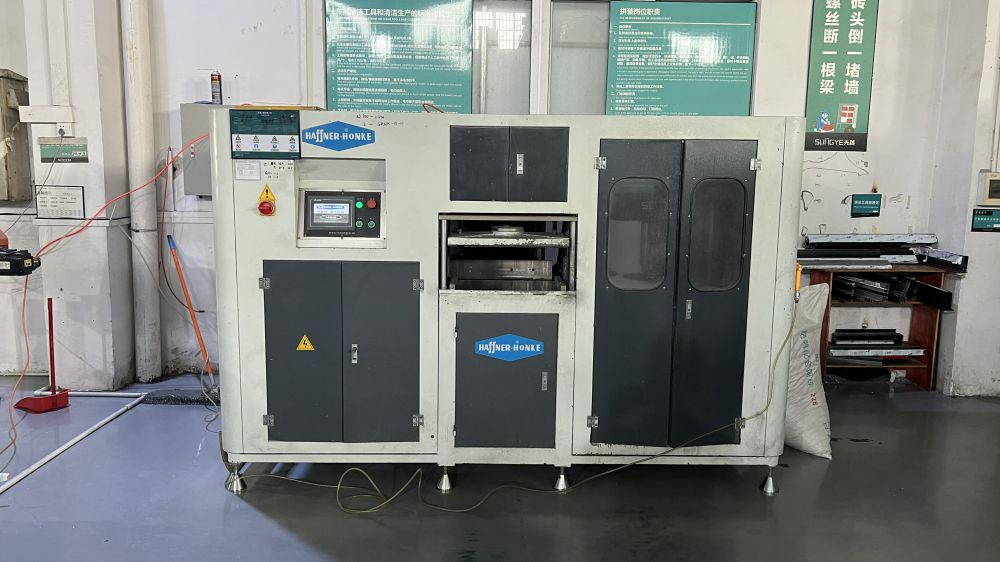
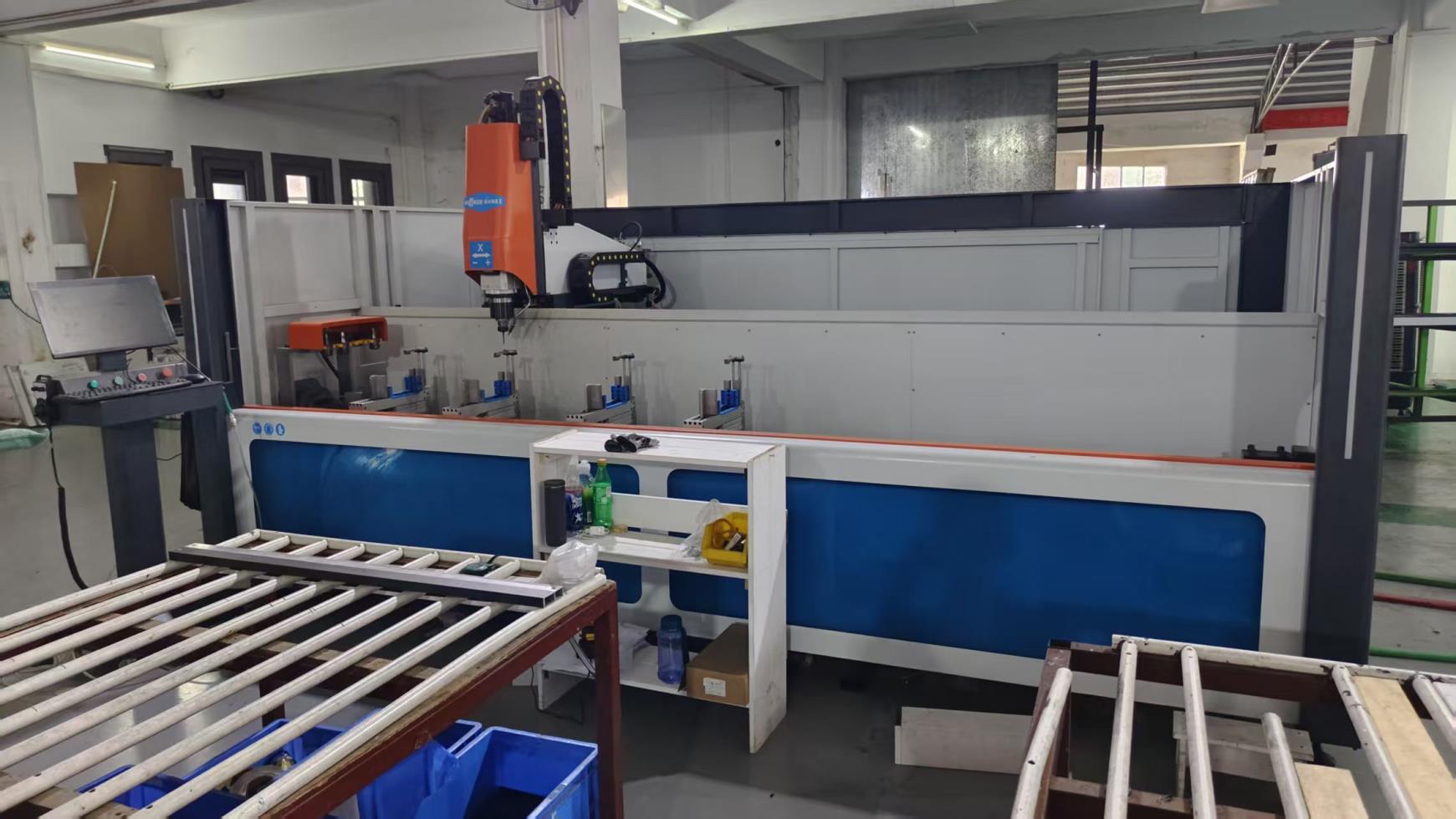
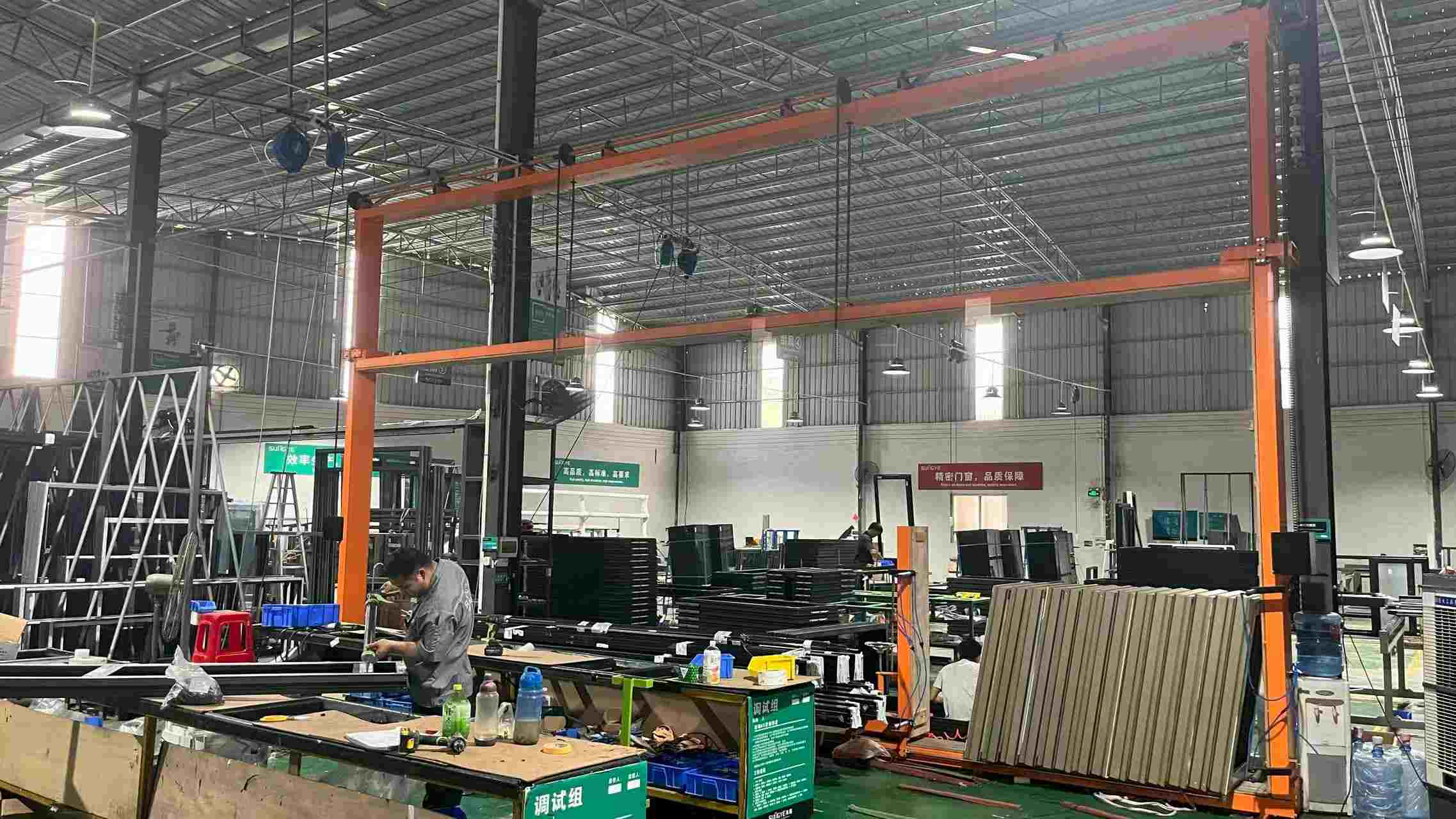
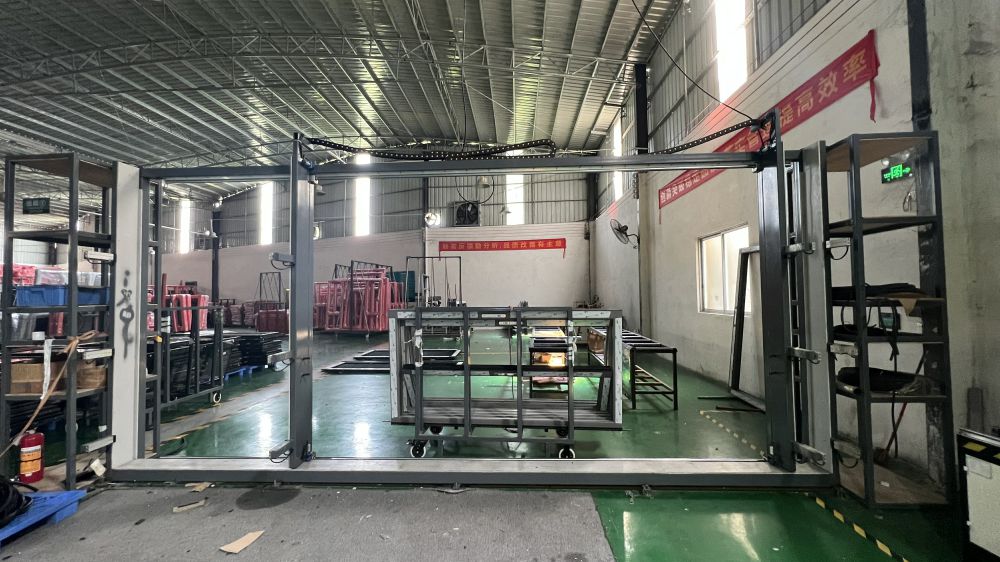
Established in 2015, Guangzhou Cresta Door & Window Co., Ltd. operates an 18,000-square-meter manufacturing facility. Backed by 11 years of industry experience and 7 years of international trade operations, we achieve an annual export turnover of $22 million across Southeast Asia, the Middle East, and Oceania. We mainly supply custom home builders, renovation contractors, and regional wholesalers.
To ensure top-tier craftsmanship, our team of 30 QC inspectors strictly enforces ISO-certified optical surface inspections and weatherproofing seal tests. With a reliable network of 550 upstream suppliers, Cresta excels in tailored solutions such as custom acoustic insulation, motorized insect screens, and slim-frame sliding doors. Supported by an active R&D division of 35 specialized engineers, we released 38 new product series over the past year.
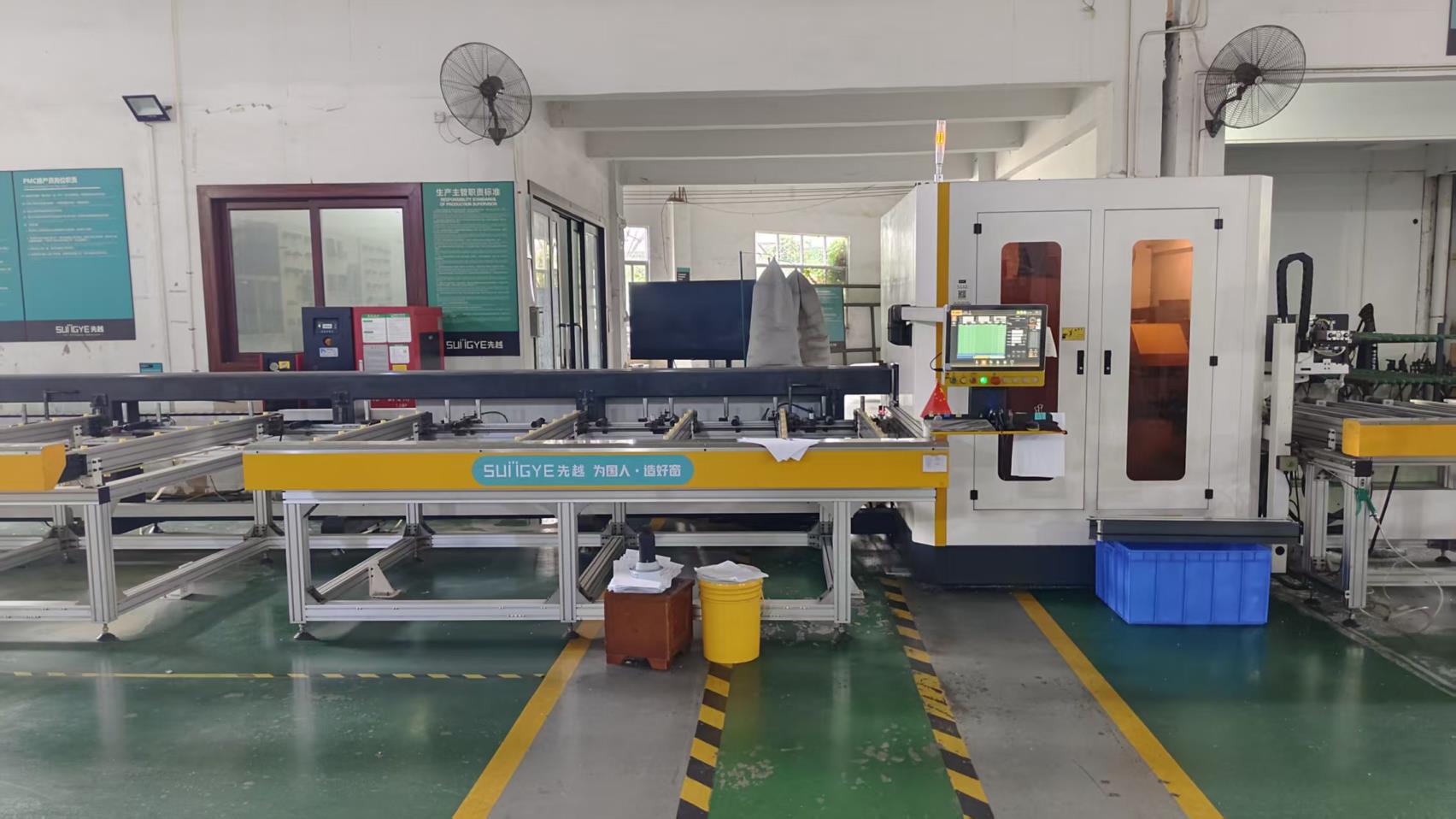
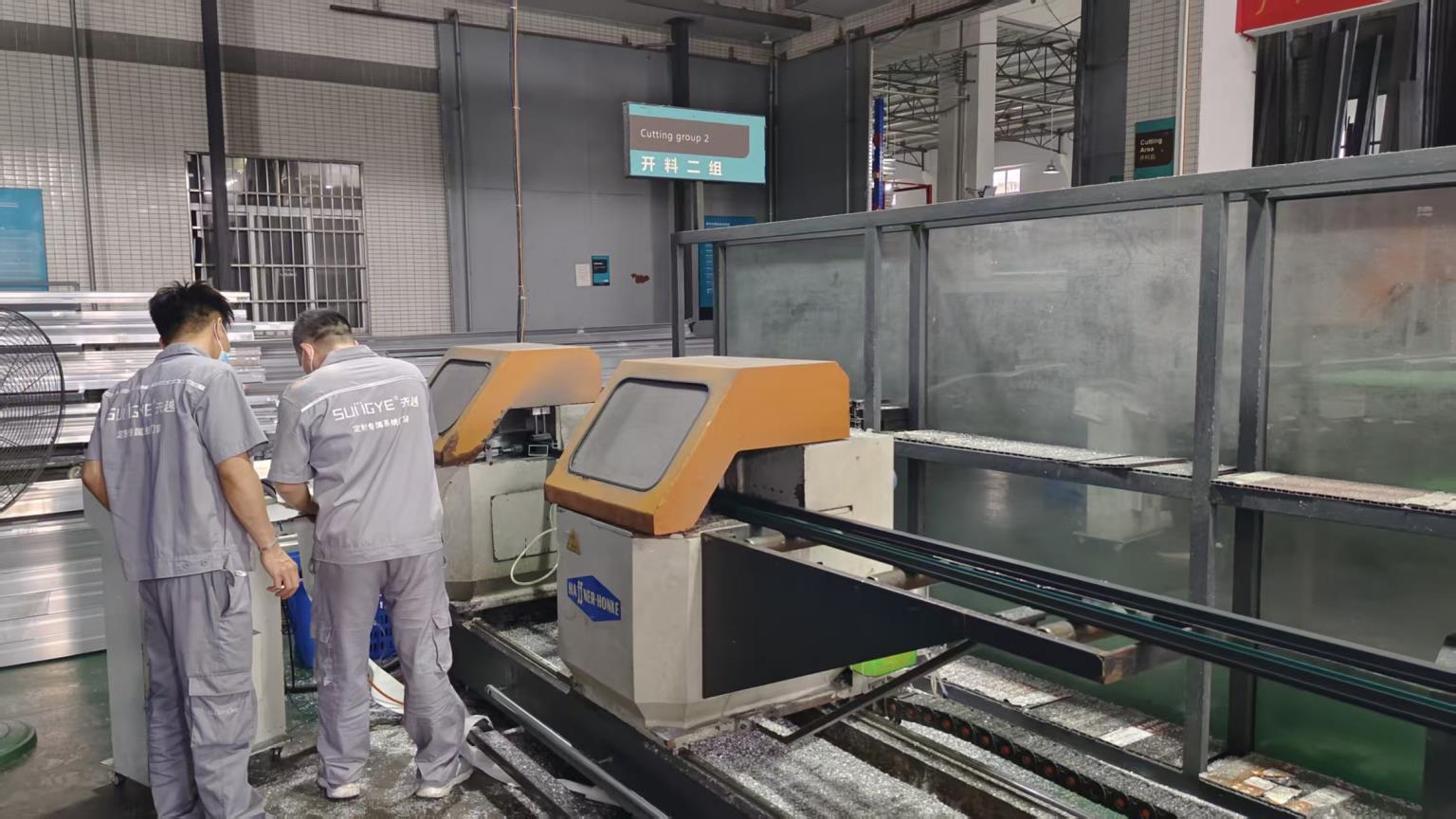
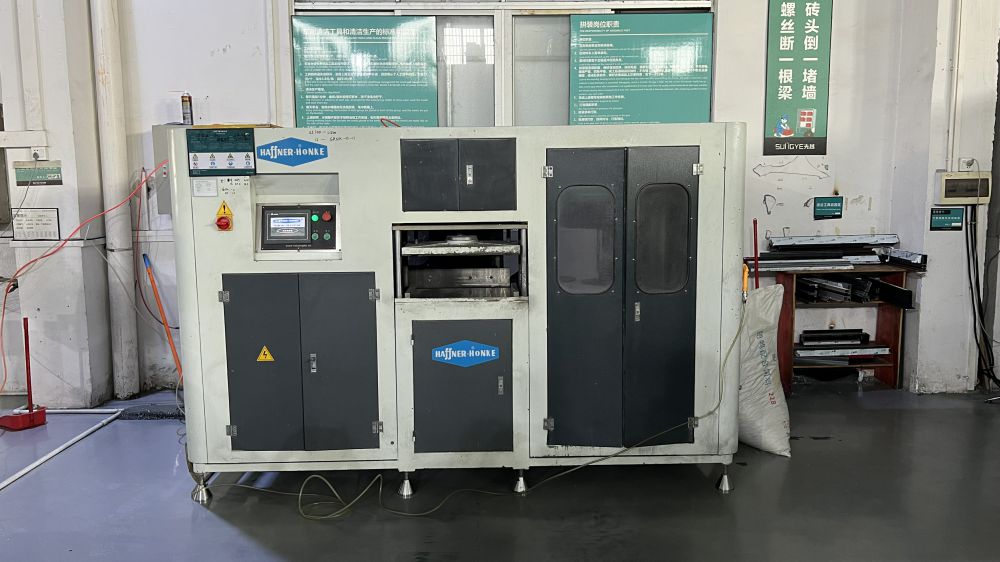
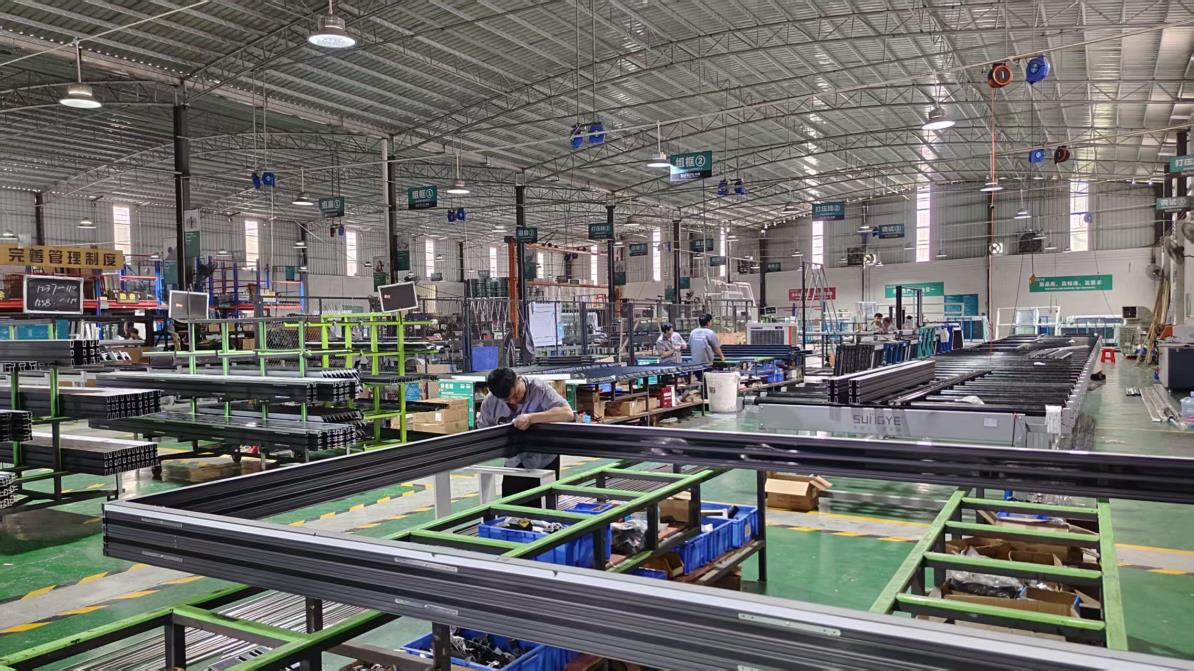
Rigorous empirical comparison demonstrating why non-operable fixed windows outperform operable fenestration types across core physical parameters.
| Fenestration System Type | Overall U-Factor (W/m²·K) | Air Infiltration (L/s·m²) | Water Penetration (Pa) | Max Acoustic Rating (STC) | Structural Wind Load (Pa) |
|---|---|---|---|---|---|
| Cresta Ultra-Thermal Fixed Window | 0.78 - 1.20 | < 0.02 (Class A1) | 1050 Pa | STC 48 / OITC 40 | ± 9000 Pa |
| Thermal Break Casement Window | 1.30 - 1.80 | 0.15 - 0.30 | 700 Pa | STC 40 | ± 5000 Pa |
| Slim-Frame Sliding Window System | 1.80 - 2.40 | 0.45 - 0.80 | 450 Pa | STC 35 | ± 3500 Pa |
| Bi-Folding Architectural Door / Window | 2.00 - 2.60 | 0.60 - 1.20 | 350 Pa | STC 32 | ± 2800 Pa |
Our engineering protocols are customized to adhere strictly to regional structural, thermal, and severe weather codes across all major global markets.
Tested under NFRC 100/200/400 thermal modeling standards. Fully compliant with Florida Building Code (FBC) TAS 201/202/203 for Large Missile Impact Resistance in high-velocity hurricane zones (HVHZ).
Certified under AS2047 for ultimate limit state (ULS) deflection and AS1288 human impact safety glass code. Audited through NATA-accredited laboratories for housing and commercial towers.
Full compliance with CE marking guidelines under EN 14351-1. Optimized profile geometry supports Passive House standard thermal envelope targets (Uw ≤ 0.8 W/m²K).
As smart cities and automated building management systems (BMS) proliferate globally, fixed windows are transitioning from passive barrier components into active dynamic environmental regulators. Guangzhou Cresta's R&D team of 35 engineers actively develops advanced integrations to address urban heat island effects and energy self-sufficiency:
Integrating low-voltage electrochromic interlayers allows fixed picture windows to dynamically alter light transmittance (VLT) and Solar Heat Gain Coefficient (SHGC) from clear to 98% tinted on demand, slashing cooling loads by up to 30%.
Utilizing see-through cadmium telluride (CdTe) or transparent organic photovoltaic solar films, fixed spandrel and curtain wall windows generate green electricity directly from ambient sunlight without obscuring structural aesthetics.
By injecting nanostructured silica aerogels into the insulated glass unit (IGU) cavity, heat transfer is practically neutralized, achieving center-of-glass U-values approaching 0.30 W/m²K in extreme sub-zero alpine conditions.
Clear engineering answers regarding fixed window structural calculations, custom fabrications, thermal performance, and global shipping logistics.
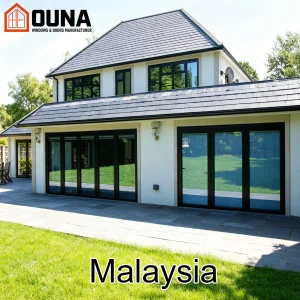
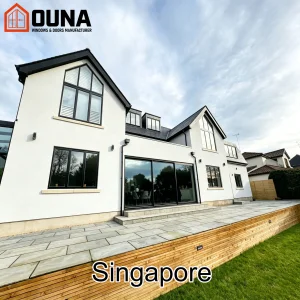
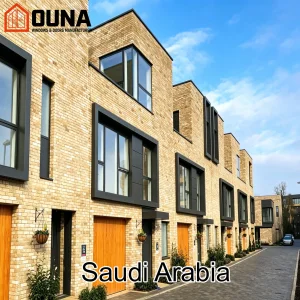
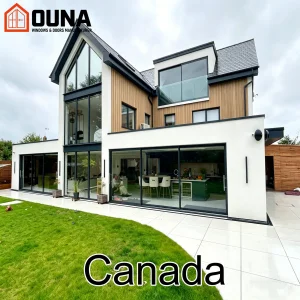
Comprehensive window and door solutions supplied to luxury residential villas, commercial high-rises, and industrial facilities globally.




 Cresta Window Tech